Why This Fails Locally
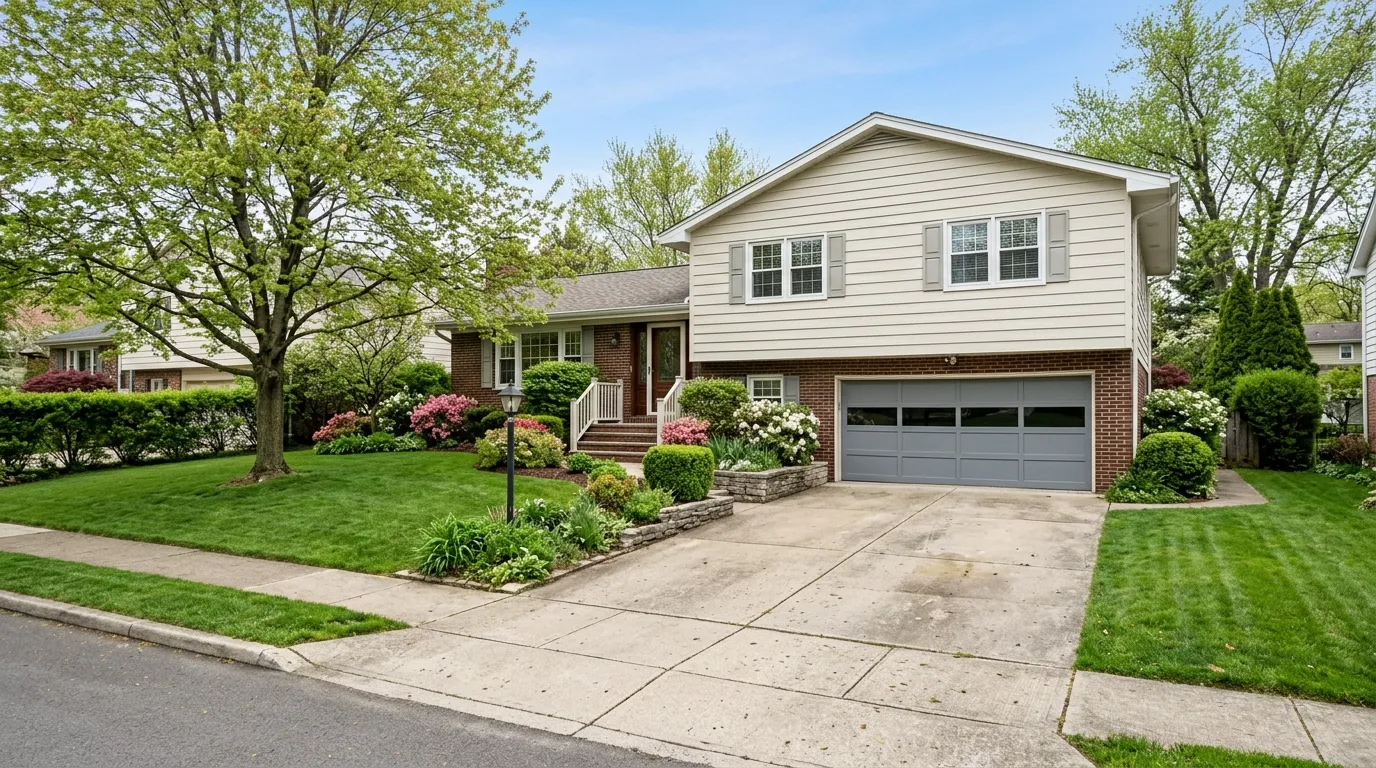
Housing across this service area was mostly built between 1947 and 2012, with a median build year of 1963 - meaning a large share of the doors we service are original garage hardware from a build era before galvanized steel components were standard, or first-generation replacements installed in the decades since. That 1960s-70s stock pattern repeats across the 39 named communities in this service area, so the same age-related wear shows up house after house: springs that have outlived their rated cycle count, torsion tube brackets fastened with hardware nobody stocks new, and openers that predate photo-eye safety sensors entirely.
The mild temperate climate here works against homeowners in a different way than heat or hard freeze would. There's no dramatic seasonal failure that forces people to notice a problem - no spring metal cracking from a hard freeze, no summer heat swelling wood panels overnight. Instead, wear is gradual: lubricant dries out slowly, rollers wear down slowly, and a door keeps limping along until a cable finally lets go. Mild weather doesn't create emergencies. It hides the slow ones until they aren't slow anymore.
How We Fix It
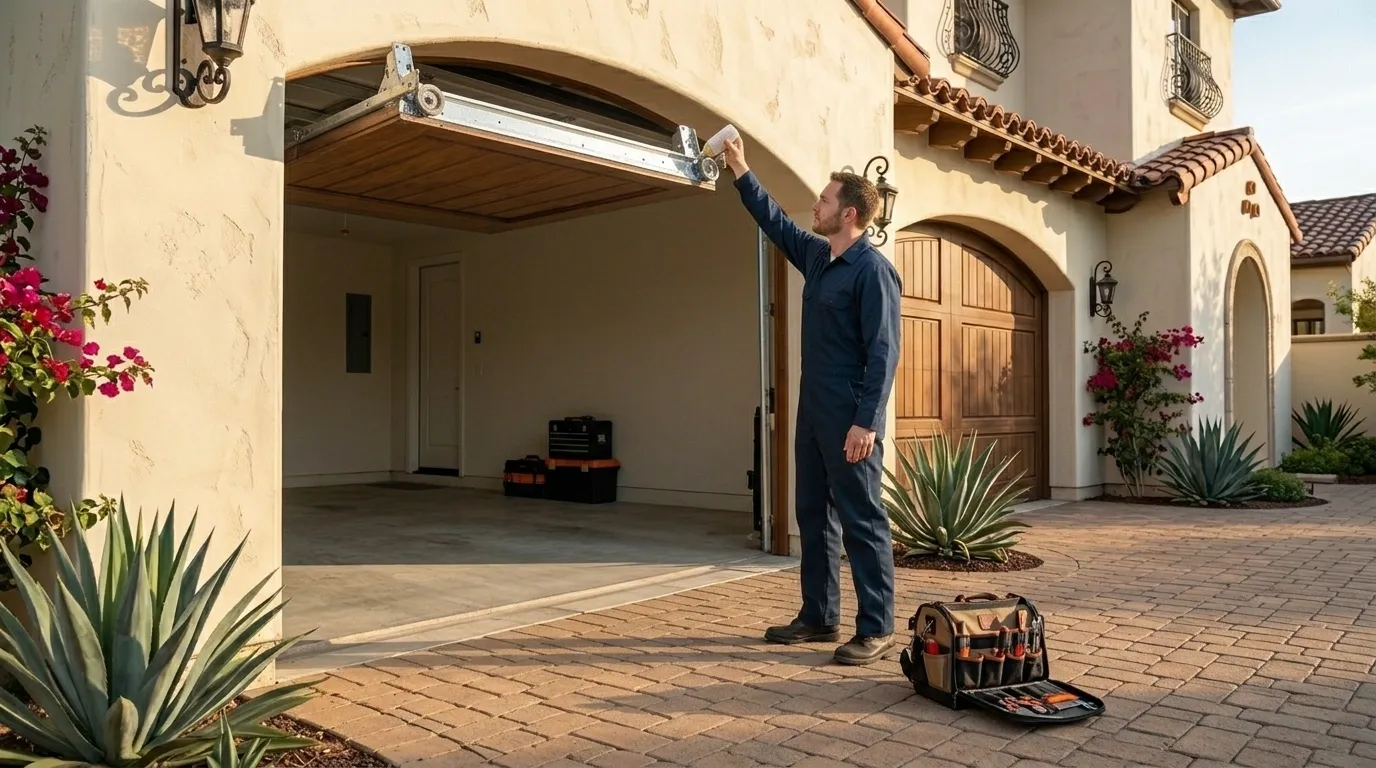
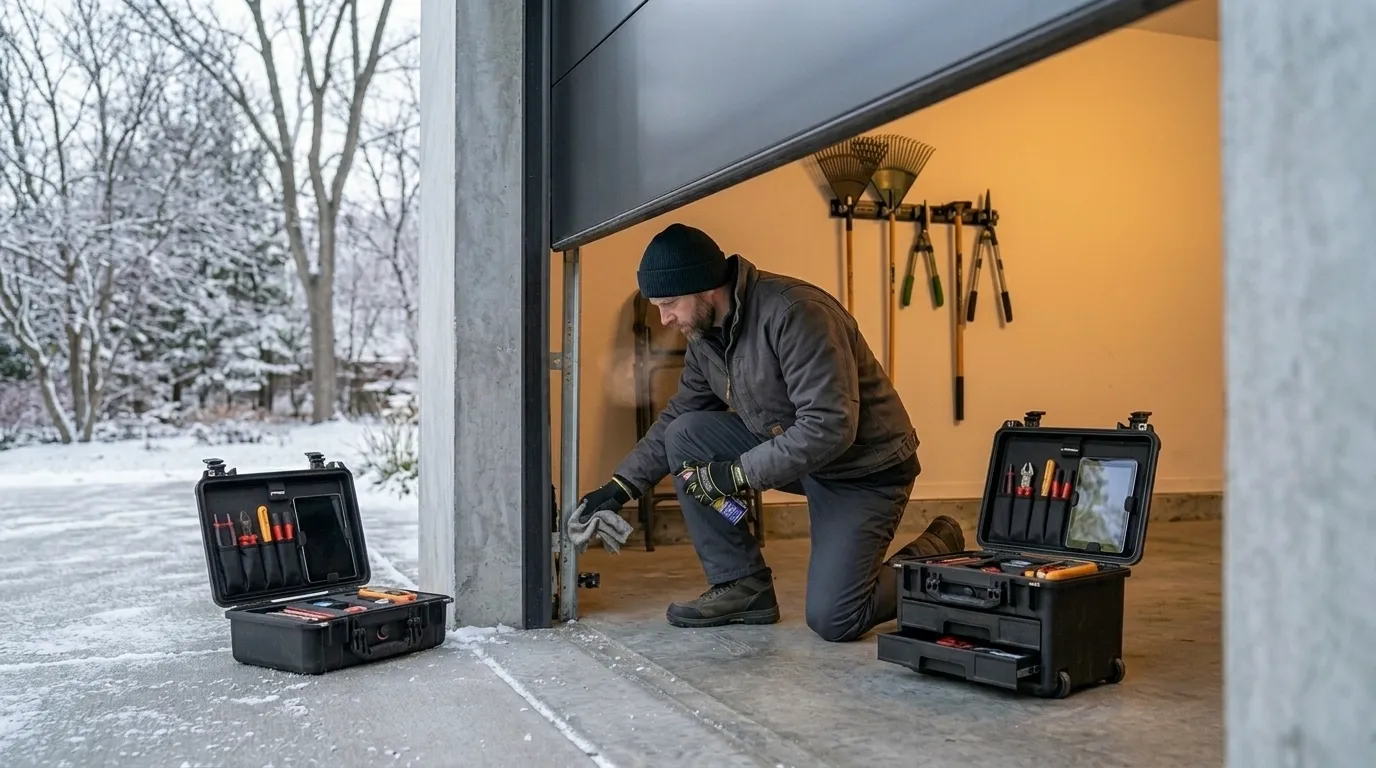
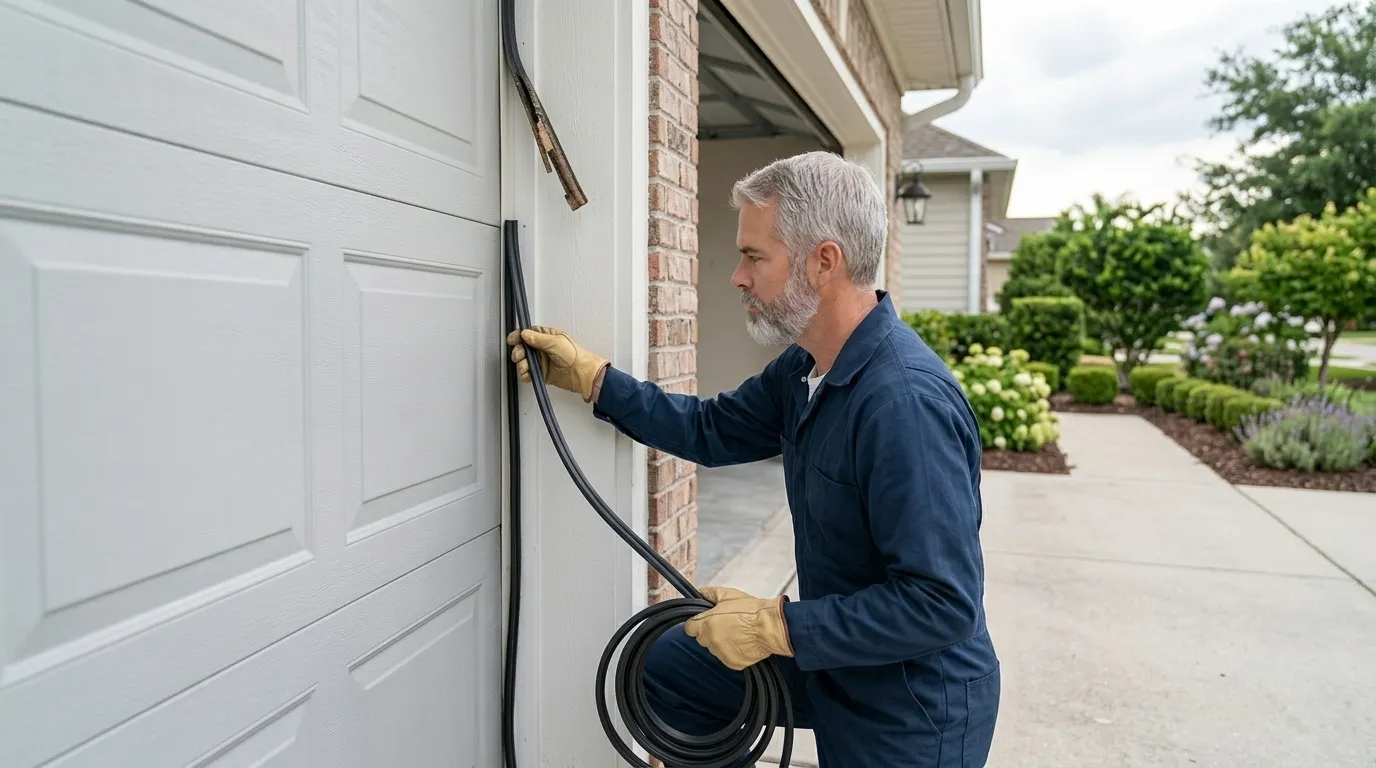
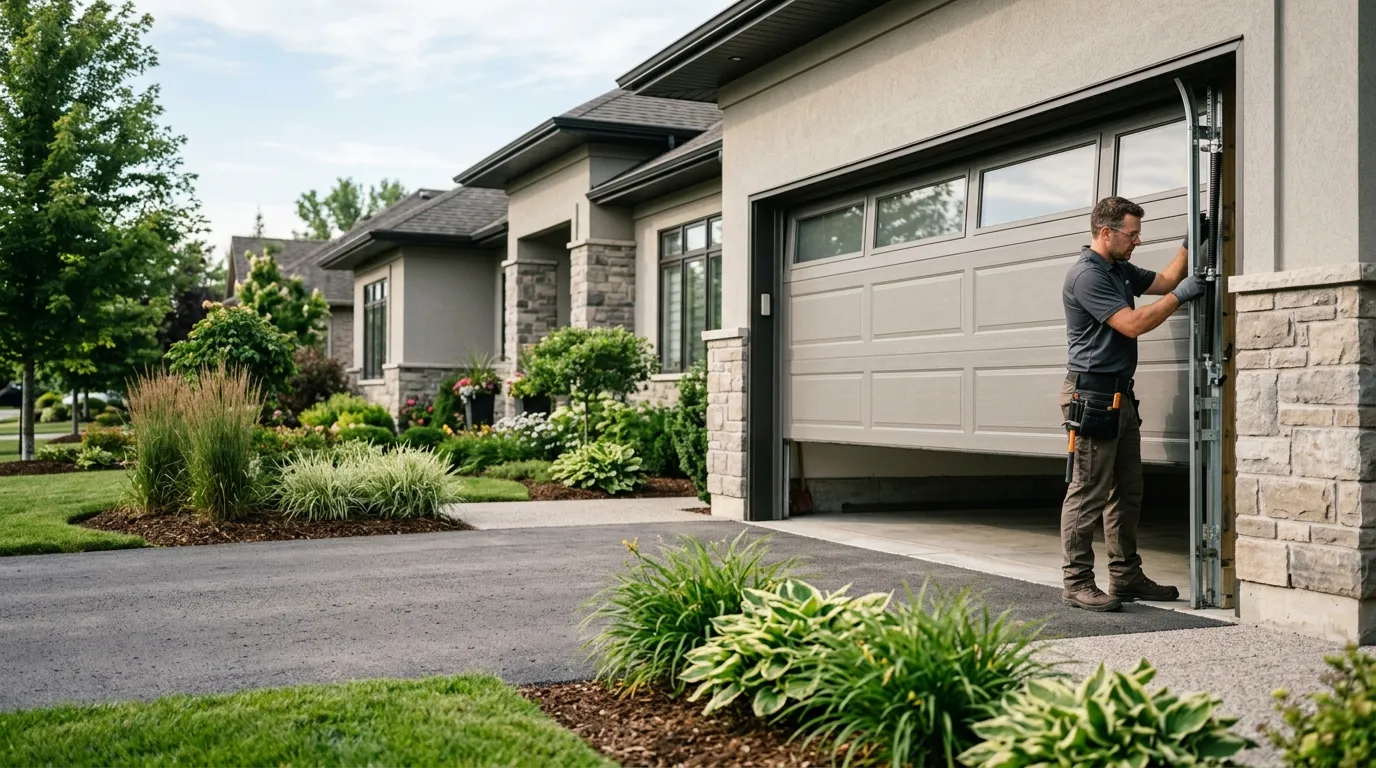
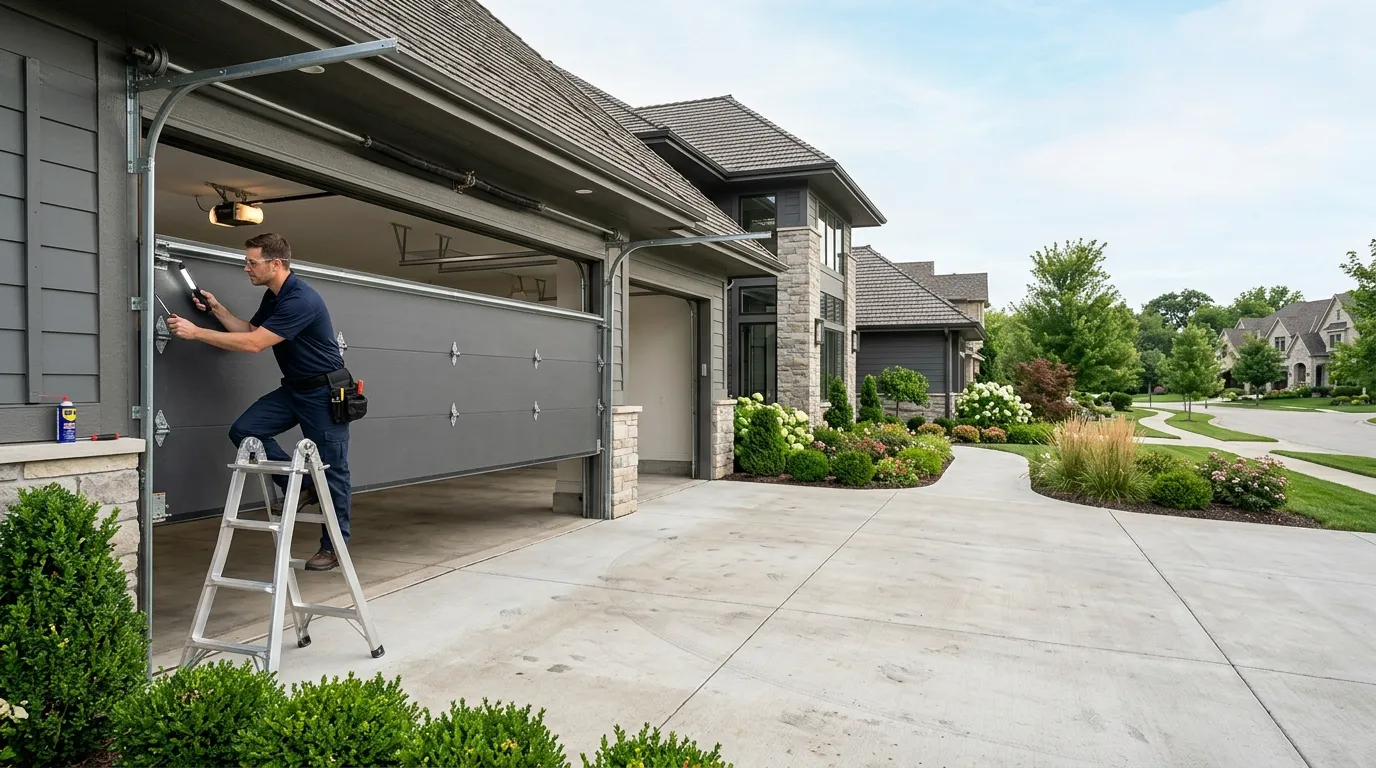
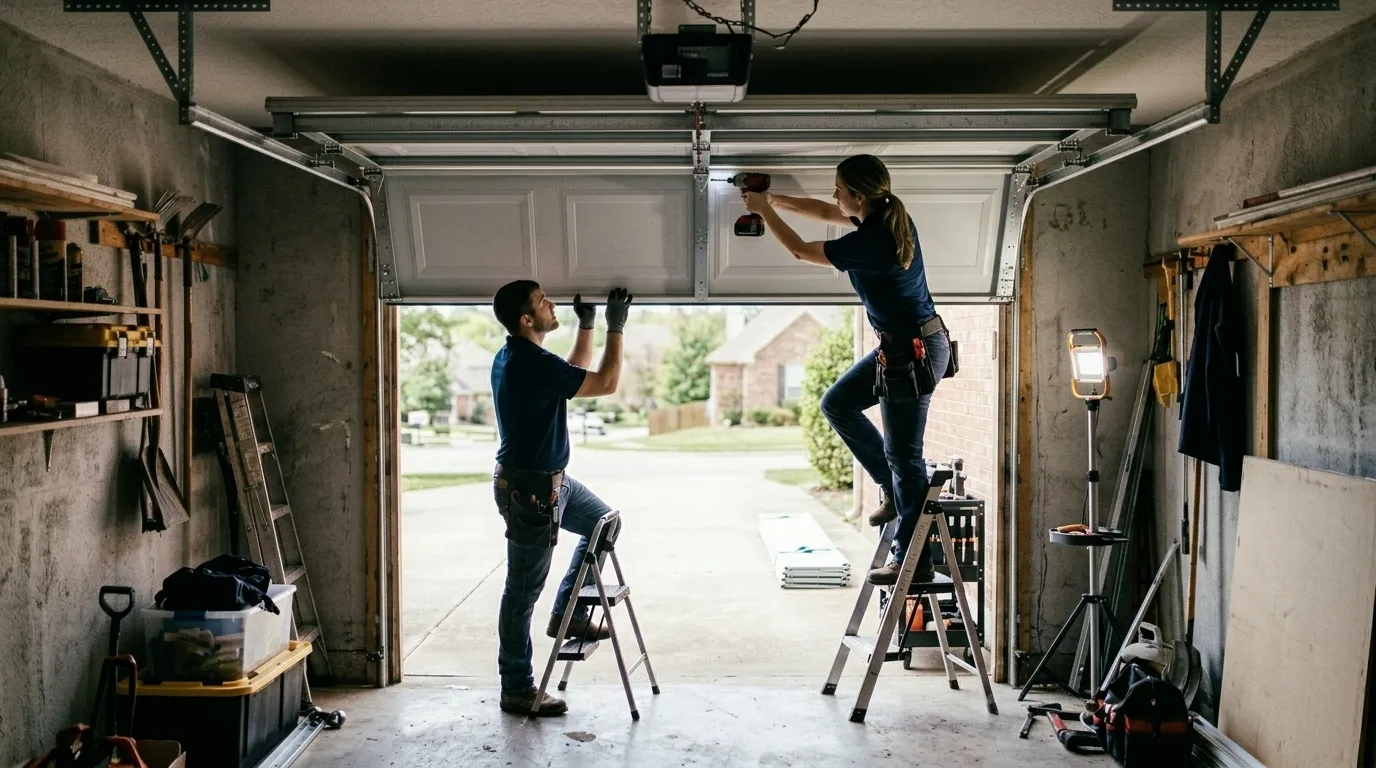
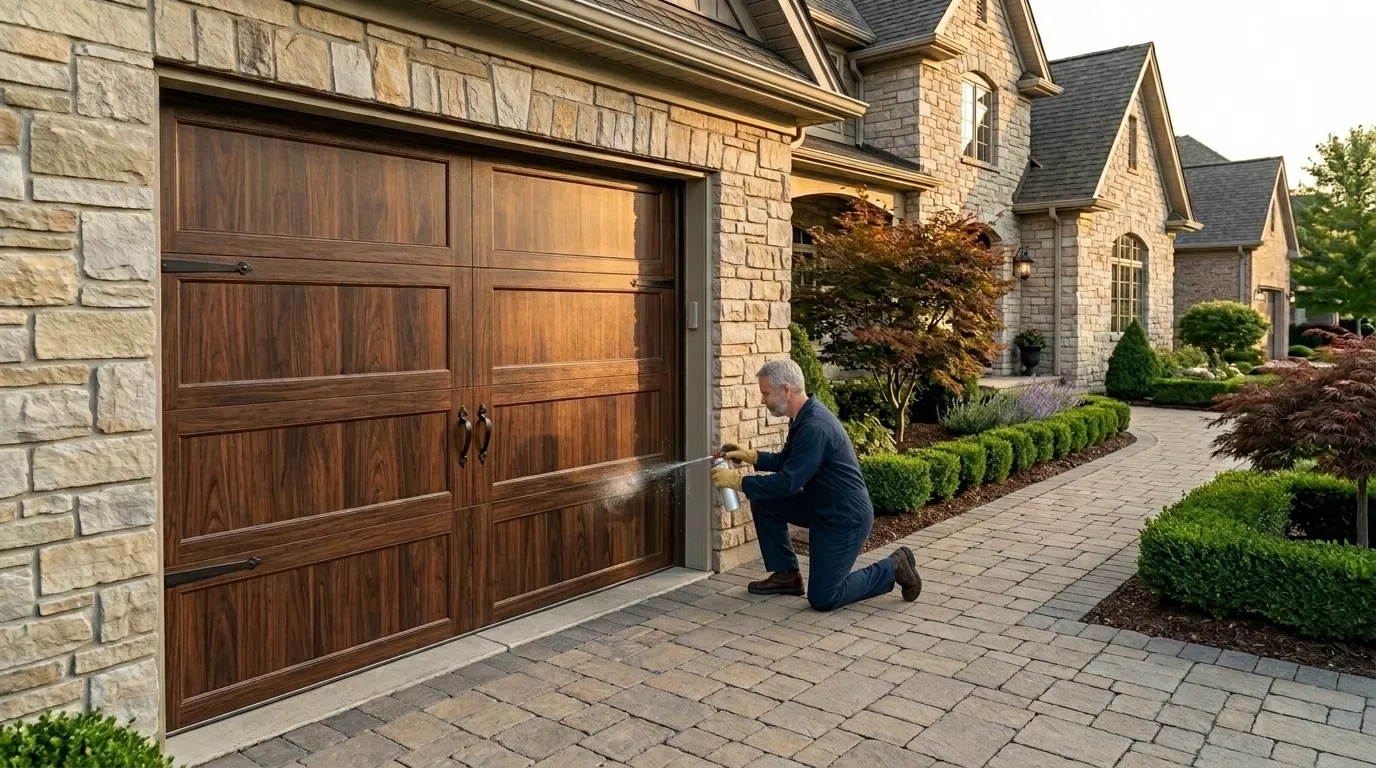
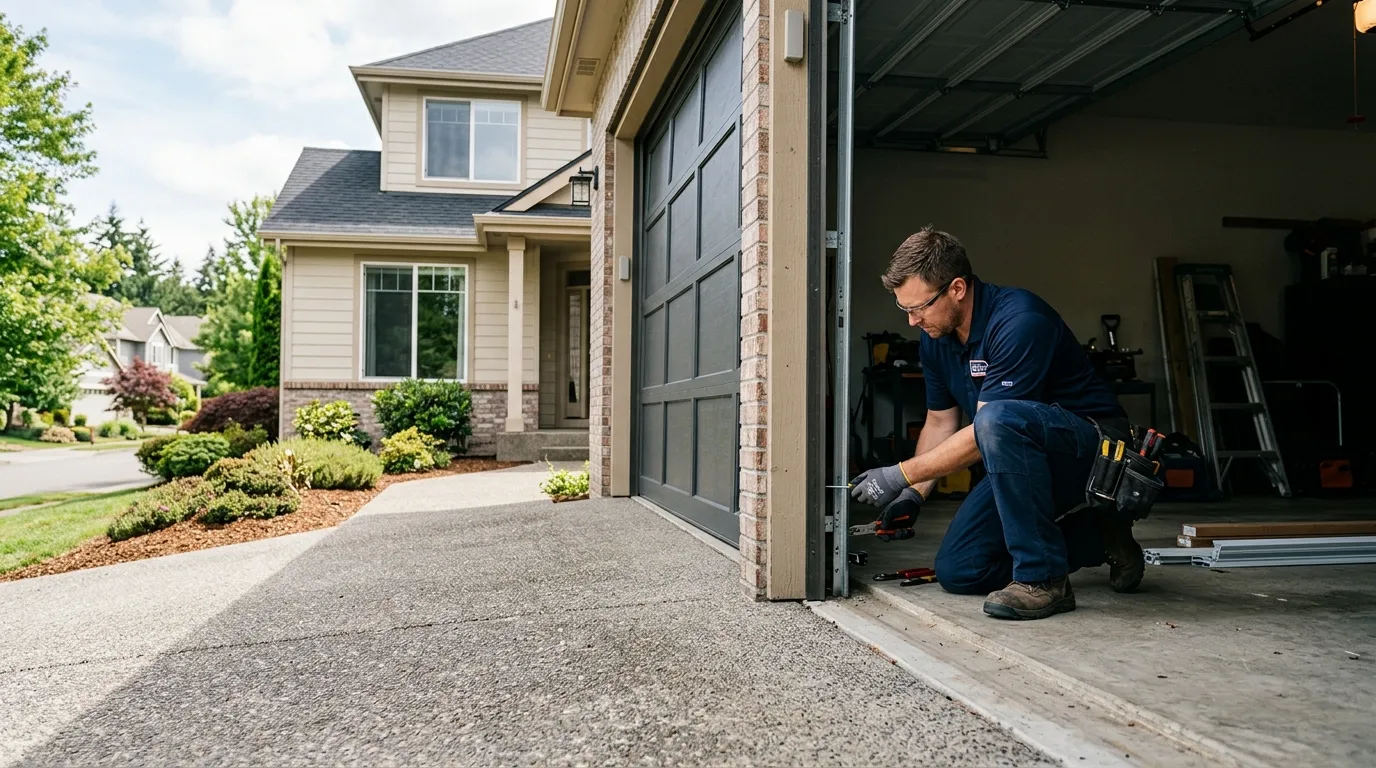
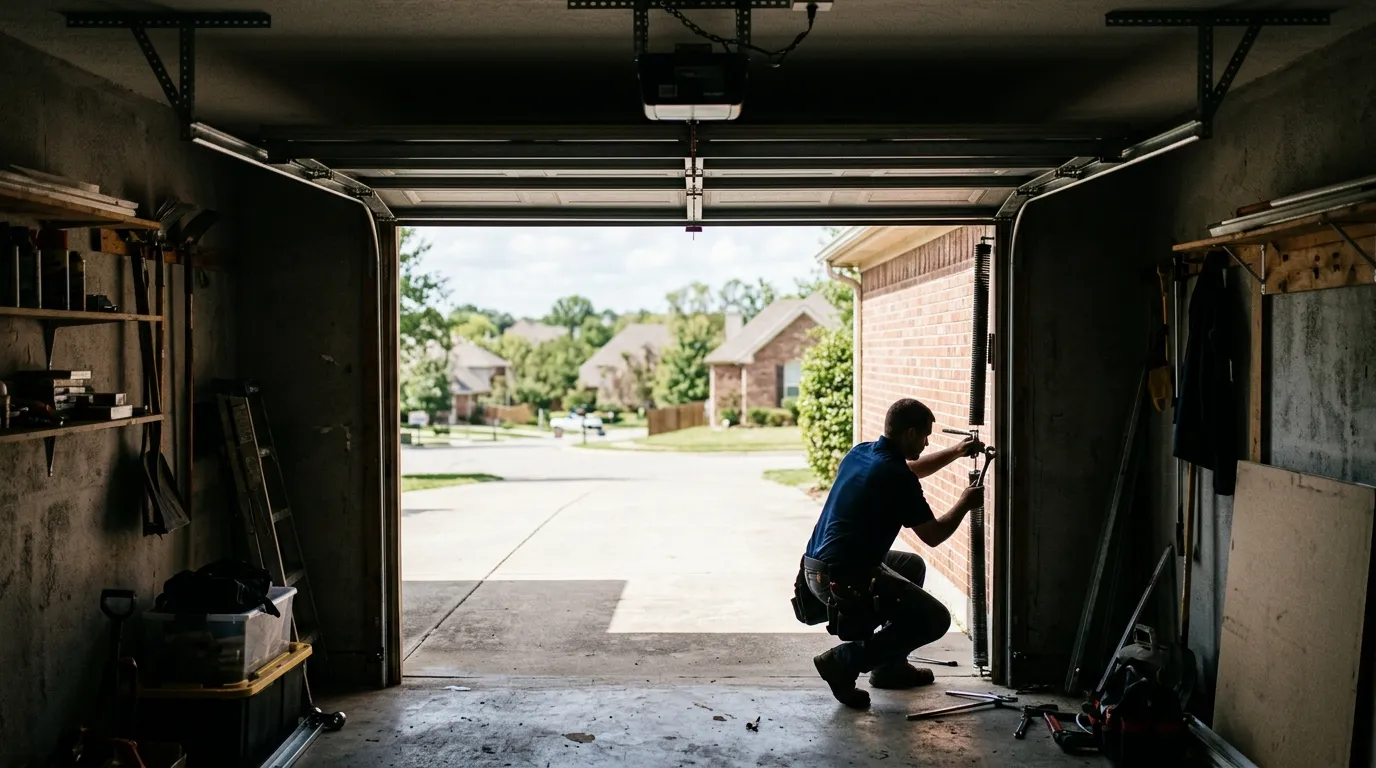
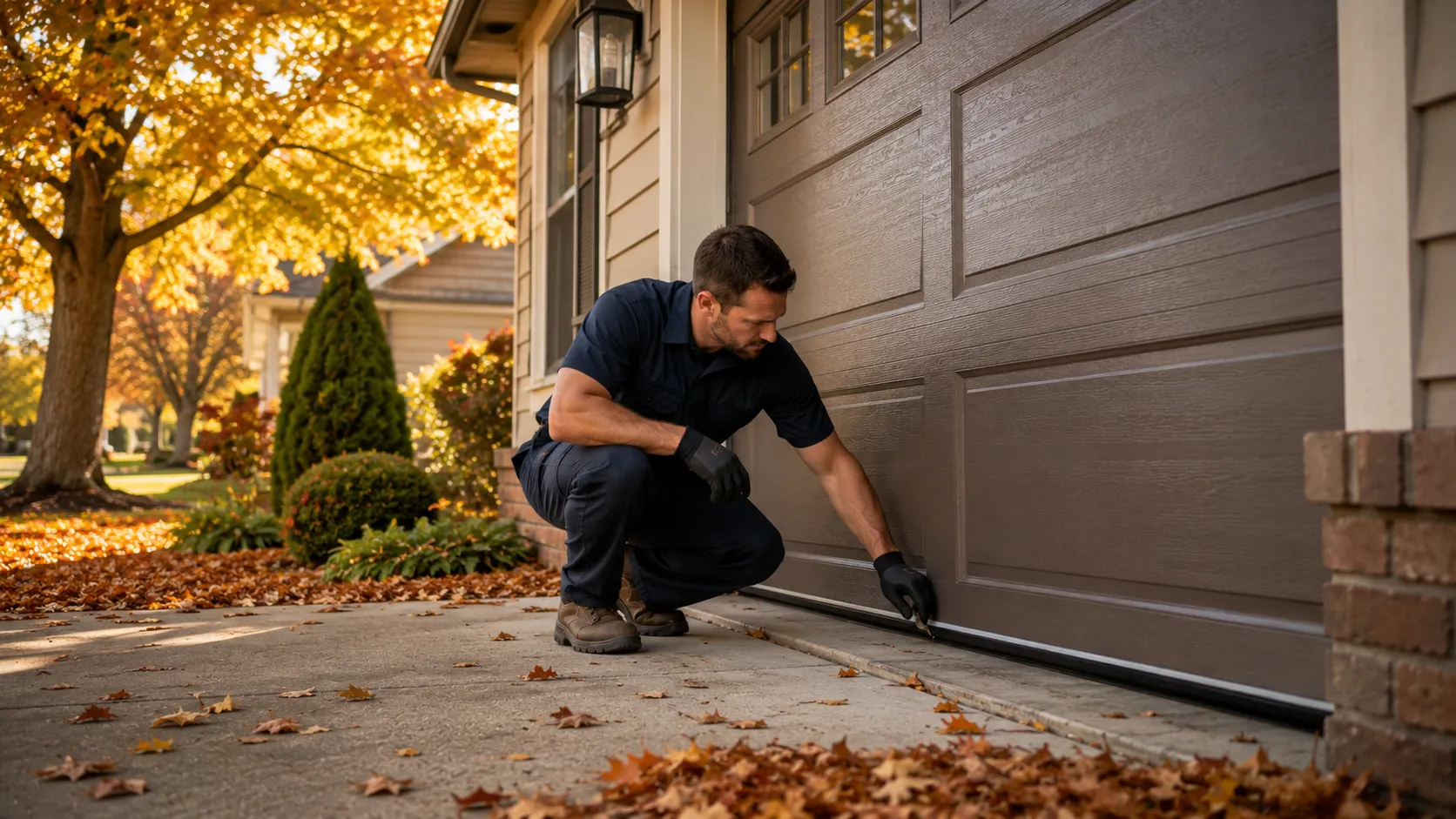
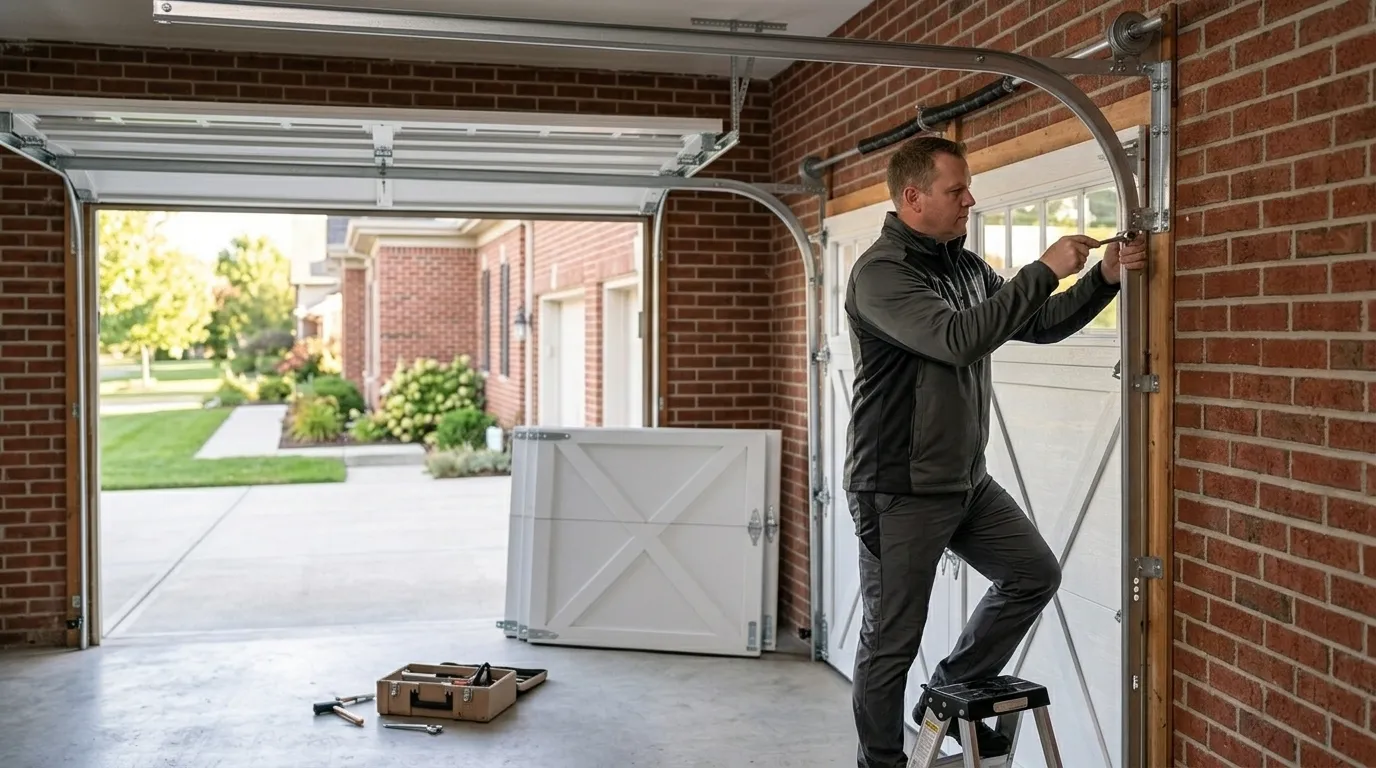
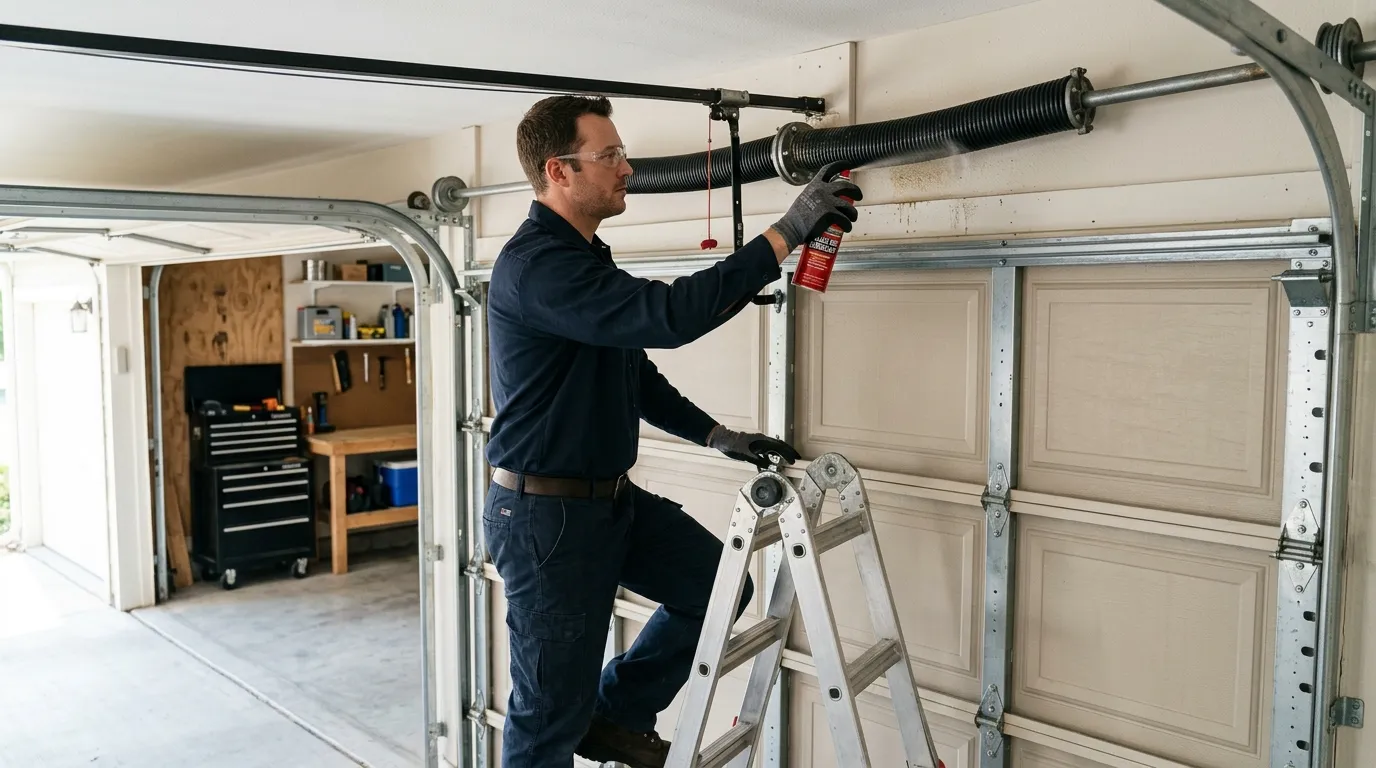
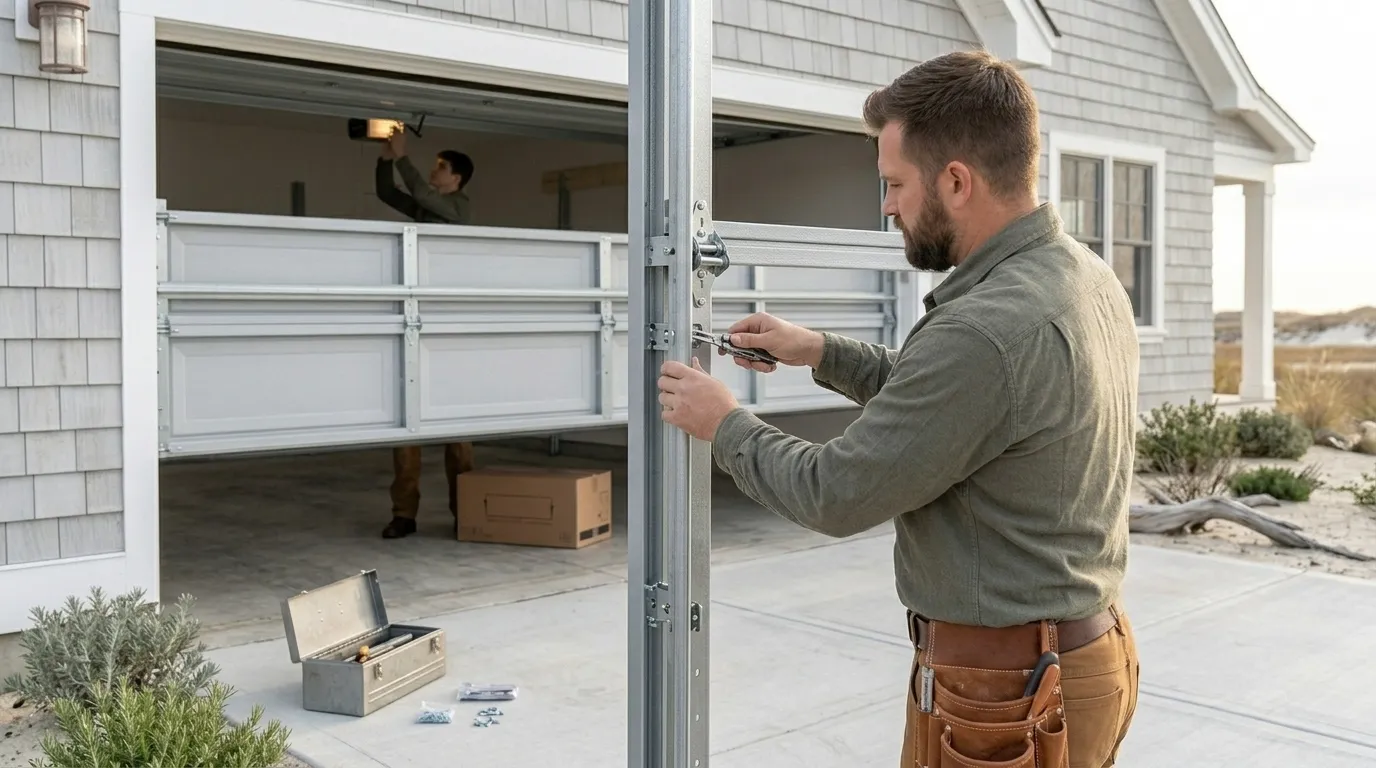
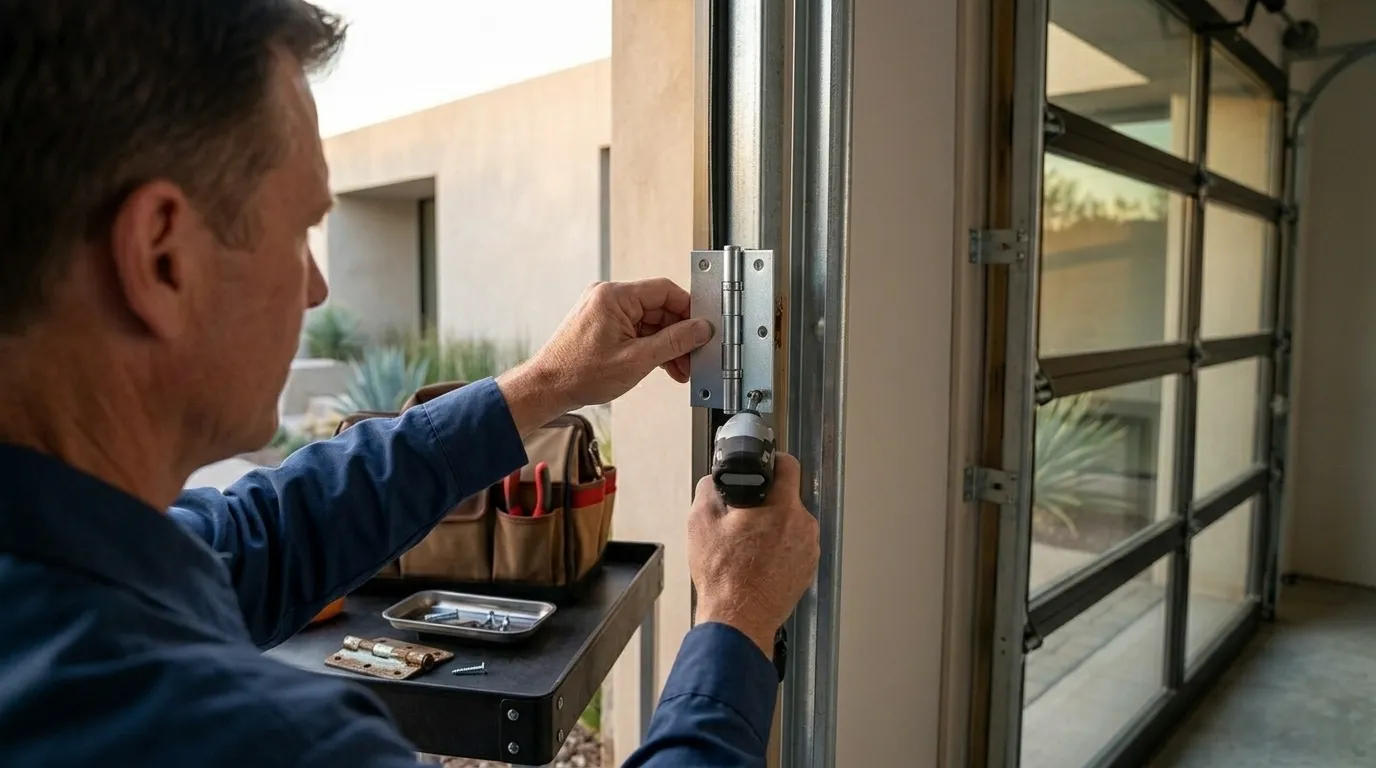
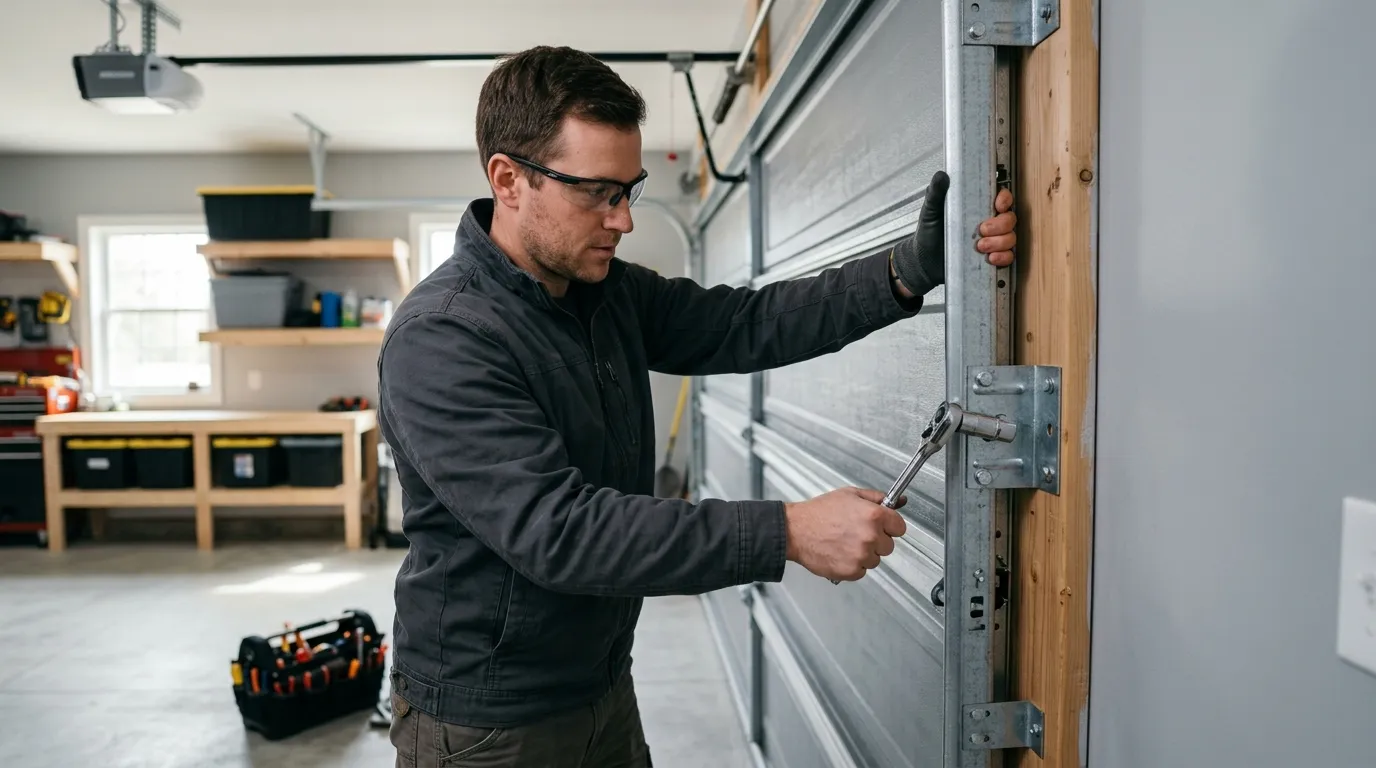
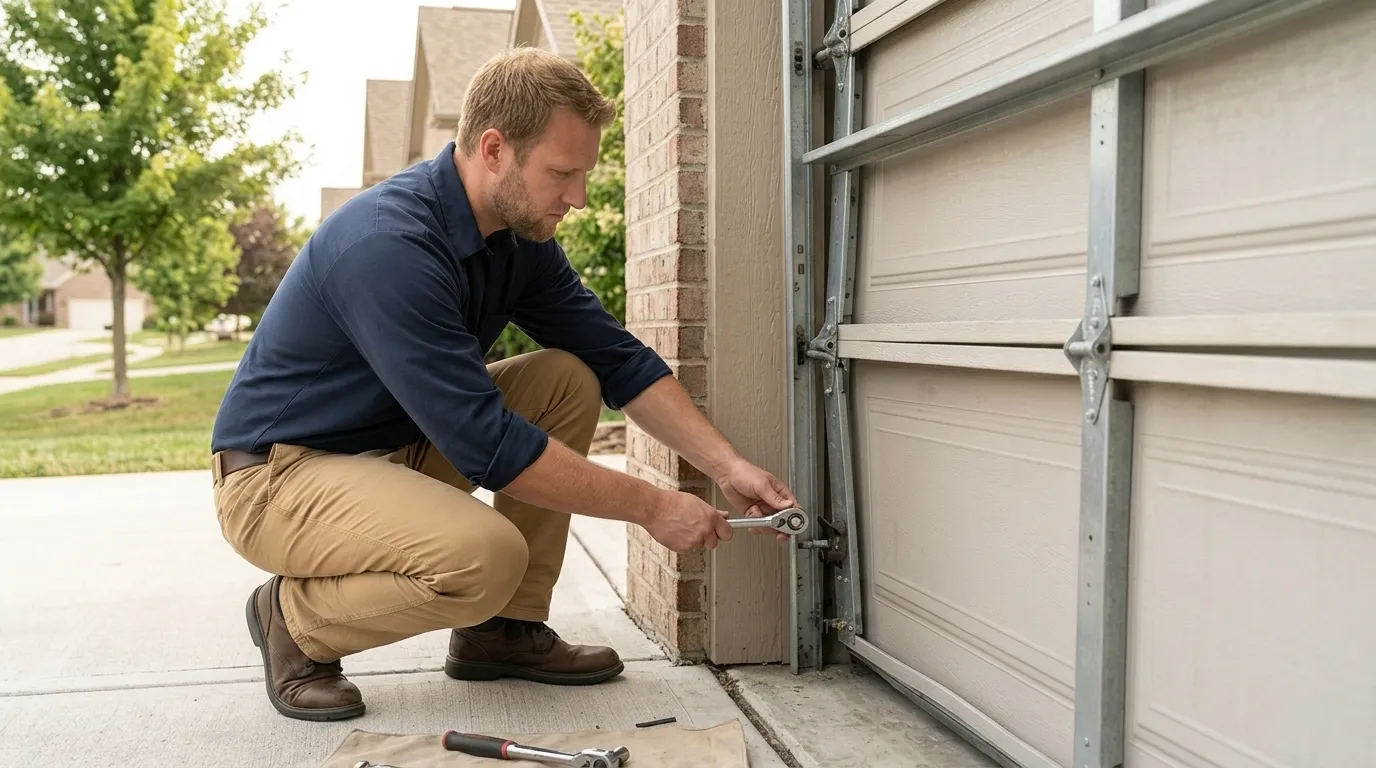
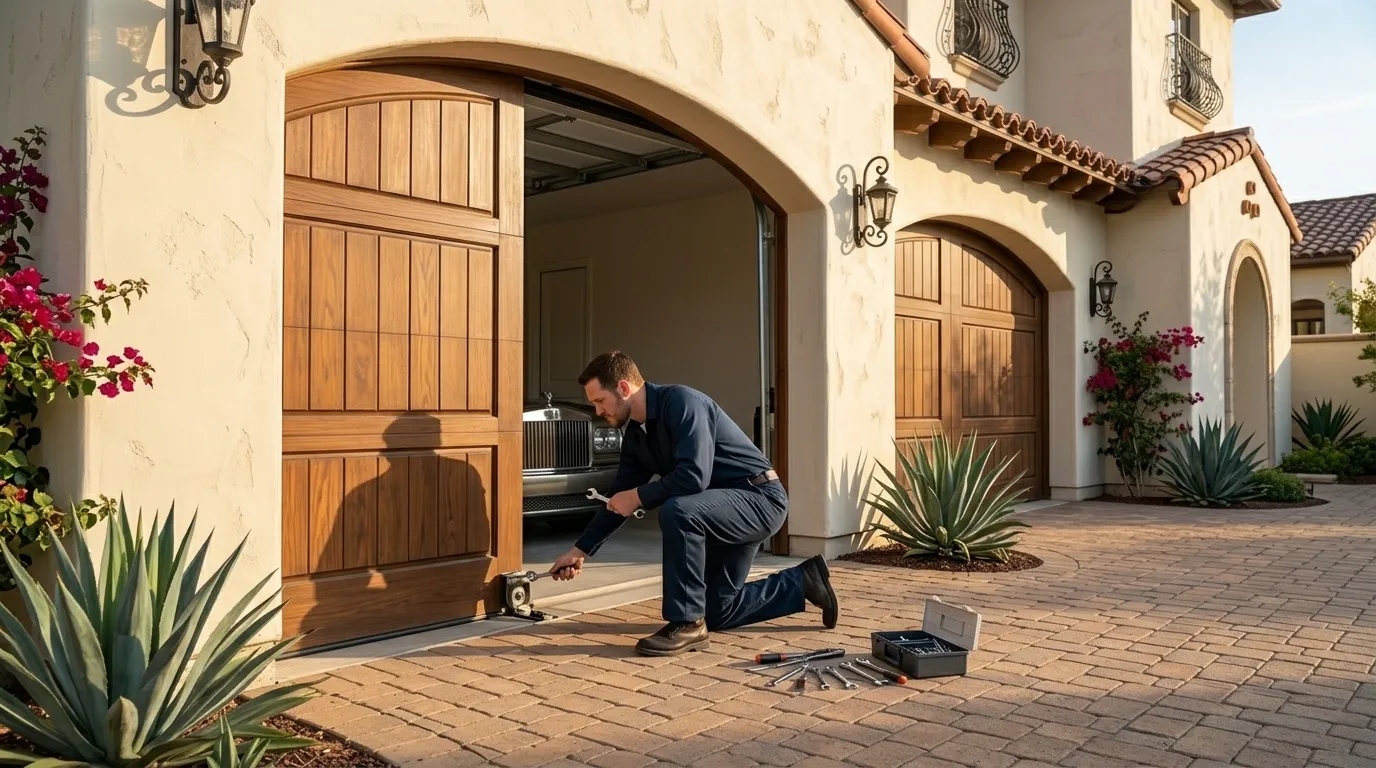
A maintenance visit starts with the spring - checking tension against the door weight and looking for gap or rust on the coils, since spring wear is the most common originator of an emergency call on older stock. From there we check track alignment, tighten hardware that's worked loose from years of cycling, and swap rollers that have gone out of round before they start binding in the track.
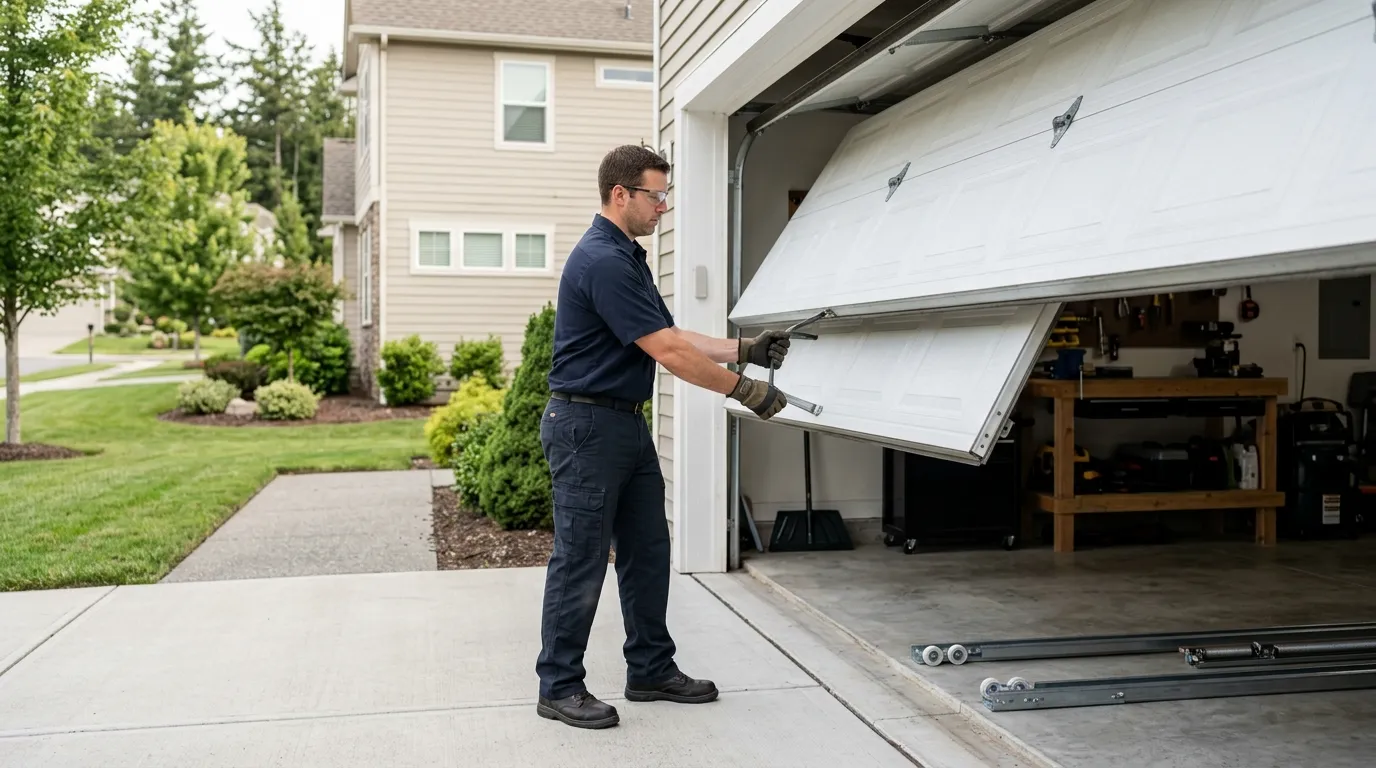
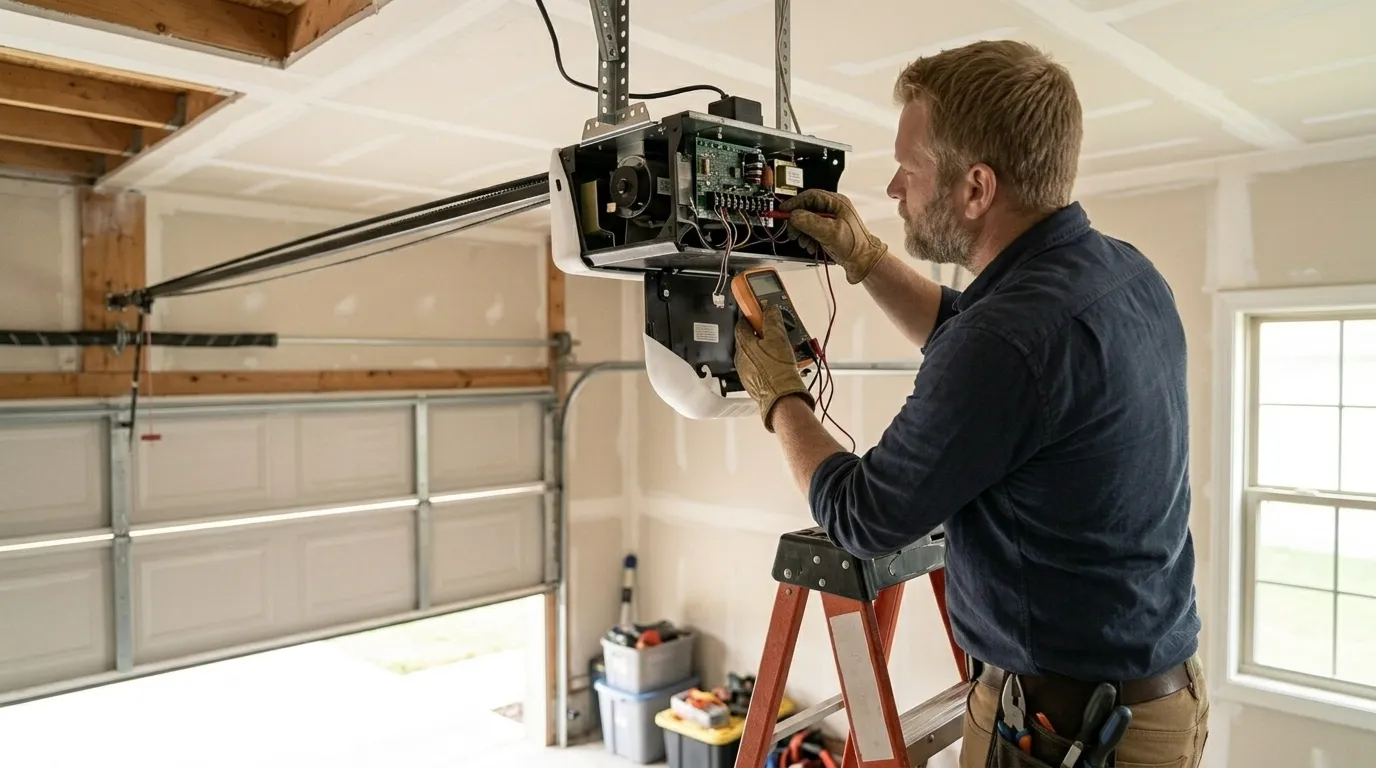
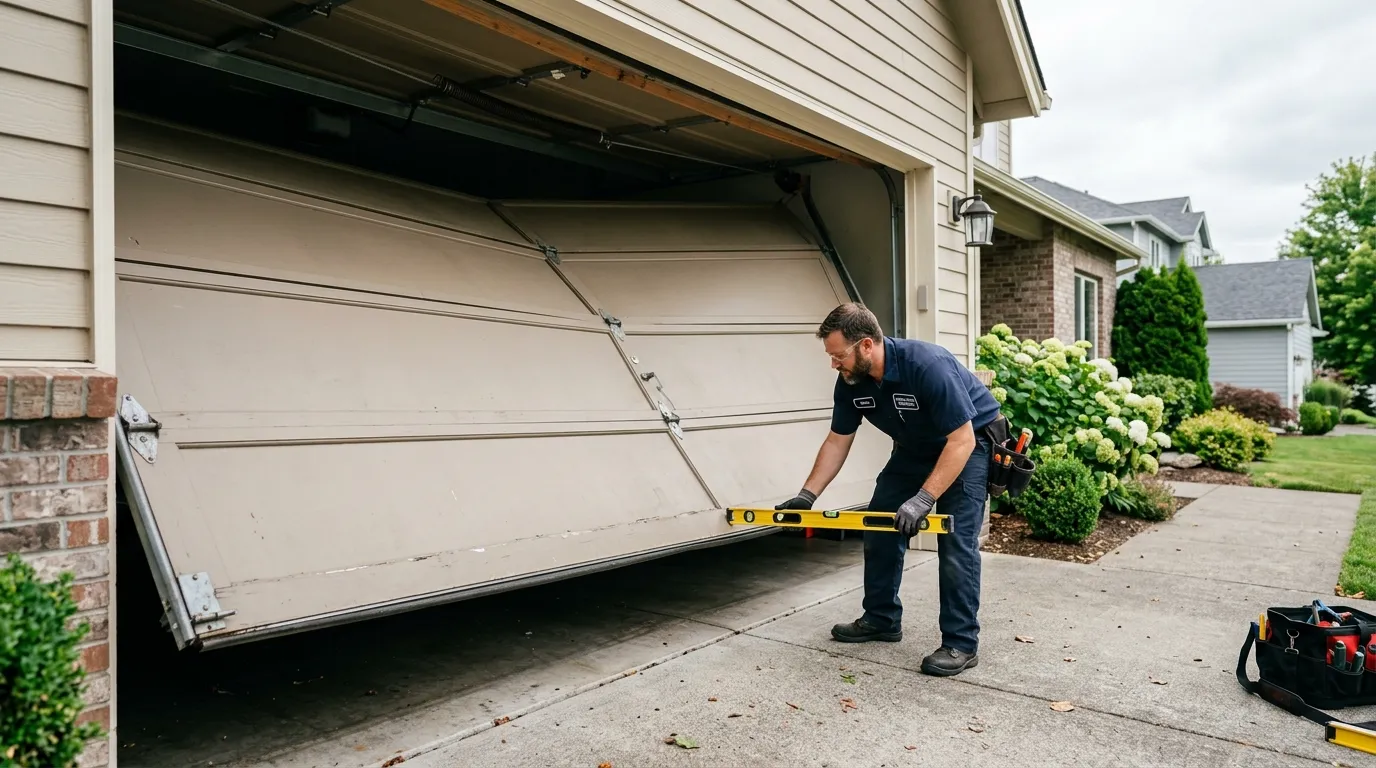
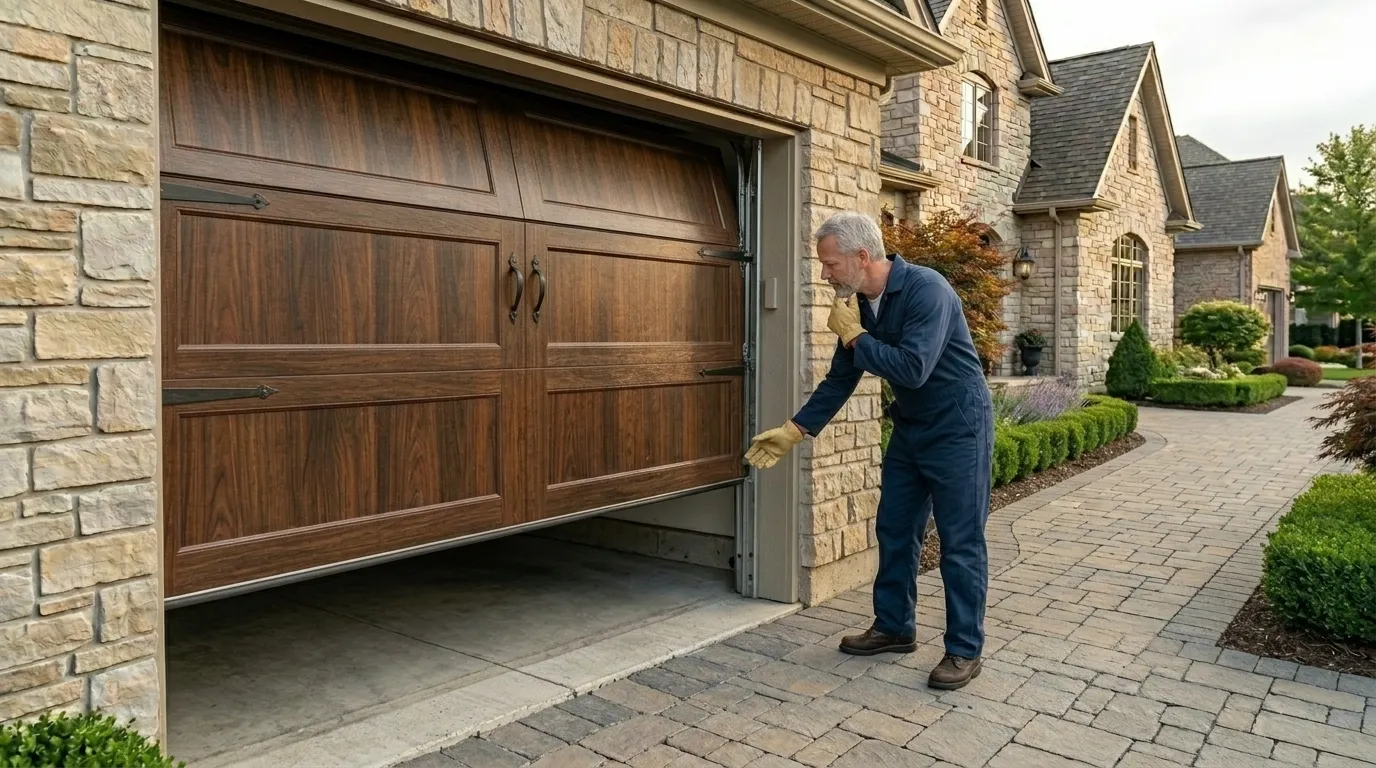
We test balance by hand: a door that's properly sprung should hold at waist height without drifting, and one that doesn't holds real cost information about spring wear even if nothing looks obviously broken. Opener force settings get checked against the photo-eye sensors and the auto-reverse safety test, since those settings drift over years of use and rarely get looked at otherwise.
We don't push a full opener or door replacement on a maintenance visit unless the numbers say so - a spring near the end of its cycle count or a torsion tube showing real wear gets flagged with a plain explanation, not a hard sell. If a repair costs close to what replacement would, we tell you that math instead of doing the smaller job and letting you find out later.