Why This Fails Locally
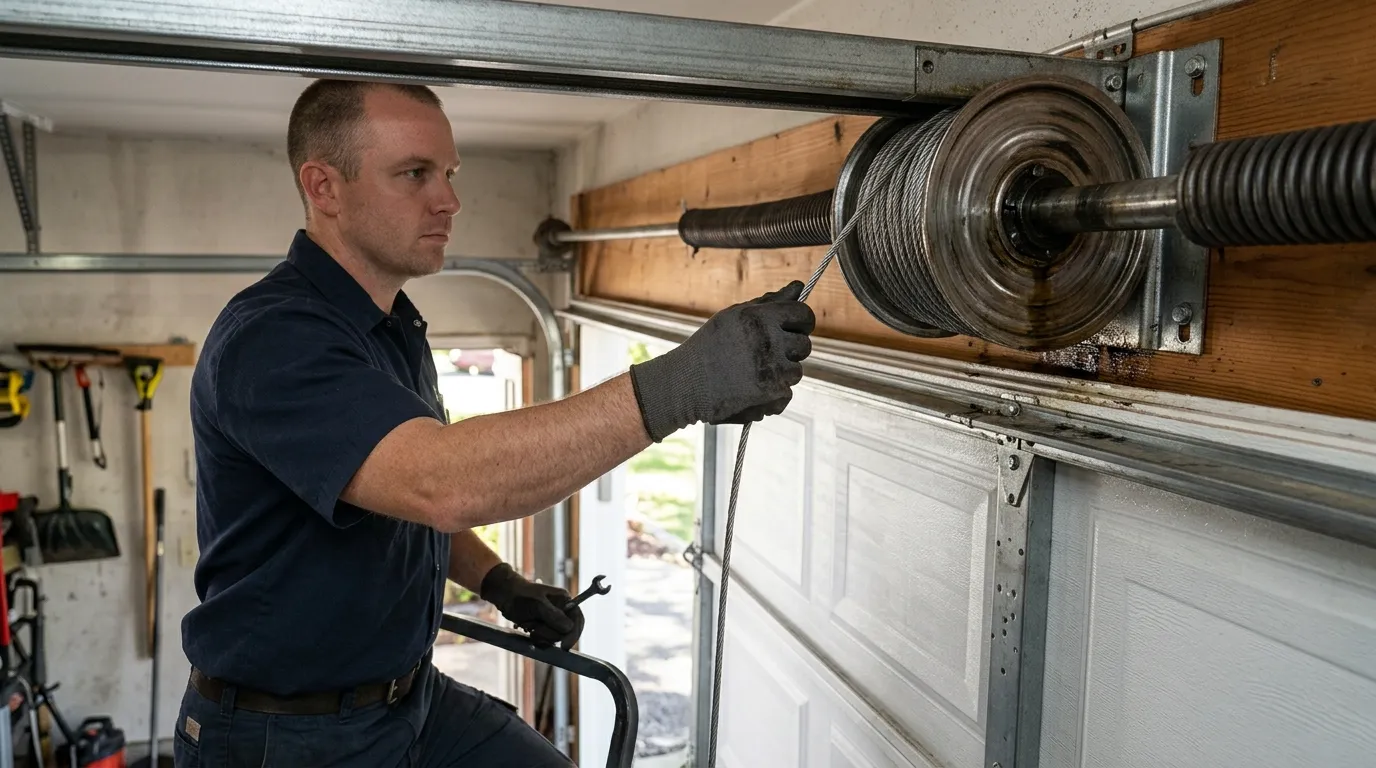
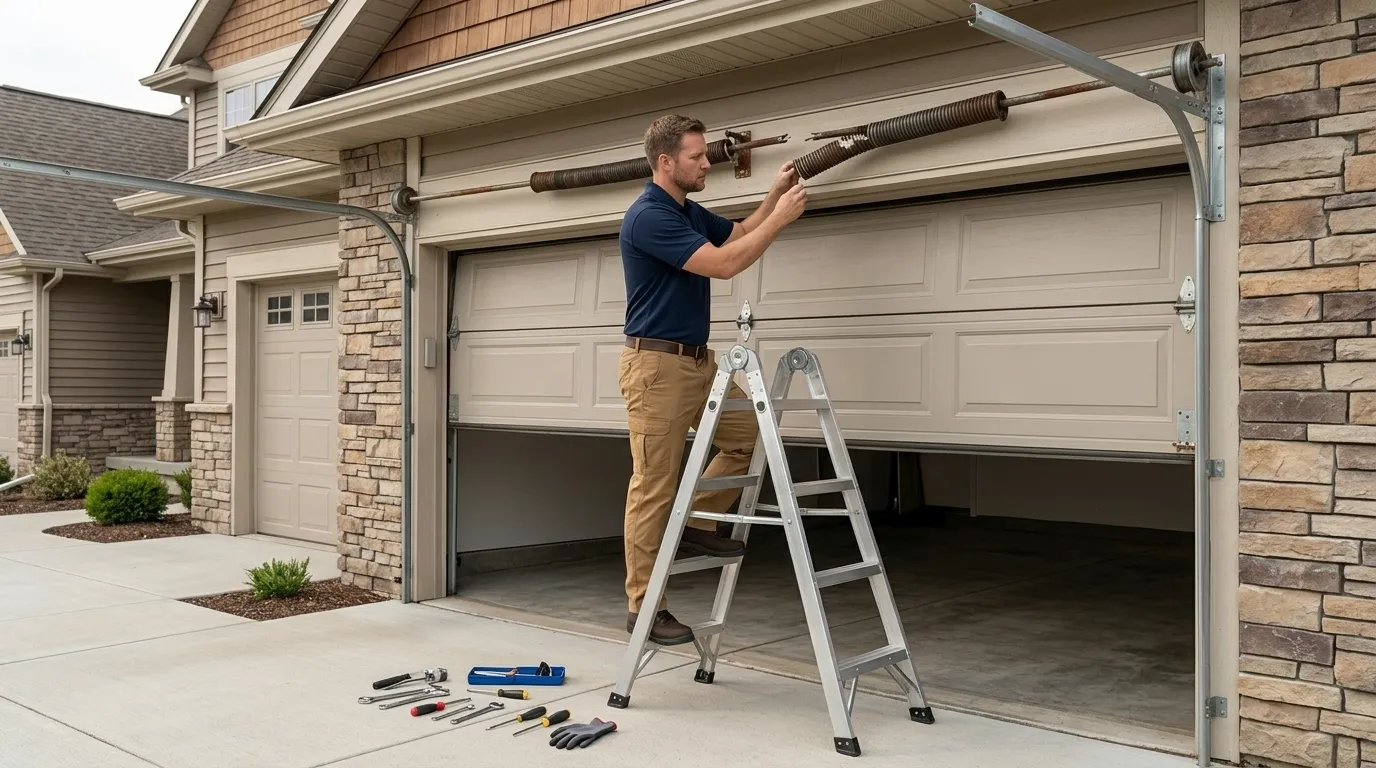
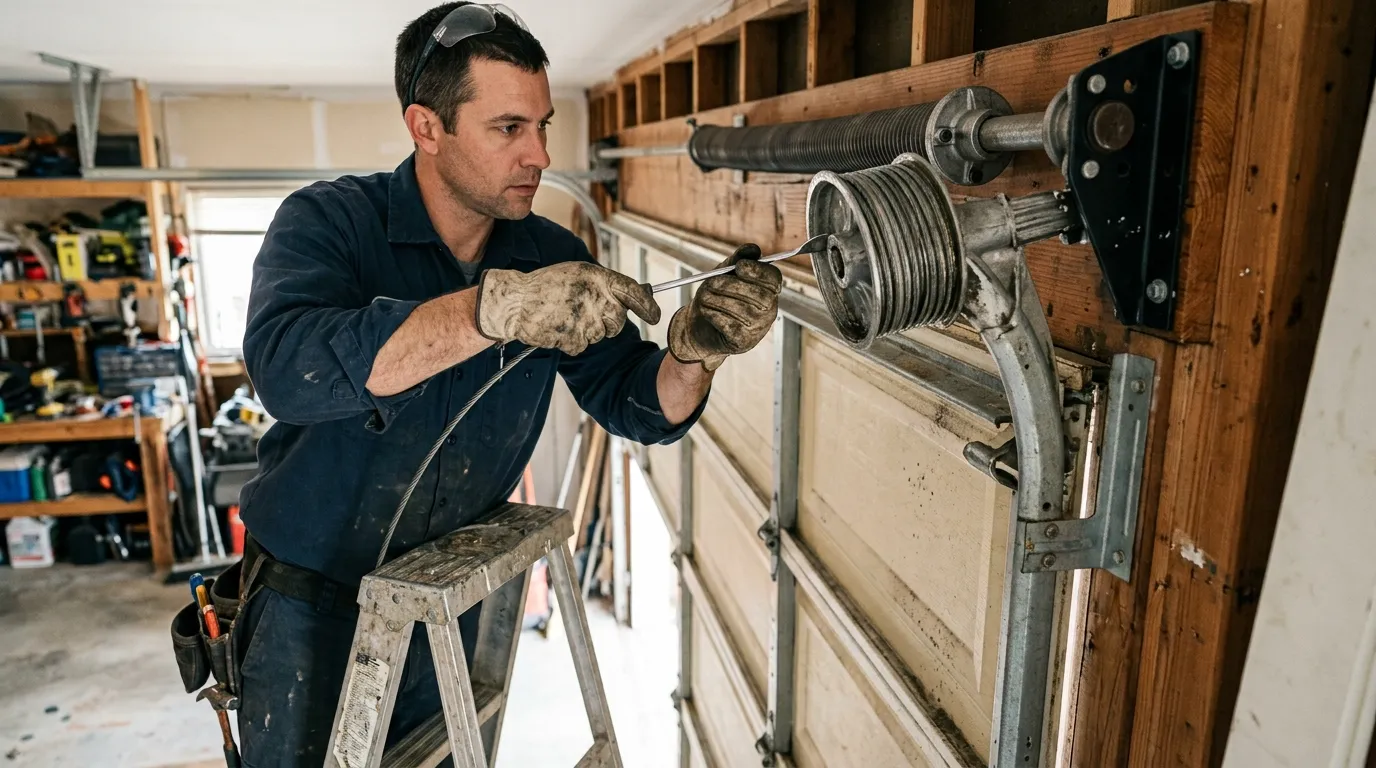
Roller failure here isn't random. It tracks straight back to the housing stock. Most of the 39 named communities we work across share that same 1960s-70s tract construction, with steel rollers on side-mounted torsion hardware that was never designed to be serviced - it was designed to last the life of the original door and get replaced with the house. Fifty-plus years later, those stems are worn oval instead of round, and the wheel wobbles in the track instead of rolling smooth. The mild temperate climate band this service area sits in doesn't put the stress on hardware that freeze-thaw cycles do elsewhere, so corrosion isn't usually the driver. It's straight mechanical wear - decades of daily openings on a roller that was never built to be lubricated or replaced piecemeal. Add in the density of owner-occupied houses across this area, over a hundred thousand of them, and you get a housing stock where the same roller failure shows up on the same schedule, house after house, regardless of how well the door's been maintained otherwise.
How We Fix It
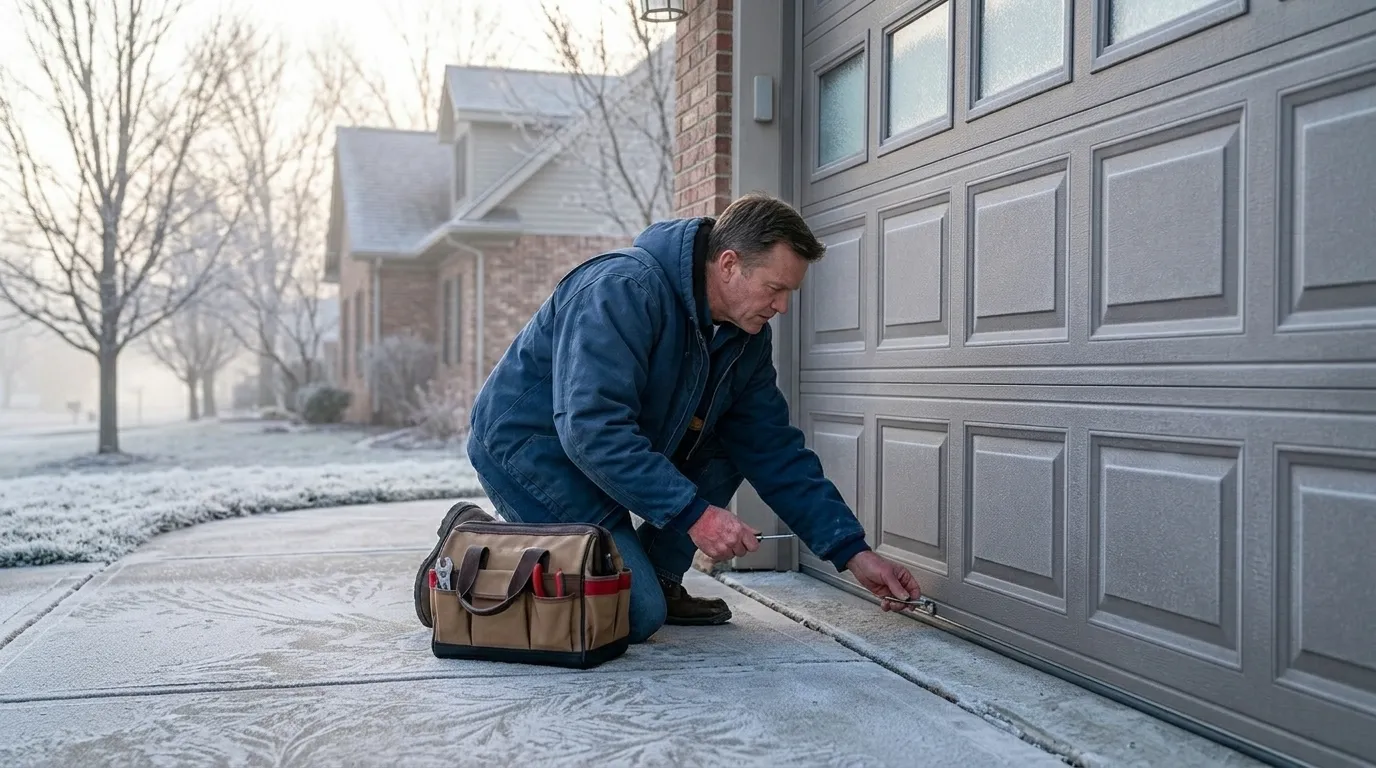
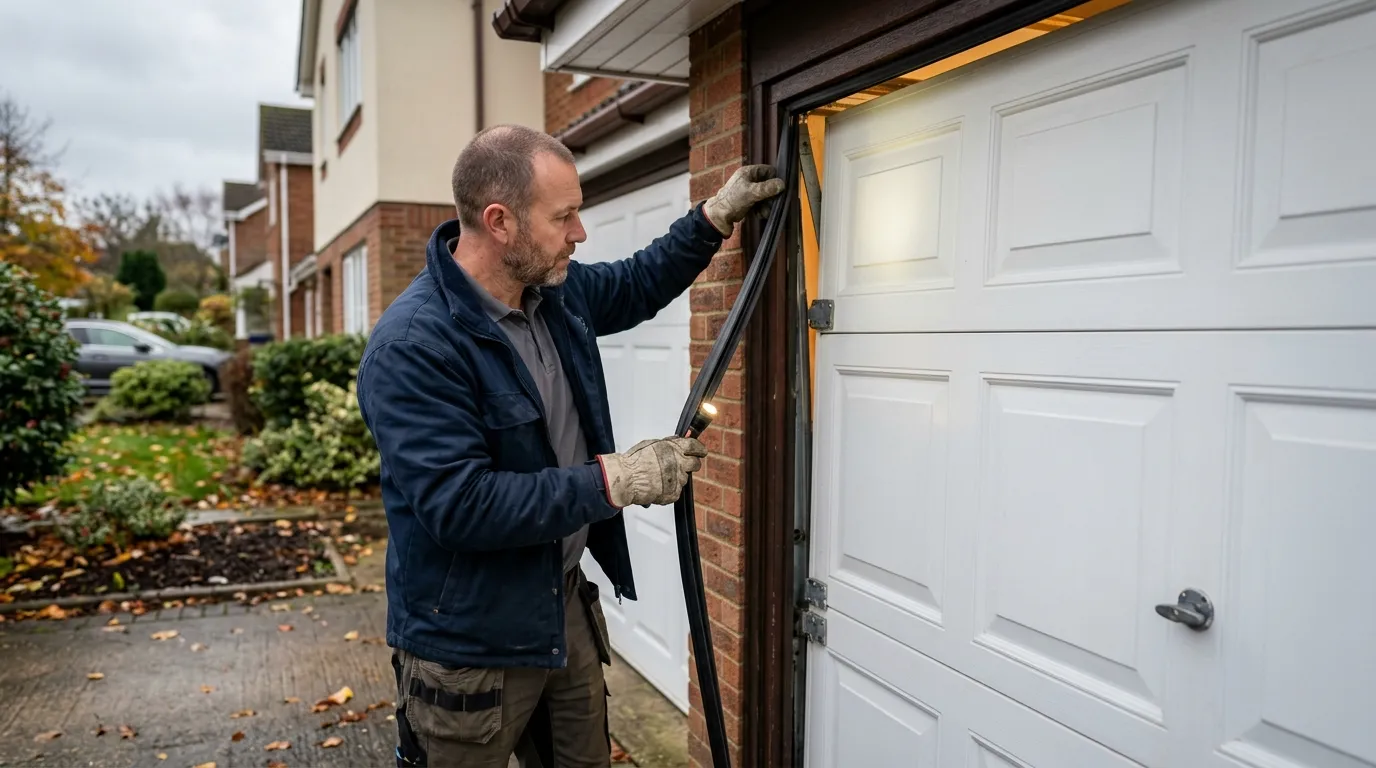
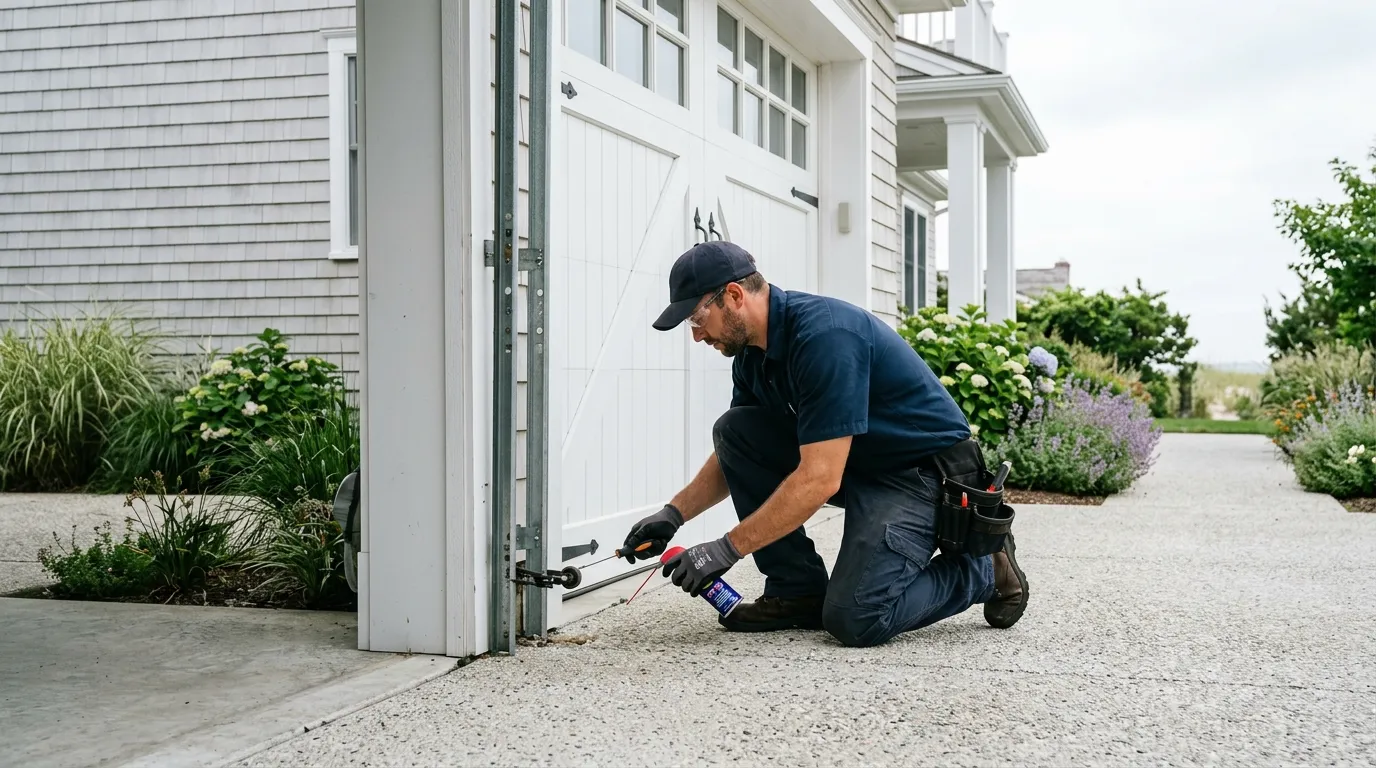
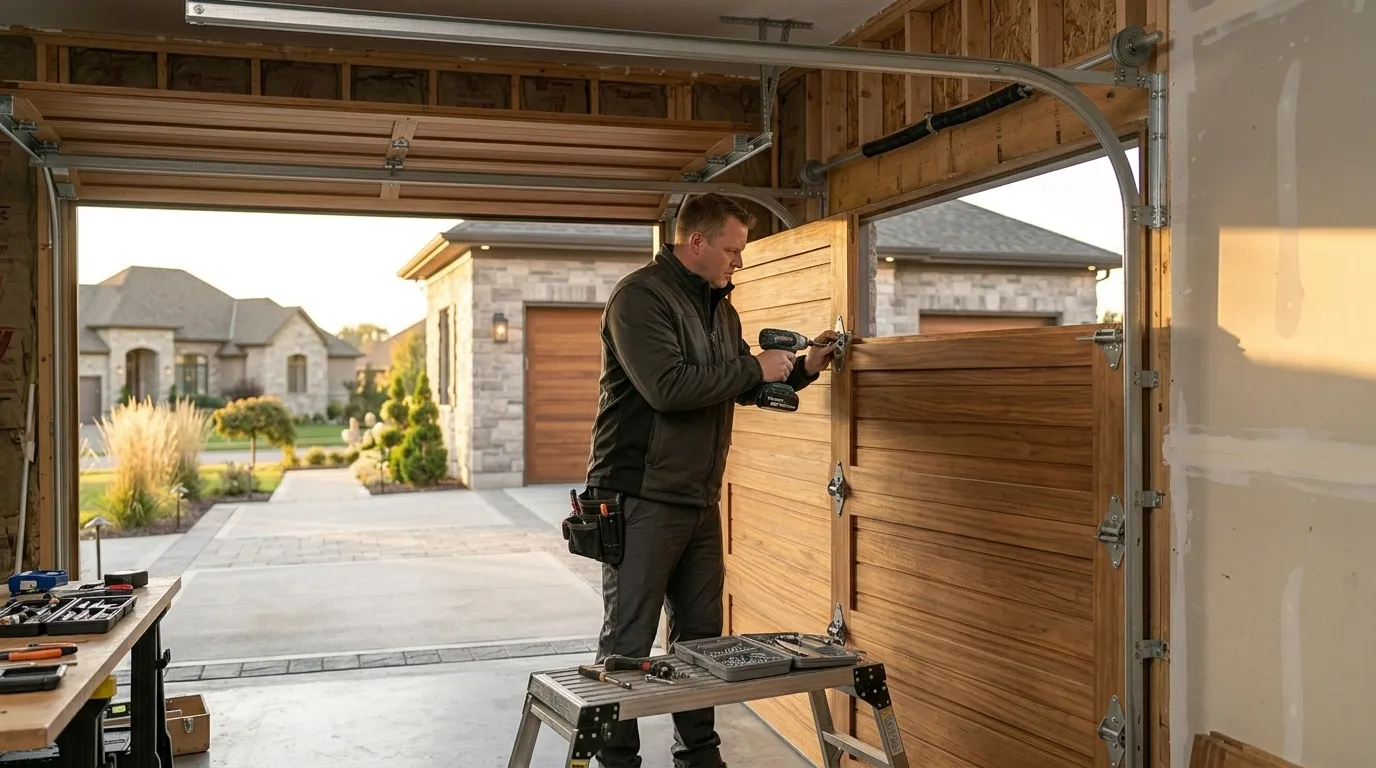
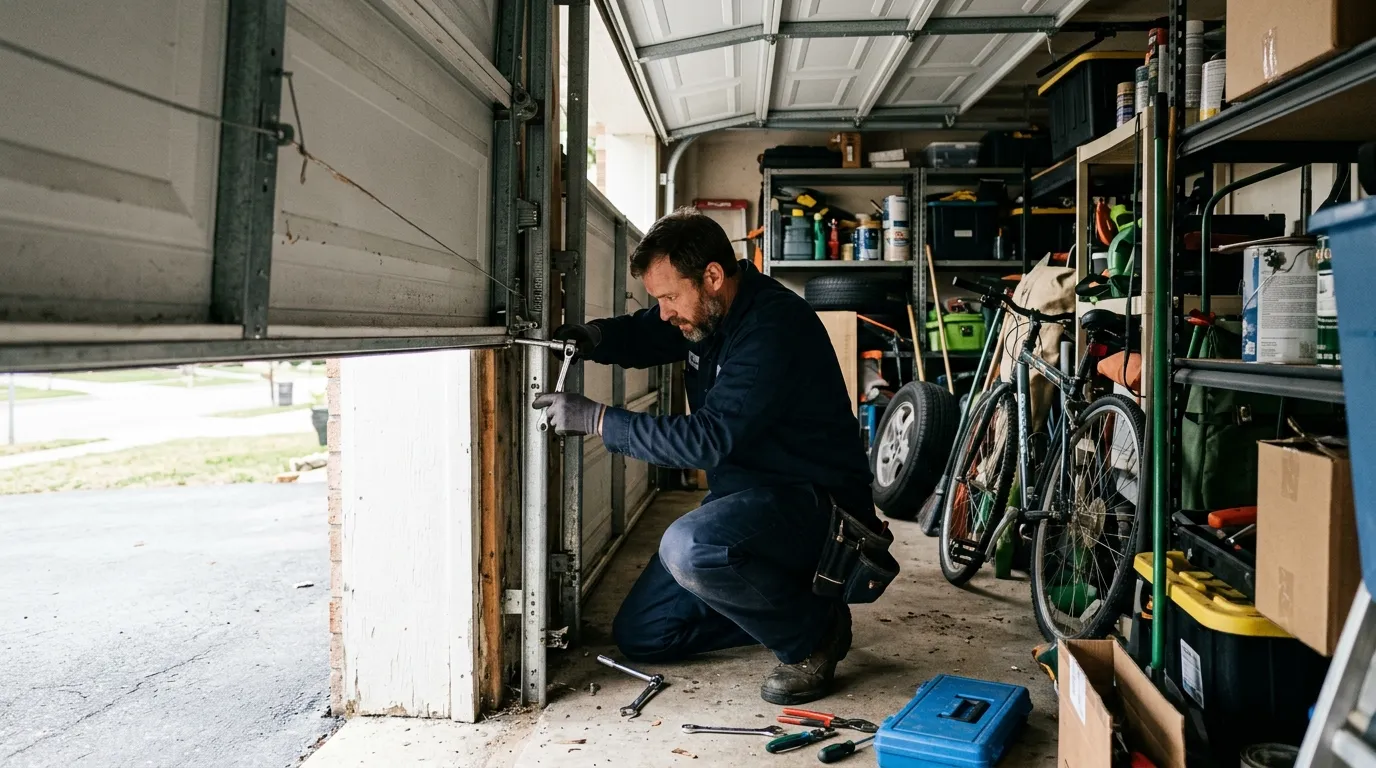
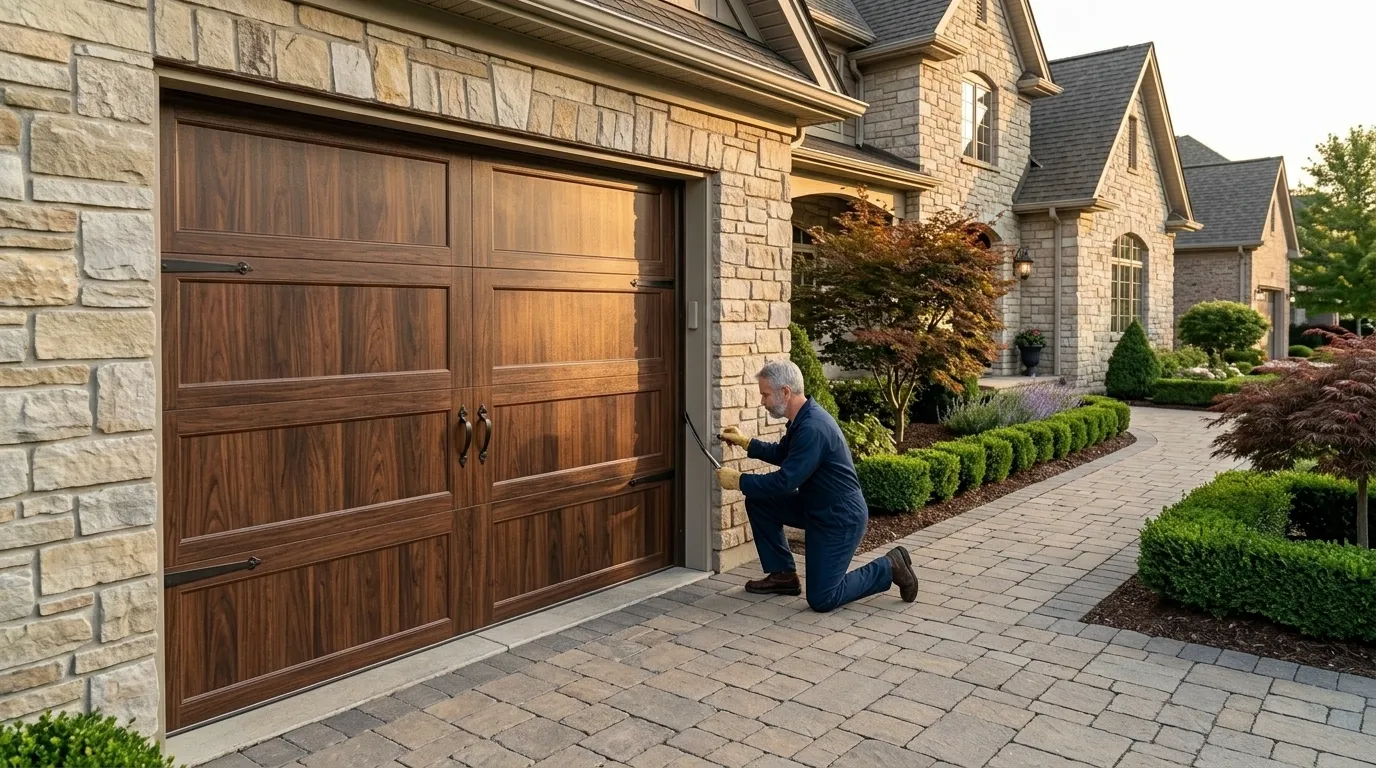
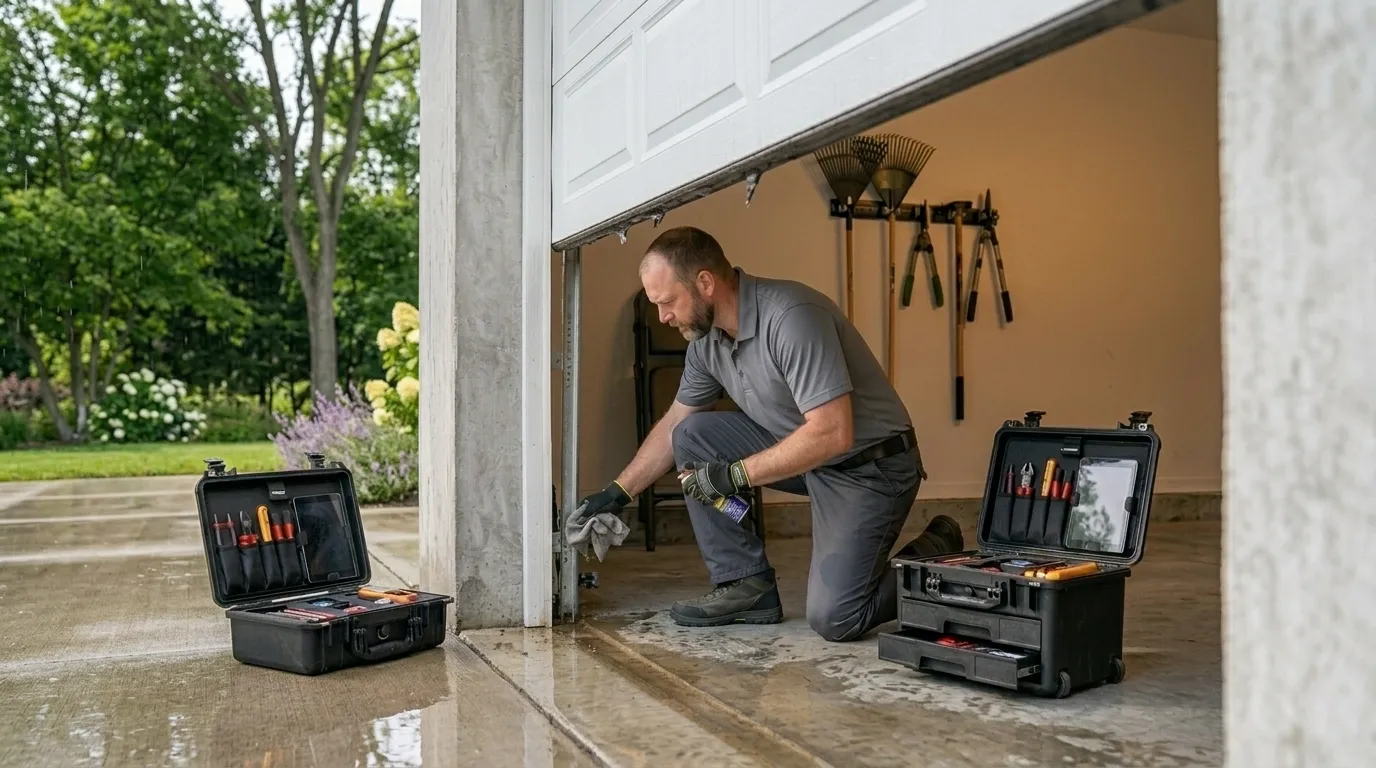
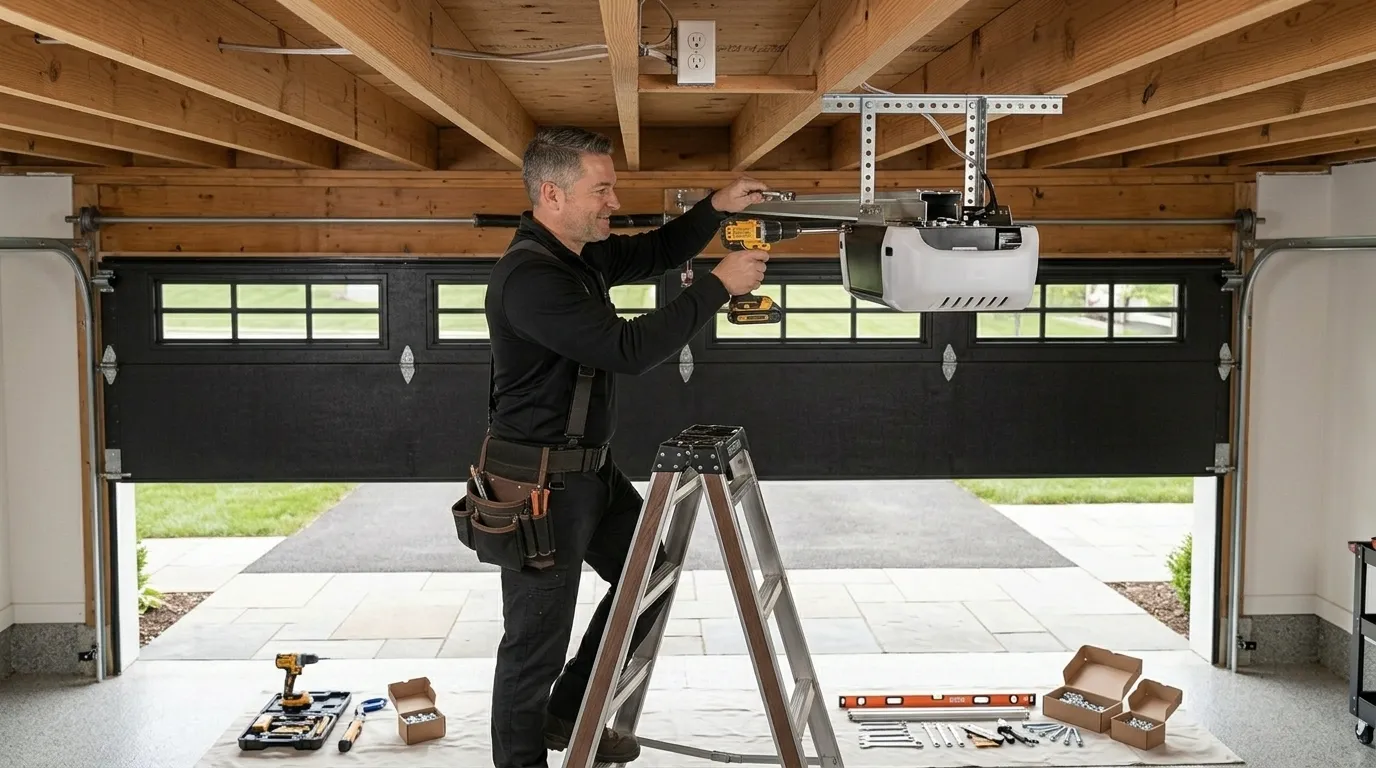
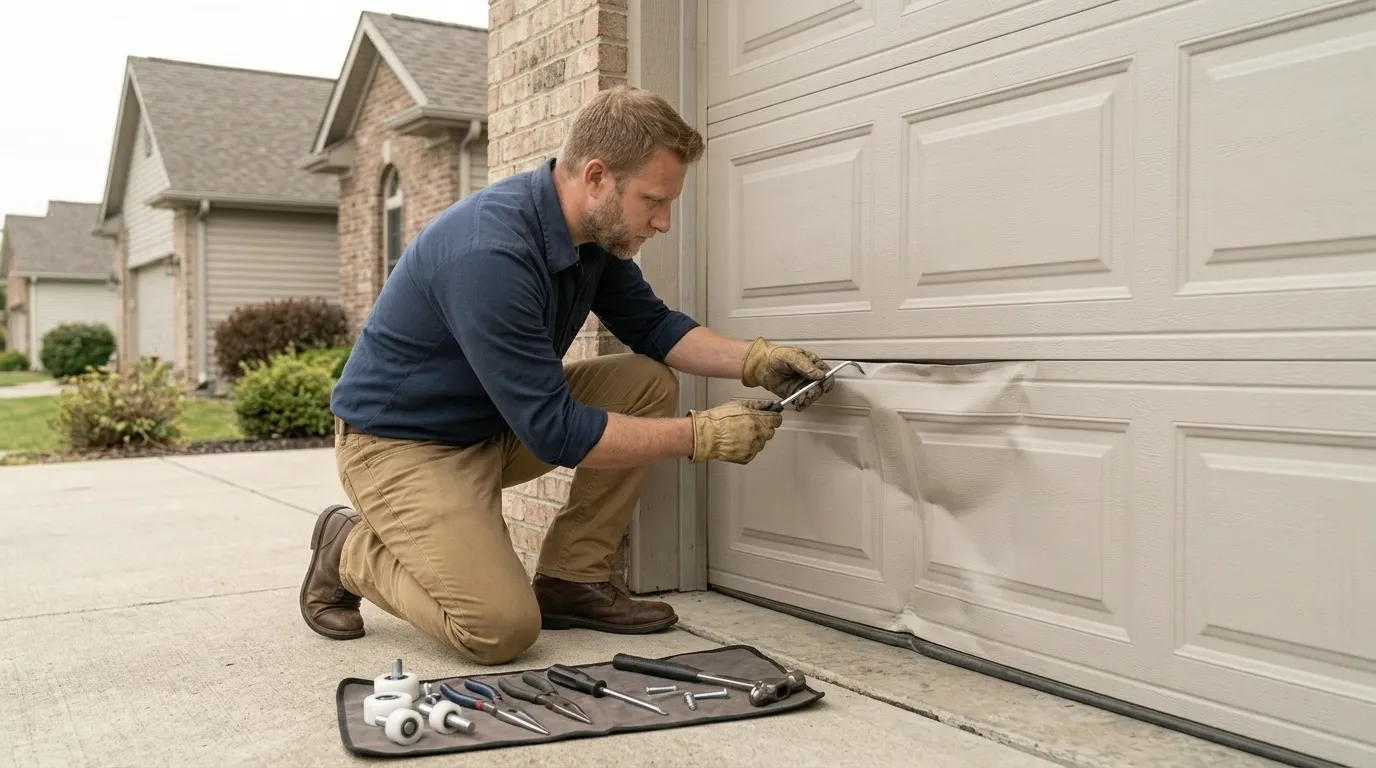
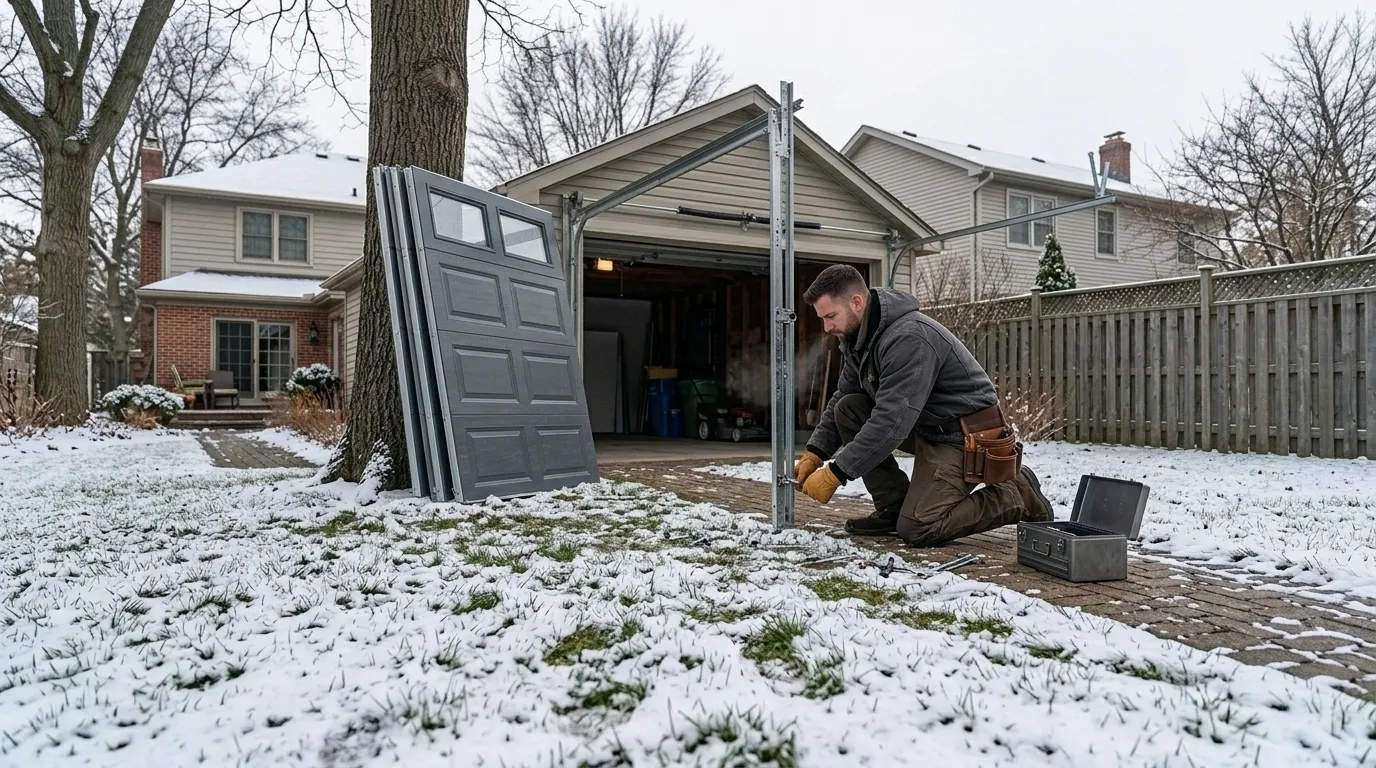
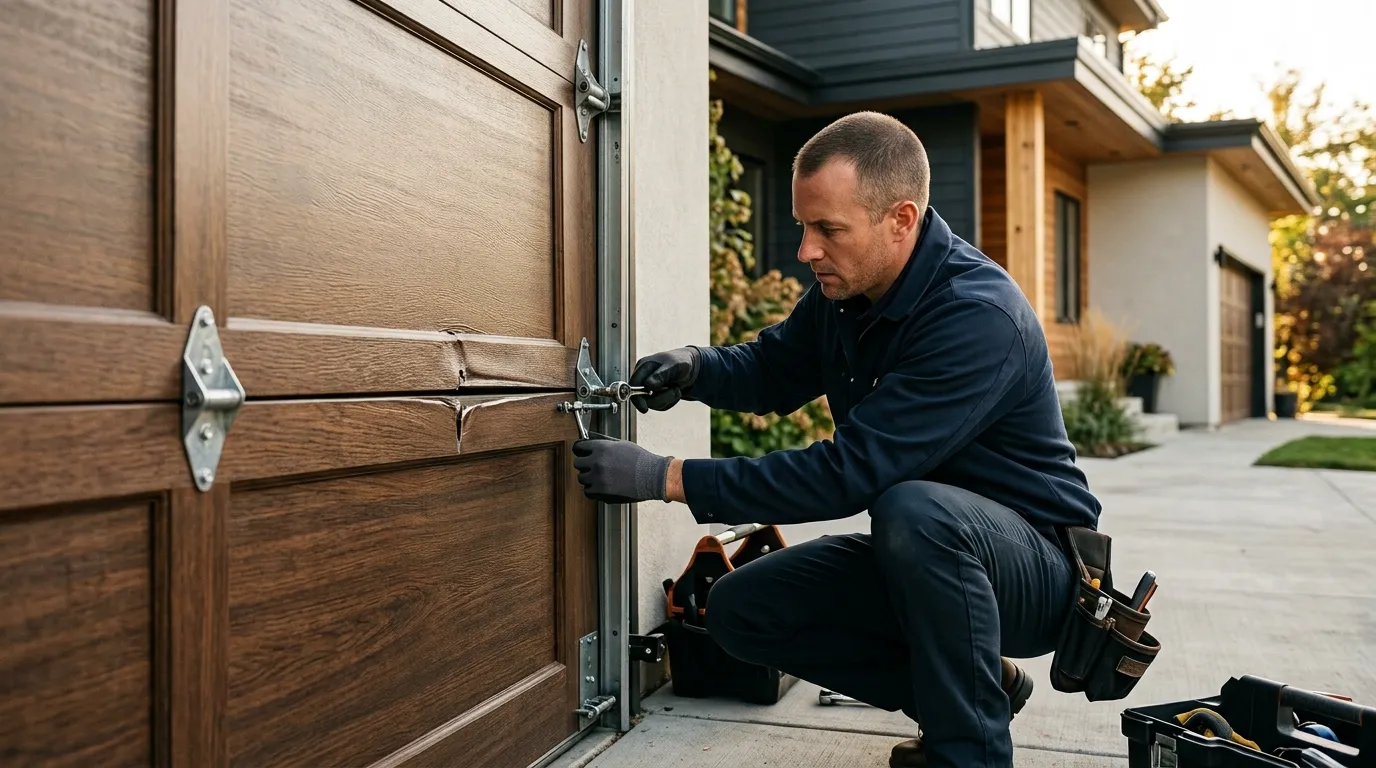
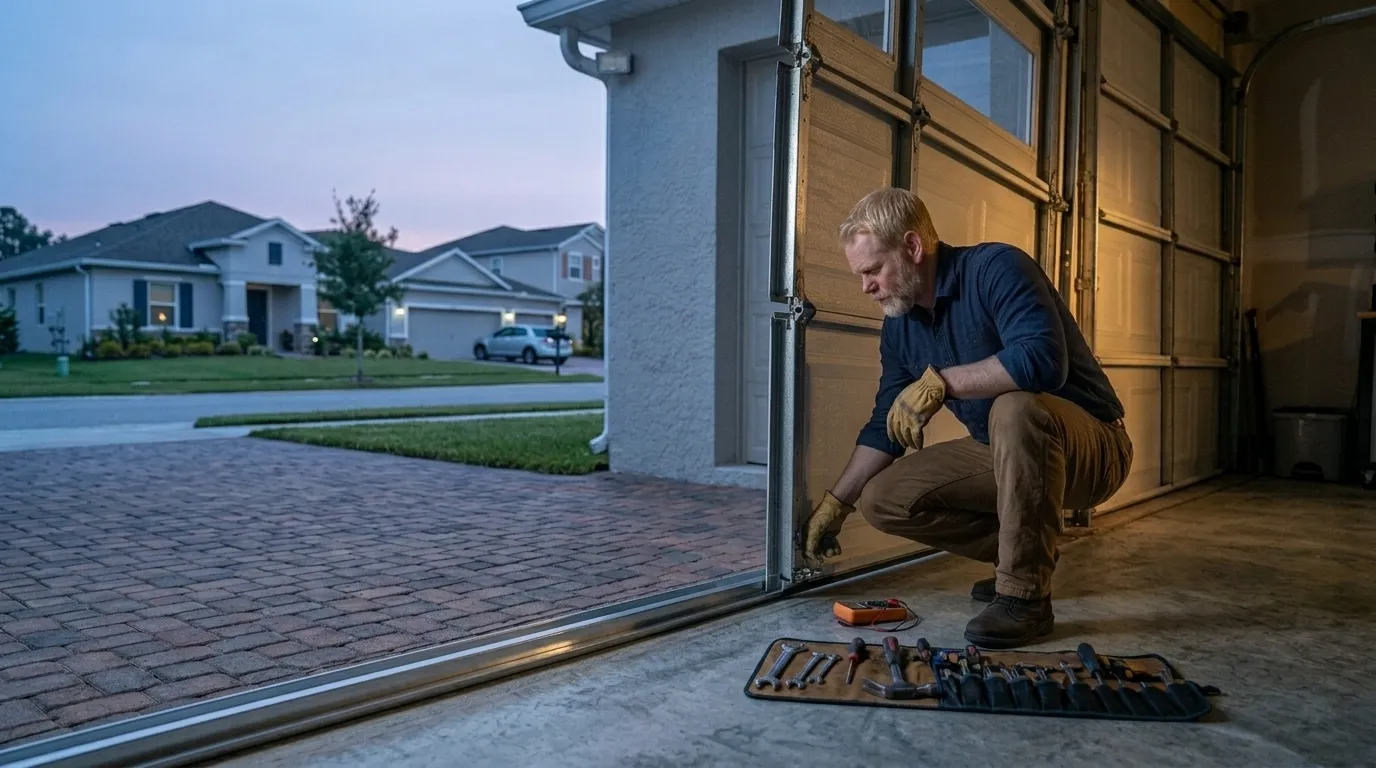
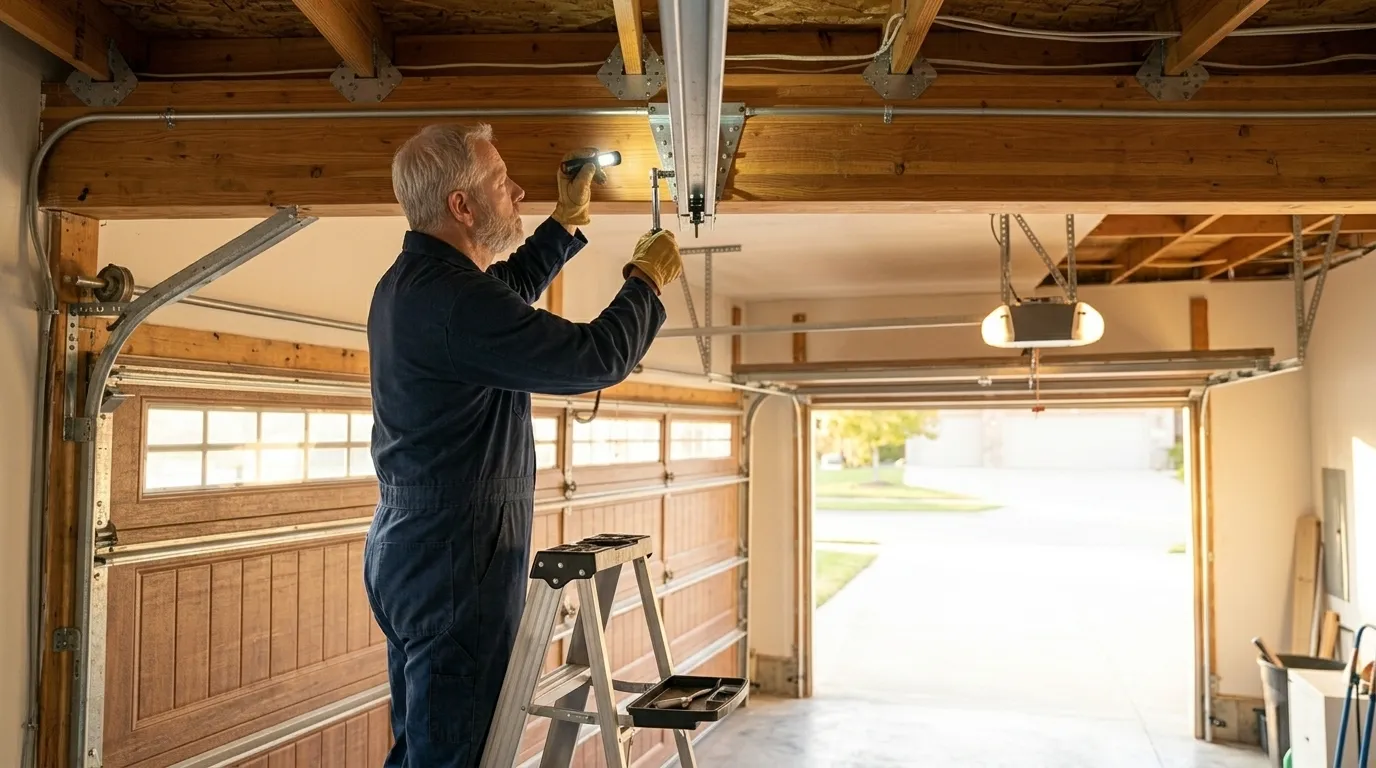
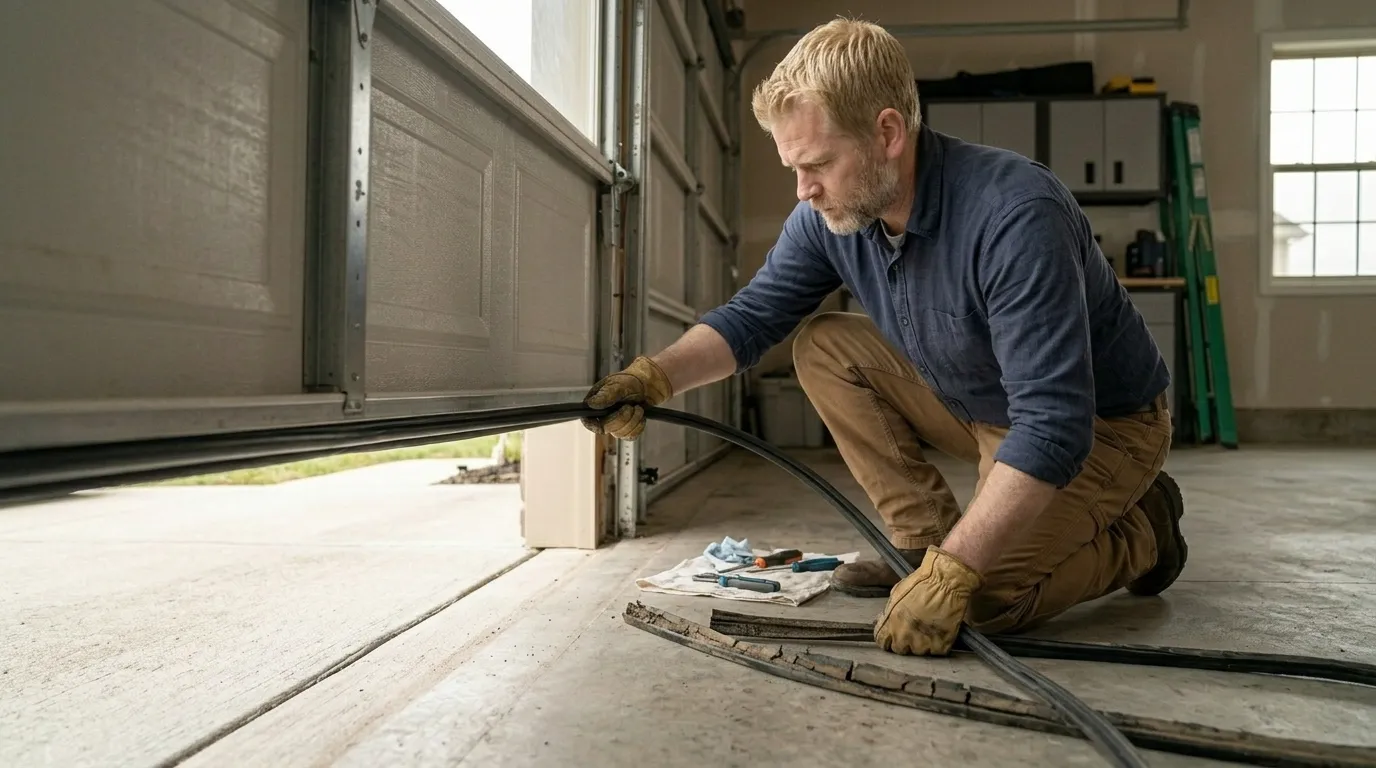
We start by rolling the door and listening. A worn roller has a specific rhythm - a thunk at the same point in the track every time, or a scrape that gets worse near the top where the curve tightens. We pull the door panel by panel if it's a sectional door, working from the bottom roller up, and swap each worn wheel while the door's supported so the track never takes a hit it wasn't built for. If the track itself is bent or the rail is pulling away from the jamb, roller replacement alone won't fix the door - that's a track repair or reset, and we'll say so instead of selling rollers that won't solve the actual problem. Where the stems are original steel, we default to sealed nylon rollers on the swap unless the owner wants to match what's there. Nylon runs quieter and doesn't need the periodic lubrication steel does, which matters on a door that's opened multiple times a day.