Why This Fails Locally
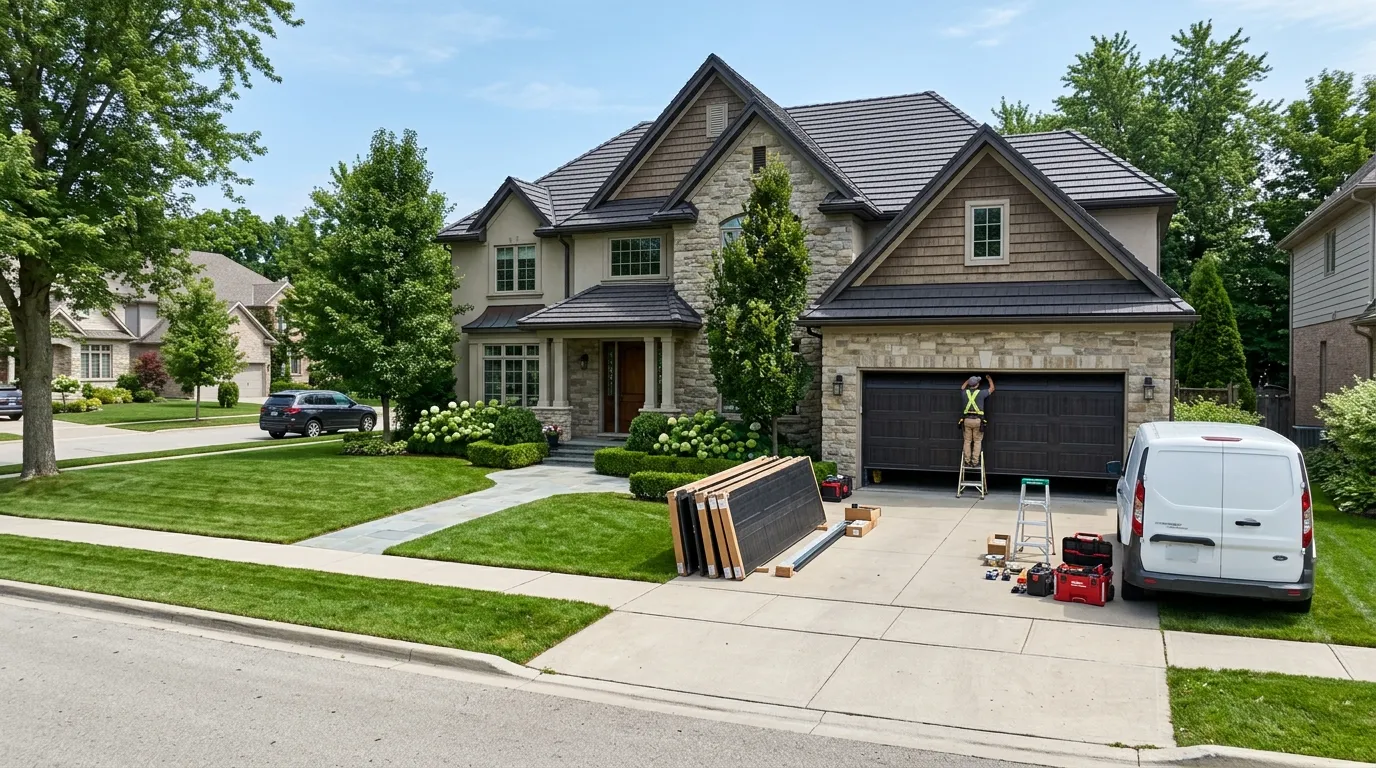
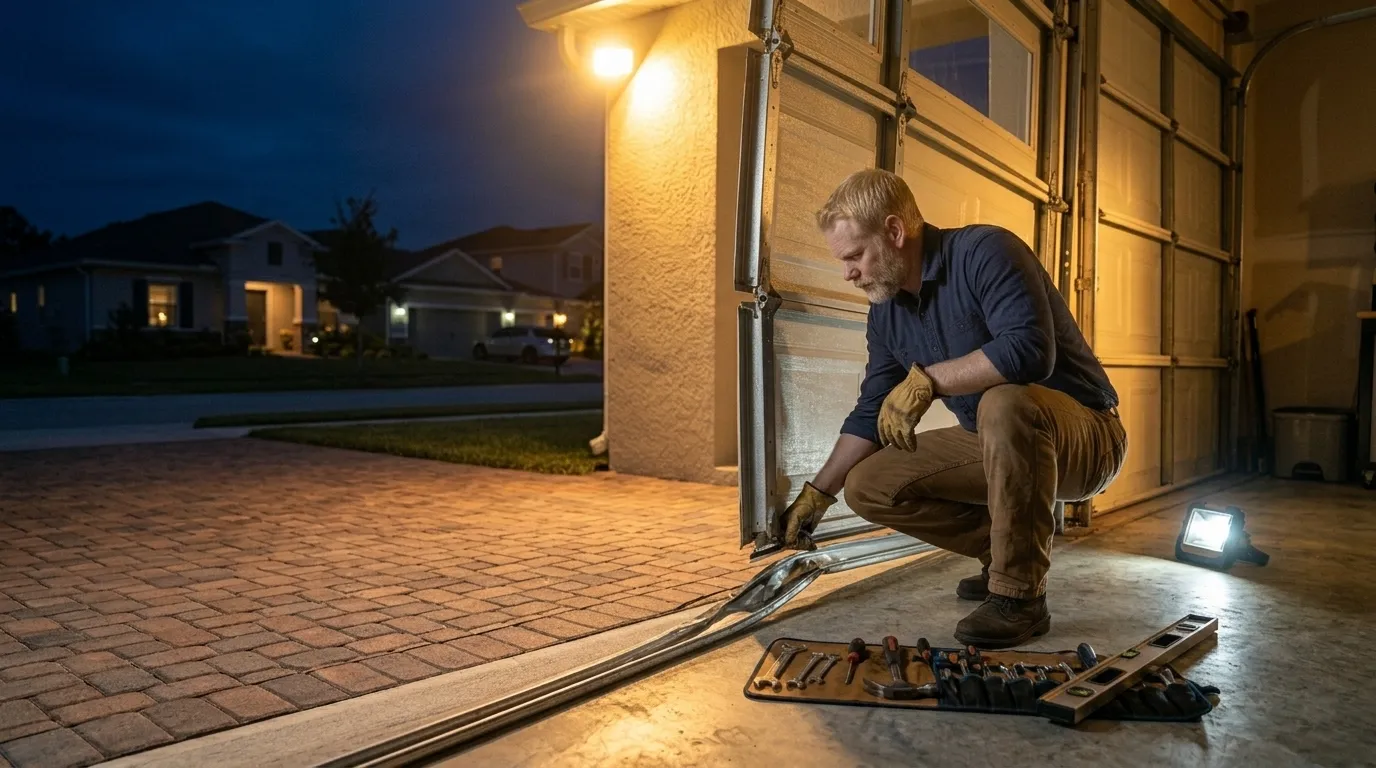
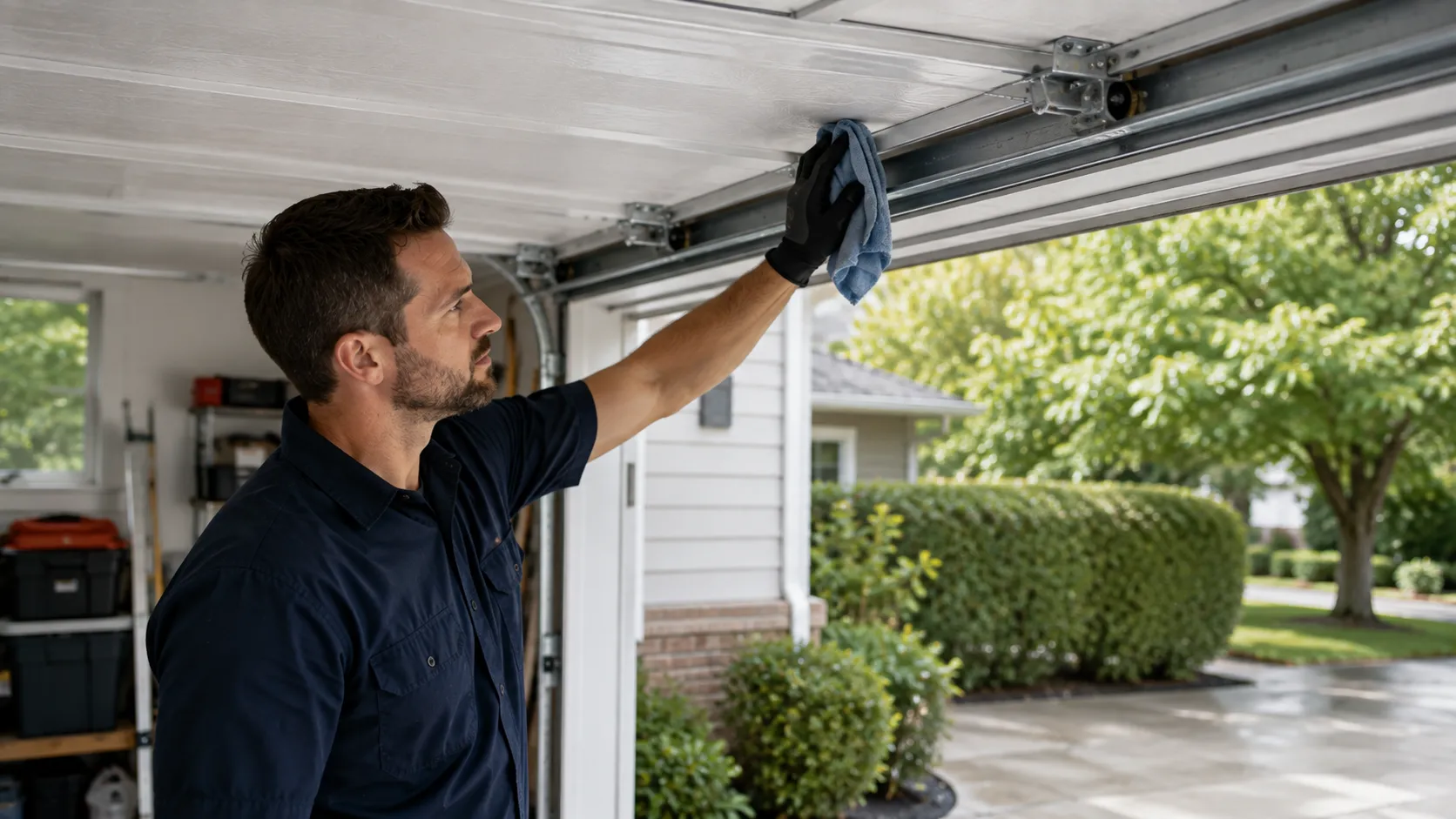
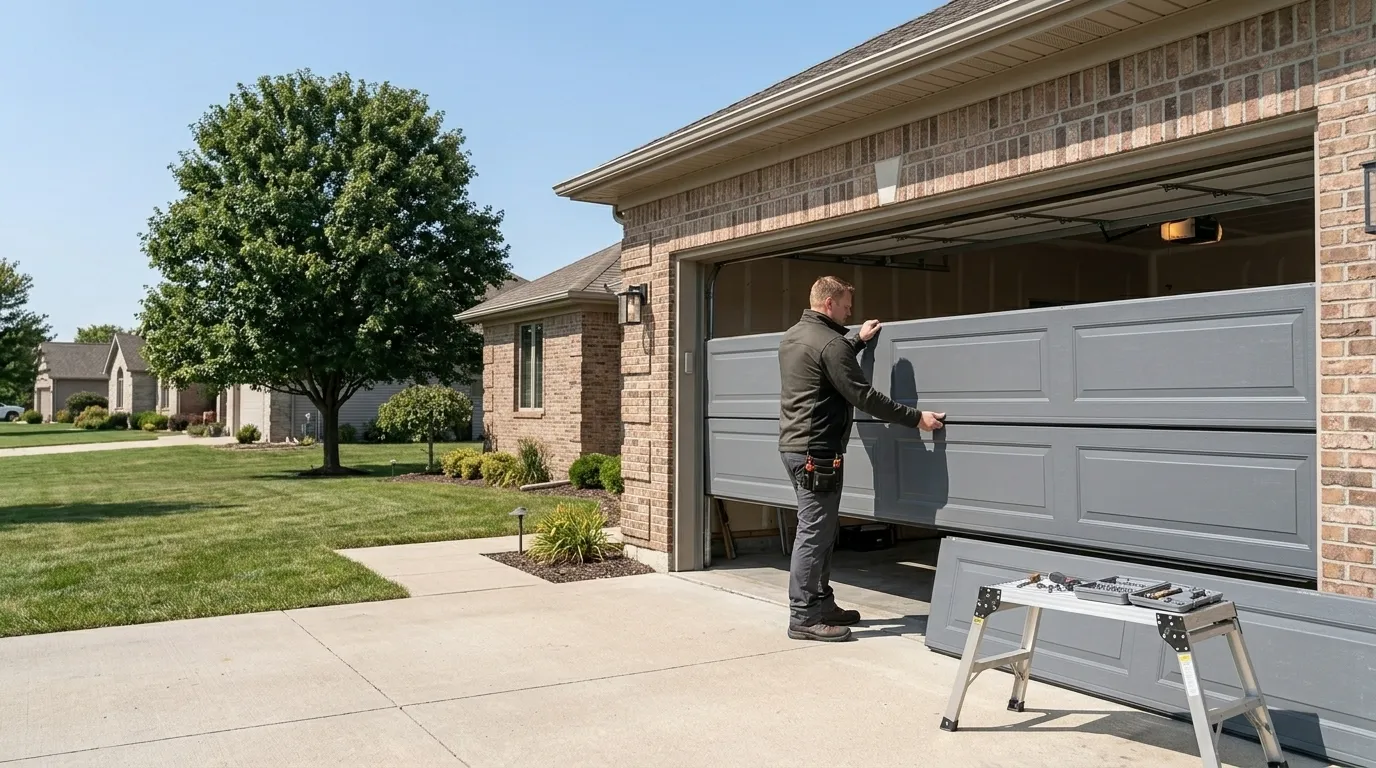
Housing across this service area was mostly built between 1947 and 2012, with the median landing around 1963, and the bulk of it going up in the 1960s and 70s across the 39 named communities we work in. That matters here because a lot of those garages still have their original track brackets - sized for the lighter, thinner doors sold at the time. Over the decades, plenty of those doors got swapped for heavier insulated models without anyone upgrading the bracket or the roller carriage behind them. The mild temperate climate in this part of the coast doesn't put much seasonal stress on a door - no deep freeze, no big humidity swings - so track failure here isn't a weather problem the way it is inland. It's a mismatch problem: old hardware carrying a door it wasn't sized for, one roller popping loose at a time until the whole track walks out of alignment. That's a slower, quieter failure than a spring snapping, which is why people often notice the door "looks off" for weeks before it actually jumps the track.
How We Fix It
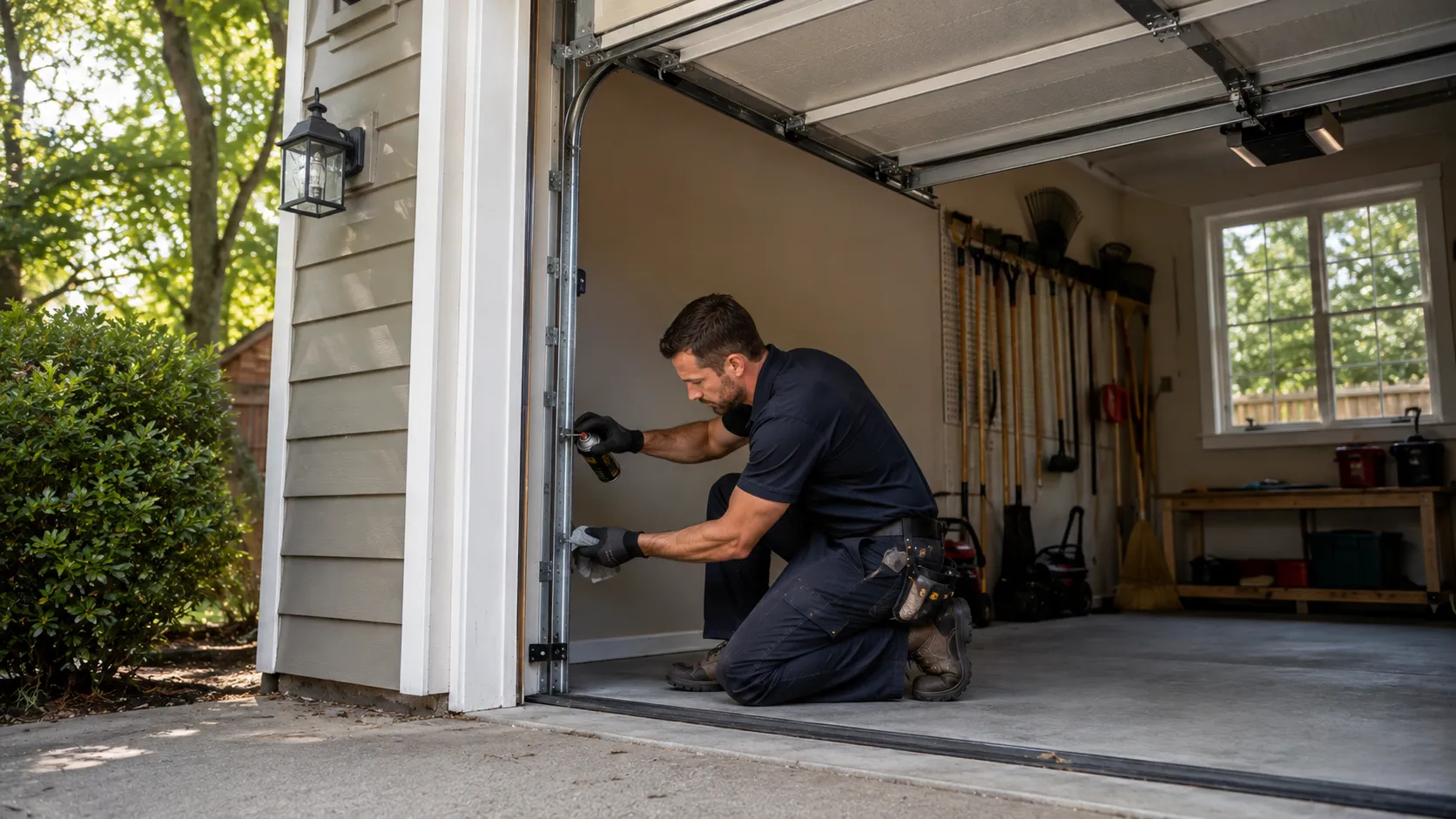
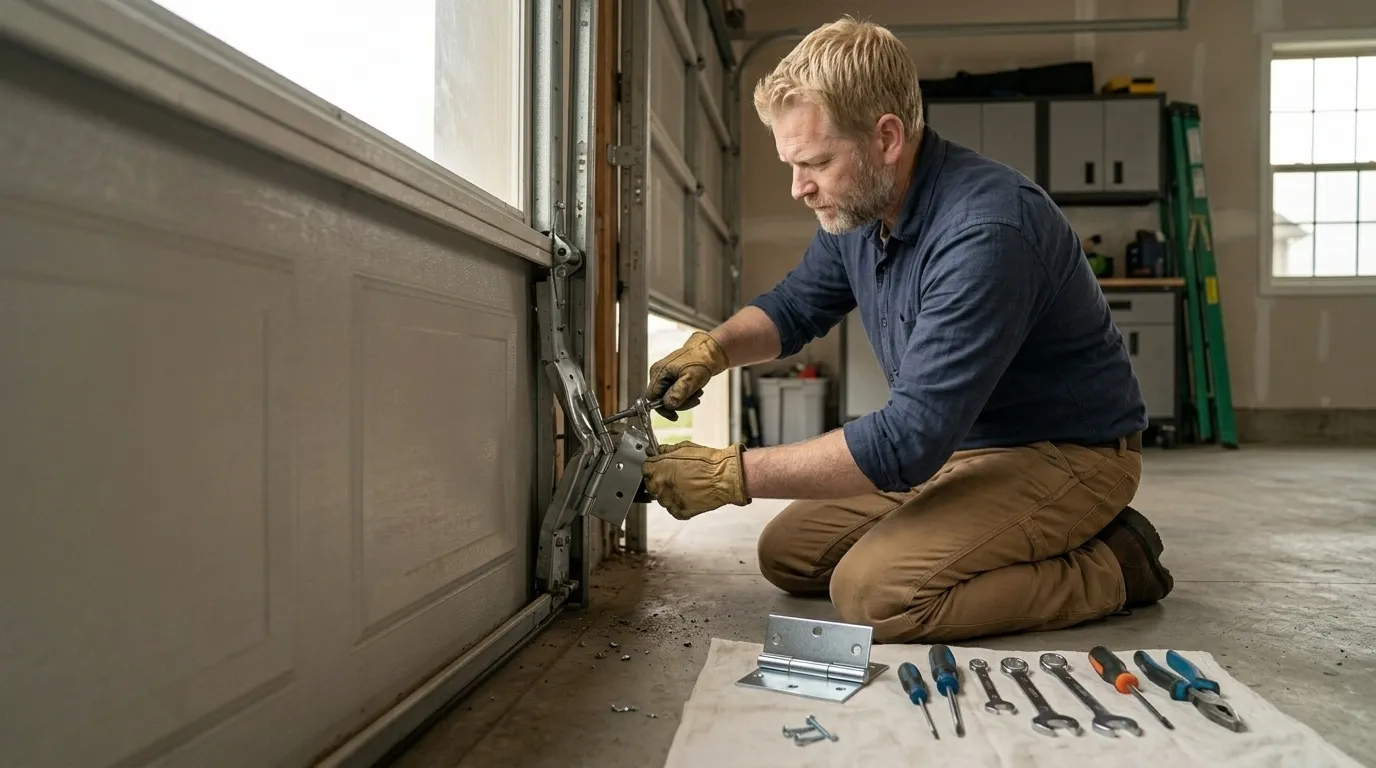
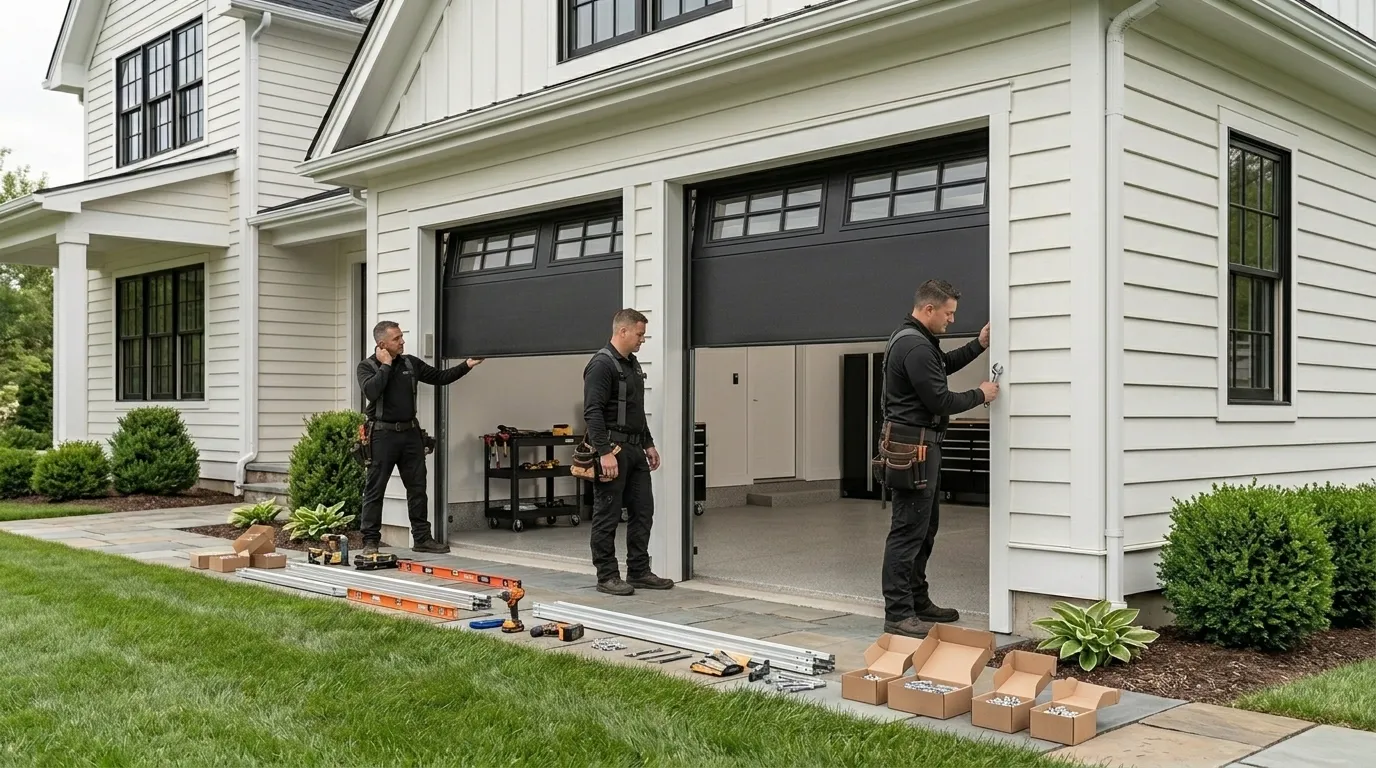
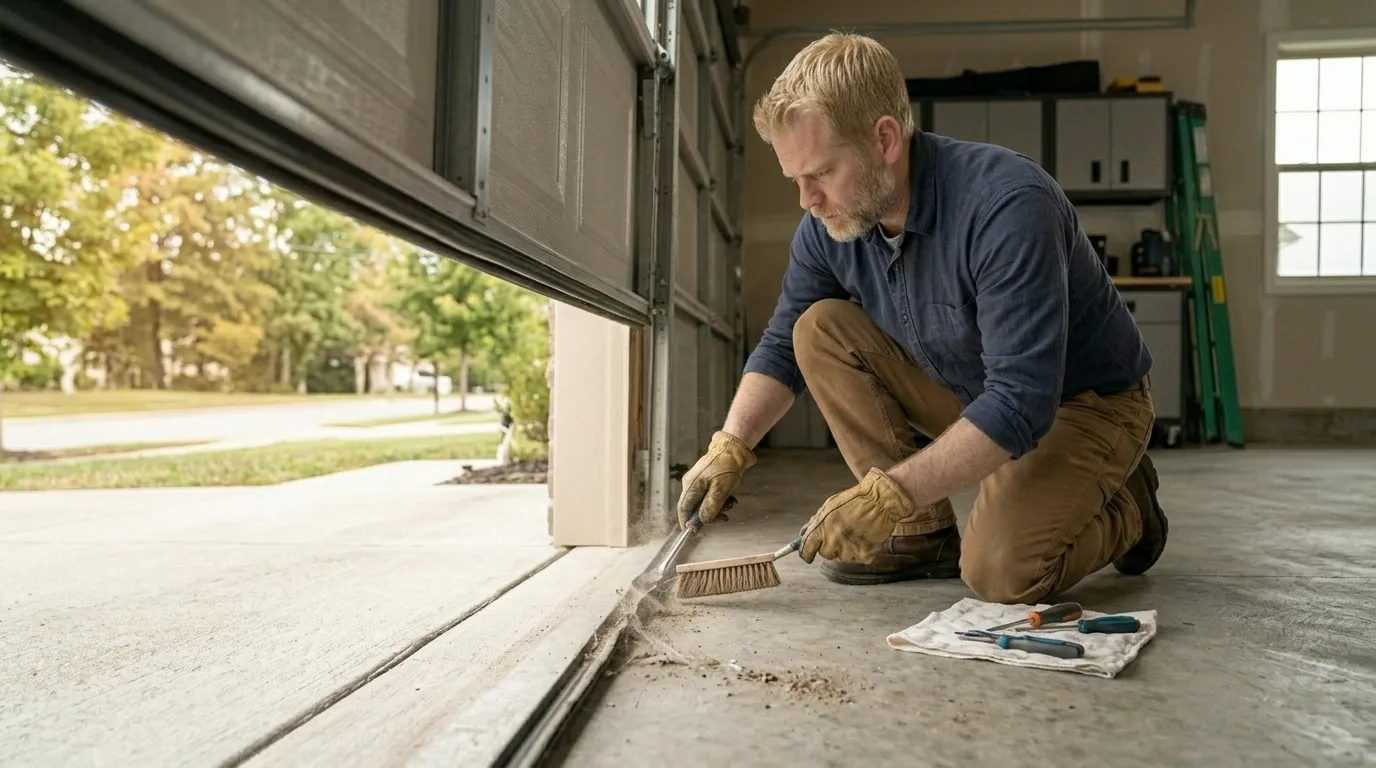
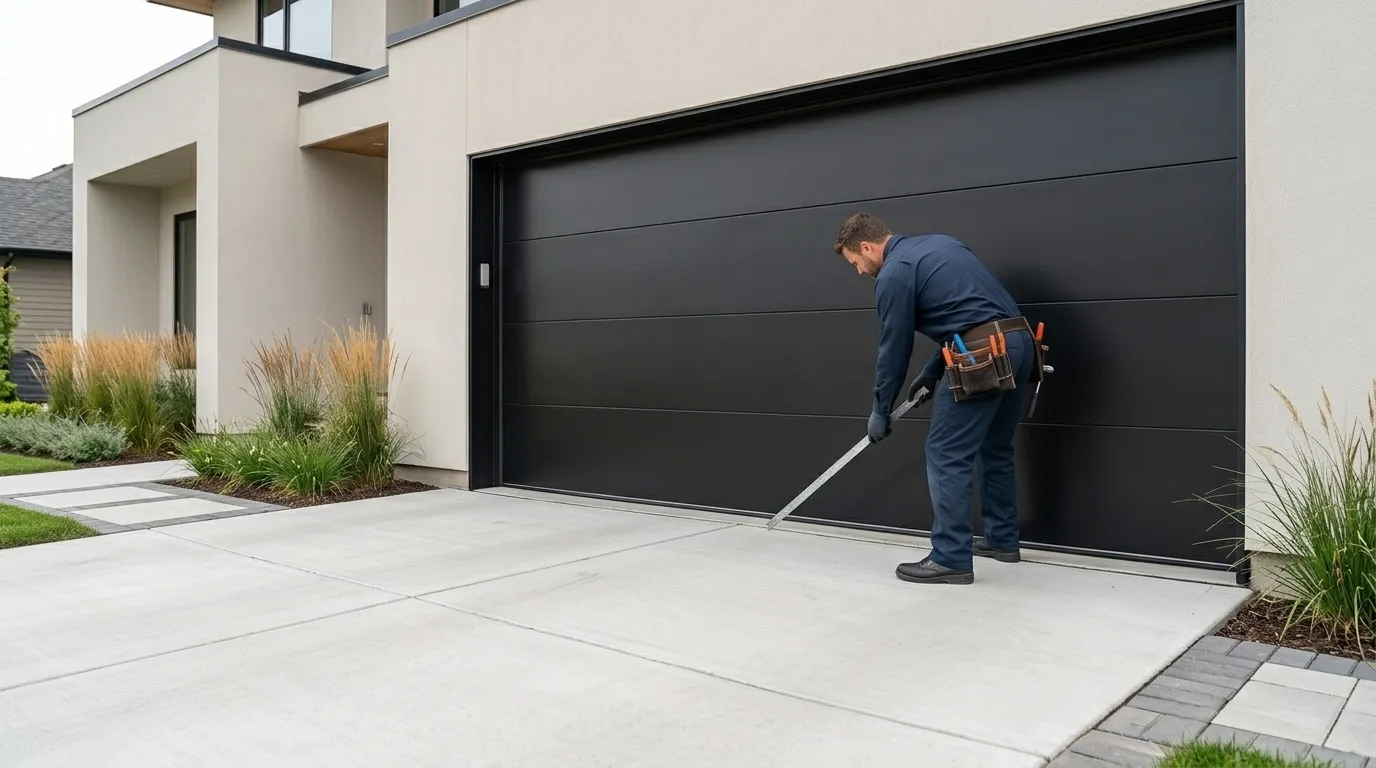
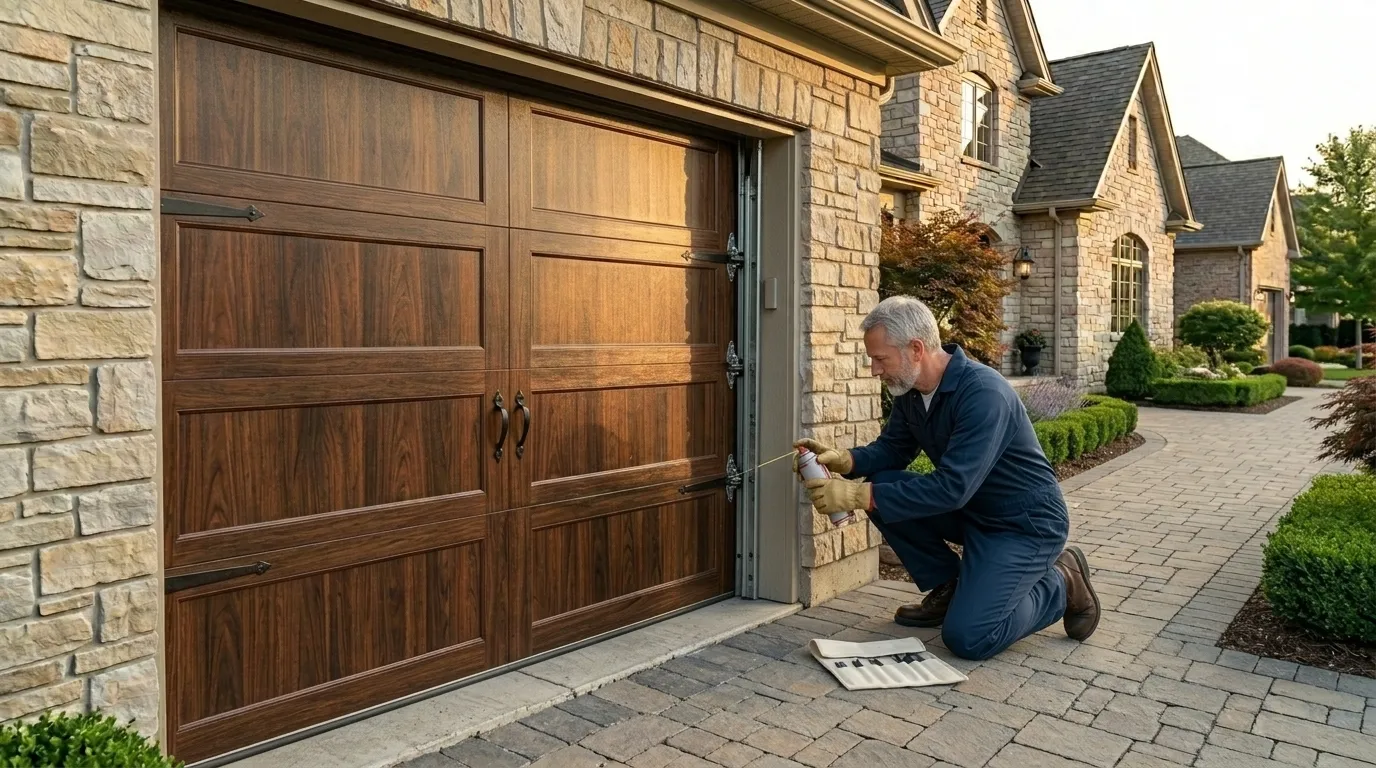
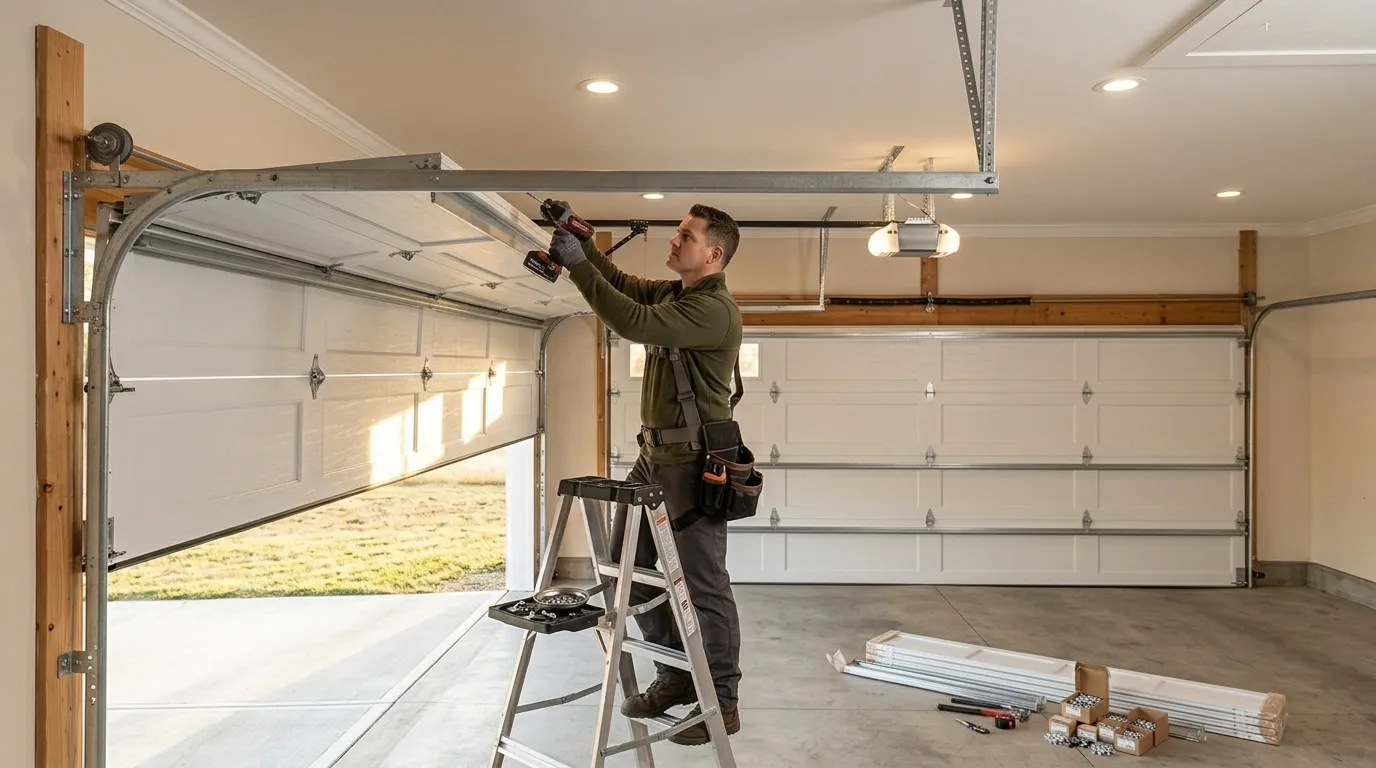
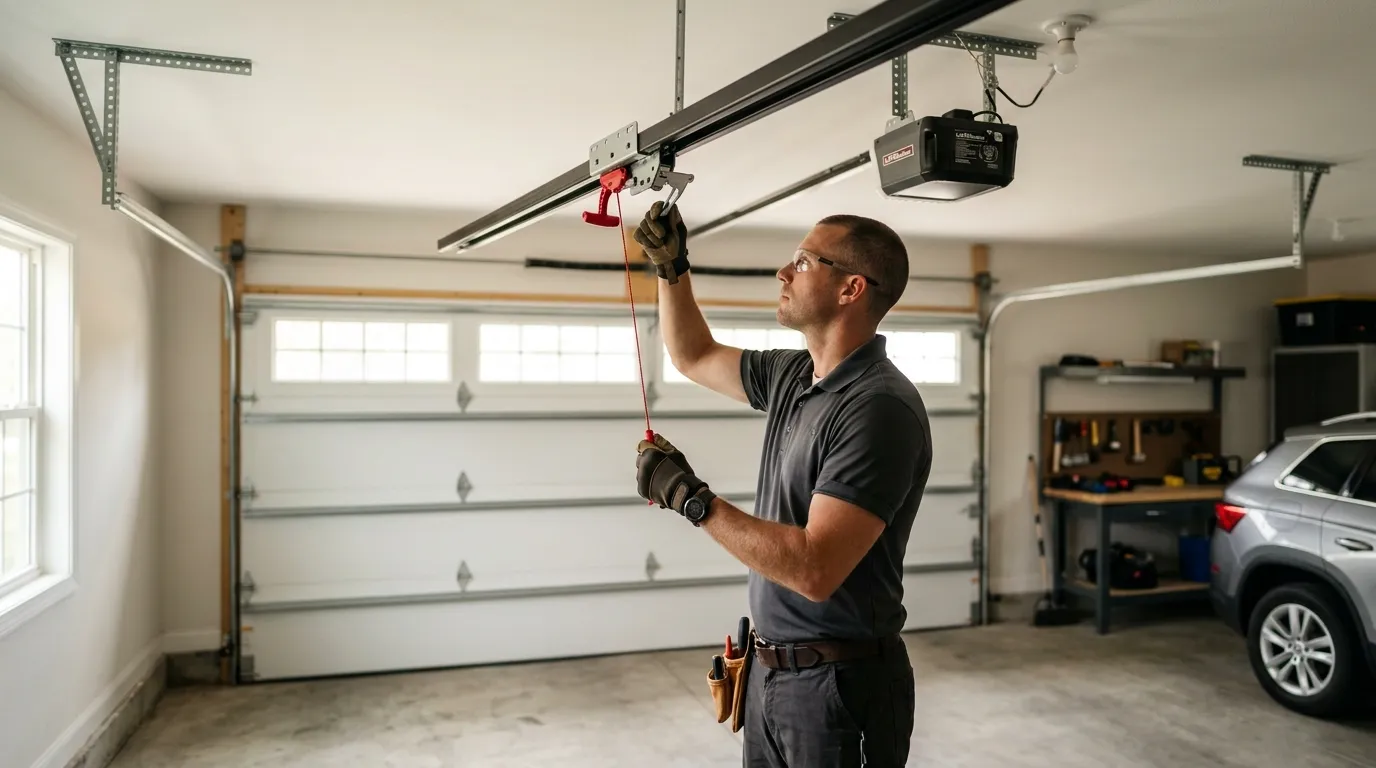
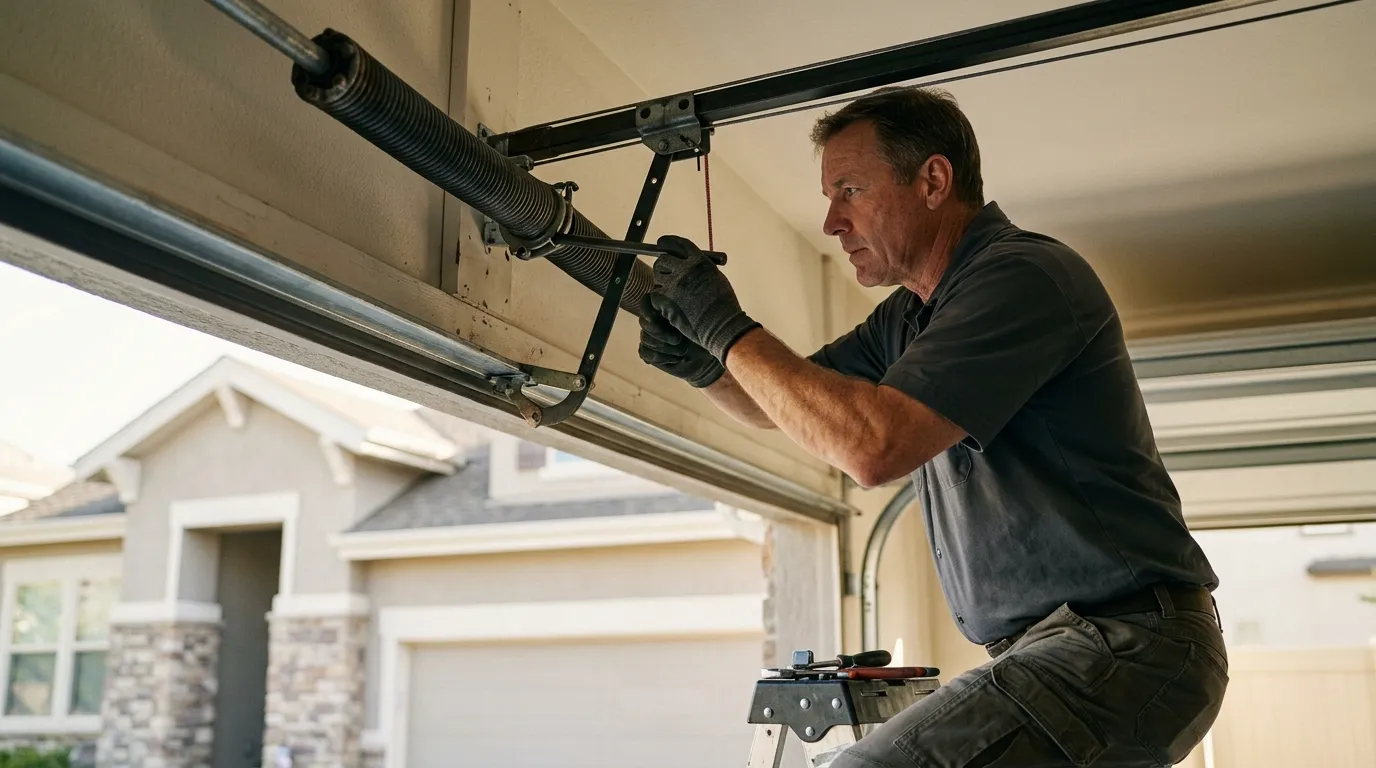
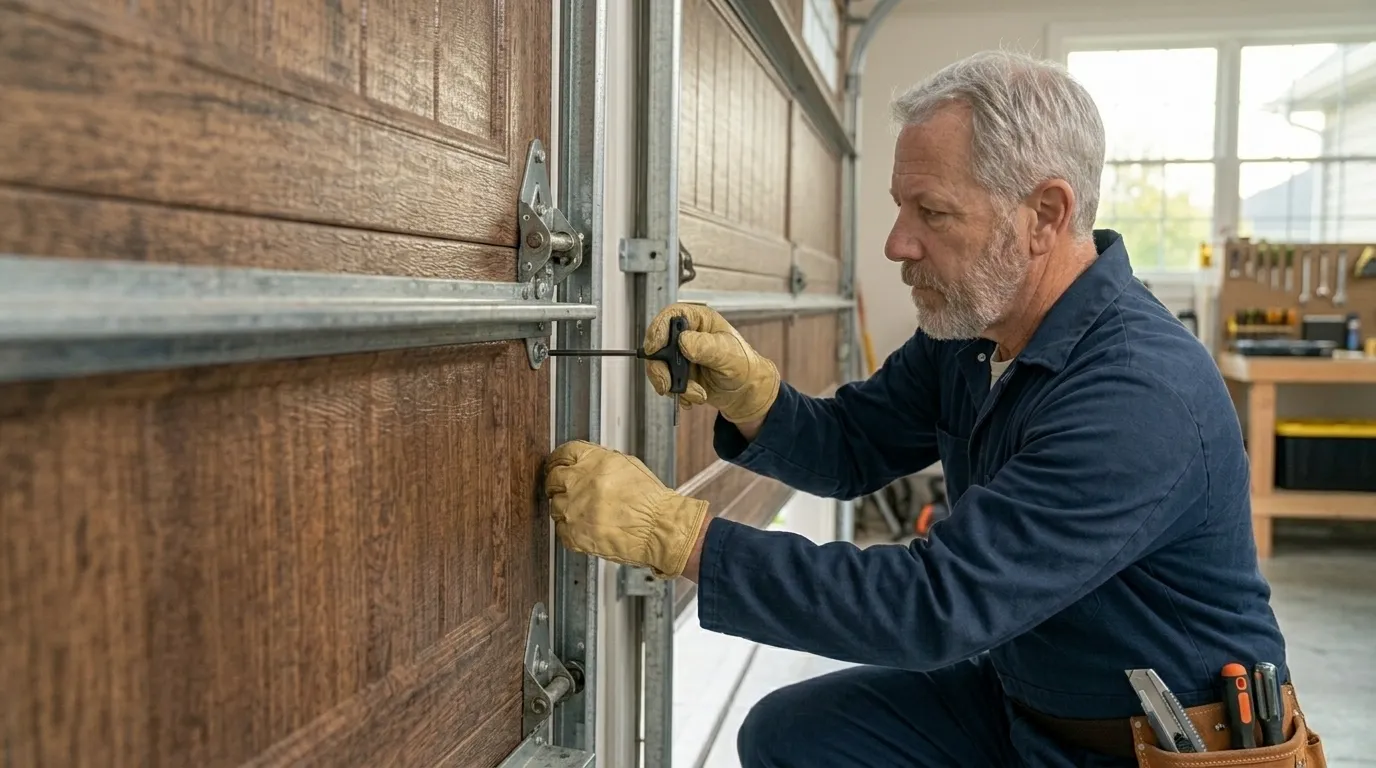
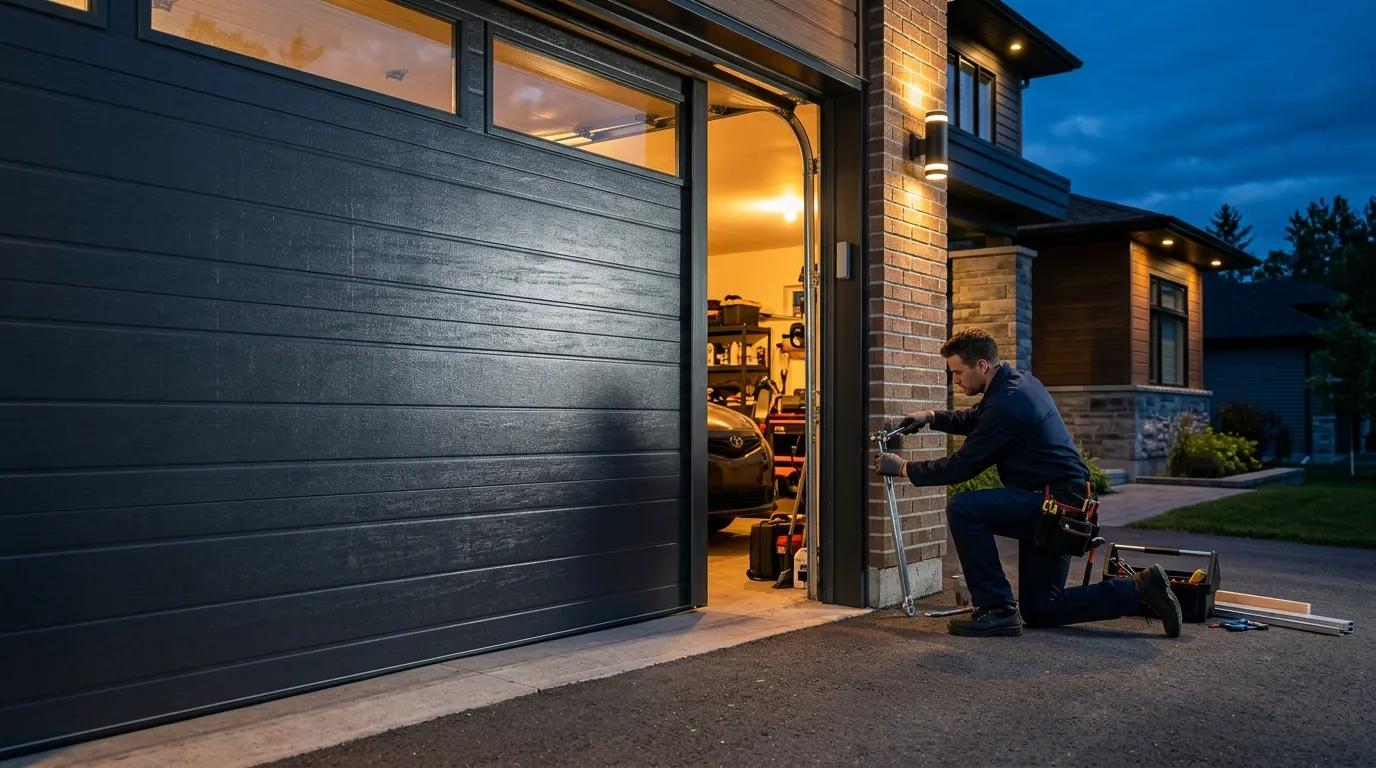
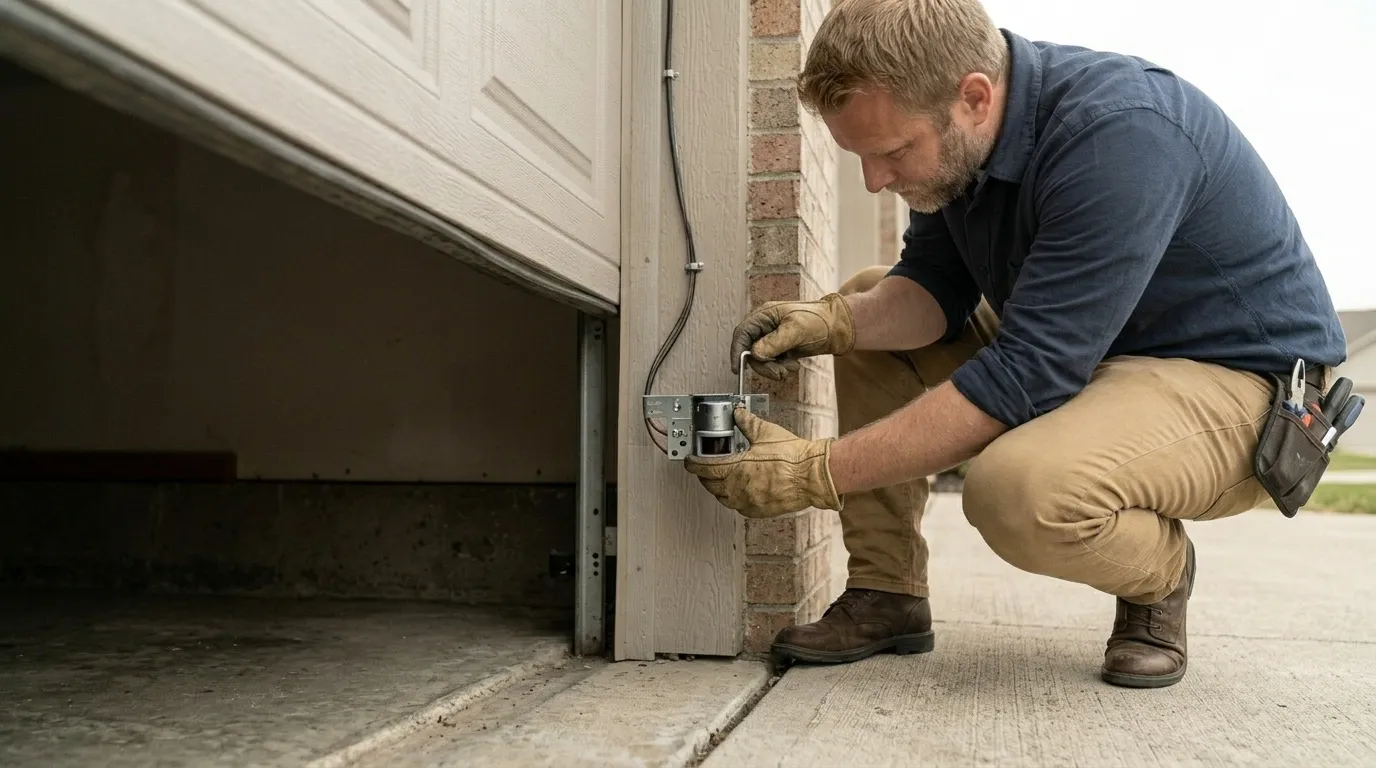
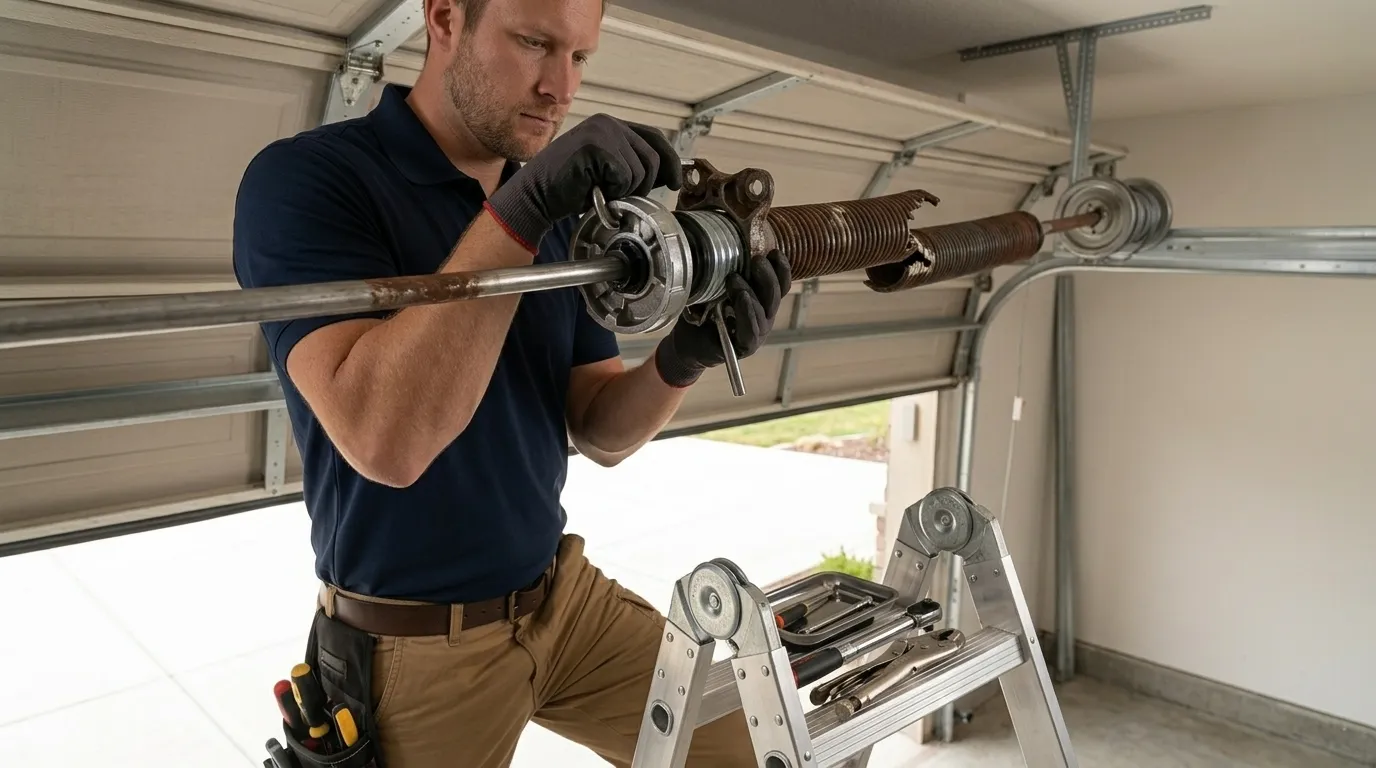
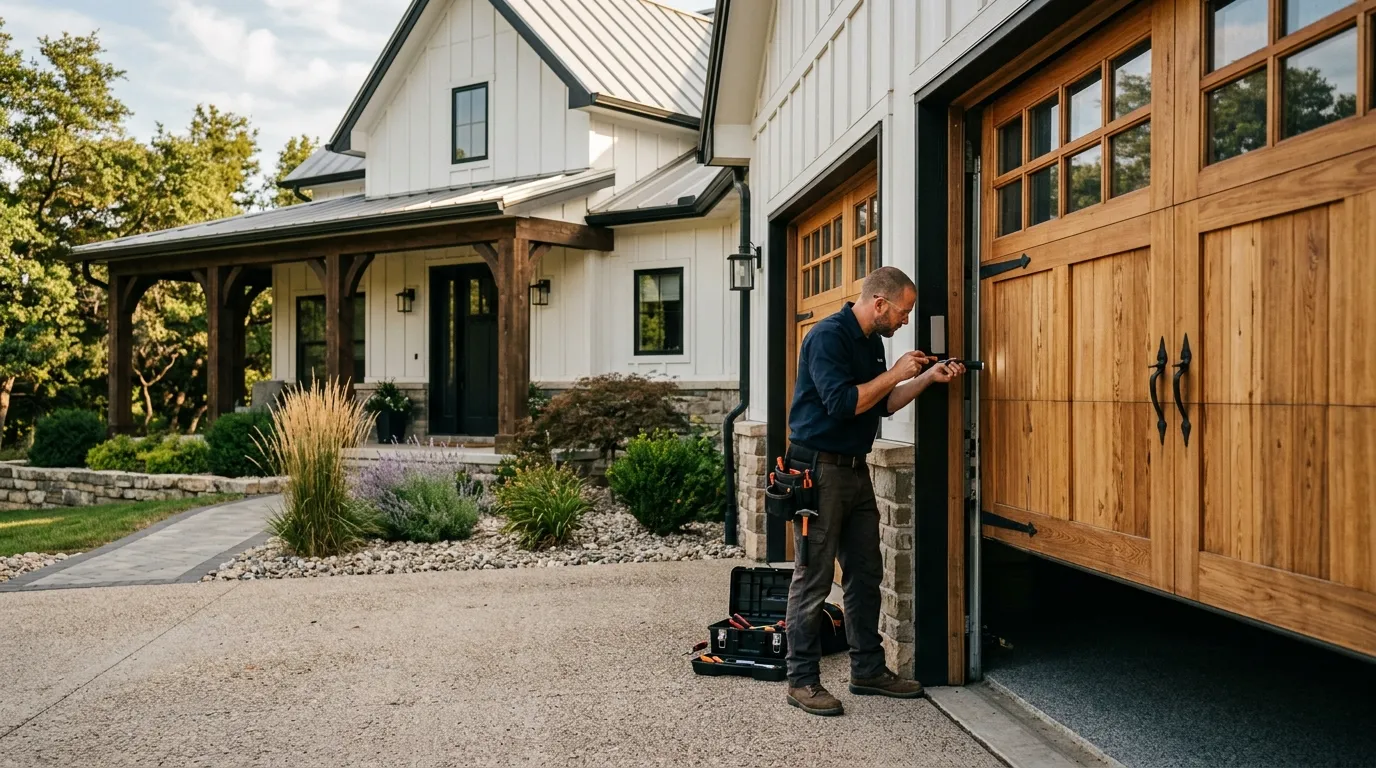
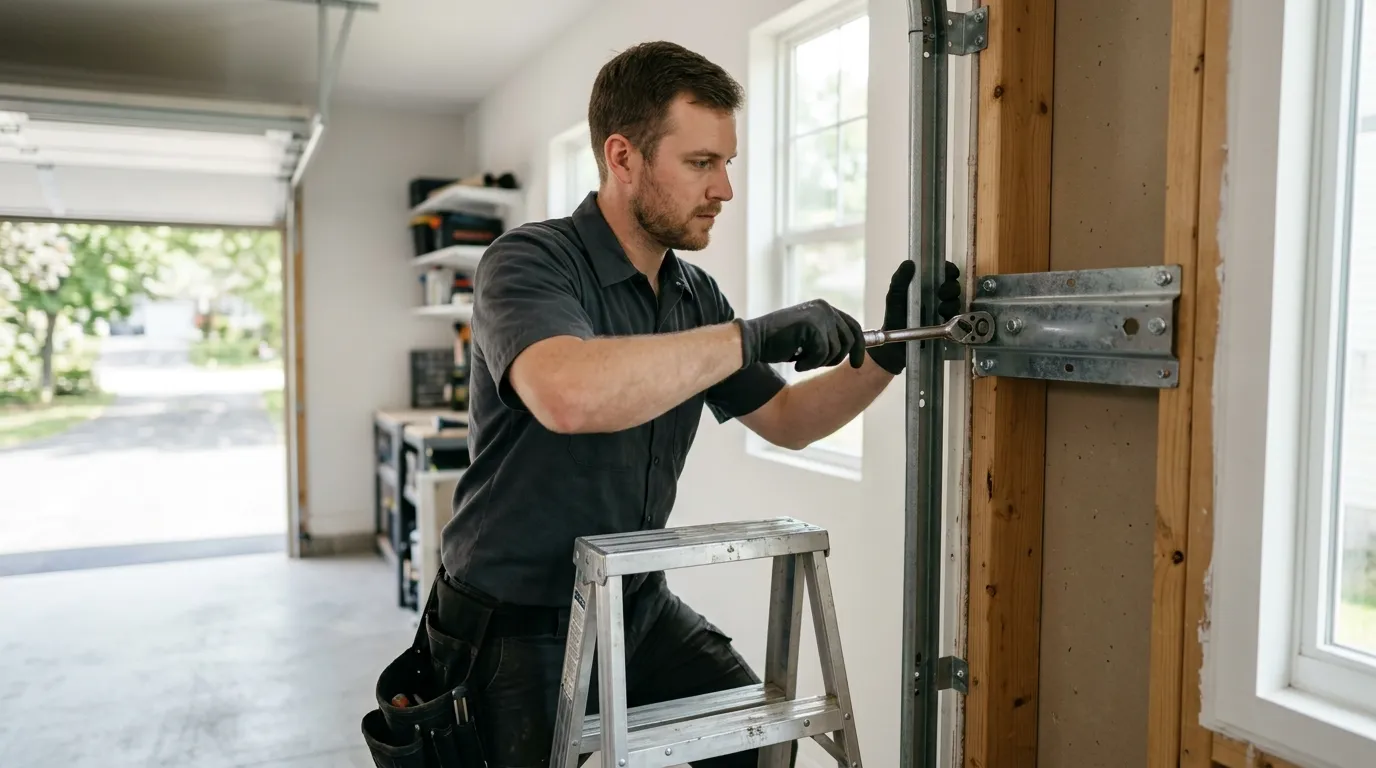
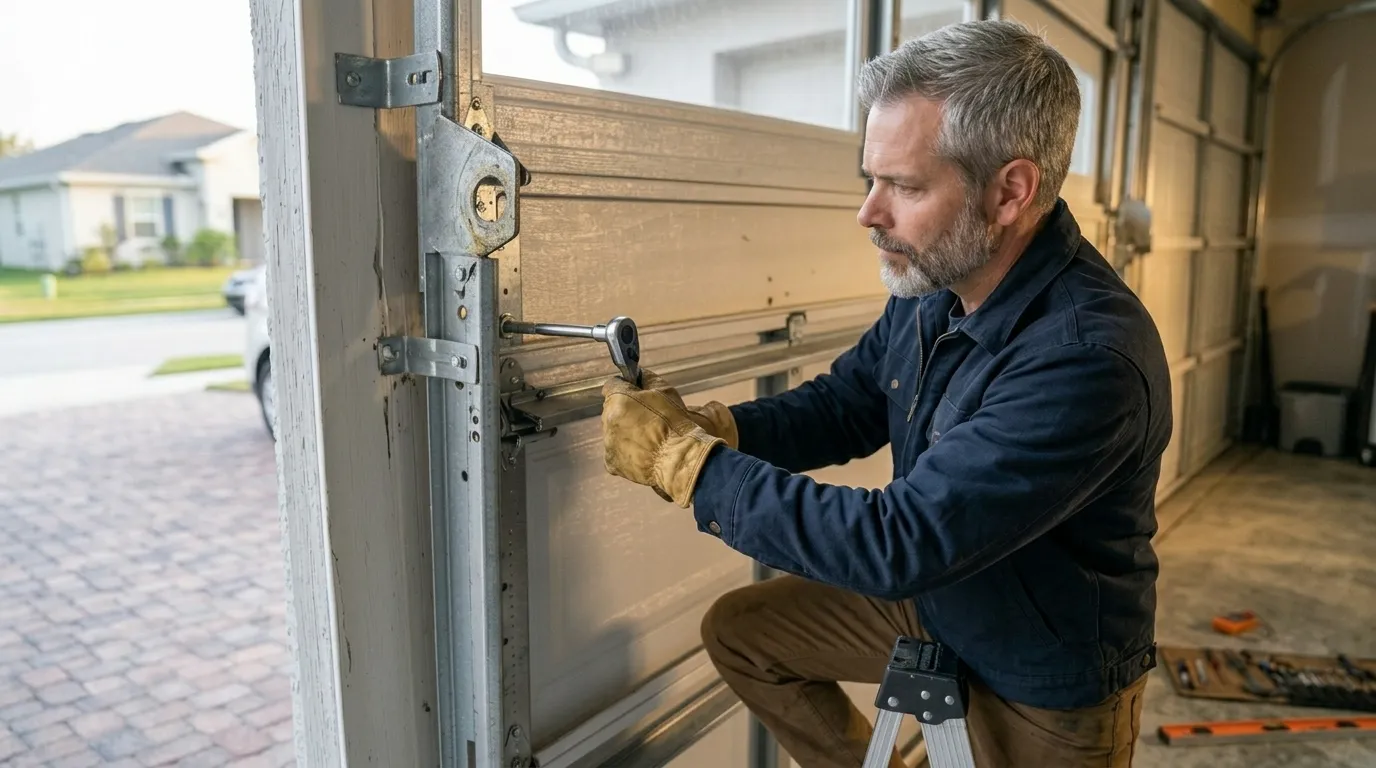
First we check whether the track itself is bent or just misaligned - those are different jobs. A bent section gets replaced outright; bending it back rarely holds. If the track is straight but the door has walked off it, we reset the rollers into the channel, check every bracket along both sides for looseness, and re-square the vertical sections against the frame. Cables get inspected while the door's apart - a frayed cable is often what let the door swing wide enough to pop the roller in the first place, and fixing the track without replacing a bad cable just means a repeat call. Once it's back on track, we run the door through a full open-close cycle a few times, checking for binding, and adjust the limit settings on the opener if the door was jumping struck. If the bracket holes are stripped from age, we relocate and re-drill rather than reusing worn-out fasteners.