Can You Do This Yourself
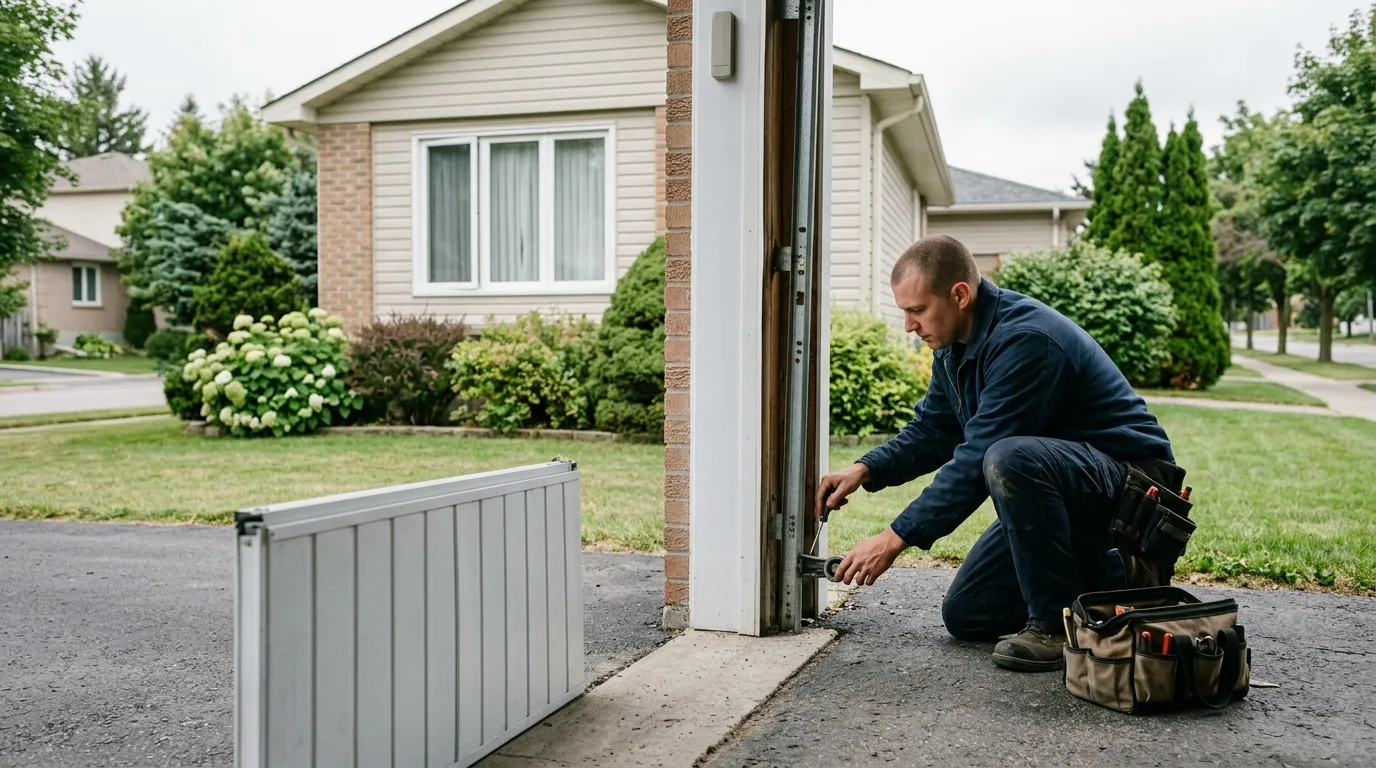
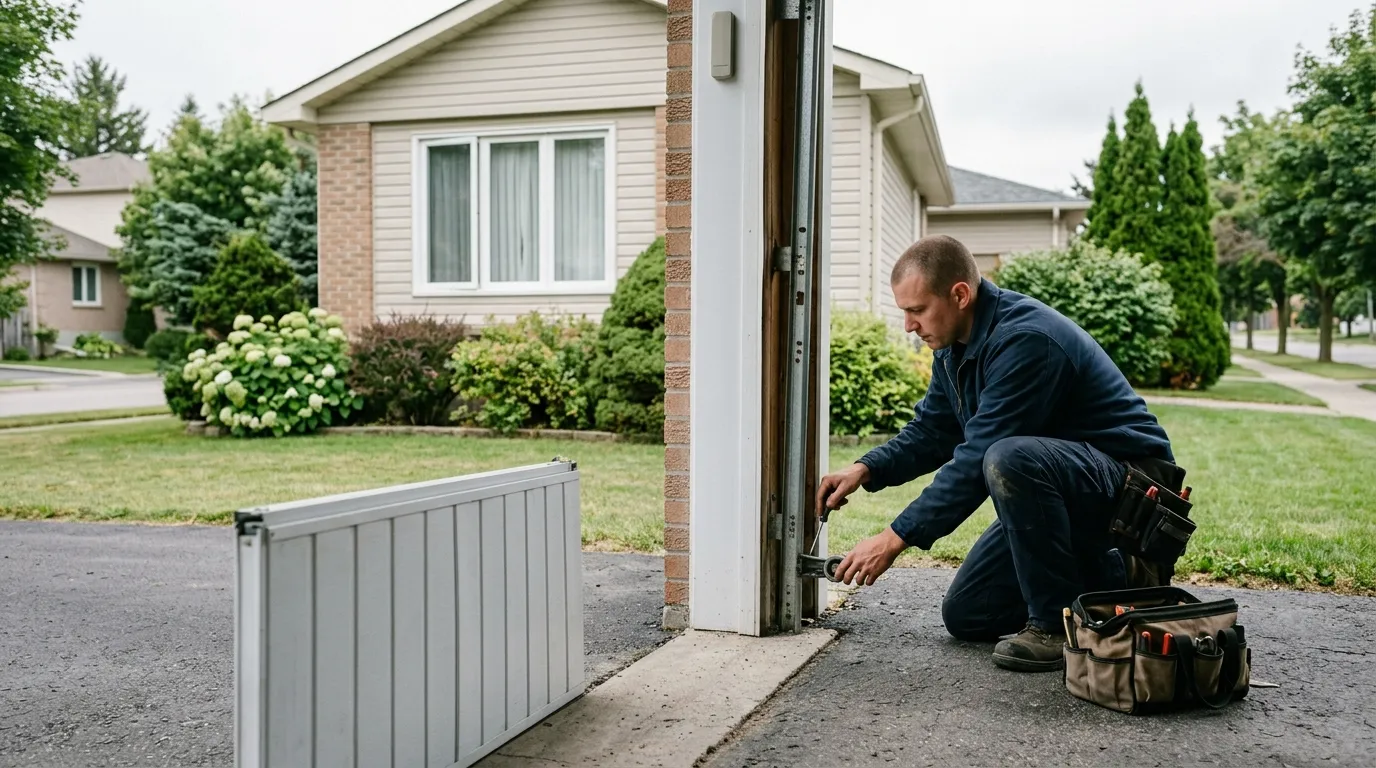
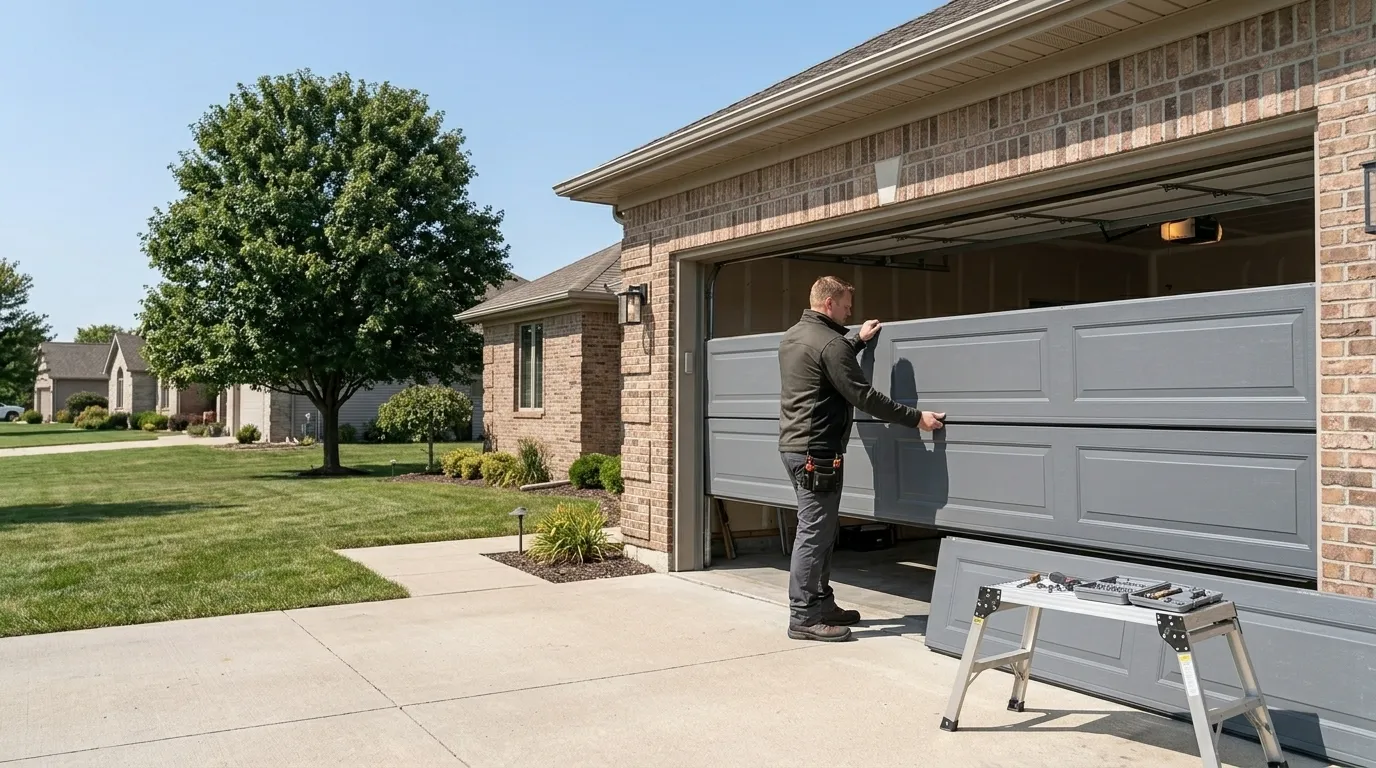
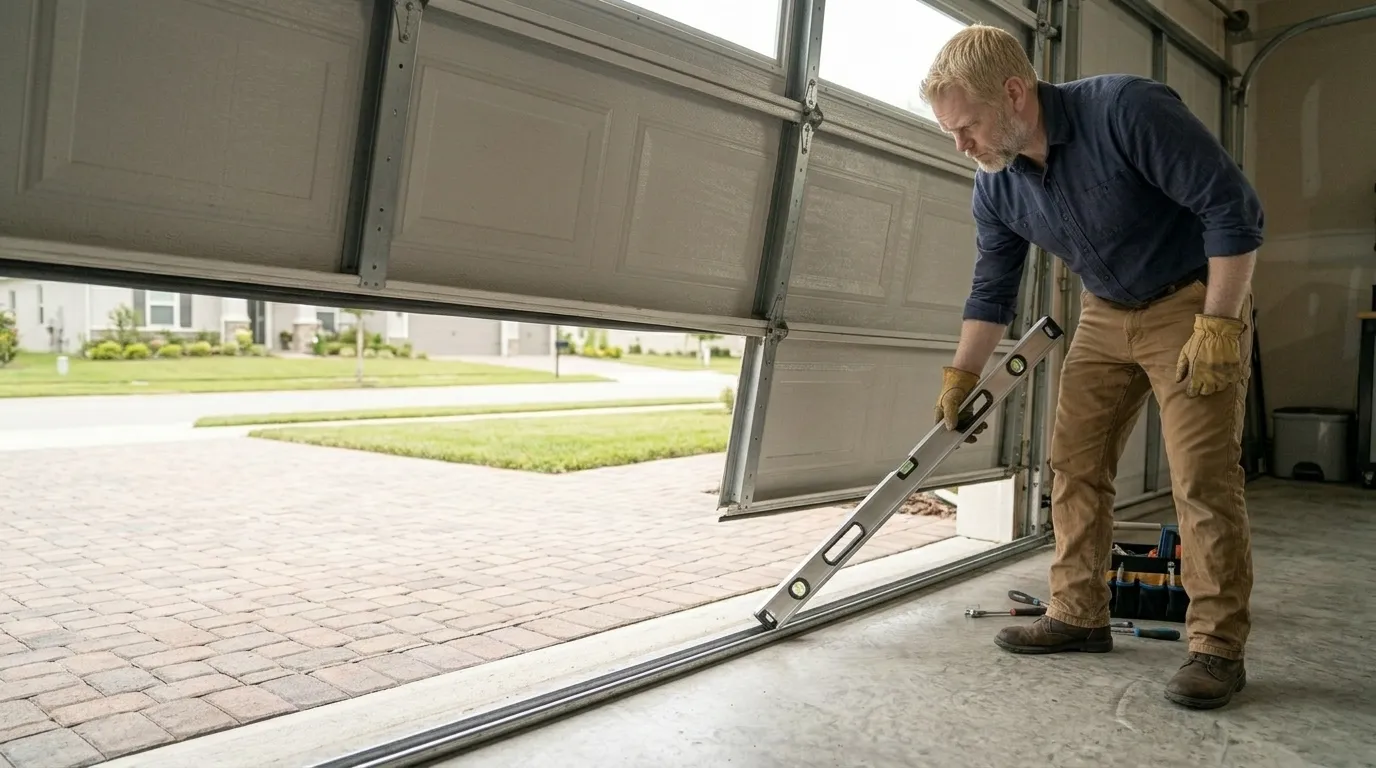
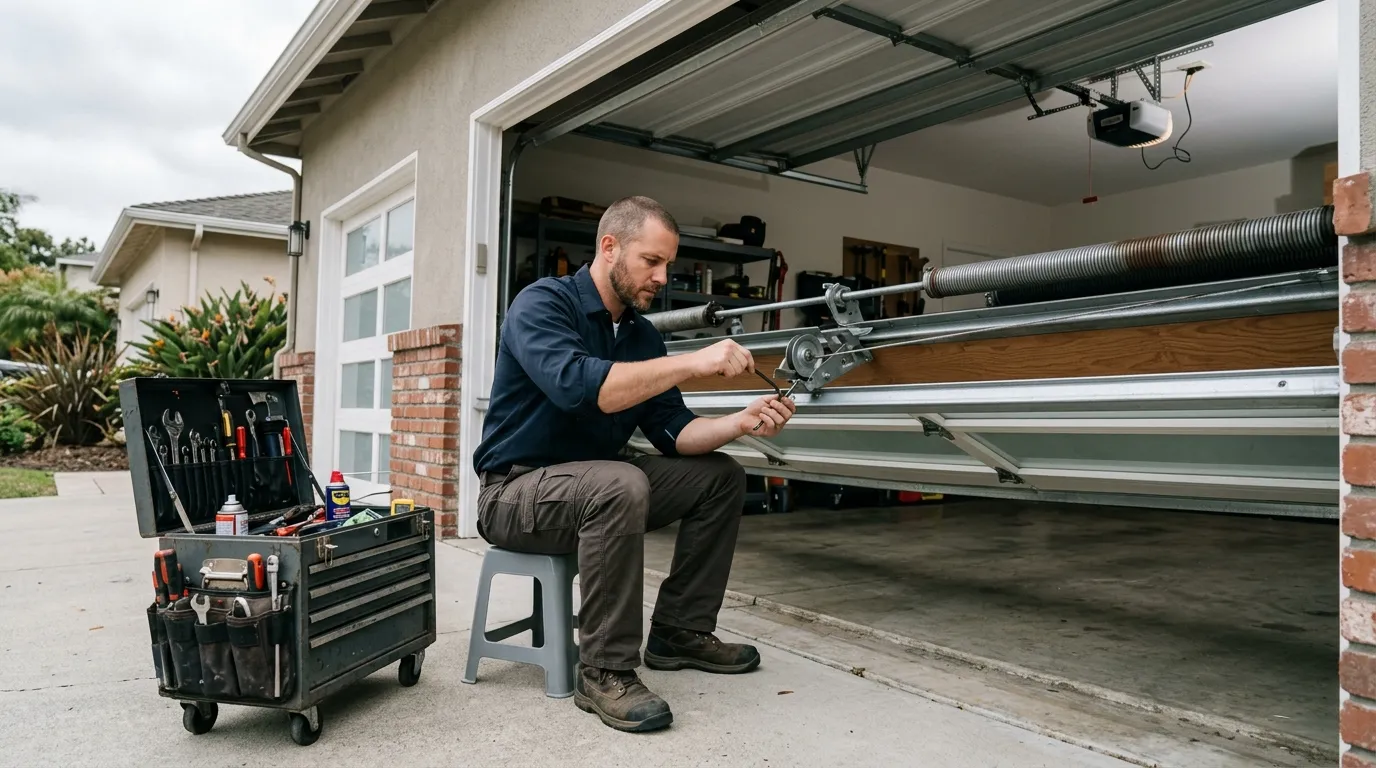
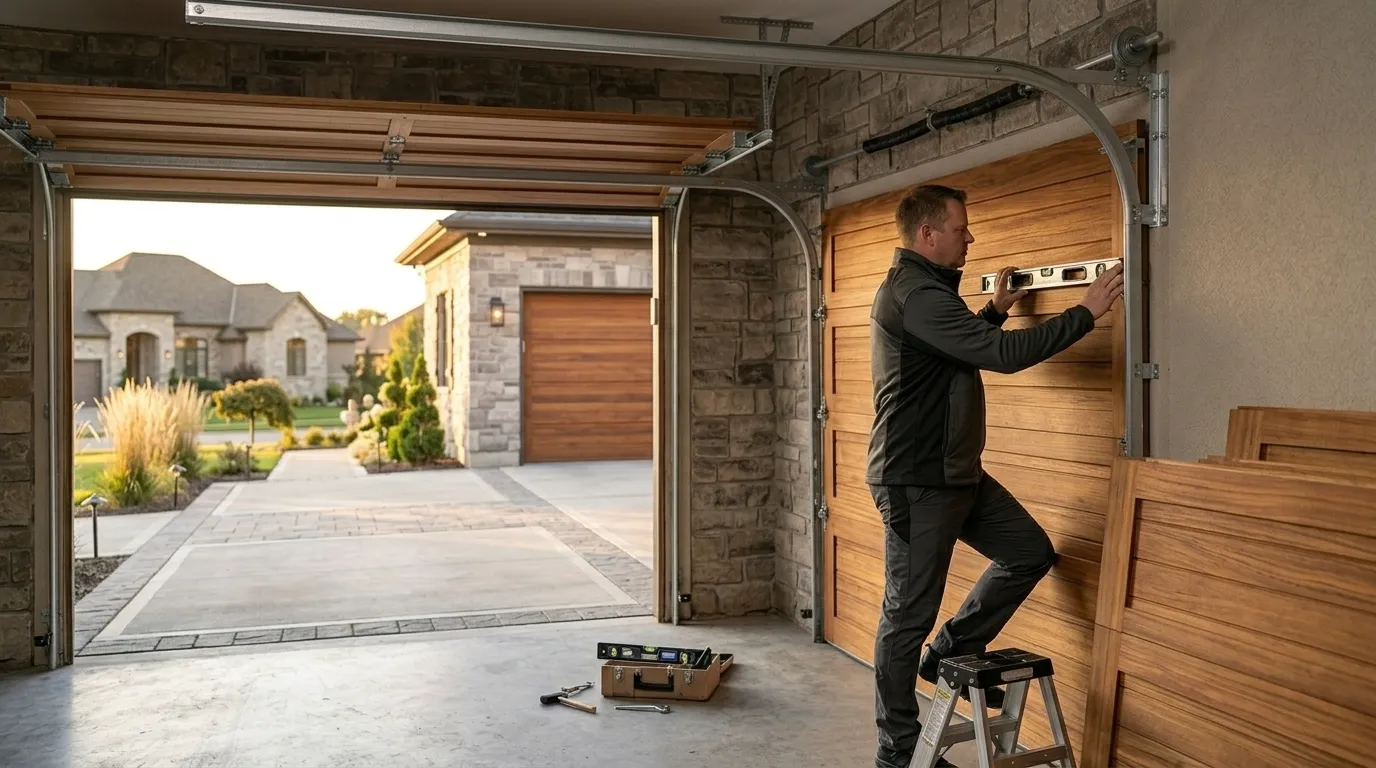
A full door swap is not a weekend project, and we'll say that plainly. Torsion springs on a double door hold enough stored force to break a wrist or worse if the winding cone slips, and getting the new track plumb against an opening that's been settling since 1965 takes more than a level and patience.
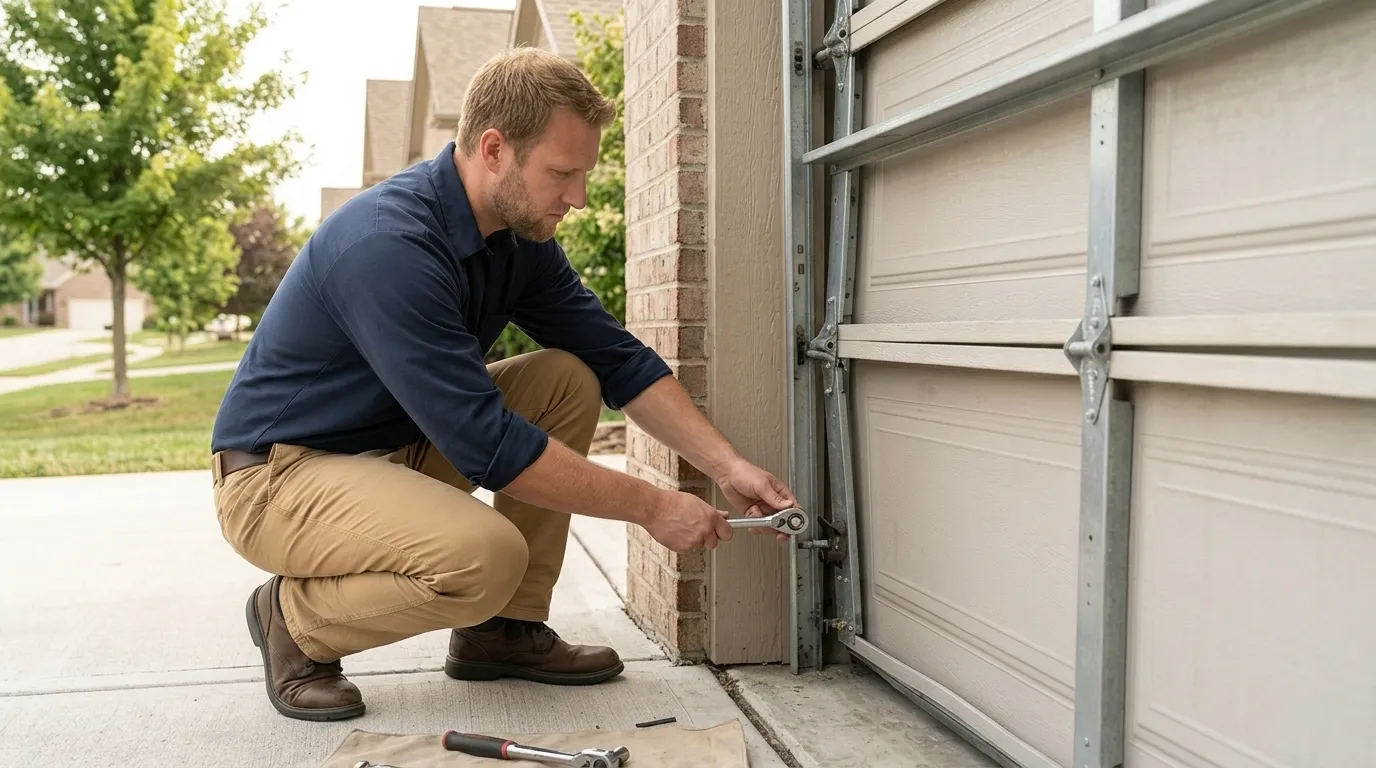
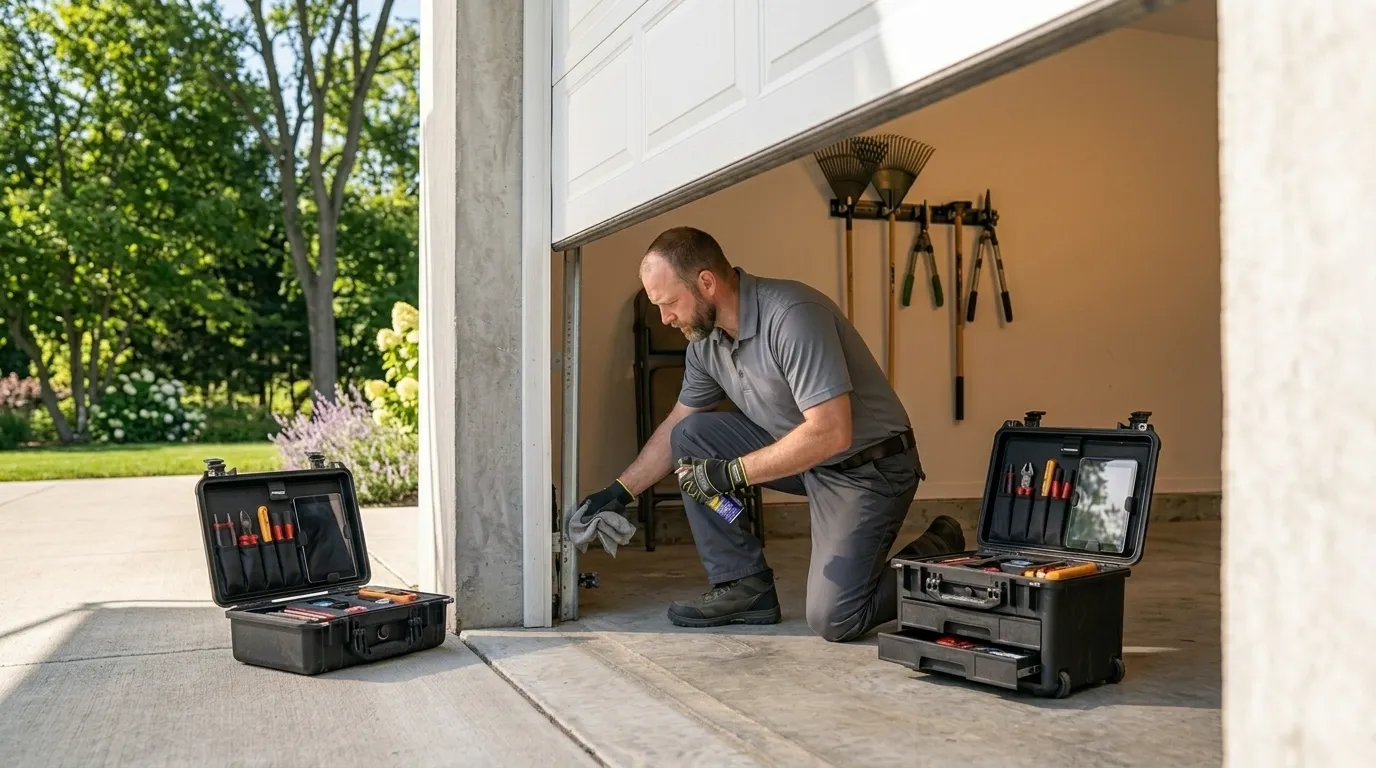
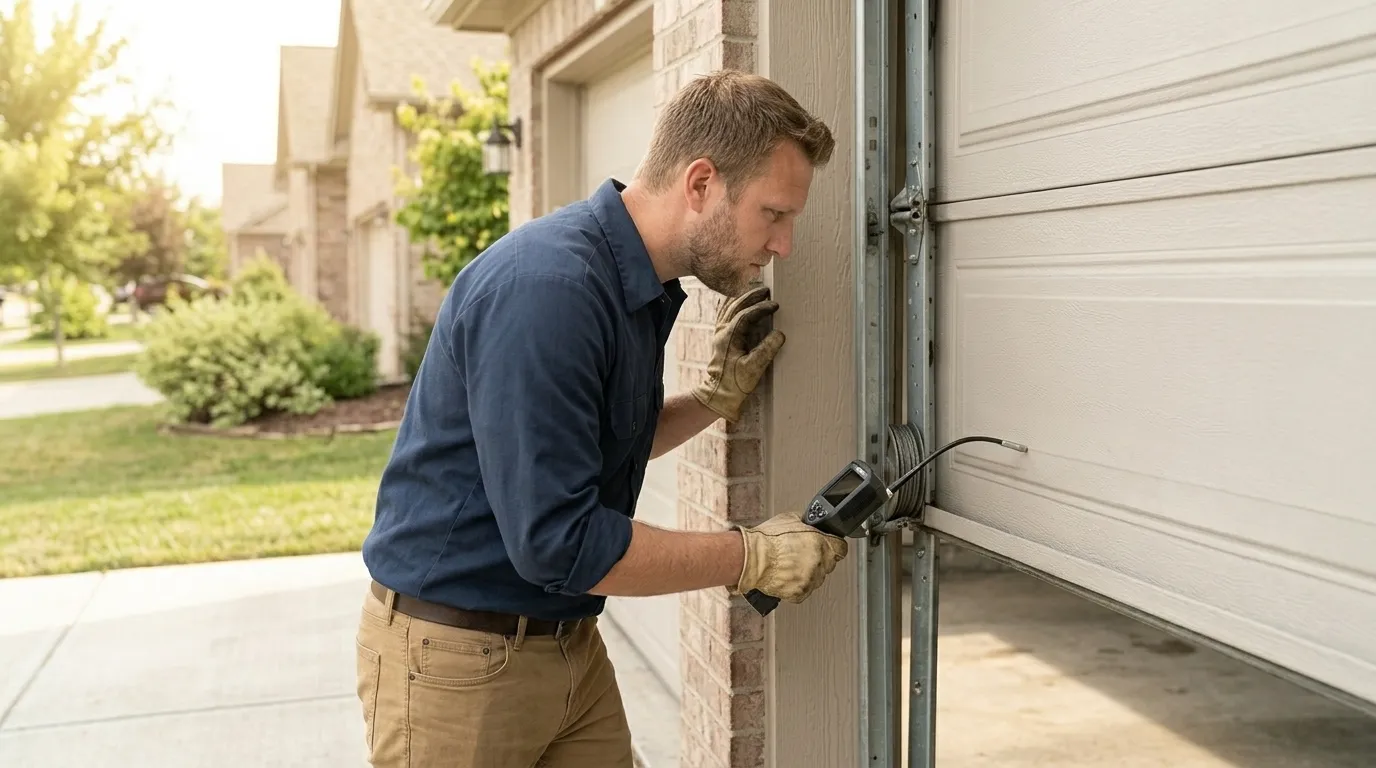
What you can reasonably do yourself: swap weatherstripping, replace worn rollers on a door that's otherwise sound, lubricate hinges and track, and tighten loose hardware. None of that touches the spring system or requires resetting the opener's travel limits.
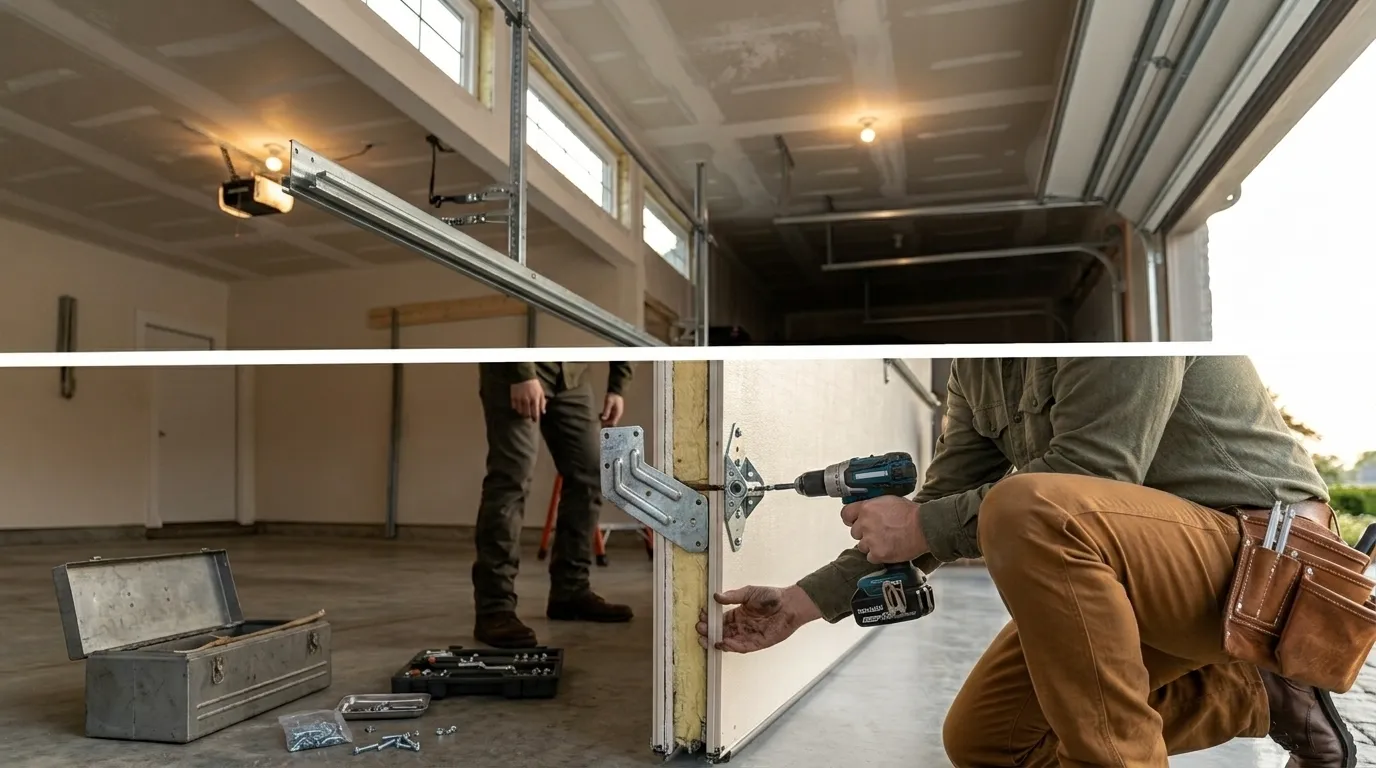
What you shouldn't: winding or unwinding torsion springs, removing the old door without support poles in place, or rewiring an opener's circuit. If you're at the point of replacing the whole door and opener, that's the job we're describing above - not because the tools are exotic, but because a mis-set spring on a heavy door doesn't fail safely.
The Cost of This Job
We don't quote a number here because the honest price depends on door size, insulation, and whether the opener gets replaced too - and we're not going to post a figure that doesn't hold once we've seen the opening. What we can tell you: households in this part of the service area run a median income around $107,391, noticeably above the $83,538 median across the wider area we cover, and that shows up in what people choose to spend on - insulated steel doors and quieter belt-drive openers come up more often here than the bare minimum option.
The other cost factor is the drive. Since Carson runs 18 miles from our Santa Monica base, we quote the job as a whole visit - measurement, removal, install, haul-away - rather than pricing pieces separately, so there's no surprise line item for a second trip out.
What Is on the Truck
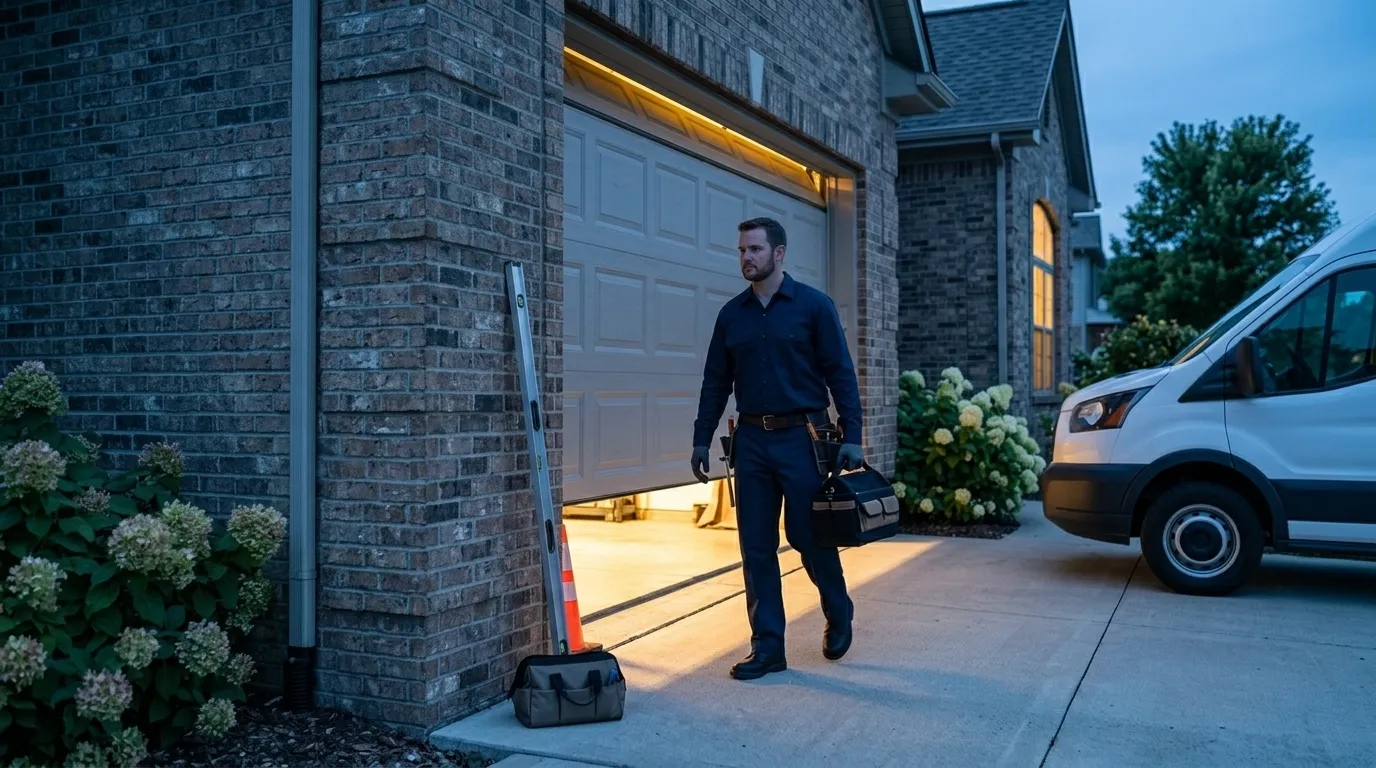
For a Carson install we load doors and track sized to the narrower openings common in mid-1960s construction - we don't assume a standard modern width fits until we've measured. Spring sets come in a range of wind weights because a 1965 door with decades of panel sag doesn't weigh what the spec sheet says it should.
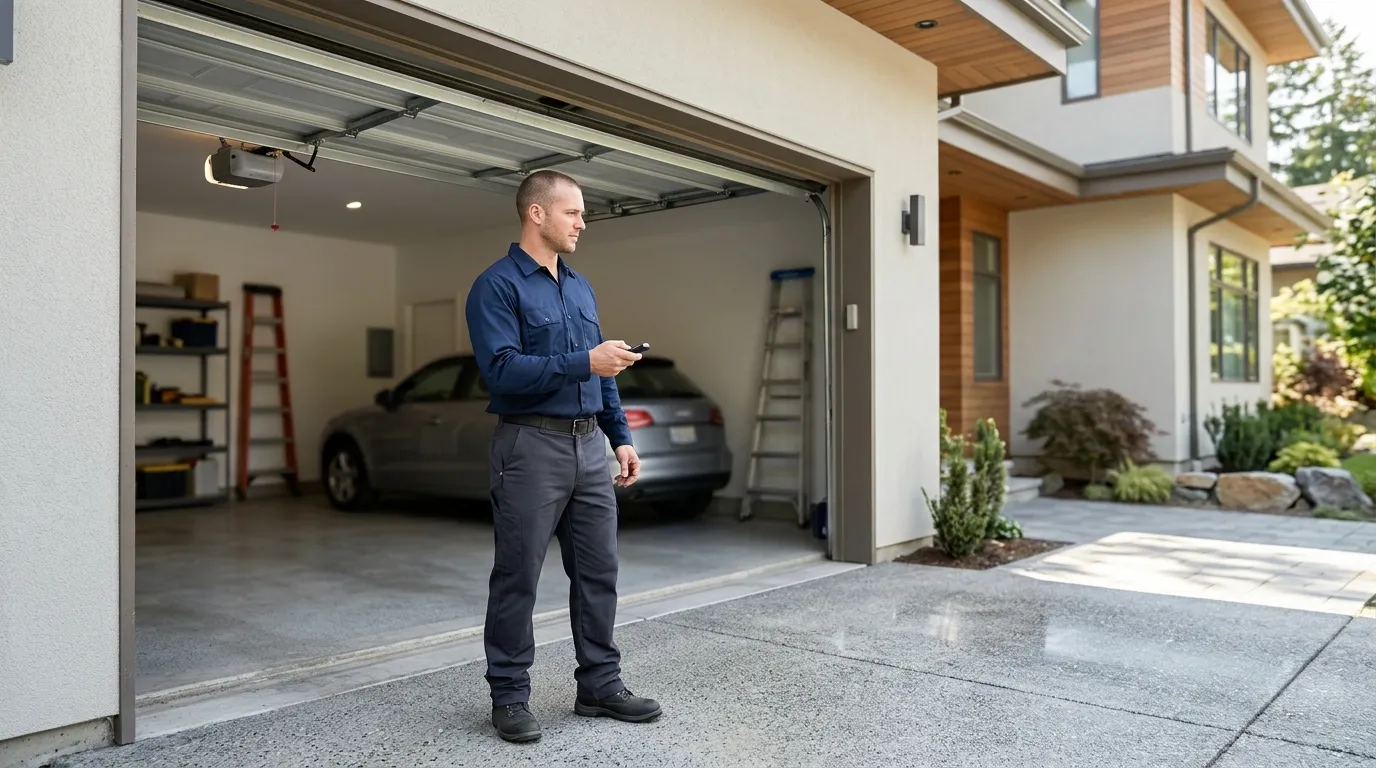
We carry both chain-drive and belt-drive openers, since the choice tends to split by whether the garage sits under or next to living space. Insulated steel panels are the more common pick given household budgets here, but we still carry uninsulated stock for detached garages where it isn't needed.
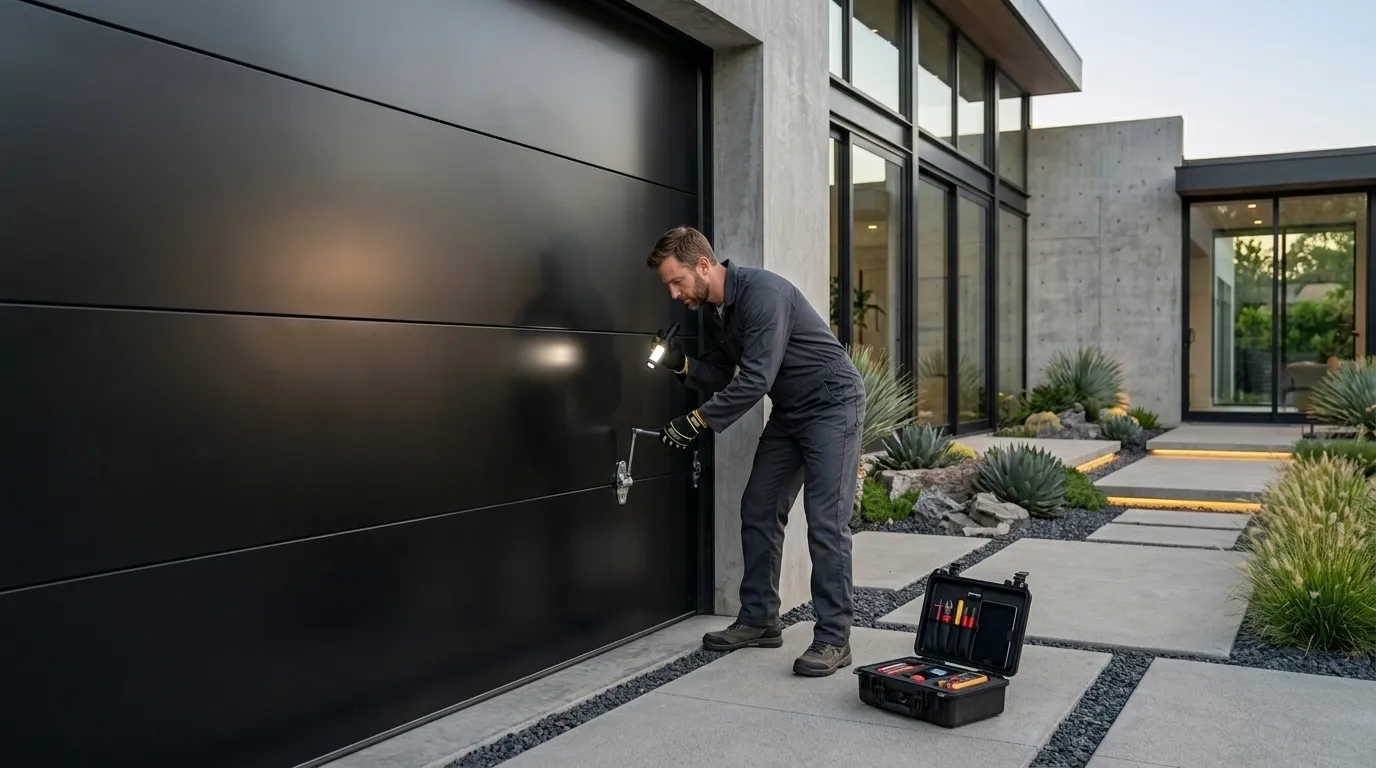
One limit worth naming: if the opening itself is out of square from decades of settling, that's a carpentry fix before the door goes in, and we don't frame or reset jambs. We'll tell you on site if that's what's needed rather than force a door into an opening that isn't ready for it.