Can You Do This Yourself
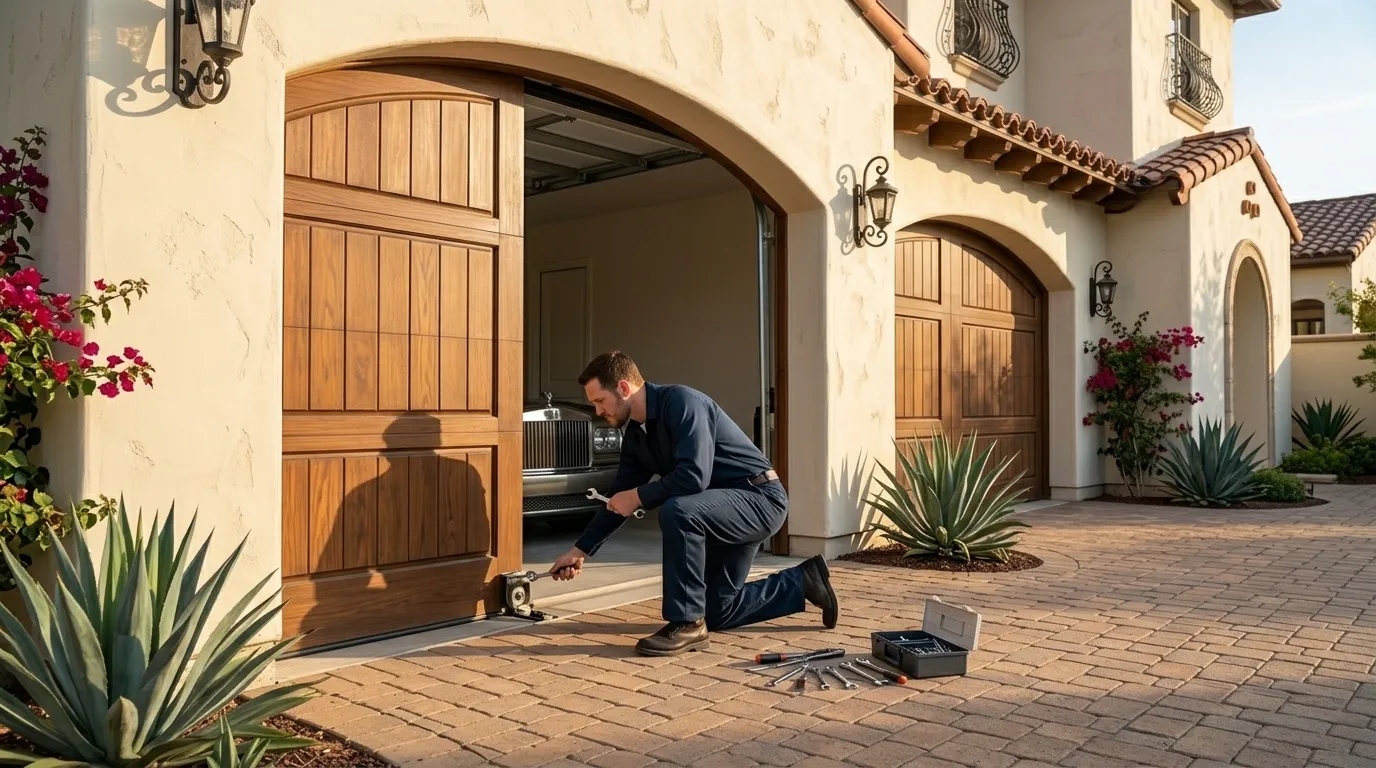
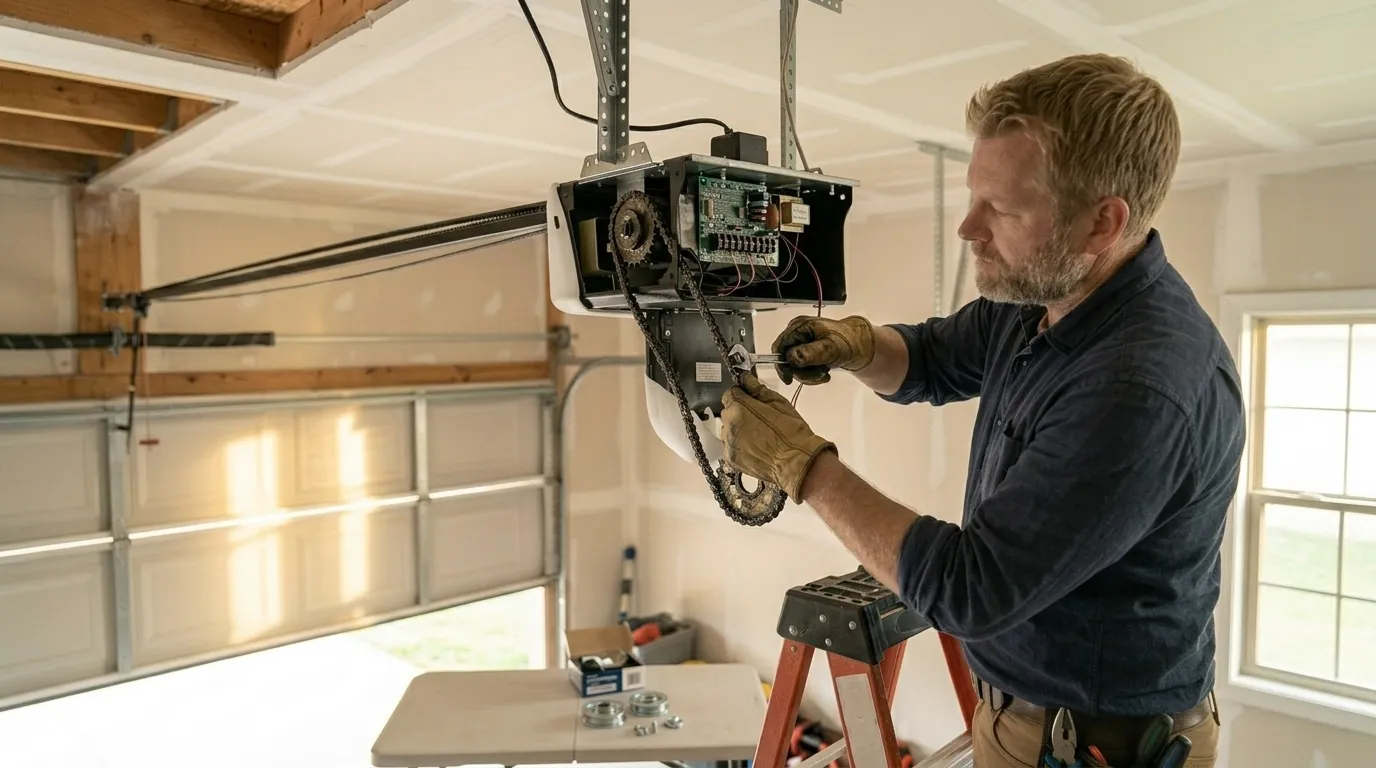
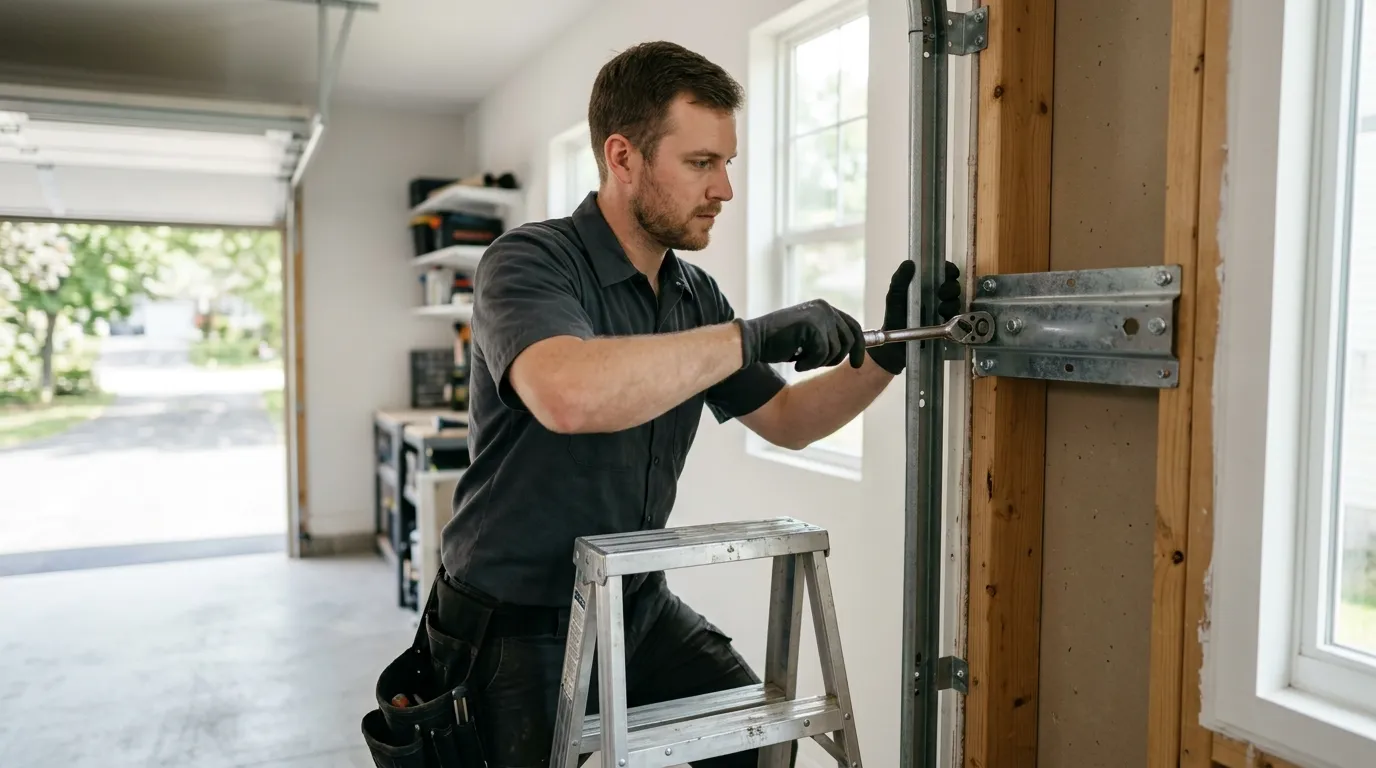
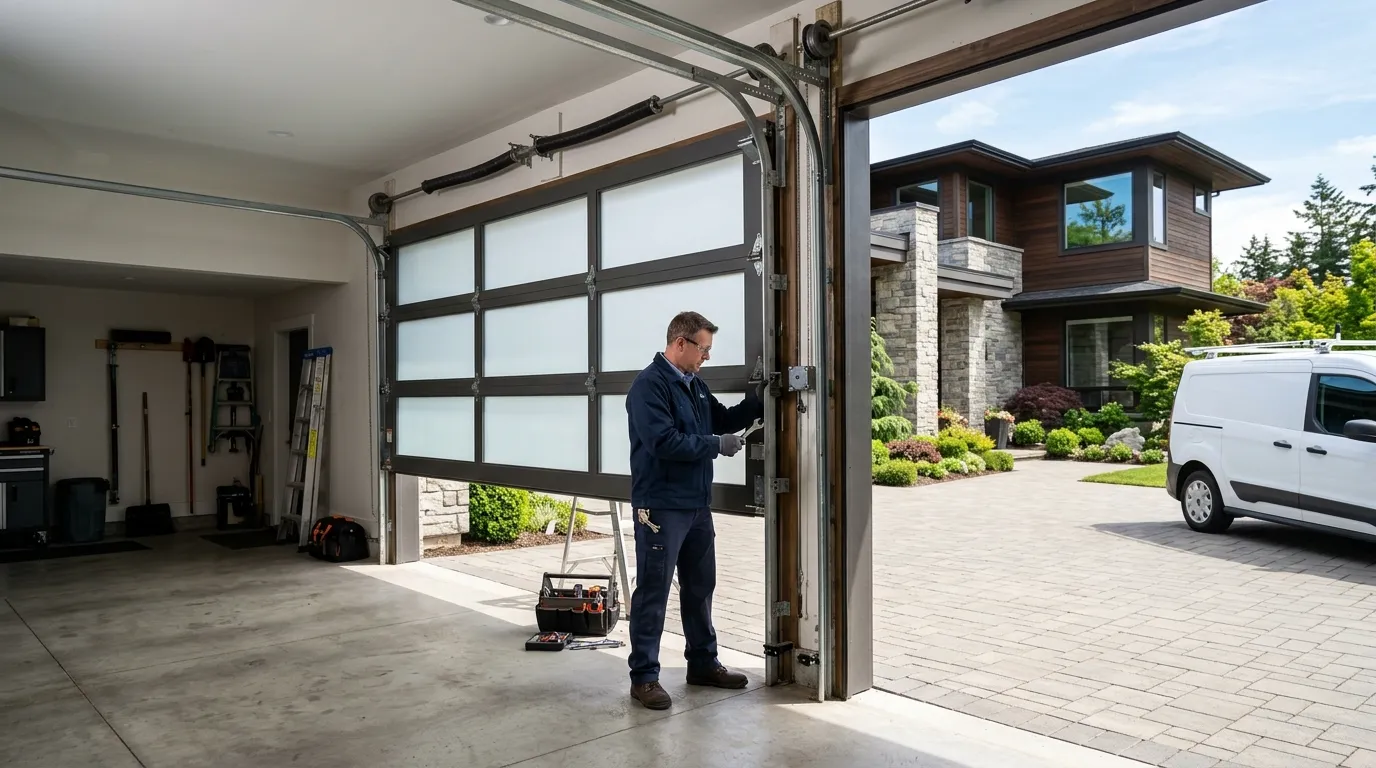
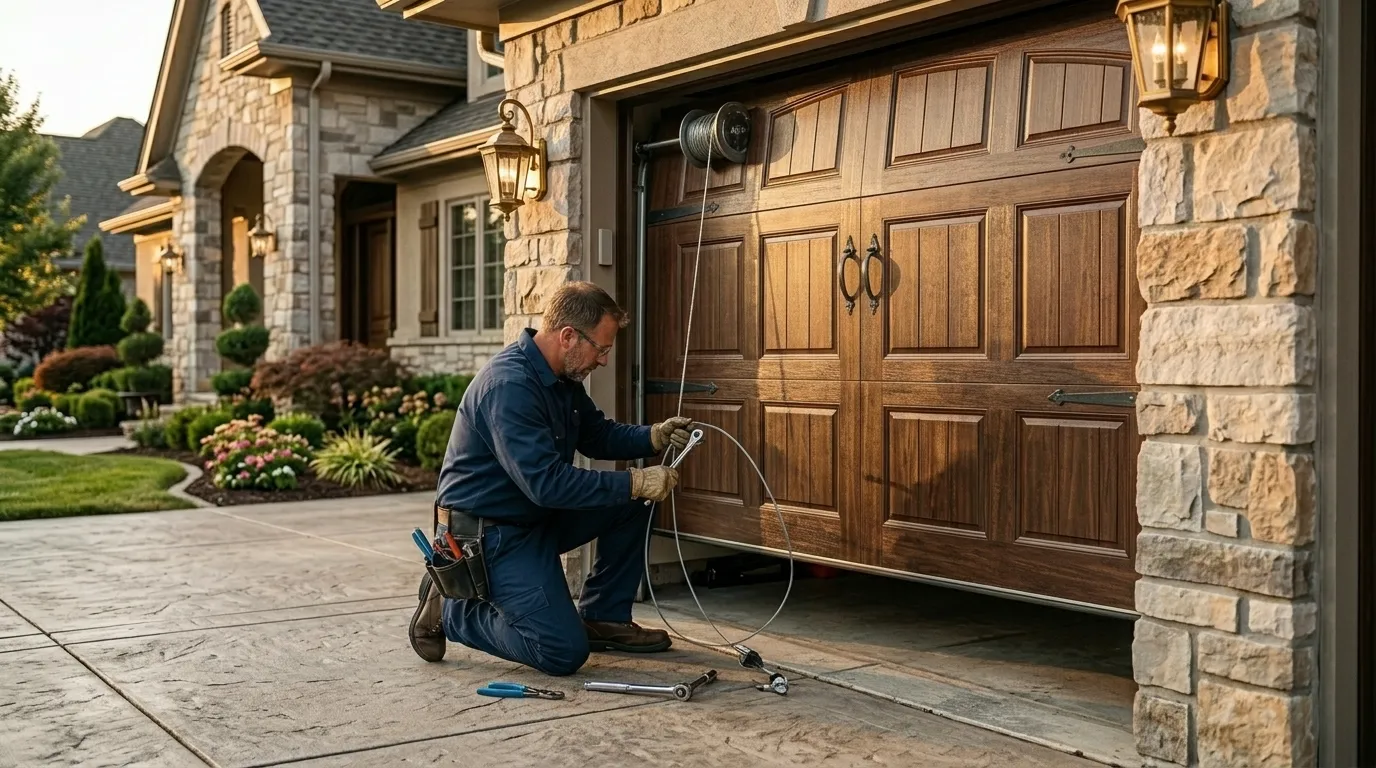
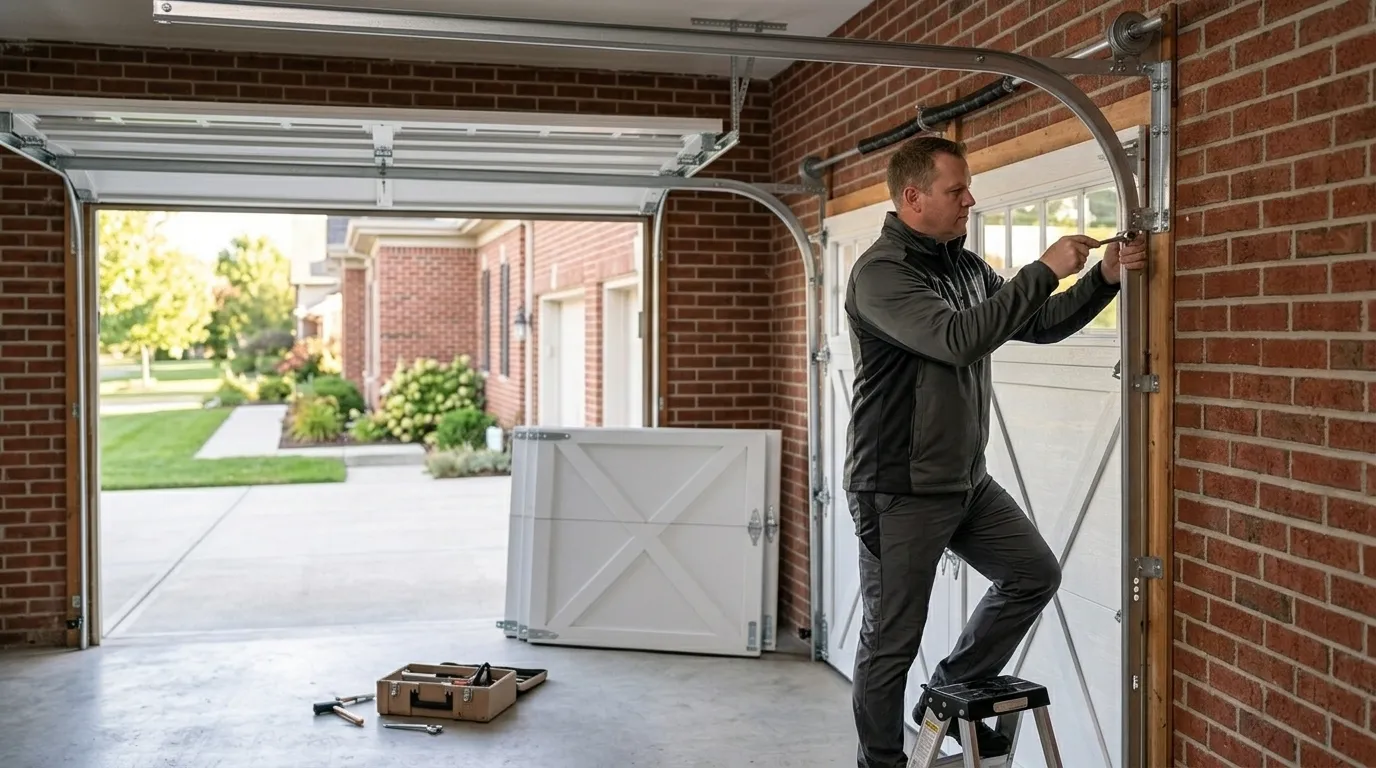
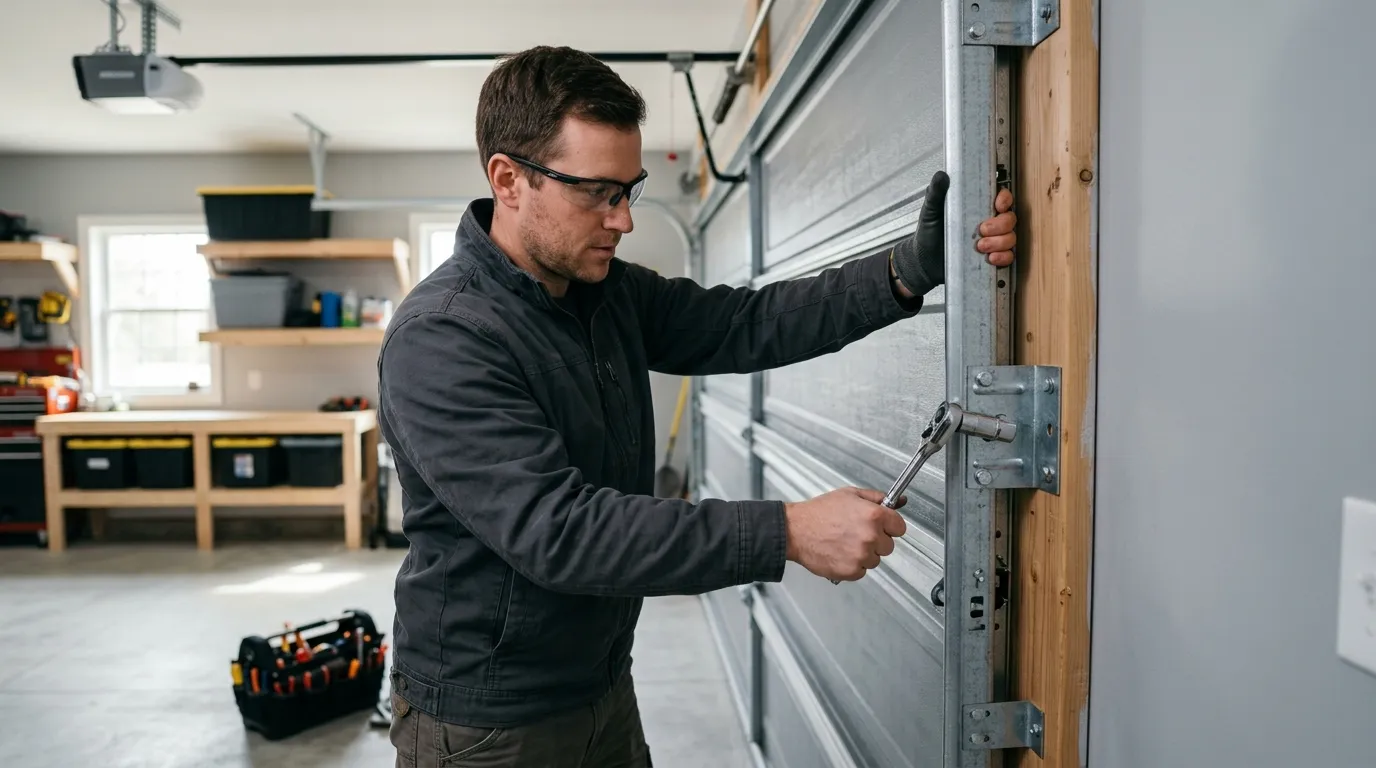
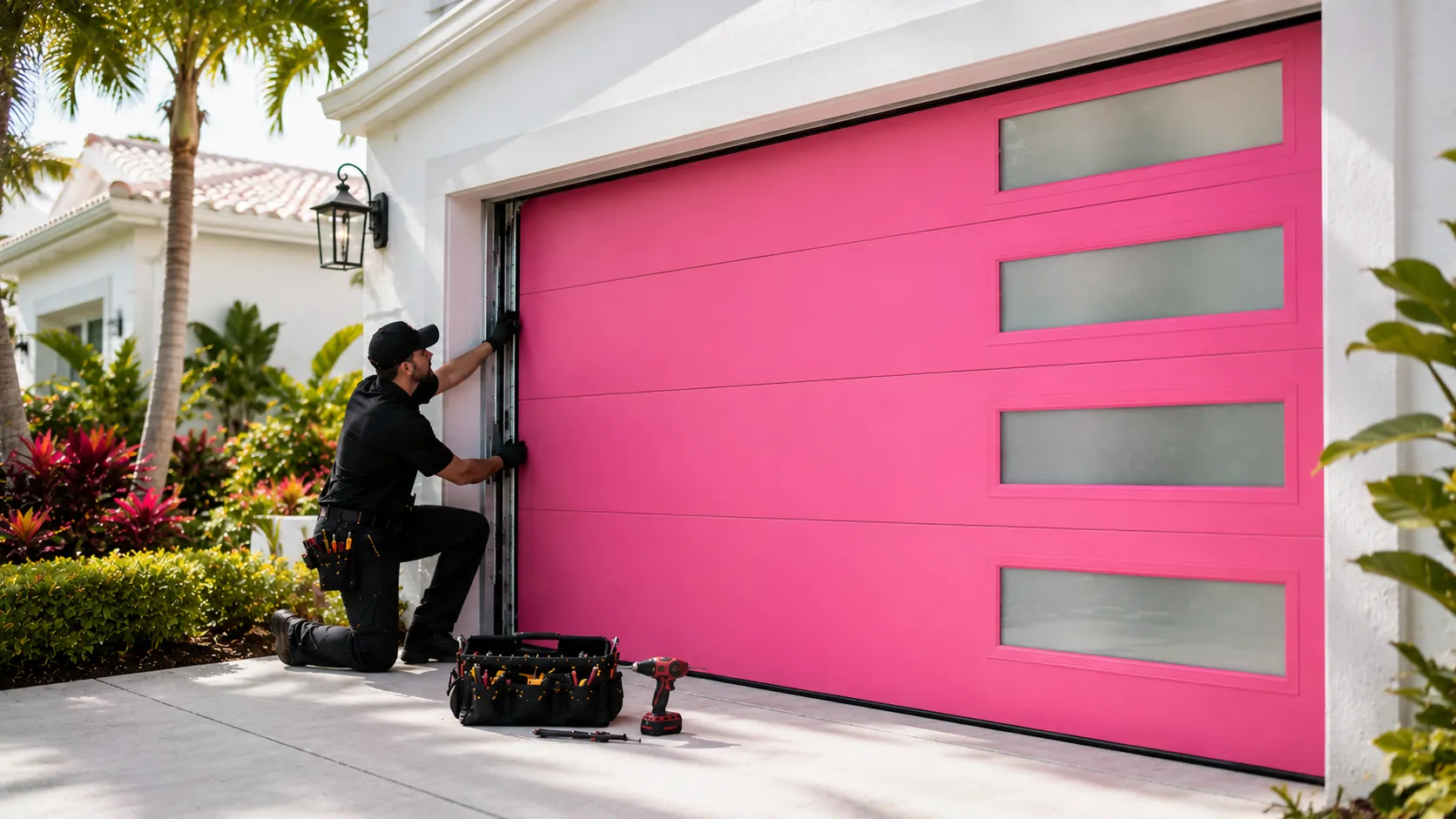
Rollers are one of the more DIY-friendly parts on a garage door, and on a lightweight single door with no torsion spring involved, a careful owner can do it. The catch in a house this age is what's around the roller: original brackets can be rusted onto the track, and the fasteners strip or snap instead of turning. If your door has a torsion spring system - common on double doors from this build era - do not open that side of the track without releasing spring tension first, and if you're not sure how to do that safely, don't guess. We'd rather answer that question over the phone than pick up the pieces after. If the roller you're replacing is on the bottom bracket near the cable, that's also not a solo job - the cable's under load and a slipped bracket there can take a finger with it.
The Cost of This Job
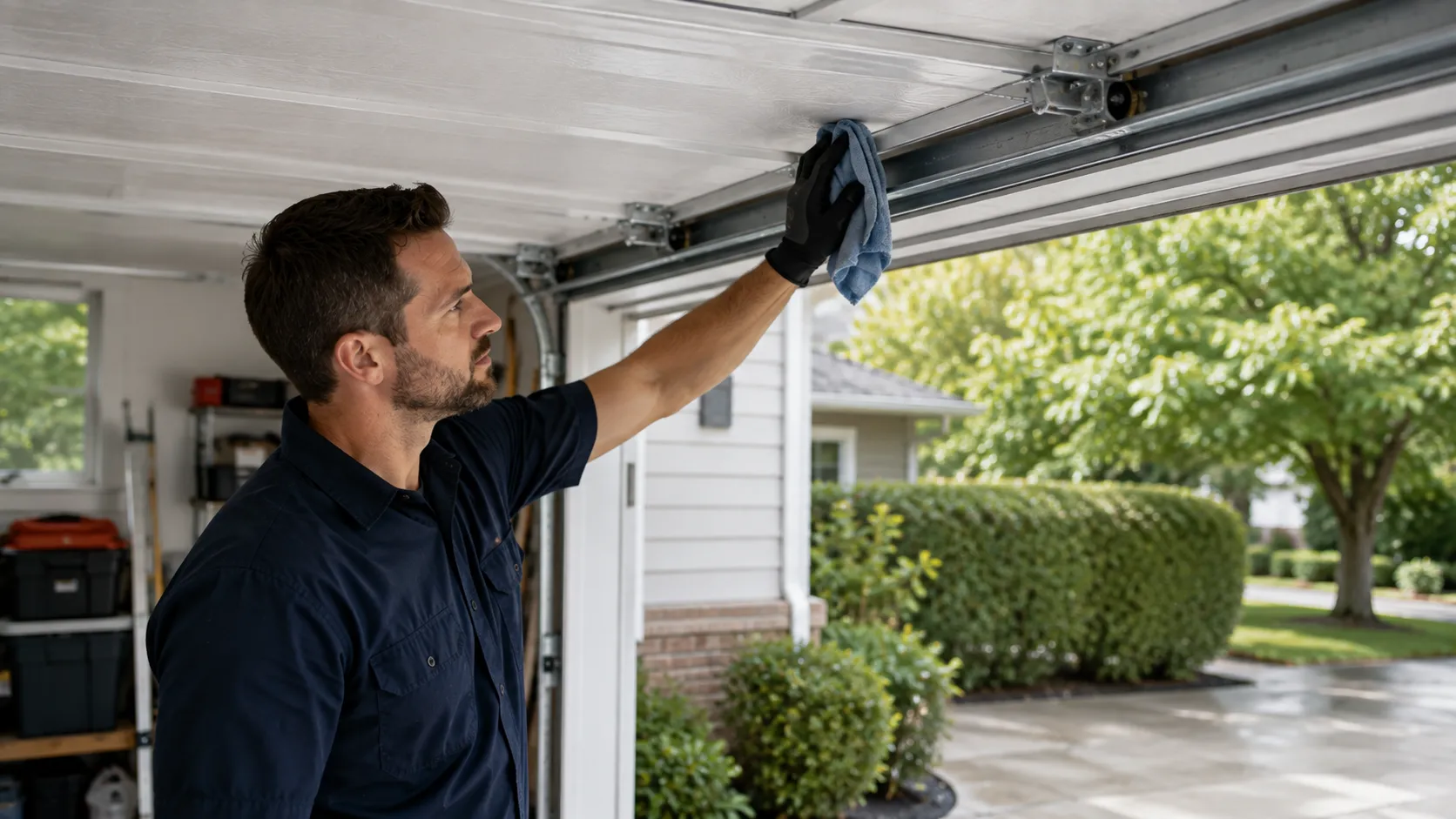
We don't have a set number to publish for Carson specifically, and giving you a national average wouldn't tell you anything true about your door. What we can tell you is what drives the price: how many rollers actually need replacing, whether nylon or steel is the right call for your opener's duty cycle, and whether the track itself has been damaged by the old rollers grinding on it. A straight roller swap on a door with sound track is a small job. A roller swap that turns into a track replacement because the brackets are shot is a bigger one, and we'll always tell you before we do it, not after.
What Is on the Truck
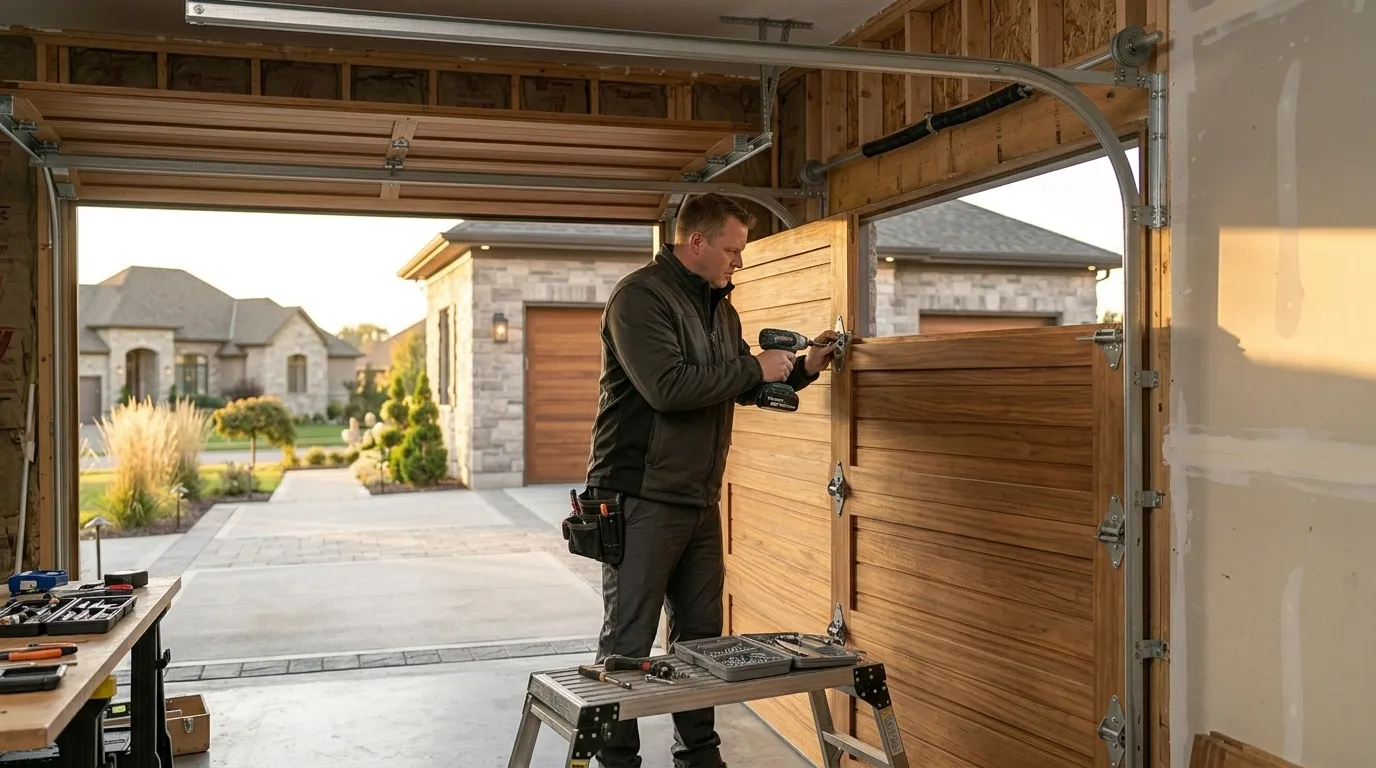
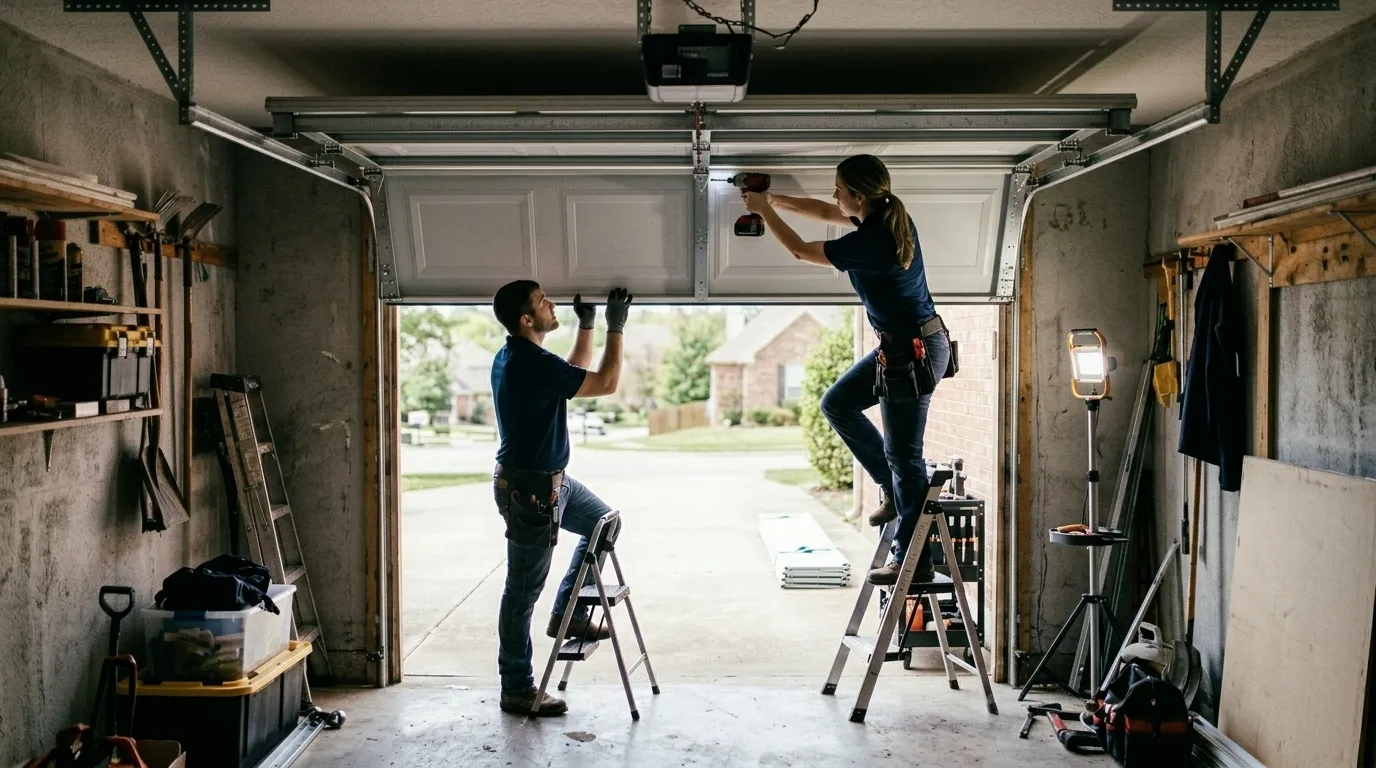
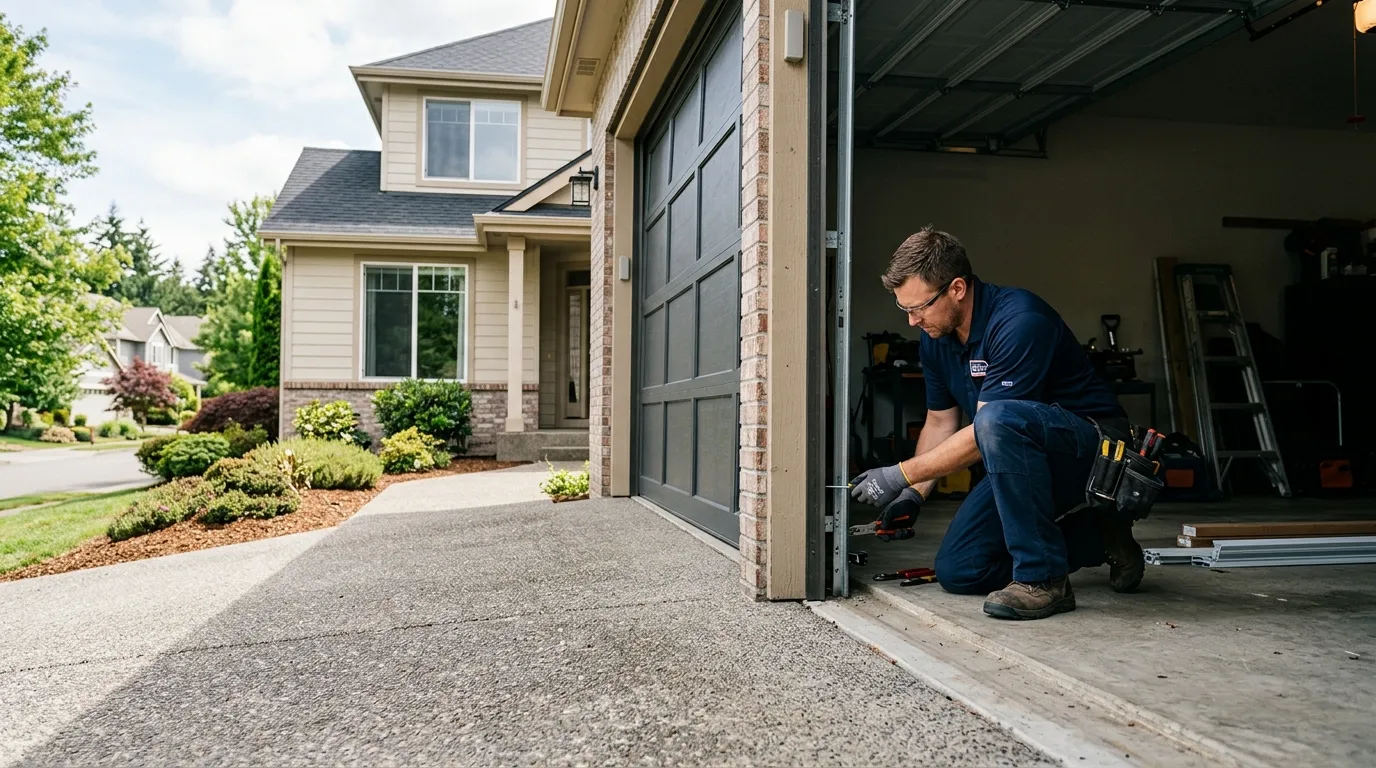
We carry both nylon-stem and steel rollers in the common bearing and stem sizes that fit doors from the 1960s and 70s stock that makes up most of Carson and the other 39 areas we work across, along with the brackets that tend to go with them when they're original. What we don't stock on the truck is every specialty bracket for a nonstandard track width - those are rare, but they exist, and if your door has one we'll need to order it rather than finish same-visit. We'll know within the first few minutes on site which case you're in.