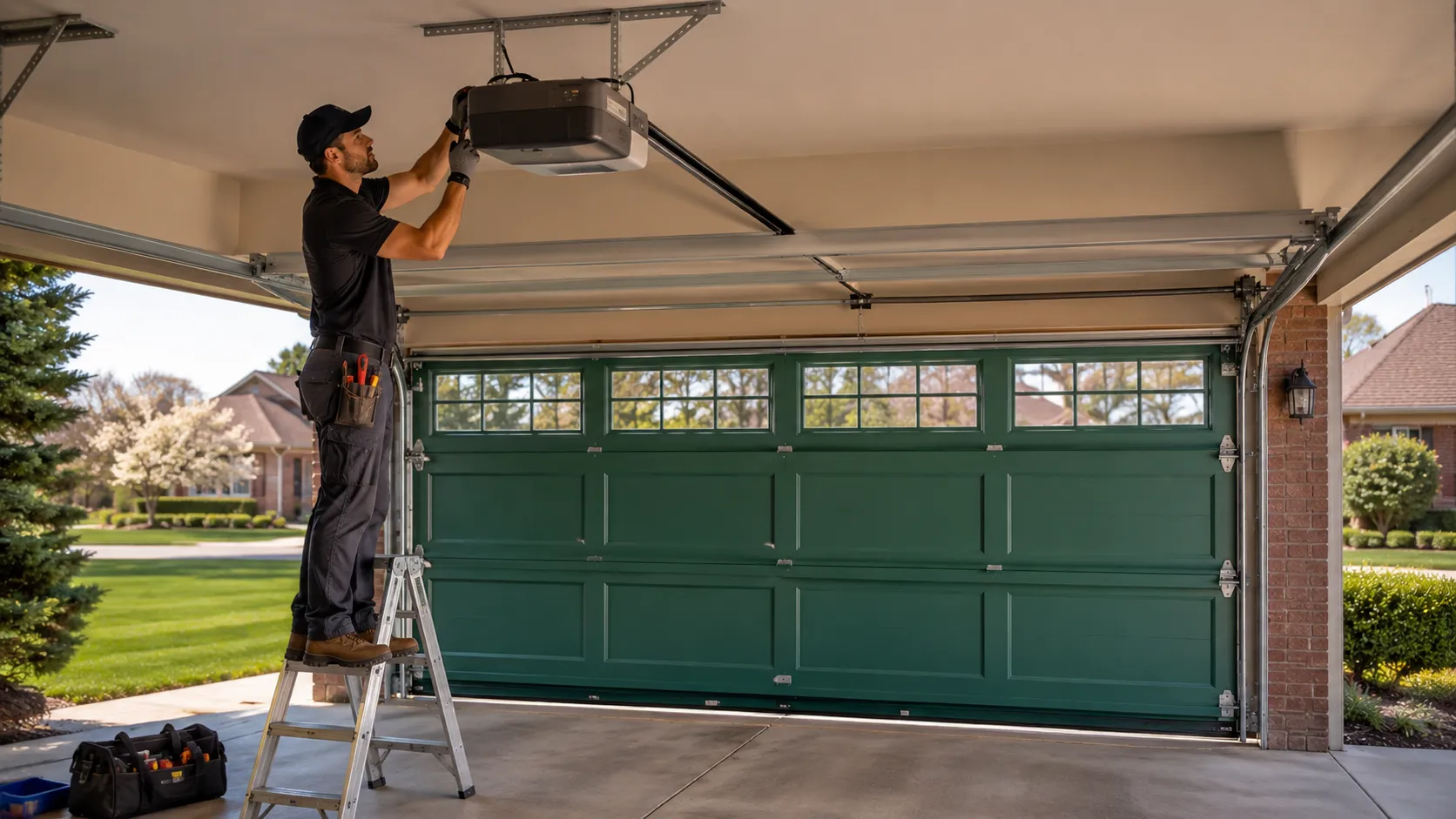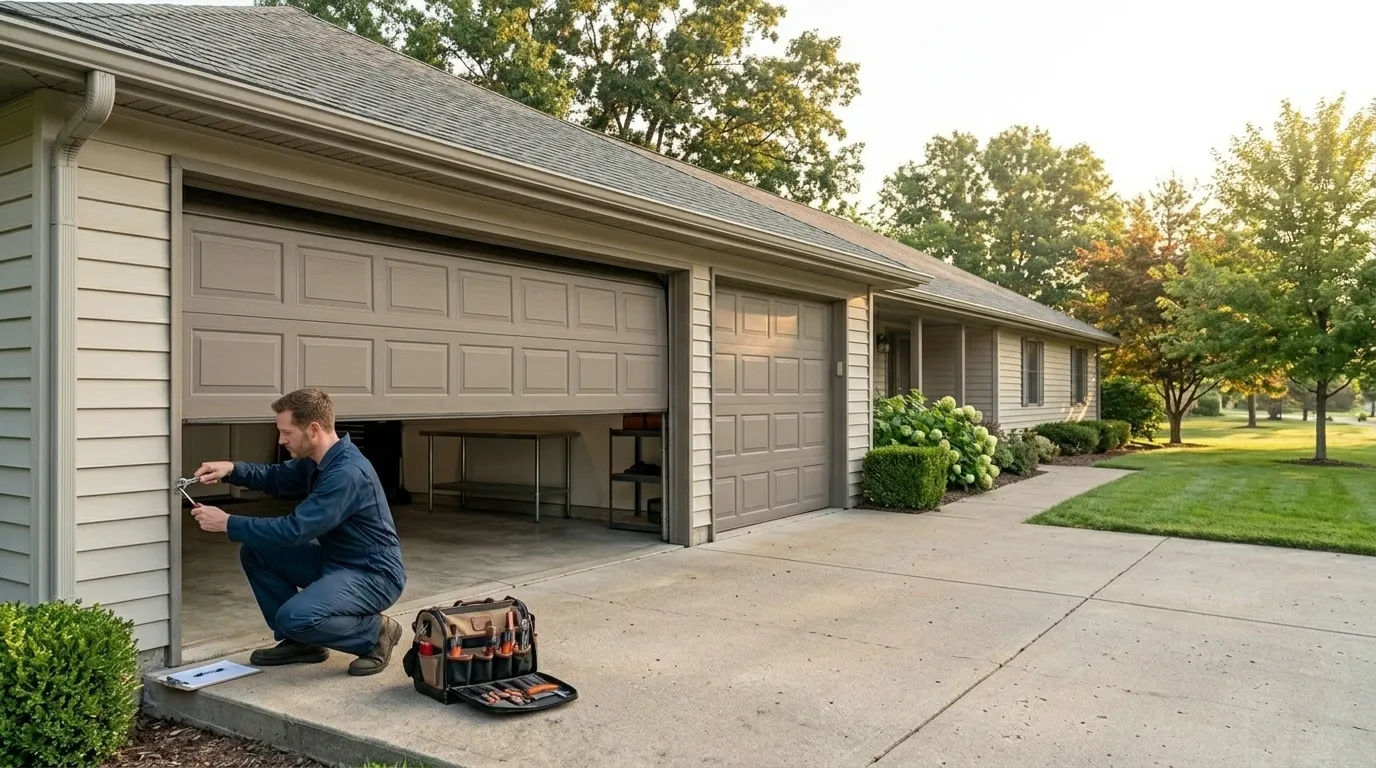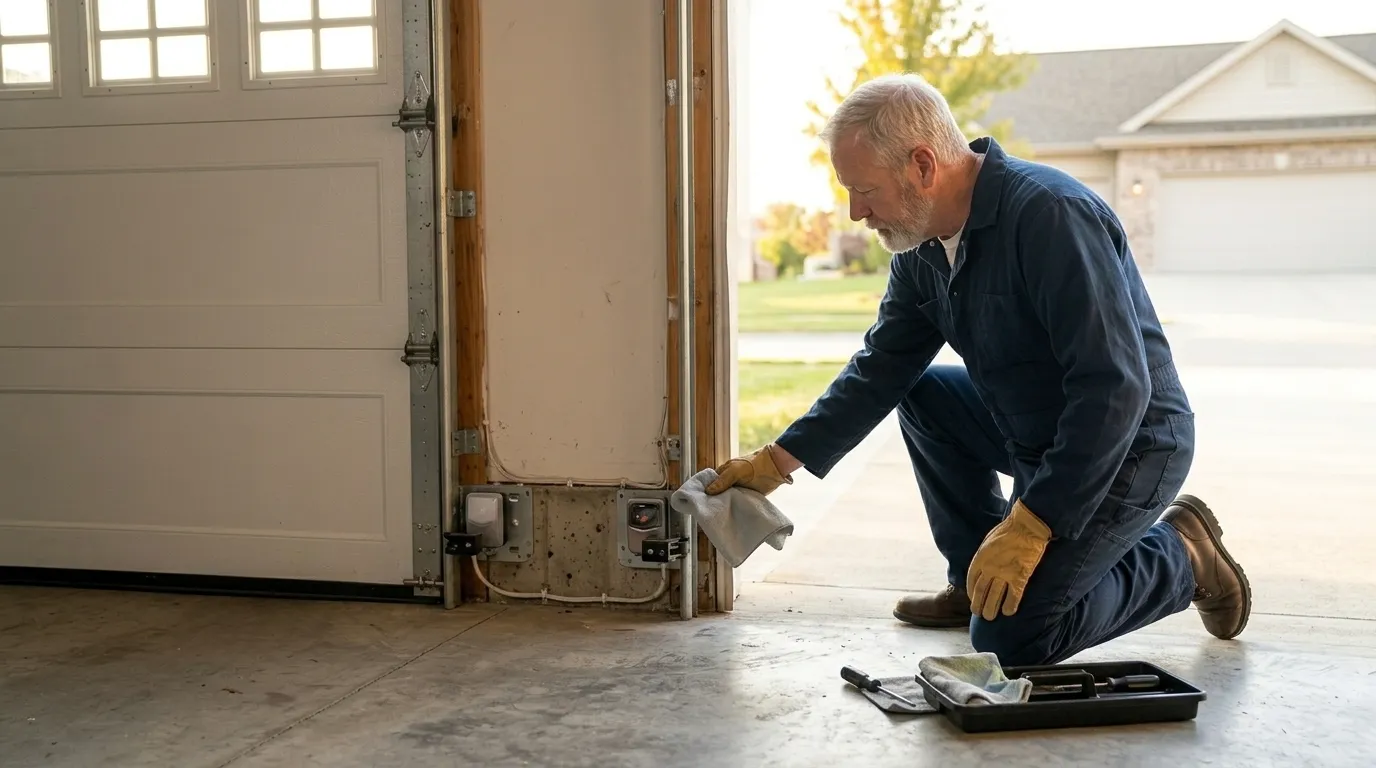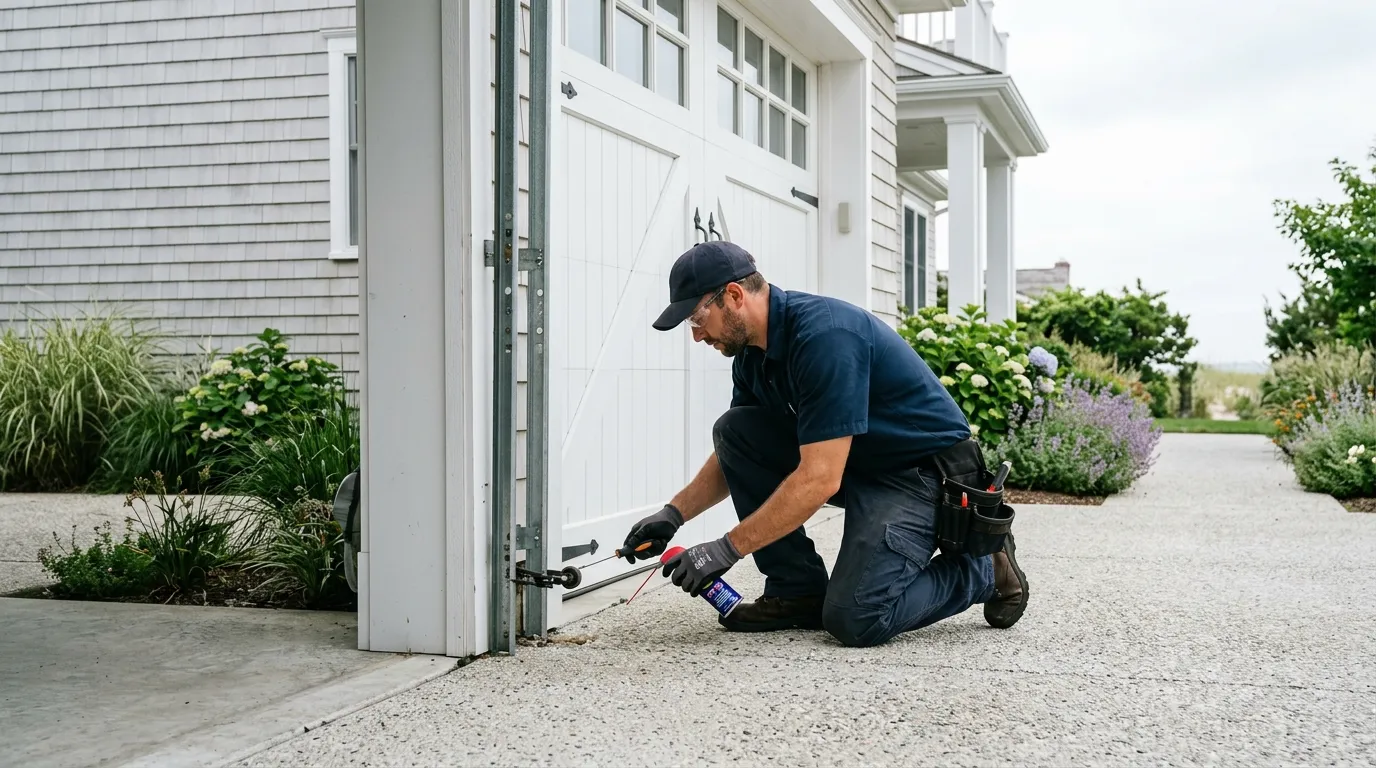
The Complications
Calabasas homes cluster around a median build year of 1984, noticeably newer than the 1947-2012 range and 1963 median across the wider service area we cover from Santa Monica. Newer doesn't mean simpler. Houses from this era were built with larger garages and heavier insulated sectional doors, which put more static load on the extension or torsion cables than the lighter one-piece doors common on older streets closer to the coast.
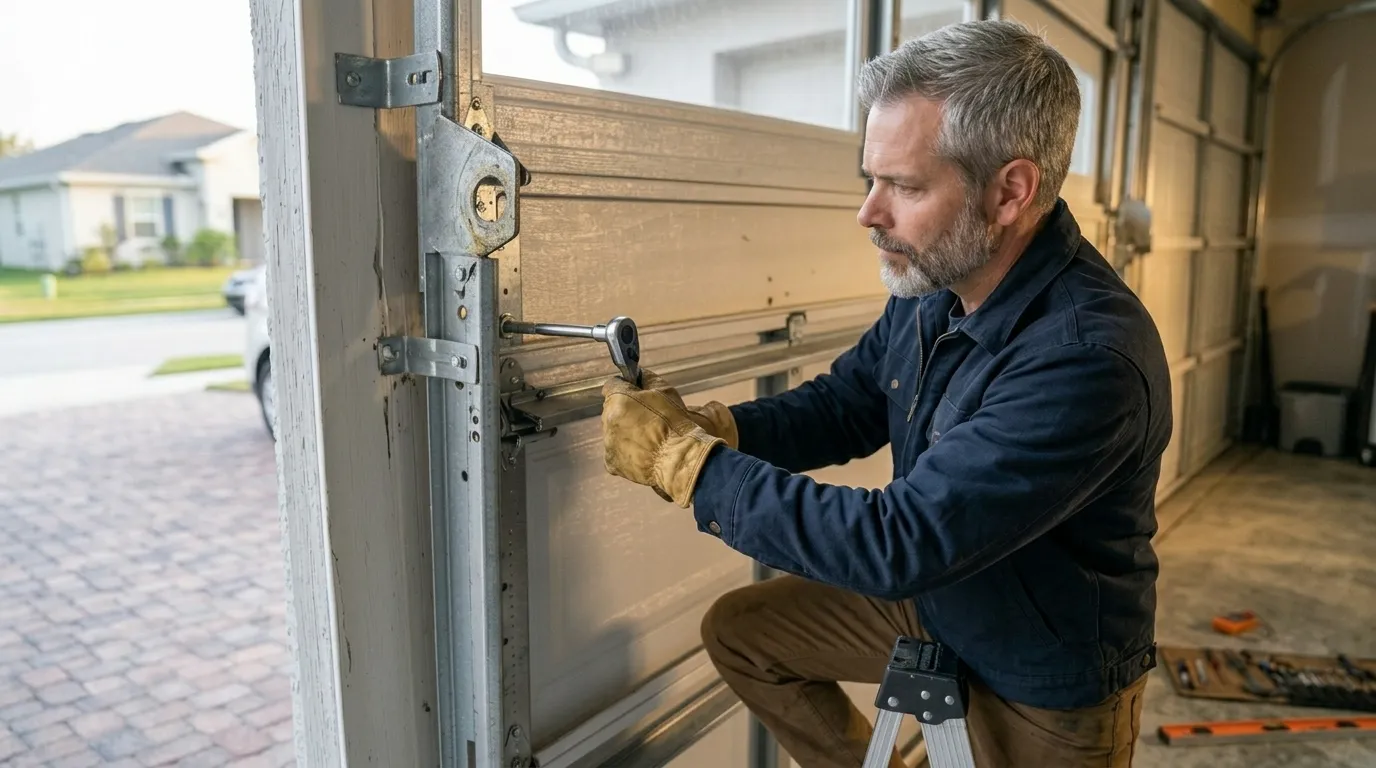
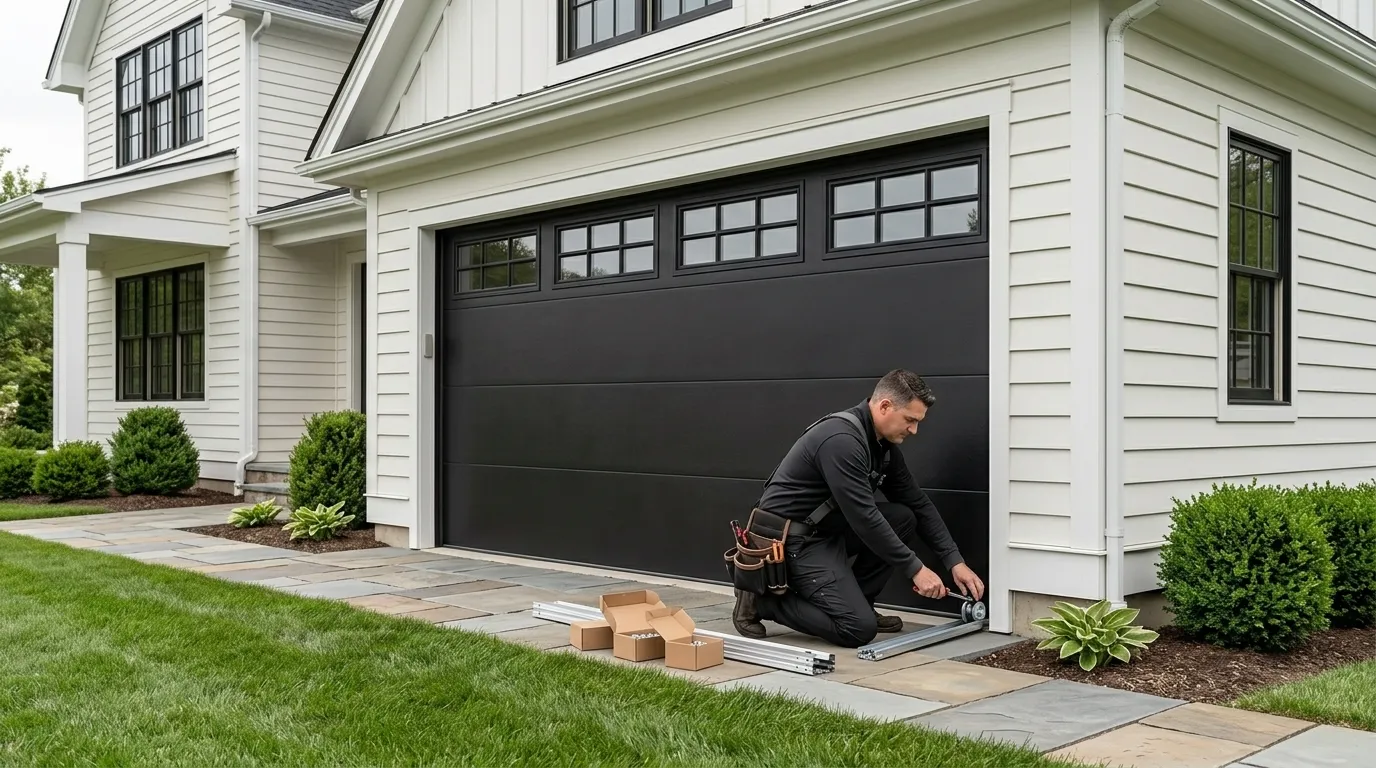
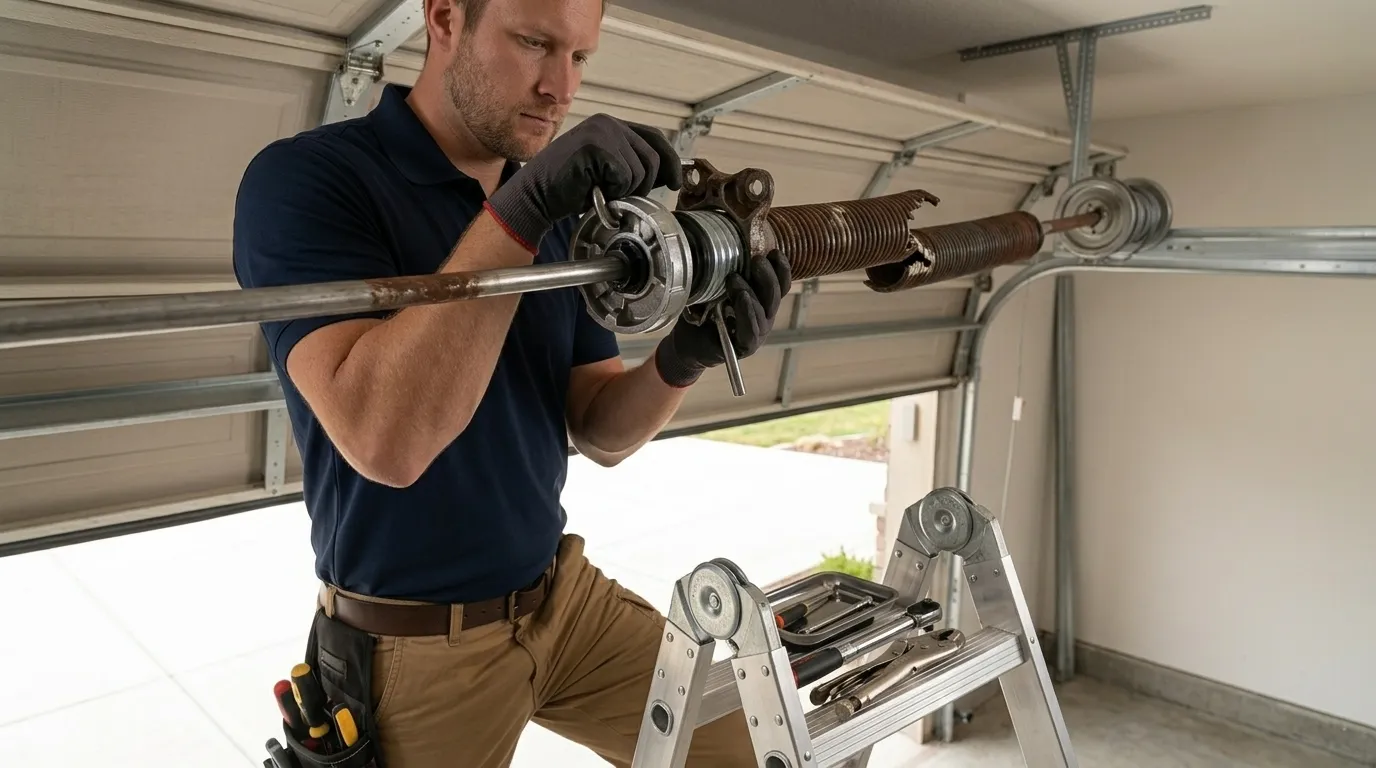
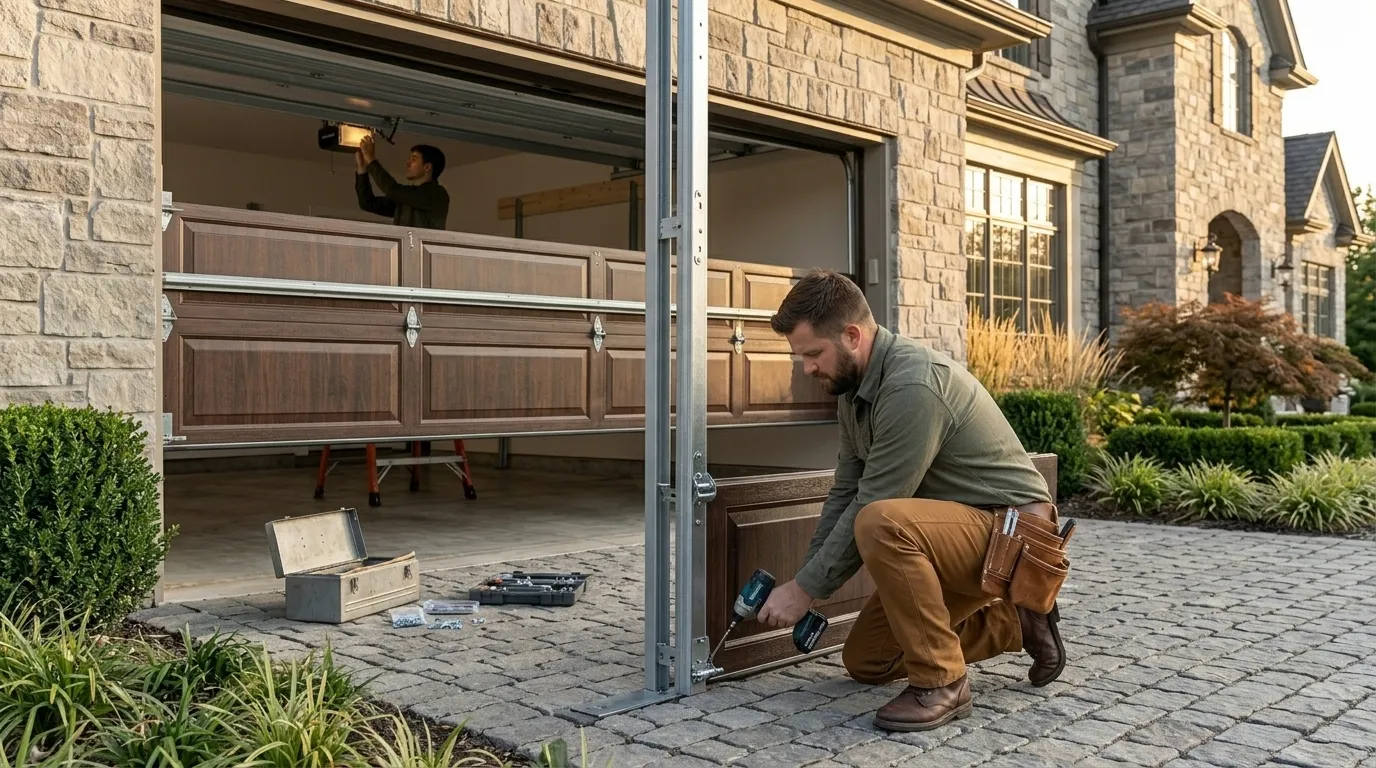
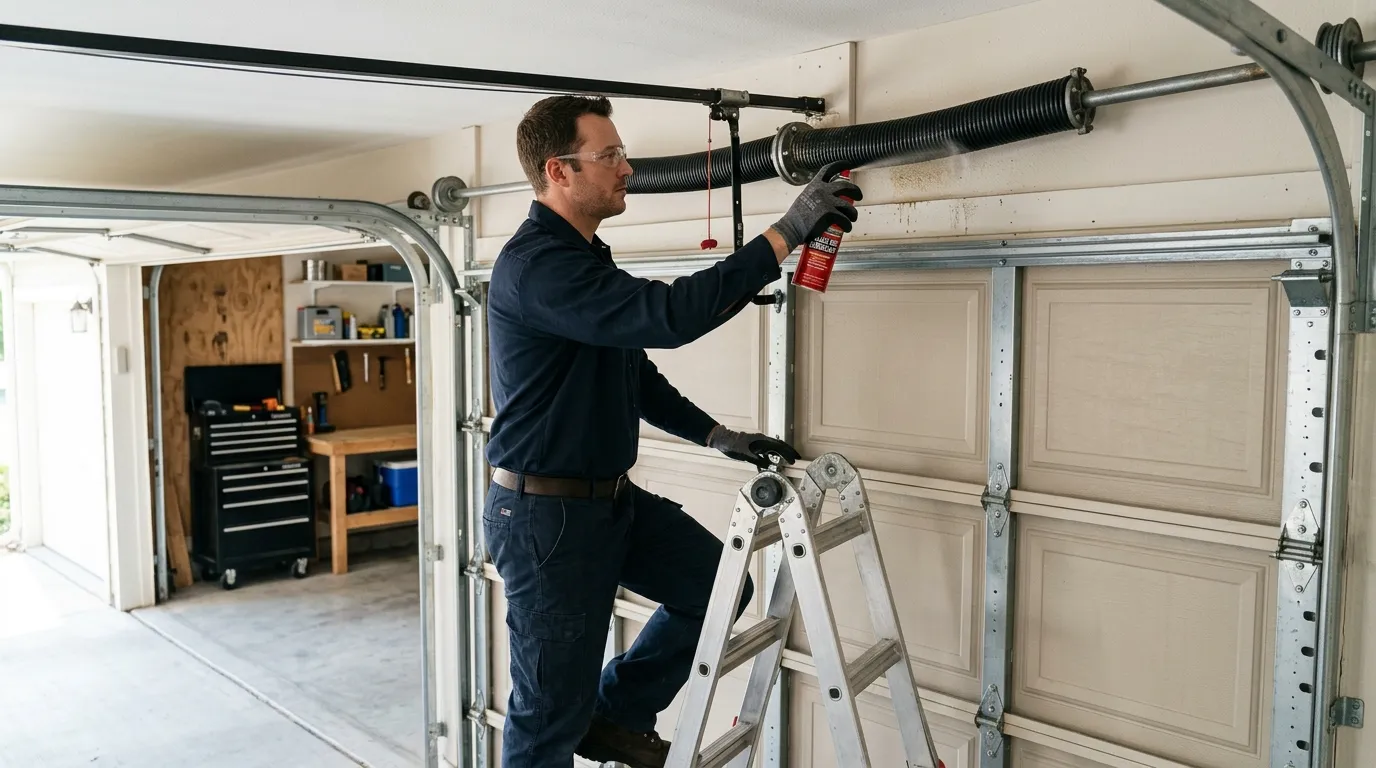
The complication we see most is a door that's been running on cables sized for its original, lighter panel - until someone swaps in an insulated replacement door decades later without upgrading the drums or cable gauge to match. That mismatch is what snaps a cable early, usually on the side that takes the most daily openings.
Income and household size don't change the physics of a cable, but they do change what we're often asked to quote alongside the repair. In an area with median household income near $157,938, we get more requests to pair a cable job with an opener or full hardware upgrade in the same visit, since the door is often getting replaced or improved rather than just patched.
Time on the Job
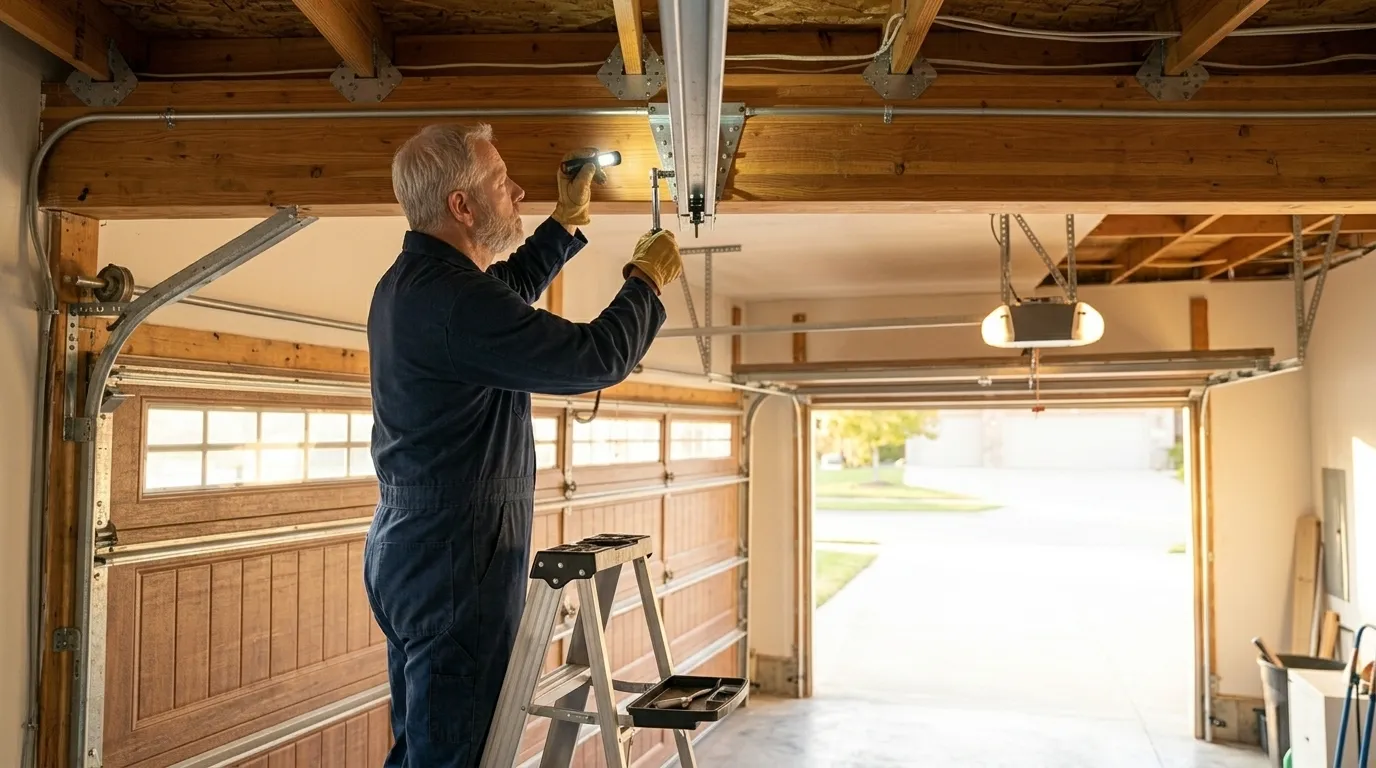
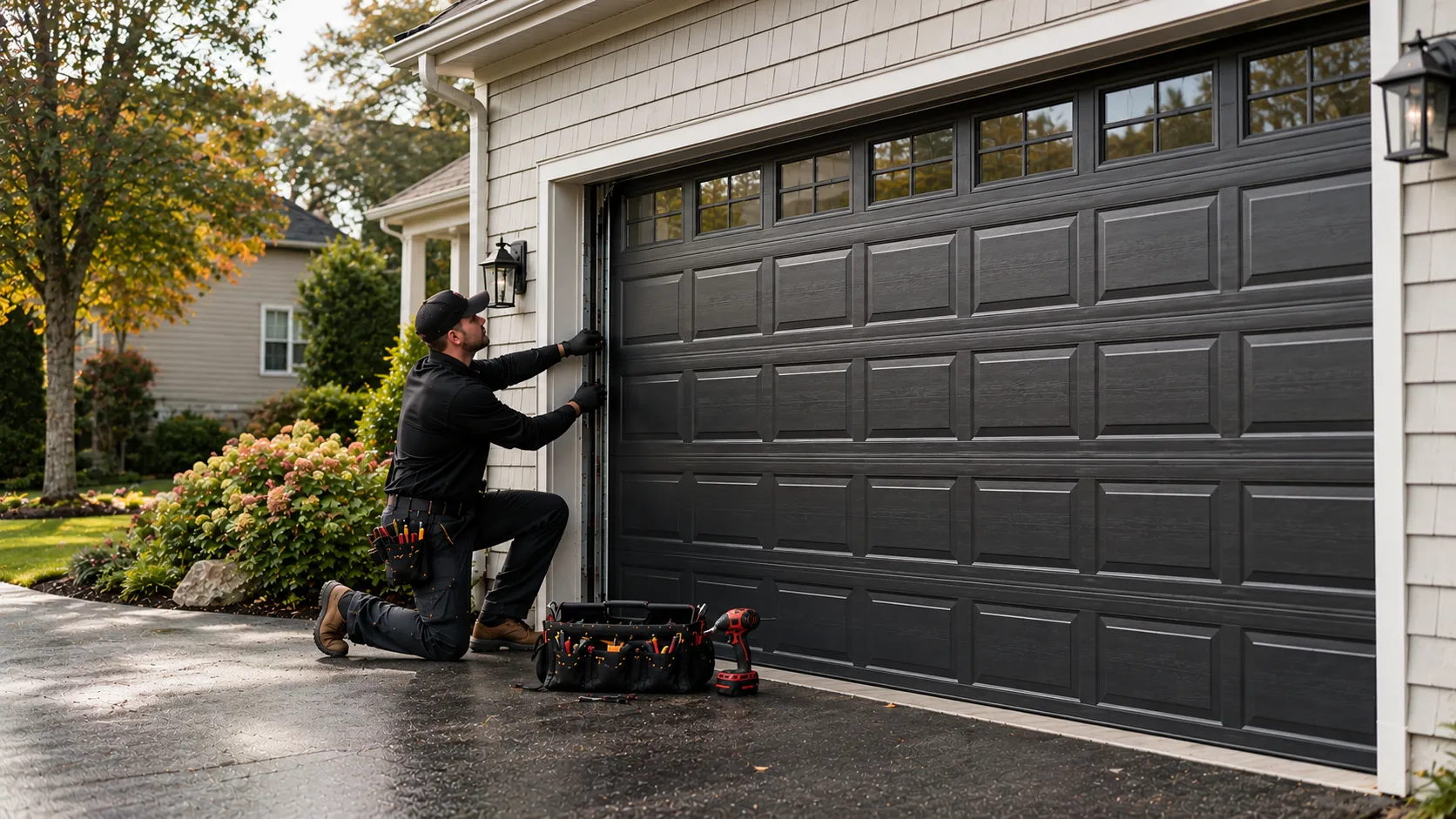
A straightforward two-cable replacement on a residential double door runs a couple of hours once we're on site, factoring in the balance check and a full cycle test after. Calabasas' mild coastal-influenced climate is easy on cable coating compared to areas with real freeze-thaw cycles, so we're rarely dealing with rust-frozen drums here - the failures we see are fatigue and mismatched hardware, not corrosion.
What we won't do is rush the balance adjustment. A cable swapped in a hurry on an unbalanced door just shortens the life of the new cable. If the torsion spring is also worn - which is common once cables start going on a door old enough to need replacement parts - we'll say so before we start, because doing the cable alone and leaving a tired spring in place is a job you'll call us back for.