The Complications
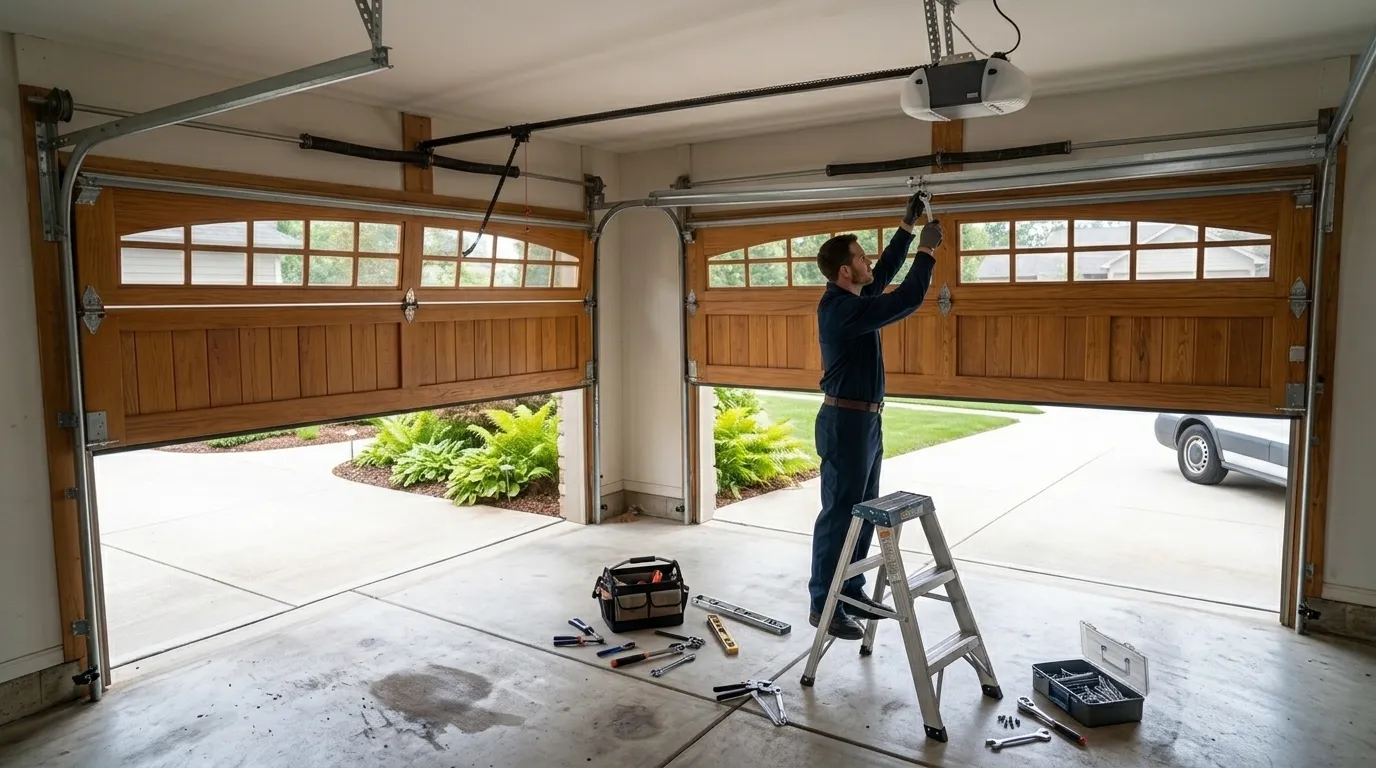
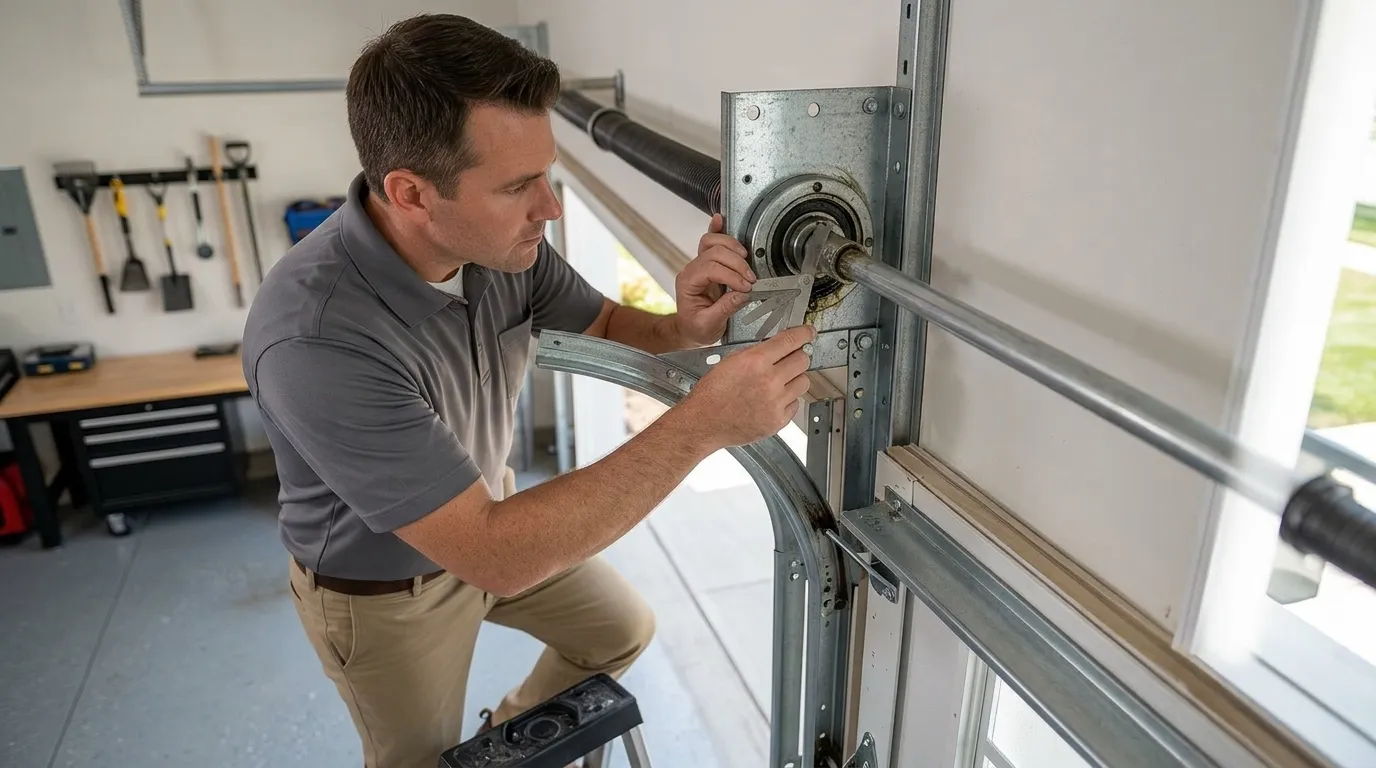
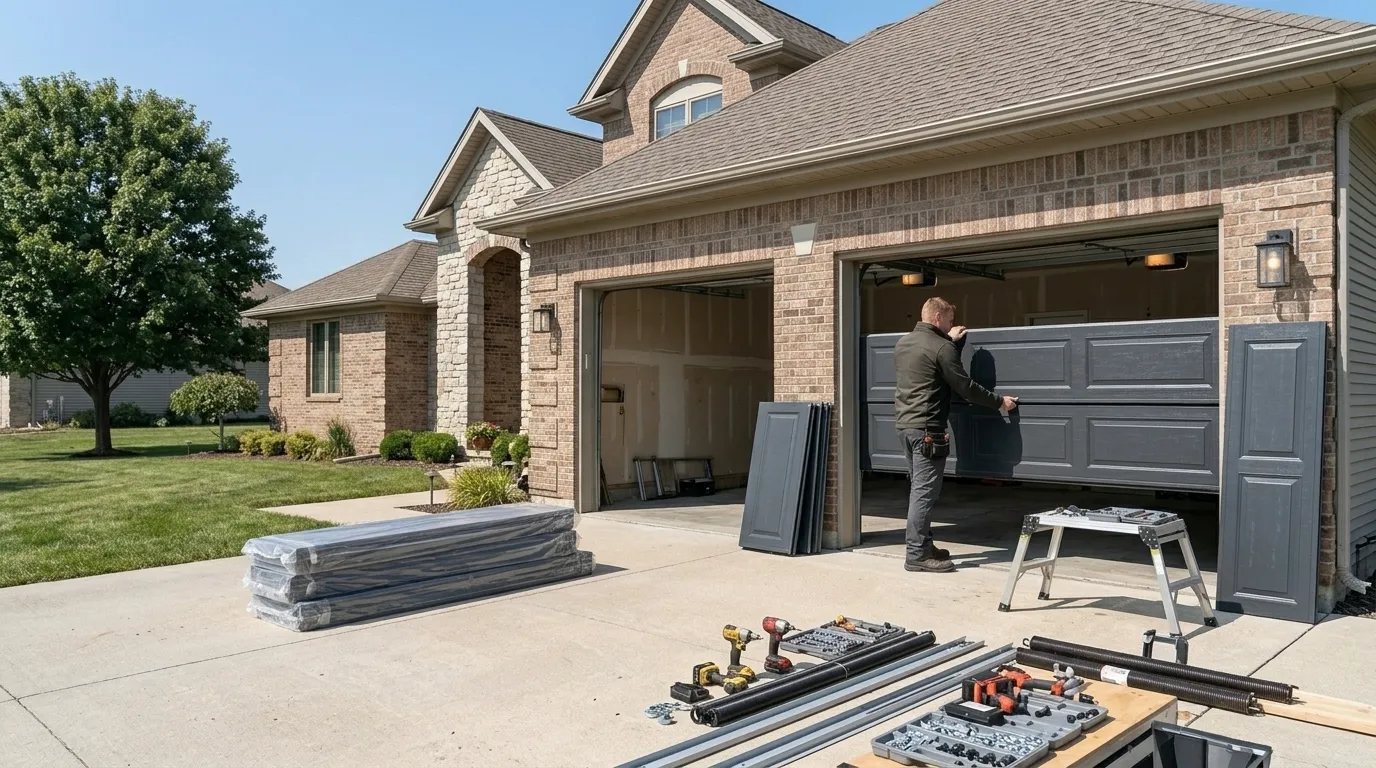
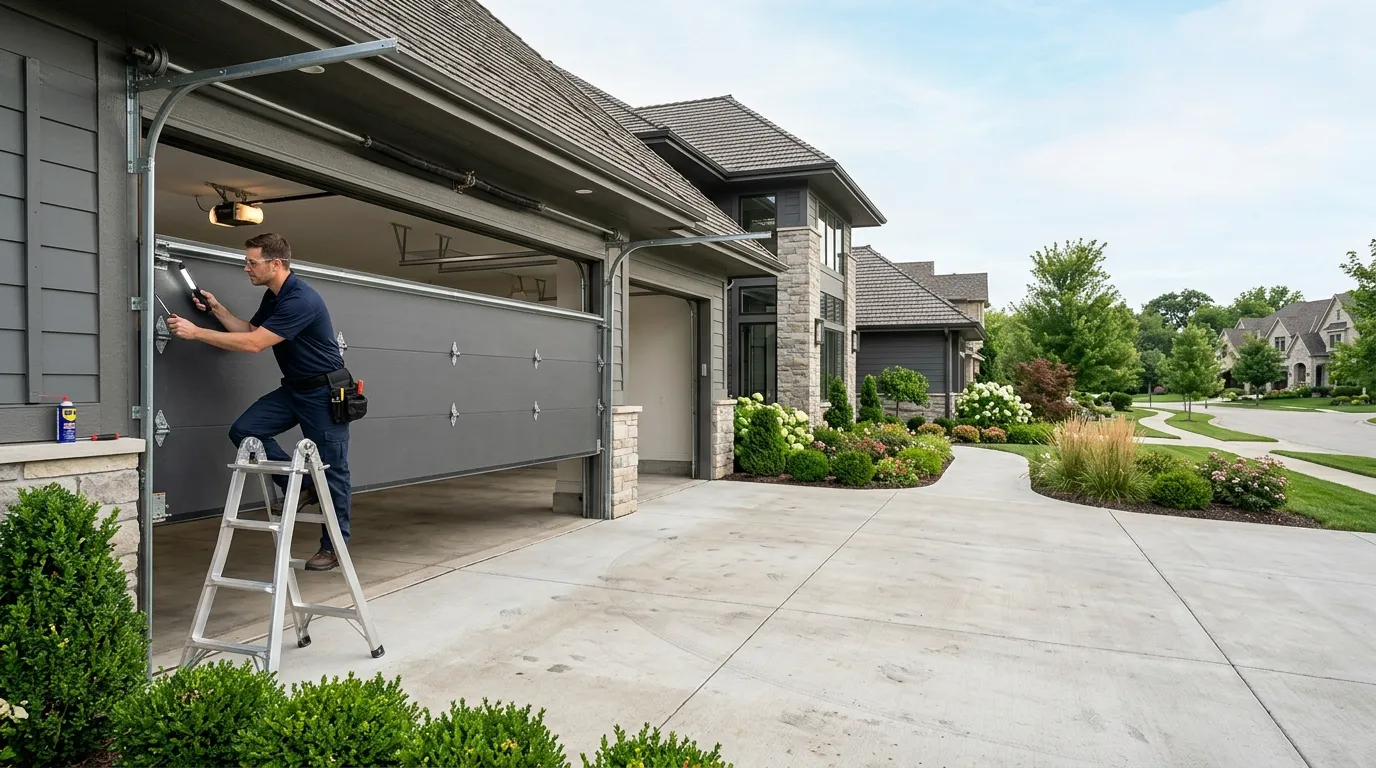
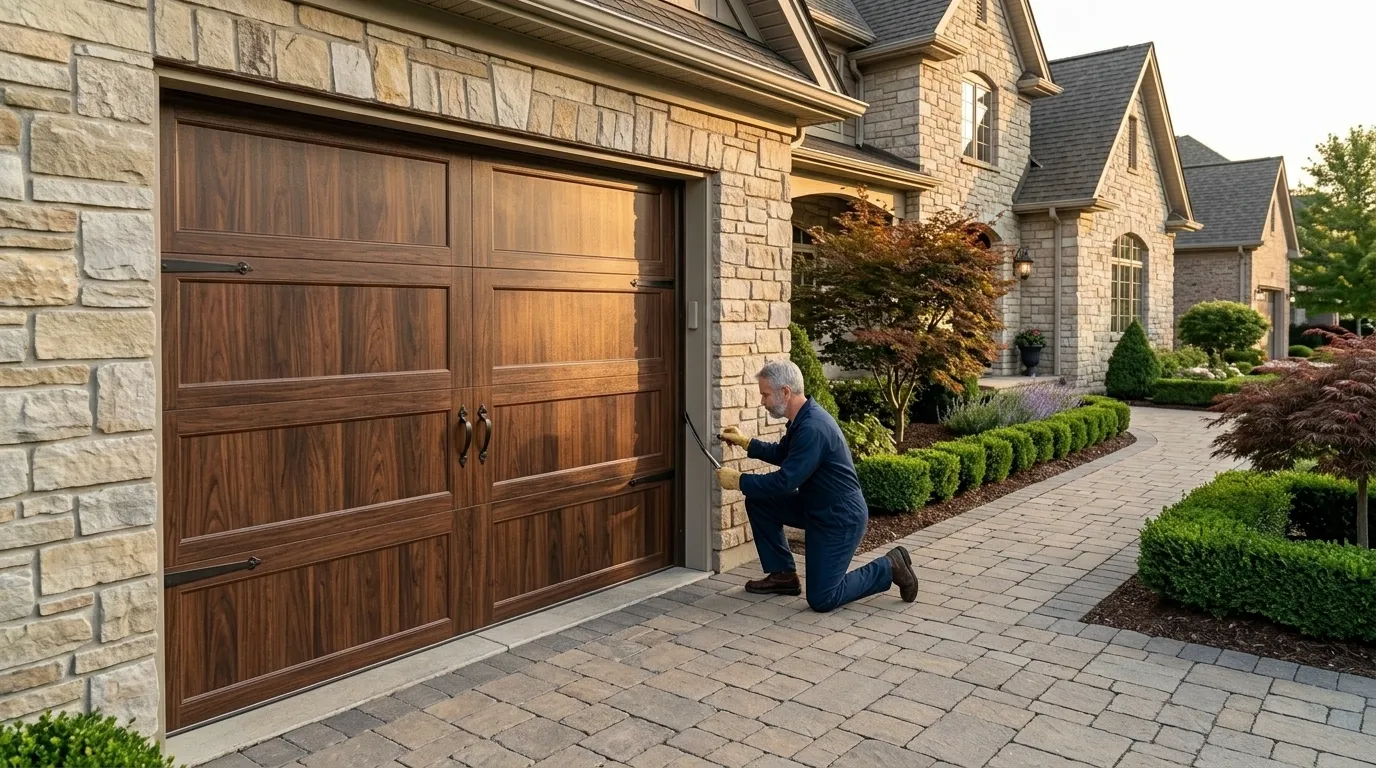
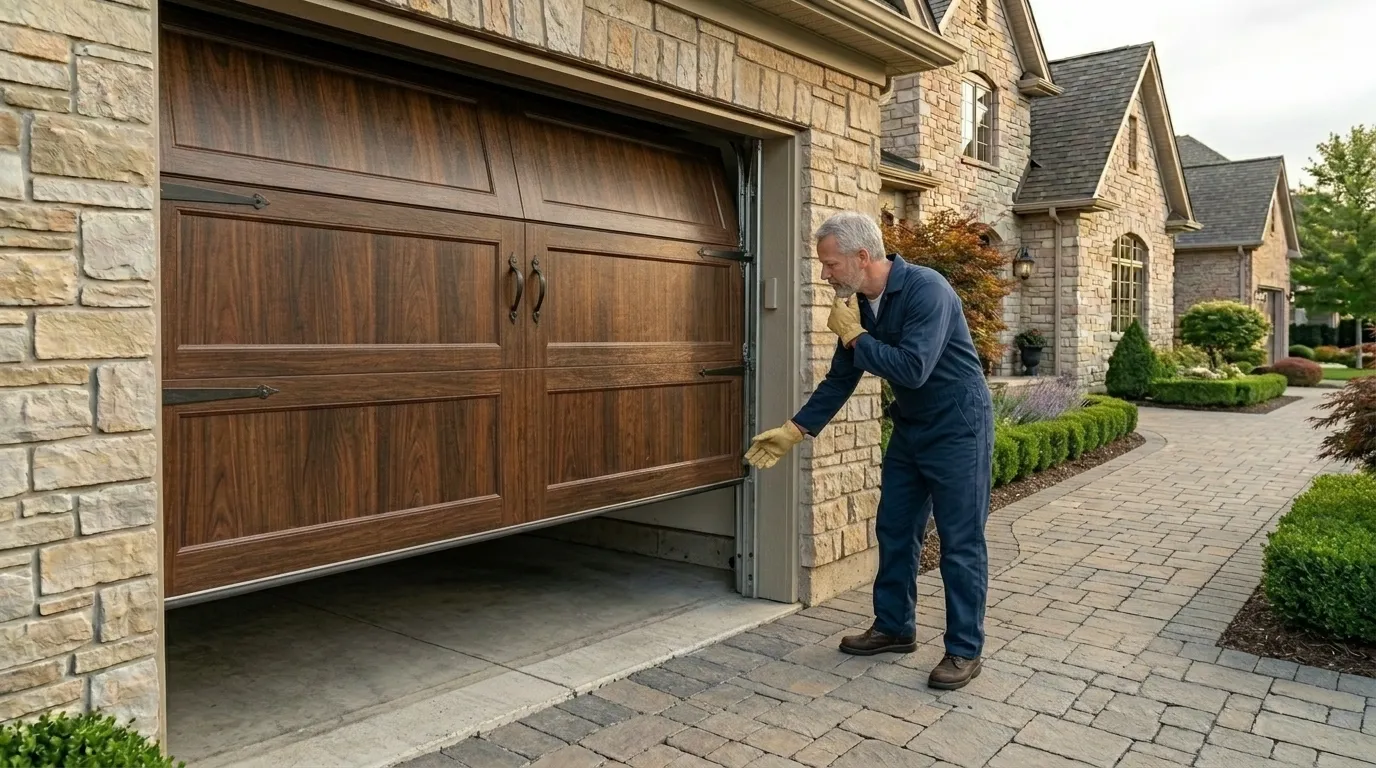
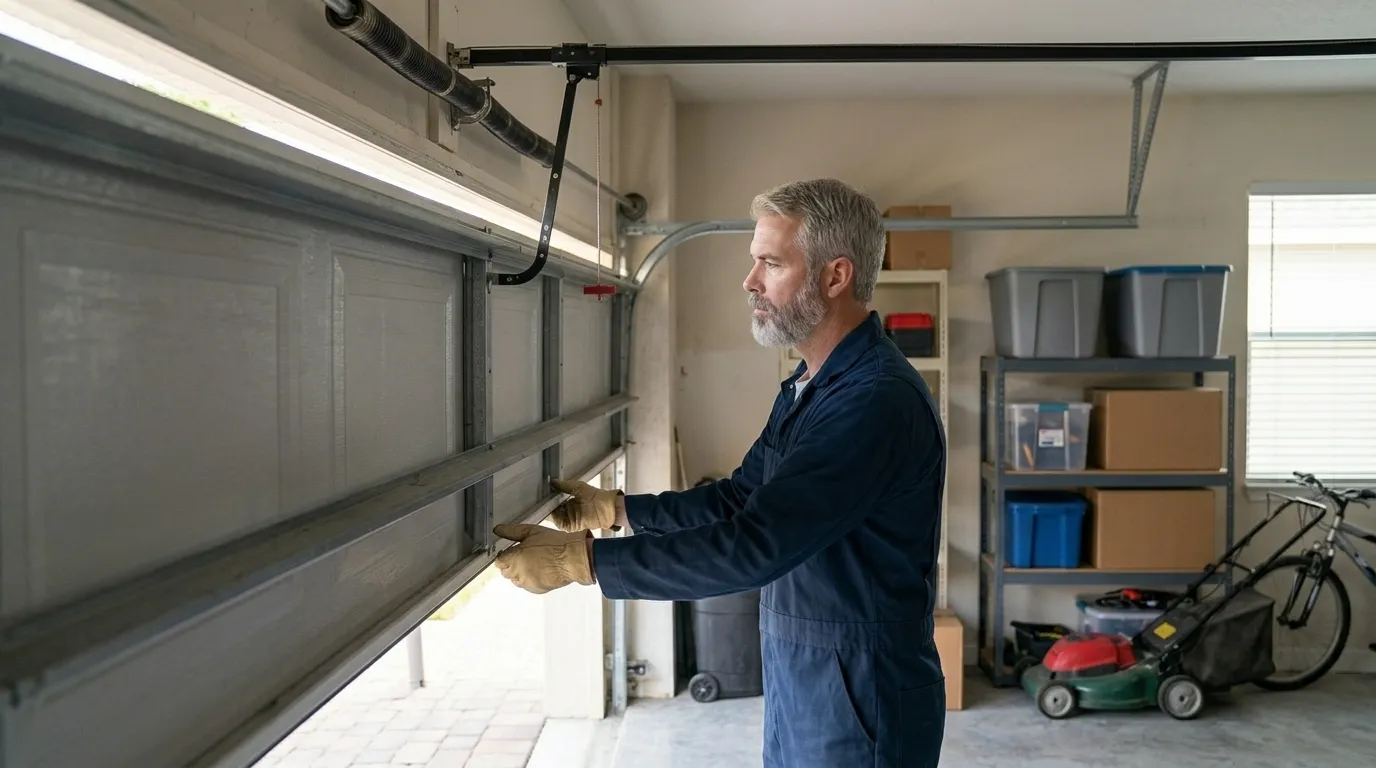
Most of the housing stock we see calls to in Calabasas dates to around 1984, which puts these garage doors a full generation newer than the 1960s builds common closer to the coast. That matters for off-track repairs because the hardware standard changed in between. Doors from this era tend to run wider - two-car openings built for bigger driveways - with sectional steel panels on longer horizontal tracks and, often, extension spring setups rather than the older side-mounted torsion arrangements. A wider door puts more leverage on the roller-to-track connection, so when a cable frays or a bottom bracket shifts, the door doesn't just bind, it can walk a roller clean out of the track on one side while the other side keeps riding. We also see doors here that were upgraded once already, sometimes with heavier insulated panels swapped onto original 1980s track that wasn't sized for the added weight. That mismatch is a common off-track cause we don't see as often on older, lighter doors.
Time on the Job
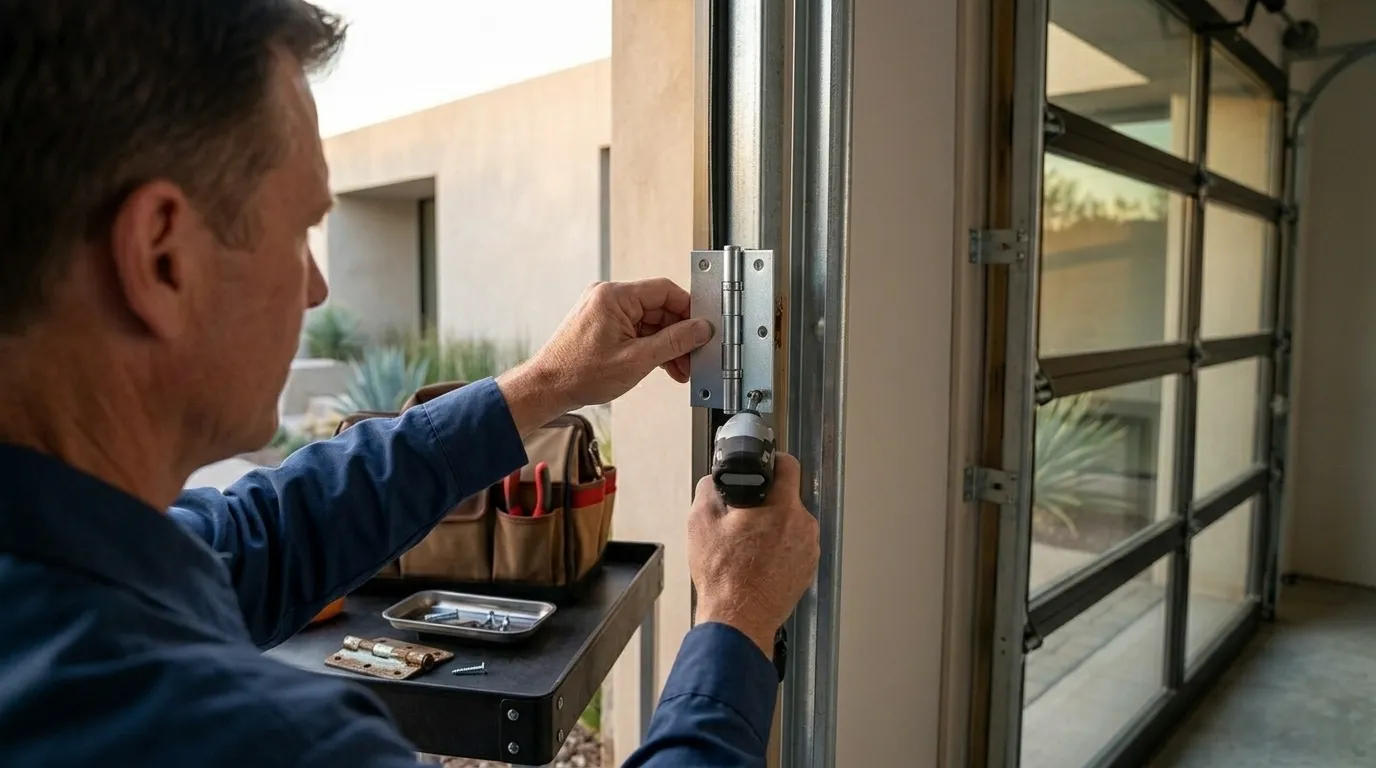
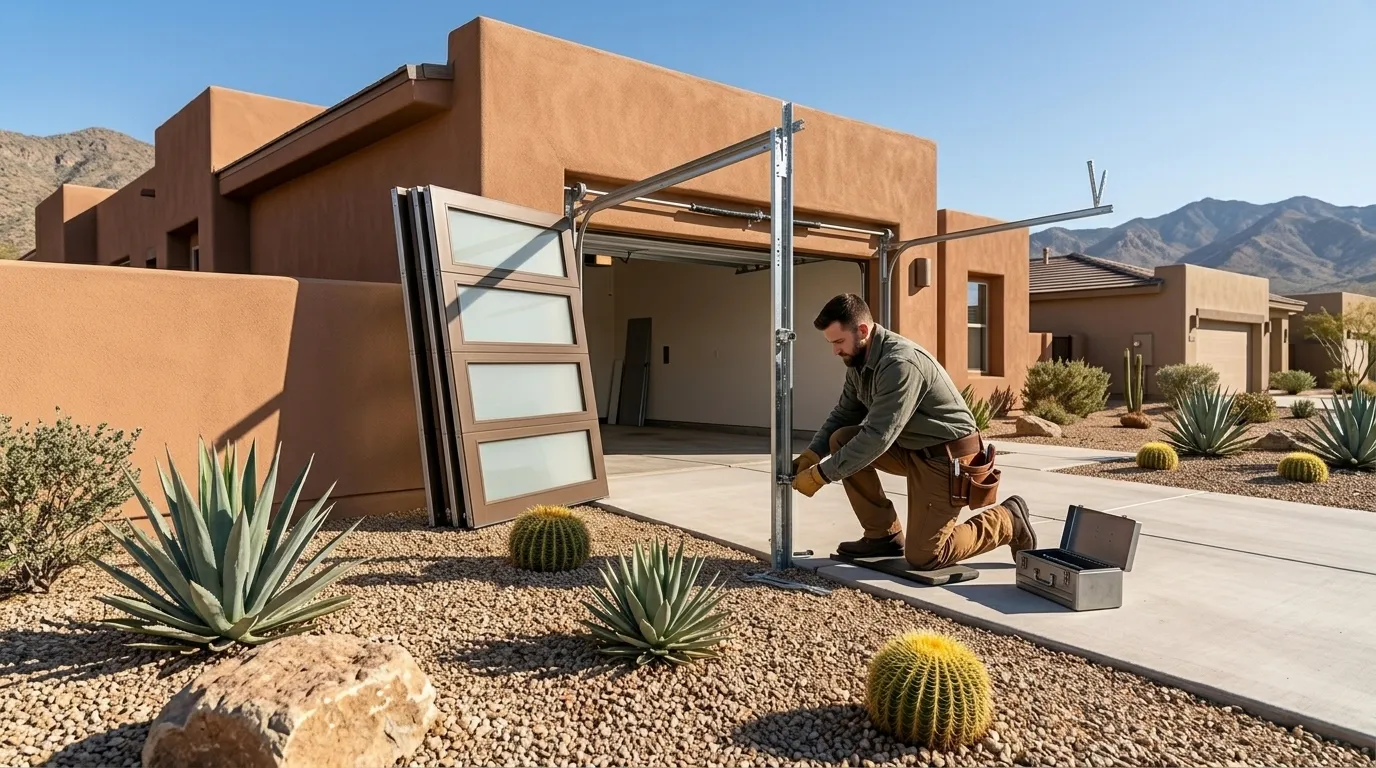
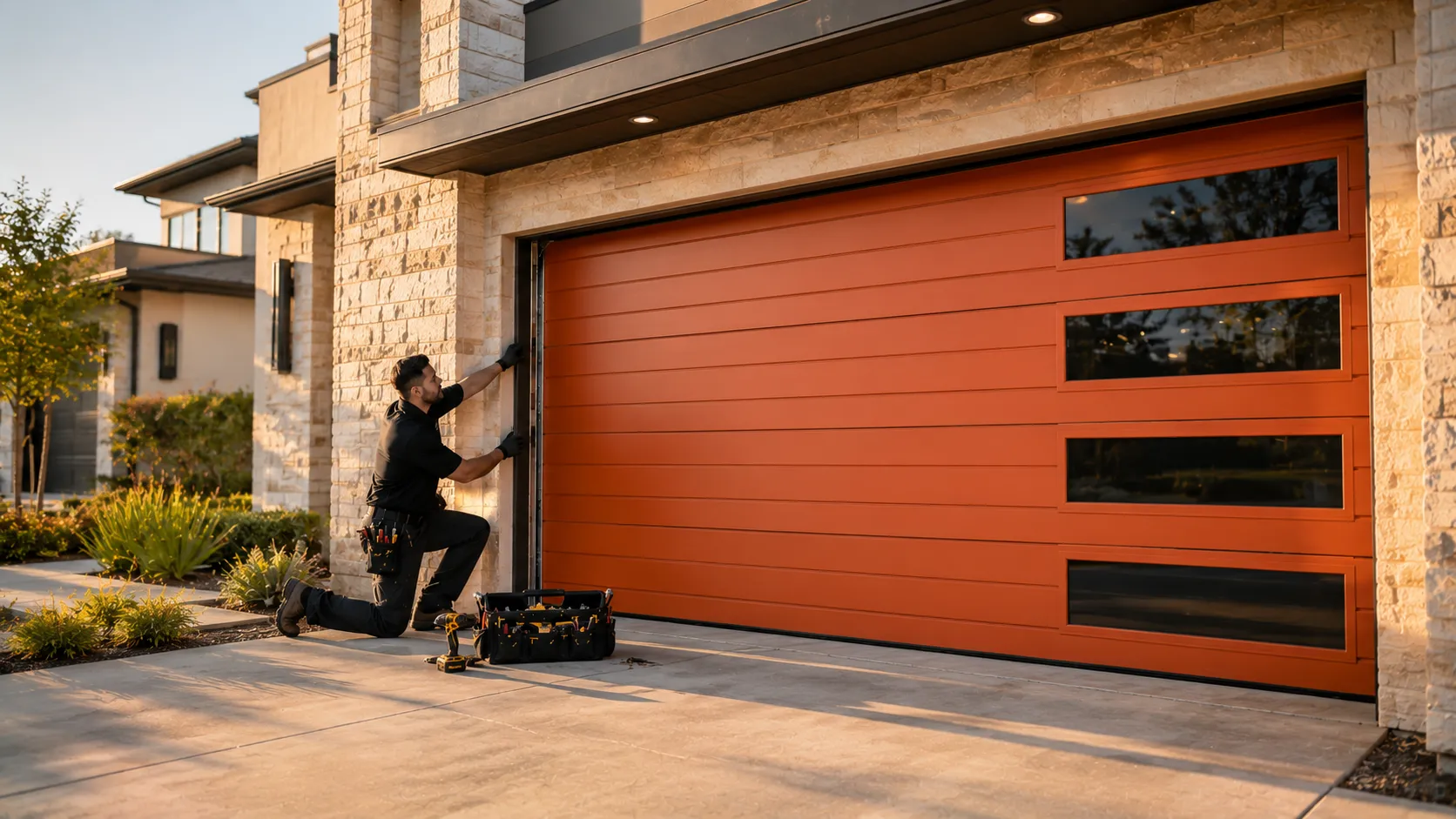
An off-track call on a straightforward single door with intact track is usually the fastest kind of job we run - realigning the track, replacing a bent section, and reseating rollers doesn't take long once we're set up. Where the job runs longer in Calabasas specifically is on the wider double doors that are more common in this build era: two tracks to check, more roller and hinge points to inspect, and often a heavier panel to manage safely while the door is off its rail. If the track itself is bent rather than just knocked loose, that section needs replacing, not just re-hanging, and that adds time and a parts trip if we don't have the right length on the truck. We won't stretch a quick fix into a longer job to pad the invoice, but we also won't tell you a bent track will hold once it's bent - it won't, and forcing it back into shape is a temporary patch at best.