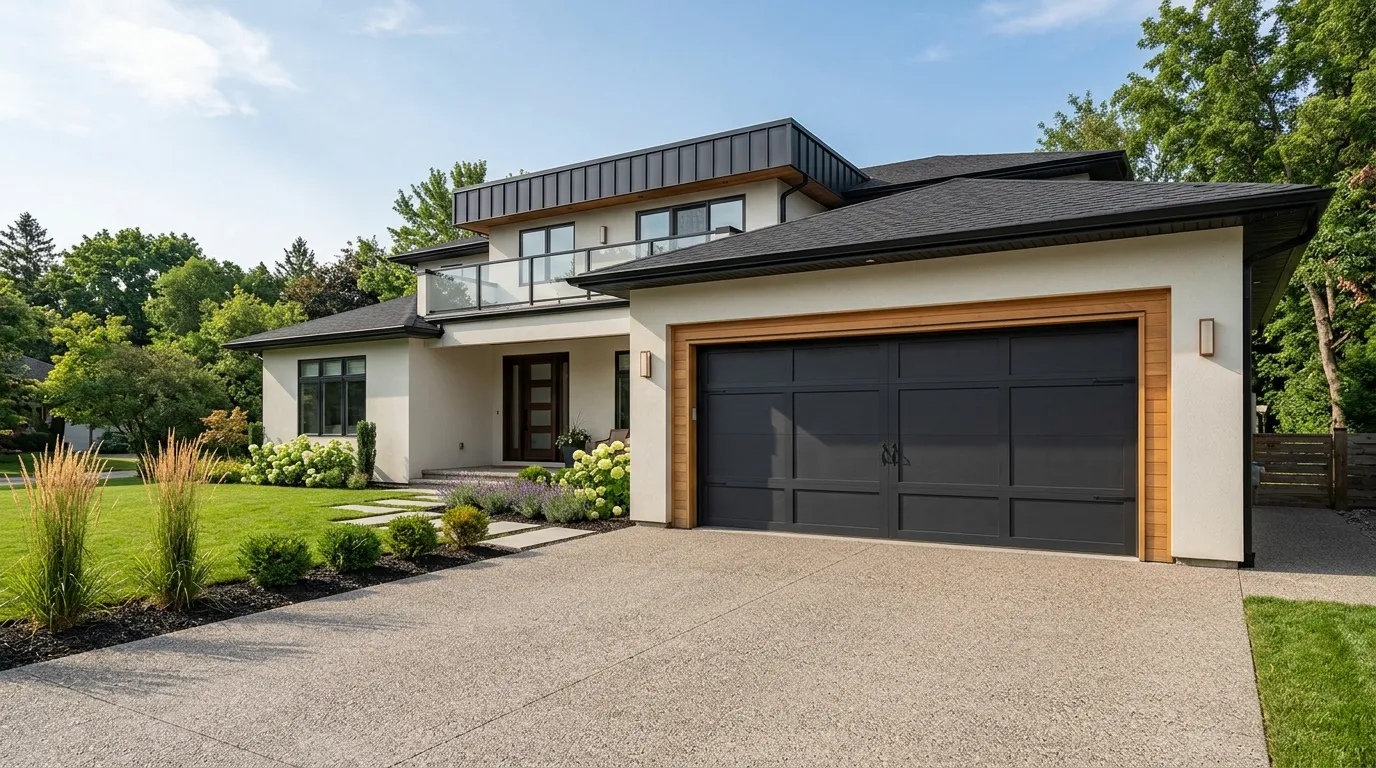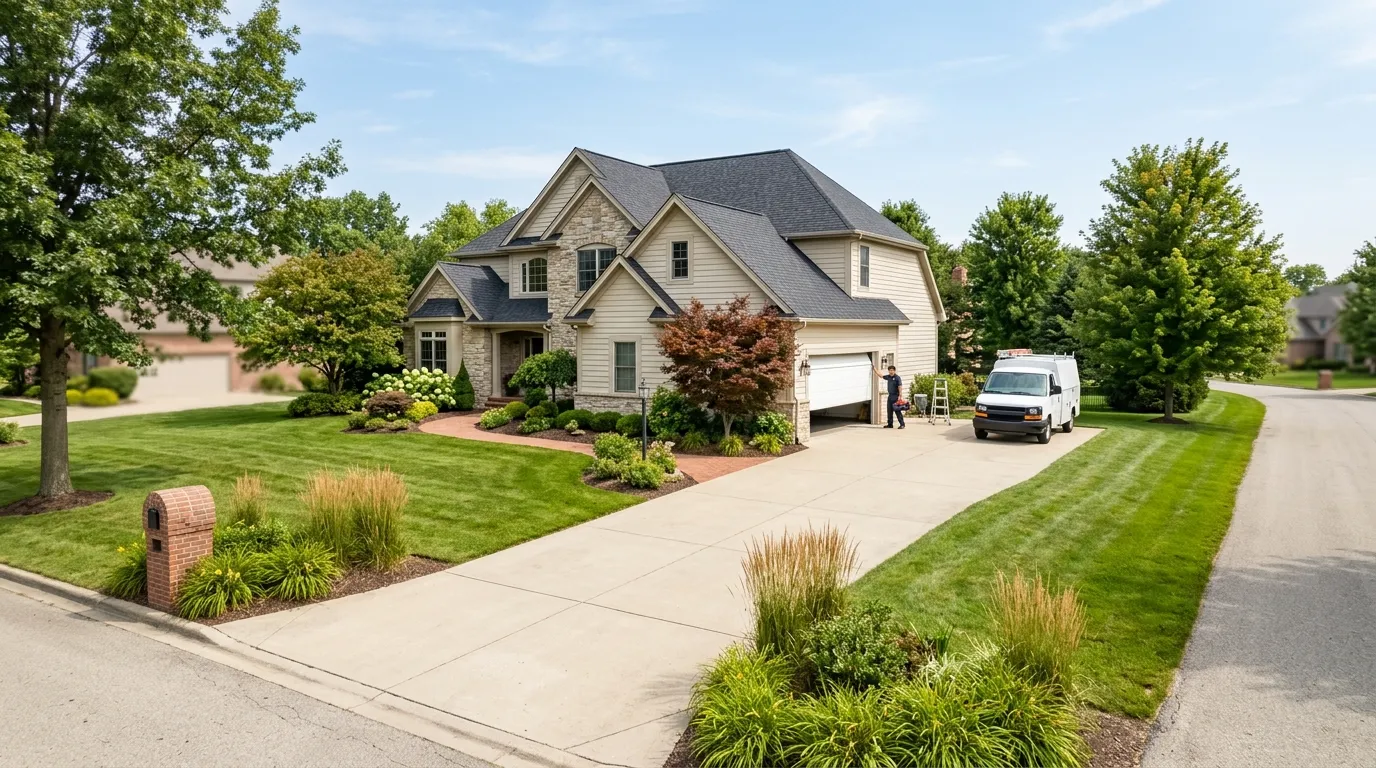
The Complications
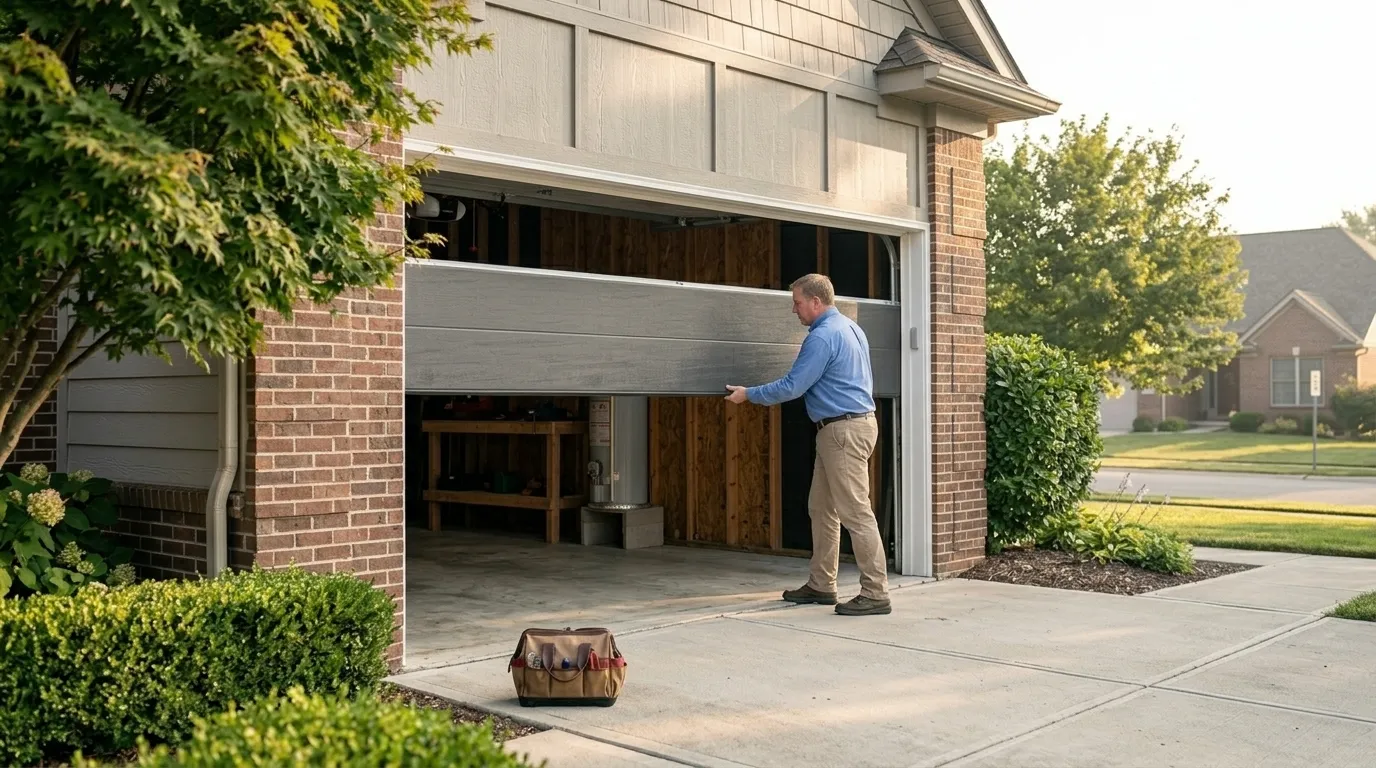
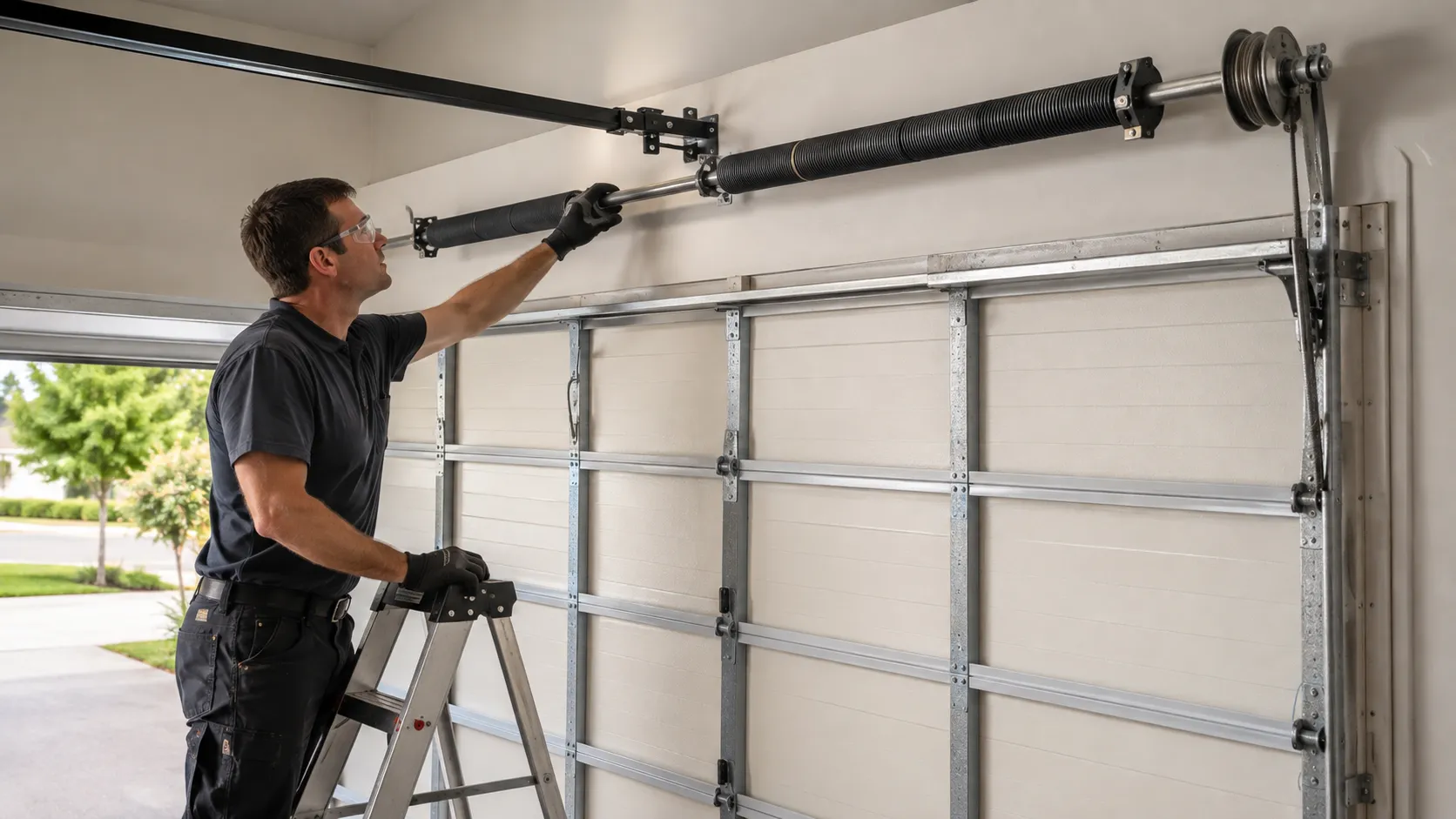
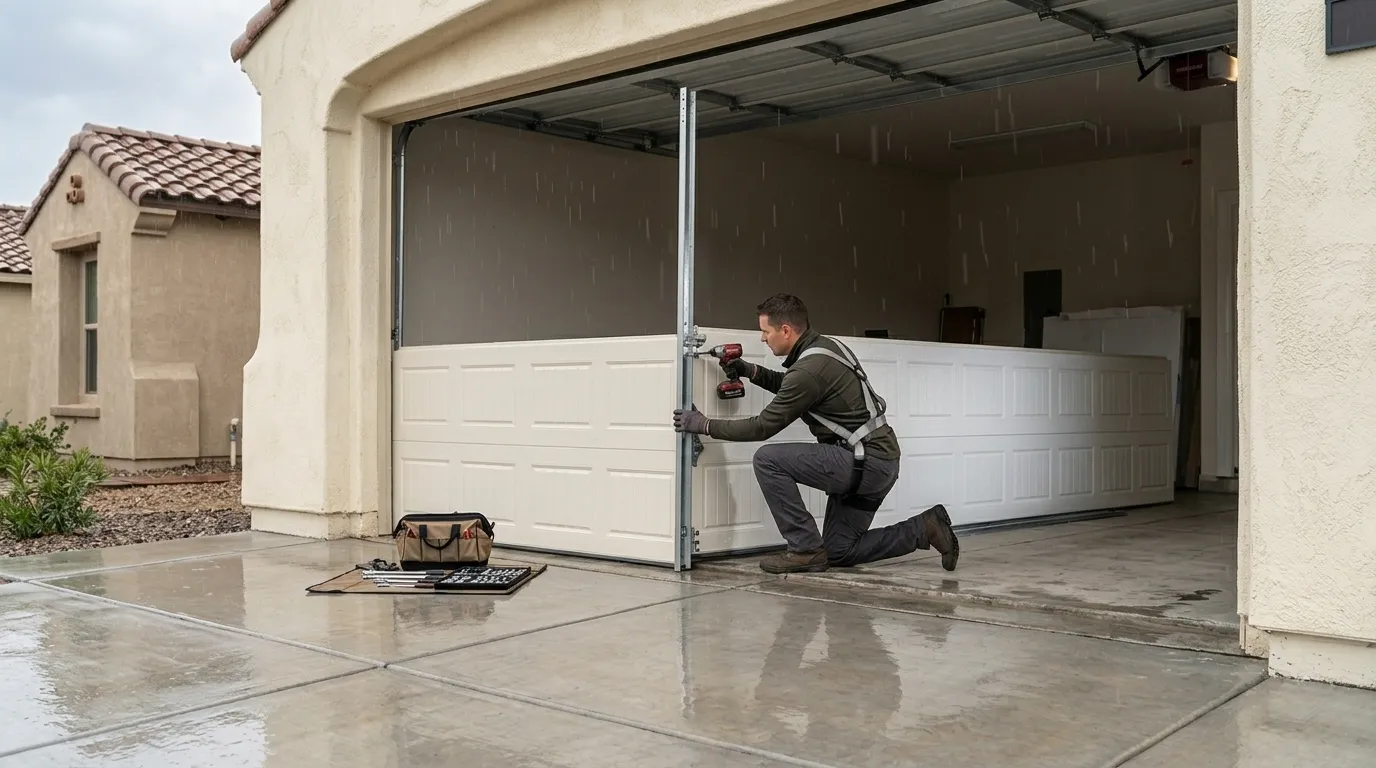
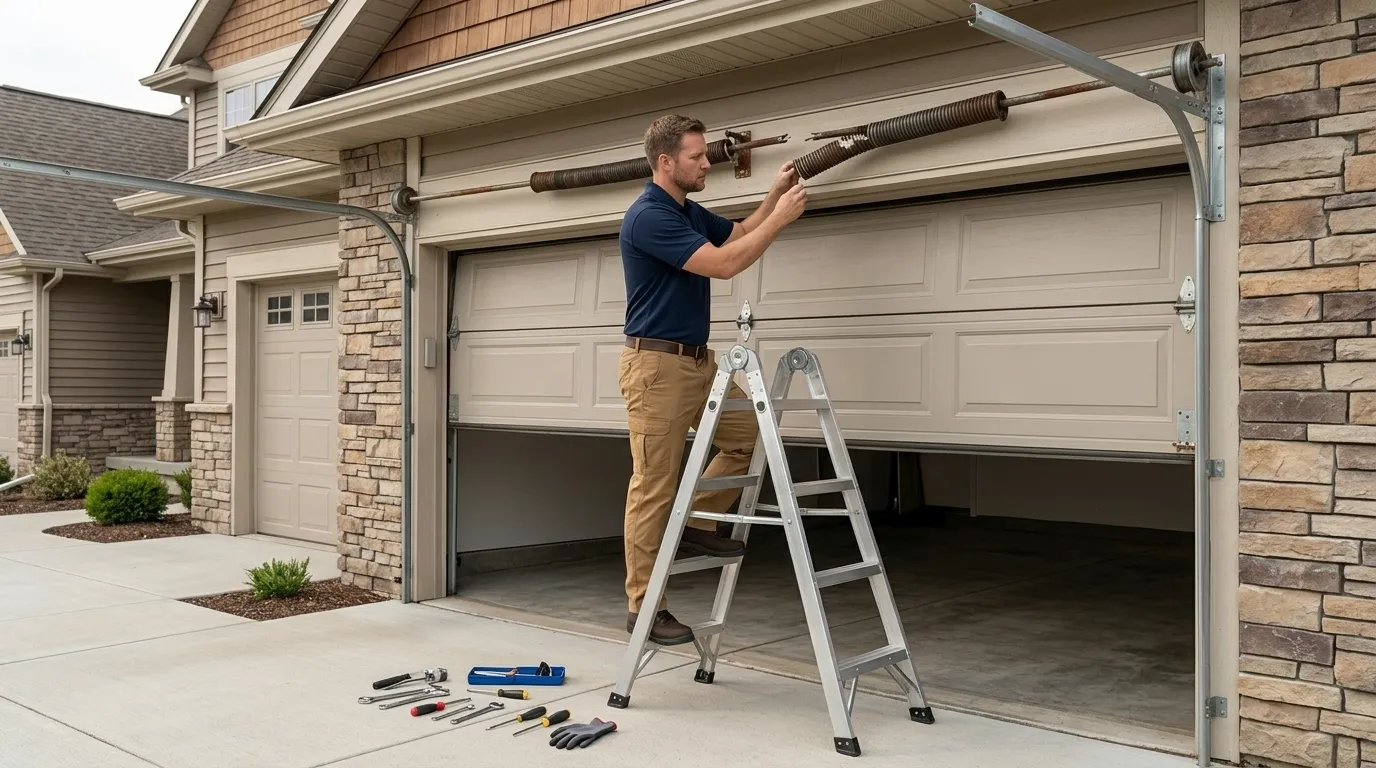
A door built in the mid-1980s has had close to forty years of cycles on it, and the failure points show up differently than on a newer install. Torsion springs from that era are often the original pair, never replaced, and they're sized for a door that's heavier than what you'd find on 1960s stock - when one goes, the door doesn't just sit stuck, it can slam. Steel panels from this period also tend to run thicker gauge than later cost-cut models, which is good for dent resistance but hard on rollers and hinges that were never swapped out. The mild coastal-adjacent climate here is gentler on hardware than a lot of the country, so rust isn't the main enemy - the wear is mechanical, from decades of use, not weather damage. One honest limit: if the original springs or drums are the kind that haven't been made in years, we can service around them but full parts matching sometimes means waiting on order rather than fixing on the spot.
Time on the Job
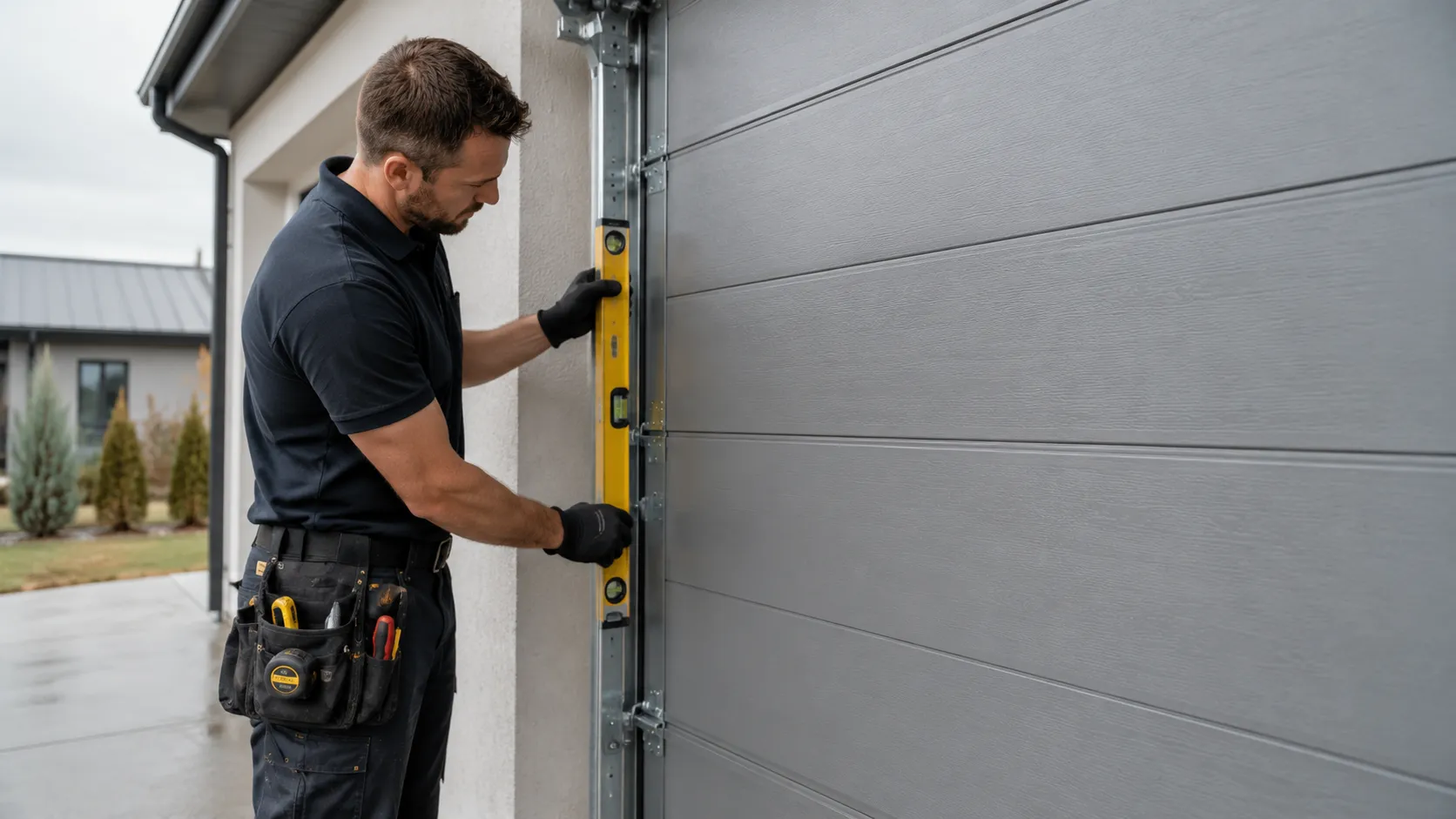
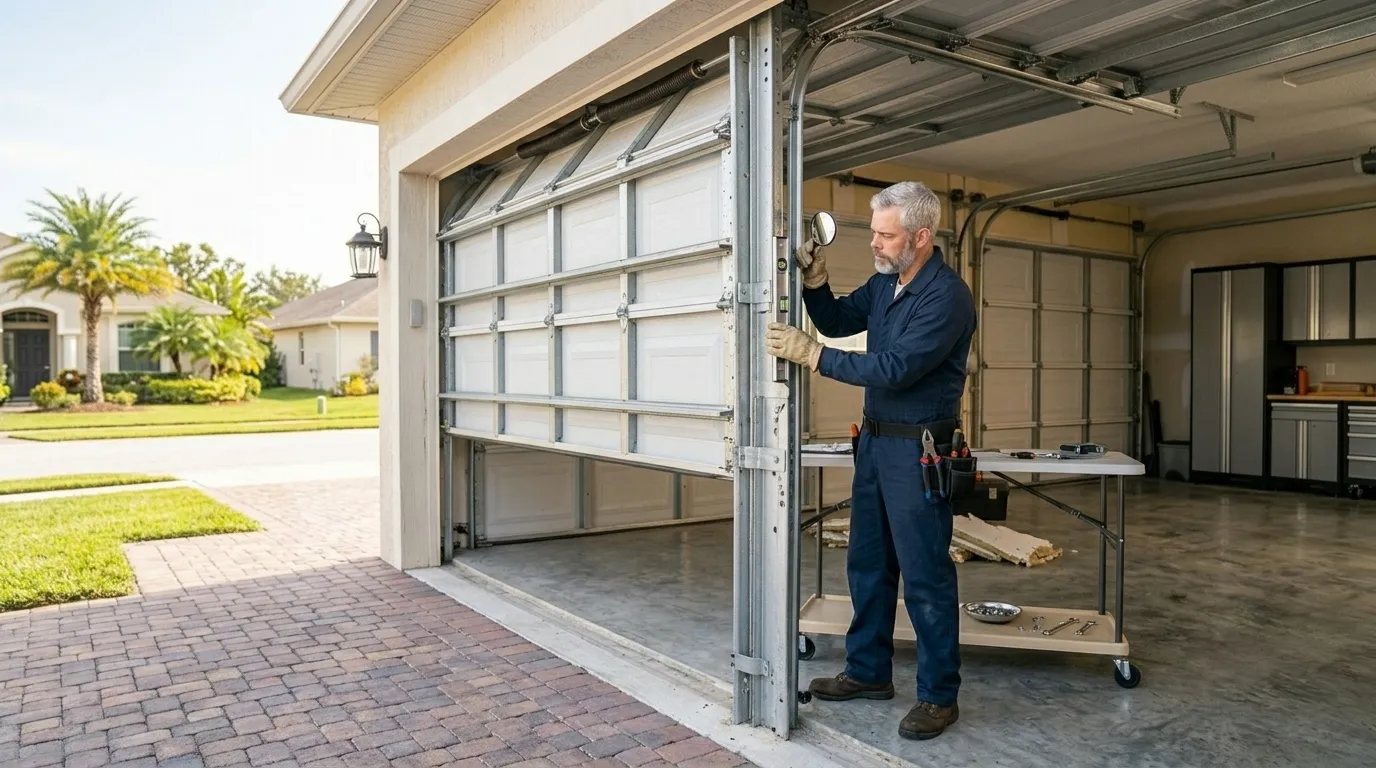
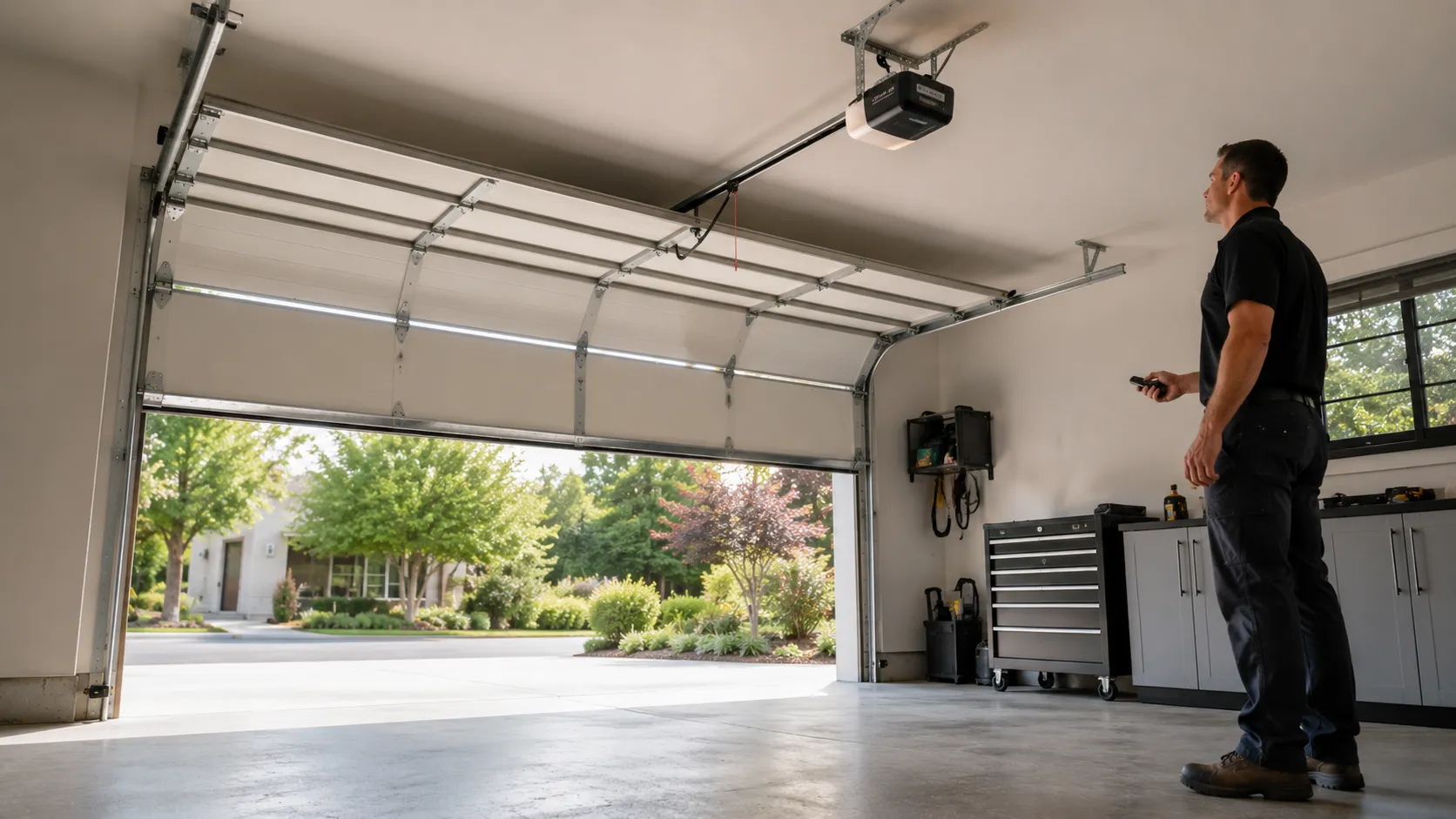
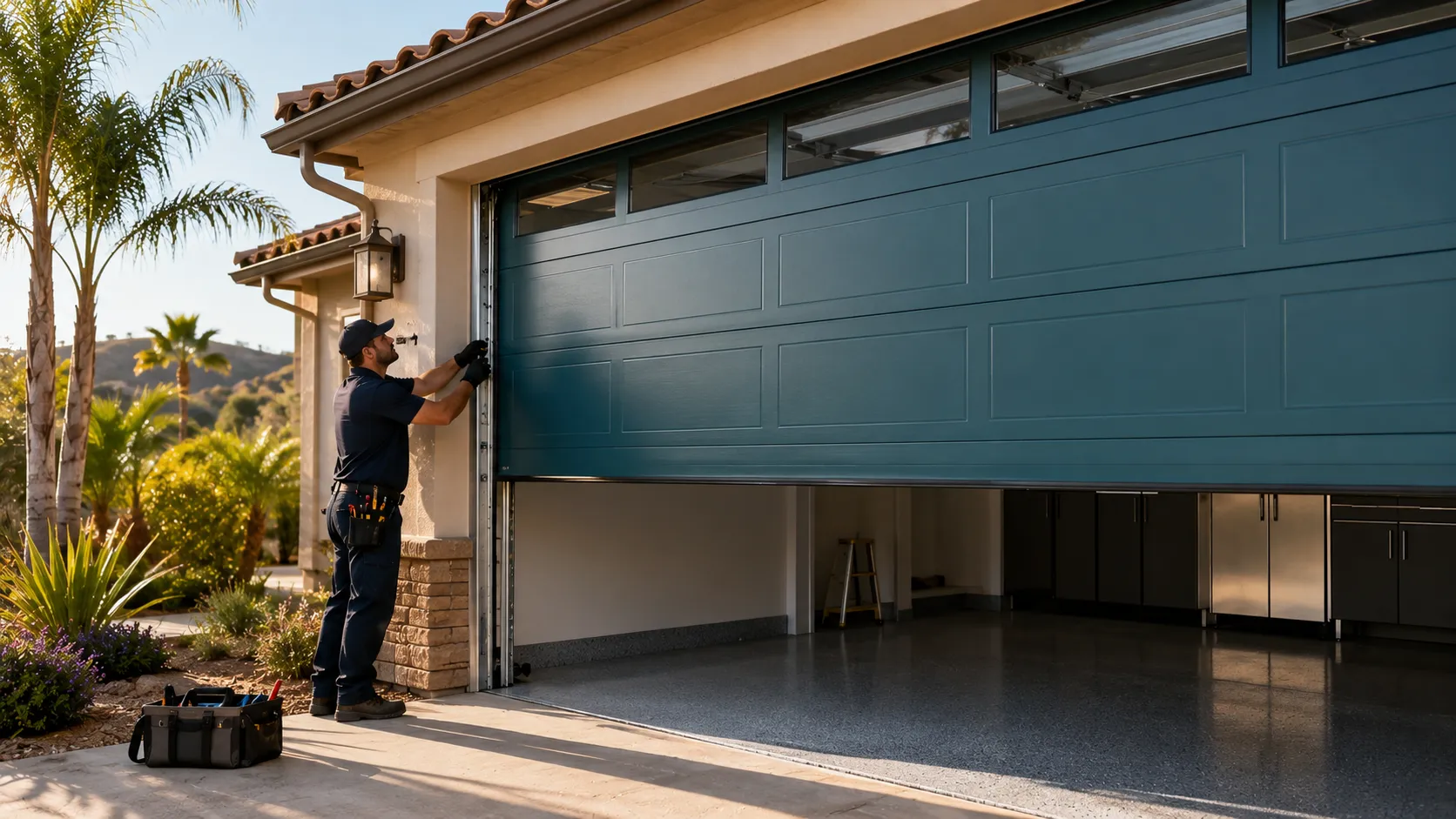
A standard maintenance visit on a Calabasas door runs longer than the smaller single-car doors we service closer to Santa Monica, simply because there's more door to go over - wider tracks, heavier springs to check tension on, bigger panels to inspect for stress cracks at the hinges. We lubricate hardware, check cable wear, test balance, and run the opener through its full travel with the force settings checked against the door's actual weight, not a factory default. On a door this size, force settings that are off aren't a minor annoyance - they're the difference between a door that reverses safely on an obstruction and one that doesn't. We don't rush this part. If something needs more than adjustment - a spring near the end of its cycle life, a track that's bent rather than just misaligned - we'll say so rather than patch it and have you calling again in three months.