How It Shows Up
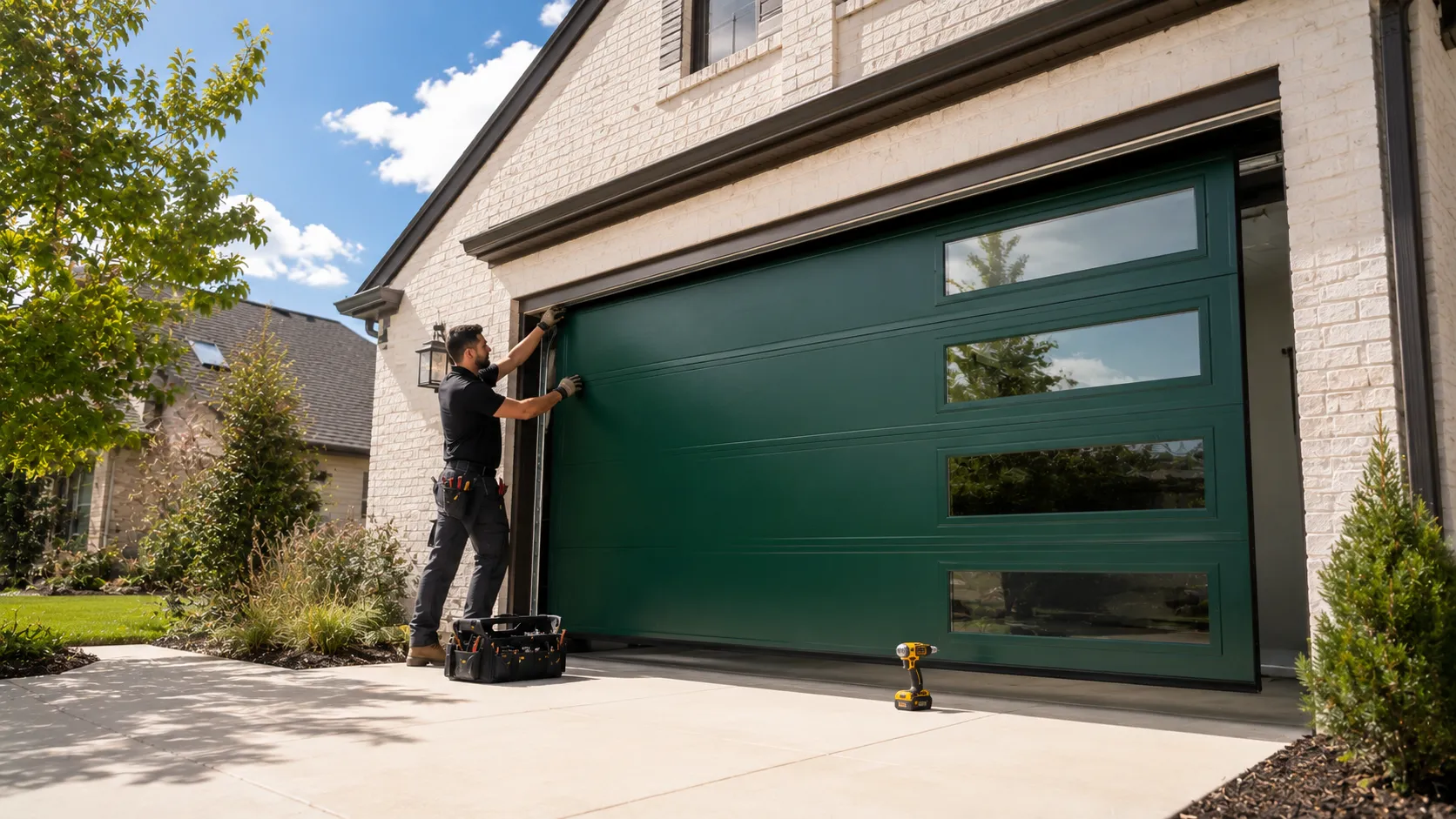
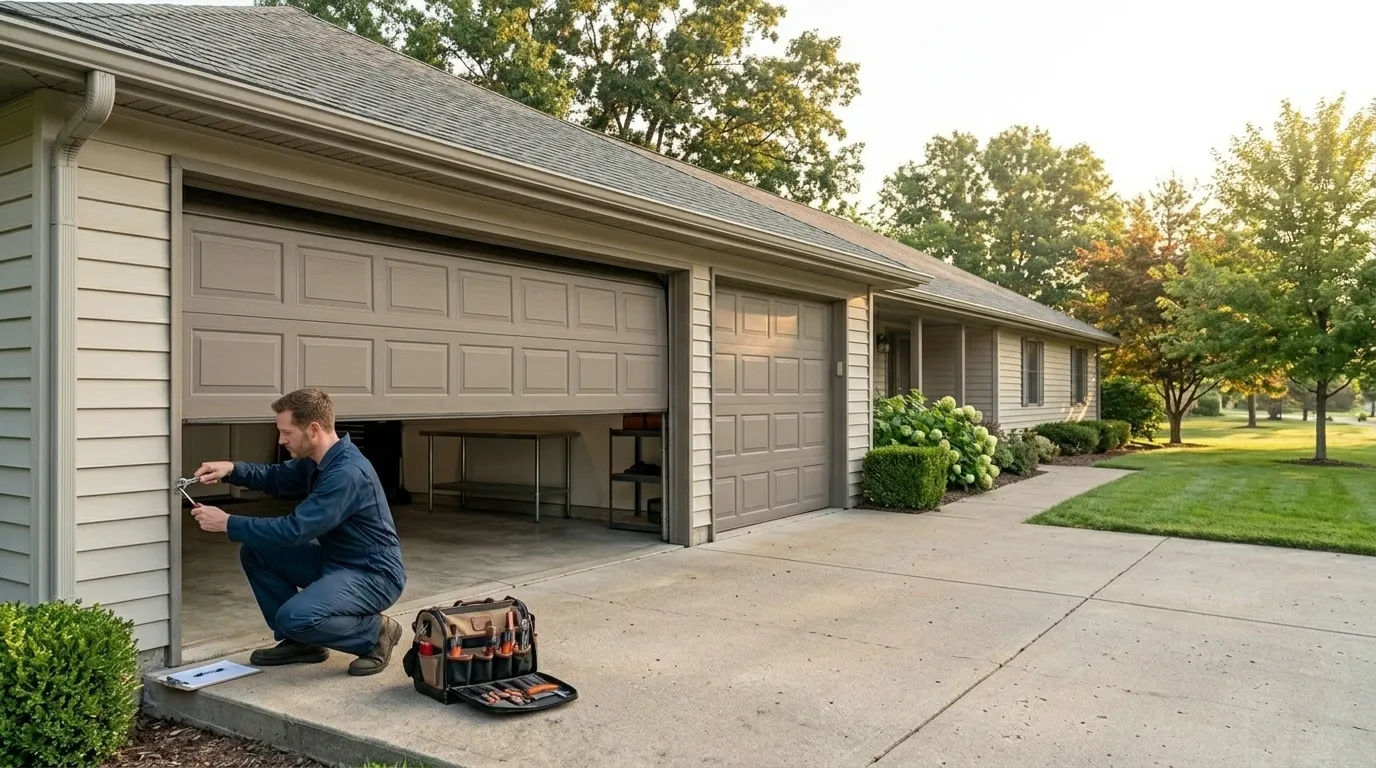
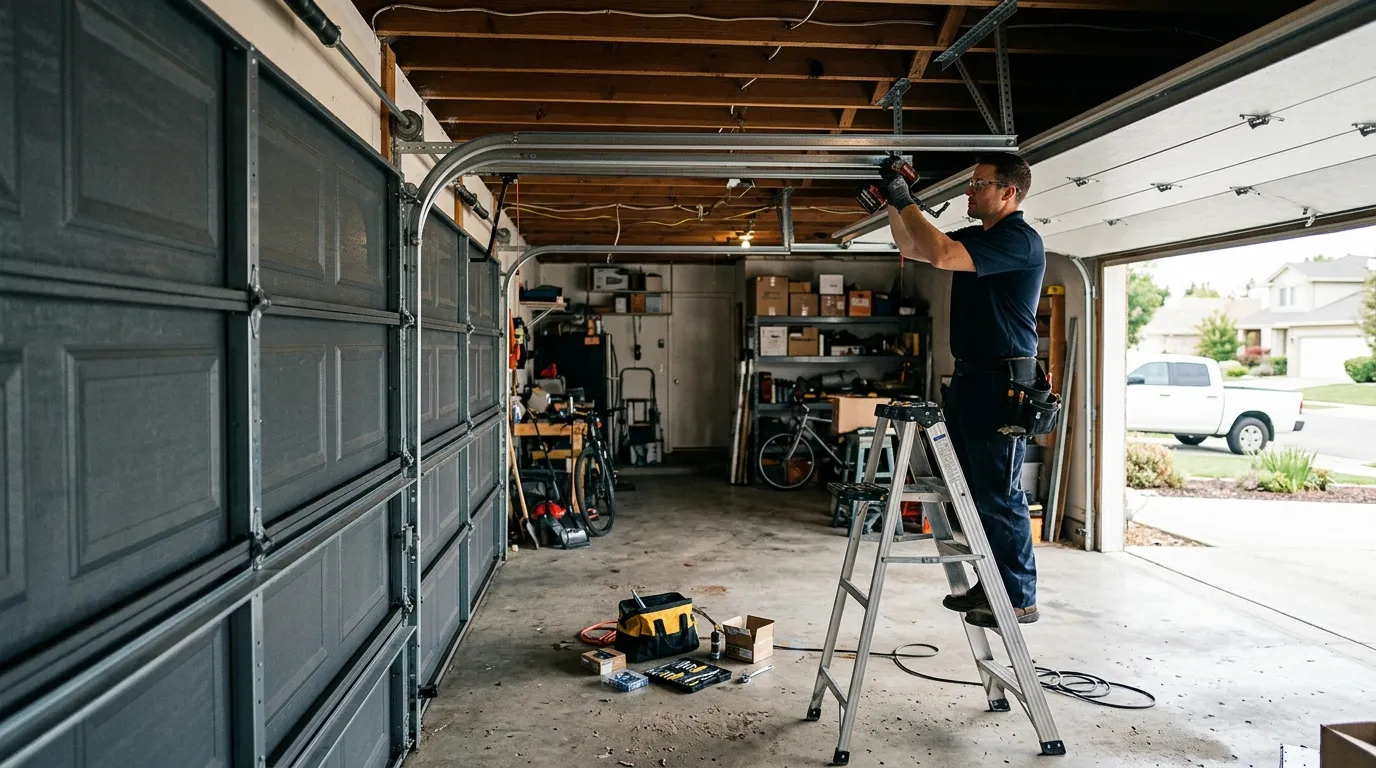
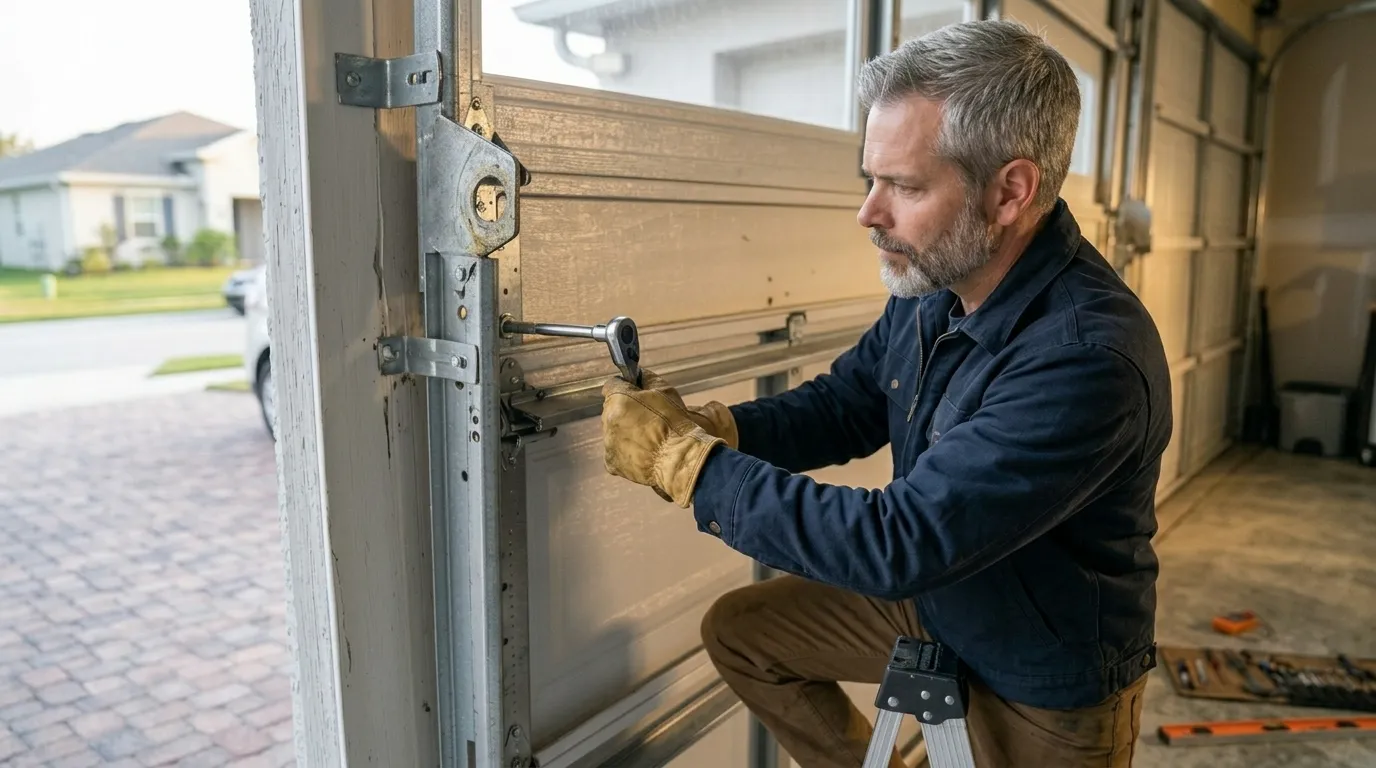
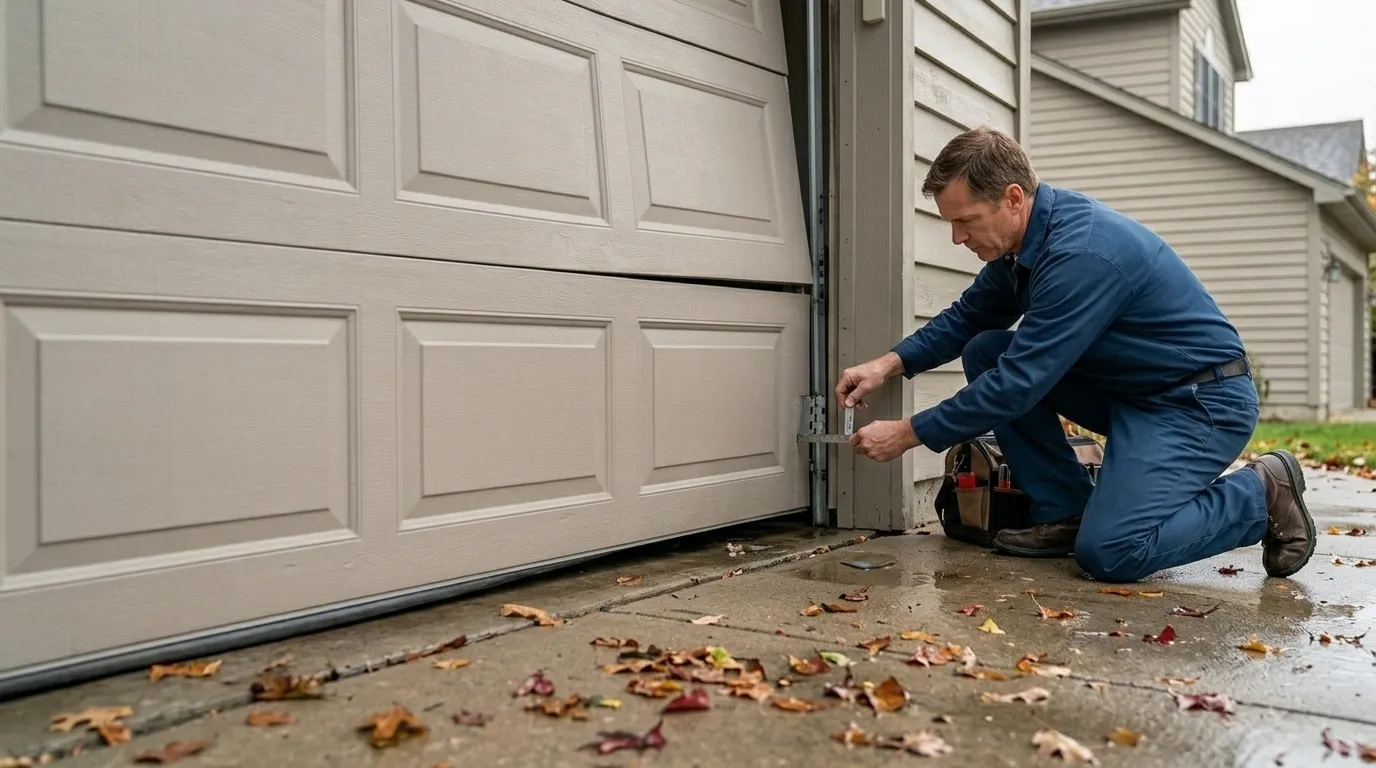
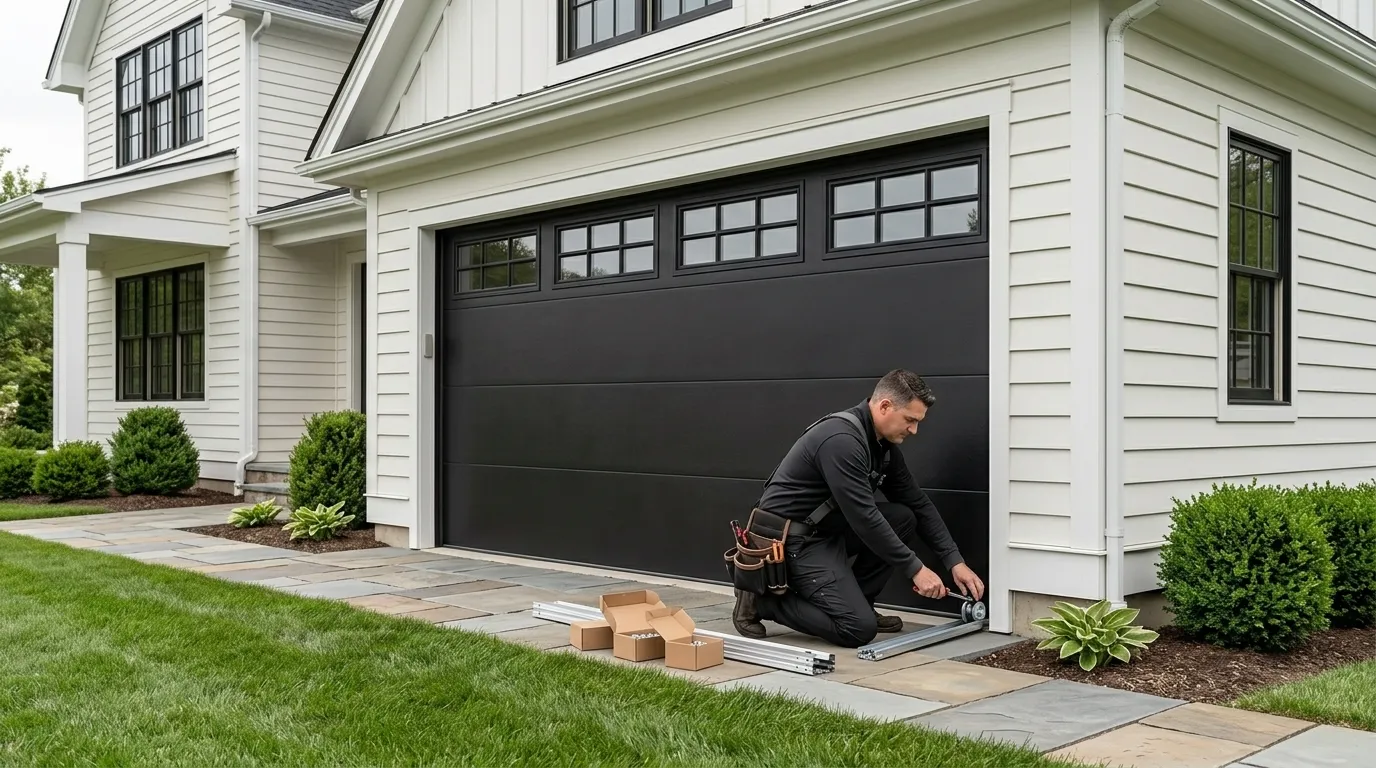
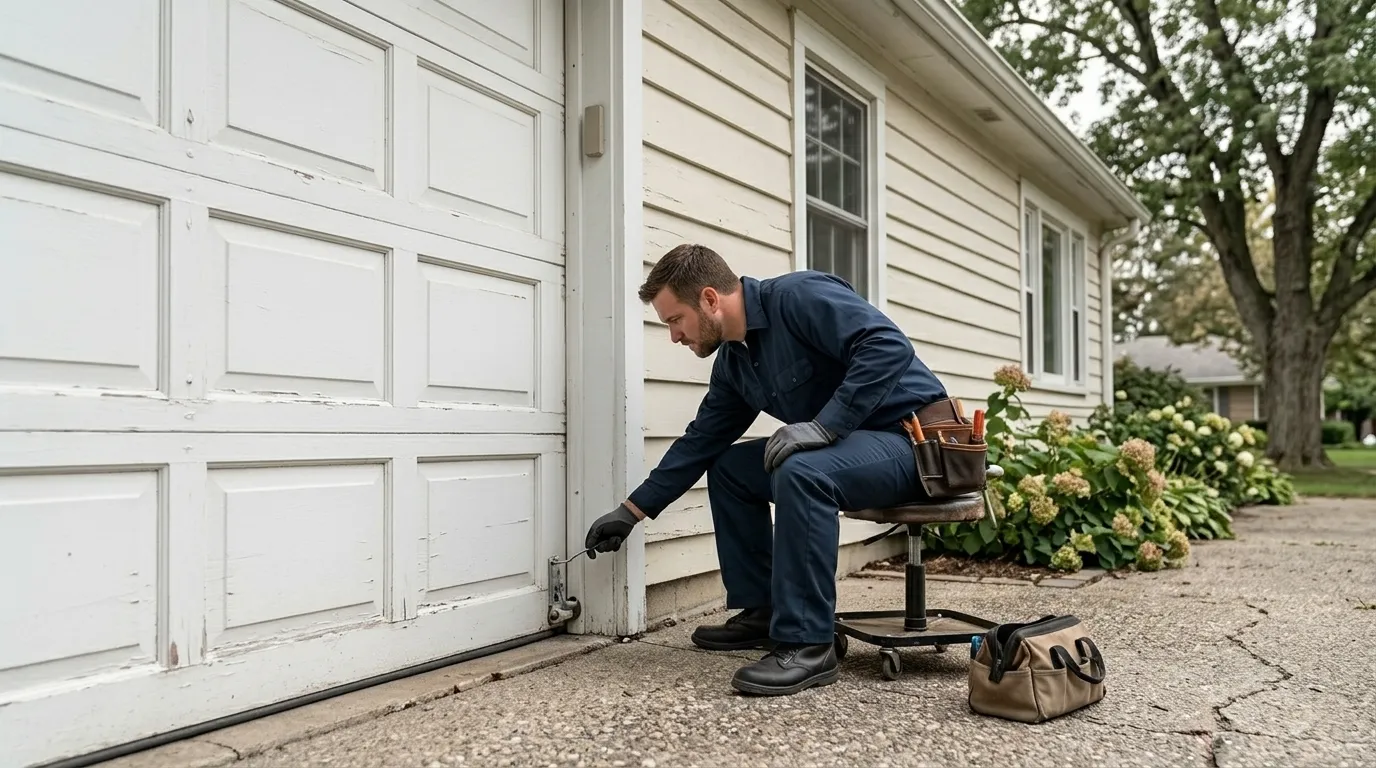
The typical East Los Angeles house went up around 1950, a good seven years ahead of the broader service area's median build year of 1963. That earlier stock tends to carry original torsion setups, older sectional panels, and hardware that's been through more open-close cycles than anything built in the 60s or 70s. The mild temperate climate here isn't putting rust through your track the way a coastal salt fog or a hard freeze-thaw cycle would elsewhere - so when a door fails, it's rarely weather damage. It's fatigue. A spring that's wound and unwound for seventy-plus years finally snapping. A roller worn oval instead of round. Cable strands starting to fray at the drum. We see doors that stick halfway, openers that hum but don't lift, and panels that have gone slightly out of square from decades of settling. None of that is dramatic - it's just old hardware doing what old hardware does.
Time on the Job
Most East Los Angeles calls fall into two buckets: a straightforward swap - spring, cable, roller, opener gear - that we can usually close out in one visit once we're on site, or a door that needs a closer look because the track, the hardware, or the panel itself has taken on wear that isn't obvious from the driveway. Given the 1950-era stock common here, we budget extra time to check hardware compatibility before we start, since original torsion setups don't always match what's on a modern box-store shelf. We won't promise a specific number of minutes on this page, because the honest answer depends on what we find once the door's open. What we will say: the drive out from Santa Monica is part of the job, not separate from it, so we plan the visit as one block of time rather than a quick in-and-out.
The Cost of This Job
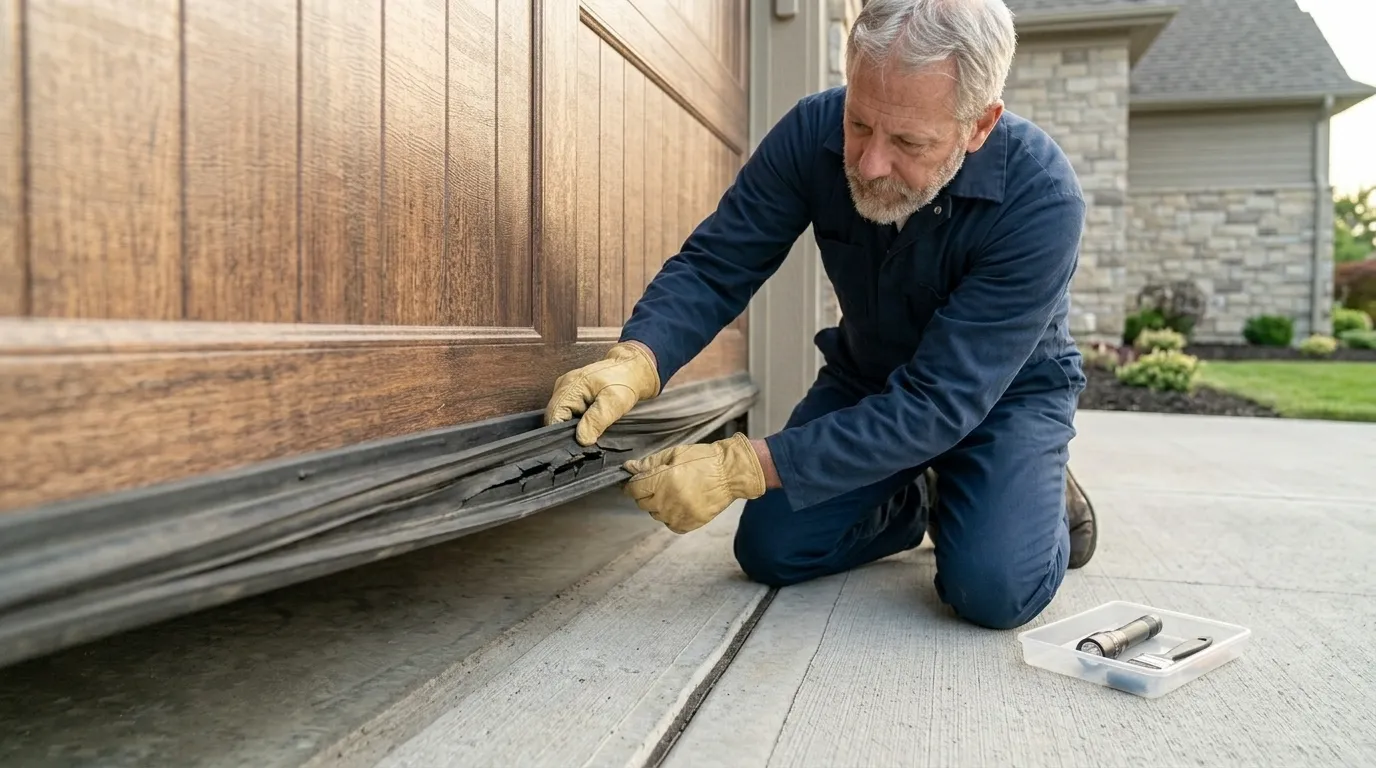
Median household income in East Los Angeles is $68,378, noticeably under the $83,538 median across the rest of the service area. That gap matters when we're standing in your driveway talking about repair versus replacement. On a lot of these 1950-era doors, a spring or cable swap gets you another decade of solid use for a fraction of what a new door and opener would run, and that's usually the call we make first. Replacement makes more sense when the panels themselves are warped or the track is bent beyond a clean fix - at that point, patching it becomes money spent twice. We don't have a set price to quote on this page, and we're not going to invent one. What we can tell you is that we'll walk you through the repair-versus-replace math before any work starts, so the decision is yours, not ours.