How It Shows Up
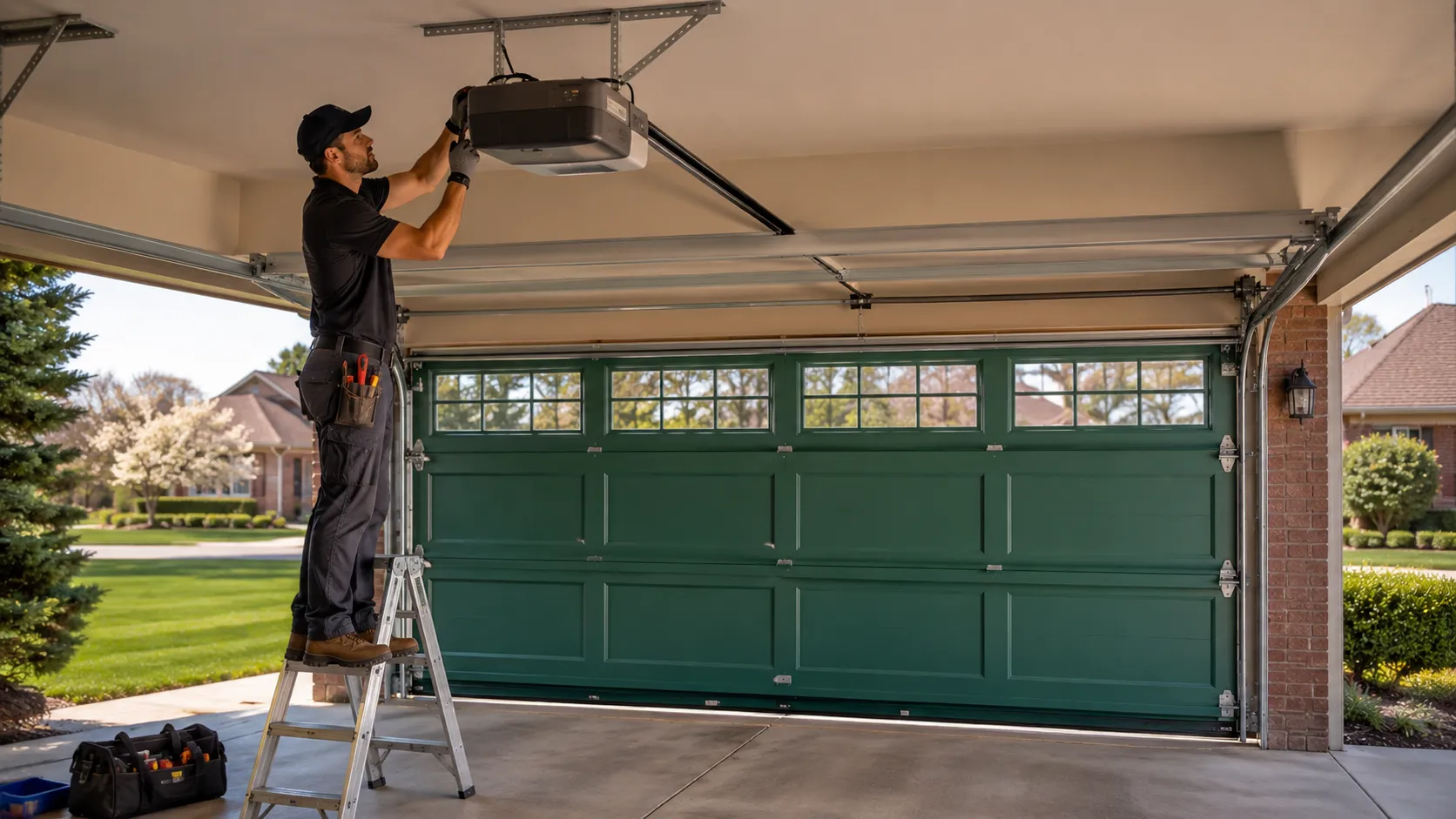
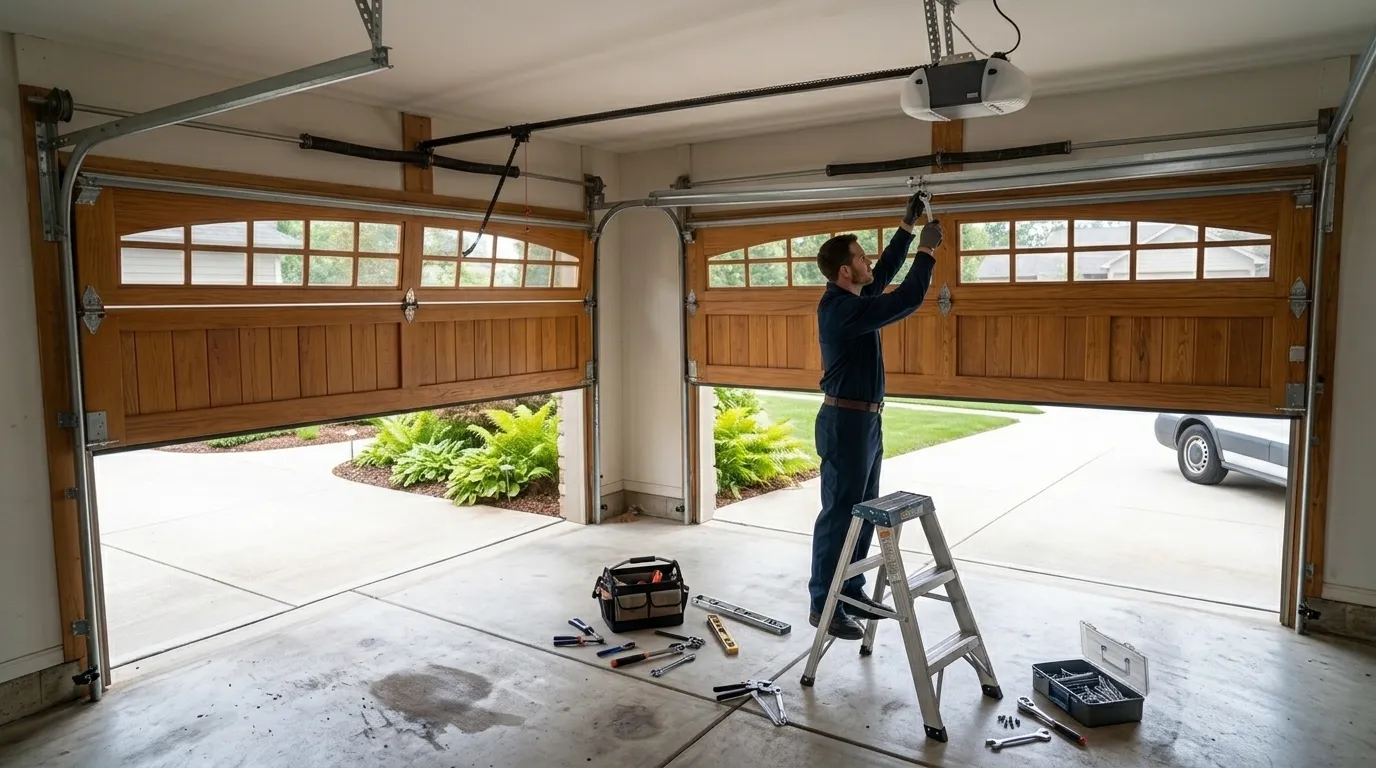
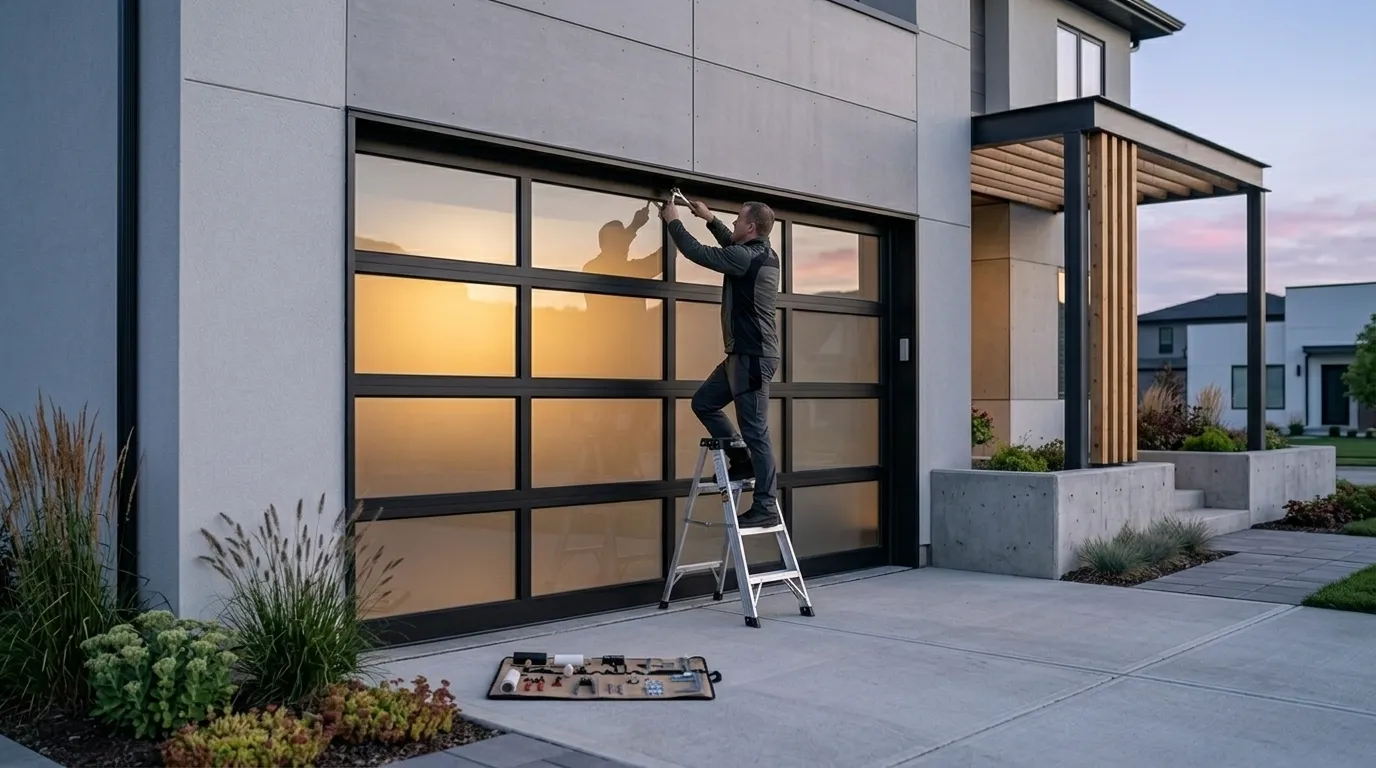
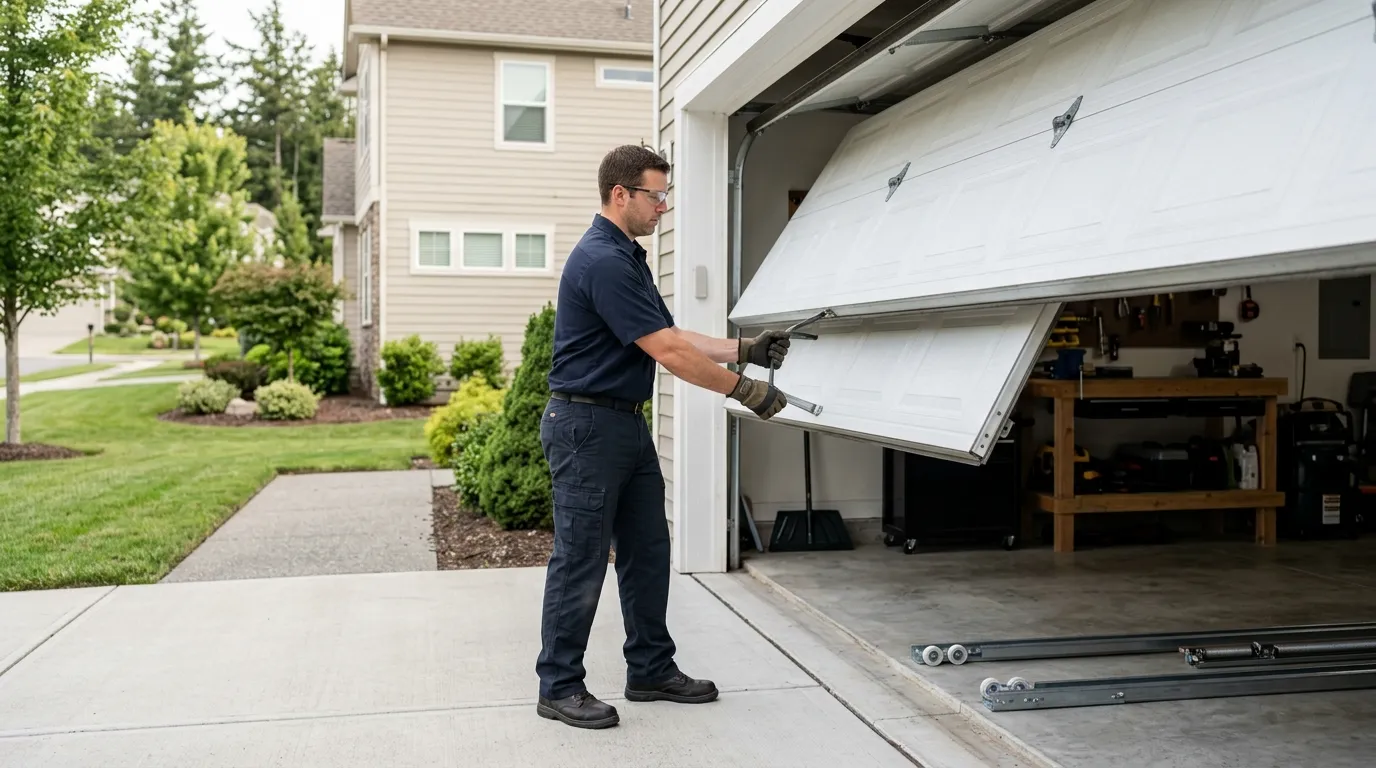
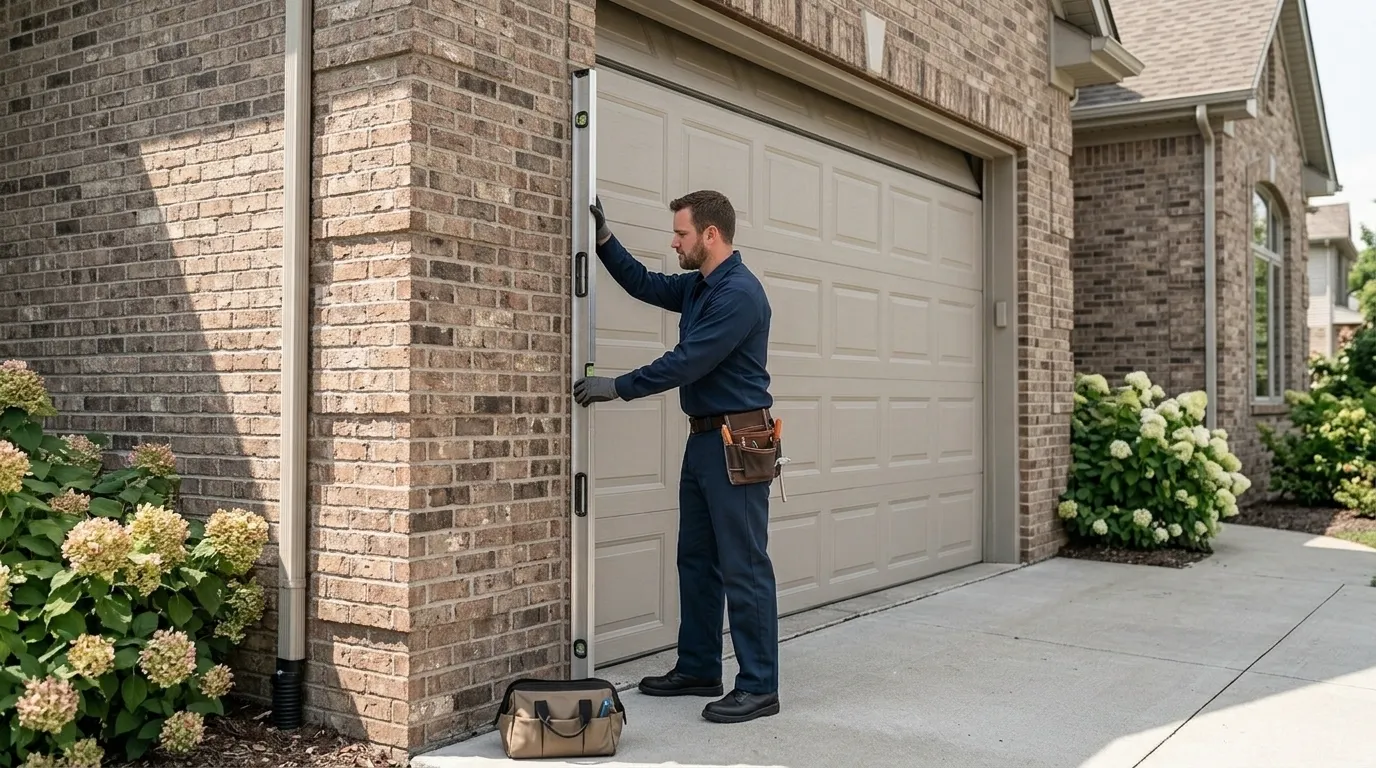
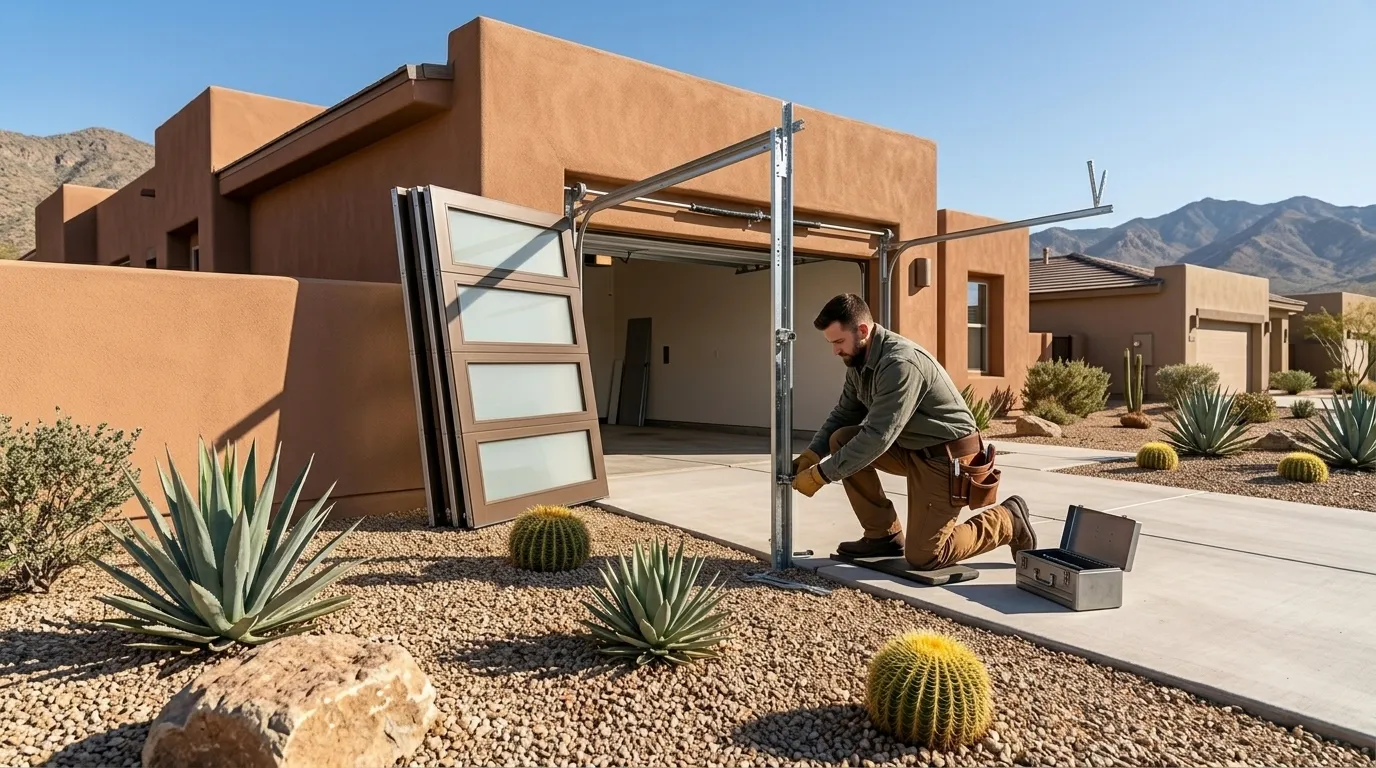
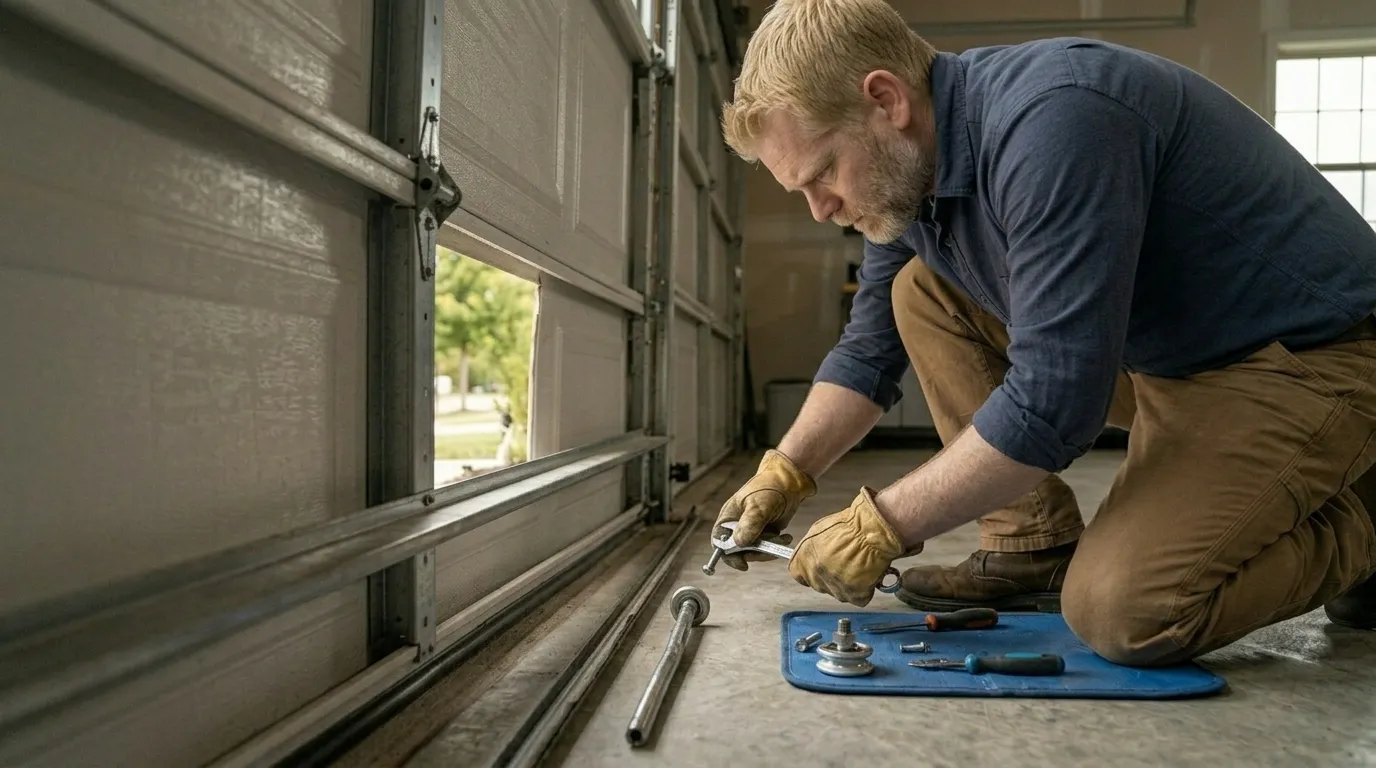
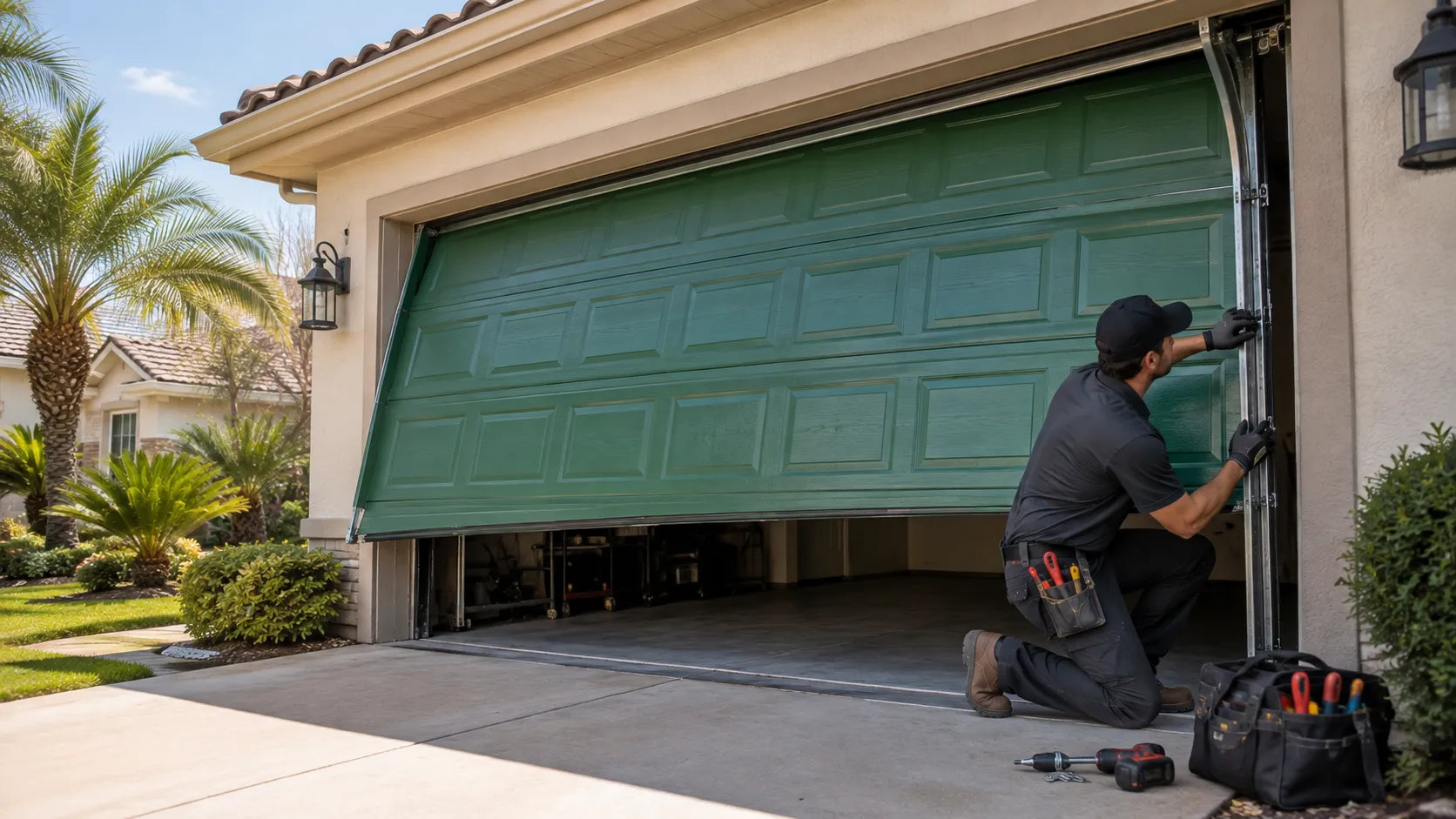
In a neighborhood built mostly in 1950, the fault we see most is a header or track mounted for a door thinner and lighter than modern insulated steel. Owners call because a new door 'won't sit right' or the opener strains on lift - and it's often not the opener at all, it's a jamb that was true in 1950 and has shifted since. The mild coastal-influenced climate here doesn't stress doors the way heat or heavy freeze-thaw would, so wood rot and warped panels aren't the driver. What is: sixty-plus years of settling on original framing, plus hardware drilled for a spring size nobody stocks anymore. We check reveal and squareness before we quote anything, because on a house this age, the number that decides the job is what the opening actually measures now, not what it measured when the house was built.
Time on the Job
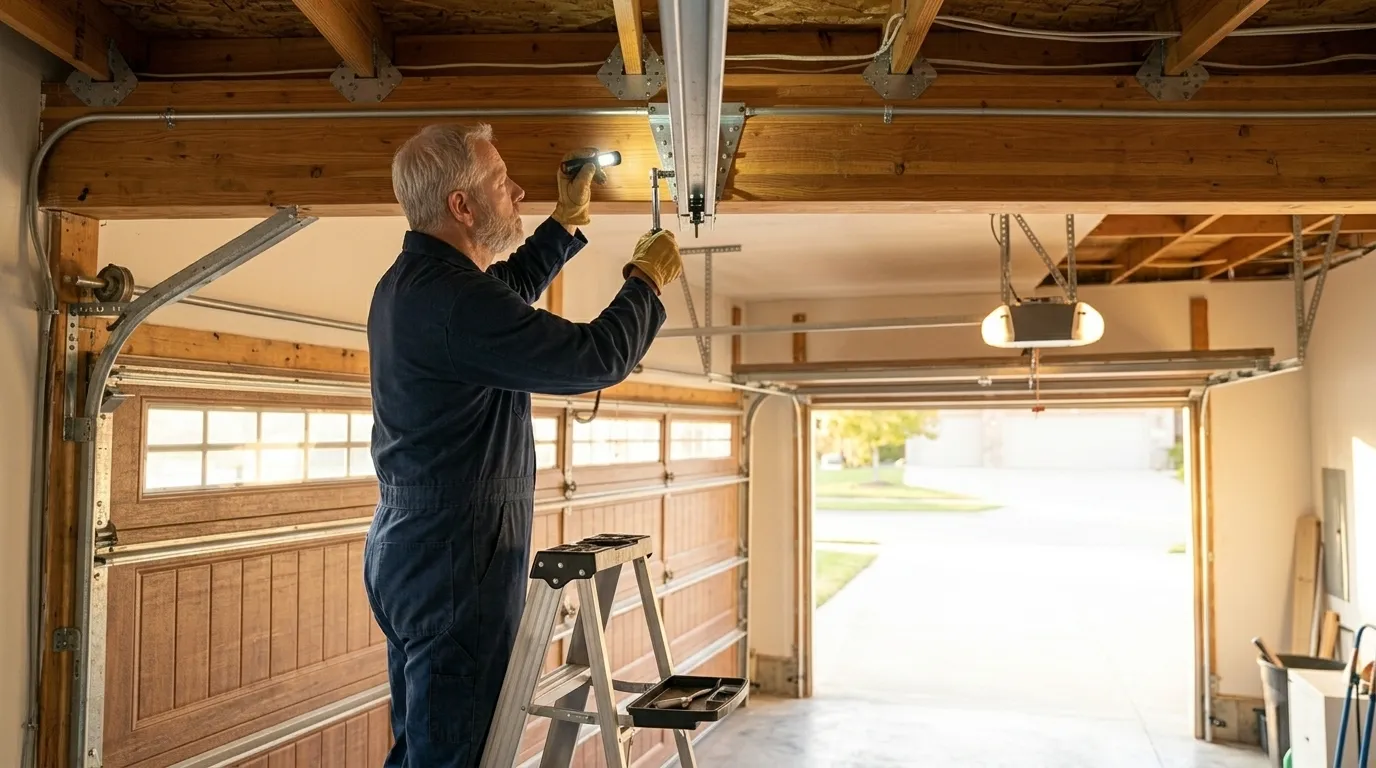
A straightforward swap on a standard double opening runs a normal install day. Where East Los Angeles adds time versus a newer-stock neighborhood is at the jamb: if the header needs reinforcing or the track spacing has to be adjusted for a modern door, that's extra hours we won't know about until we're standing in front of it. We tell homeowners this at booking rather than after the truck arrives. We don't pad the estimate for it, but we also don't pretend a 1950-era opening is a guaranteed drop-in fit like it would be on a house built in the 90s. If framing work turns out to be needed, we'll say so on site and give you the choice before we cut into anything.
The Cost of This Job
We don't quote a number sight unseen, but the honest range here tracks lower than newer-stock areas for one reason: median household income in East Los Angeles runs $68,378, well under the $83,538 median across the wider service area, and most homeowners here are working with a single standard-size double door, not a custom width. Where cost climbs is the header work mentioned above - if the 1950 framing needs reinforcing to take a modern insulated door, that's added labor on top of the door and opener price, and we itemize it separately so you're not guessing which part of the bill is the door and which is the carpentry.