New Garage Doors for Palos Verdes Estates Homes Built Around 1963
Palos Verdes Estates homes date mostly to 1963. We install doors sized for that era's openings, traveling the 17 miles from Santa Monica to get it right.
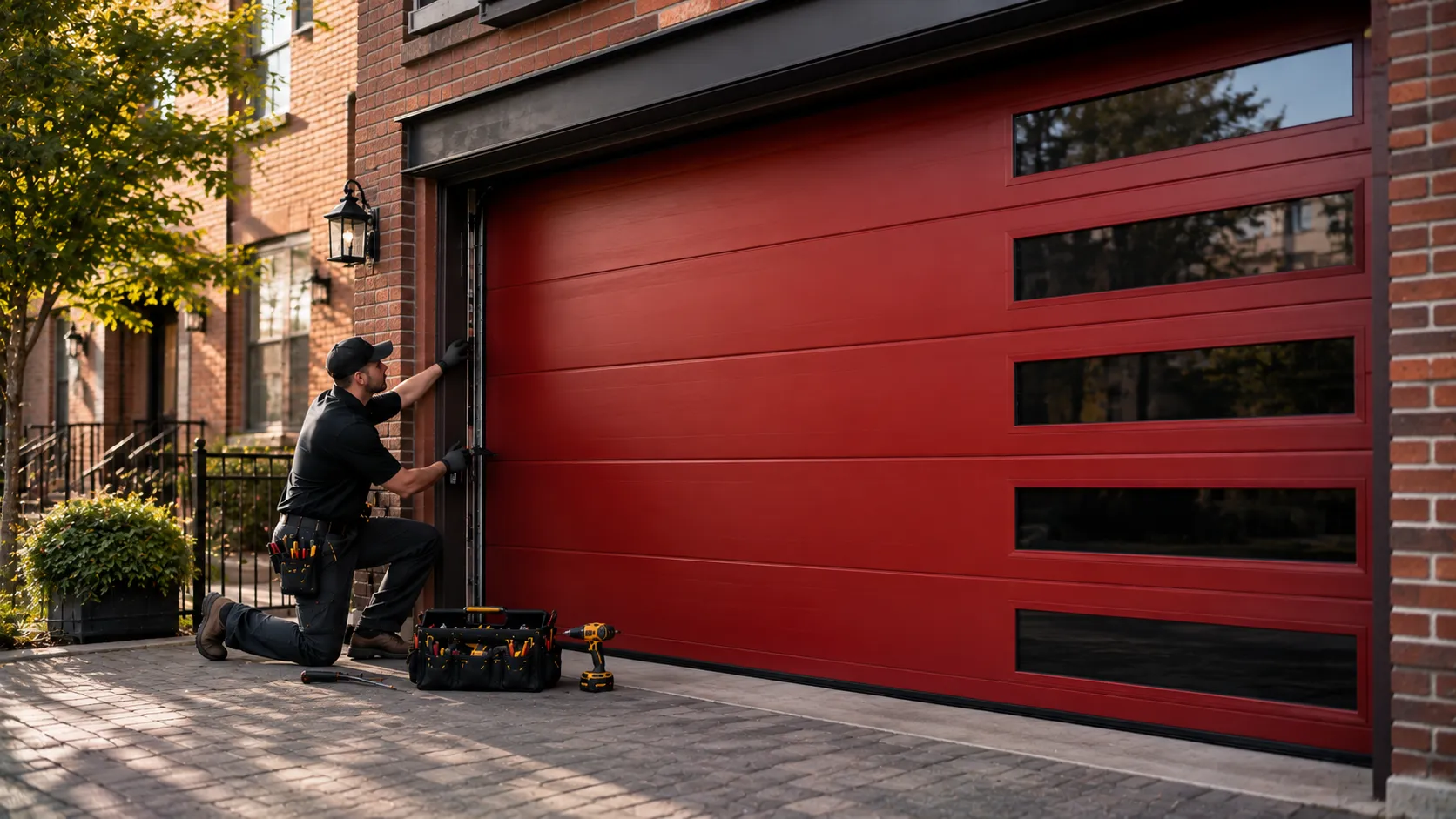
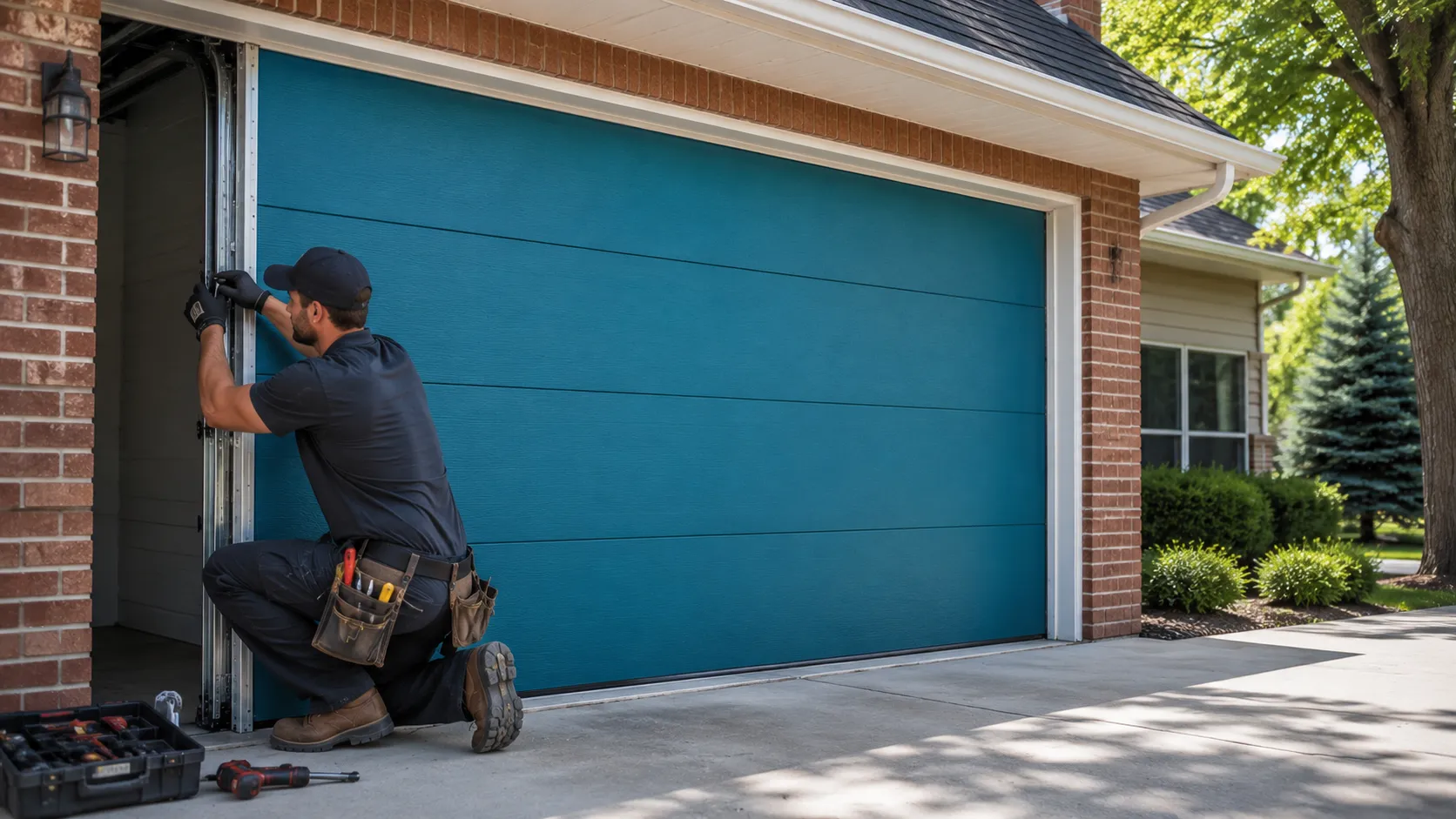
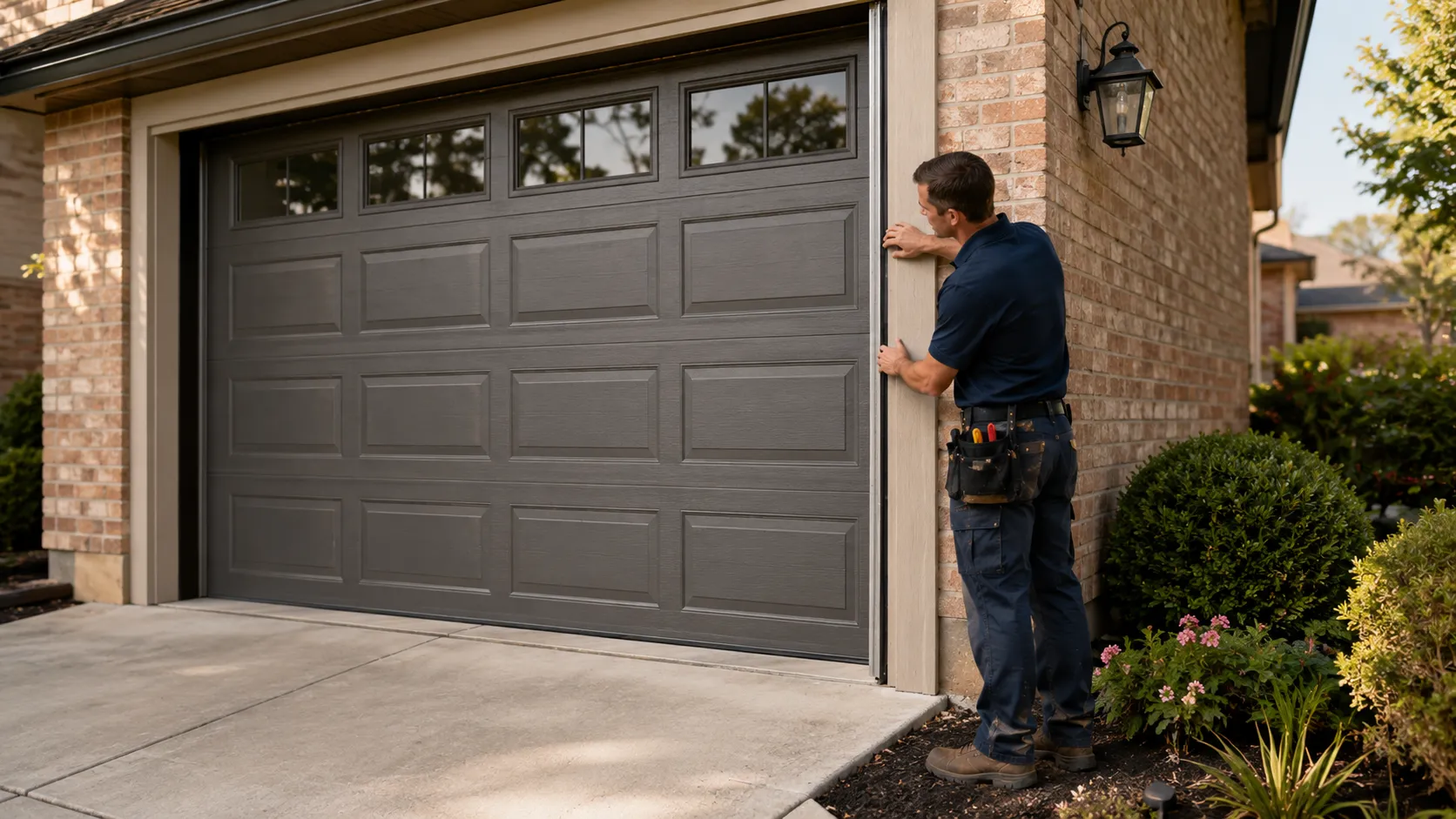
Most houses in Palos Verdes Estates went up around 1963, which was the tail end of the one-piece wood door era and the early years of steel sectional doors becoming standard. Openings from that period were framed to fit whatever a builder had on the truck that month, not to a standard sectional width. When we quote a new install here, the first thing we measure isn't the door - it's the opening, because a lot of these frames run narrower or shorter than what a big-box door ships in off the shelf.
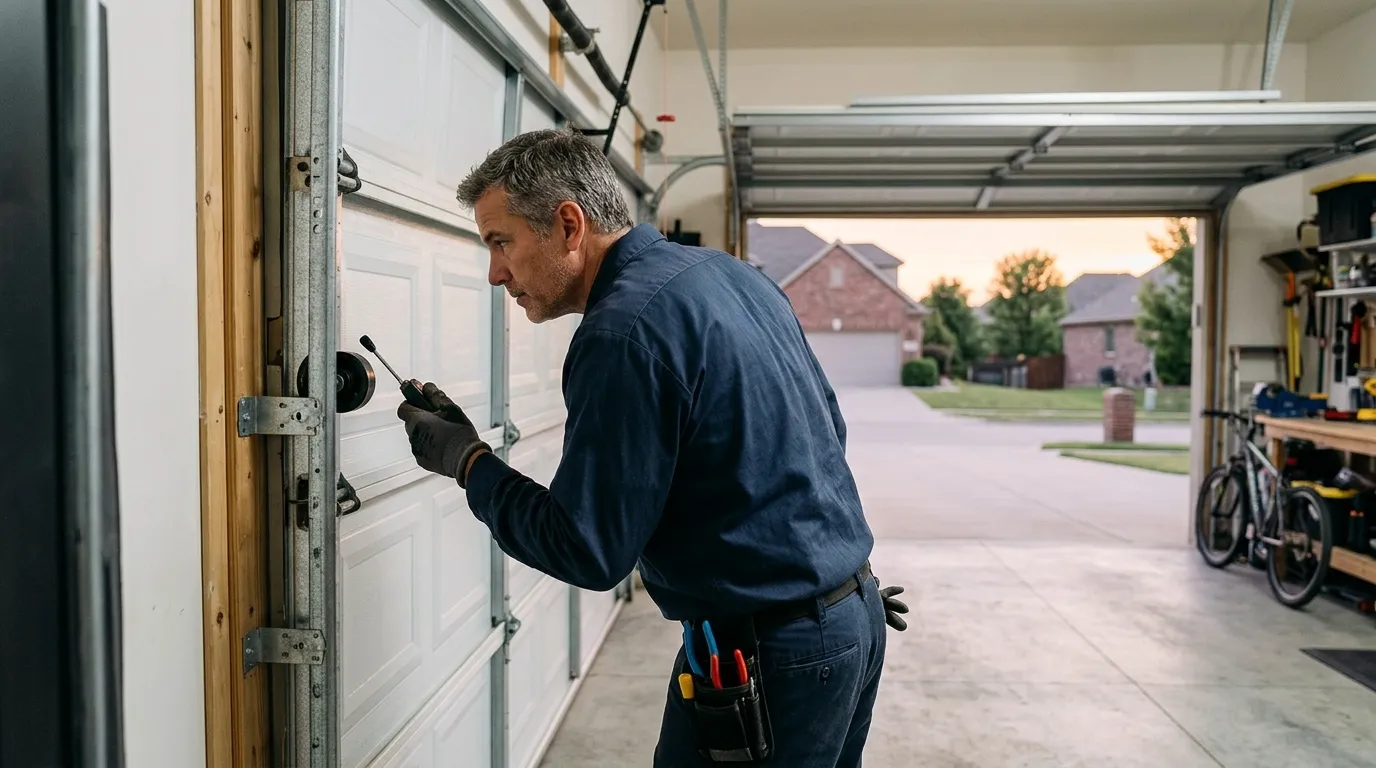
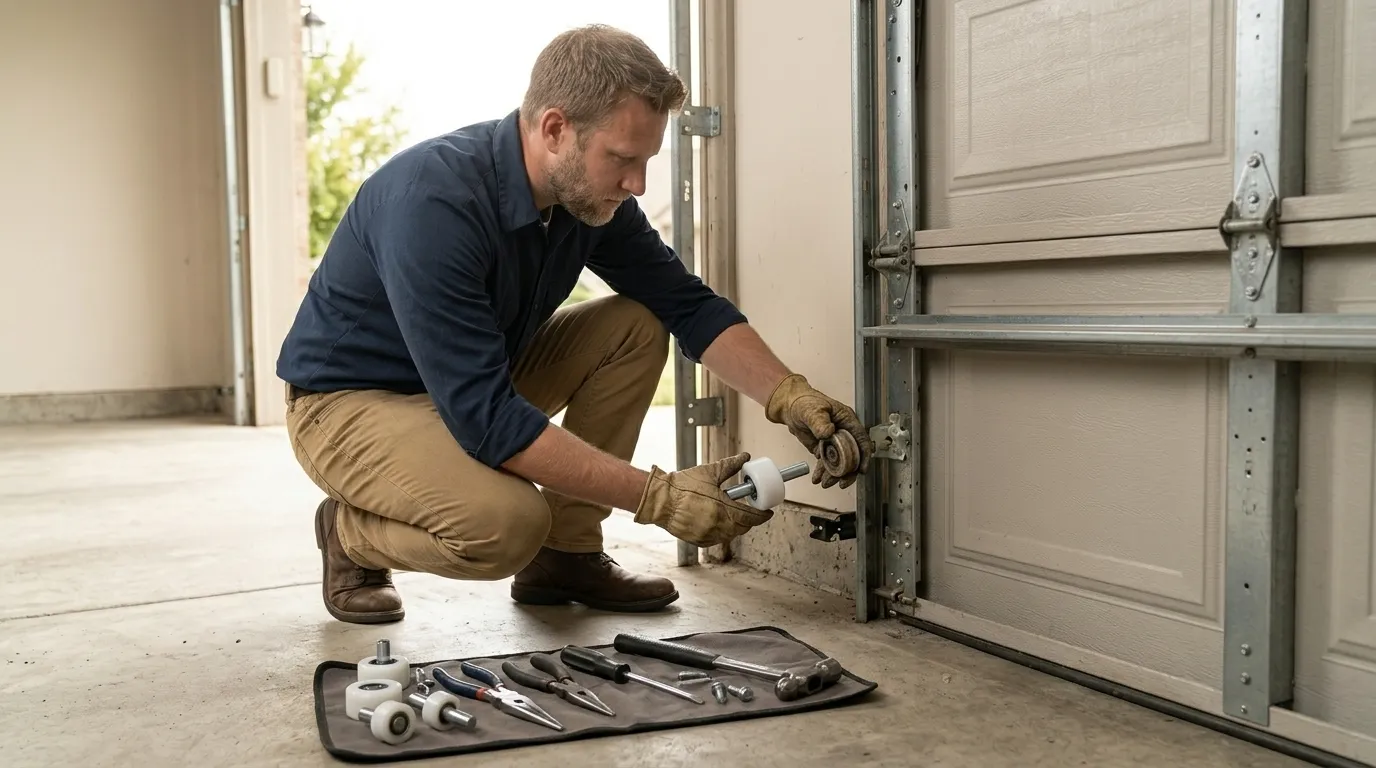
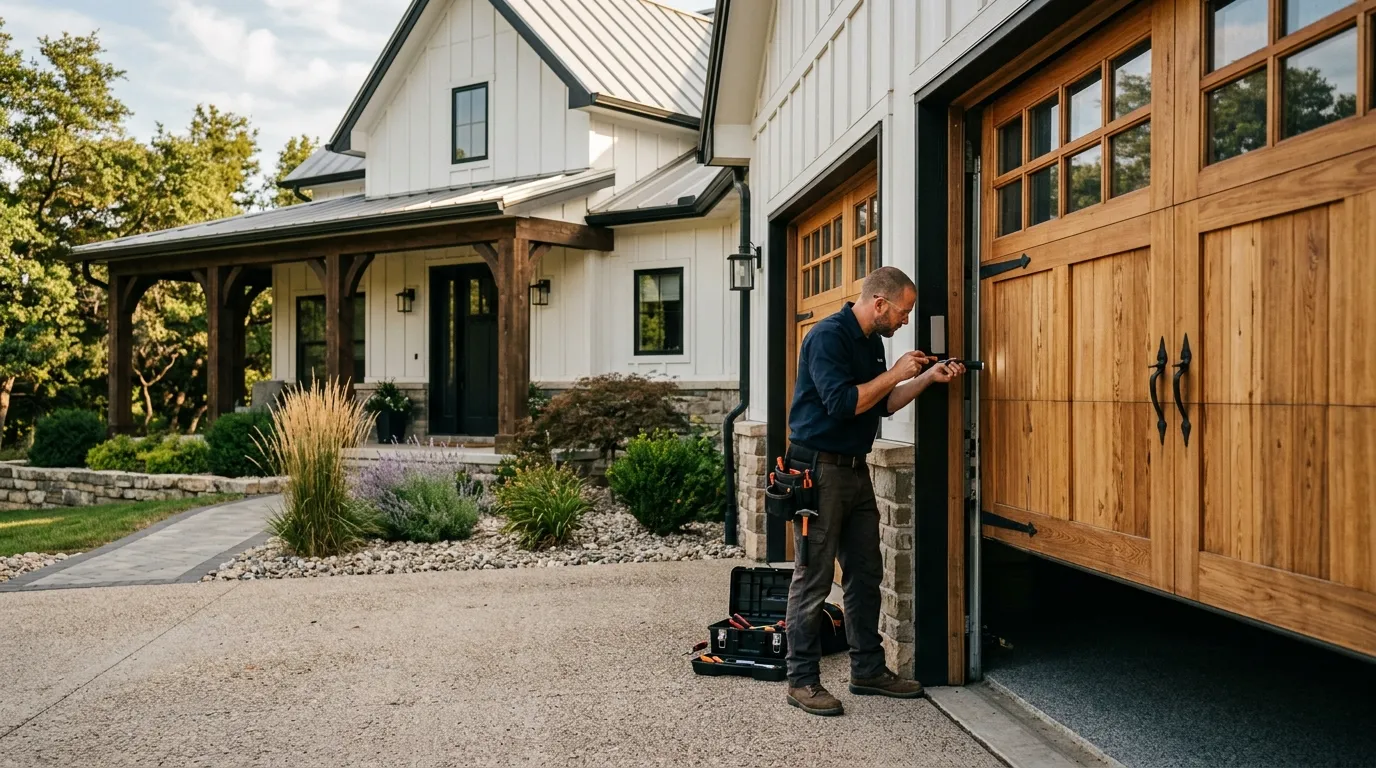
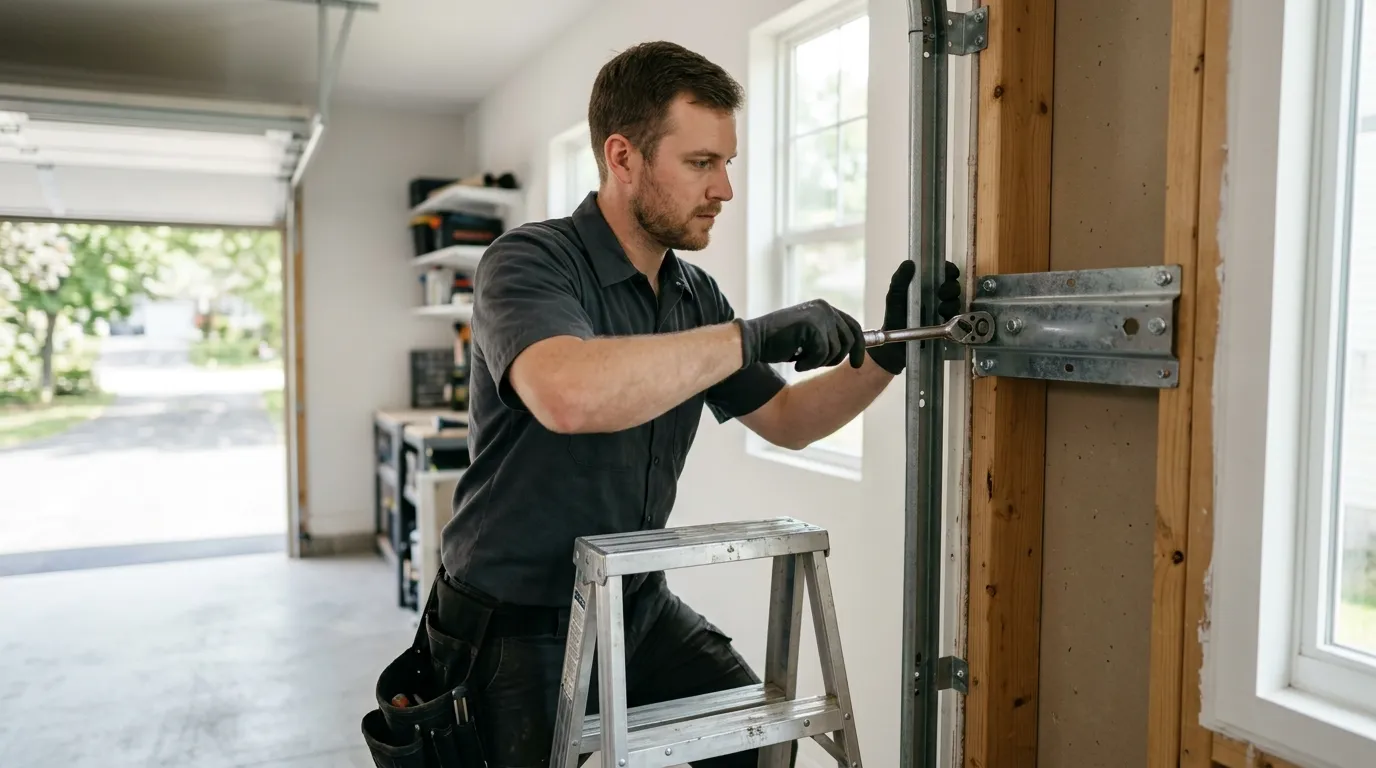
The other complication is what's already bolted to the frame. Houses from 1963 often still carry the original jamb hardware even after two or three door replacements over the decades, because whoever did the last swap reused the tracks to save a trip. That means we're frequently rebuilding jamb brackets and header supports as part of a "new door" job, not just hanging a panel. It adds a step nobody budgets for until we're standing in front of the opening. A straightforward same-size swap runs faster and cheaper than a resize, so knowing which one you actually have going in changes the estimate more than the door brand does.
Why This Fails Locally
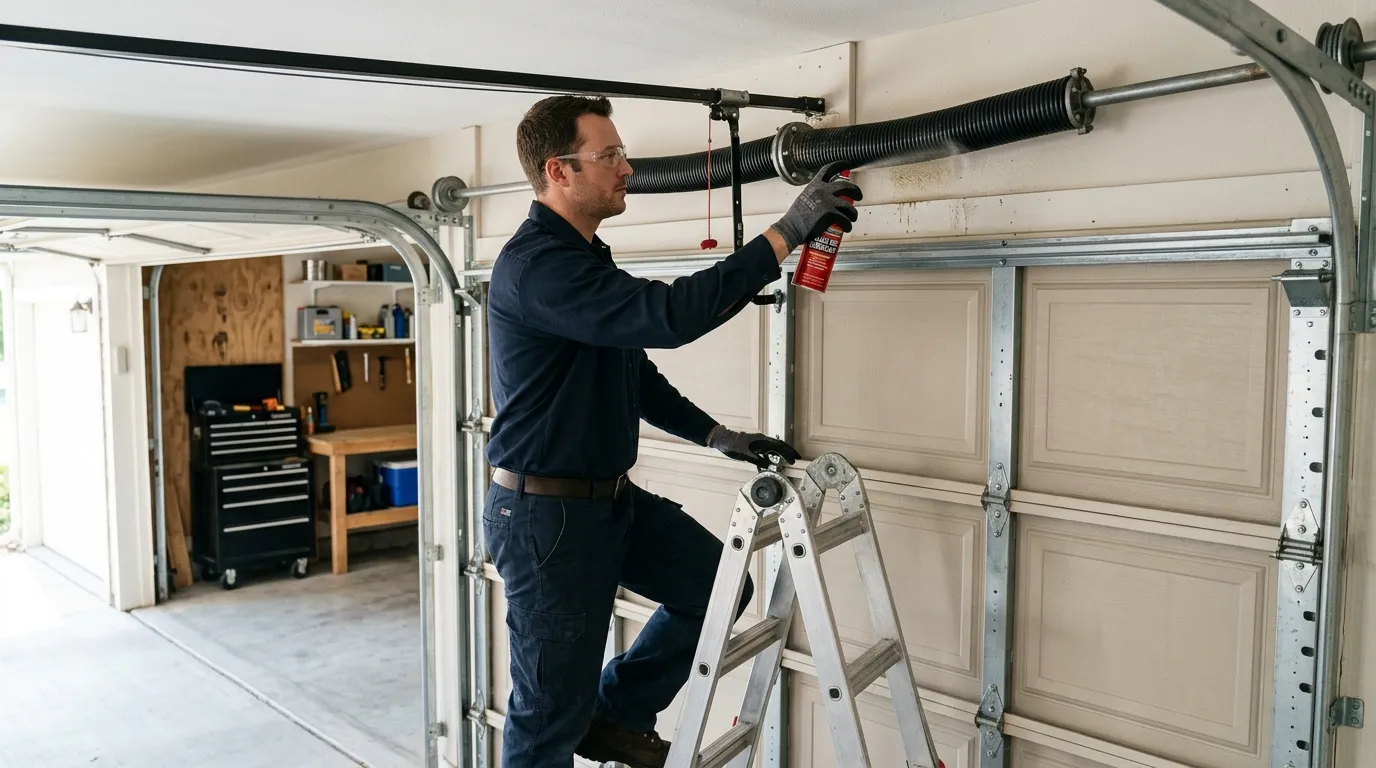
The climate here is mild, but Palos Verdes Estates sits close enough to the coast that hardware sees steady marine air even without storm weather. On a 1963-era steel door, that means the bottom panel and the roller brackets corrode from the inside out long before the door looks bad from the driveway. Owners often call about a door that "suddenly" won't open, when the spring or bracket has actually been rusting through for years.
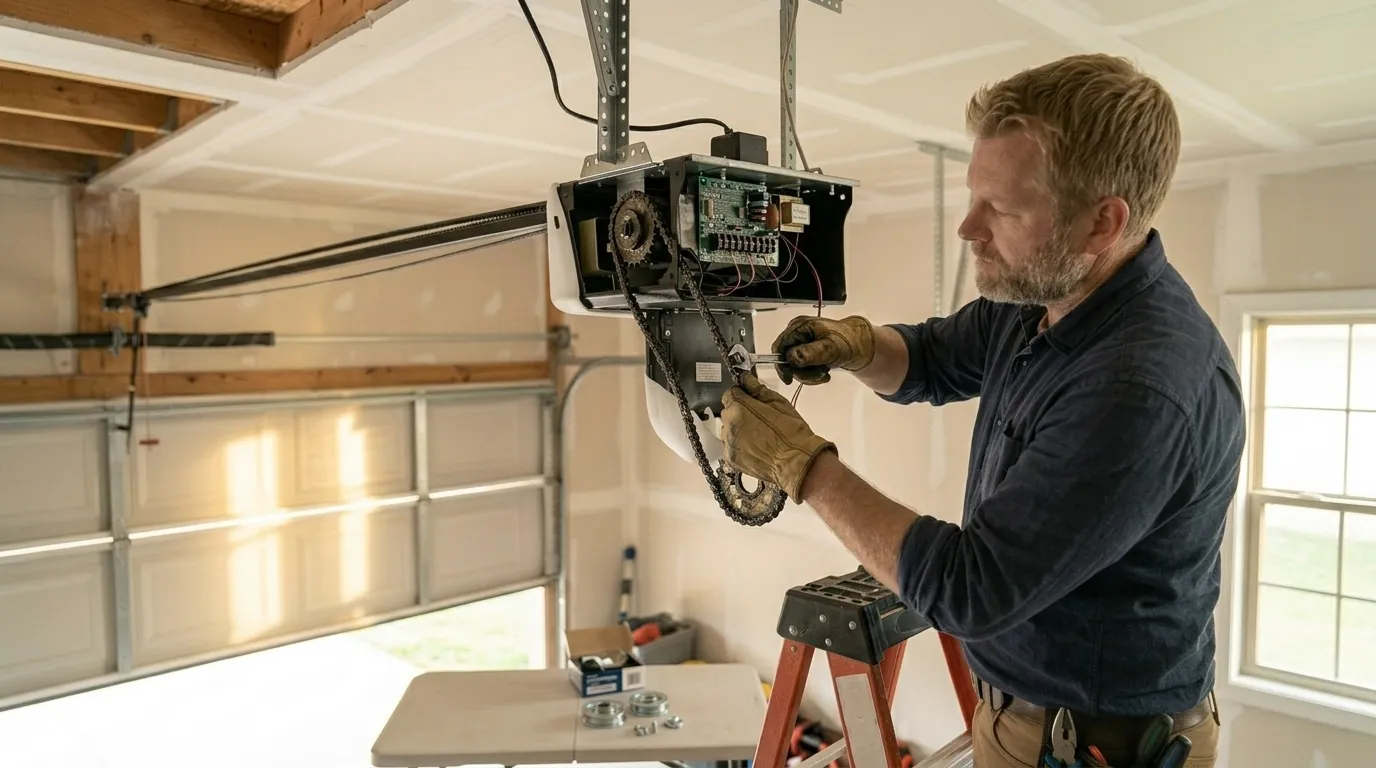
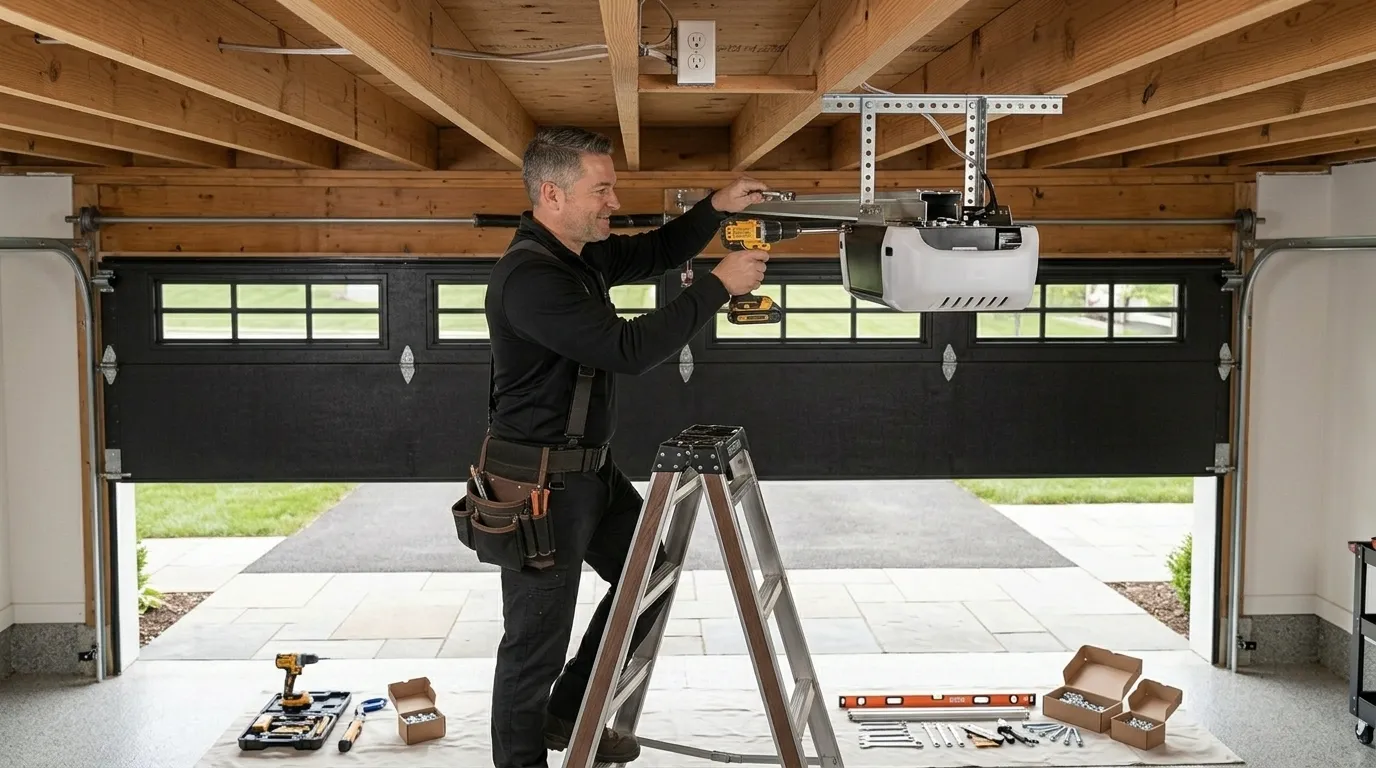
Median household income across our wider service area runs around $83,538, but homes in Palos Verdes Estates carry a median income closer to $247,500, and that shows up in what people ask for: custom widths, insulated steel or composite panels instead of stock aluminum, and openers rated for heavier doors. A generic big-box door sized for a tract home doesn't fit an opening built to older, non-standard dimensions, and it won't carry the weight of the heavier panel most owners here choose. We spec the opener to the door, not the other way around, which is the detail that gets skipped on rush jobs.
Getting It Booked In
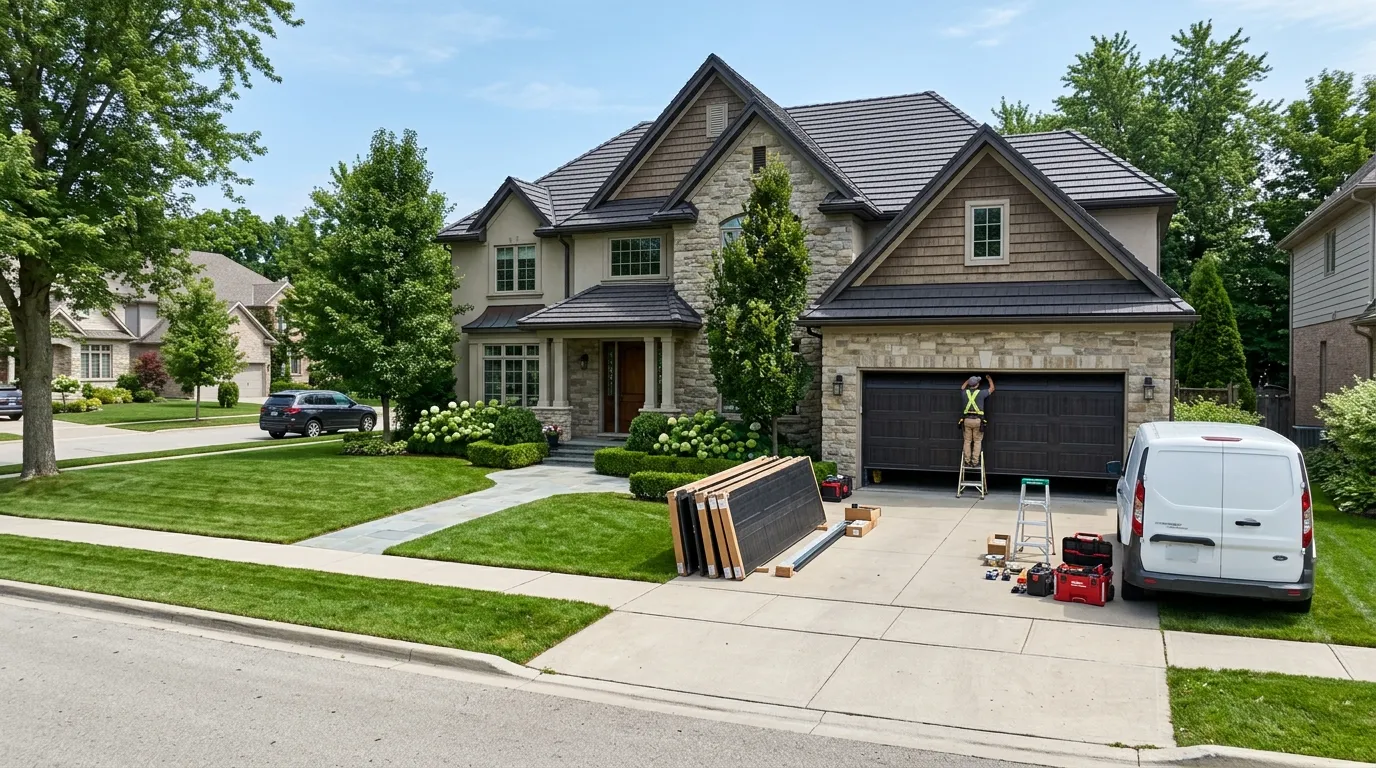
We run installs in Palos Verdes Estates out of Santa Monica, about 17 miles away, so this isn't a same-morning add-on job - it's scheduled as its own trip. That's worth knowing up front: if you need a firm date, book it rather than calling and expecting someone on-site within the hour.
Because a lot of homes here need custom-width panels rather than stock sizes, lead time on the door itself is often the longer part of the wait, not our drive. We measure the opening first, order to that measurement, and schedule the install once the door is in hand - that keeps us from making two trips for one job. If your opening turns out to be a standard sectional width, we can usually move faster since we're not waiting on a special order.
How It Shows Up
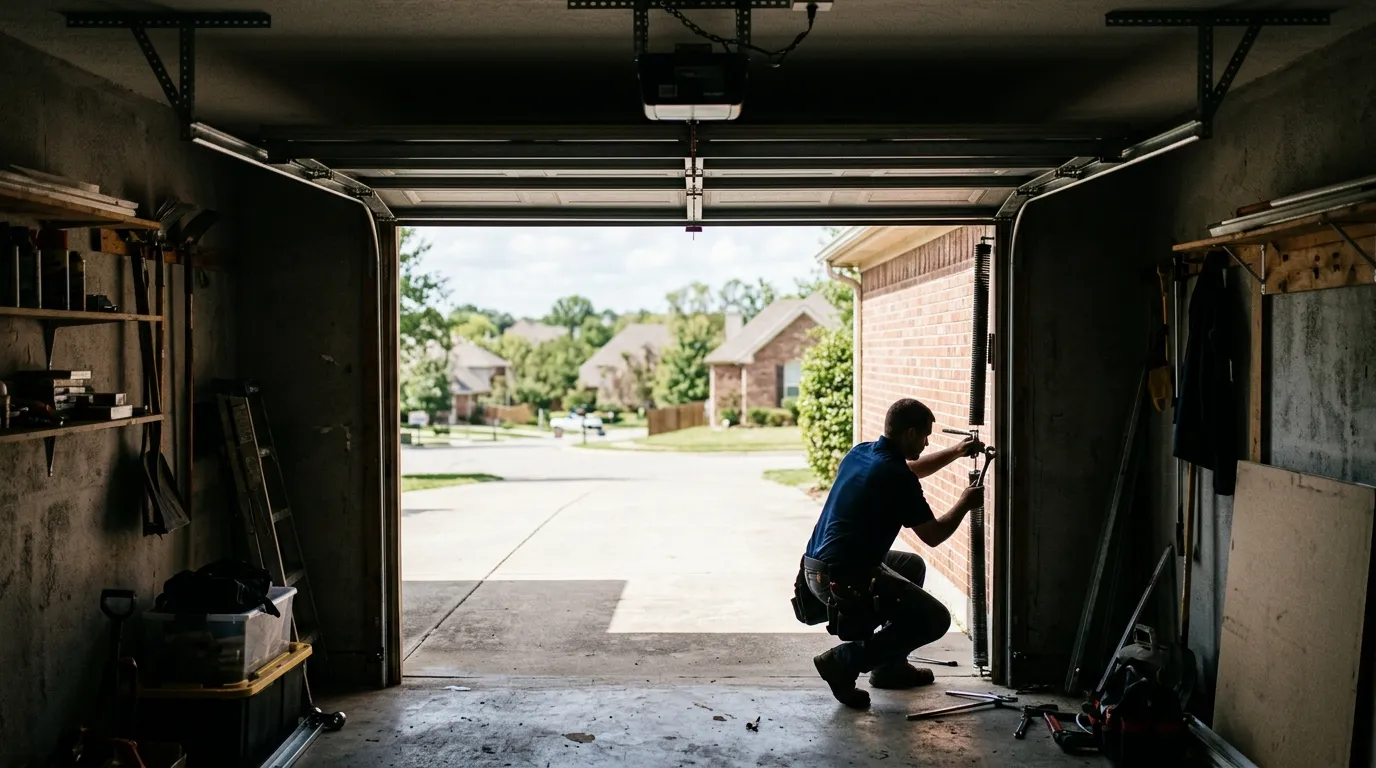
The most common call from this area is a door that's gotten noticeably heavier to lift by hand, or an opener that strains and reverses partway up. On a 1963-built house, that's almost always a spring that's outlived its cycle count, not a motor problem - but if the door itself is warped, delaminating at the seams, or the panels no longer sit flush in the track, that's past the point where a spring swap fixes it and a full replacement is the honest answer.
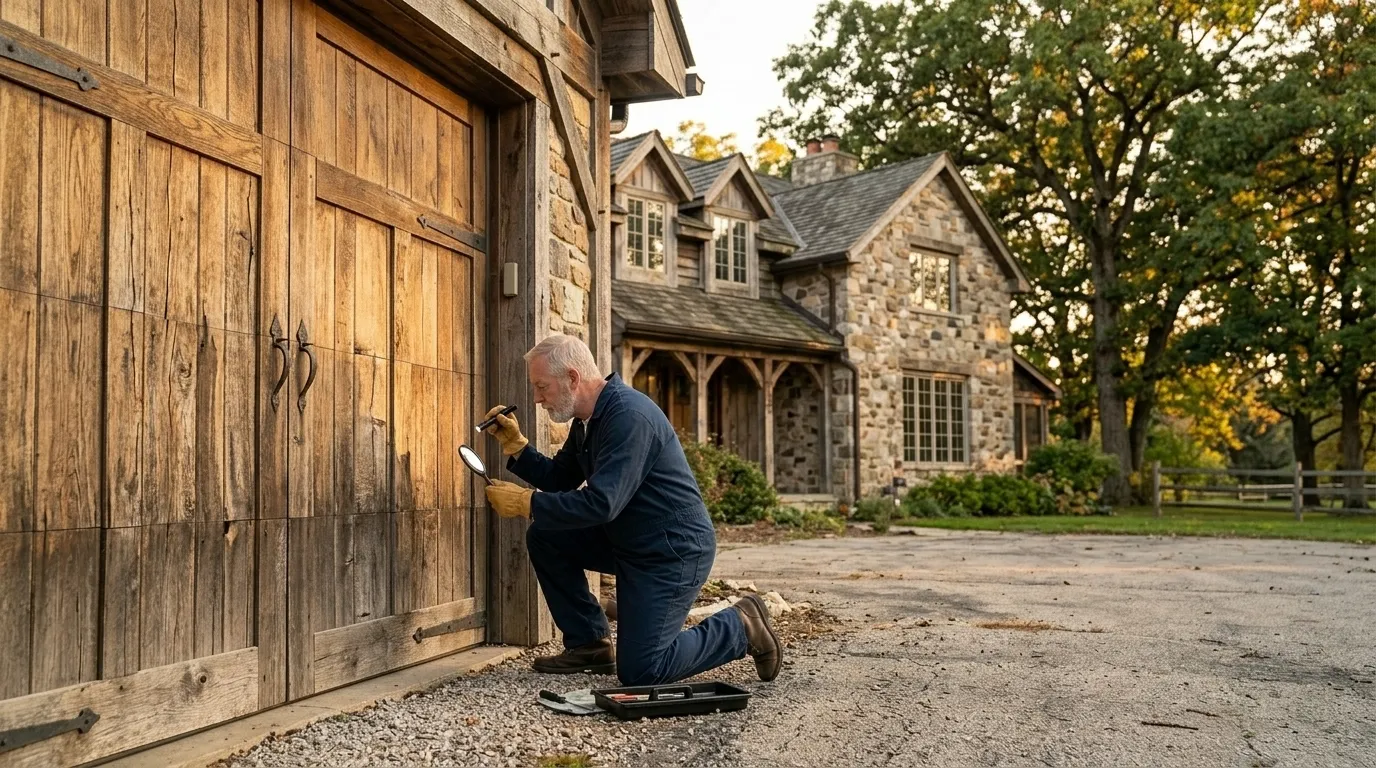
Bowing along the bottom panel, especially near the corners, is another sign specific to older steel doors that have taken decades of marine air. Rust doesn't always show on the face; it starts at the seams and brackets. If you're seeing daylight at the corners when the door is closed, or the door drags unevenly on one track, that's hardware failure working from the inside, and it's usually cheaper to replace the door now than to keep patching a frame that isn't square anymore.
How it works
From “it’s stuck” to “it’s fixed”
01
Tell us what’s wrong
Describe the symptom - won’t open, loud bang, opener runs but the door won’t move.
02
On-site diagnosis
A technician tests the door under power and by hand and finds what actually failed.
03
Clear, up-front plan
You get the fix that’s needed and what drives the cost - before any work starts.
04
Repaired & tested
The repair is done, the door is set true and tested, and the work area left clean.
Serving Santa Monica, CA - tell us what your door’s doing and we’ll take it from there.
Straight answers about garage door repair in Santa Monica. Still unsure? Ask us directly.
How long does a new garage door install take once you're on site in Palos Verdes Estates?
We don't have a standard time figure to give you here since it depends heavily on whether the opening is a stock sectional width or needs a custom panel, which is common in homes built around 1963. A same-size swap on standard hardware is a faster job than a resize with jamb rebuild.
Do you keep custom-width doors in stock for older homes here?
No - custom widths are special-order, not something we carry on the truck. We measure your opening first, order the panel to that size, and schedule the install once it's in hand. If your opening is a standard sectional width, we can move faster since there's no order to wait on.
Will a standard big-box garage door fit my house?
Not always. A lot of Palos Verdes Estates homes date to 1963, when openings weren't framed to today's standard sectional widths. We measure before quoting anything, because a stock door that doesn't match the frame either doesn't fit or needs rebuild work that changes the price.
Is it cheaper to repair my old door instead of replacing it?
Sometimes. If the spring or a bracket has failed but the panels are square and not corroded through, a repair is the cheaper route. If the panel is warped, delaminating, or rusted at the seams from years of coastal air, replacement usually costs less over time than repeated patch repairs.