
Why This Fails Locally
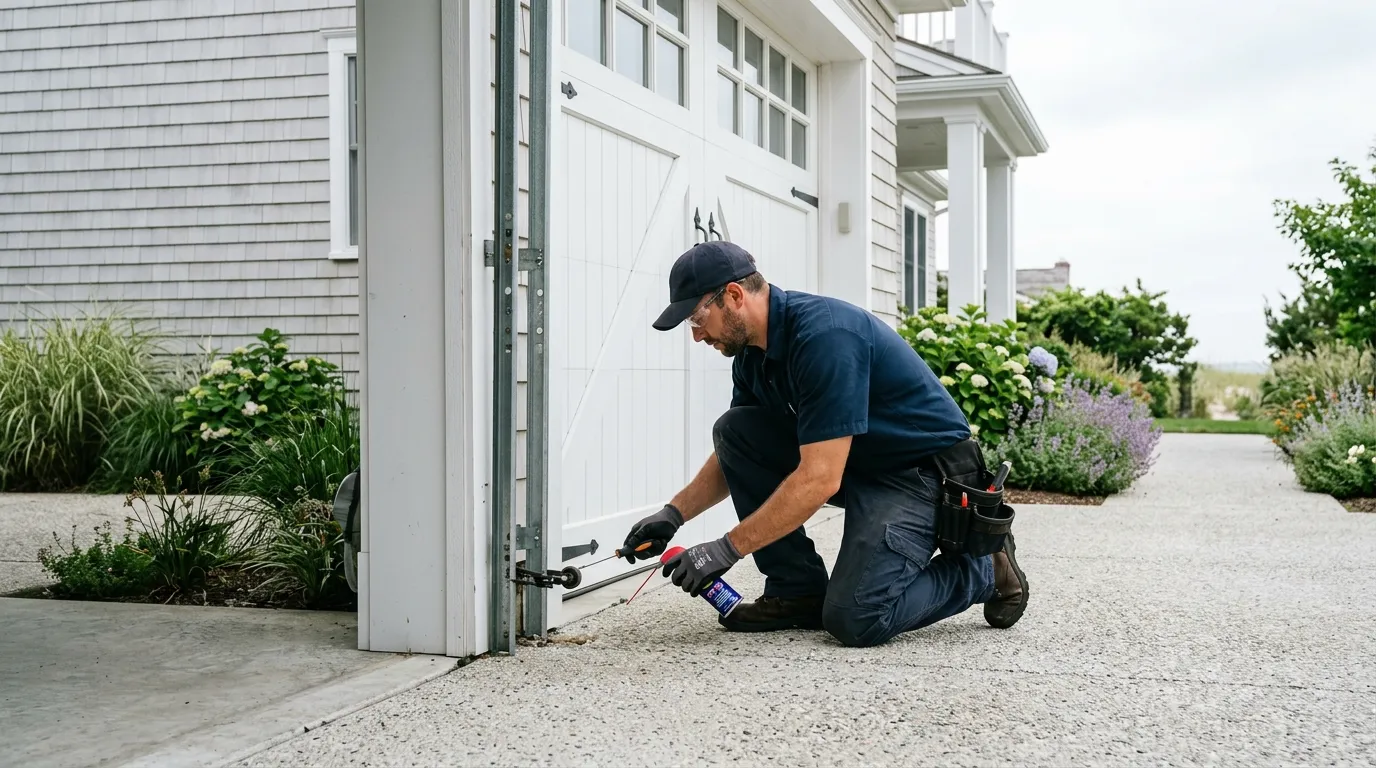
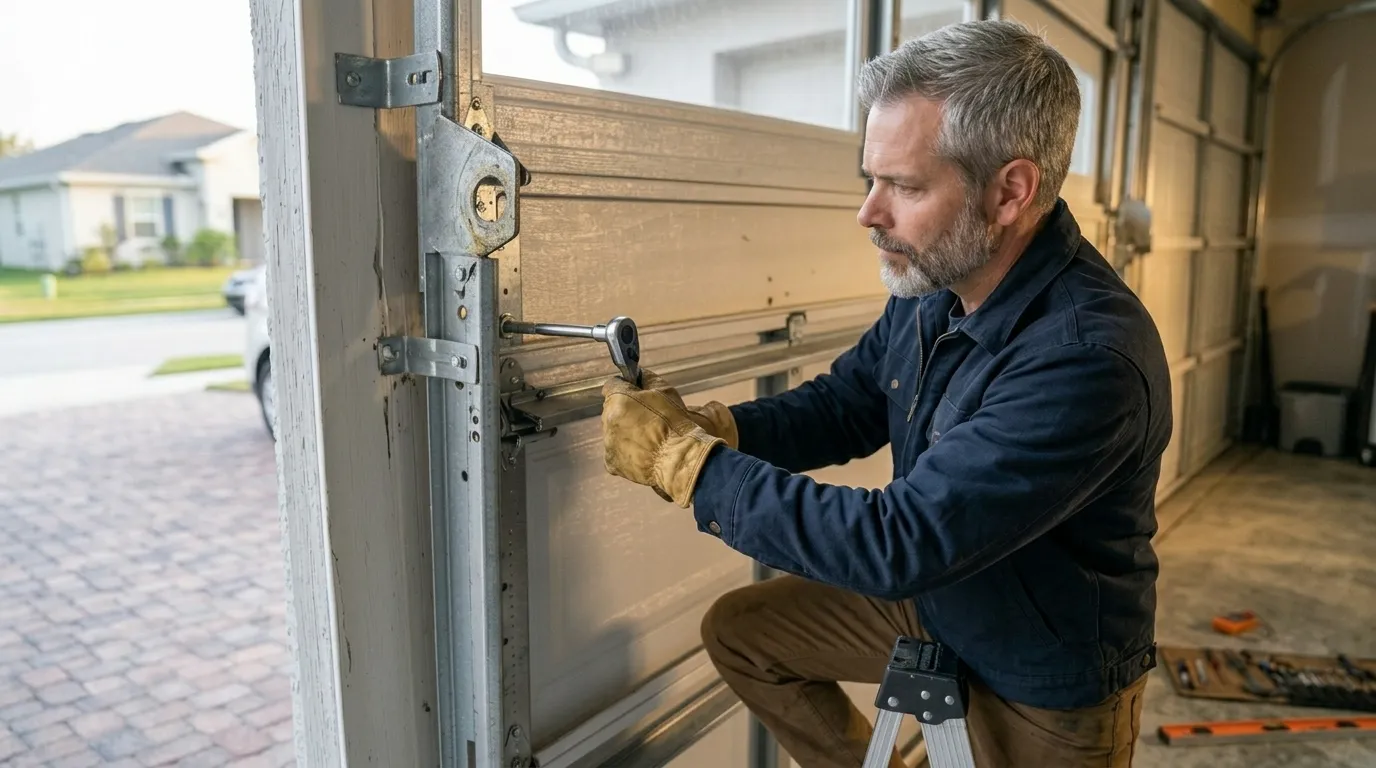
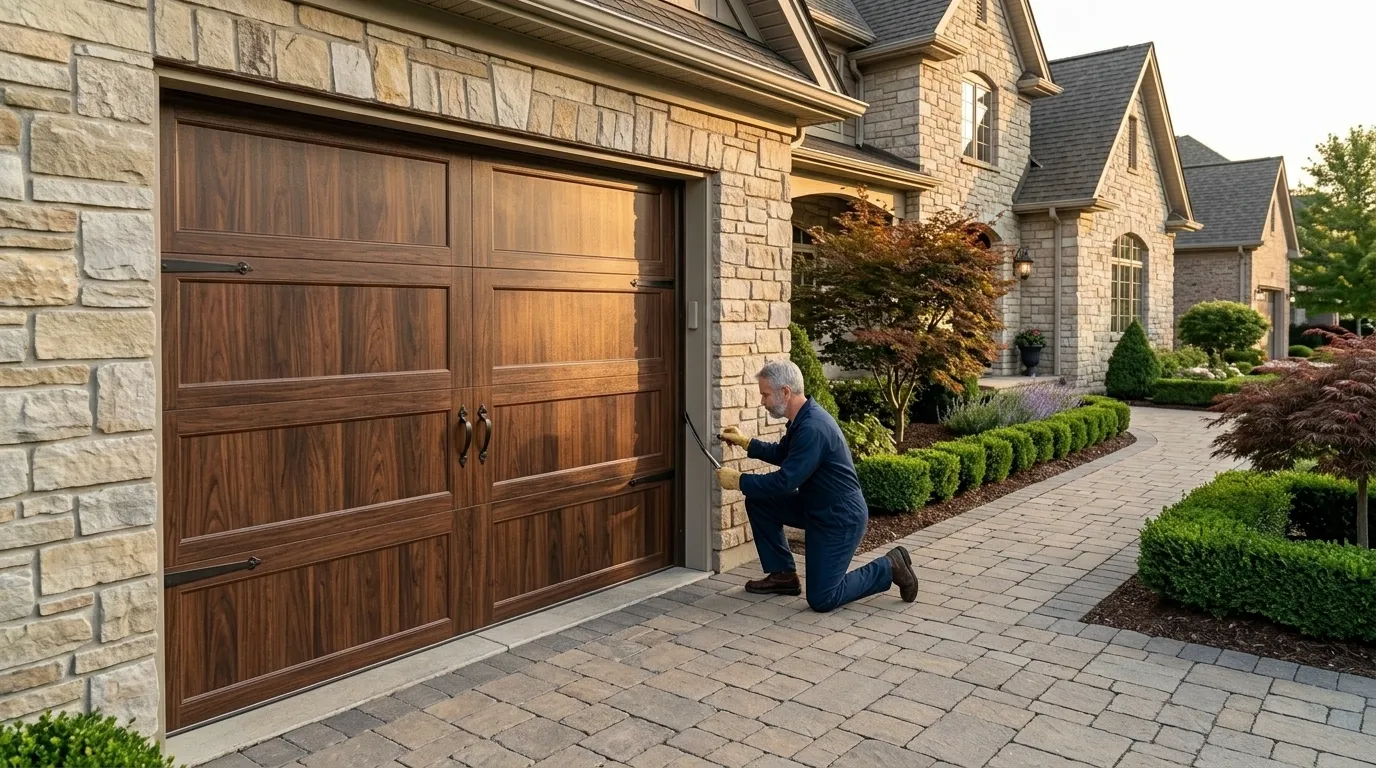
A steel roller on an open bearing needs periodic lubrication to keep from grinding itself down. Original 1963-era doors were never fitted with anything sealed, so if a homeowner or a previous owner skipped the maintenance, that bearing has been running dry for years. Add the mild coastal climate this area sits in - no deep freeze, no extreme heat cycling - and you'd expect that hardware to last. It does mechanically, but it doesn't lubricate itself, and that's the piece that gets missed on original steel rollers specifically.
With a median household income near $247,500 in this neighborhood, most owners we talk to don't want a patch job. When we're out here, the conversation usually skips straight to nylon rollers with sealed bearings - quieter, no lubrication schedule, and they don't wear the track the way an old steel wheel does once its bearing goes. That's a fair trade for a door that's original to a 1963 build and has never had the rollers touched.
Getting It Booked In
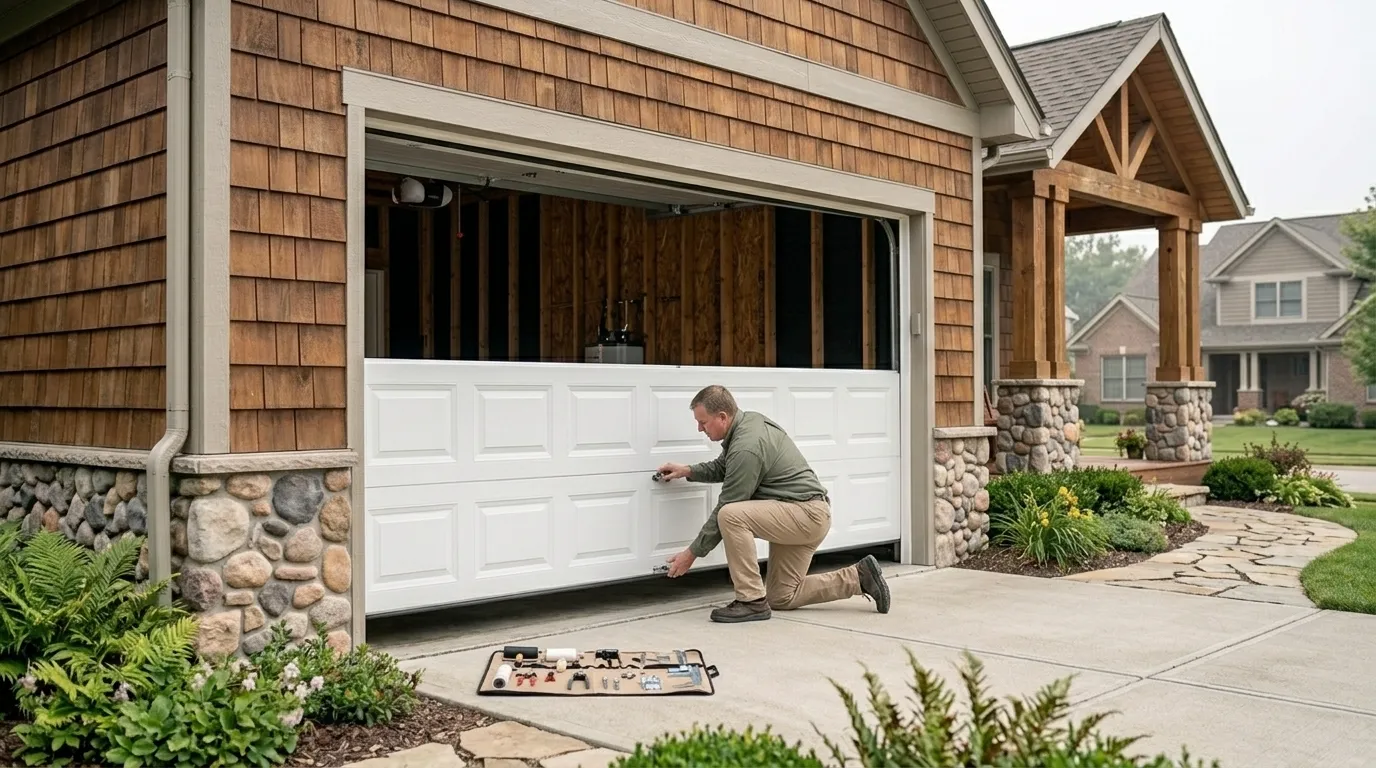
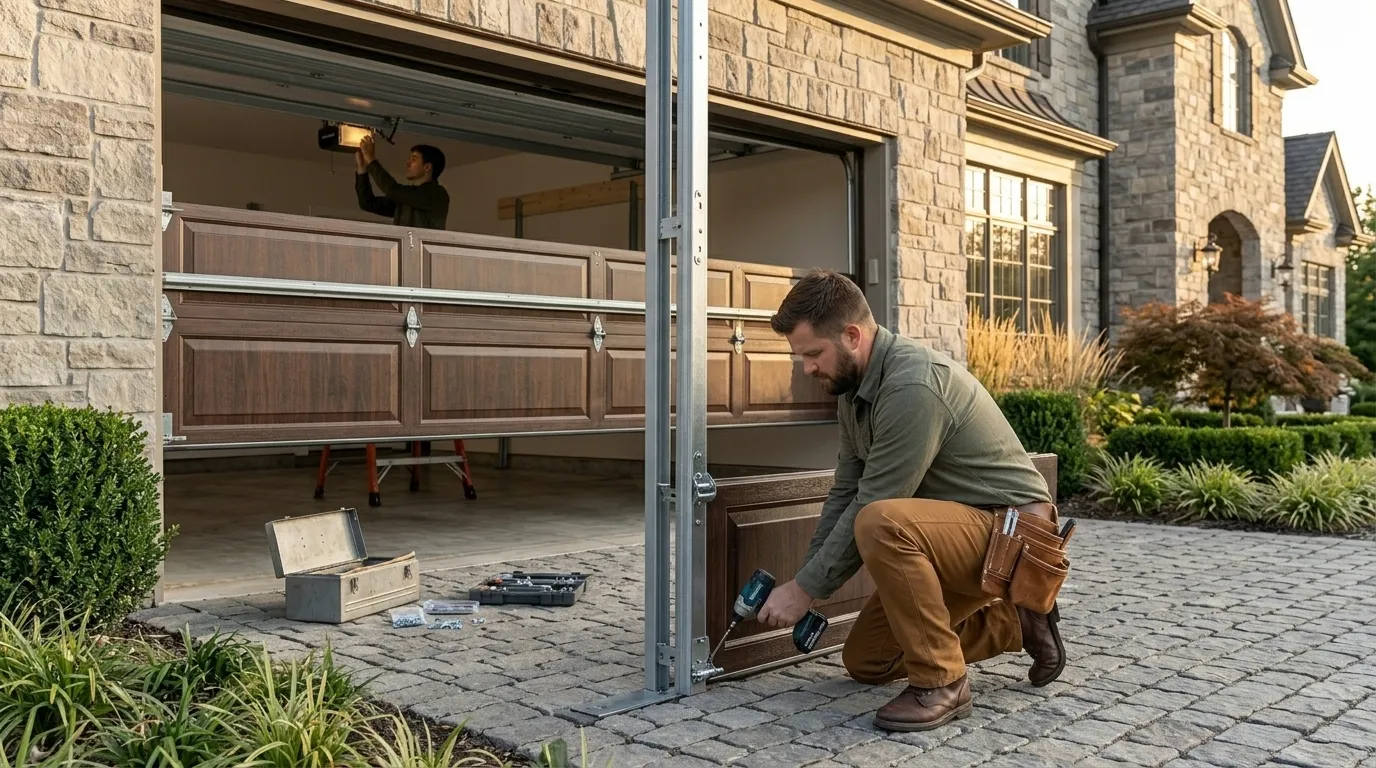
We run out of Santa Monica, and Palos Verdes Estates sits about 17 miles from there. That distance doesn't change what the job costs once we're on site, but it does mean we schedule roller work here as a single, complete visit - full roller set, track cleaned and checked, done in one stop rather than a diagnose-now-return-later split trip. If you've already noticed the grinding, tell us that on the call; it usually means the bearing has already started spalling and we'll bring a full roller kit rather than assuming it's just one wheel.
One honest limit: if the track itself is bent from a roller that jammed and got forced through anyway, roller replacement alone won't fix the door. That's a track repair on top of the rollers, and we'll tell you straight if that's what we're looking at before we start, not after.