
How We Fix It
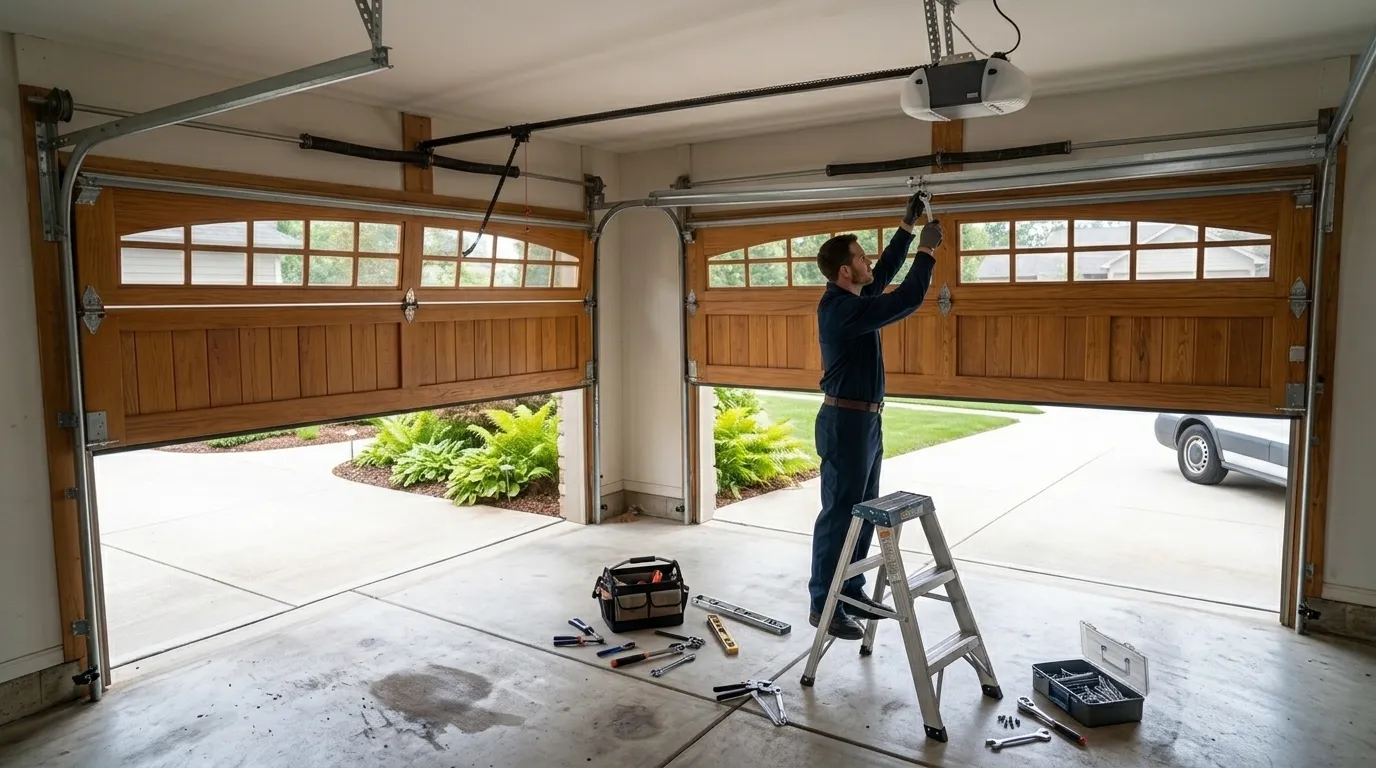
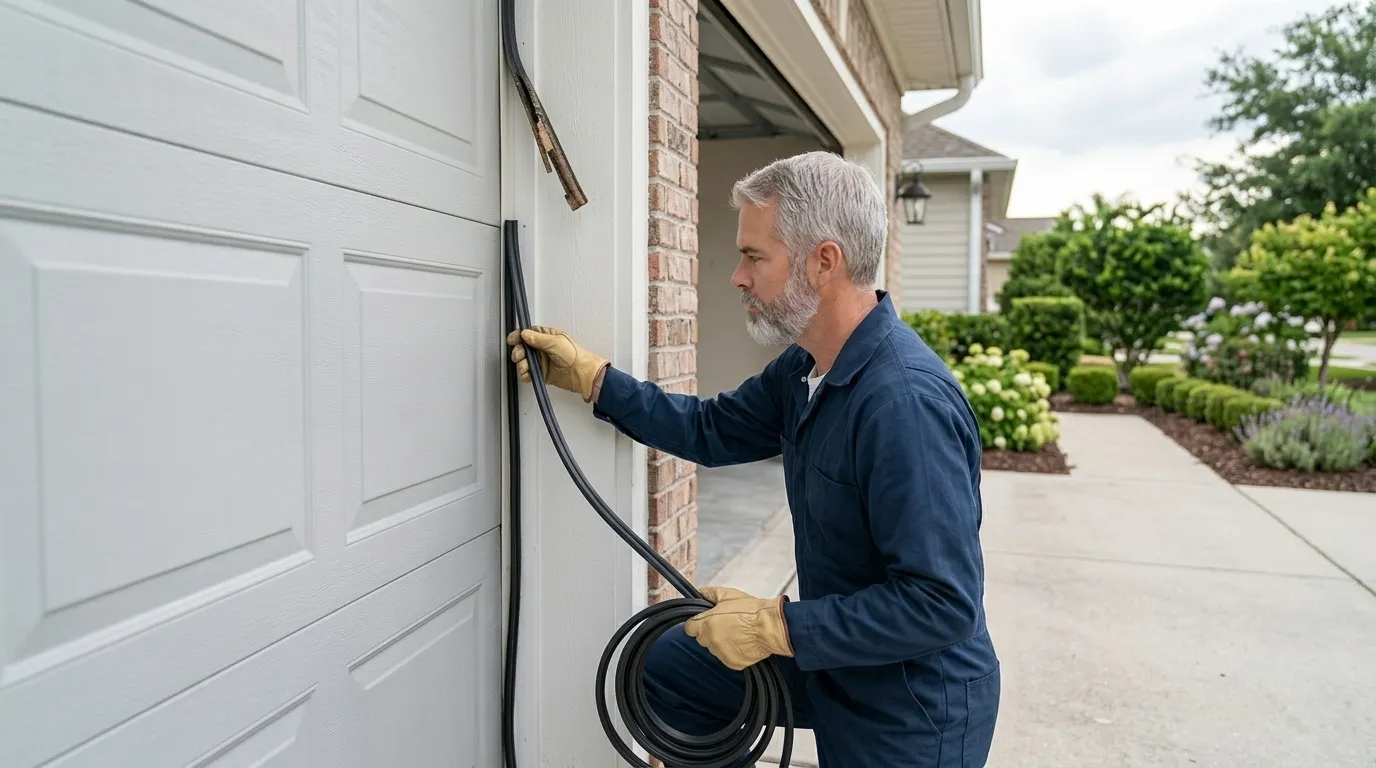
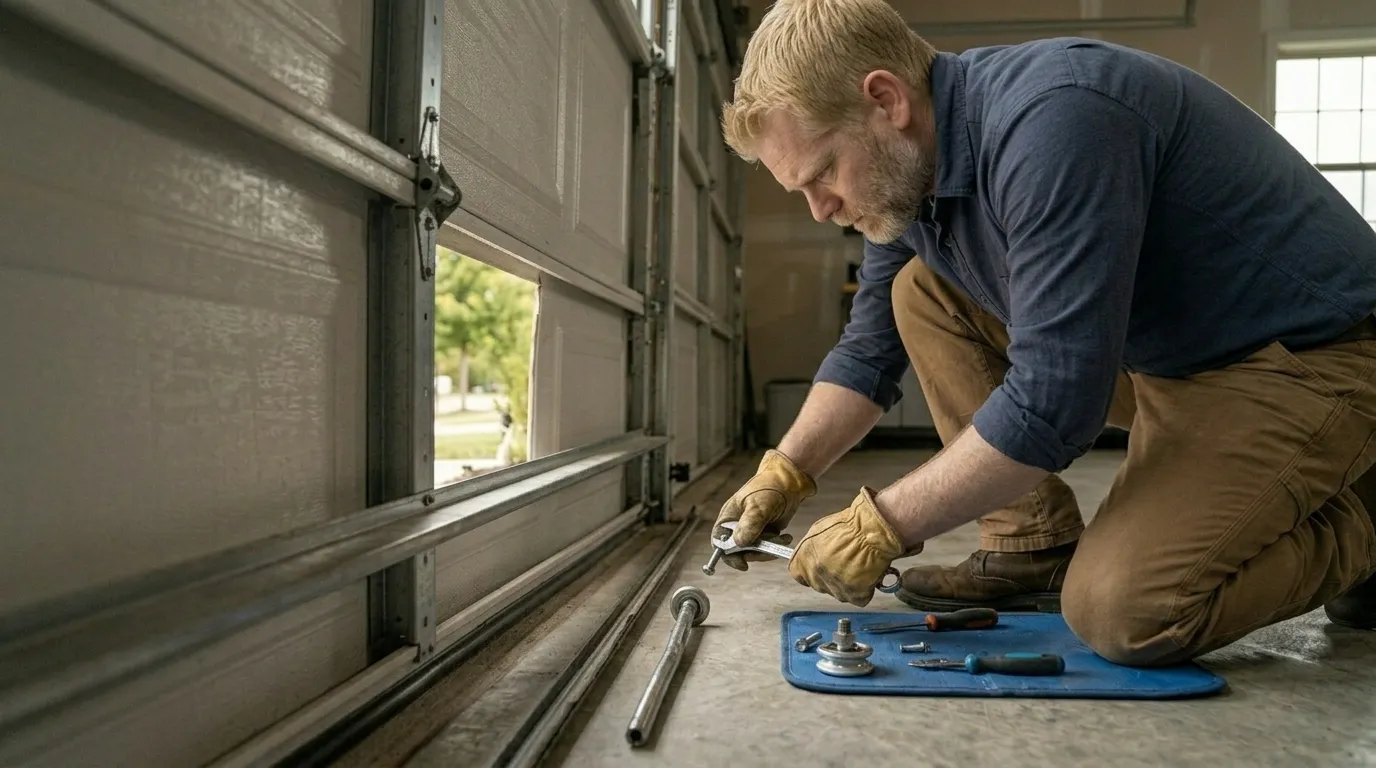
We replace both cables as a pair, not just the one that broke. On a door this age, if one cable is worn enough to snap, the other has usually put in the same years of the same stress and isn't far behind it. Running odd cable lengths, one old and one new, throws the drum tension off and shortens the life of the new side.
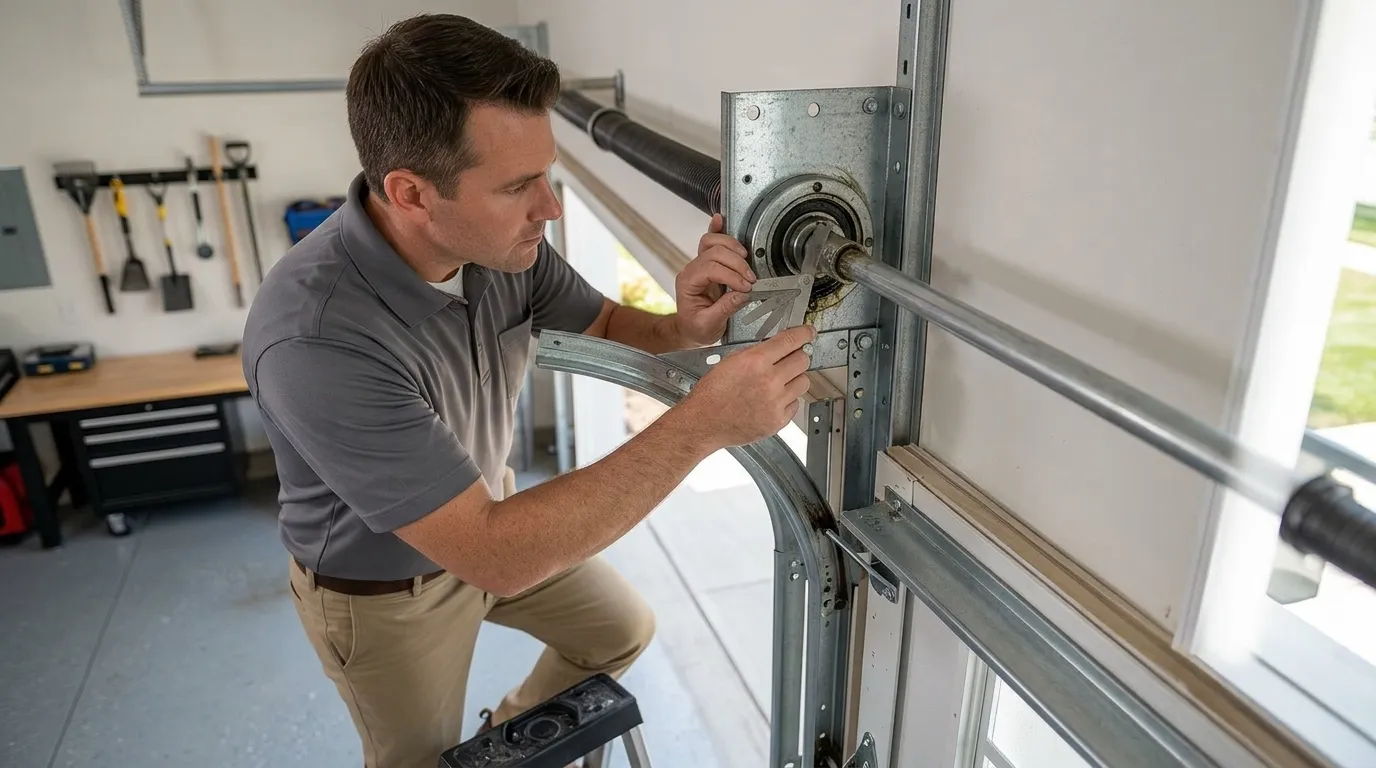
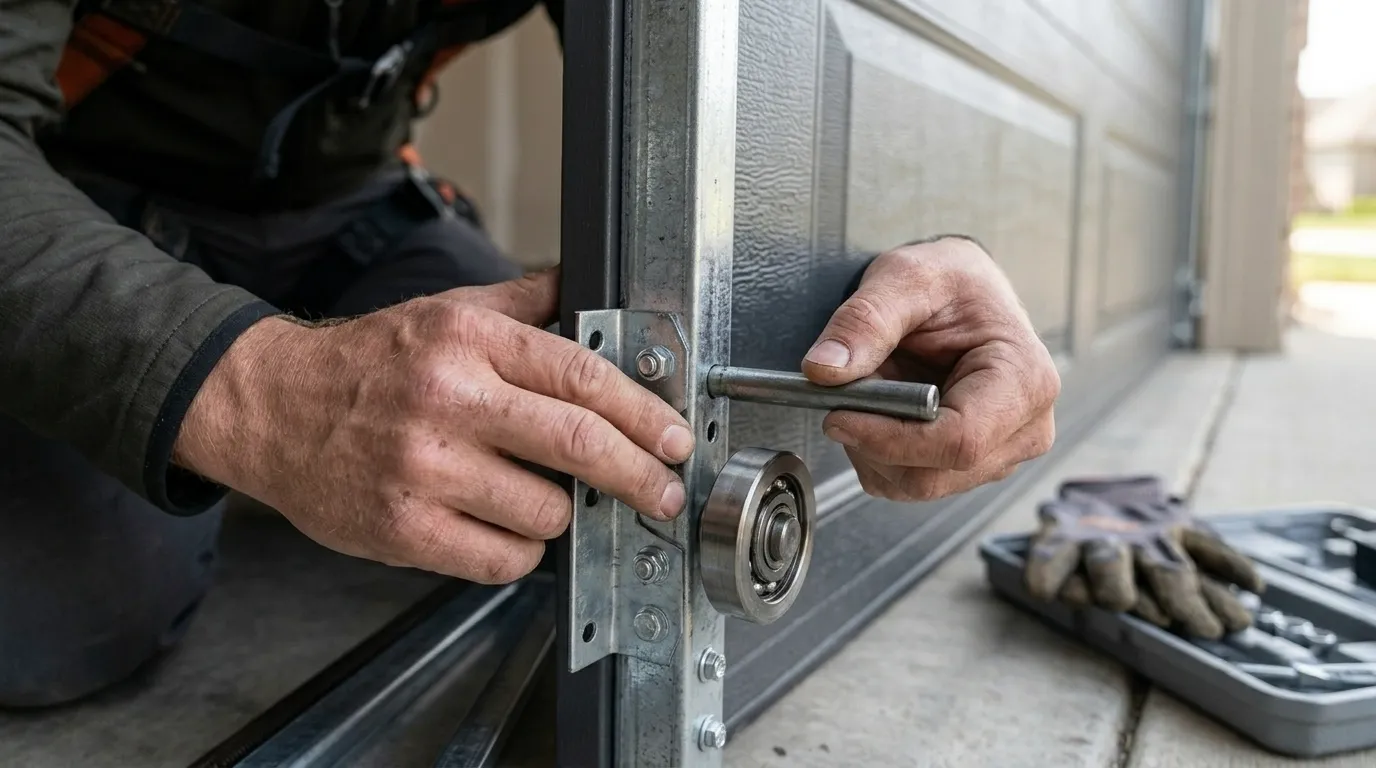
We check the drum grooves before we run new cable through them. If a drum's worn to the point the cable won't seat evenly, replacing just the cable is a temporary fix, and we'll tell you that instead of billing you twice. We also check the track alignment on the side that dropped, since a door with a snapped cable often sags and rubs the track before anyone notices.
What we don't do on this visit is rebuild an opener that's been straining against a jammed door for weeks. If the motor's been fighting a stuck door long enough to burn out, that's a separate conversation, and we'll say so rather than quote a cable fix that won't solve your actual problem.
The Cost of This Job
We don't have a fixed number in front of us for this page, and quoting one without seeing the door and drum condition wouldn't be honest. What we can tell you is what drives the cost up or down on a house from this era: whether it's a cable-only job or a drum replacement, whether the track needs straightening, and whether it's a single or double door, since double doors carry more weight per cable.
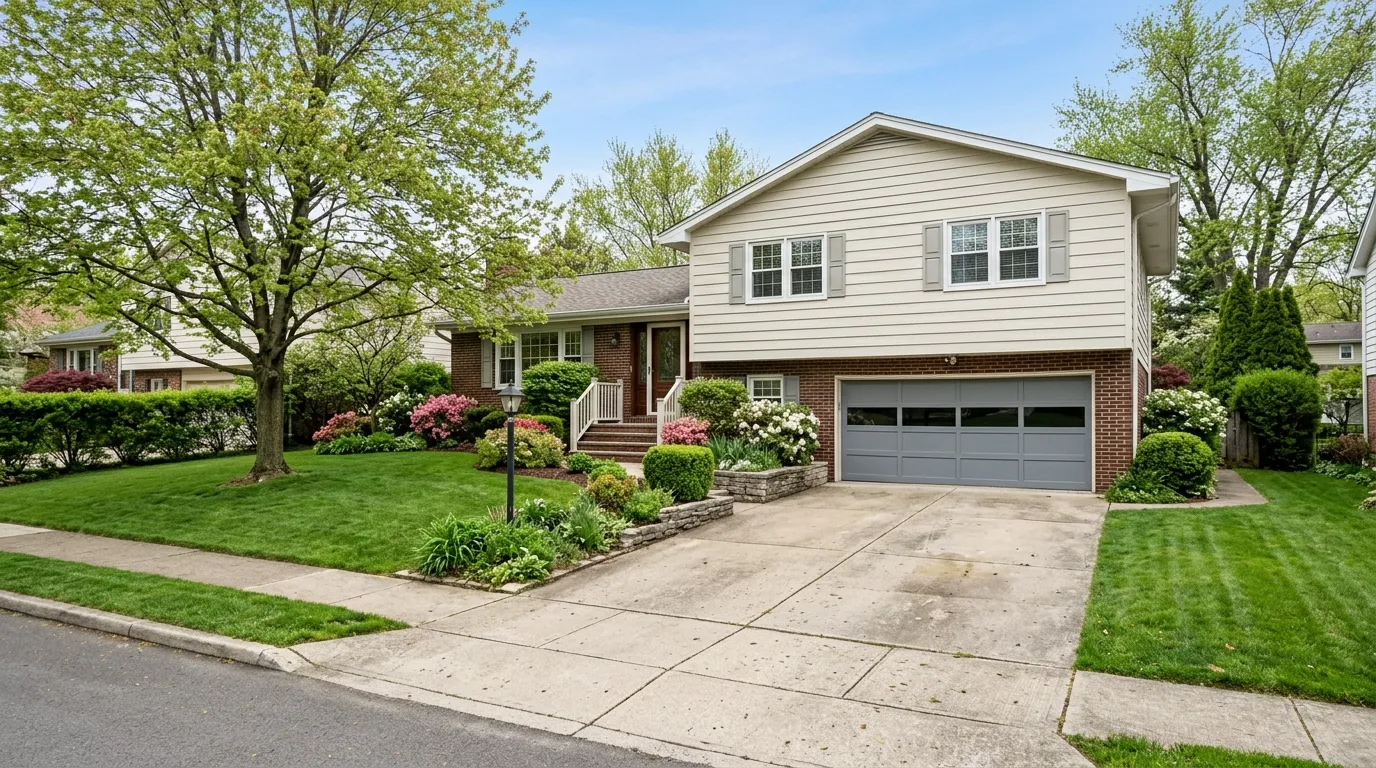
Compton's median household income runs $74,270, and most jobs we quote here land in the range of a straightforward repair rather than a full door swap, simply because the doors themselves are simpler than newer multi-panel insulated units. That keeps parts cost down even when labor doesn't change.
How It Shows Up
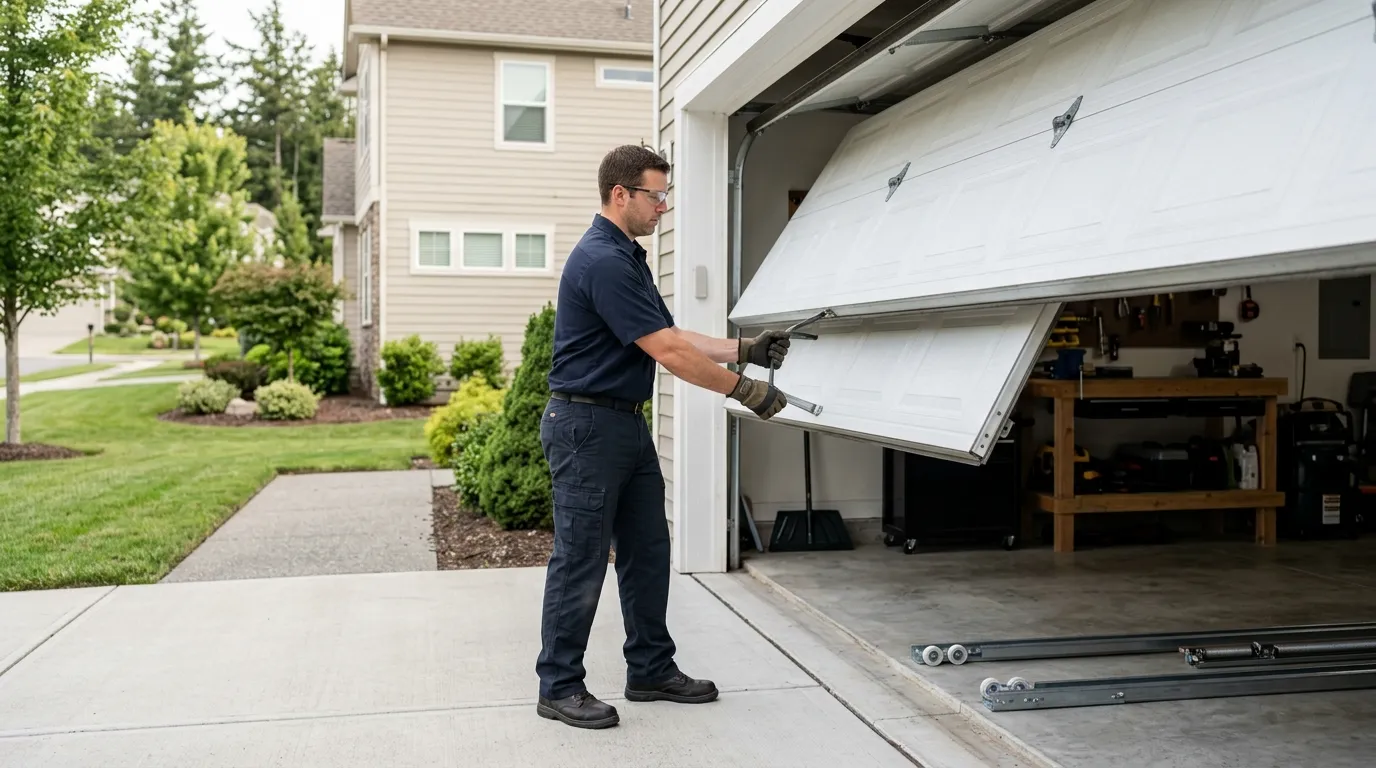
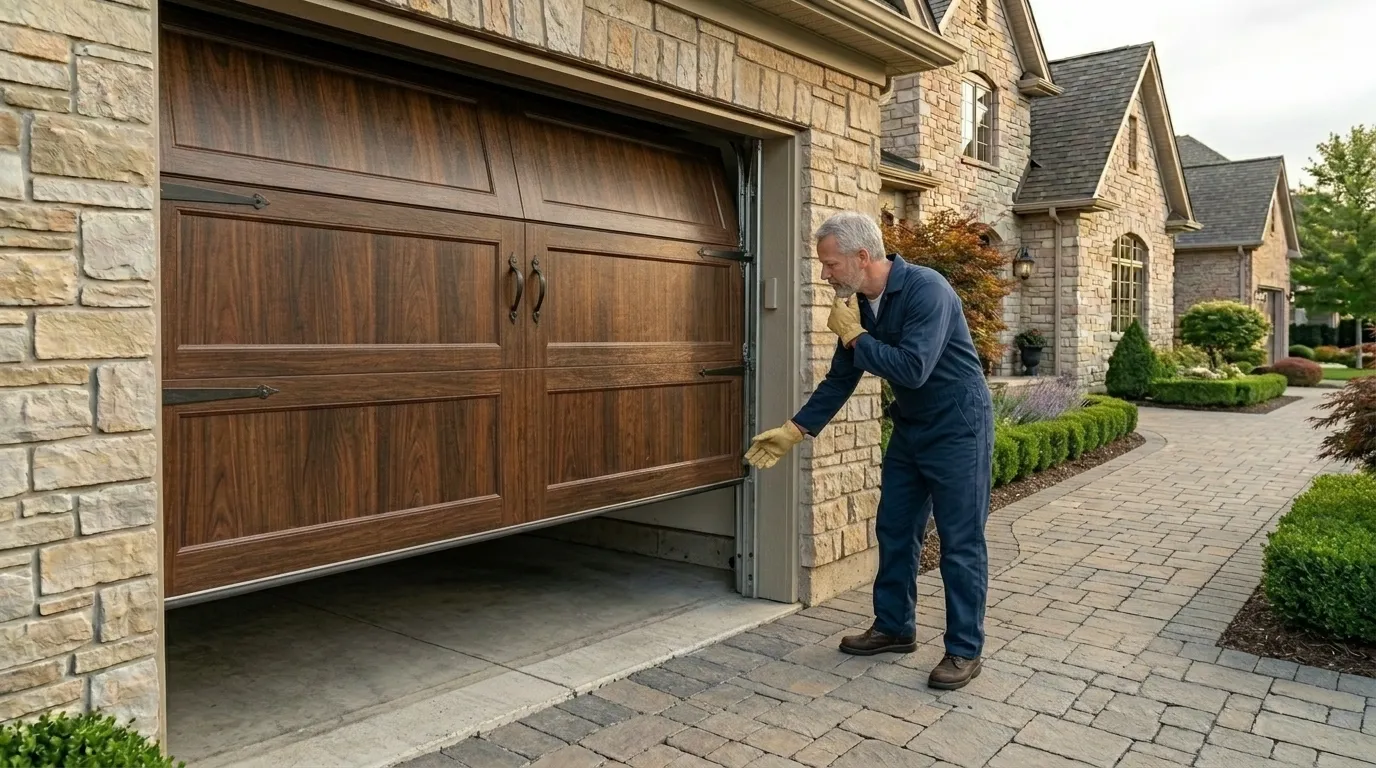
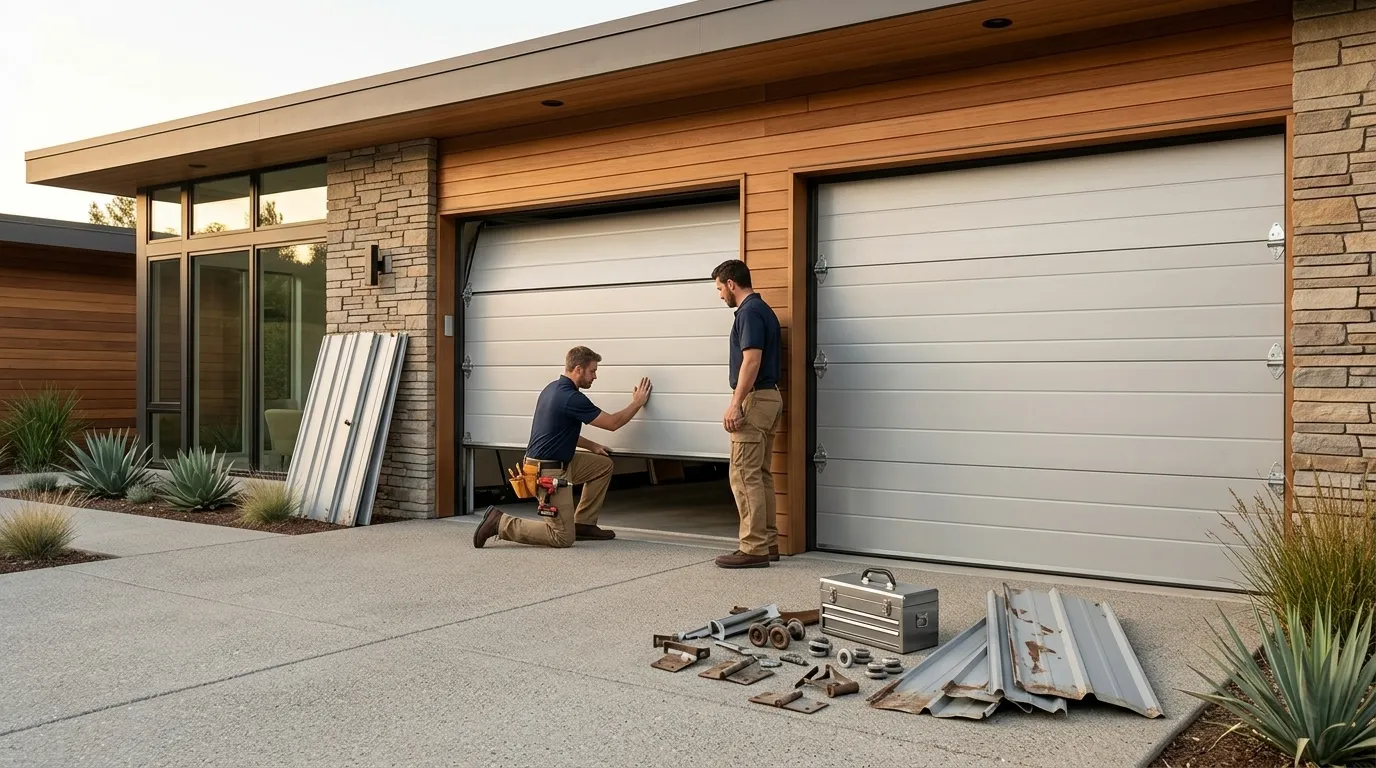
A broken cable on one of these older Compton doors usually looks like the door hanging crooked, dropped several inches lower on one side than the other, sometimes with the bottom corner touching the ground while the opposite side still sits up in the track. You might hear a loud pop or snap right before it happens, especially if the door was already moving. The opener often keeps running for a second or two after the cable lets go, grinding against resistance it can't overcome, which is worth shutting off at the wall before it strains the motor further. If the door was already sagging before the cable went, that's usually the drum grooves wearing unevenly, a slower failure that gives some warning if you catch a door that's been sticking or closing slower than it used to.