How We Fix It
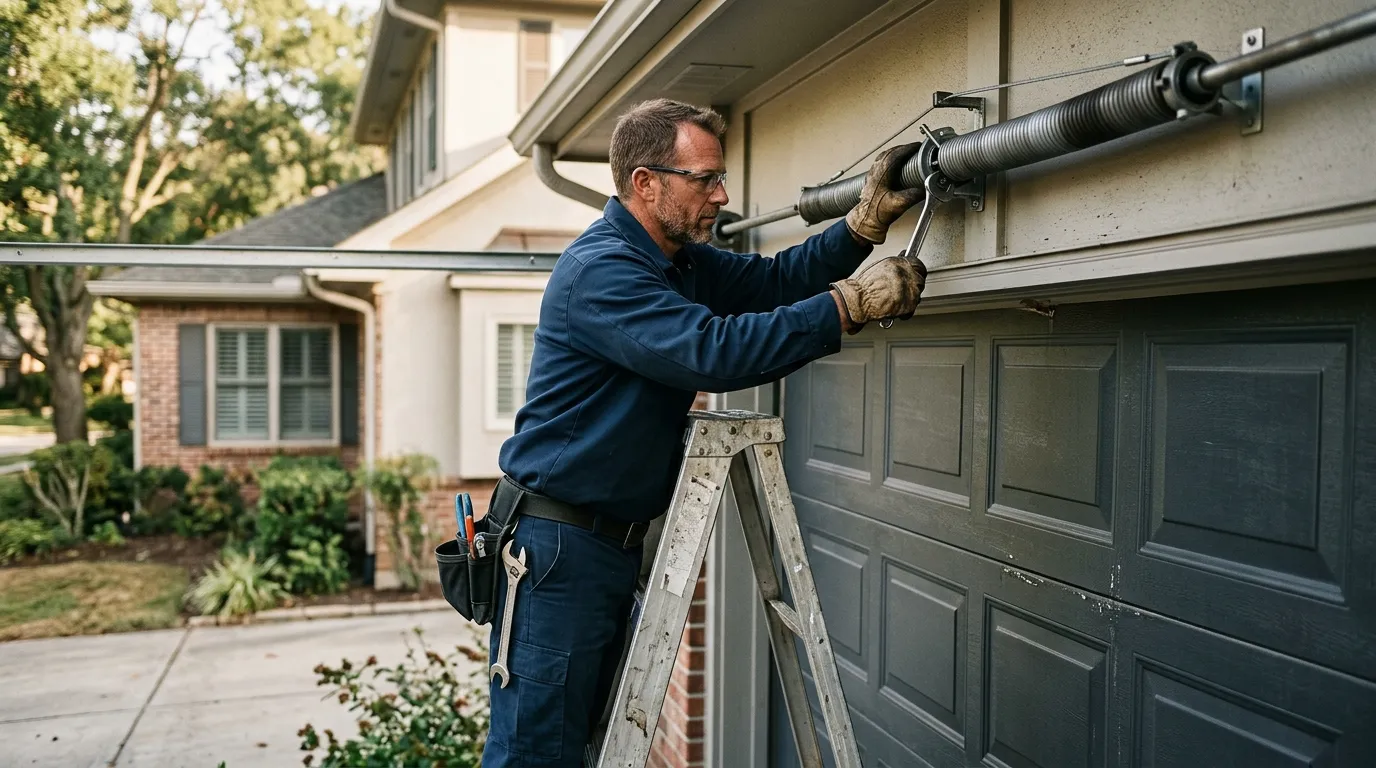
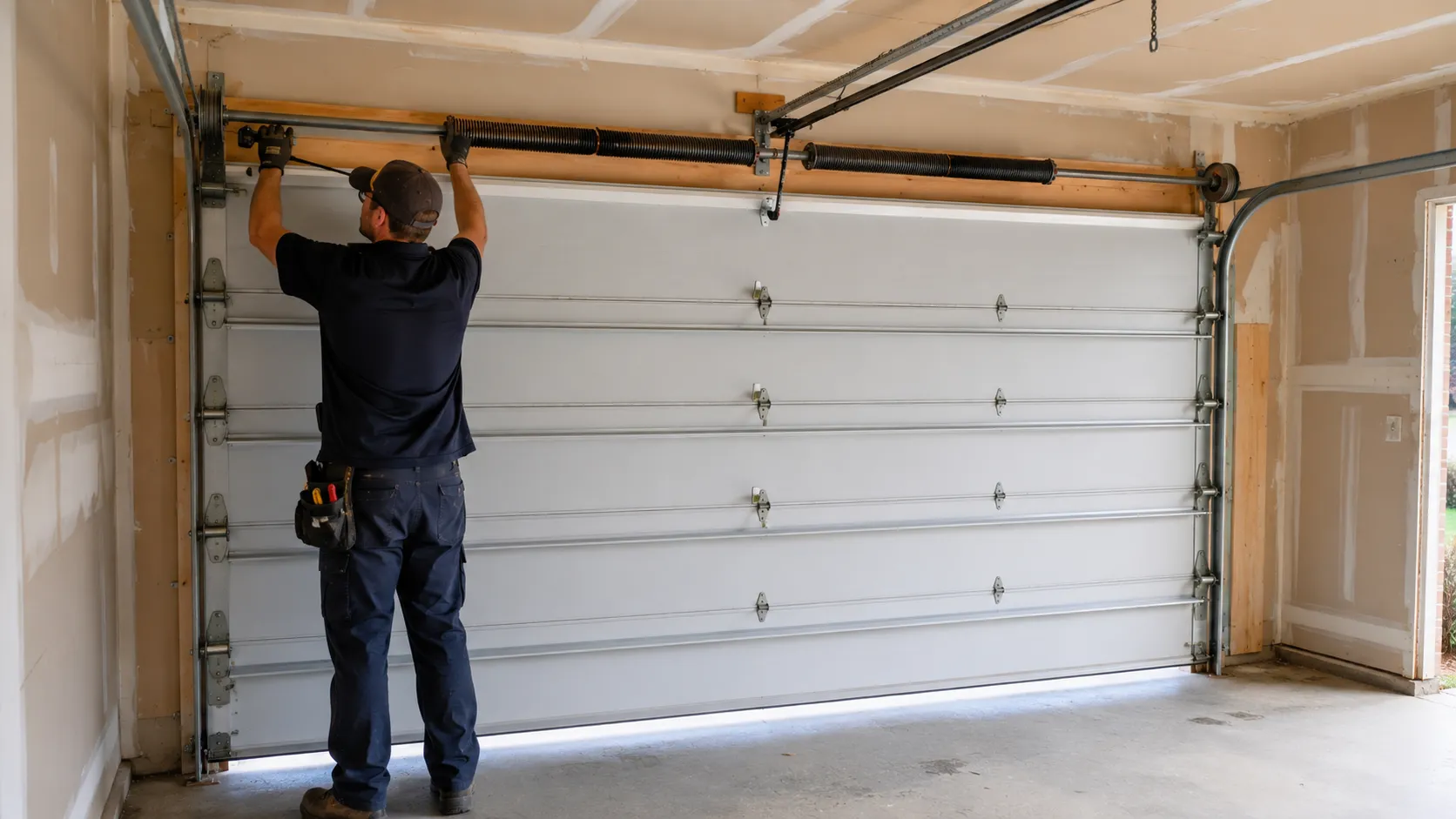
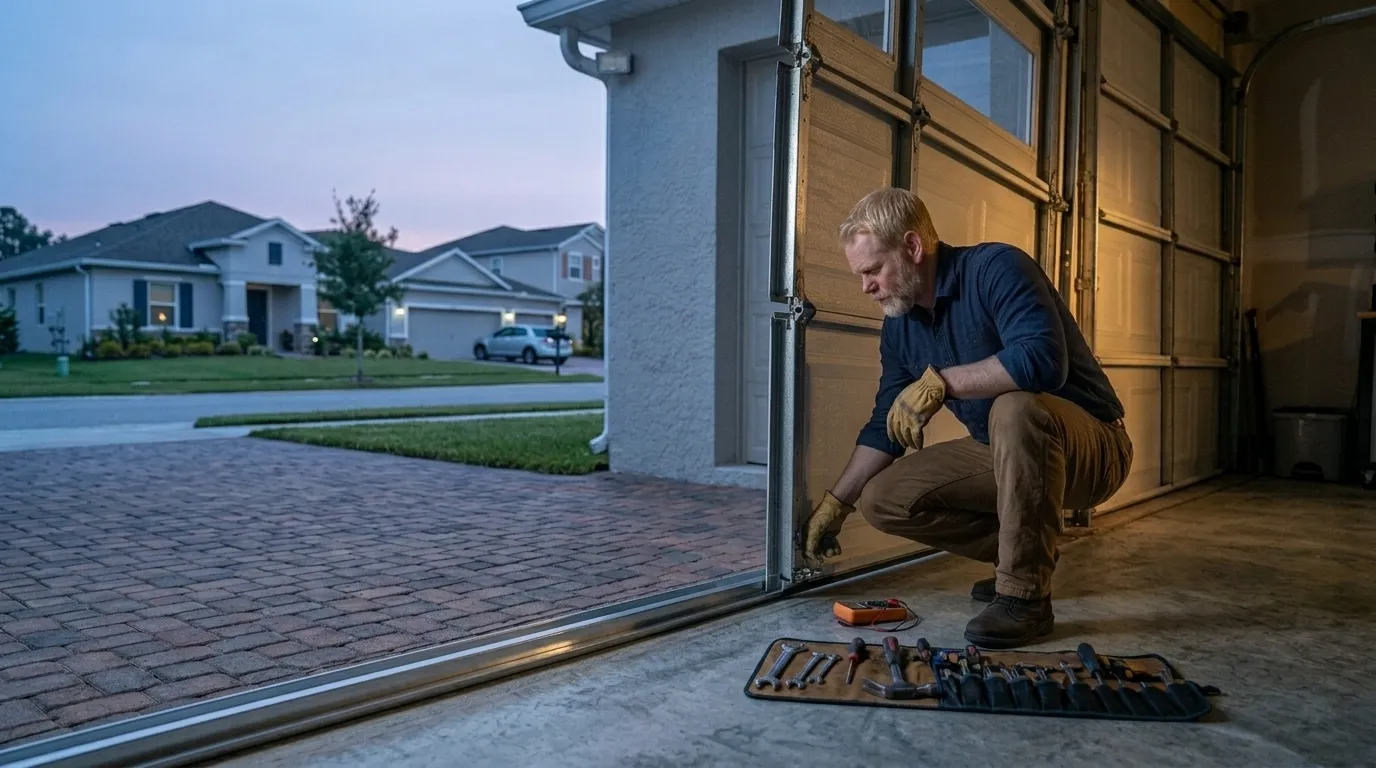
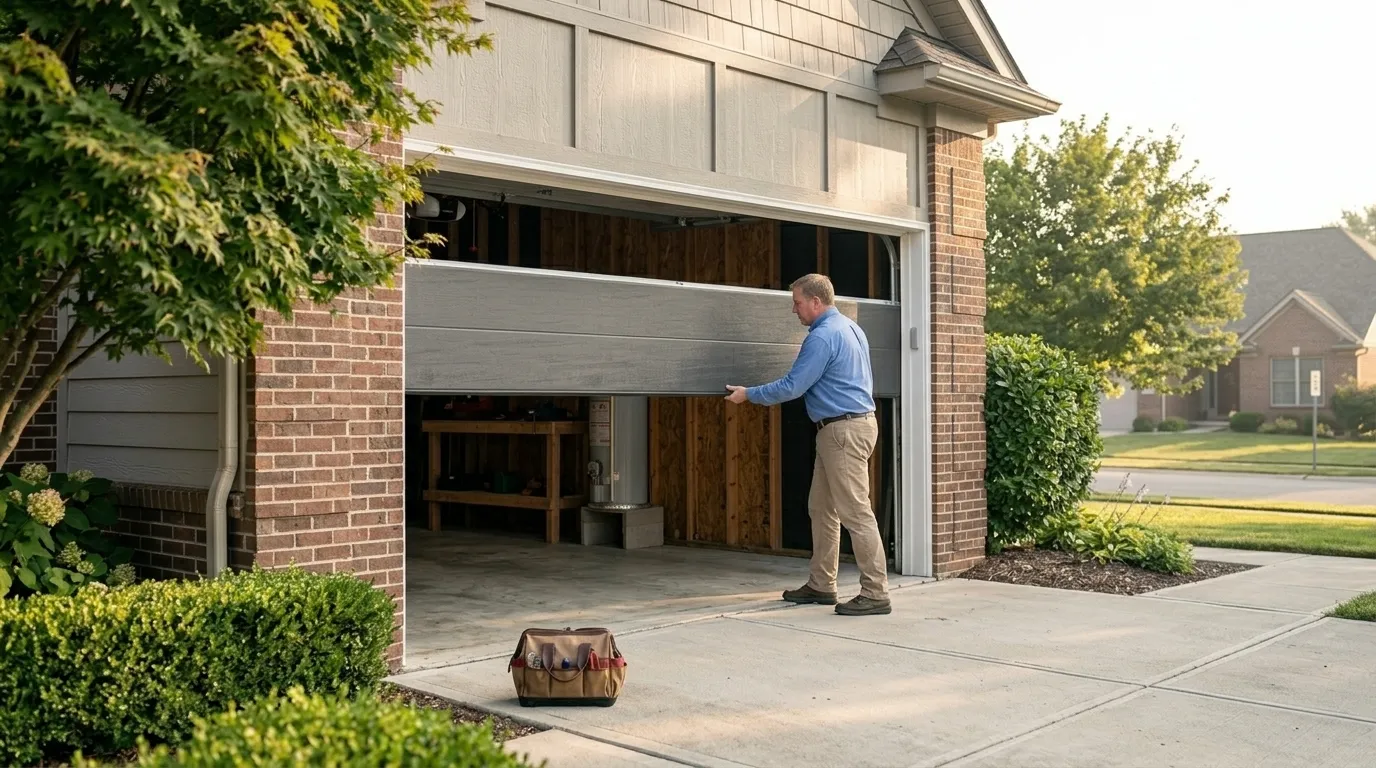
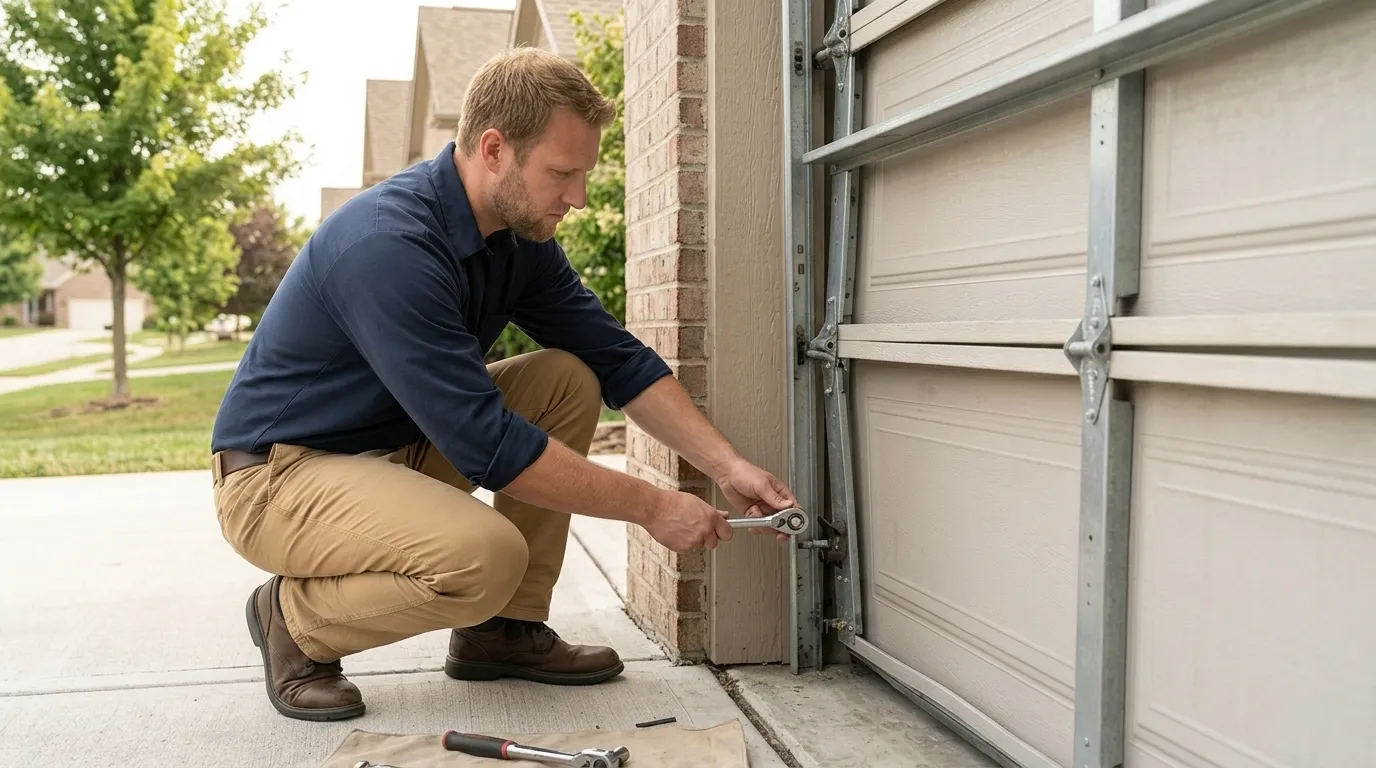
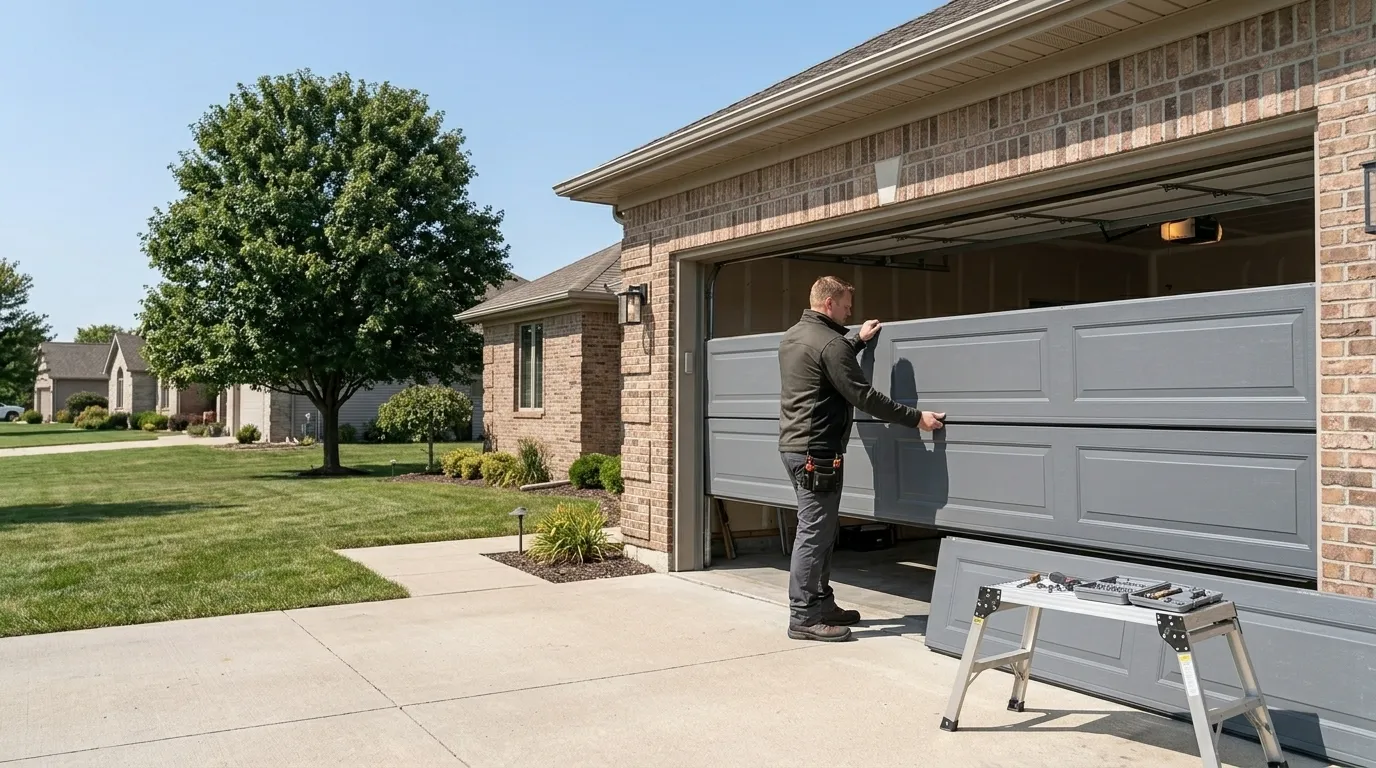
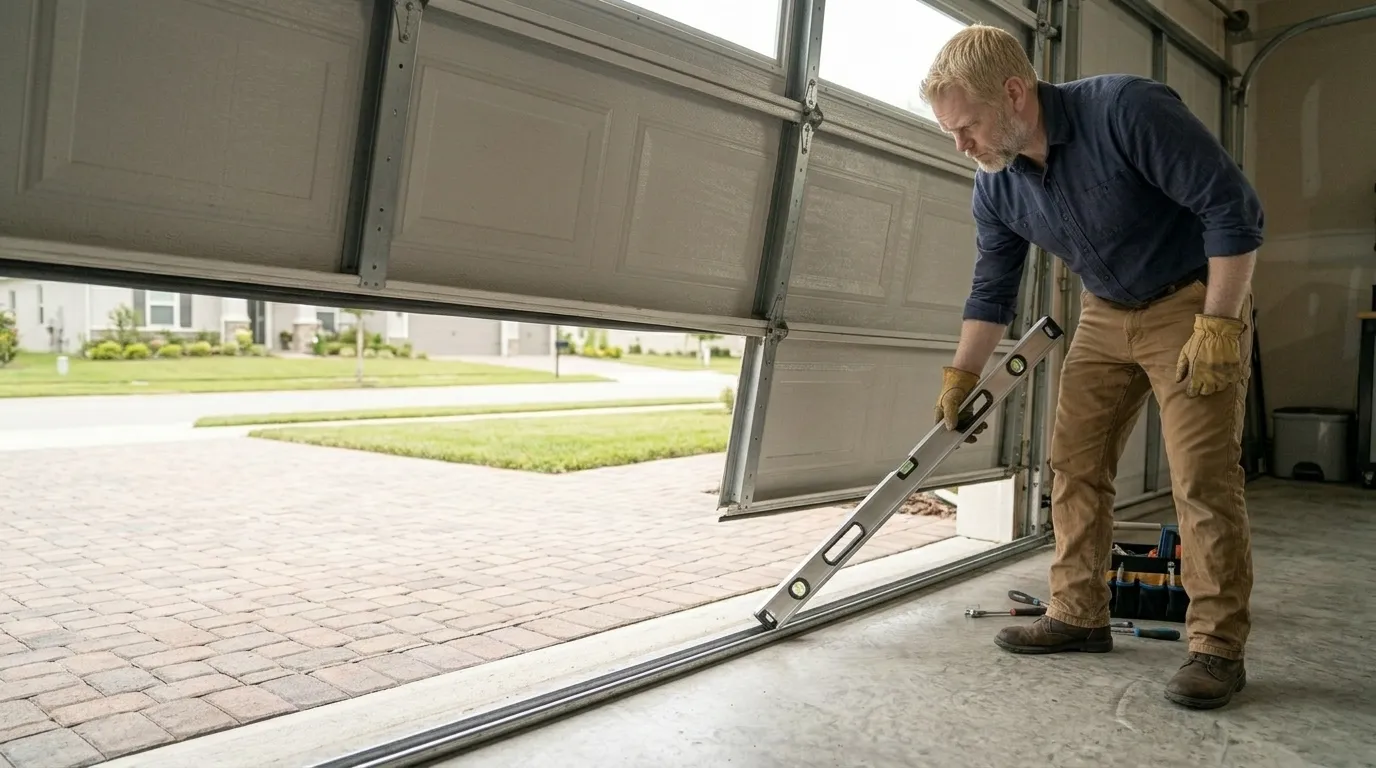
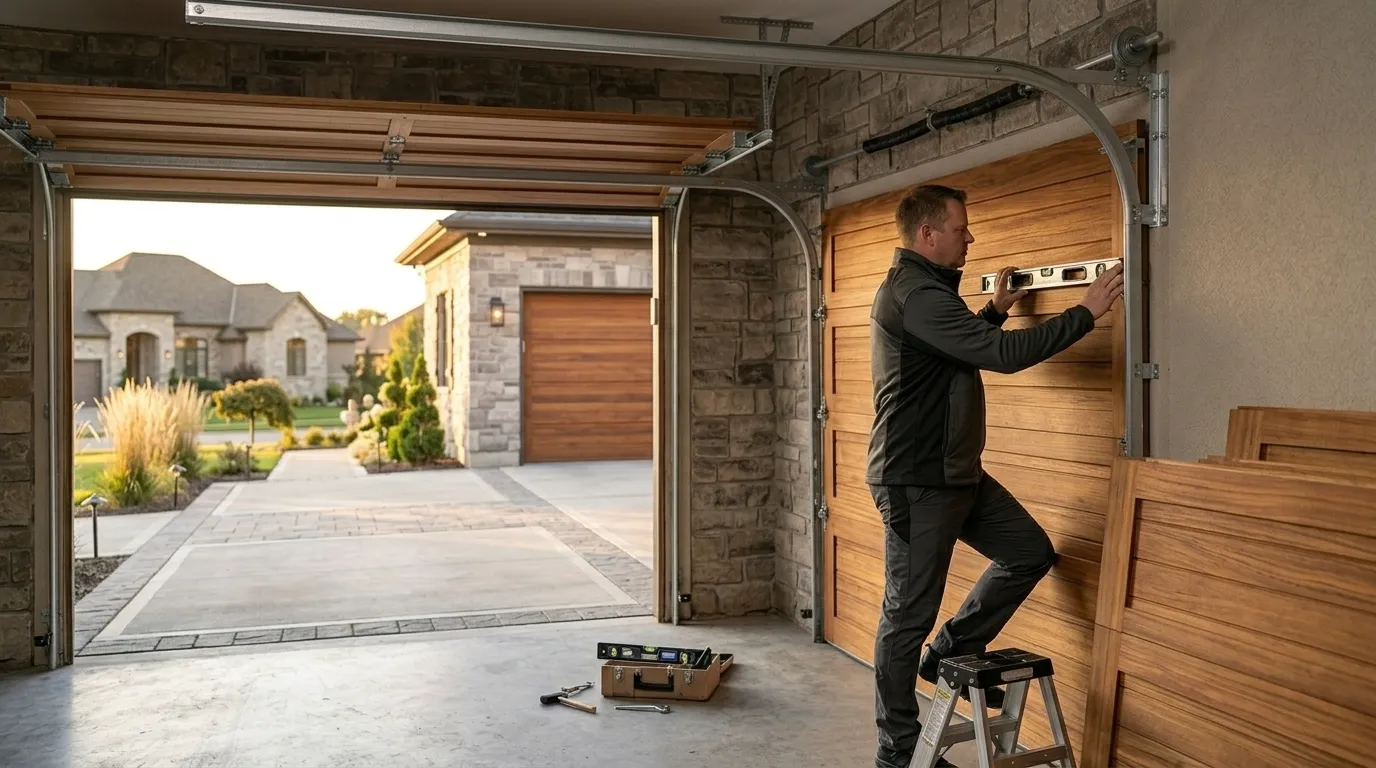
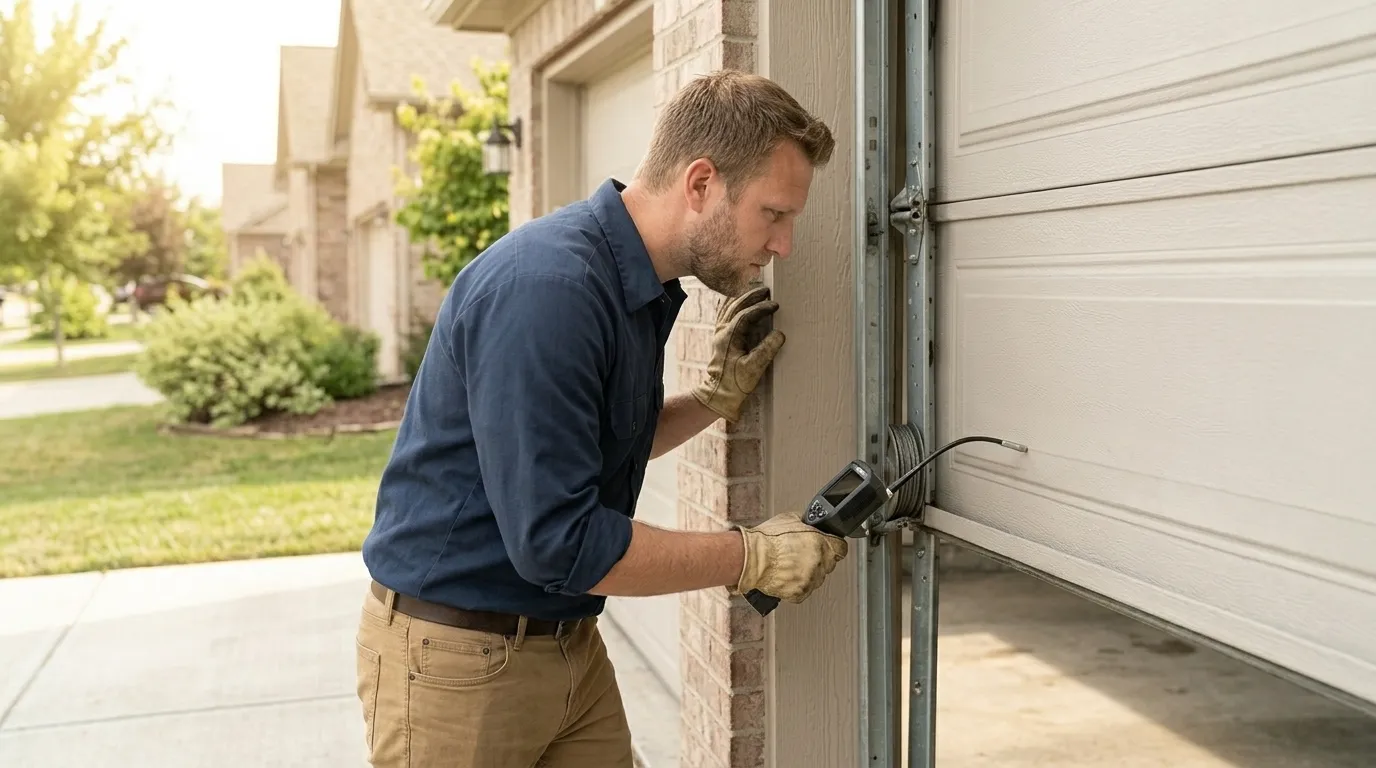
Maintenance on a door this age starts with the extension springs, not the opener. We check tension on both sides, look for stretched coils, and replace a spring before it lets go rather than after. Track alignment comes next - on a single-car opening from 1957, the tracks were often installed a little tighter to the frame than modern code calls for, so we check clearance at the rollers, not just at the door face.
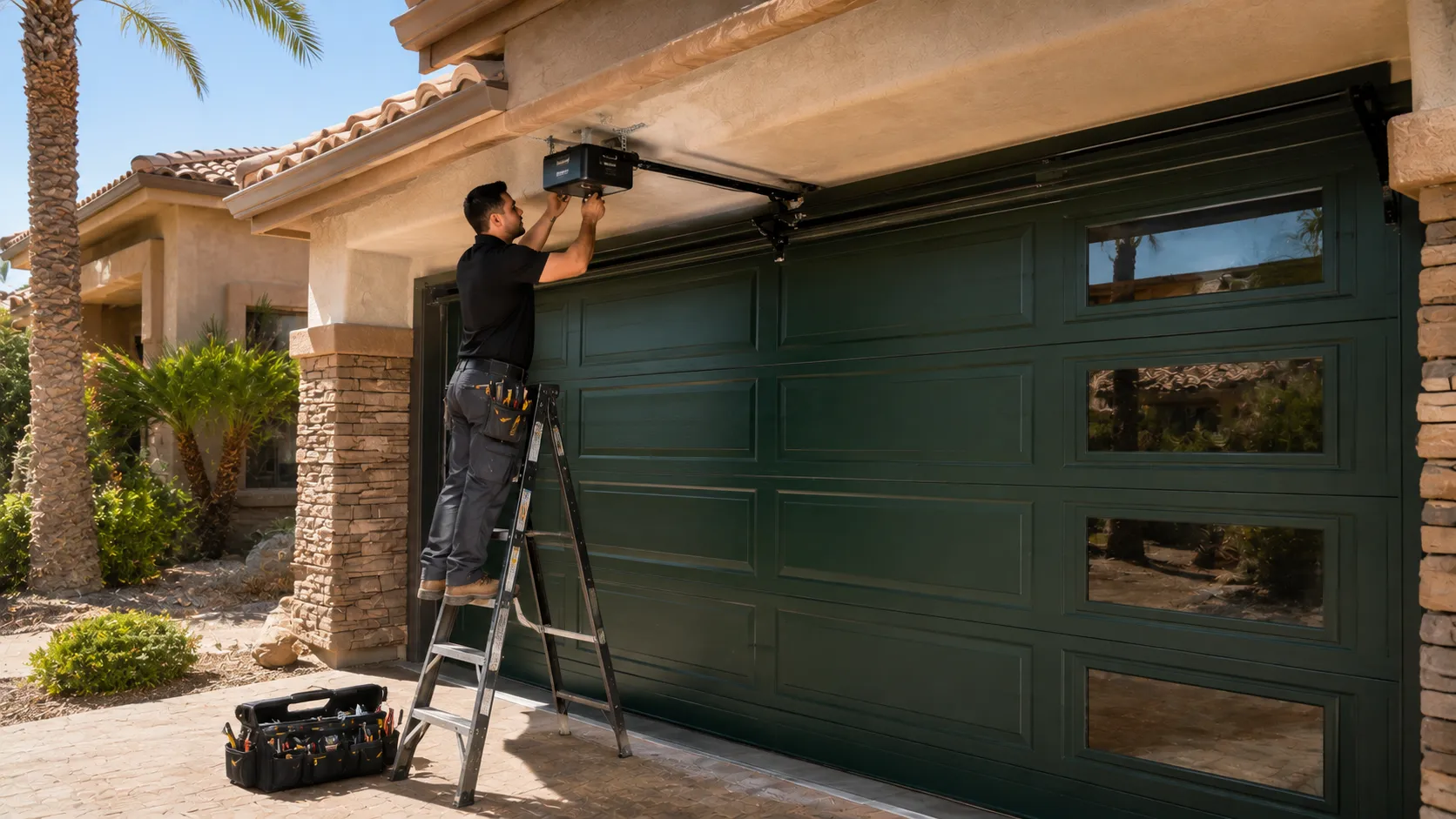
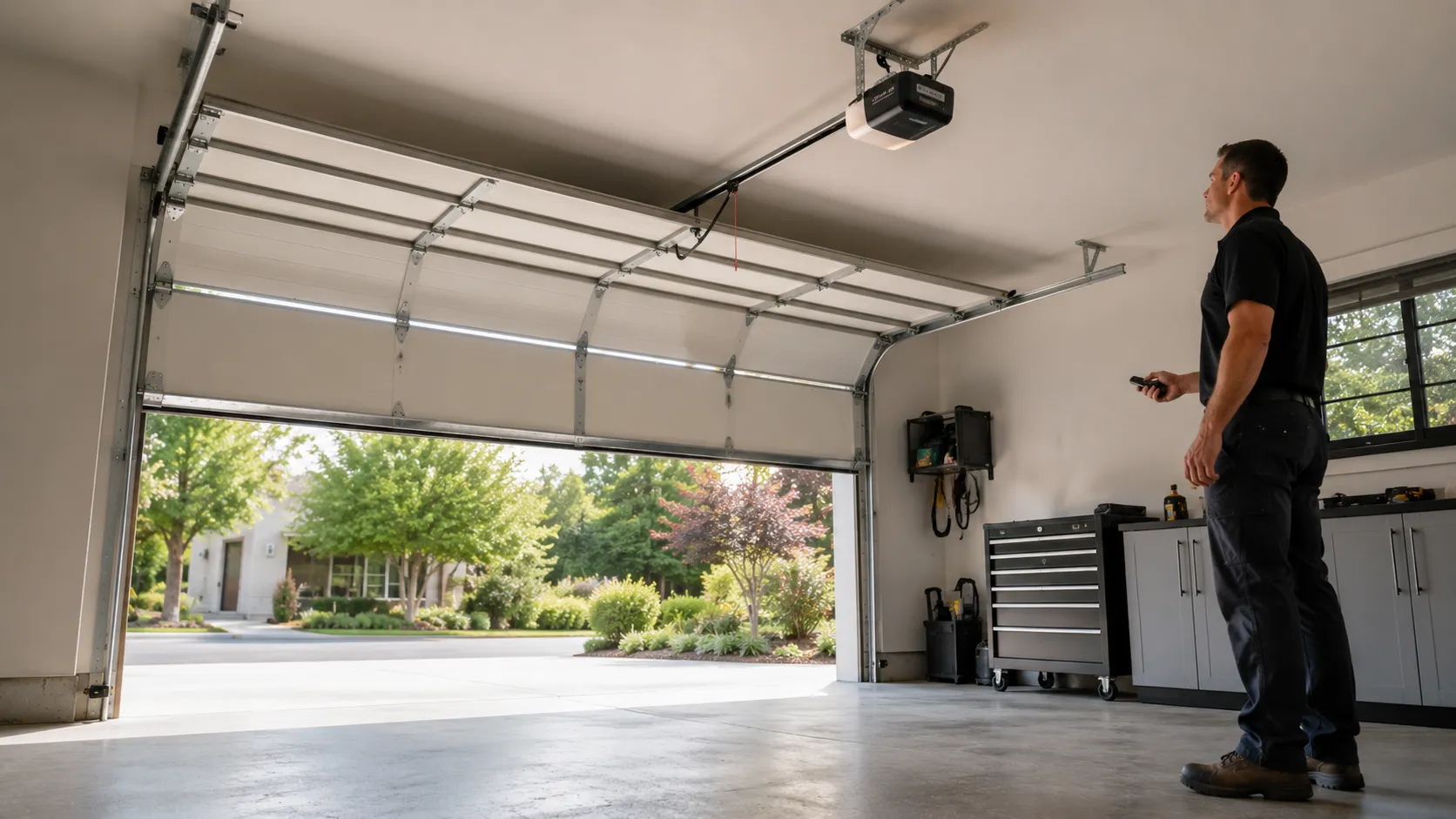
We lubricate hinges, rollers, and the spring coils themselves, and we check the cable drums for fraying, since original cable on a door this old has usually been replaced at least once by whoever owned the house before. If the opener is a later add-on to an older door, which is common here, we check that the force settings match the door's actual weight rather than a factory default.
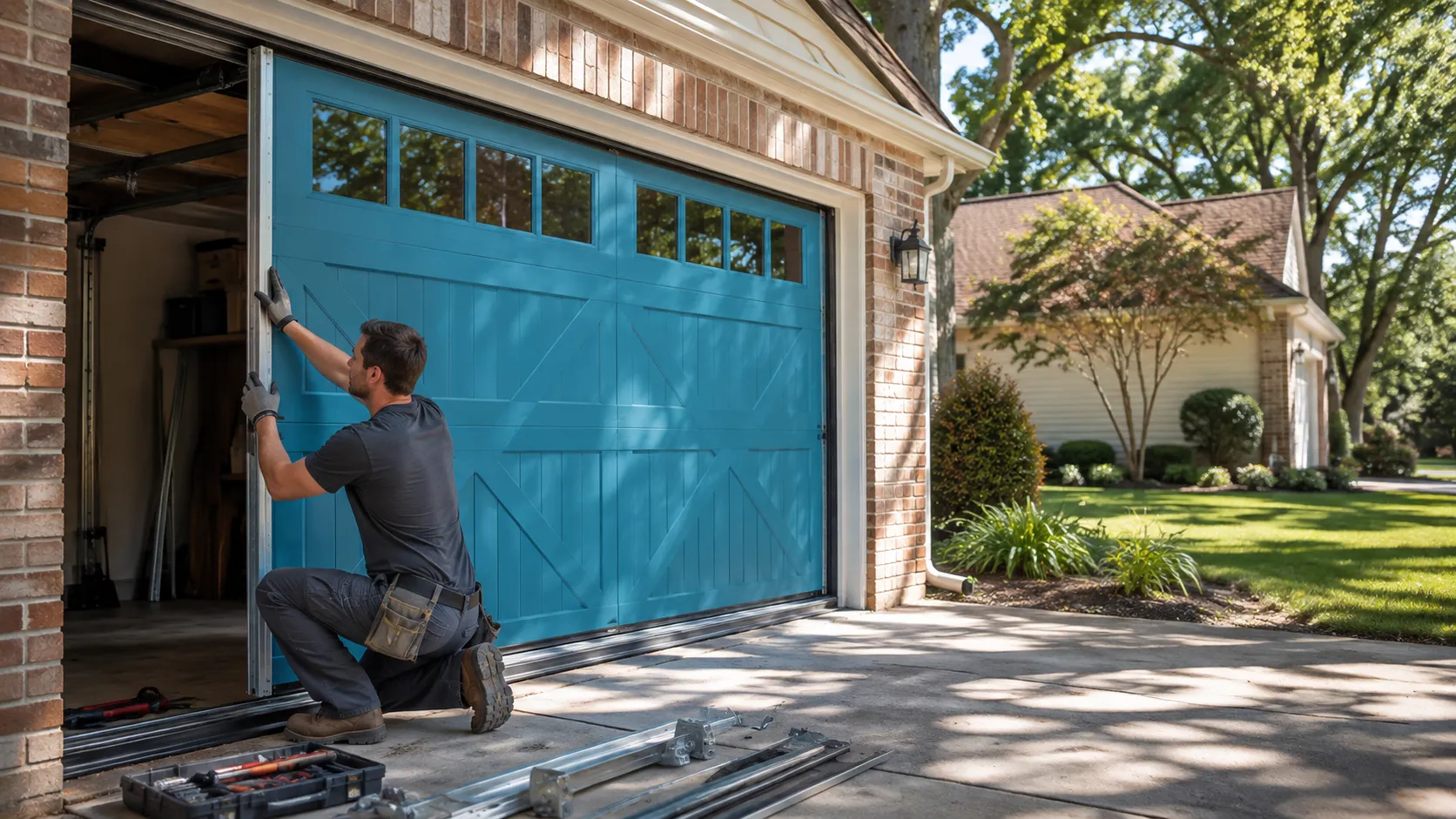
One limit worth saying plainly: if the panel steel is dented past a certain point or the wood has rotted at the base, maintenance won't fix that. At that stage we'll tell you it's a replacement conversation, not another service call, because patching a door that's structurally done just costs you twice.
The Cost of This Job
We don't have a set price to quote here in writing - it depends on what the door needs and whether parts for an older extension-spring setup are on the truck or have to be sourced. What we can tell you is what drives the number: spring replacement costs more than a lubrication-and-adjustment visit, and a door with worn wood panels costs more to service than one with steel.
Compton's median household income runs $74,270, below the $83,538 median across the wider service area. That's not a reason we'd change how we do the job, but it's a fair reason to ask for a clear breakdown before any work starts, and we'll give you one. Call and describe what the door is doing - slow to close, sagging on one side, opener straining - and we can tell you roughly what category of job you're looking at before a truck ever leaves Santa Monica.
How It Shows Up
On a door this age, trouble usually starts as noise before it becomes a real problem. A grinding sound from the spring coil, a scrape at one of the rollers, or a door that closes crooked on one side are all common on 1950s-era hardware that's never had the springs re-tensioned. With 24,227 households in Compton, a lot of them sitting on original single-car garages from that build era, this is one of the more consistent complaints we hear from this part of the service area.
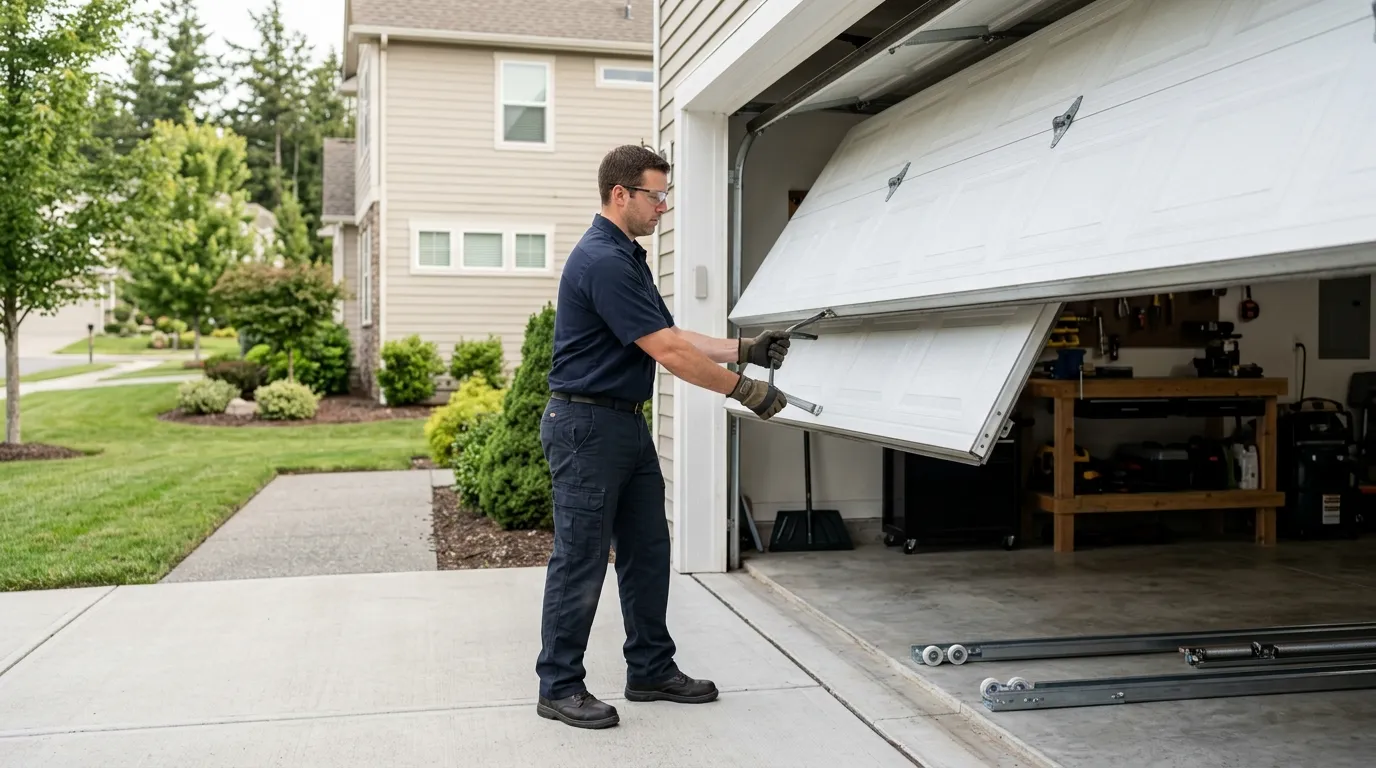
A door that suddenly feels heavy to lift by hand, especially if the opener starts straining or reversing partway up, usually means a spring has lost tension or is close to going. Don't keep running the opener through that - it's the fastest way to burn out a motor that was otherwise fine. Rust streaks near the spring mounts or a track pulling away from the frame are also signs worth a call before they turn into a stuck door on a Monday morning.