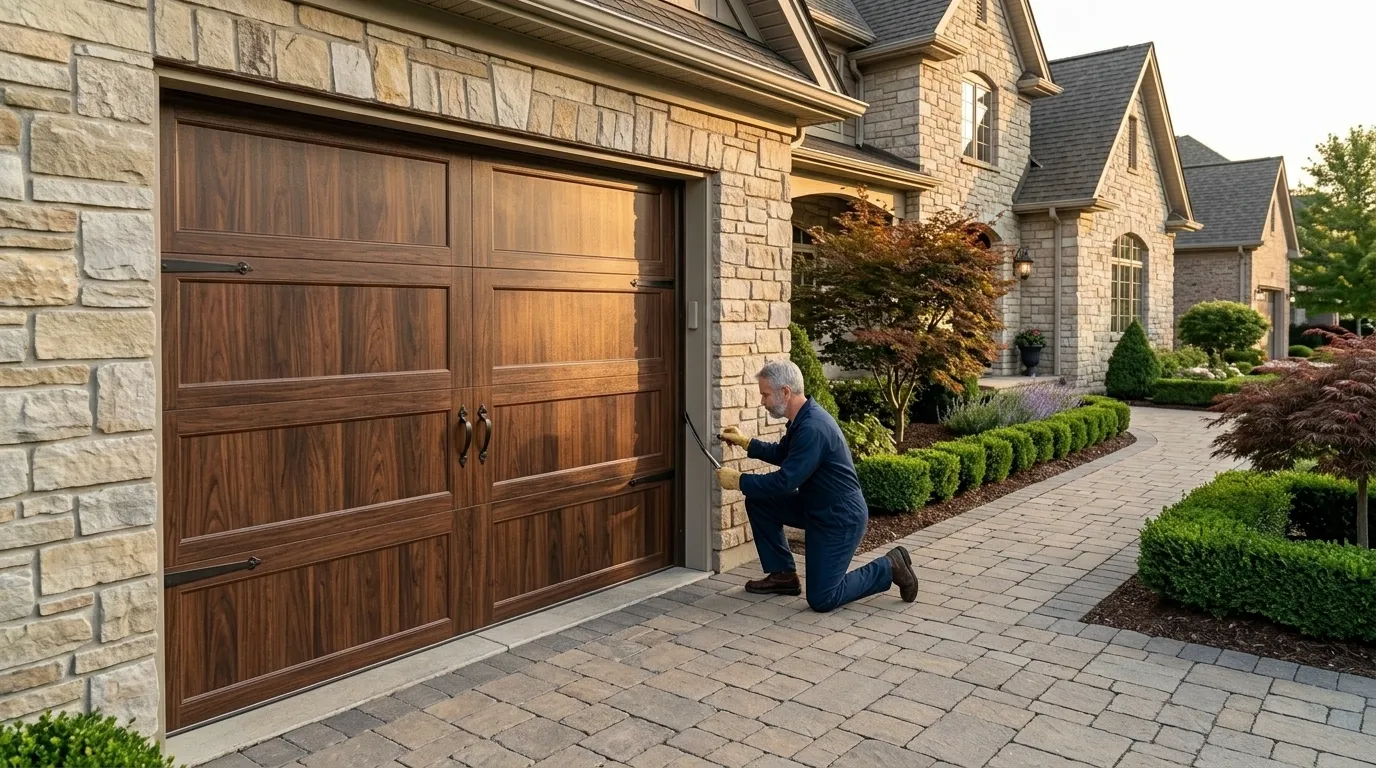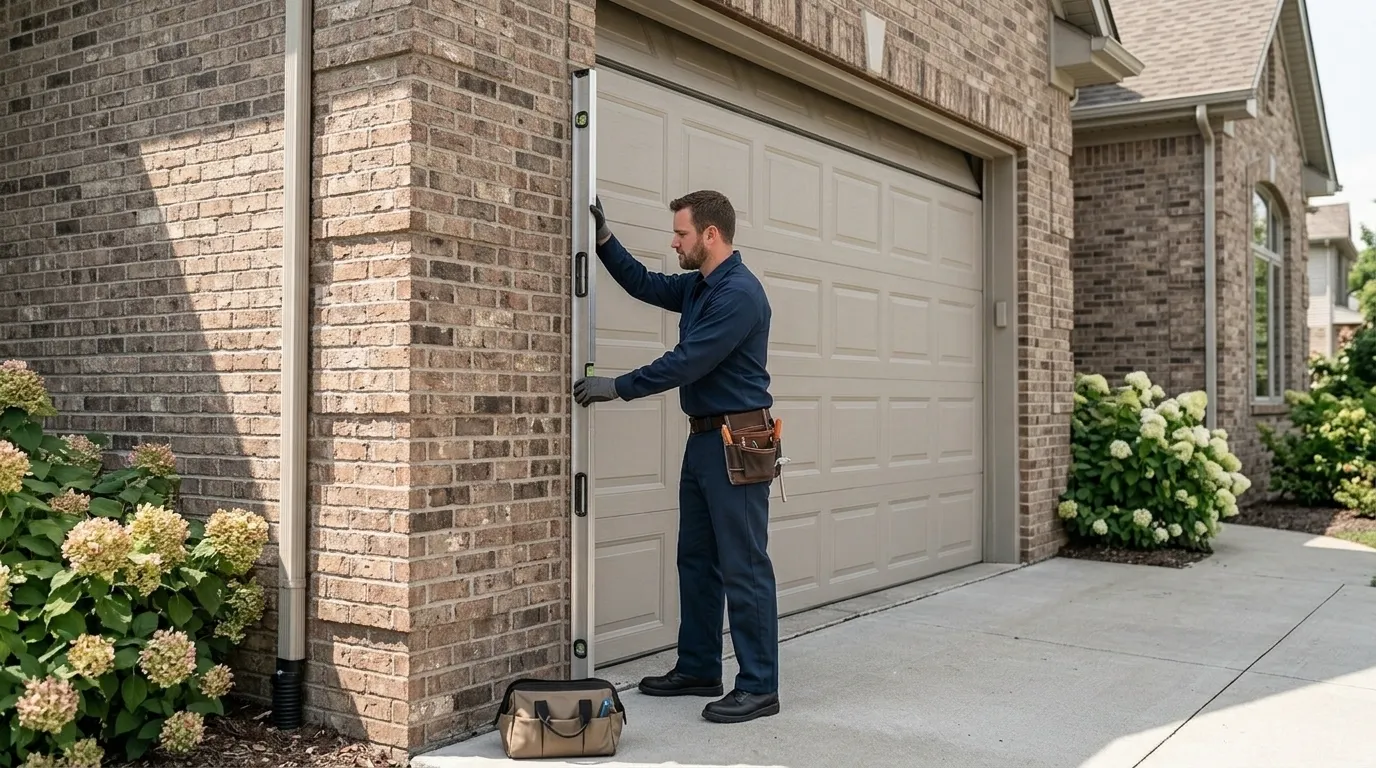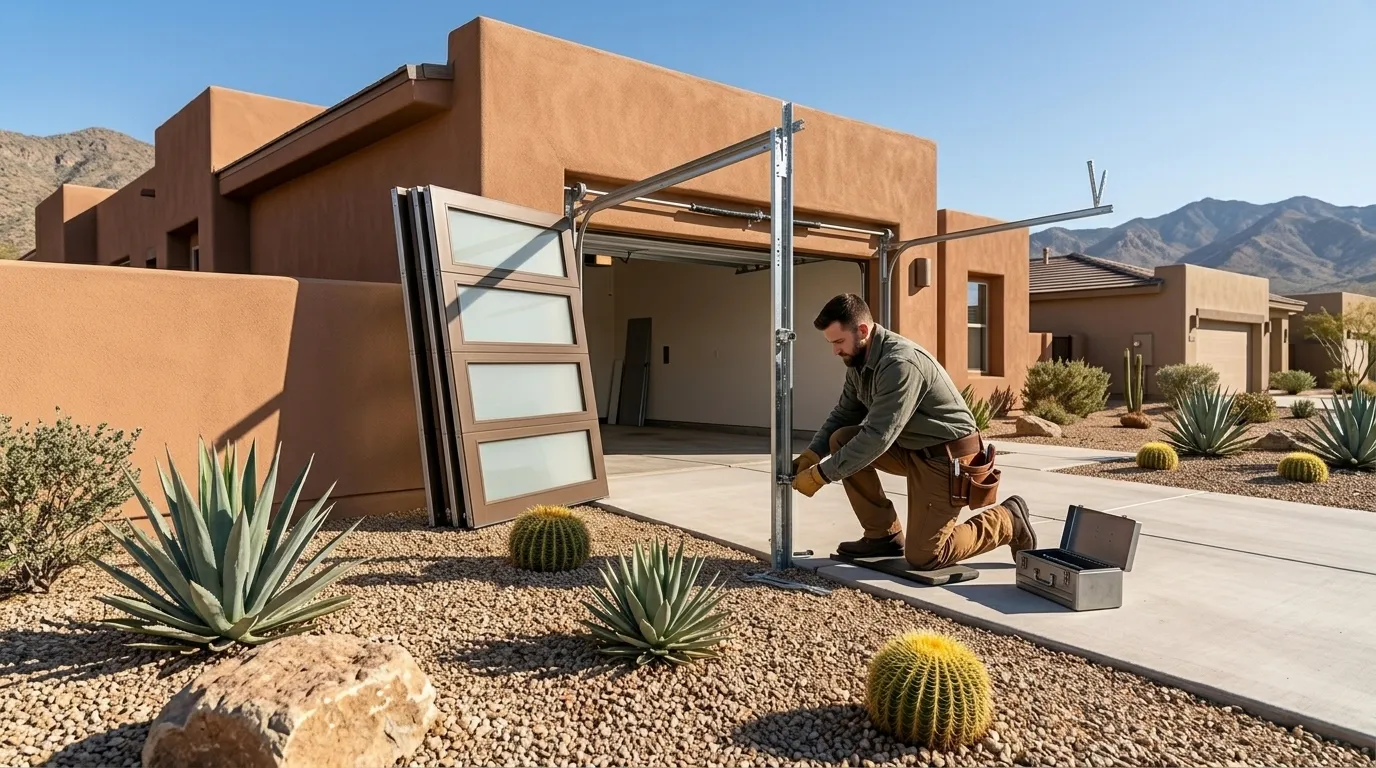
How We Fix It
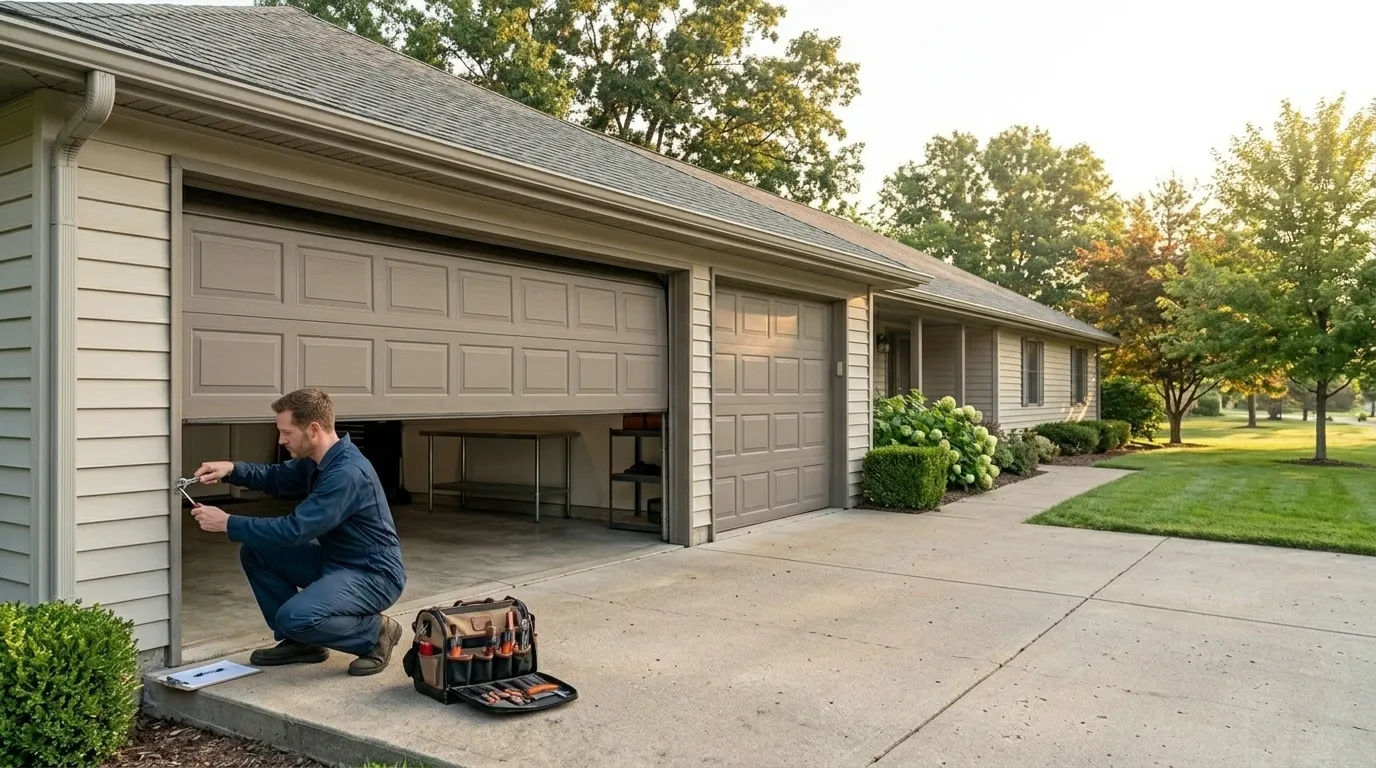
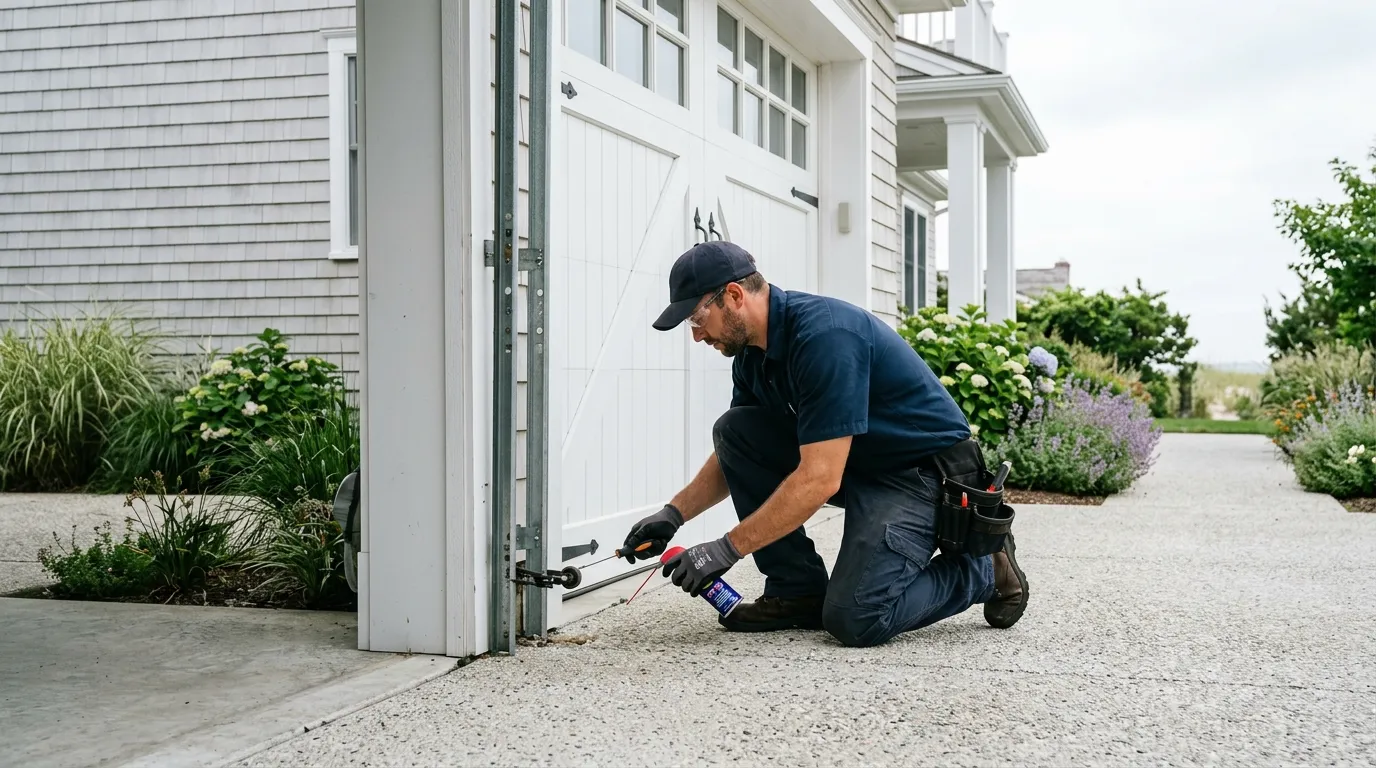
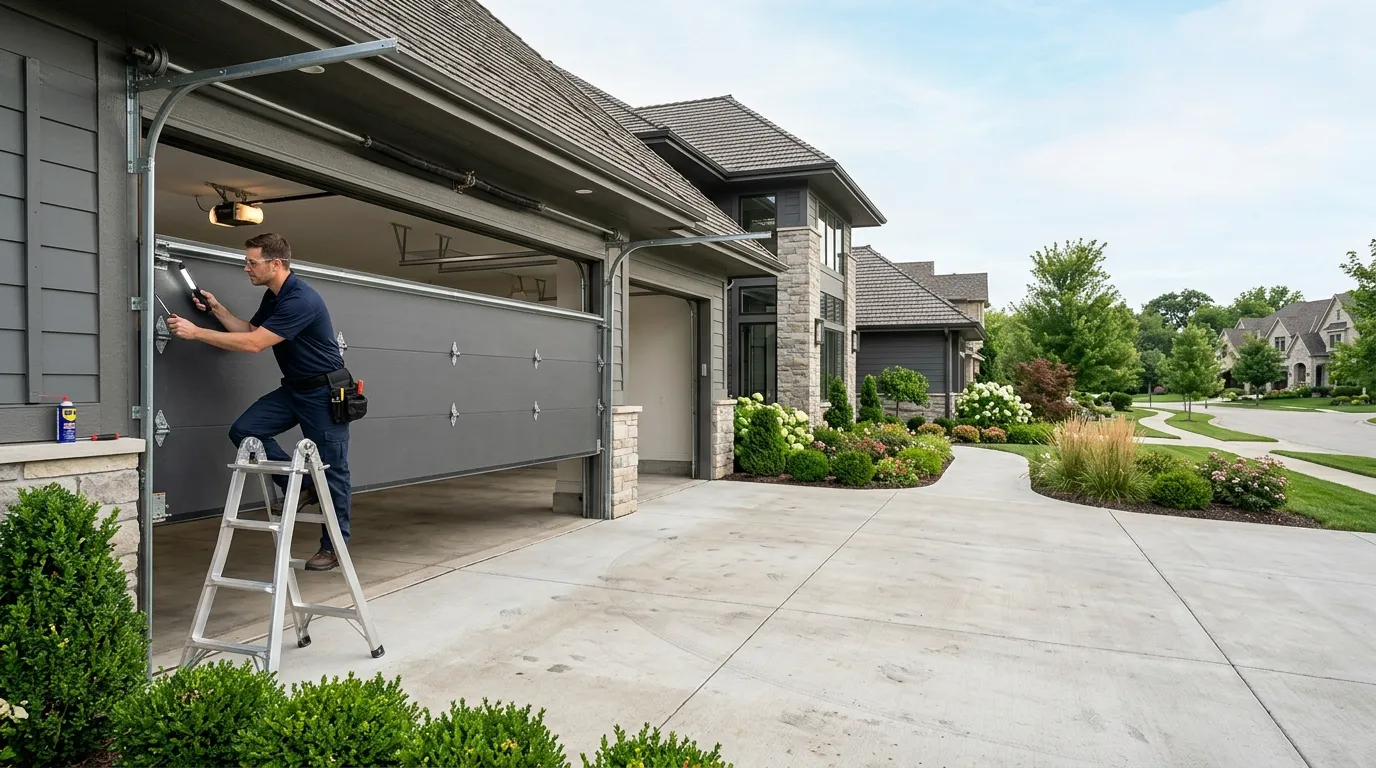
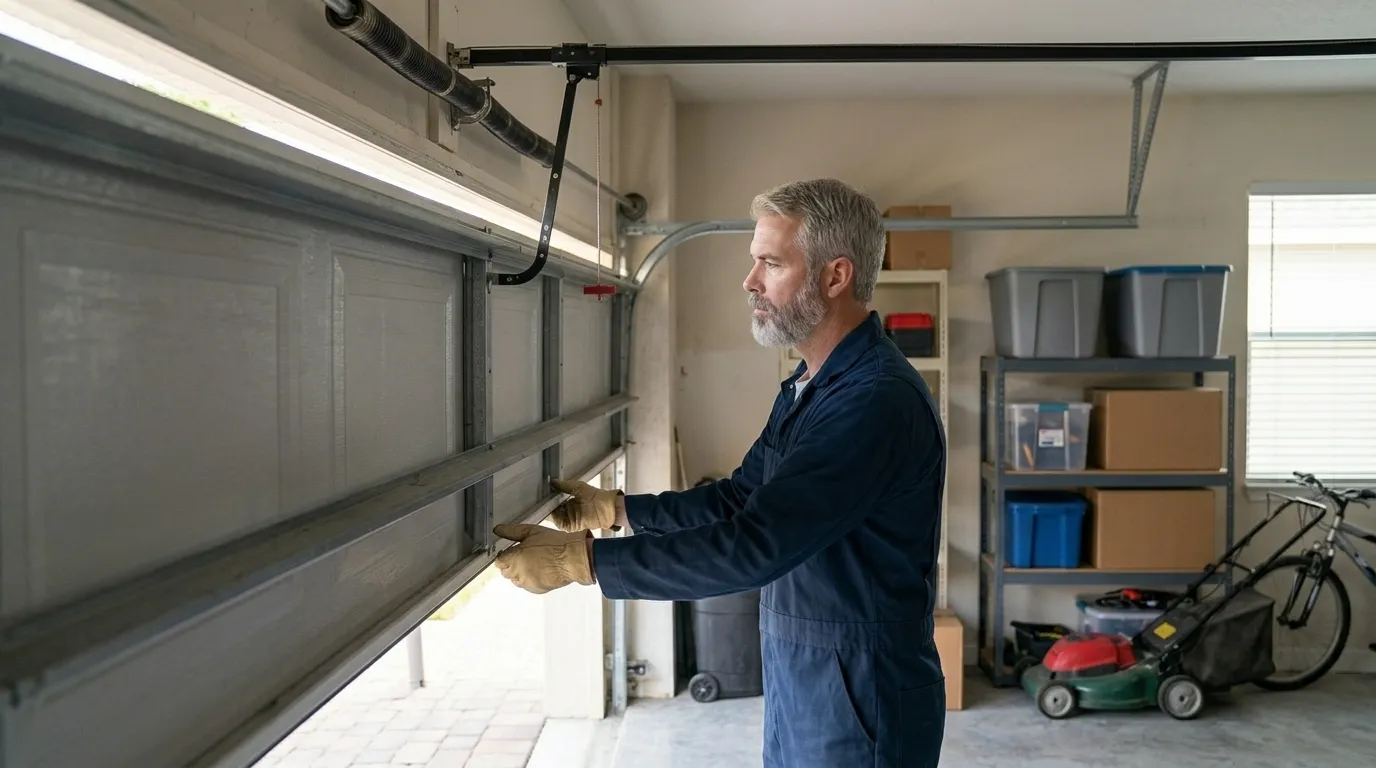
On a 1957-era single-panel door, the first thing we check is whether the extension springs are original or already replaced with newer stock - it changes what we bring on the truck. Original hardware on these doors tends to be lighter-gauge steel, and the track brackets are often mounted differently than what you'd find on a 1970s or later door. We adjust for that rather than forcing a modern bracket kit onto an older frame.
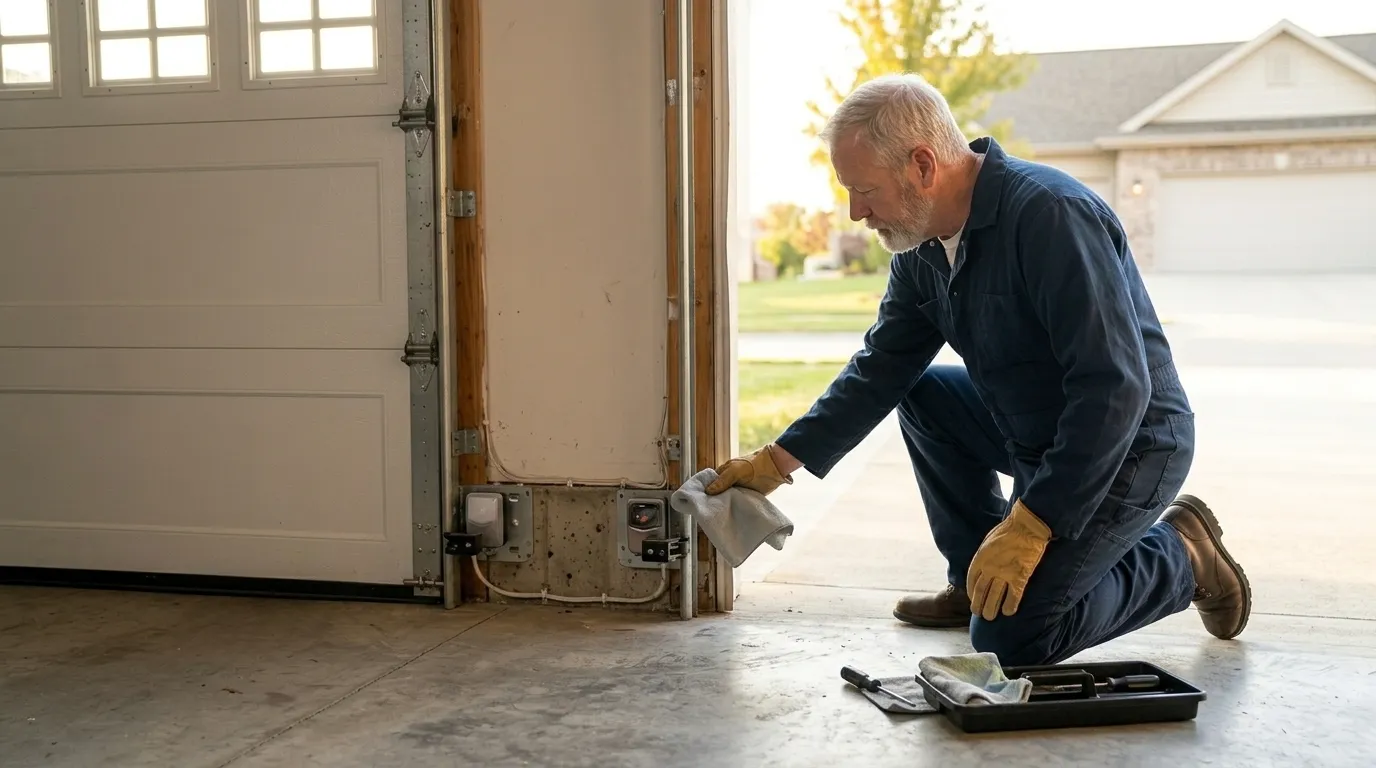
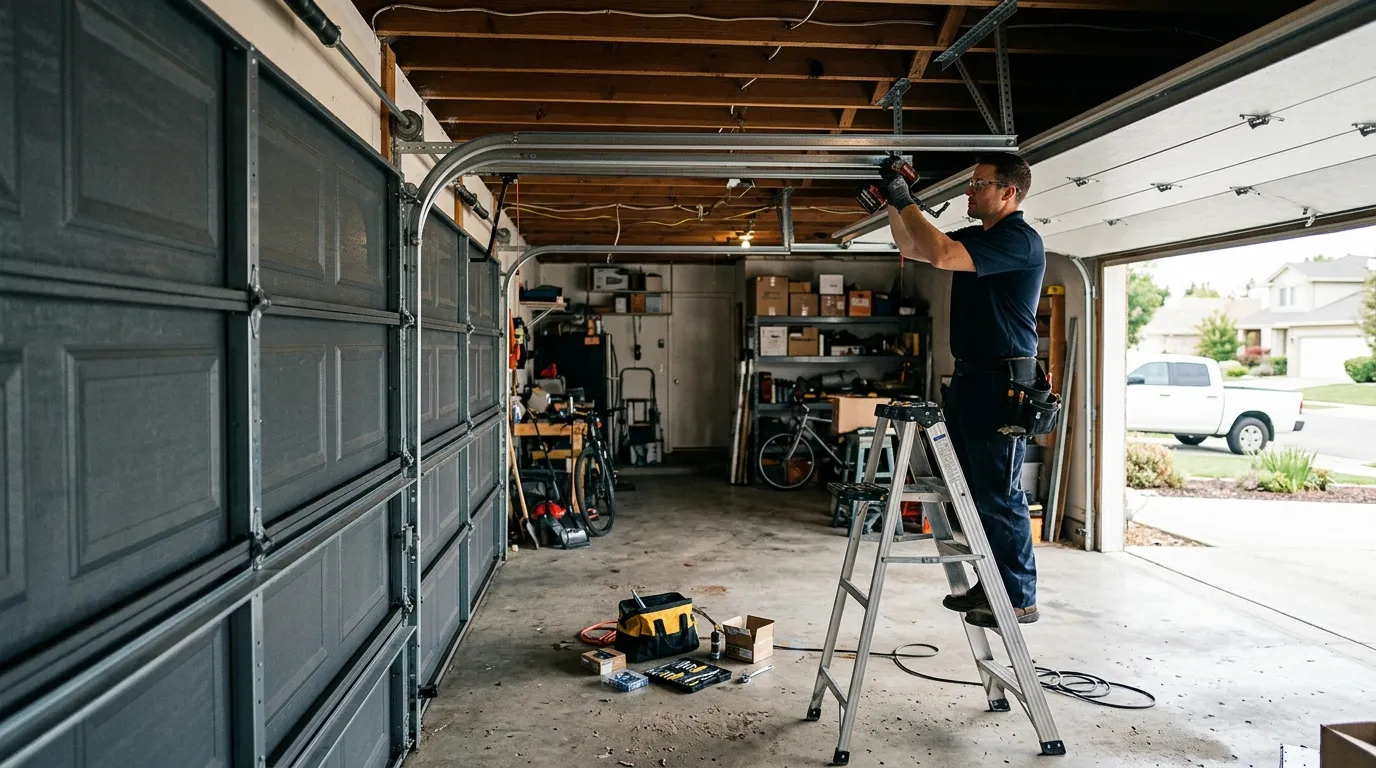
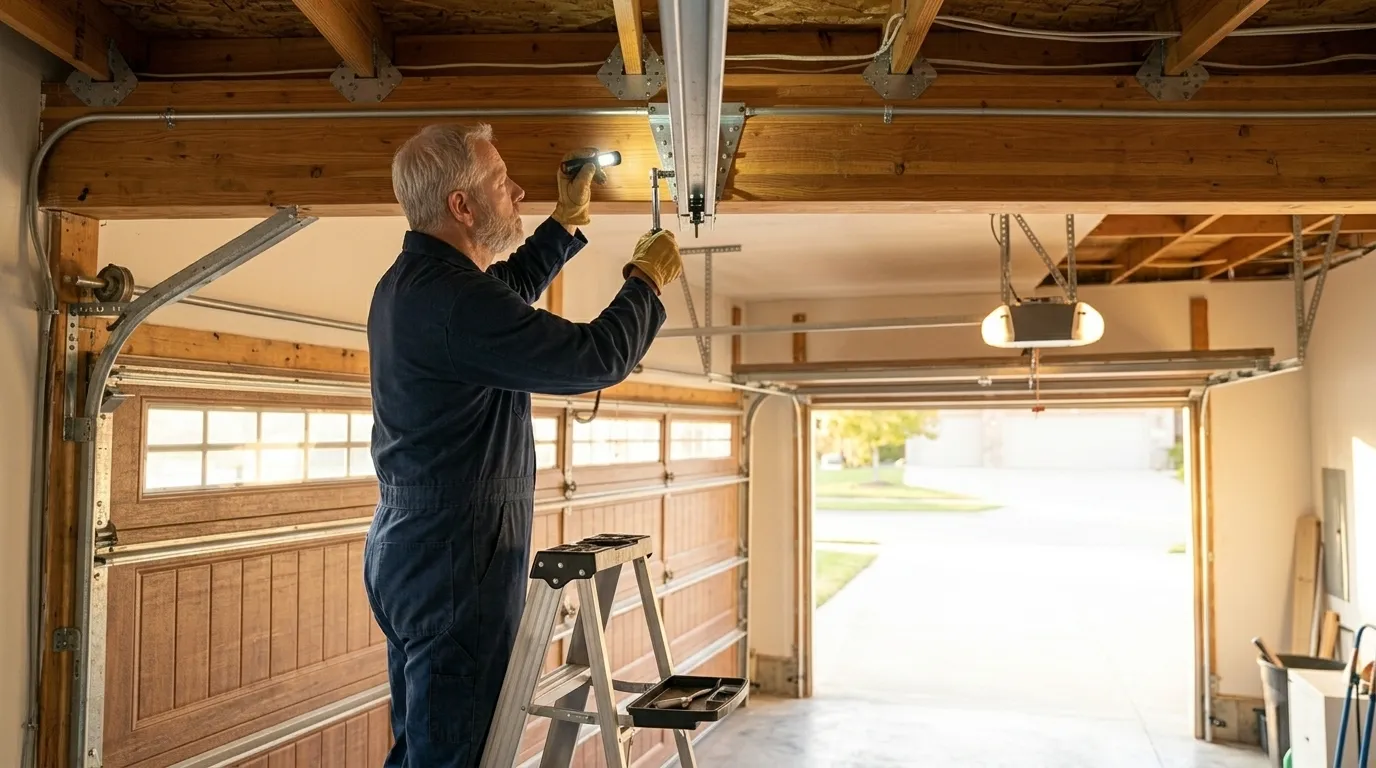
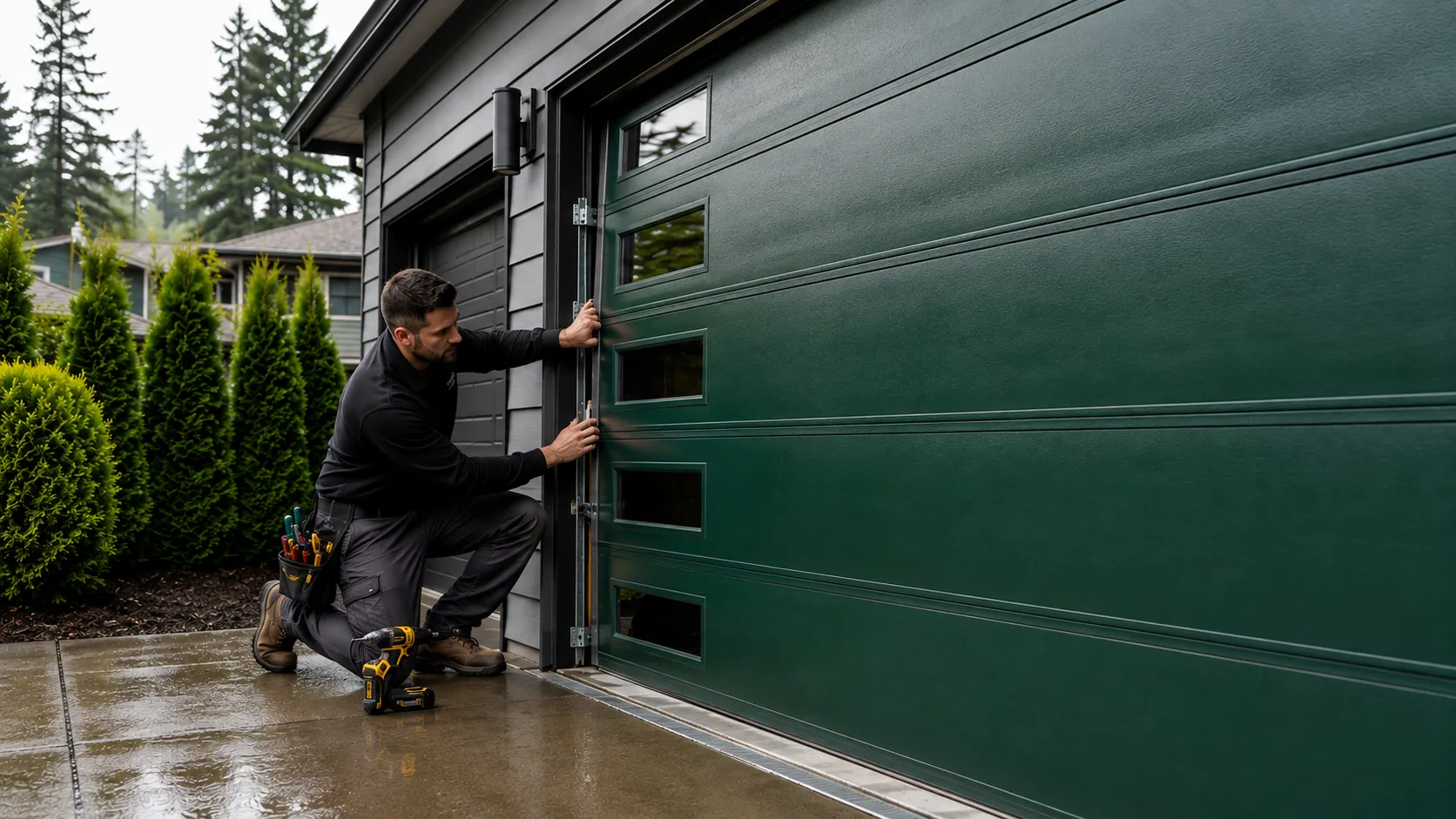
Where the opener has been retrofitted onto an older door - which is common, since openers got added to houses long after the door itself was installed - we check the door balance before touching the opener at all. A door that's out of balance will burn out an opener motor no matter how new the opener is, and replacing the motor without fixing the balance just repeats the failure. On panel or track damage, we look at whether the section is still made in a compatible size before ordering a replacement panel, since some of these older single-panel doors don't have a direct modern equivalent.
The Cost of This Job
We don't have a price list to hand you here, and we're not going to invent one. What we can tell you is how the decision usually breaks down on a door from this era. If the springs, rollers, and track are the problem, that's a repair job on almost any door regardless of age - the labor is the same whether the door was built in 1957 or 2005. If the panel itself is cracked, rusted through, or warped, and it's an obsolete size, sourcing a matching replacement section can take longer and cost more than it would on a common modern width, and at that point a full door swap sometimes makes more financial sense than chasing down one odd panel.
Given the median income here, we lean toward giving you the repair option first and the replacement option second, rather than the other way around. If a repair will hold for years, we say so. If it won't, we say that too, and let you decide with real information instead of a sales pitch.
How It Shows Up
On these older single-panel doors, the most common call is a spring that's given out entirely - the door won't budge, or it slams down instead of lowering slowly. On extension-spring setups from this era, when one spring goes, the door usually still moves but pulls hard to one side, which is a sign to stop using the opener before it strains the motor trying to compensate.
The second pattern is a retrofitted opener straining against a door that was never rebalanced after the opener went in. You'll hear the motor working harder than it should, or the door will reverse partway up for no clear reason. That's rarely the opener's fault even though it looks like it.
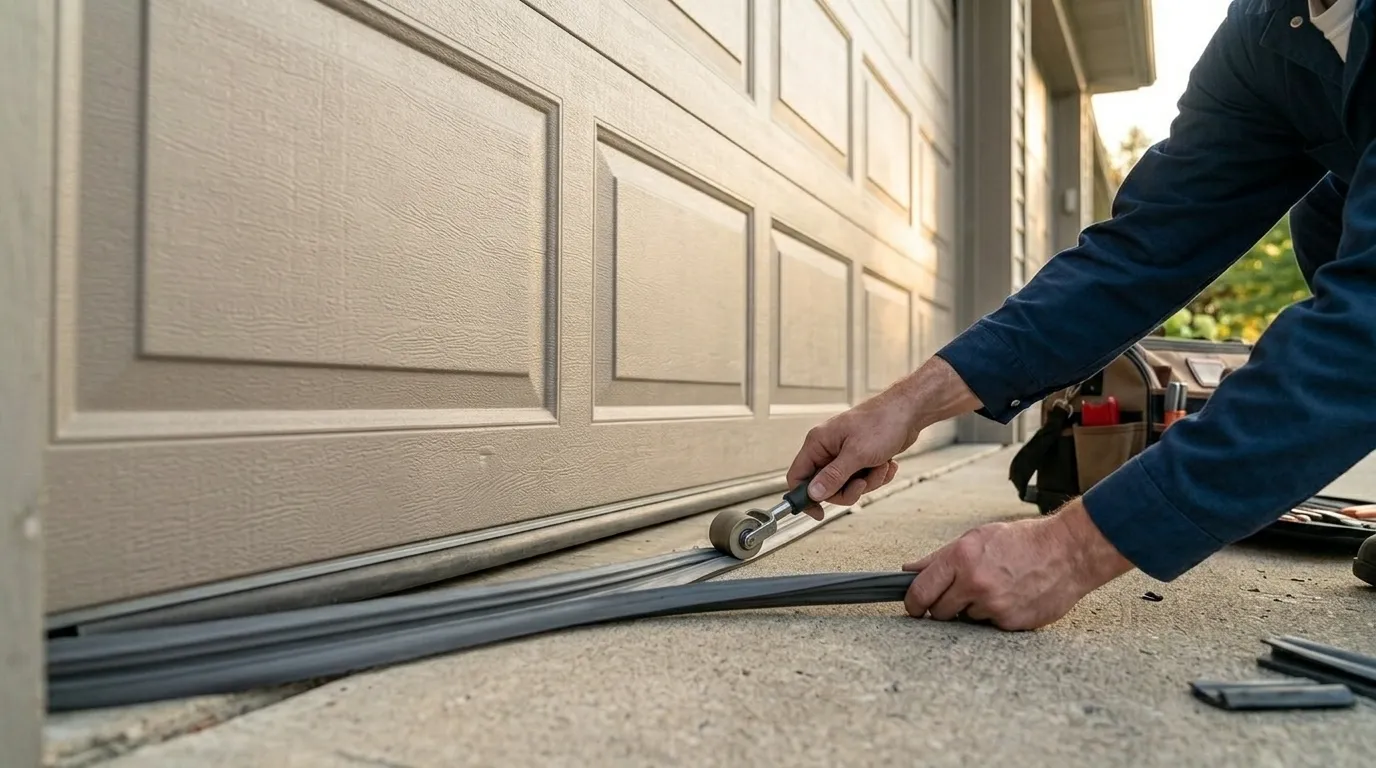
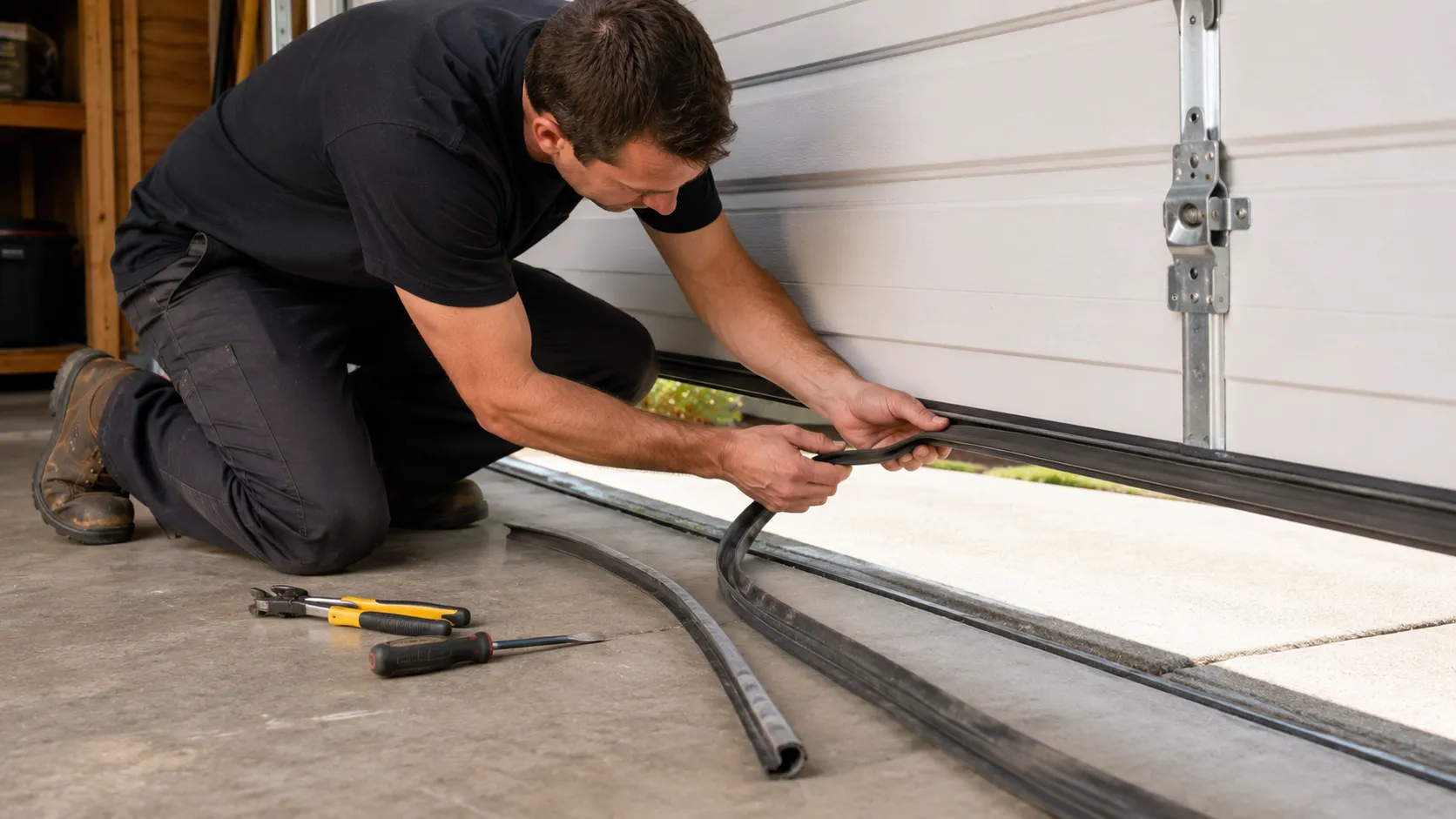
Third is track and roller wear on doors that have had the same rollers since long before anyone alive today bought the house. Grinding or catching at the same spot on every open usually means a bent track section or a roller that's simply worn through, not a motor problem.