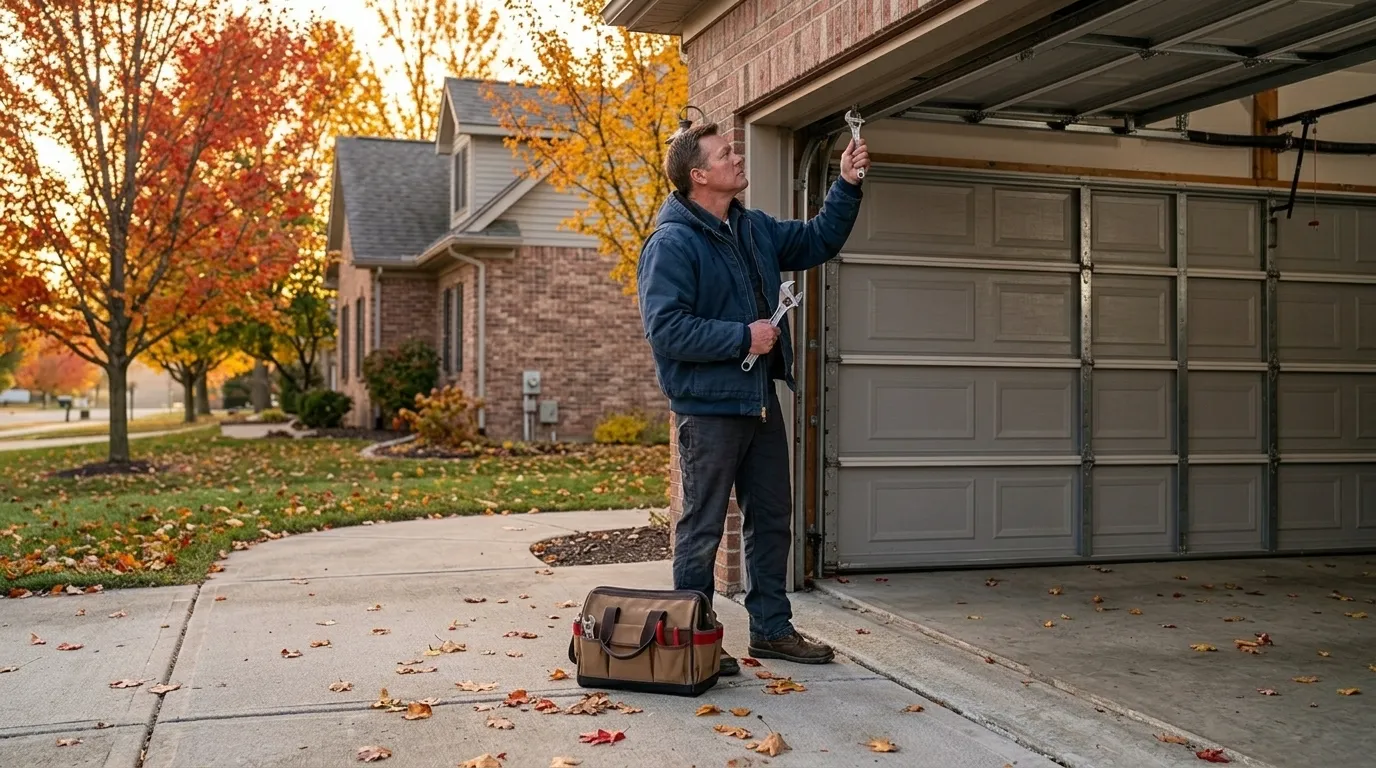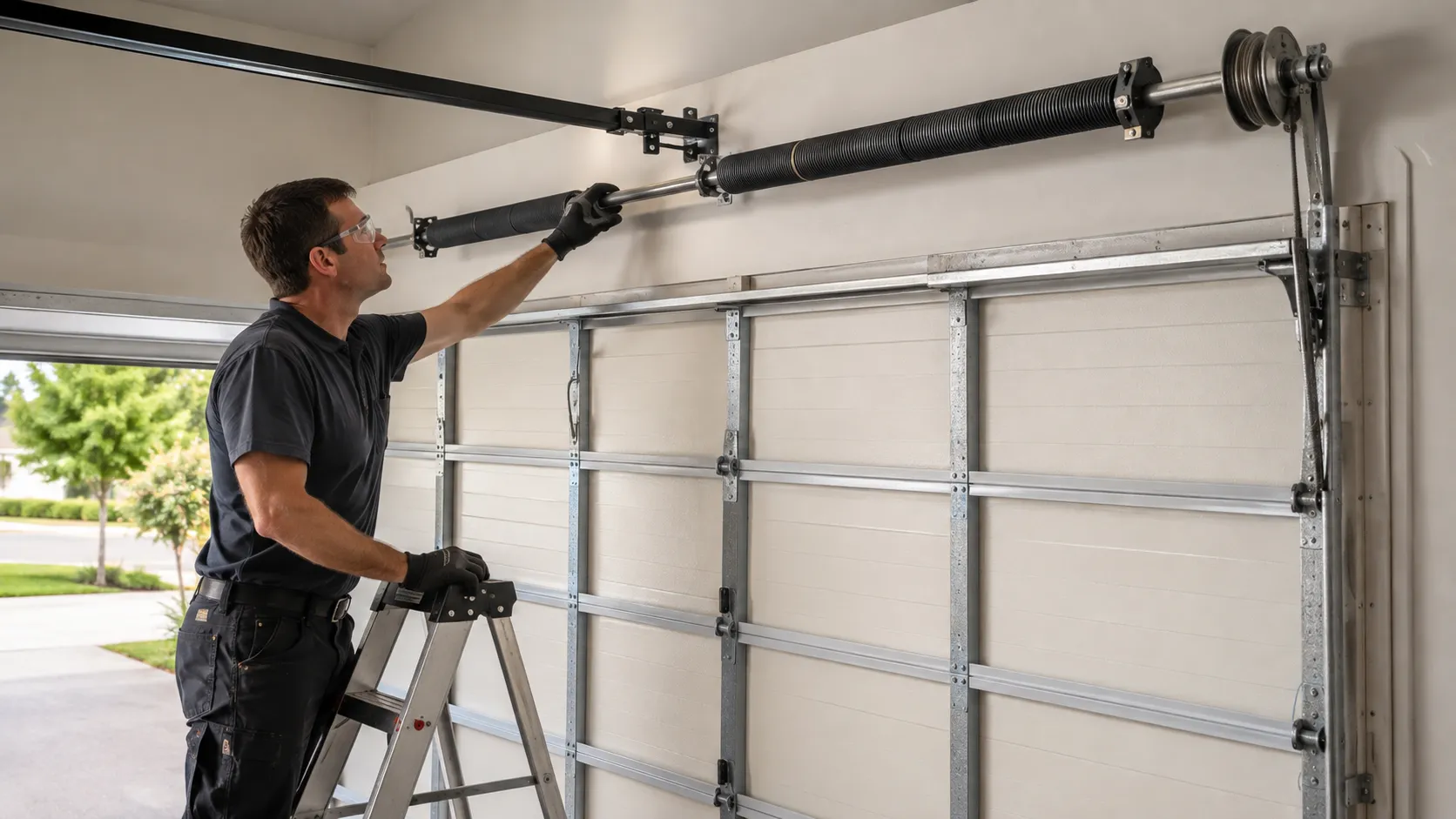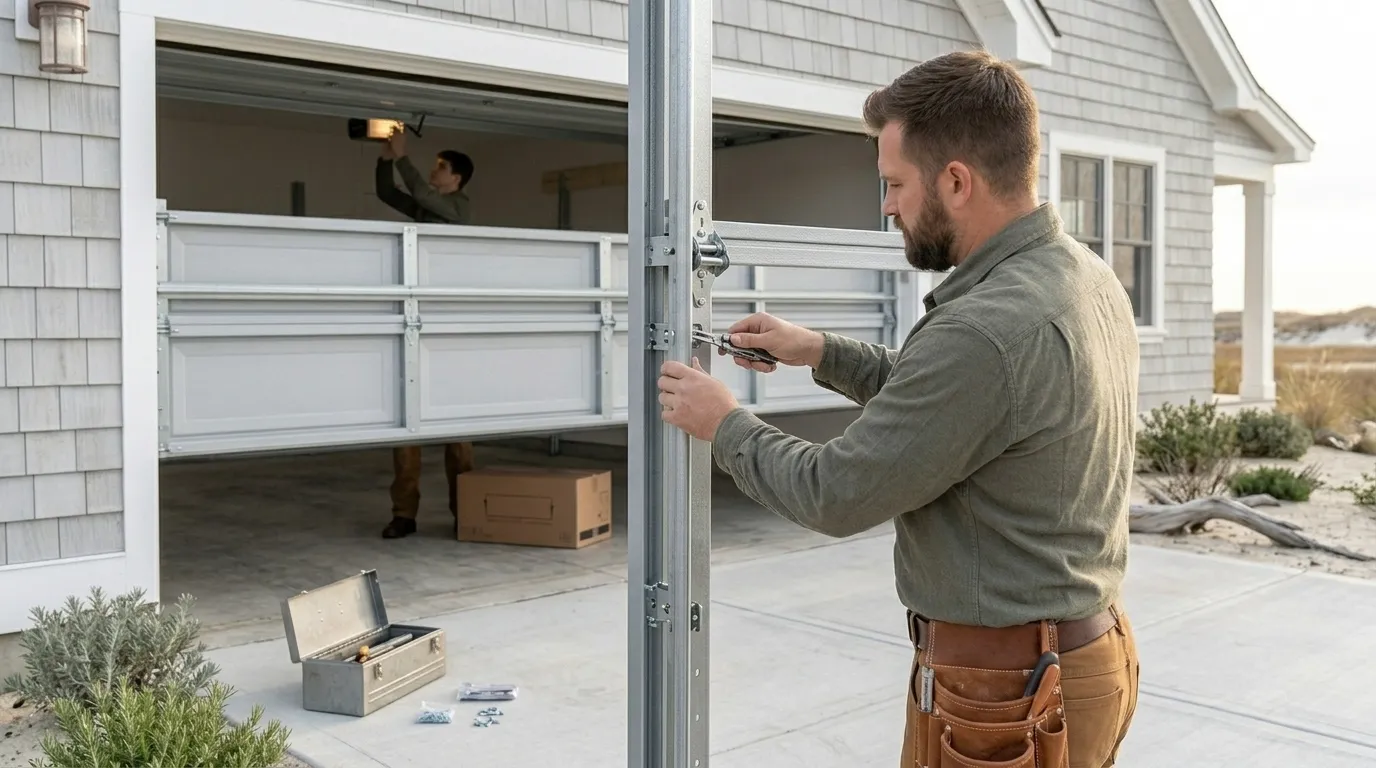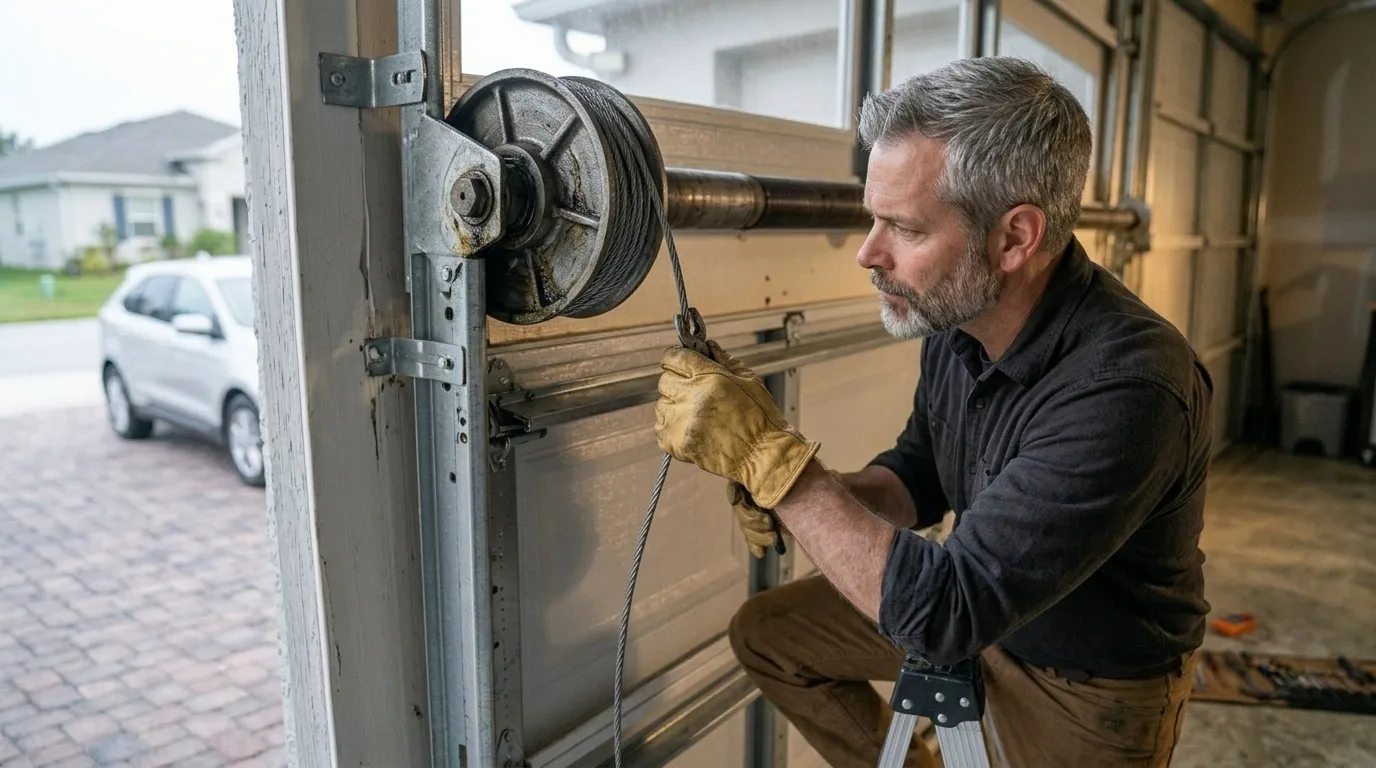
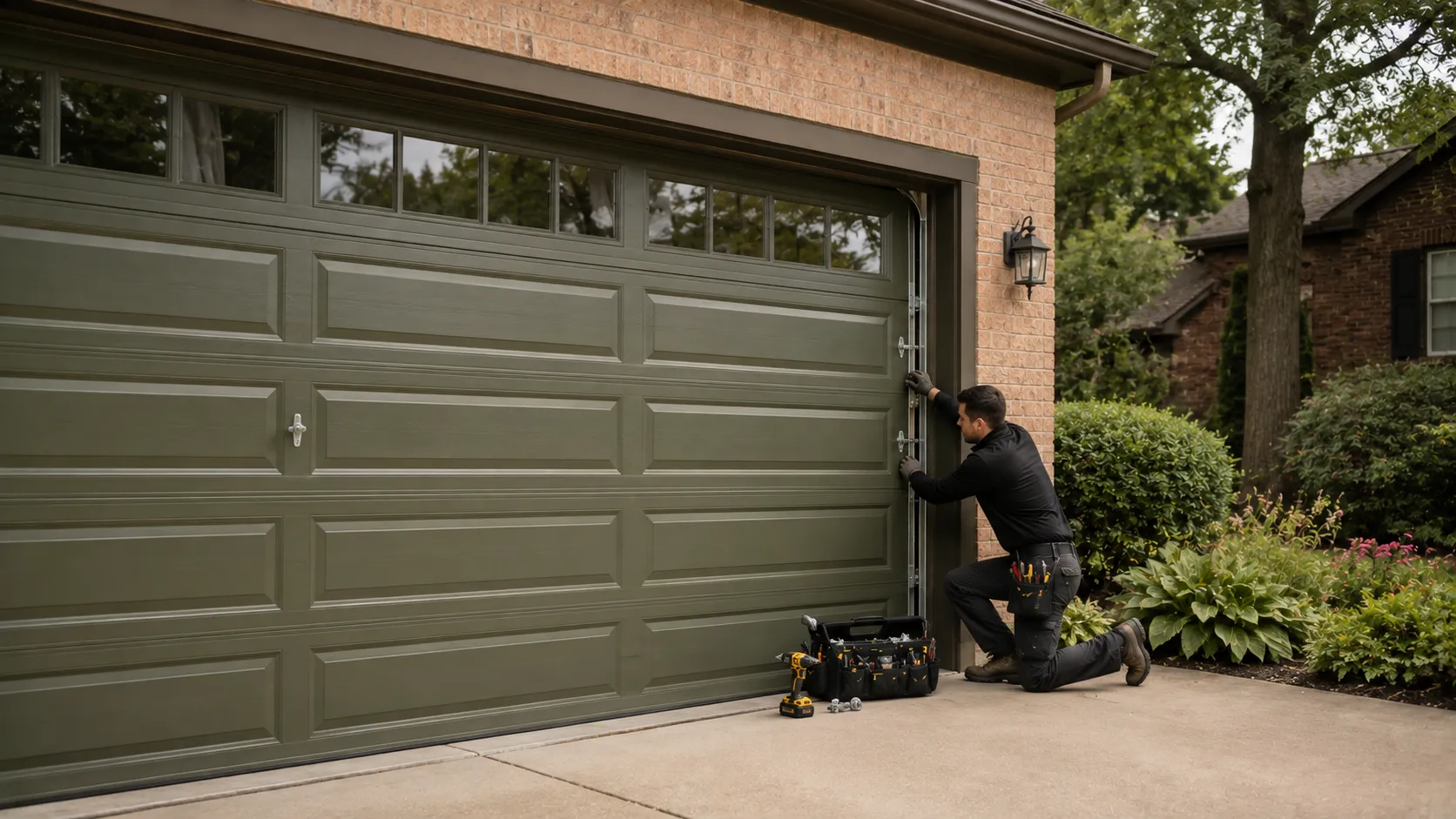
How We Fix It
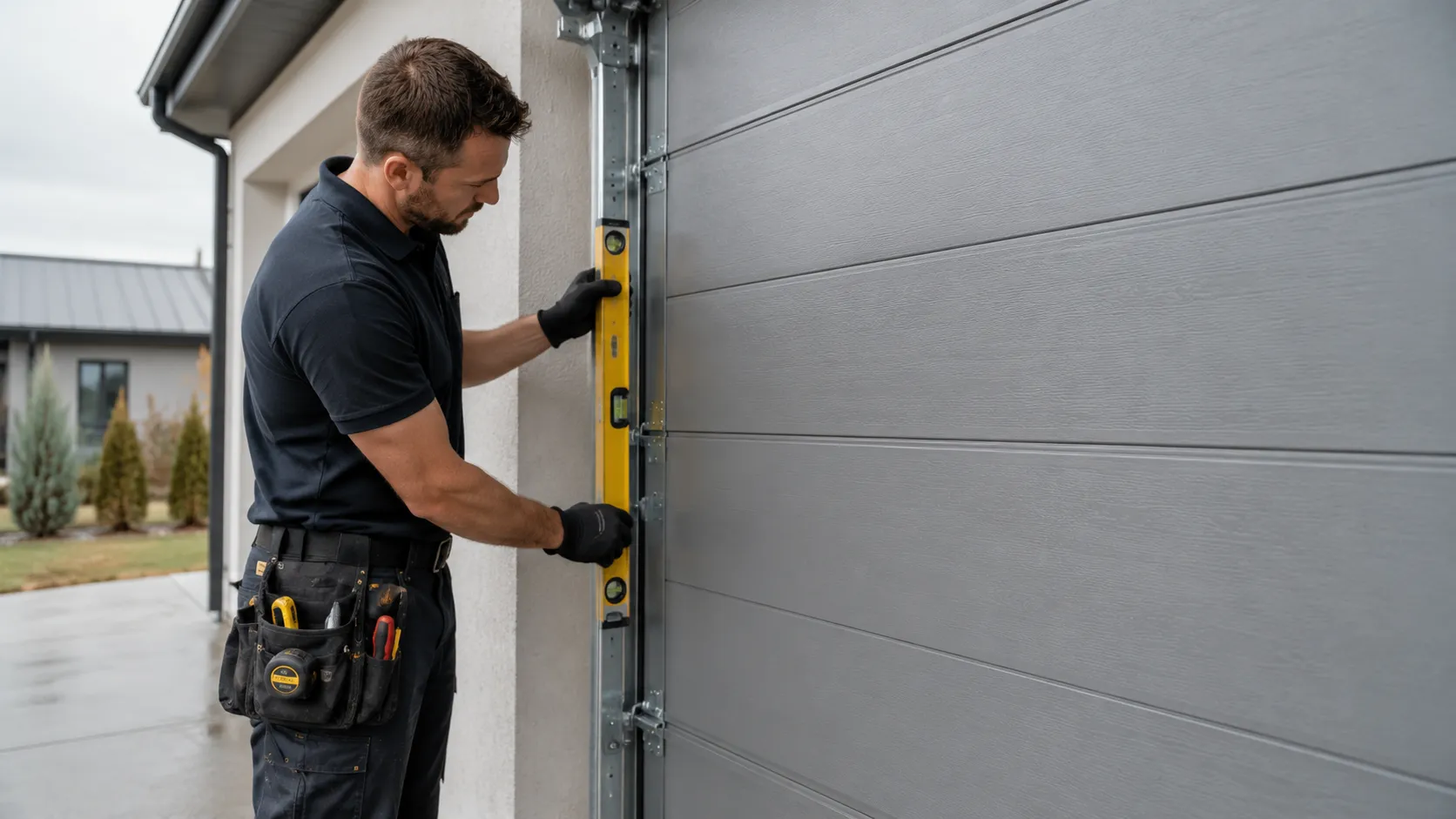
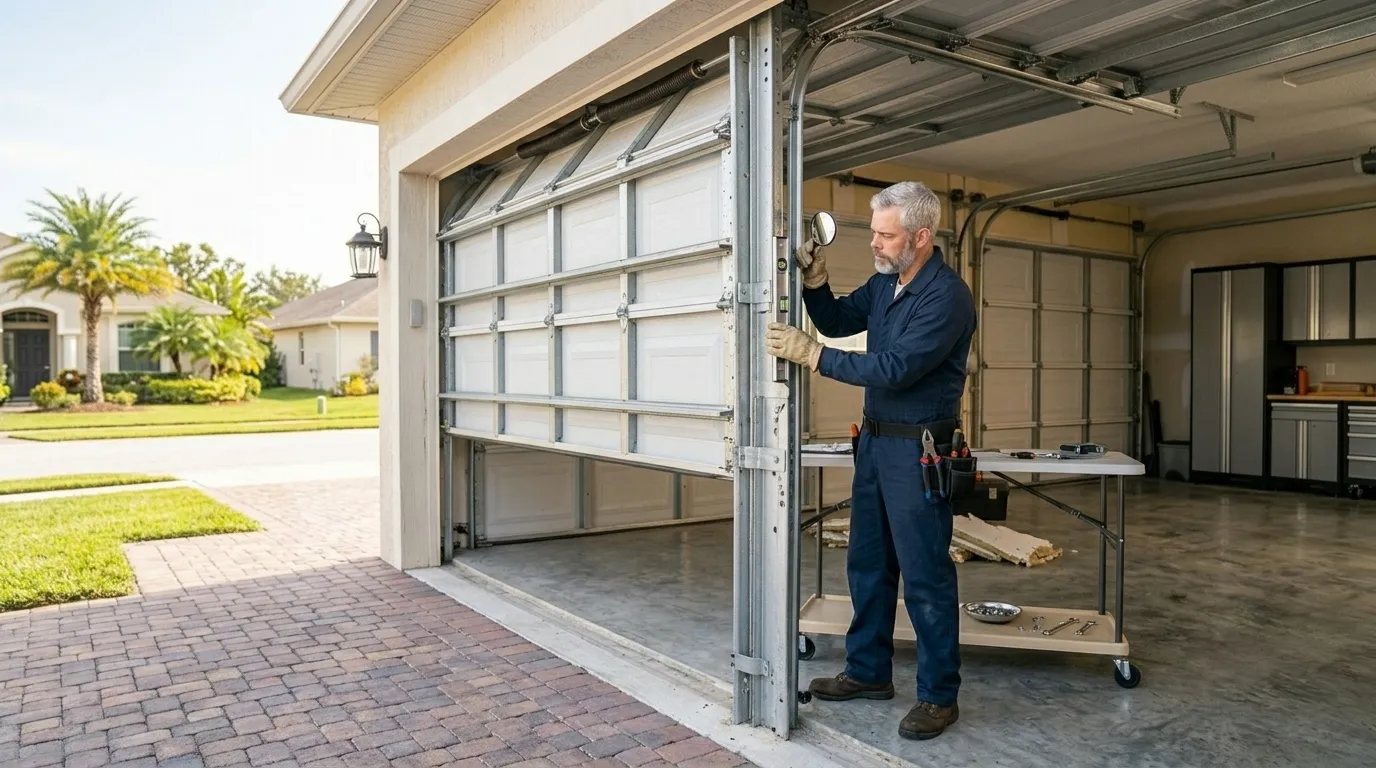
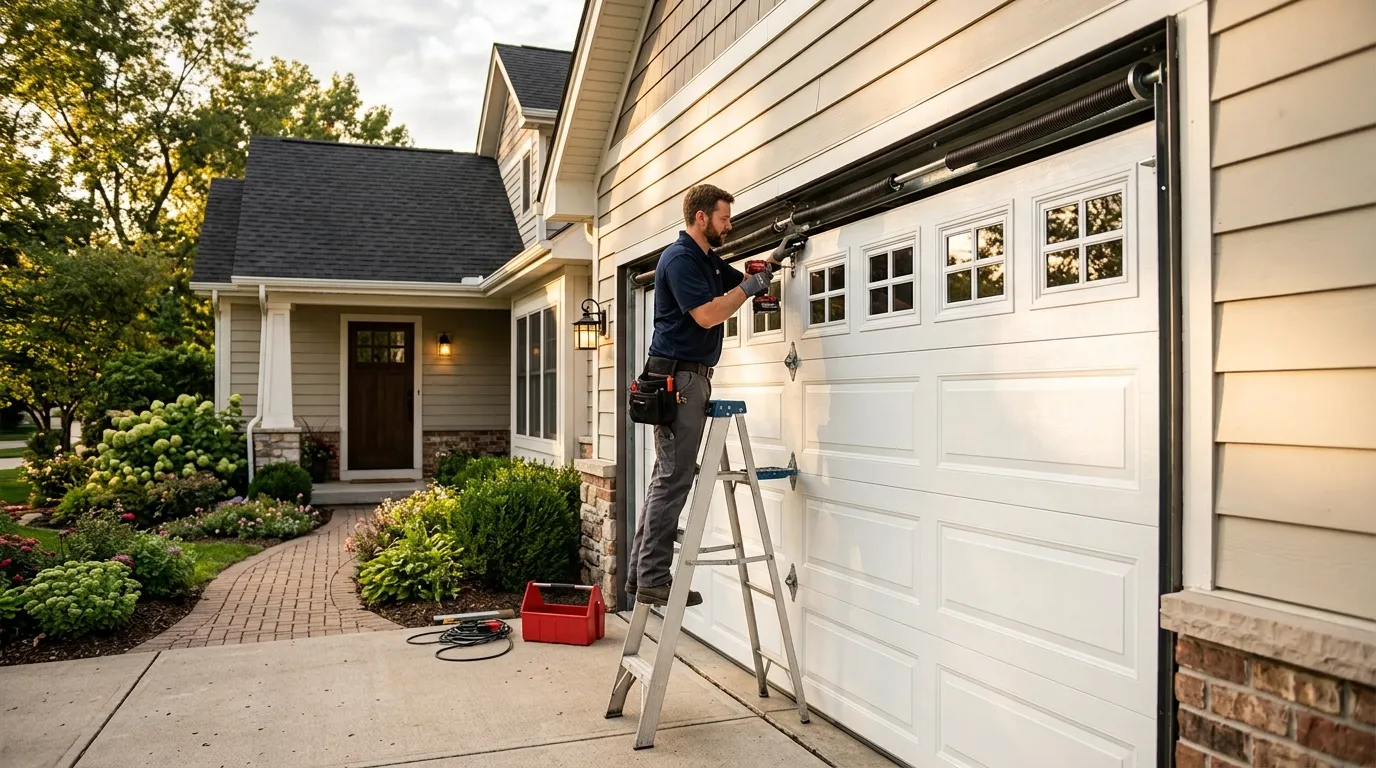
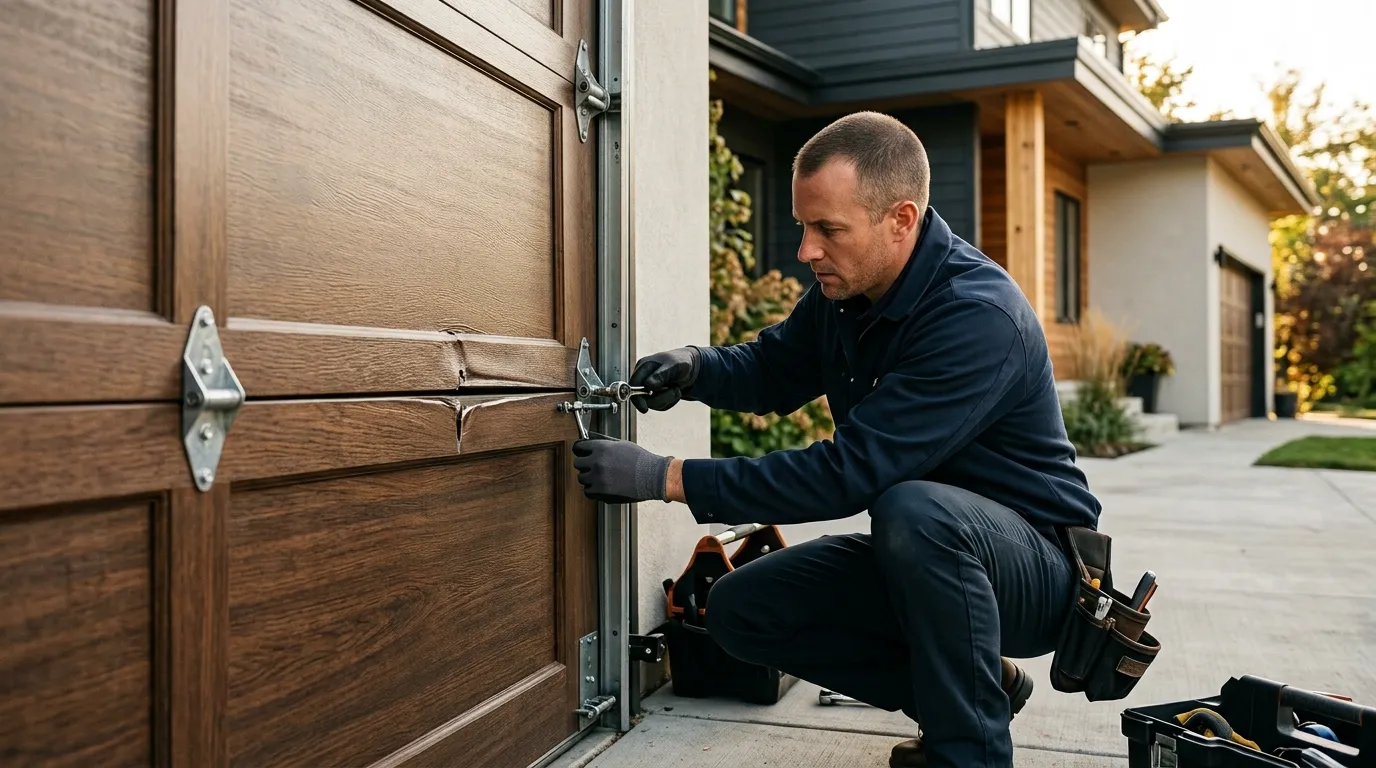
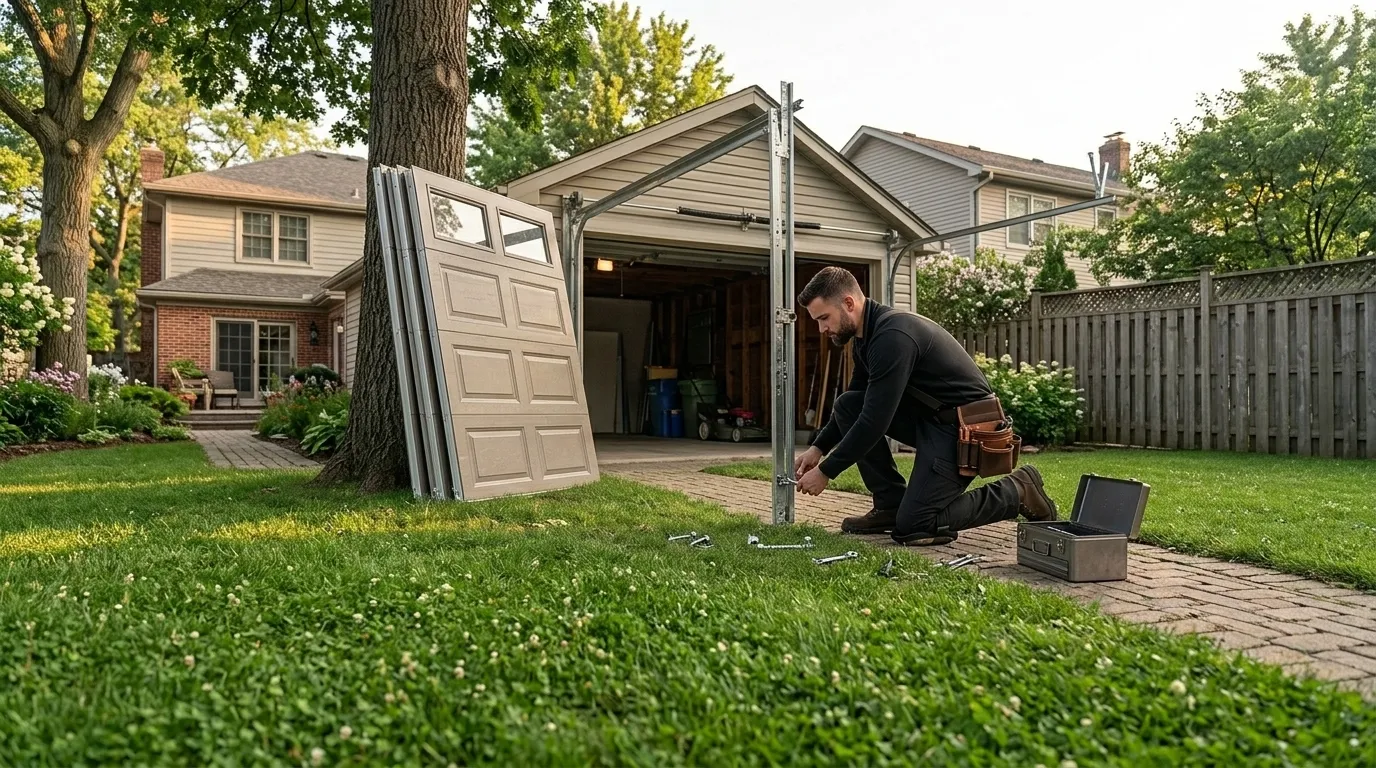
On a door with original 1950s-60s hardware, we're almost always pulling steel rollers and stems entirely, not matching them. Steel rollers on this vintage of track are usually undersized for a nylon swap without also checking the track gauge - some of these tracks were narrowed over decades of adjustment and re-hanging.
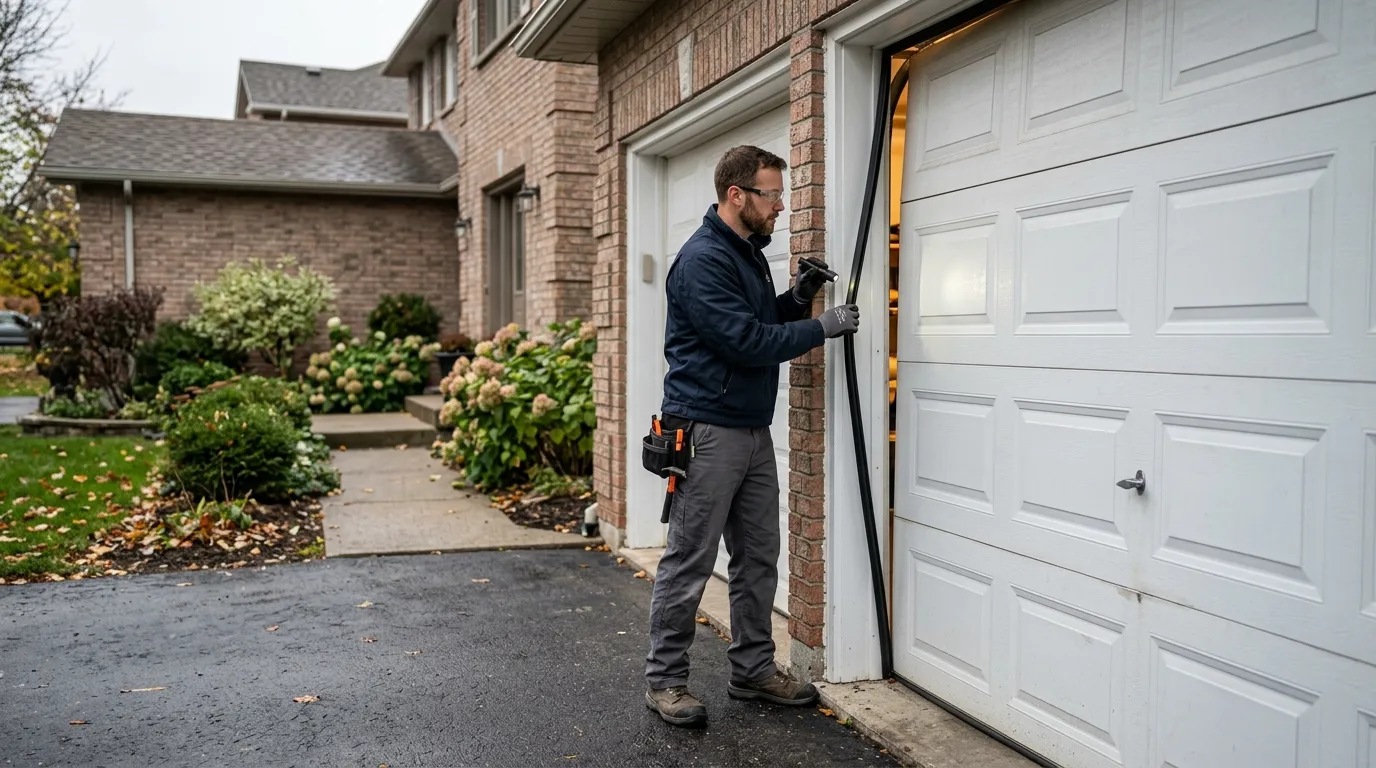
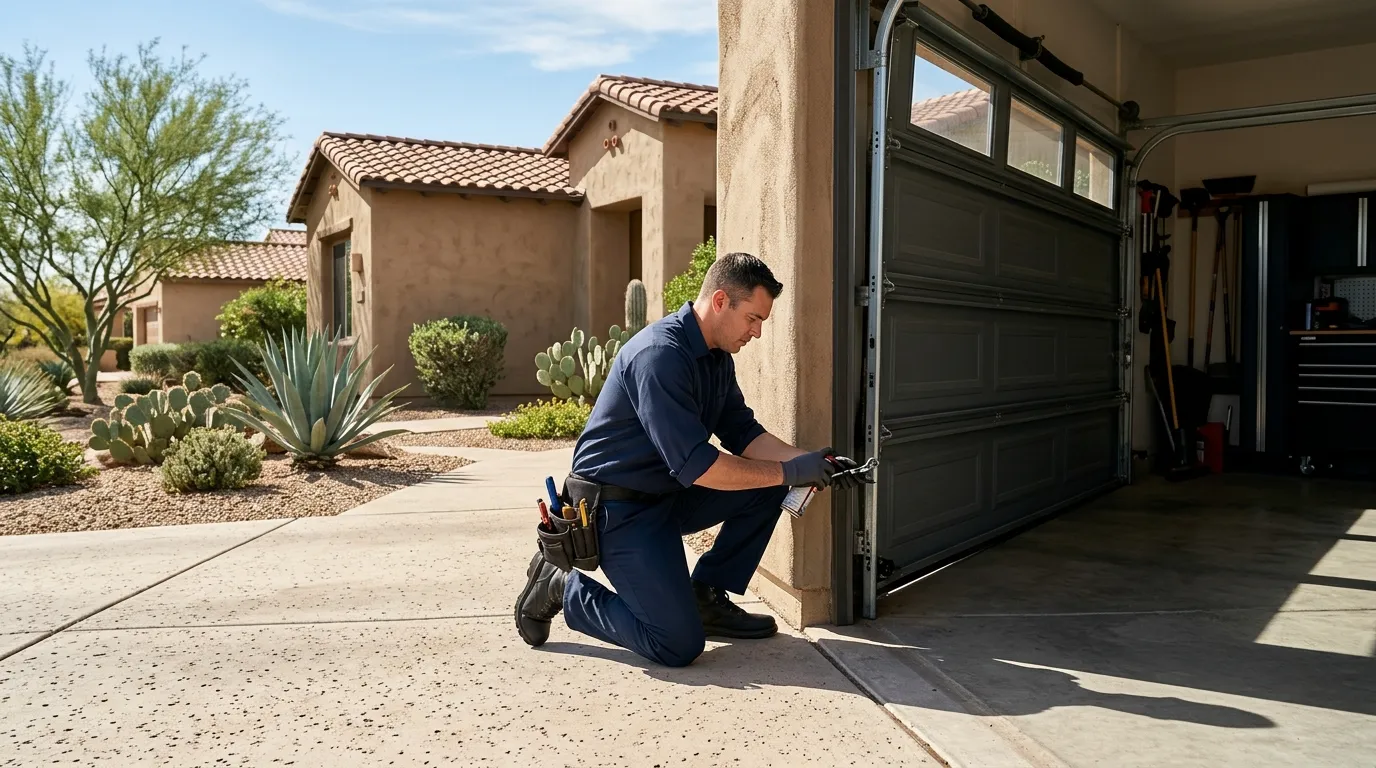
The swap itself is roller-by-roller with the door under tension, cables and springs left alone unless something else is failing at the same time. We check the stem for rust pitting where it seats in the hinge, because a stem that looks fine but is thinned out will shear within a year of a fresh roller going on it.
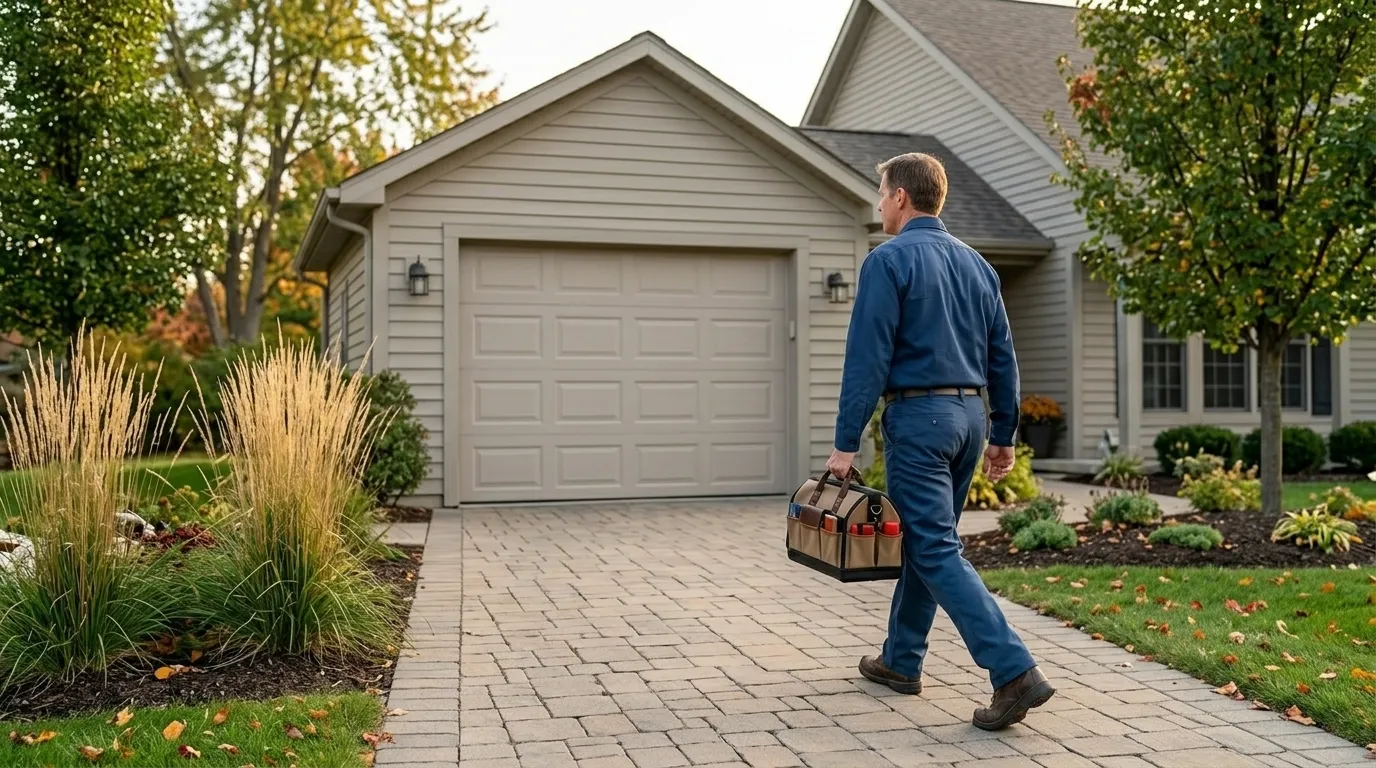
We travel out from Santa Monica for these calls, so the technician brings a stocked assortment of stem lengths and roller sizes rather than a single standard kit - 1950s track doesn't always match what a 1970s house takes. If the track itself is bent or the gauge is too far gone for a clean nylon fit, we say so before starting rather than forcing a roller that will bind in six months.
The Cost of This Job
We don't have a fixed number to quote here without seeing the door - the price shifts with how many rollers are actually shot versus how many are still serviceable, and whether the stems or track need attention alongside the rollers. What we can tell you is the honest limitation: on a door this old, a roller job sometimes surfaces a second problem once the panel is moving smoothly again - a spring that was compensating for roller drag, or a hinge that's cracked and was masked by a sticking door. We'd rather flag that up front than let a callback surprise you.
With a median household income of $74,270 in Compton, we know a repair like this needs to be a clear, considered call rather than an upsell. If a full roller set doesn't make sense against a door that's failing in other ways too, we'll say that plainly instead of running the bill up on a door that's near the end of its life anyway.
How It Shows Up
On these older Compton doors, the first sign is usually noise before it's a functional problem - a grinding or clunking as the door travels, worse at the top and bottom of the run where the roller carries the most load through the curve. You might also notice the door hesitating or jerking rather than gliding, which is the flat-spotted wheel catching on the track edge.
Left alone, a worn steel roller starts chewing into the track itself, and at that point you're not replacing rollers anymore - you're replacing track, which is a bigger job. If the door is visibly leaning to one side as it moves, or a roller has actually popped out of the track, stop opening it and get it looked at before a cable or spring takes the extra strain and fails too.