The Cost of This Job
We're not going to put a number here that isn't tied to what's actually wrong with your door - too much depends on whether you need a spring, a full torsion conversion, or a new opener motor. What we can tell you is how the decision usually gets made in this town: median household income in Culver City runs well above the $83,538 average across the wider area we serve, and that income gap shows up directly in what people choose to do with an aging door.
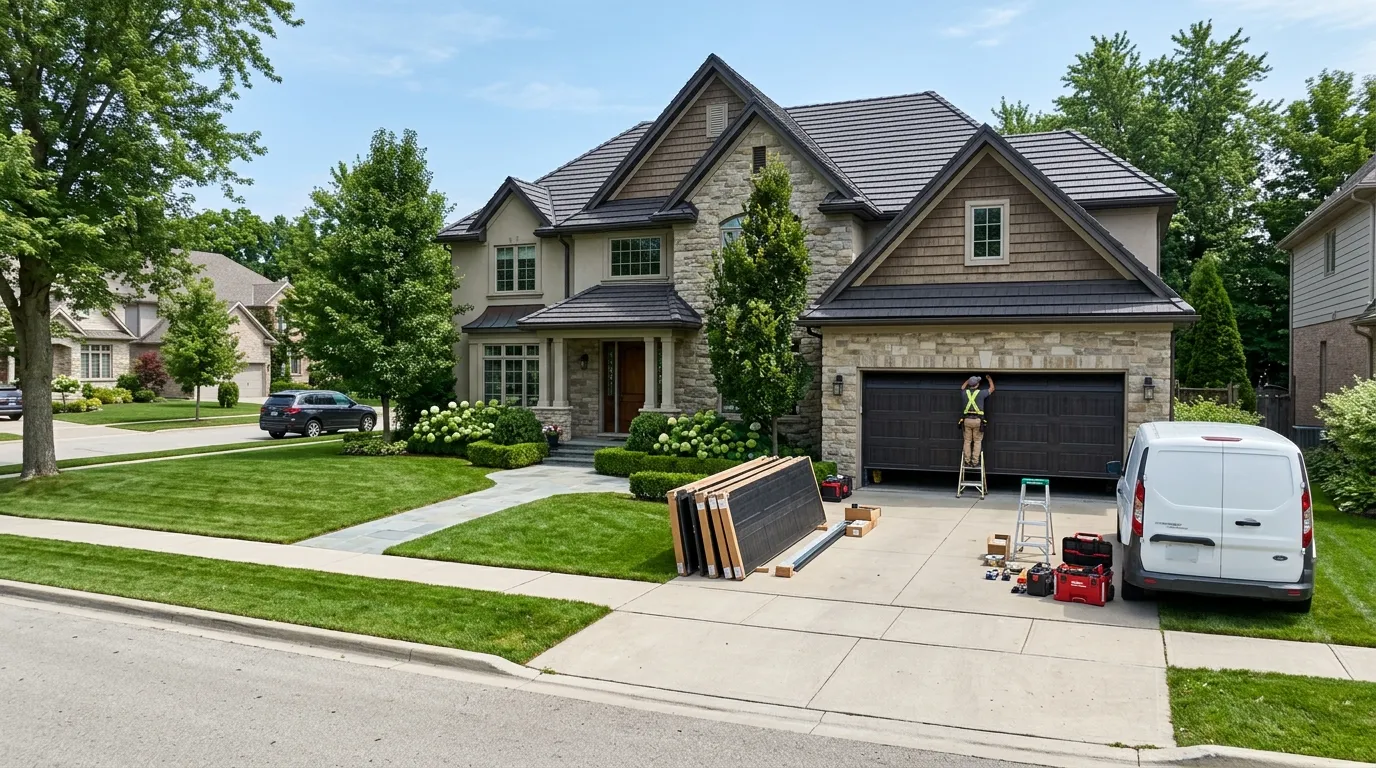
Owners here are more likely to replace the whole unit - panels, springs, opener - in one job rather than nurse a forty-year-old door through another repair. That's not us pushing a bigger ticket. It's what the numbers on the ground actually support, and it means we walk in ready to quote either path, not just the cheap one.
Why This Fails Locally
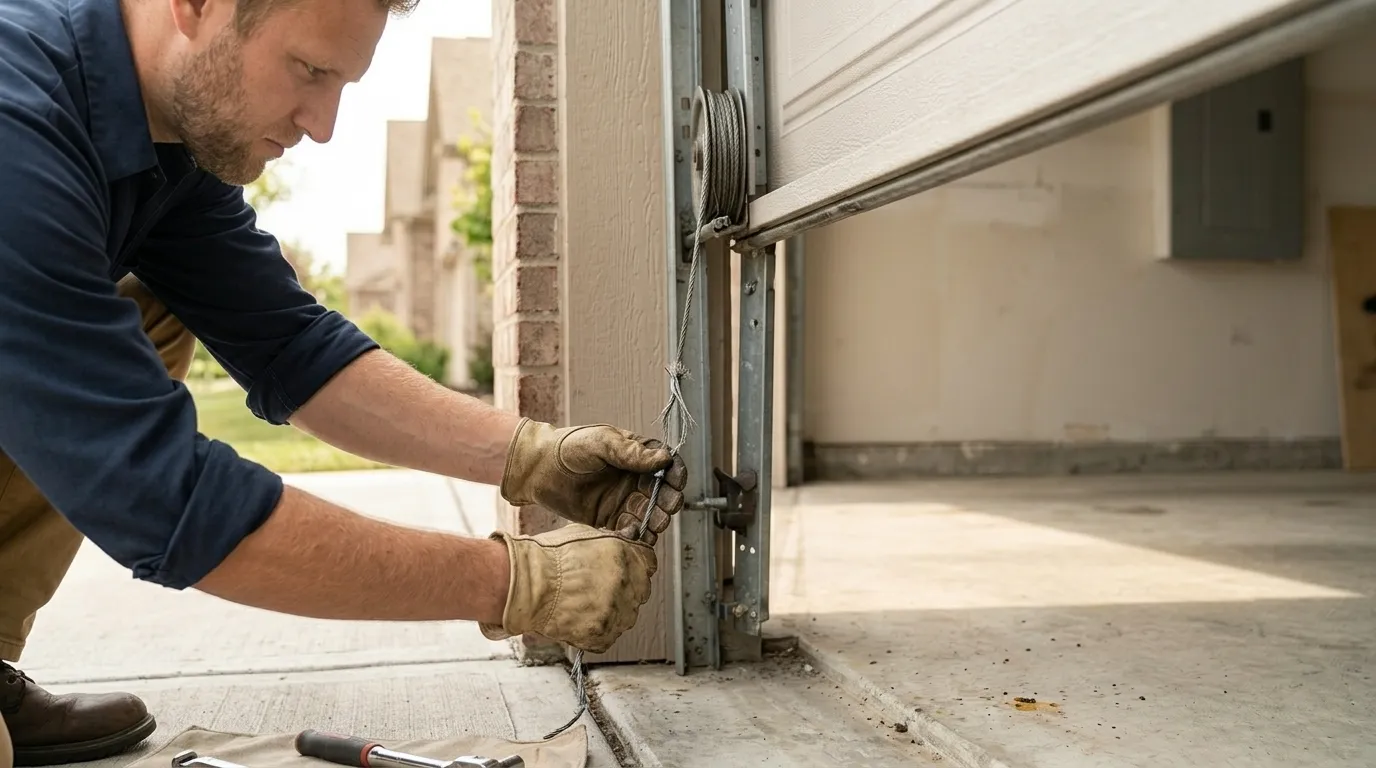
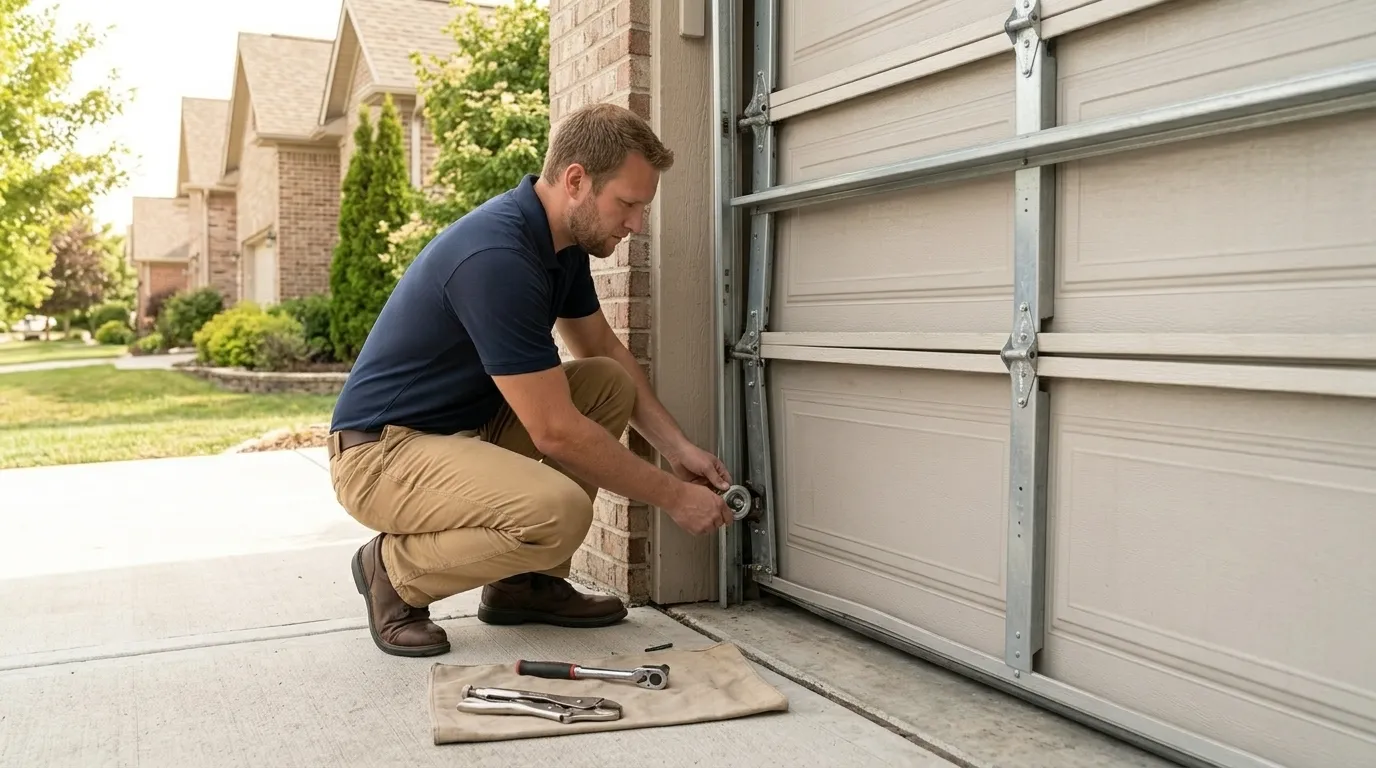
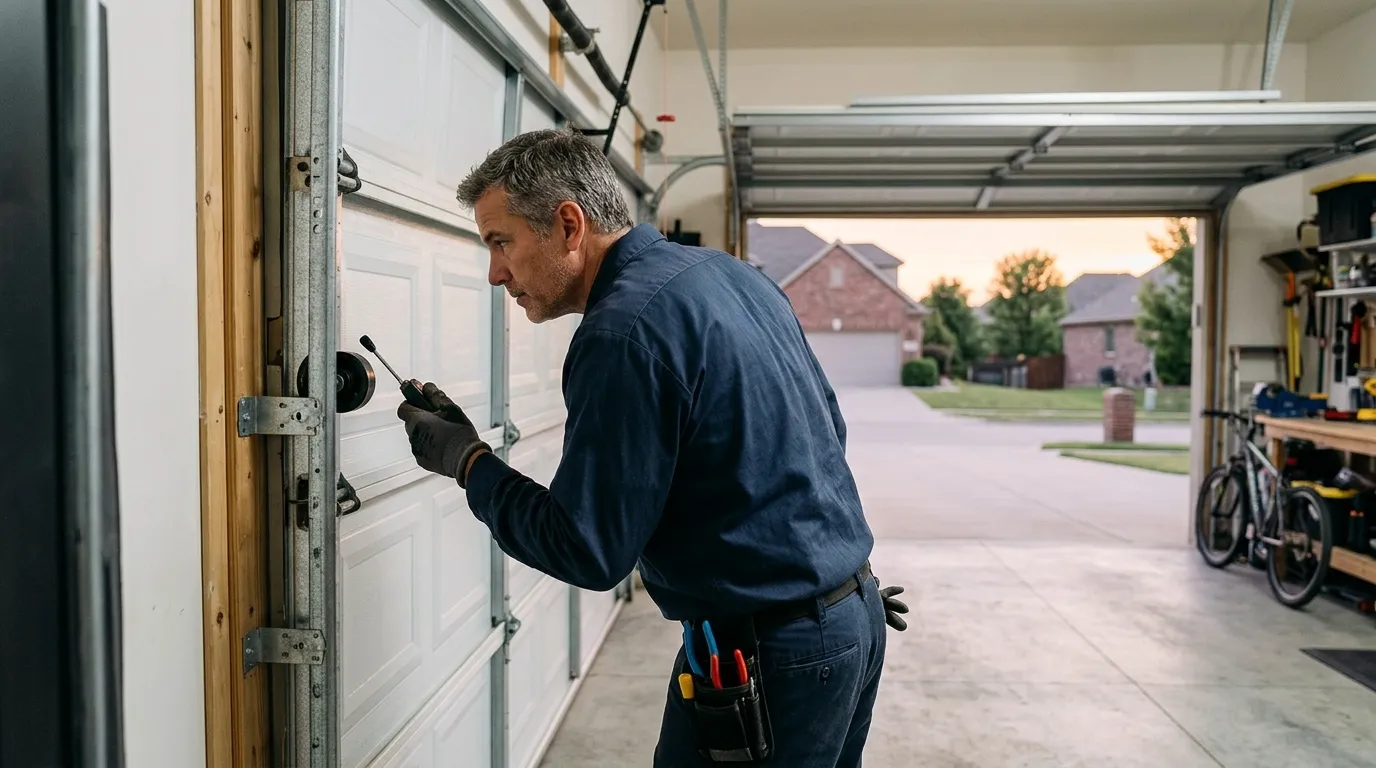
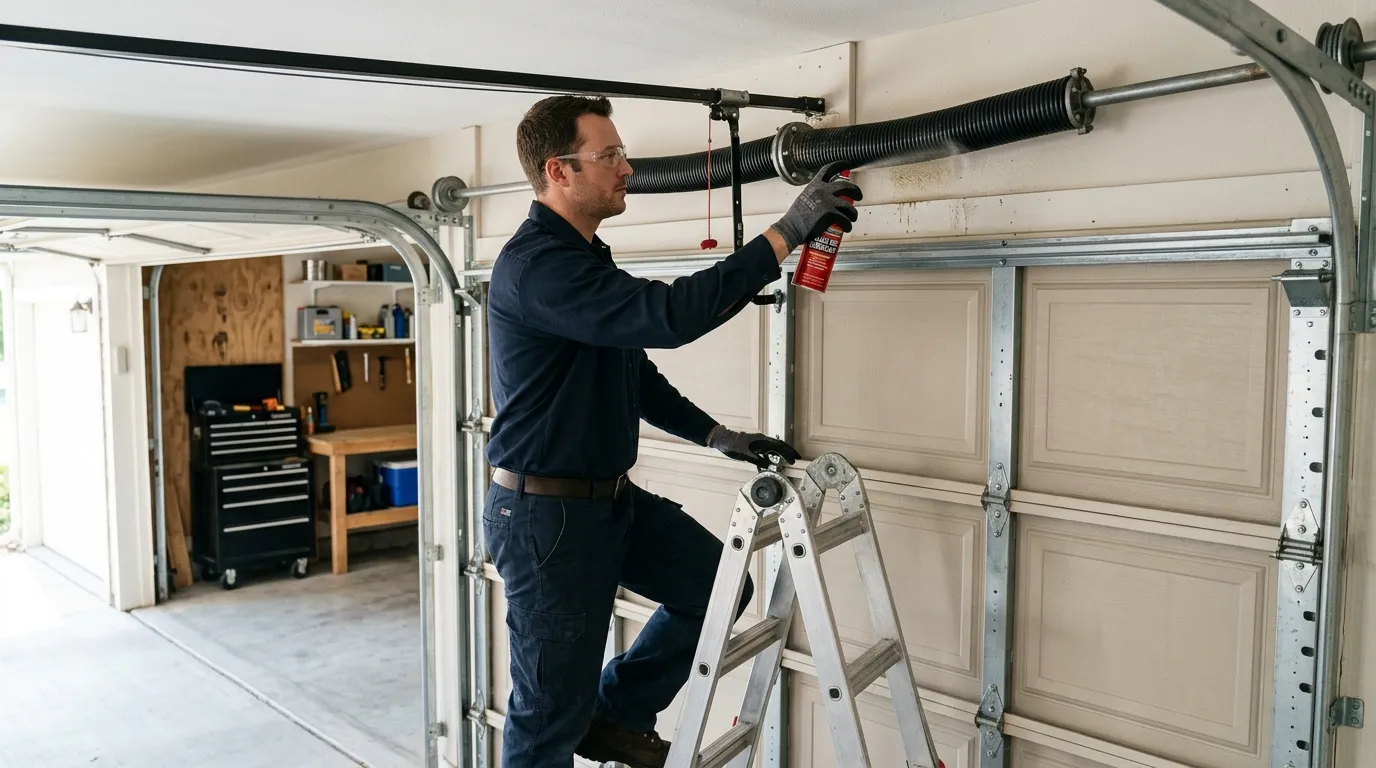
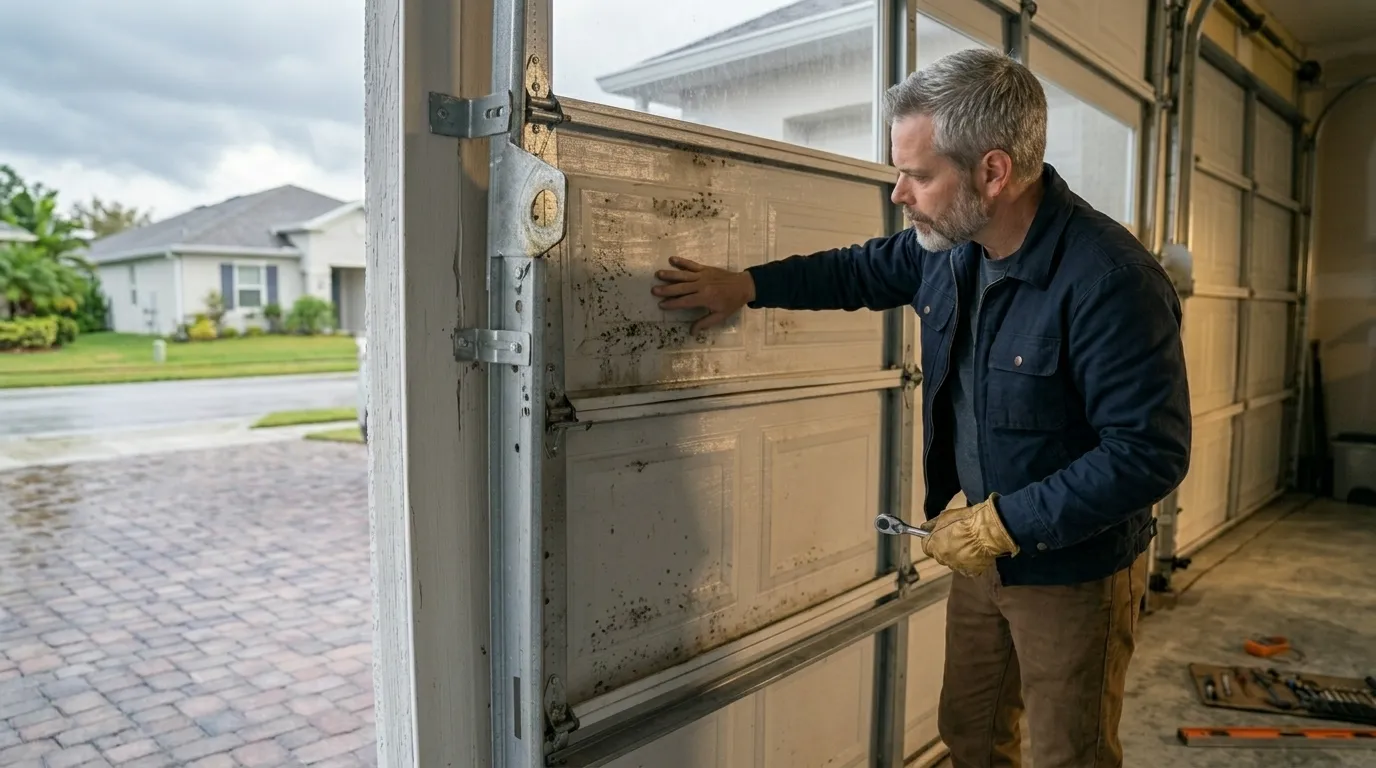
Doors going up in the early 1960s here typically came with two-piece steel panels and side-mounted extension springs, not the torsion bar you'd find on anything built after later code updates - and that older hardware is exactly what fails first in this town's garages. The springs stretch, the pulleys wear oval, and the cable starts jumping the drum, usually right around the twenty-to-thirty-year mark past their last service, which for a lot of Culver City garages was a while ago.
The mild coastal climate this area sits in means you're not fighting the freeze-thaw cracking that kills doors inland, so the failure here is almost always mechanical fatigue, not weather damage to the panels themselves. That's a narrower problem to diagnose, which is part of why the job itself tends to run faster once we're on site - the fault is in the hardware, not hidden behind rust or warped wood.
The Complications
The honest limitation: original hardware from the early 1960s isn't something big-box suppliers stock on the shelf. If your door still has its factory extension springs or an old two-piece panel that's cracked rather than dented, we may need to order the matching part rather than swap it same-visit, and that lead time is real - we'd rather tell you that up front than promise a fix we can't deliver that day.
The other complication is scale of decision, not mechanics: with 17,740 households in Culver City and a higher share of owners choosing full replacement over patch repair, we sometimes walk into a job expecting a spring fix and find the track, the opener, and the panel all past the point where a repair makes financial sense. When that's the case, we say so plainly instead of stacking small fixes on a door that's due for retirement.