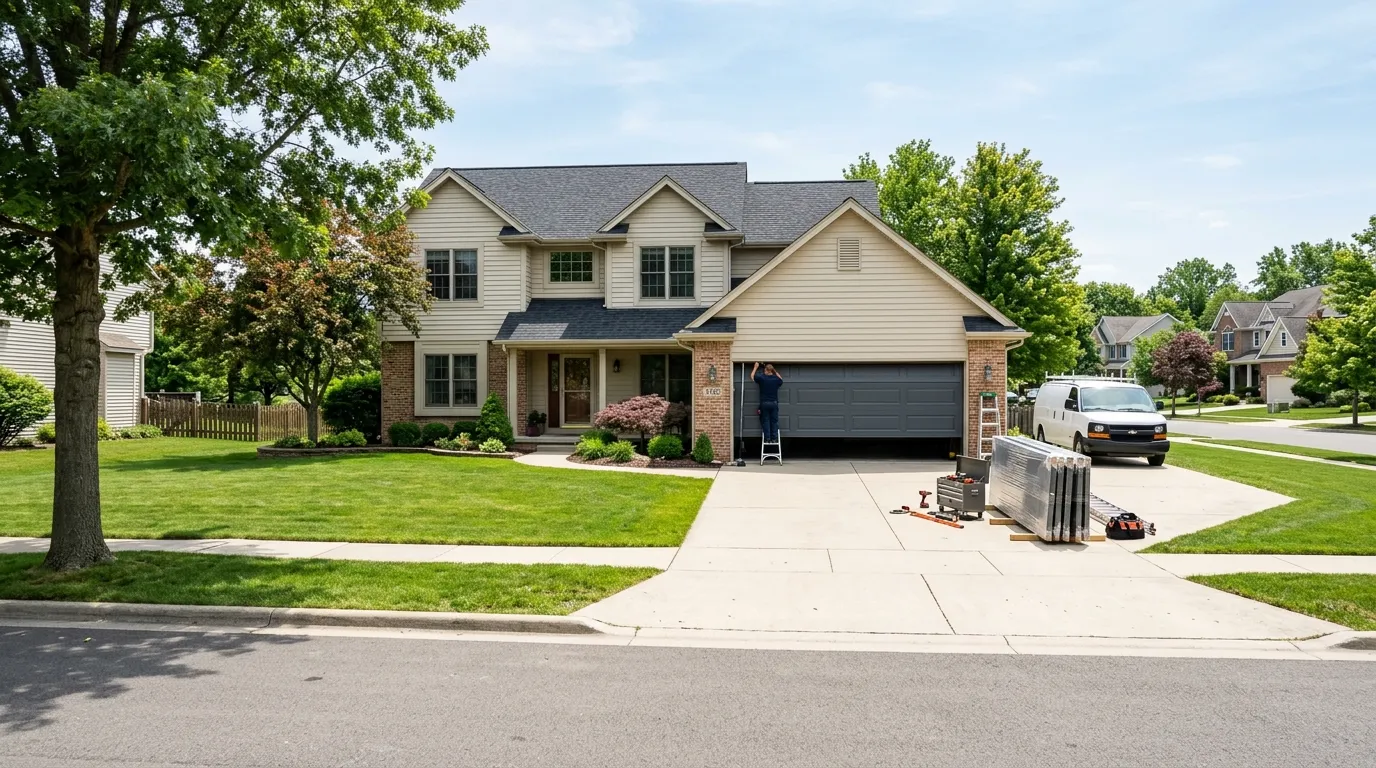
The Cost of This Job
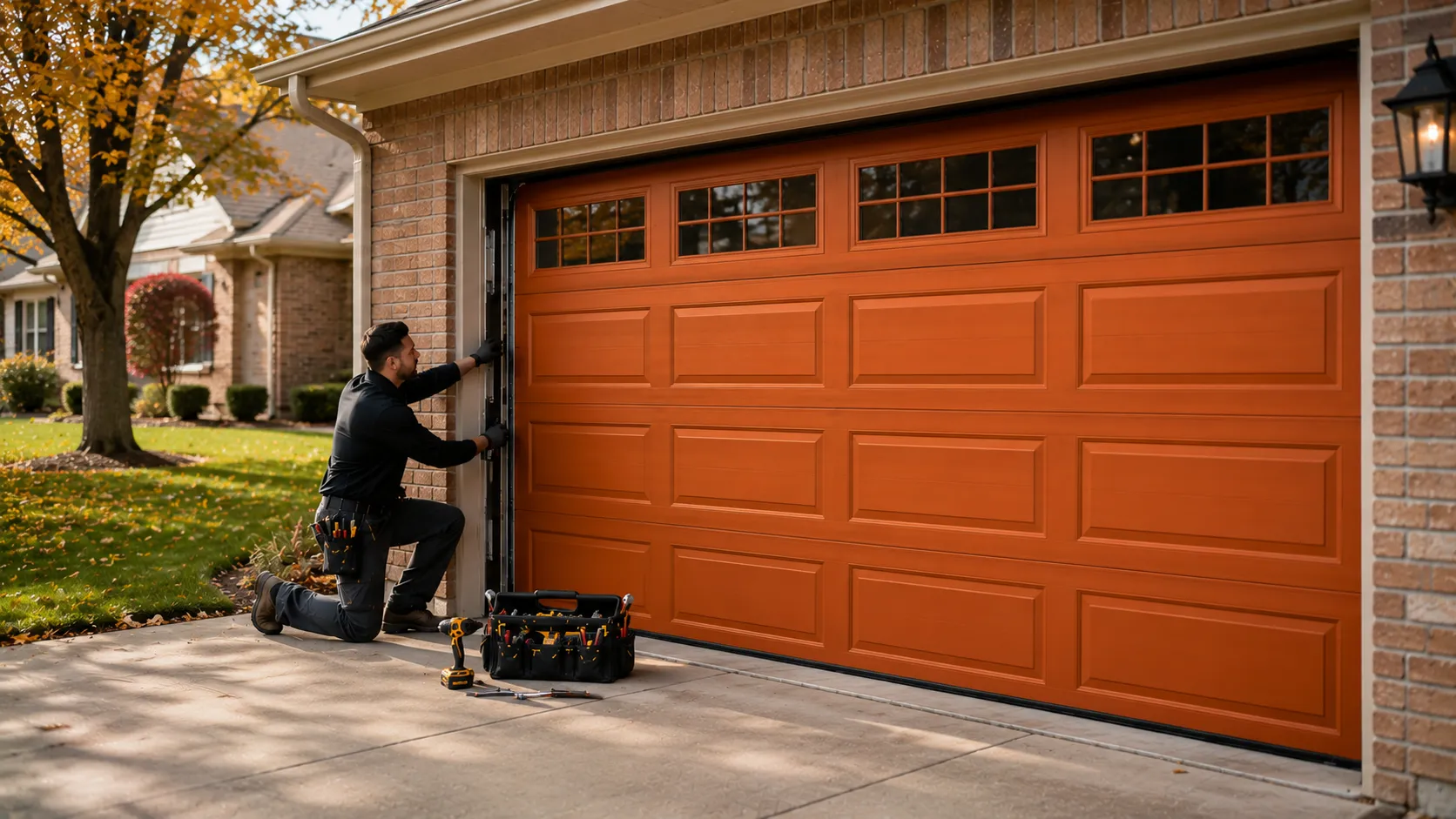
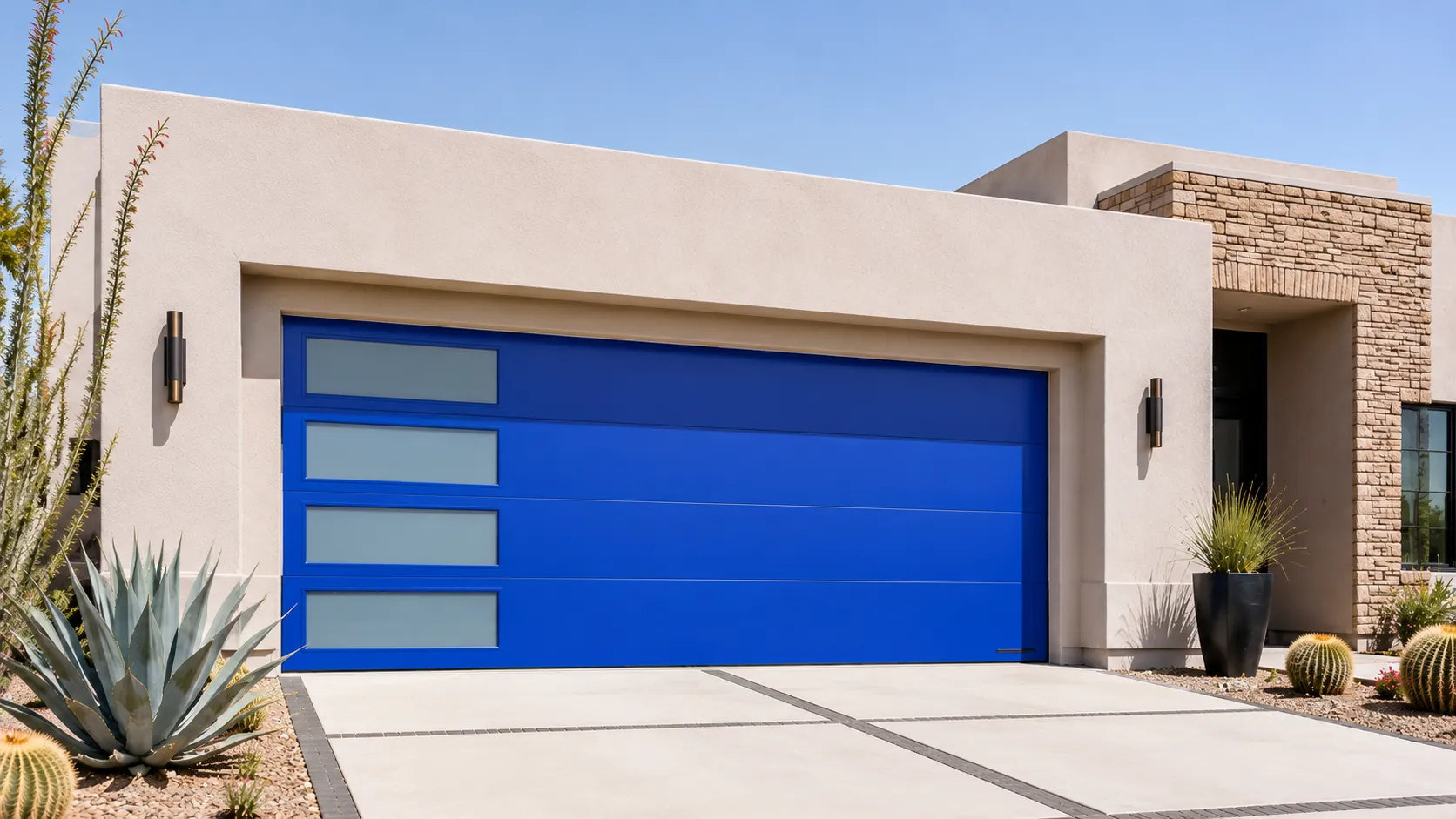
Culver City's median household income sits at $83,538 across the wider service area, but the local number here runs well above that - $122,312 for Culver City itself. That gap shows up in the kind of doors we get asked to quote: fewer bare-minimum steel sections, more insulated doors with a heavier-gauge skin and better hardware that won't need touching again in ten years.
We won't quote you a number in this paragraph - pricing depends on door size, insulation level, and whether the opening needs framing work - but we will say the cheapest door on the shelf is rarely the one we end up recommending once we've seen what's behind your current one. If your opener and track are original to a 1962 build and still functioning, we'll tell you honestly if they're worth keeping instead of replacing everything at once.
Why This Fails Locally
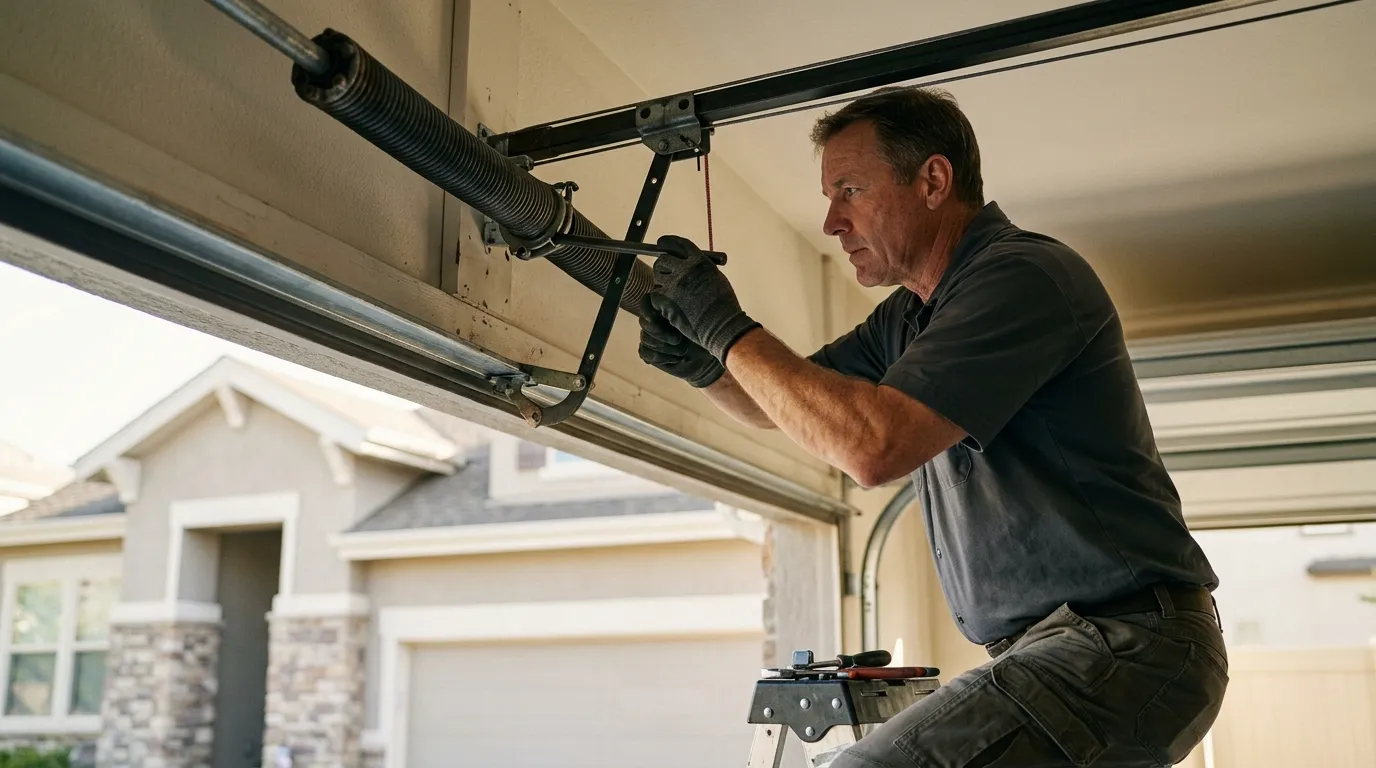
Culver City sits in a mild temperate band - no hard freeze, no real humidity swings - so the failure mode here isn't rust-through or ice-cracked panels the way it might be somewhere with real winters. What actually gives out on a house built around 1962 is UV and age: torsion springs that have cycled tens of thousands of times without a real winter to slow the wear, and steel that's thinned from six decades of sun rather than corrosion.
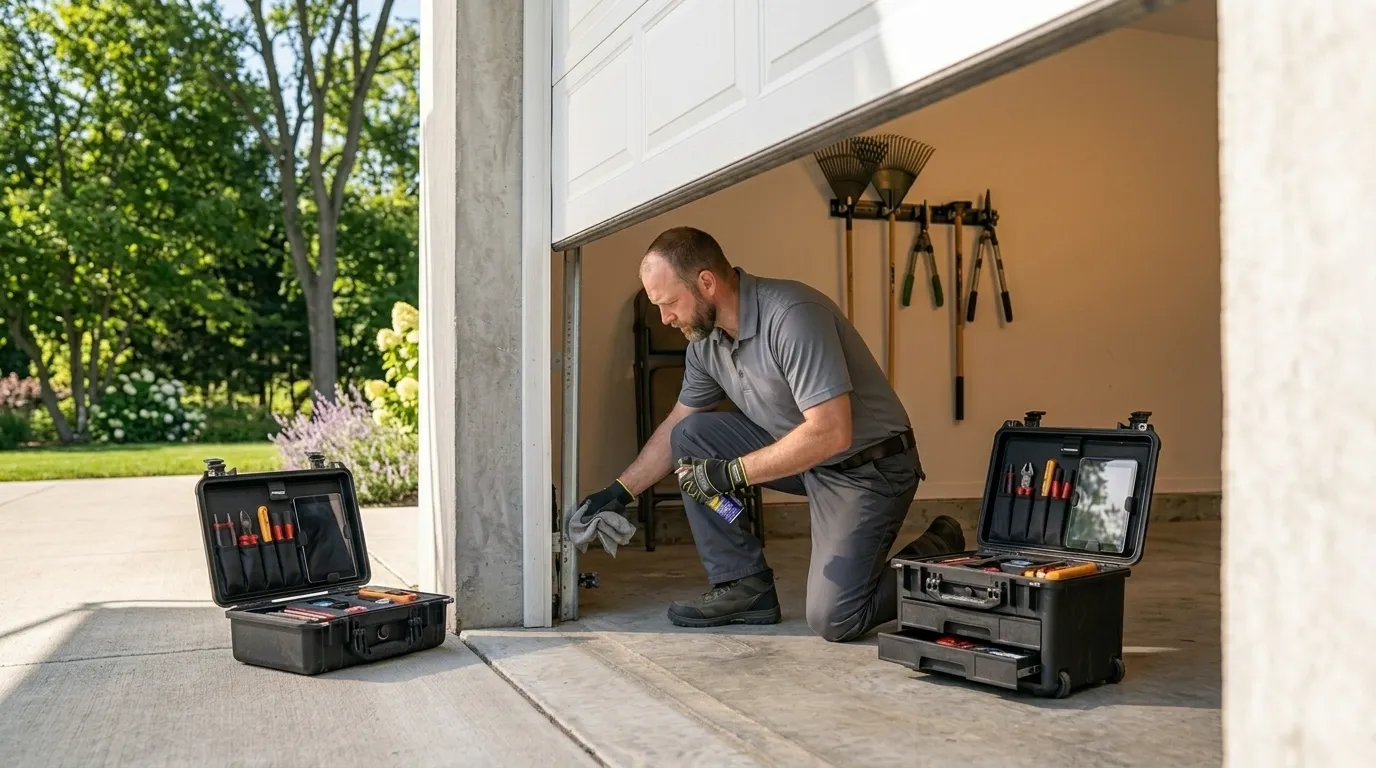
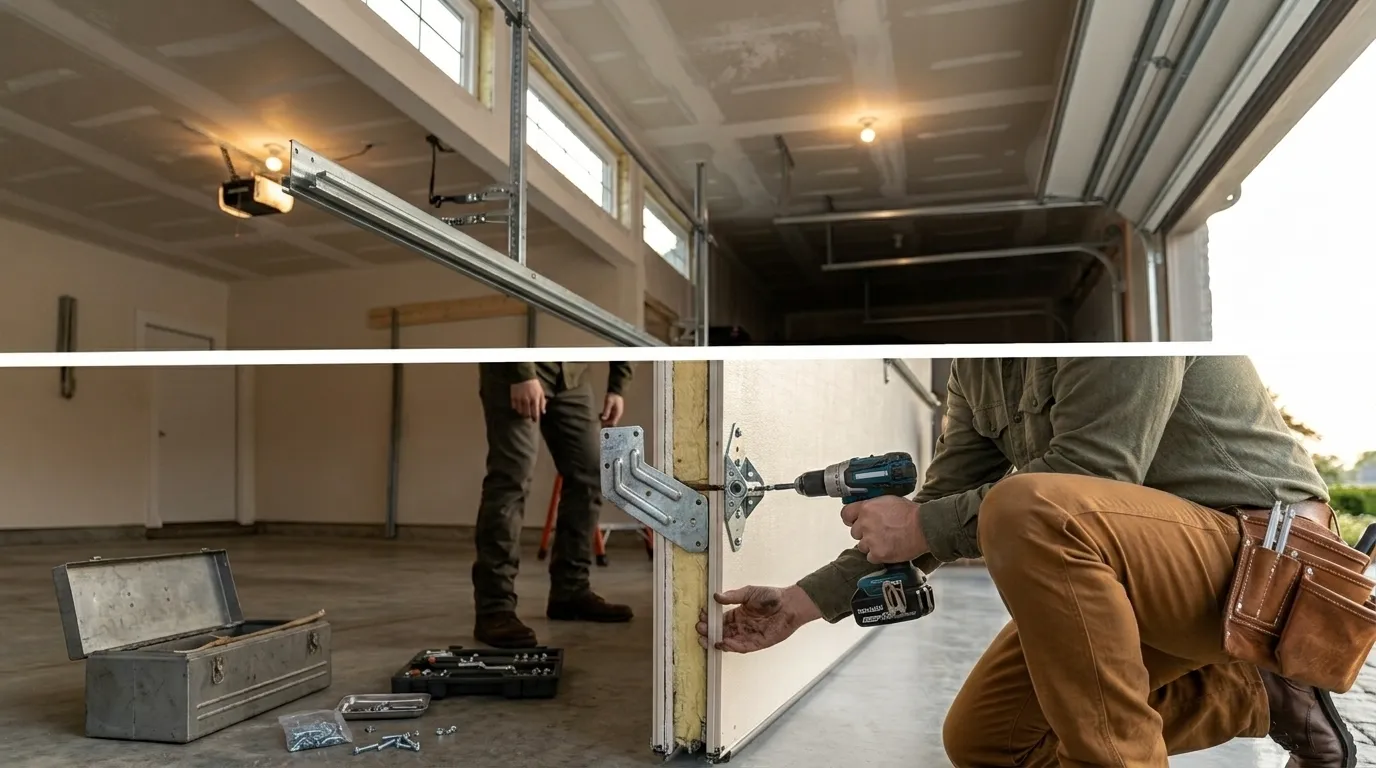
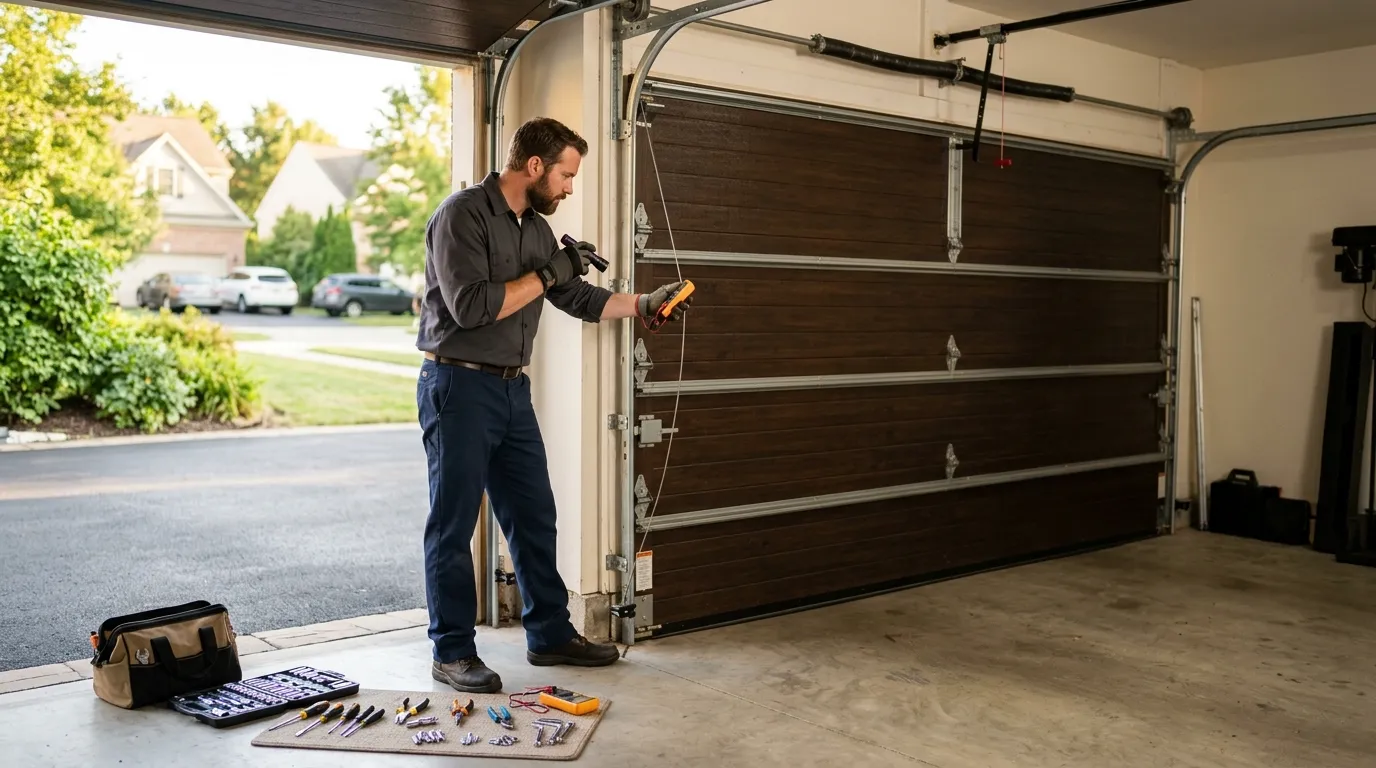
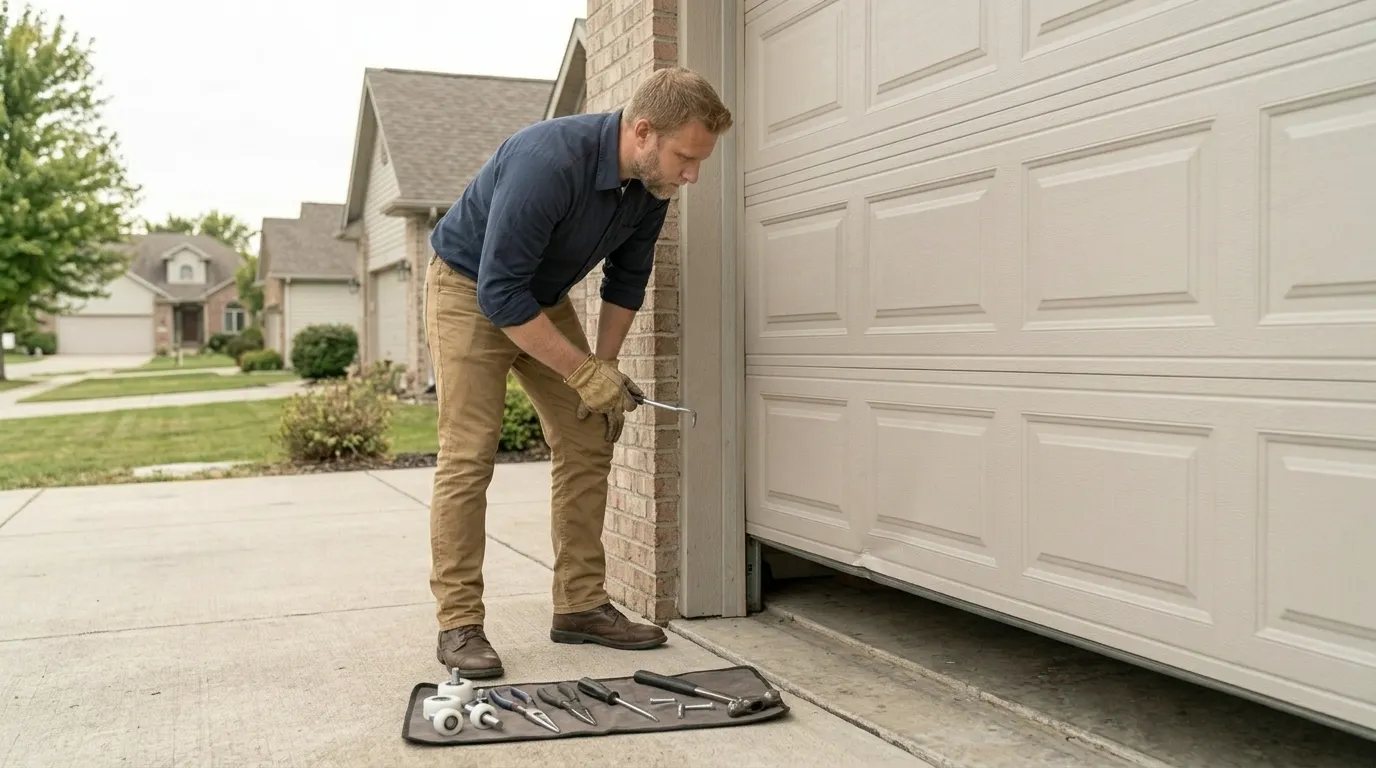
On an original one-piece or early sectional door, the springs and the track brackets are usually the first things to go, and they're often sized for hardware nobody stocks anymore. That's the moment a repair quote turns into an install quote - not because we're upselling, but because the replacement part literally doesn't exist in the current catalog. We'll always try the repair first if it's viable; we just won't pretend a part exists when it doesn't.
The Complications
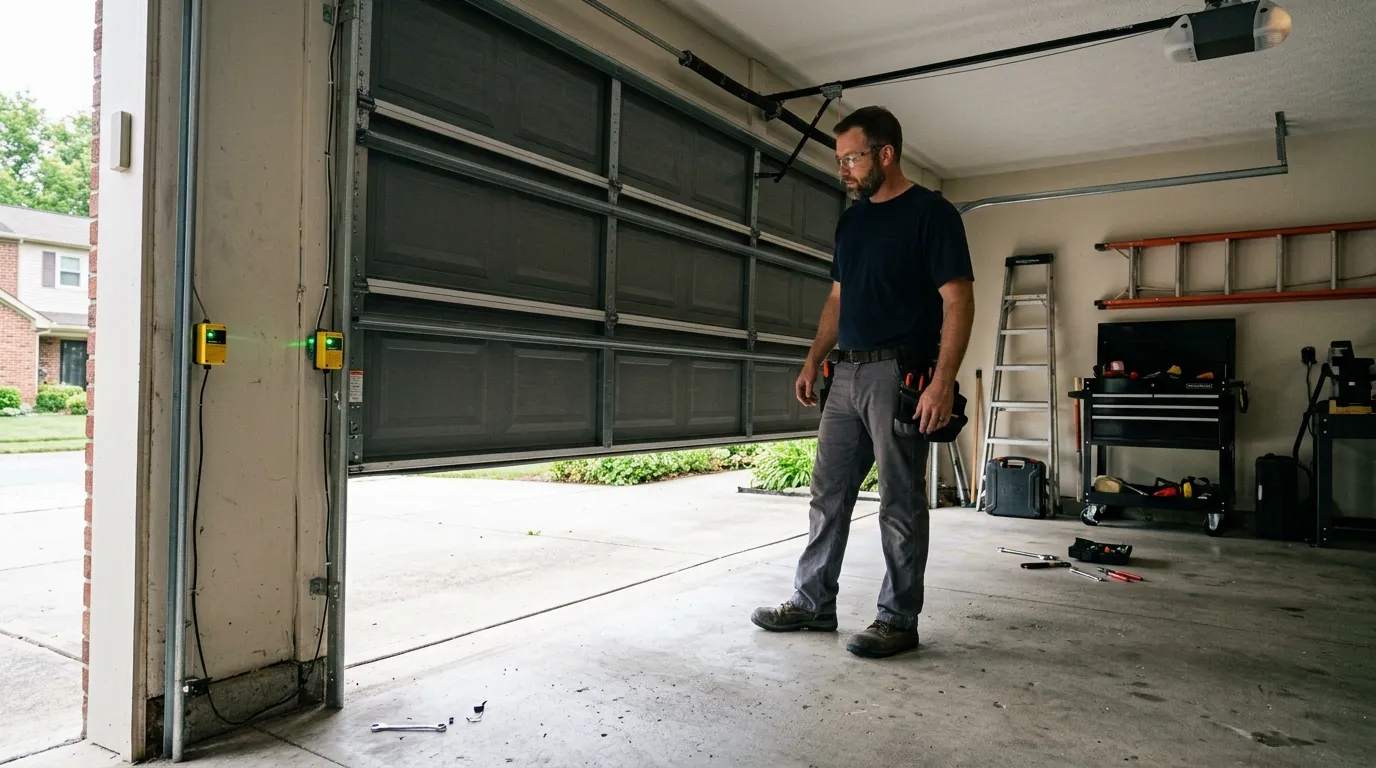
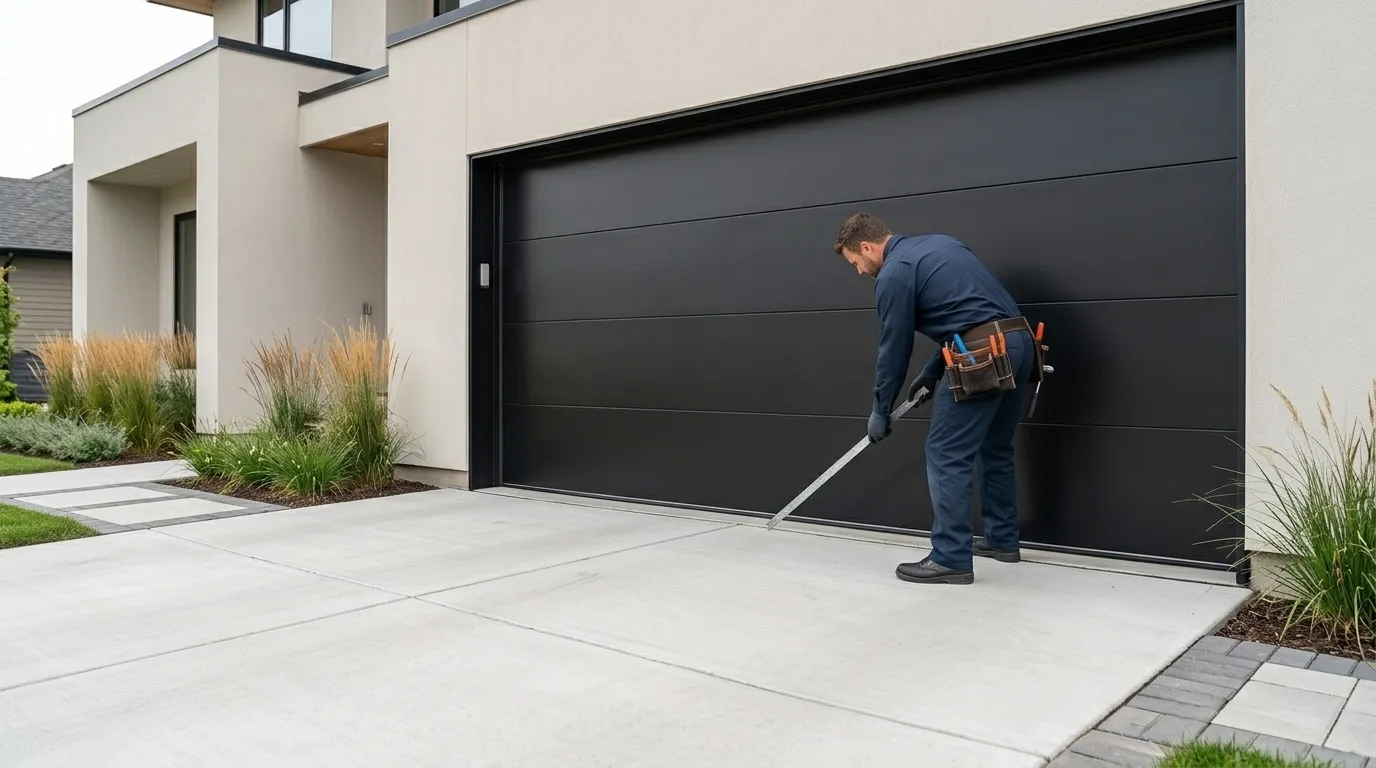
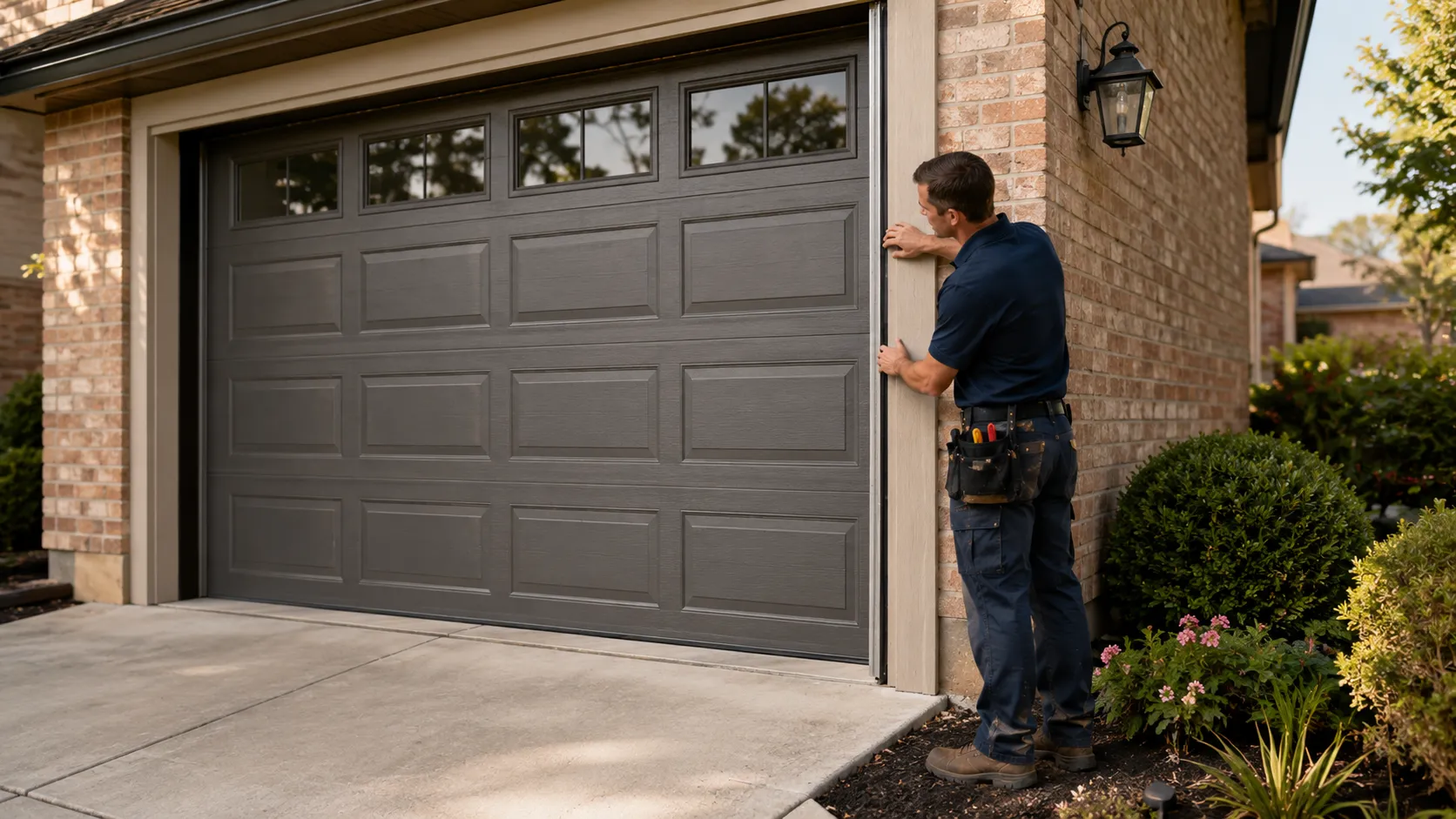
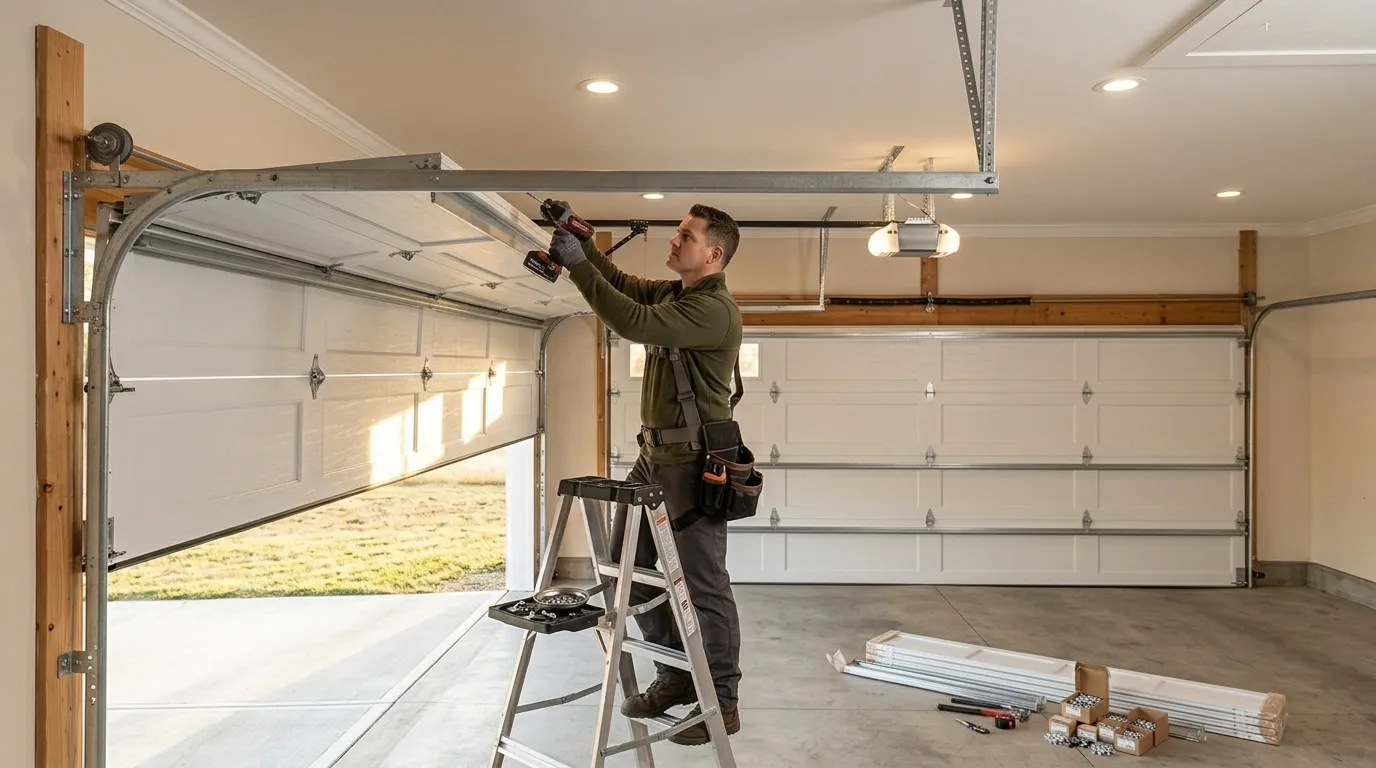
The most common complication on a Culver City install isn't the door - it's the opening it has to fit into. Houses from the early 1960s weren't built to a single standard width, and additions or garage conversions done since then sometimes changed the rough opening without anyone updating it to code. Before we quote a new door, we measure the actual opening, not just what the old door's label says.
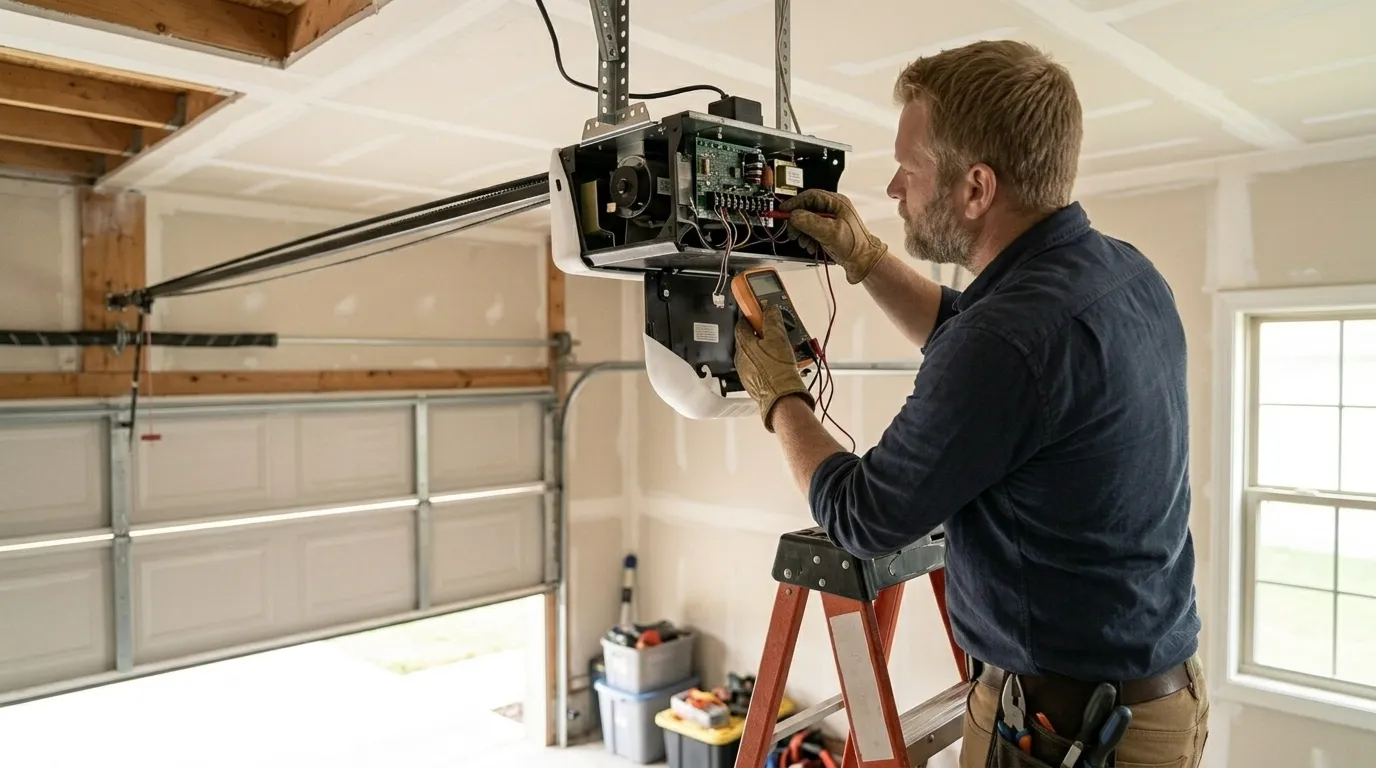
The other complication is headroom. Original framing from that era sometimes leaves less clearance above the door than modern torsion hardware wants, especially if you're moving from an old extension-spring setup to a torsion system. Sometimes that means a low-headroom track kit; sometimes it means the ceiling-mounted opener has to move. We'll flag it on the first visit, not after the door's already ordered.
One limit worth naming: if your header or jamb framing has rotted or shifted enough to need structural carpentry, that's outside what we do on an install visit - we'll tell you straight and point you to get that fixed first.