The Cost of This Job
We're not going to put a dollar figure on this page, because we don't have one that's specific to Culver City, and a made-up number is worse than none. What we can say is that the median household income here runs $122,312, well above the wider service area's $83,538 - and in practice that shapes the decision homeowners make once we're standing in the garage.
At that income level, most people we talk to would rather replace a bent track and worn rollers outright than have us patch them and come back in a year. That's their call, not ours, but it's a pattern worth knowing before you book the visit - if your rollers are original to a 1962-built house, patching them isn't usually the cheaper option long-term. It just delays the same repair.
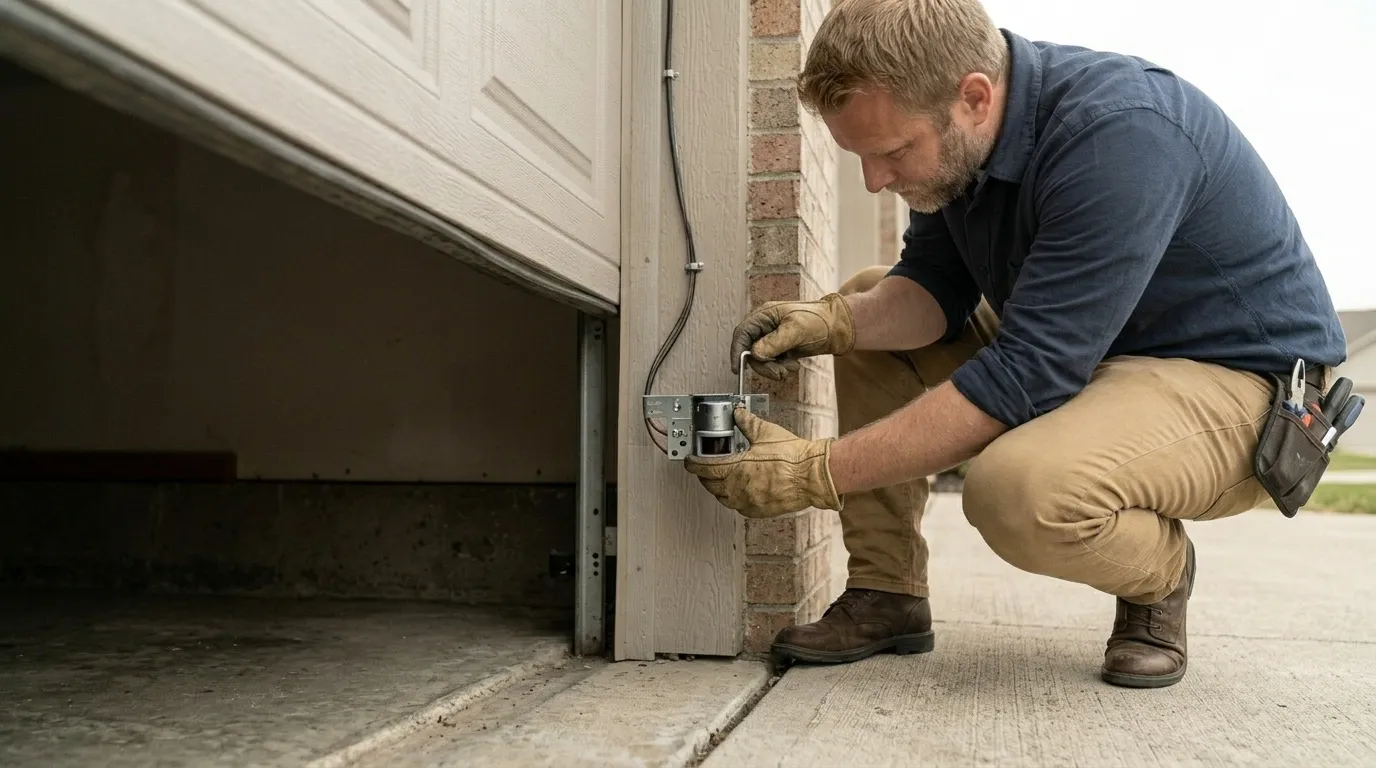
The one honest limitation here: if the door itself is original steel and the track hardware is discontinued, we may need to source a compatible replacement rather than an exact match. That can add a day or two if the part isn't something we're already carrying on the truck.
Why This Fails Locally
Culver City's housing stock centers on 1962, right in the middle of the 1960s-70s wave that shaped most of this part of the service area. That decade is when a lot of garages were built with light steel roll-formed track hung on brackets sized for a hollow single-panel door - not the heavier insulated doors that have since replaced most of them.
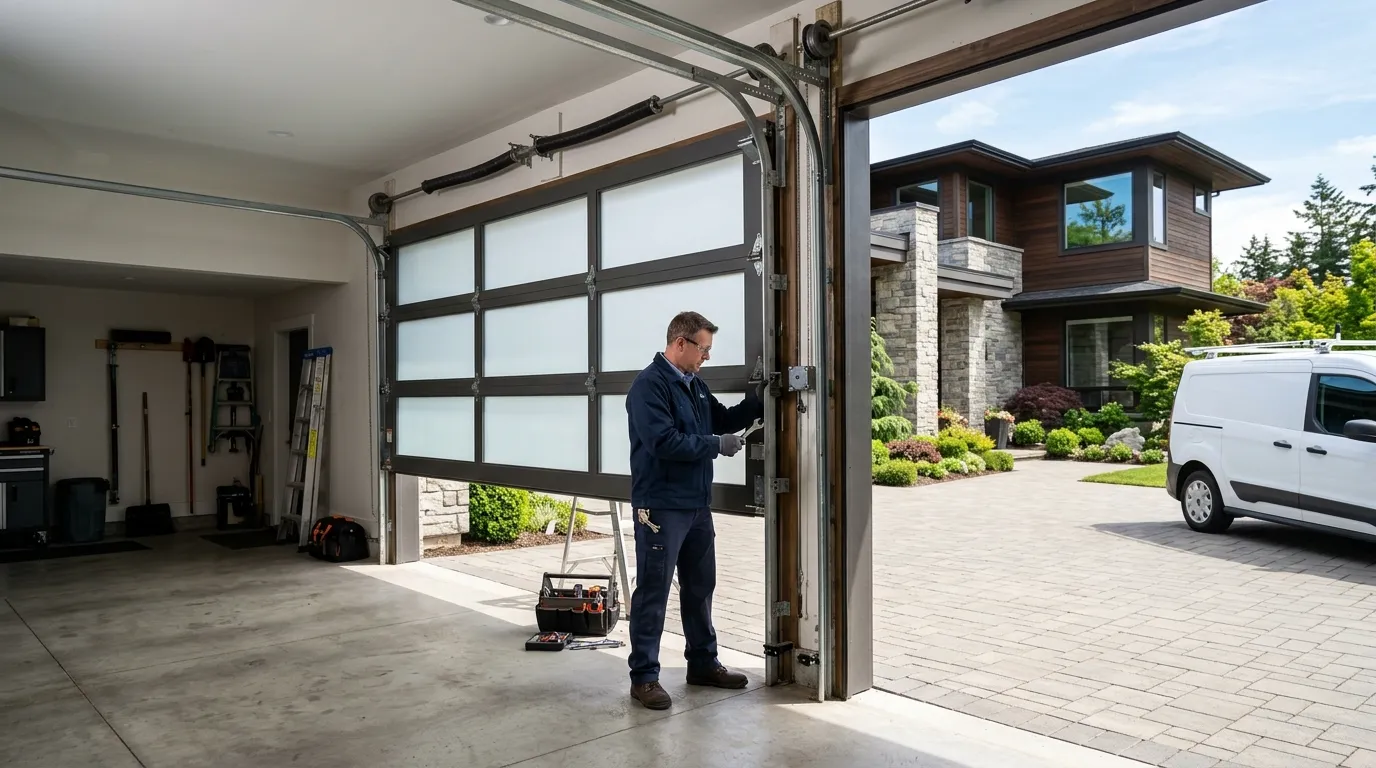
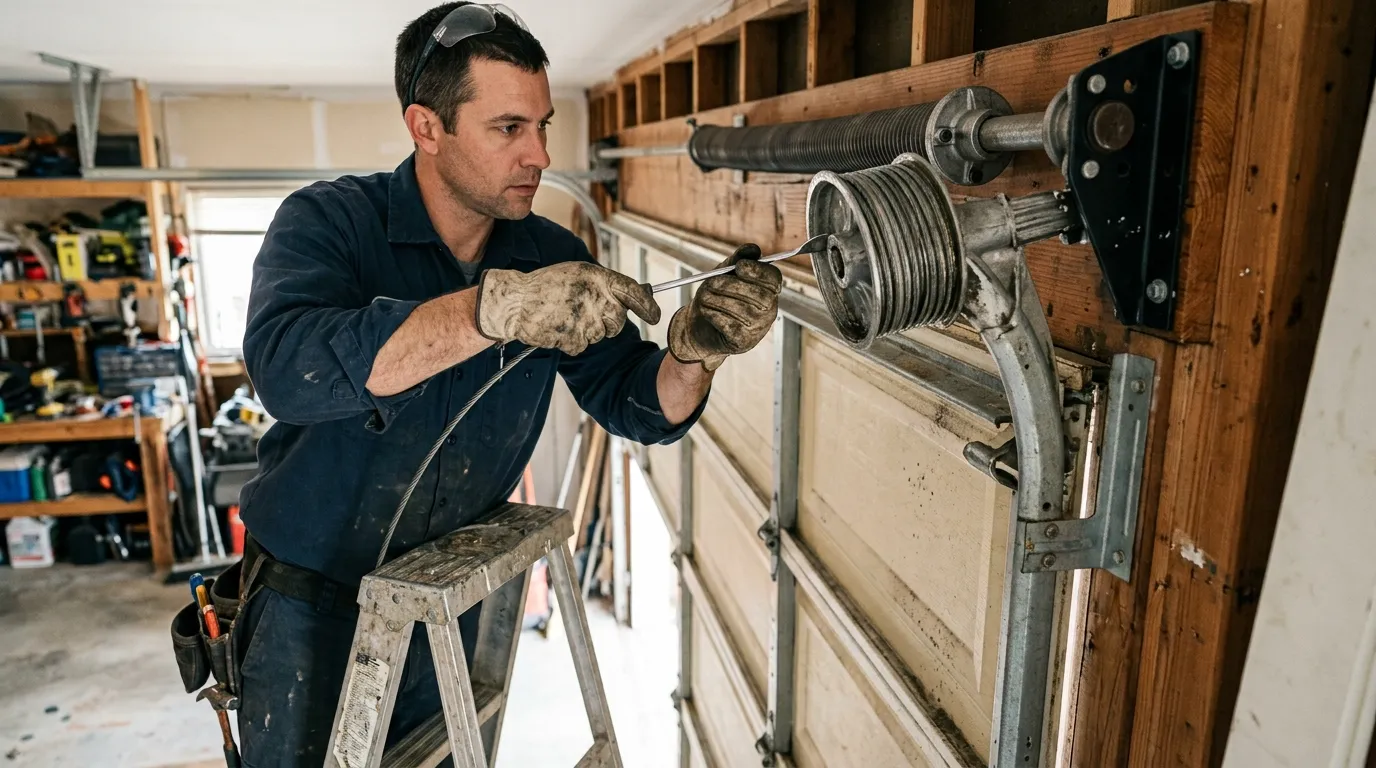
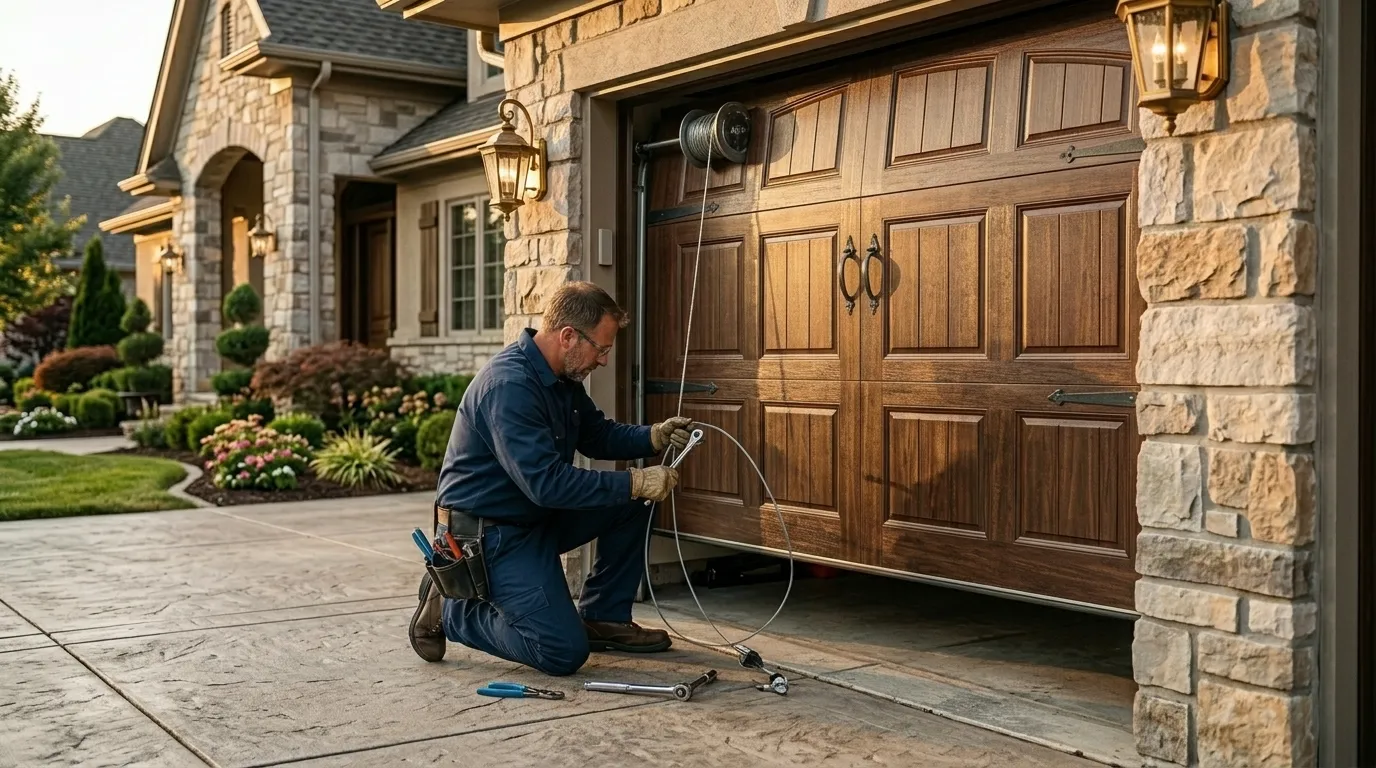
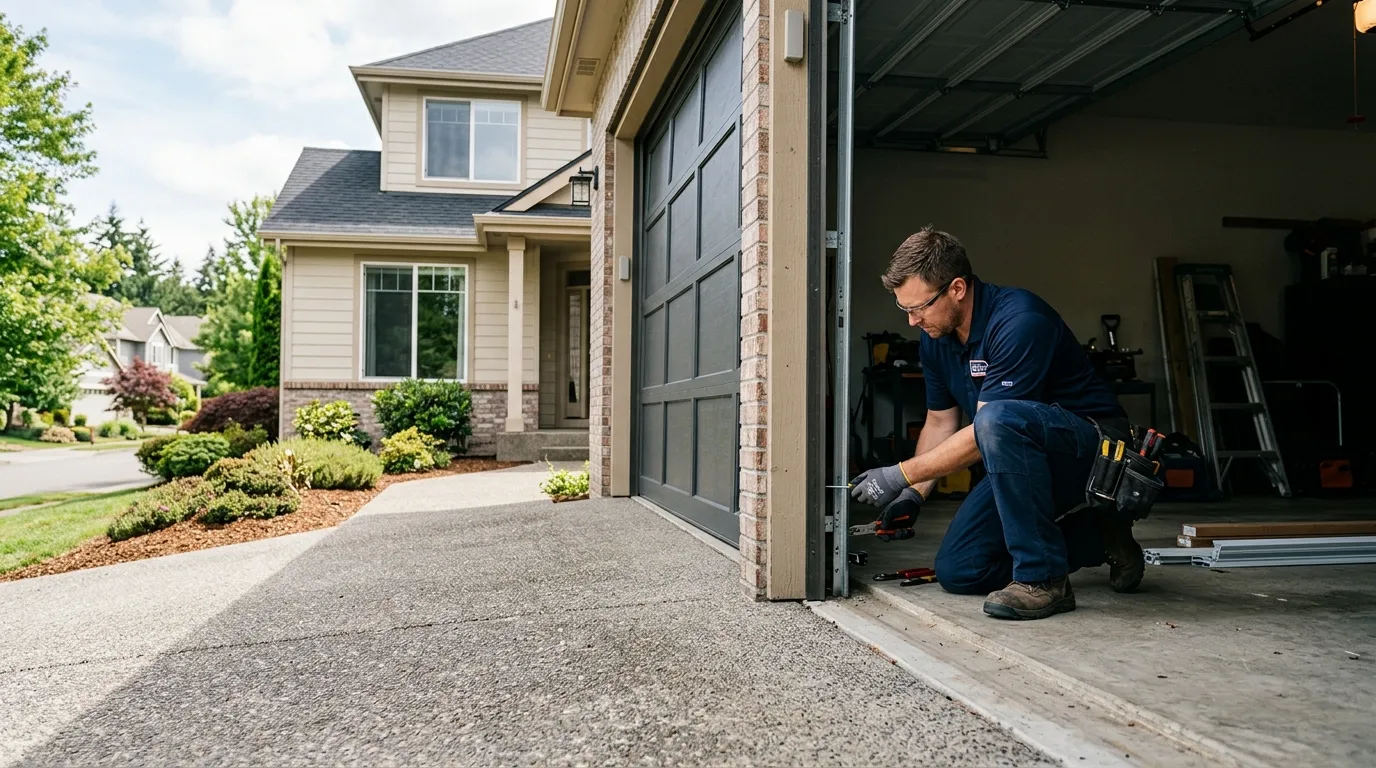
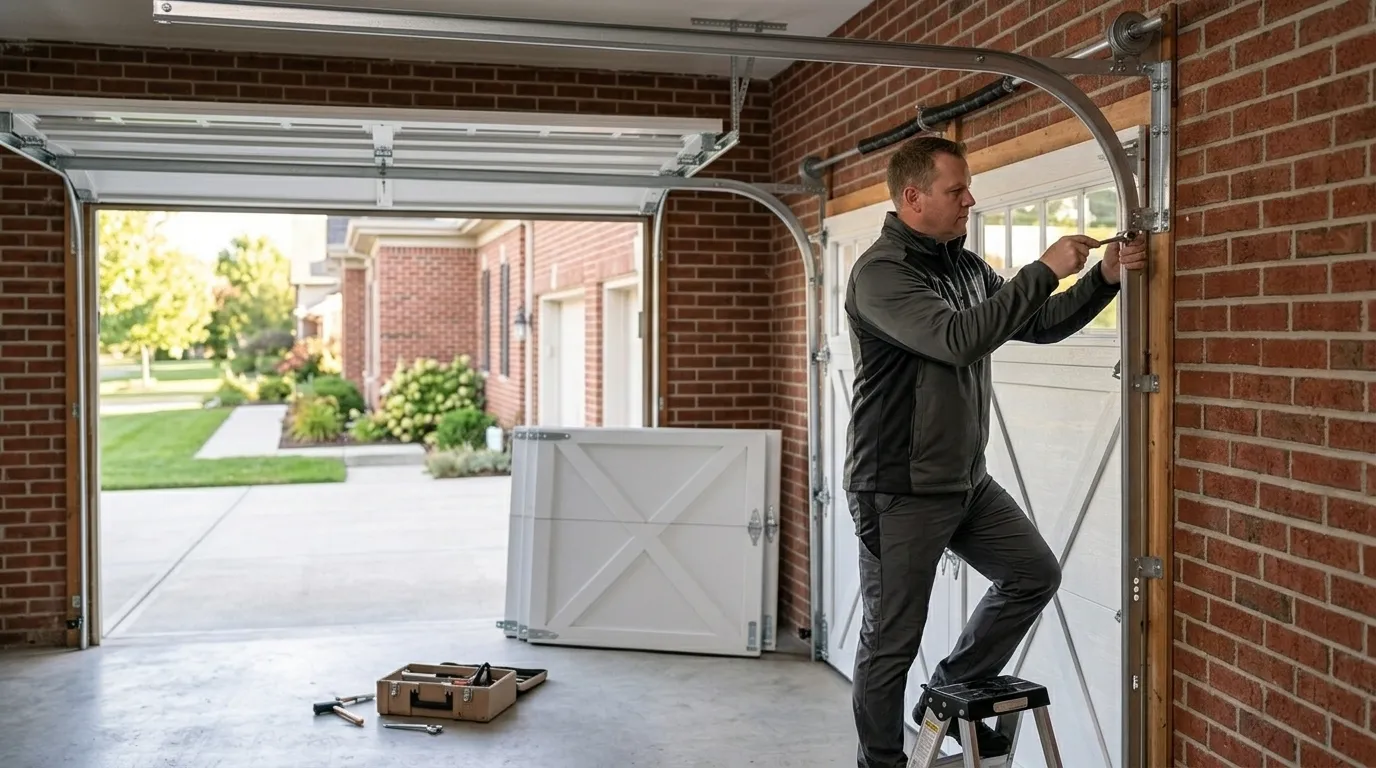
That mismatch is the actual failure mechanism. The original track and brackets were never engineered for the weight now hanging off them. Add a door that's been slammed shut a few thousand times, or a car bumper that's clipped the bottom panel once, and the rollers walk off the rail. It's not corrosion doing the damage here - the coastal climate stays mild enough that we rarely see rust-through on track hardware in this area. It's weight and repeated stress on brackets that are sixty years old.
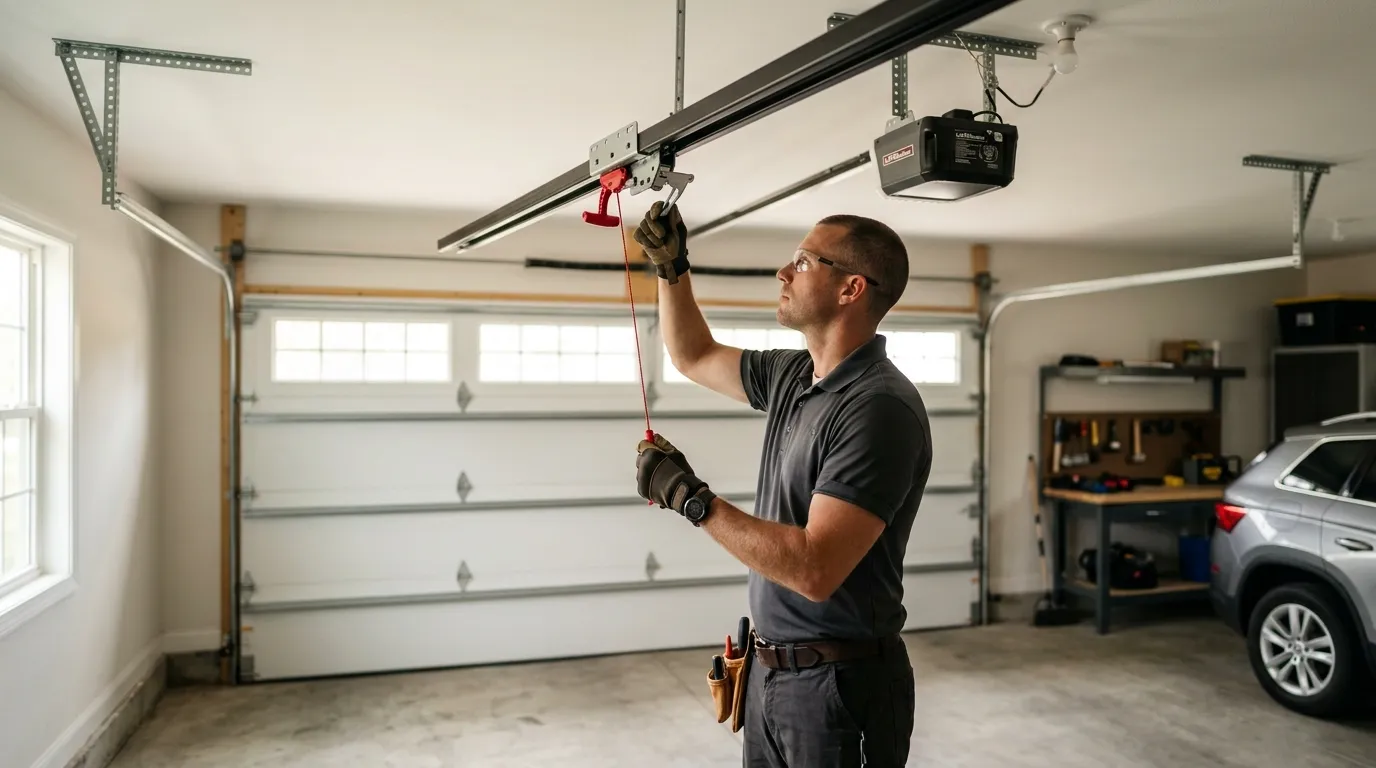
So when a Culver City door comes off track, the first thing we check isn't the spring - it's whether the bracket screws have pulled loose from wood that's been holding that load since 1962. That's the difference from a newer build, where the failure is more often a bent track from a single impact rather than fatigue over decades.
The Complications
The complication we run into most in Culver City isn't the climate - mild, coastal, not much freeze-thaw to loosen brackets the way it would inland - it's the age of the hardware paired with how heavy modern doors have gotten. A steel door from the 1962-1970s window sitting on brackets from the same era is carrying more weight than those brackets were rated for once insulation or a heavier panel got added at some point over the decades.
The other complication is scale of assumption, not scale of the town. Culver City is one of 39 named areas across a service area with 104,855 owner-occupied houses, and it's easy to assume every off-track call looks the same because the town is small and the housing era is consistent. It mostly does - but a house that's had a garage conversion or an added second door opening can have track that doesn't match the original build date at all.
Our limitation here: if a previous repair used mismatched hardware - track from one era bolted to a bracket from another - we may not be able to just reset the door. Sometimes the right fix is pulling all of it and starting from a matched set, and we'll tell you that before we start, not after.