24/7 Emergency Service Open 7 days · 7am–8pm Serving Santa Monica, CA & nearby
(424) 563-5926
Santa Monica, CA

When Buying a Replacement Door Here Makes More Sense Than Fixing the Old One

Most Santa Monica houses date to the 1960s. Here's when a garage door repair stops making sense and buying a replacement door here is the smarter call.

When Buying a Replacement Door Here Makes More Sense Than Fixing the Old One

When It Stops Being a DIY Job

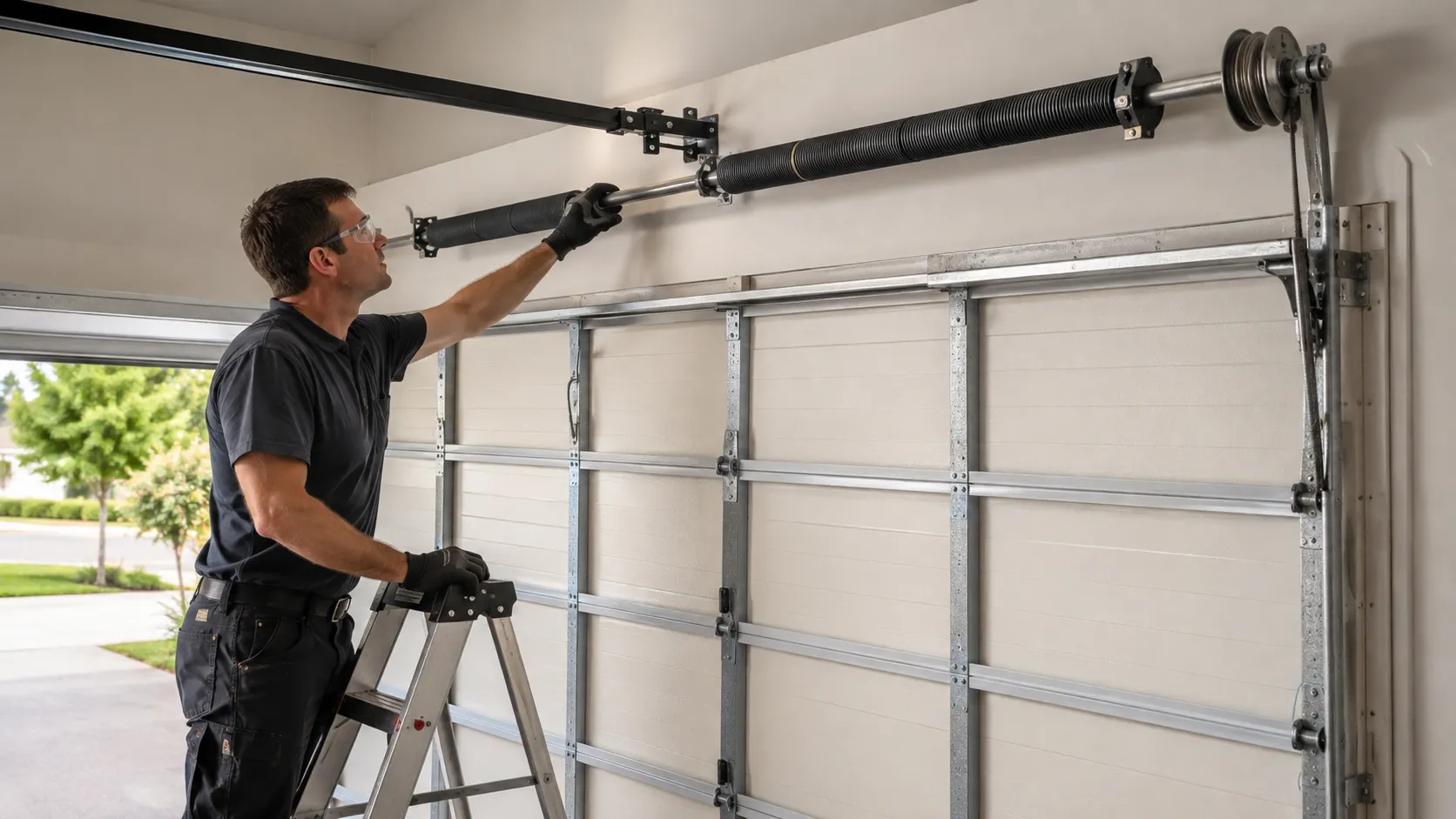
A lot of the doors we get called on sit on hardware nobody's made in decades. Housing in this service area was mostly built between 1947 and 2012, with the median landing at 1963, and that number matters more than it sounds like it should. A door from that era usually runs on a torsion spring sized for a panel weight and track width that current stock doesn't match exactly. You can grease a roller and true up a track yourself. What you can't safely do is wind a torsion spring under tension, or force a modern opener bracket onto a frame that was built for a different door entirely. Once a cable's frayed, a spring's cracked, or the section is bent enough that the door binds in the track, that's a call, not a weekend project. We'll say plainly what we won't do: we don't recommend patching a door that's structurally failing just to save the visit, because a bent panel on old track hardware tends to fail again within months. If your house is one of the many here from the 1960s or 70s, the honest move is often a straight swap rather than chasing parts for a setup that's aged out.

What Local Conditions Do

The climate band here is mild temperate, and that changes what actually wears a door out. You're not dealing with freeze-thaw cycles that crack panels or seize springs the way homes in colder regions see every winter. That's a real advantage - it means when a door here fails, it's almost always mechanical wear (a spring at the end of its cycle count, a roller worn oval, an opener gear stripped) rather than weather damage cracking the material itself. It also means we're not selling you insulation or seal upgrades to fight a hard winter, because that's not the problem this climate creates. What does wear down here is repeated daily cycling on original hardware that's now well past its rated life, especially on houses built in that mid-century wave. So when we look at a door, we're checking spring cycle wear and track alignment first, not weather cracking. If your door's failure doesn't line up with sun, cold, or storm damage, it's simply age - and that's useful information when deciding whether to repair or replace.

The Situation

This service area covers 39 named neighborhoods, and the bulk of the housing stock across them is 1960s and 70s construction - Downtown, Mid-City, Sunset Park, Riviera, and the rest all sit in roughly the same build window. That consistency means a lot of owners are hitting the same wall at the same time: original doors and openers reaching the end of their working life together. With 104,855 owner-occupied houses in the broader service area and a median household income of $83,538, most people we talk to are weighing a full door replacement against another round of parts on a door that's already outlived its expected lifespan. Neighboring areas give a sense of scale - Marina del Rey sits four miles out, Culver City six, Beverly Hills seven - and houses of similar age in those areas are working through the same decision. There's no single right answer for every house, but the pattern is consistent: original 1960s hardware, an opener with no cycle life left, and a homeowner deciding whether it's worth chasing parts for a door that age has already caught up with.
Leaving It Alone

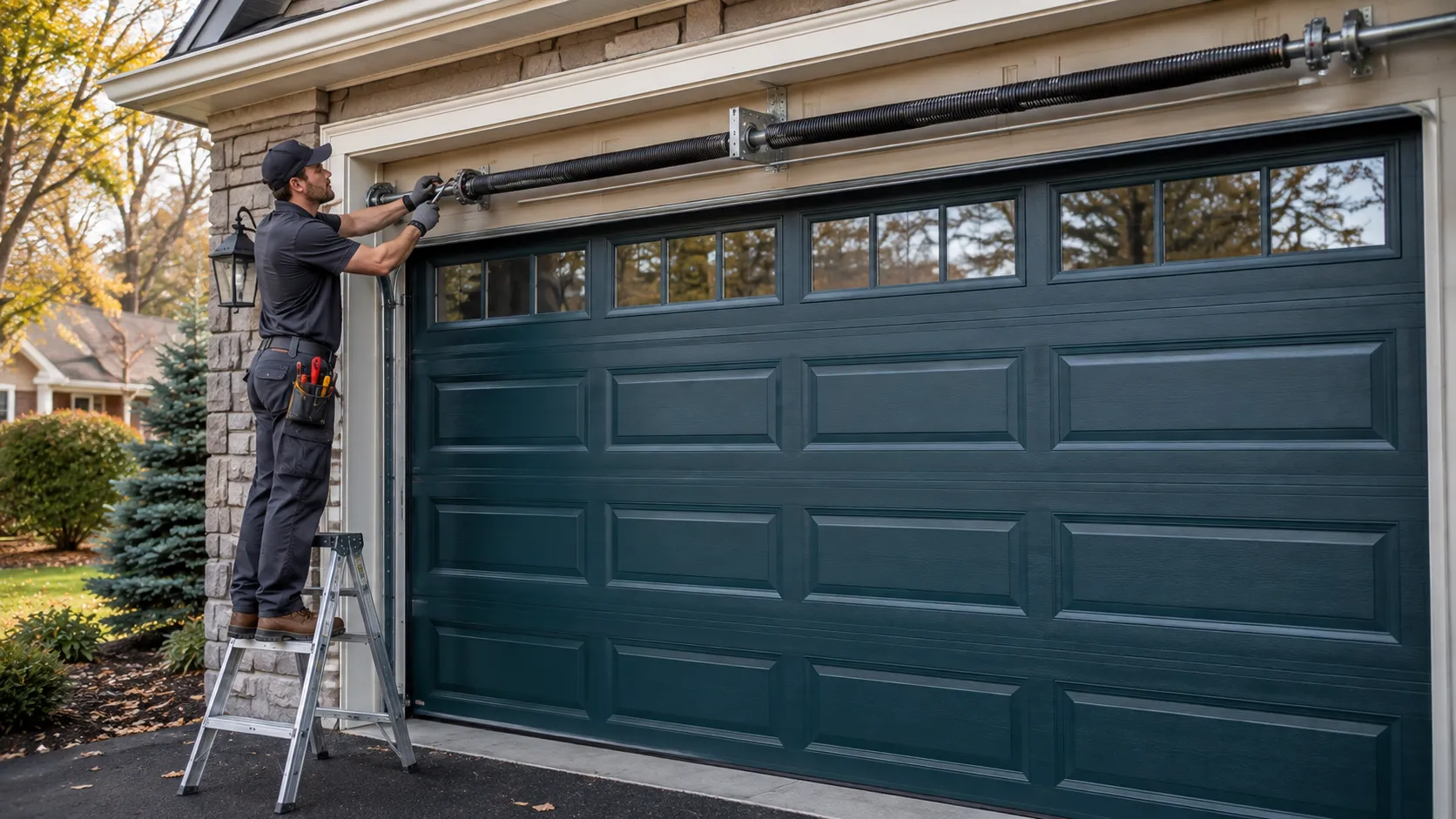
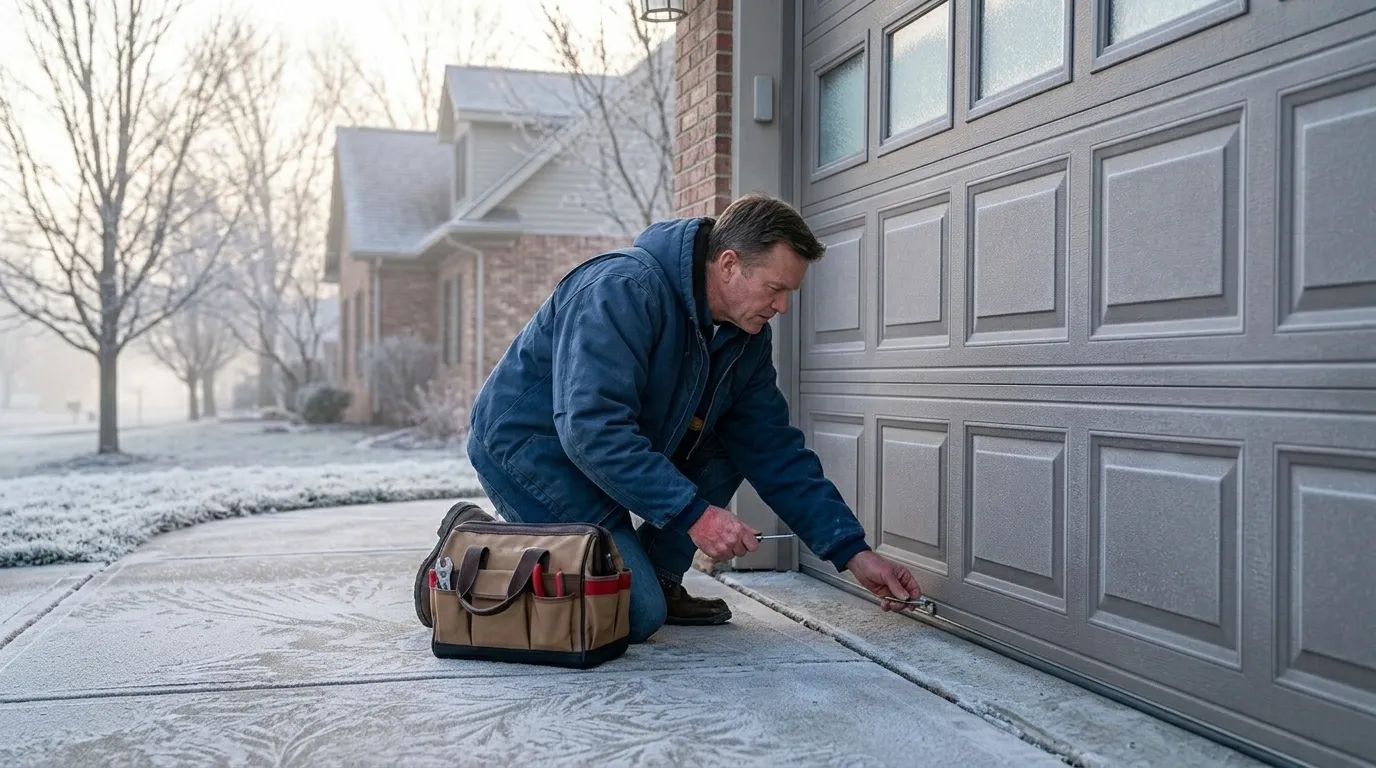
Not every worn door needs to come out. If the spring is intact, the track is straight, and the panels aren't rusted or delaminating, a repair can carry a door from this era for years more. We won't push a full replacement on a door that just needs a spring and a service call - that's not a fix that pays for itself. But there's a point past which patching stops making sense: once you're replacing rollers, cables, and a spring all in the same visit, or the opener is original to a house built in the 1960s, you're spending repair money on a door that's going to need the same call again within a year or two. The honest limitation here is that we can't tell you which side of that line your door is on without looking at it - age alone isn't the deciding factor, condition is. What we can tell you is that in a housing stock this consistent in age, the pattern repeats often enough that we see it every week.

How it works

From “it’s stuck” to “it’s fixed”

Tell us what’s wrong - Santa Monica garage door service

Tell us what’s wrong

Describe the symptom - won’t open, loud bang, opener runs but the door won’t move.

On-site diagnosis - Santa Monica garage door service

On-site diagnosis

A technician tests the door under power and by hand and finds what actually failed.

Clear, up-front plan - Santa Monica garage door service

Clear, up-front plan

You get the fix that’s needed and what drives the cost - before any work starts.

Repaired & tested - Santa Monica garage door service

Repaired & tested

The repair is done, the door is set true and tested, and the work area left clean.

Serving Santa Monica, CA - tell us what your door’s doing and we’ll take it from there.

48areas covered
How we work

What to expect

Diagnosis firstEvery visit starts by finding what actually failed - not a pre-written parts list.
The right part for the doorSprings and openers matched to the door’s weight and age, so the fix holds up.
Straight answersWhen a repair makes more sense than a replacement - or the reverse - you hear it plainly.
Clean, careful workTension released safely, hardware set true, the door tested under power before we leave.
Questions

Frequently asked

Straight answers about garage door repair in Santa Monica. Still unsure? Ask us directly.

My house was built in the 1960s. Should I expect the original garage door to still be safe to use?

Not necessarily. A door built with the house in the 1960s or 70s has likely gone through one or two spring replacements already, if it's been maintained at all. Given the median build year here is 1963, a lot of doors are running original track and drum hardware that's simply aged out. We check spring wear and track condition before recommending repair or replacement.

Does the mild climate here mean garage doors last longer?

It helps. Without freeze-thaw cycles, you avoid the cracking and seizing that colder climates cause. But it doesn't stop mechanical wear from repeated daily use, so doors here still fail - just from cycle count and age rather than weather damage.

How do I know if I should repair or just replace the door?

If it's one worn part on an otherwise sound door, repair makes sense. If you're looking at multiple worn components on a door original to a 1960s house, replacement usually costs less over time than repeated service calls. We'll tell you honestly which situation you're in when we look at it.

Ready to get your garage door sorted?

Tell us what it’s doing and where you are in Santa Monica - we’ll take it from there.

Request a QuoteCall