What Local Conditions Do
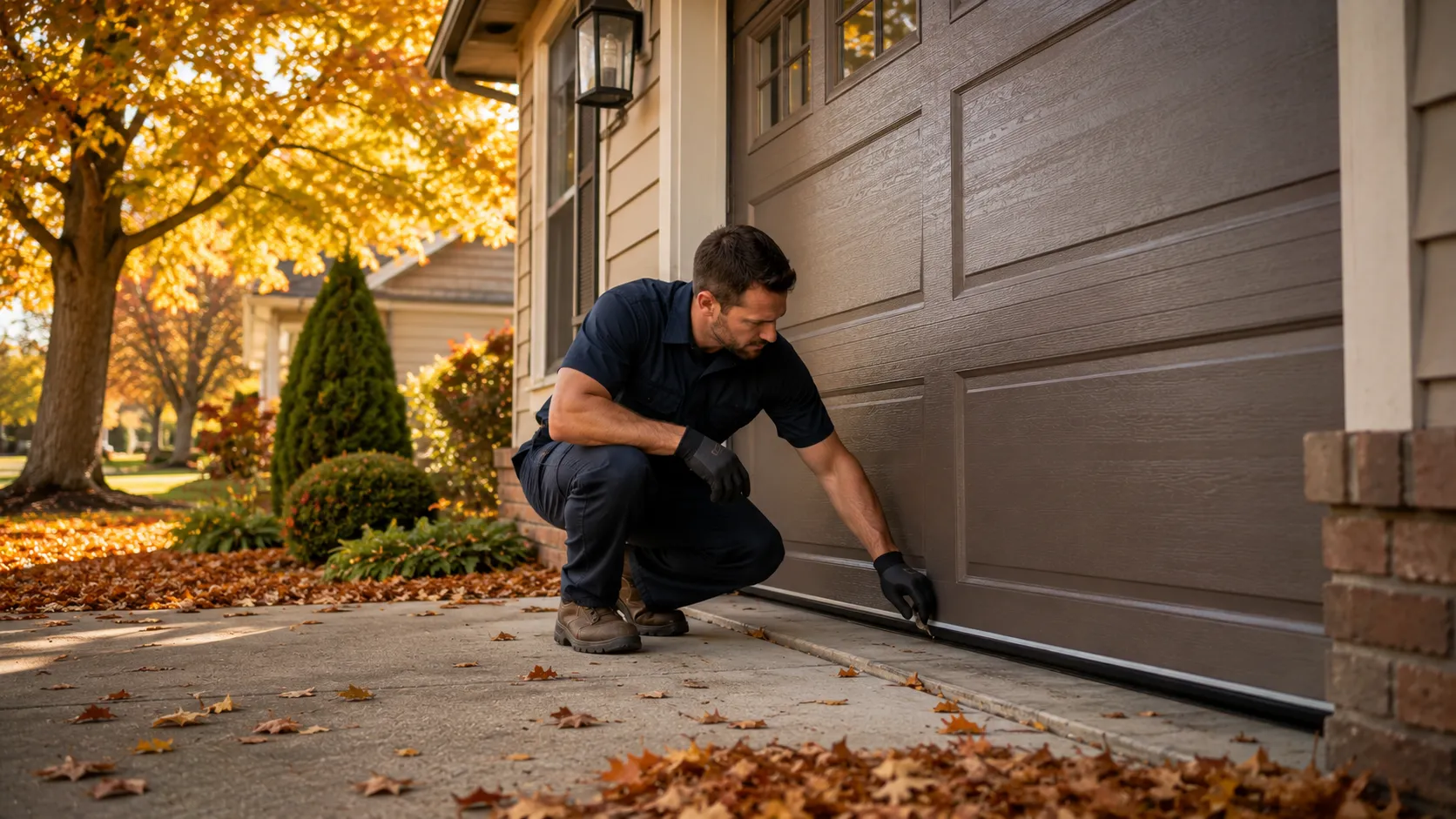
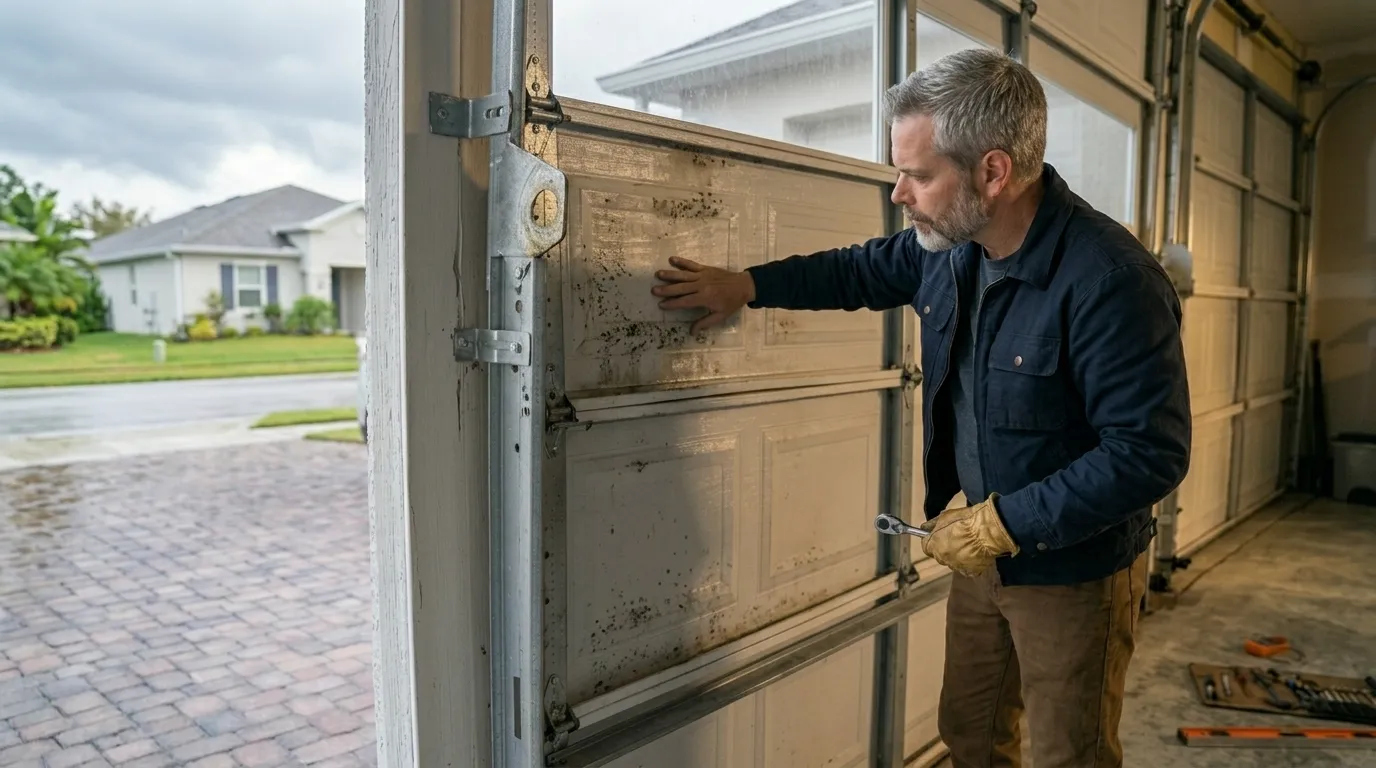
This area sits in a mild temperate band - no hard freeze, no heavy snow load, none of the frost-heave cycles that crack foundations and rack door tracks in colder markets. That's a real advantage. It means a Santa Monica door's problems are almost never weather-driven the way they are elsewhere; they're driven by age and cycle count. A door that's opened and closed twice a day for fifty-some years wears out its rollers and cables from use, not from ice. What the mild climate doesn't fix is the code gap. Houses built in the decades before energy standards tightened often have doors on houses built before insulation rules - thin single-layer panels with no thermal break, installed when nobody was thinking about the garage as conditioned space. You won't see cracked panels from freeze-thaw here, but you will see warped panels from decades of sun exposure on a west-facing door, and steel that's thinned and dented from age rather than storm damage. The fix for an insulation gap is usually a new door, not a repair kit - there isn't a retrofit that turns a 1960s panel into an insulated one.
The Situation
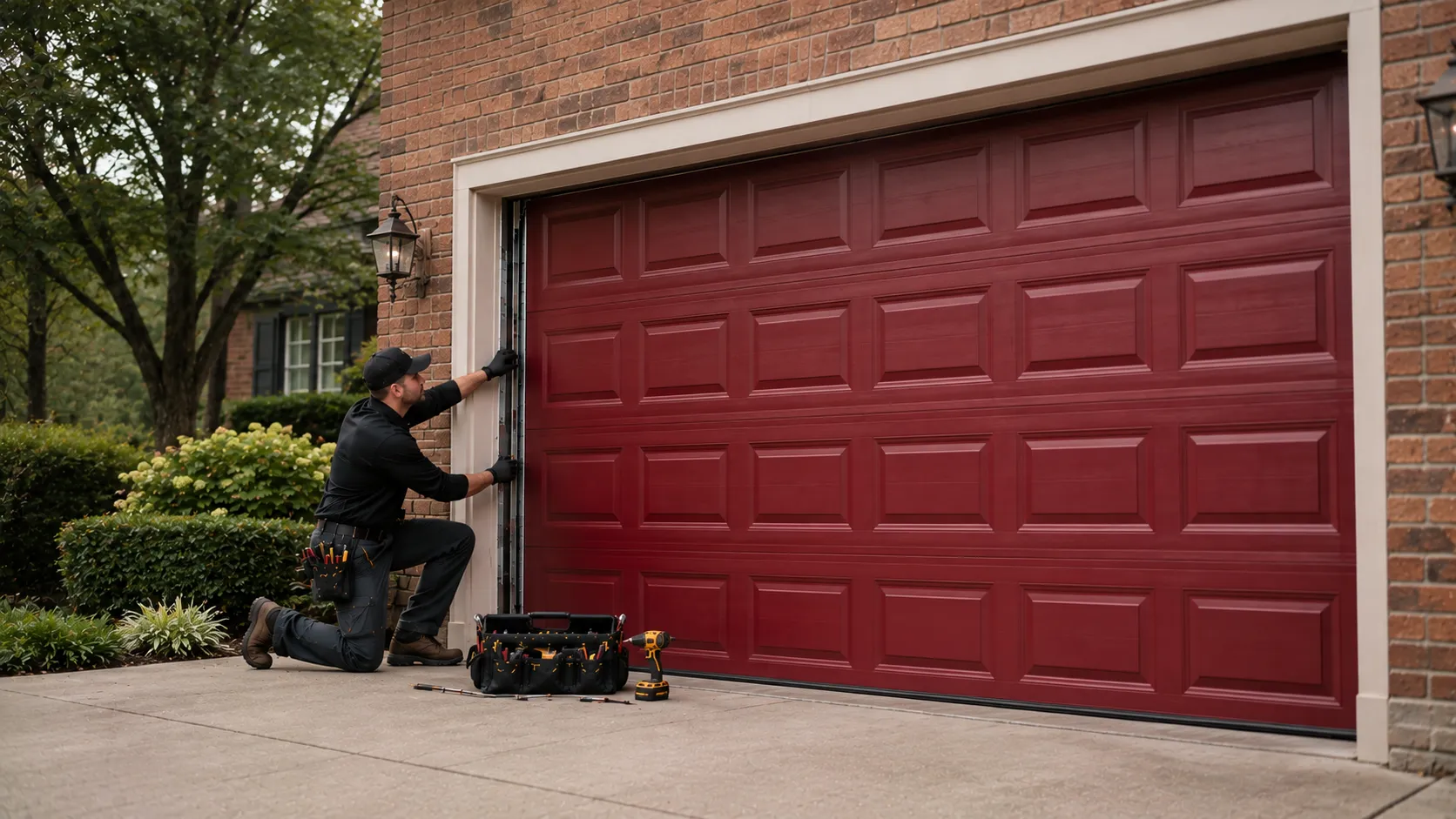
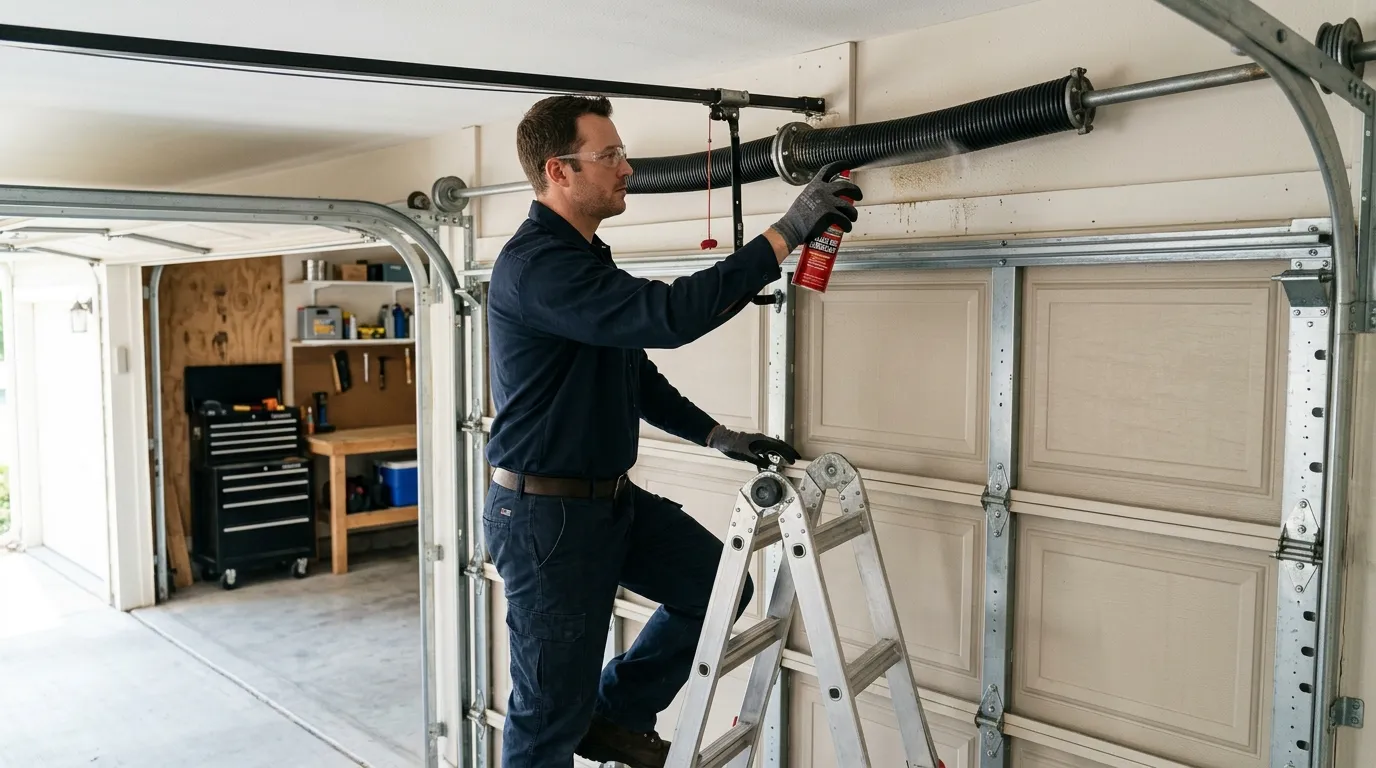
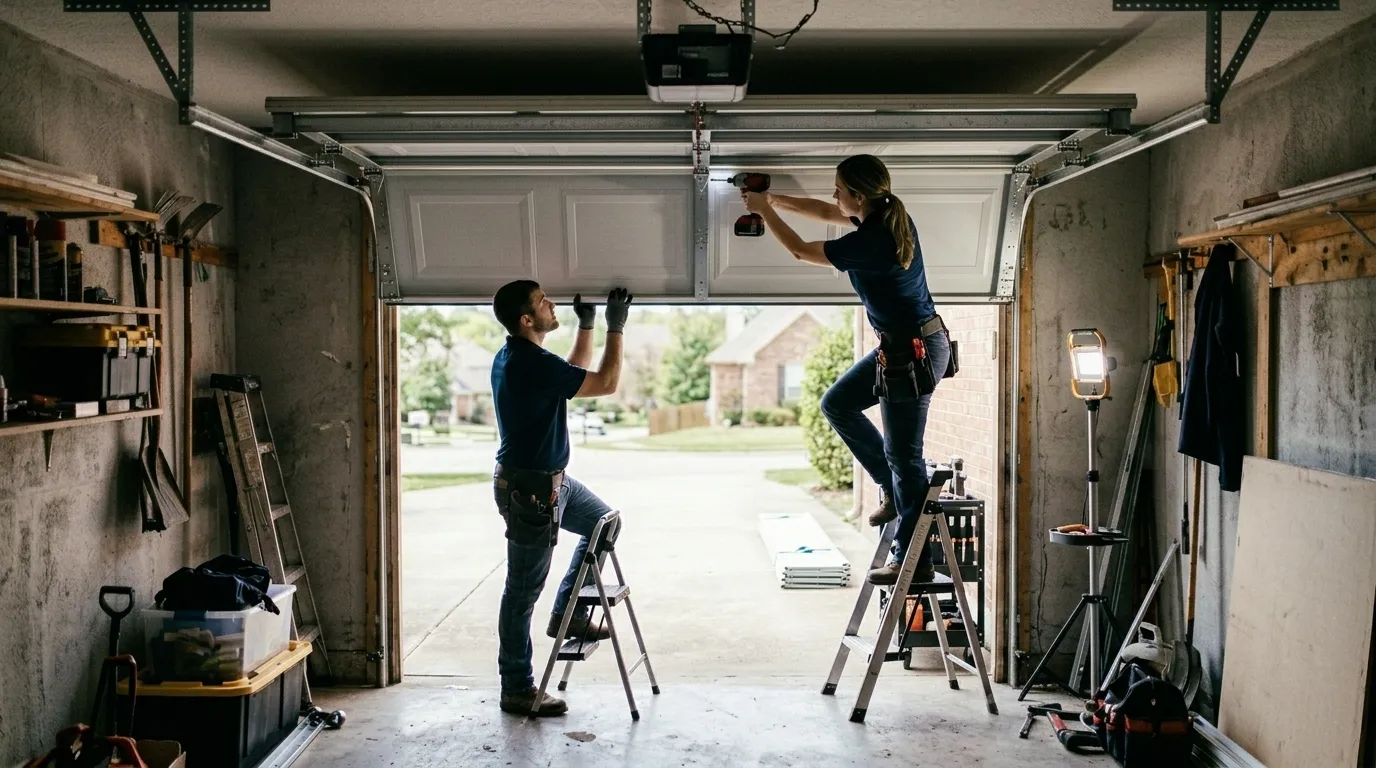
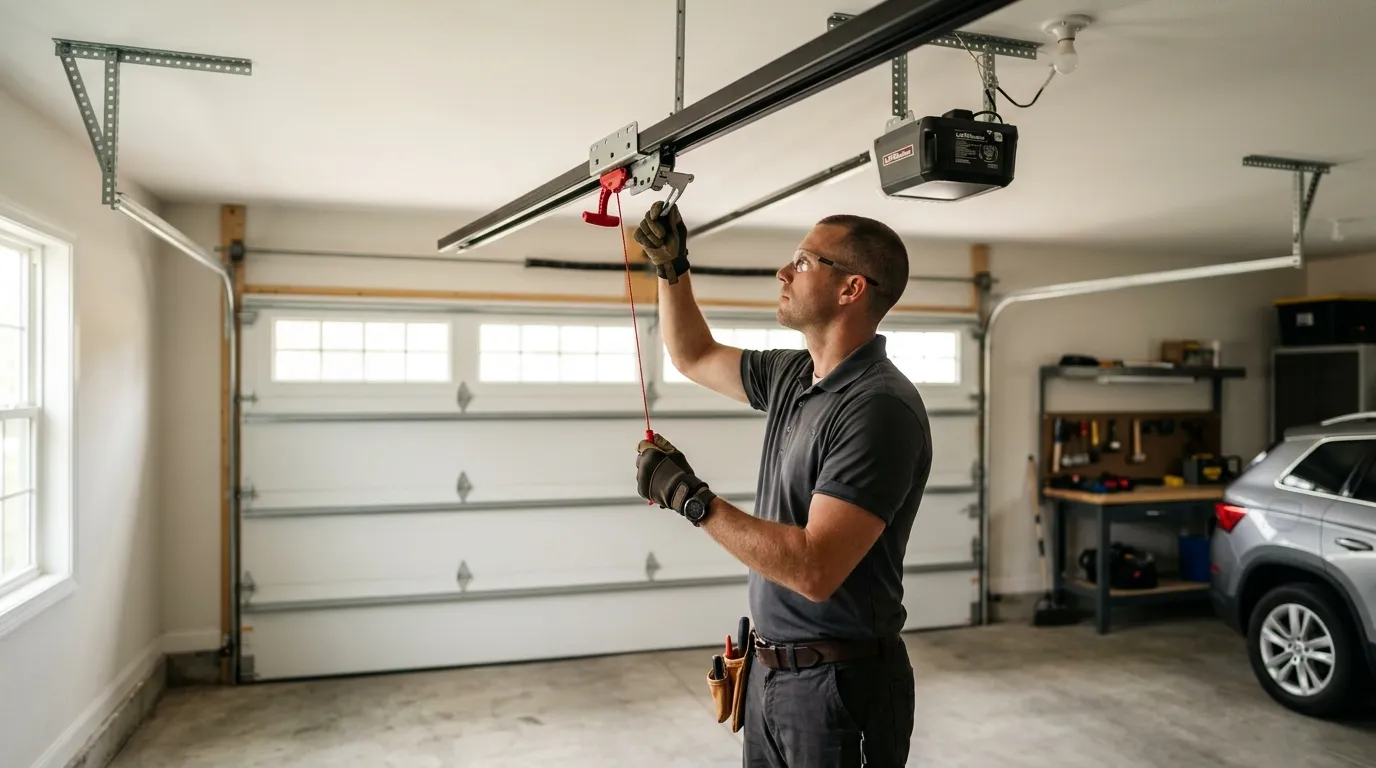
Across the 39 named areas that make up this market, most of the garage doors still in service went in during the 1960s and 70s - original equipment on houses that have otherwise been remodeled two or three times over. With 104,855 owner-occupied houses among roughly 394,216 households in the broader service area, that's a large base of doors running well past the point most manufacturers expect them to last. At a median household income of $83,538, replacement is affordable for most owners here, but it's still a decision people put off until the door actually fails, not before. The common call we get isn't a door that won't open at all - it's one that's noisy, slow, or dropping unevenly on one side, which on a door this old usually means a cable frayed at the drum or a roller that's worn its bearing out. Panels themselves often outlast the hardware; steel from this era holds up fine, it's the moving parts that give out first. None of this shows up as an emergency until the day it does, which is usually a spring letting go on a door nobody's serviced since it was installed.