What Local Conditions Do
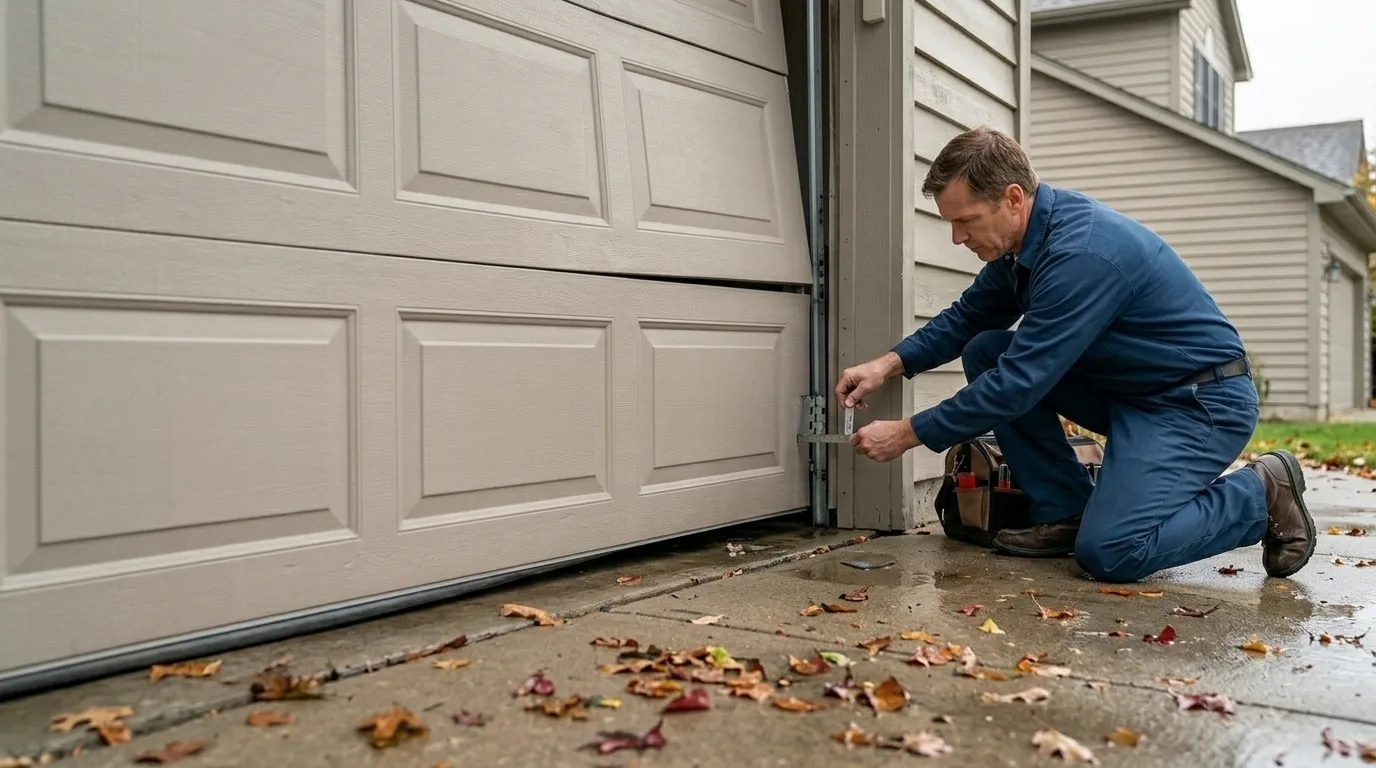
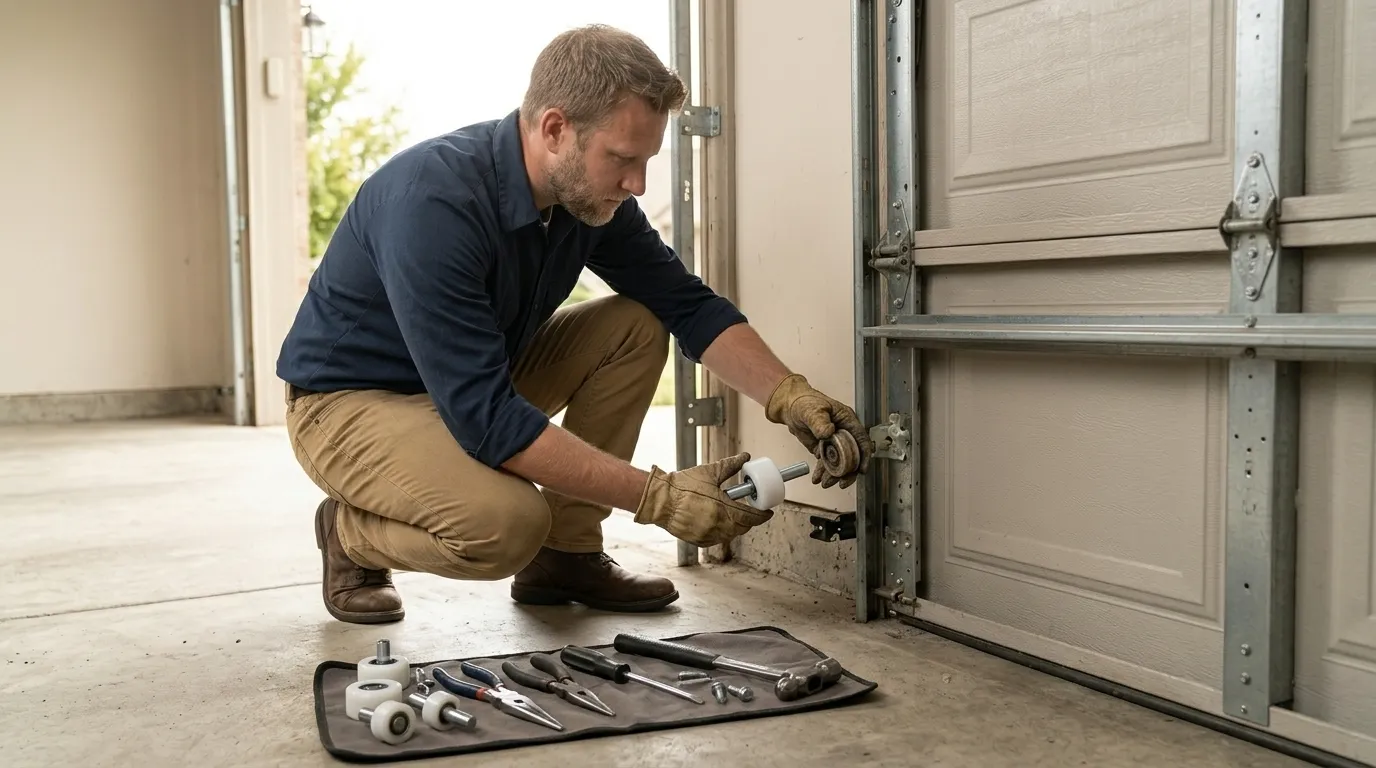
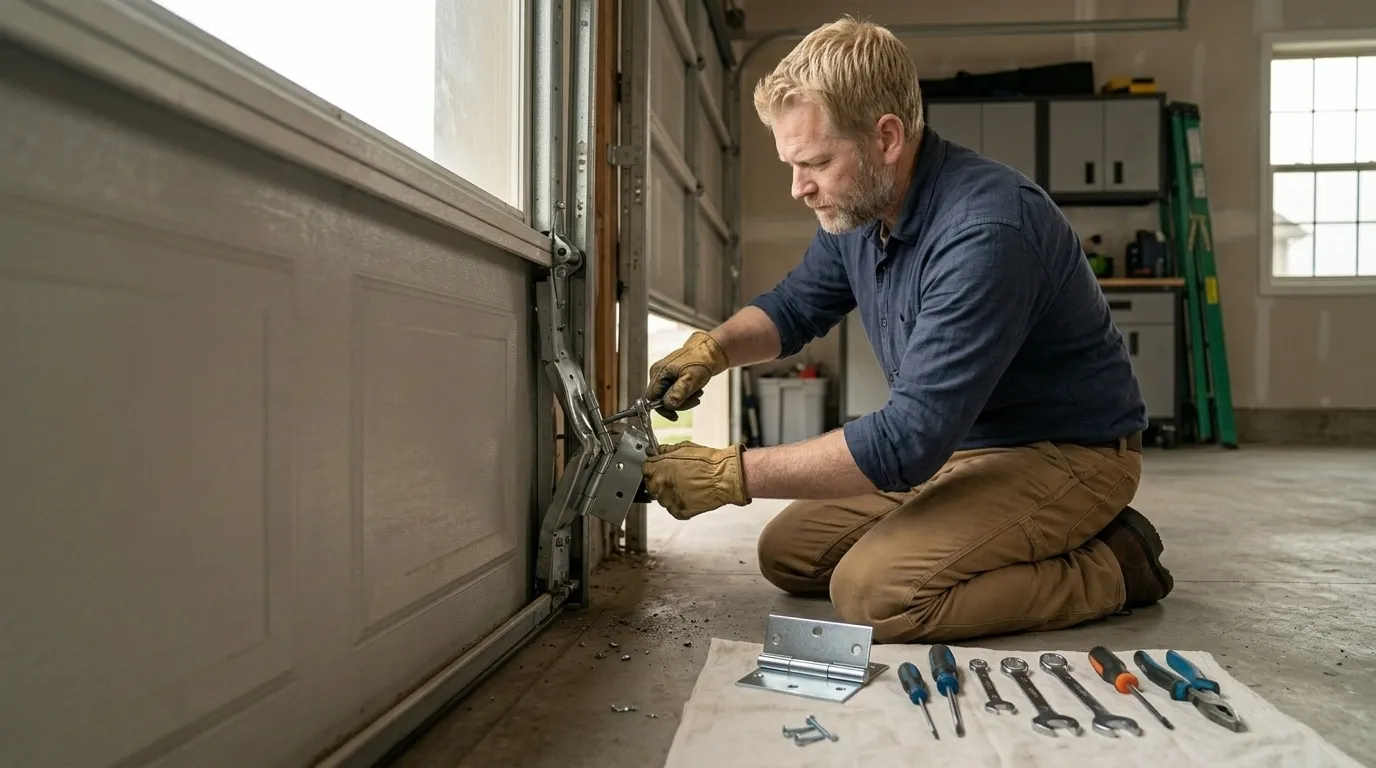
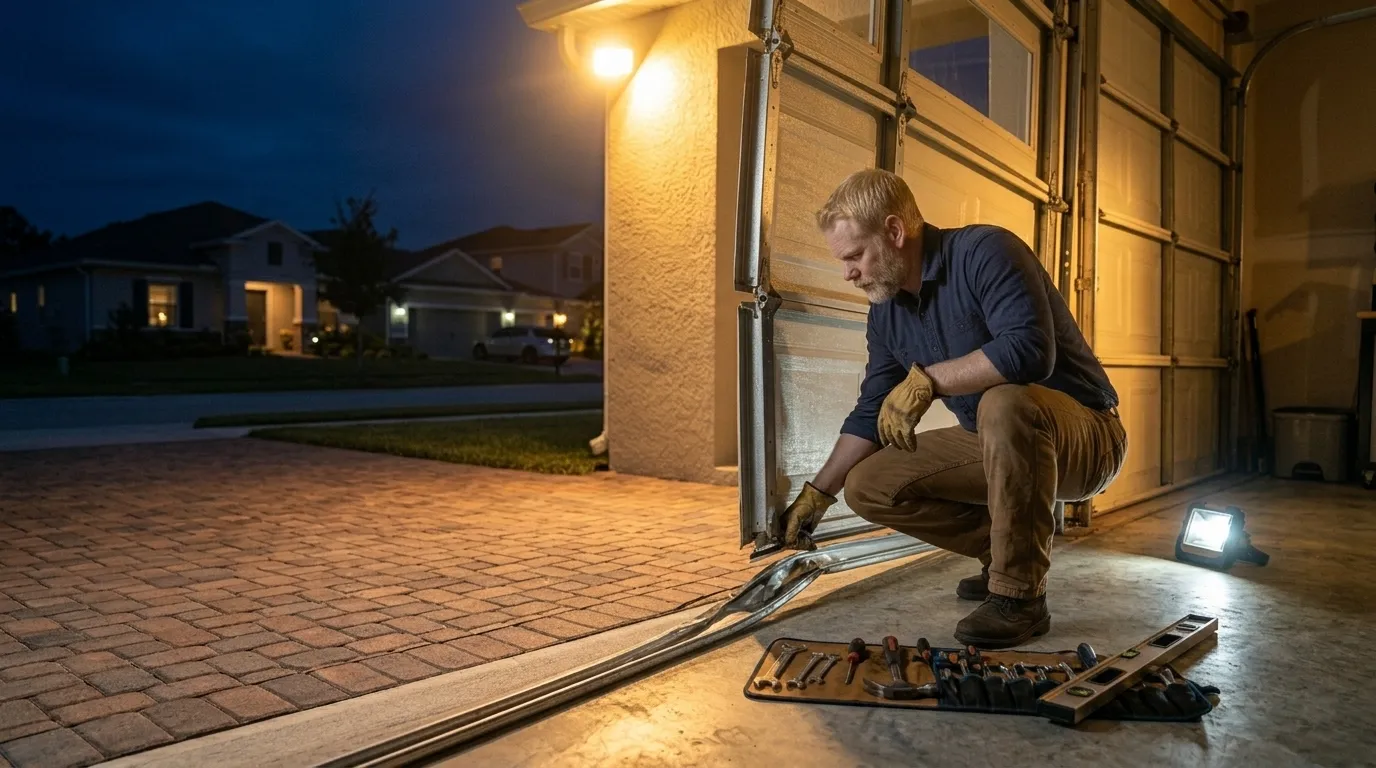
Santa Monica sits in a mild temperate band, so we don't get the freeze-thaw cycling that heaves track brackets loose in colder climates, and that's real credit to the hardware here. But mild doesn't mean static. The marine layer that rolls in off the coast keeps humidity swinging day to night more than inland neighborhoods a few miles away, and that steady damp-dry cycle works on wood door jambs and the fasteners that pin track brackets to them. On houses from the 1960s-70s wave of construction that makes up most of the stock across this stretch of the Westside, those brackets were lag-screwed into framing that's now sixty-plus years old. The screws back out a turn at a time. Nobody notices until the track has enough play that a hard stop or a slightly unbalanced door pushes a roller past the rail edge. It's not corrosion pulling doors off track here - it's decades of vibration finding hardware that was never meant to last this long unchecked.
The Situation
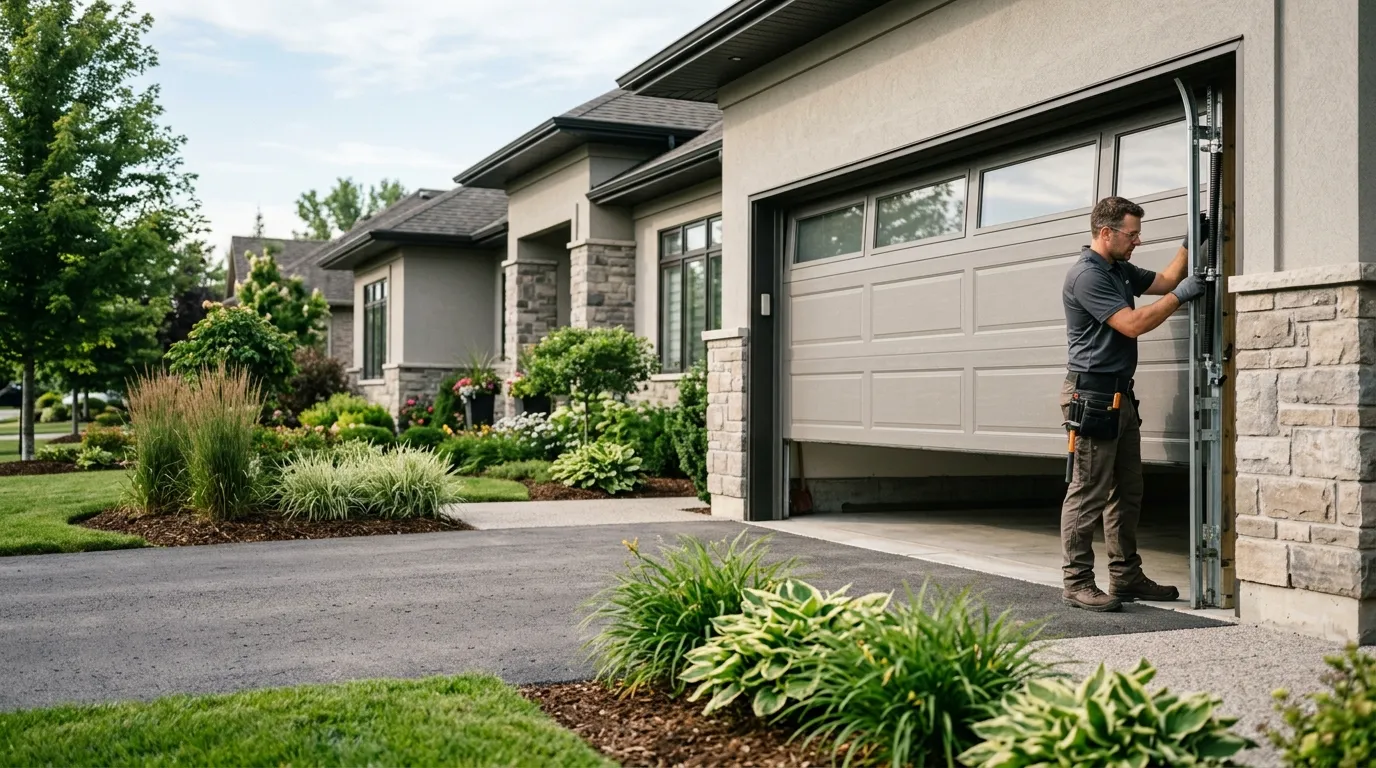
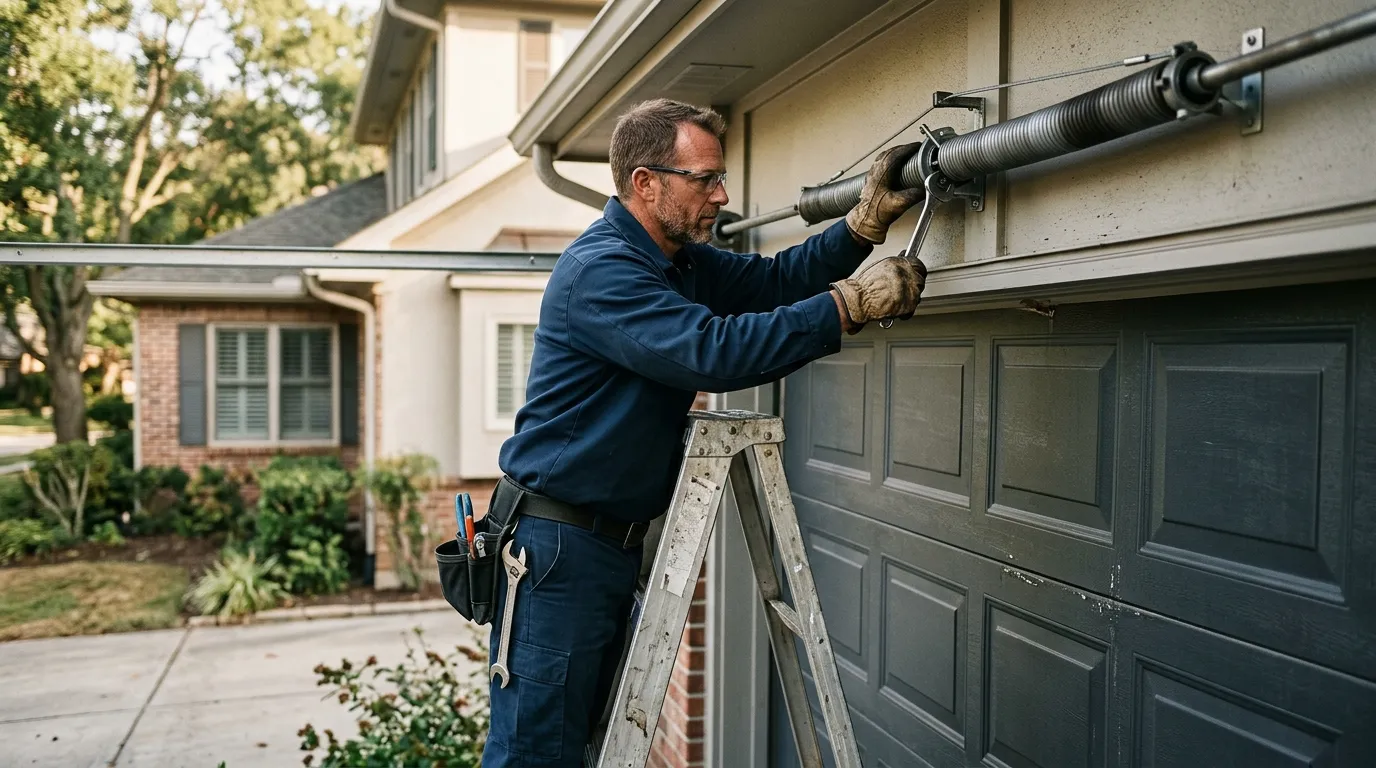
Across this service area, housing runs from 1947 up through 2012, with a median build year of 1963, and that median matters more than the range. A door built or installed in the early 1960s was hung on track brackets sized for the lighter doors of that era. Plenty of those original doors have since been swapped for heavier insulated steel sections, without anyone upgrading the track or the brackets to match. Put a heavier door on old hardware and every open-close cycle stresses a joint that was never rated for that load. Add a garage that backs onto a slope or sits half a level below street grade, which isn't unusual on the hillier blocks north of the flats, and the door racks slightly every time it runs, walking the rollers toward the edge of the rail. None of this shows up as a dramatic failure. It shows up as a door that used to run smooth and now catches, a little more each week, until one day it catches all the way.