Garage Door Service for Bell's 1950s Housing Stock
Bell's garages mostly went up in the mid-1950s, a decade before the wider service area's median build year. We know the hardware that decade left behind and drive it in from Santa Monica.
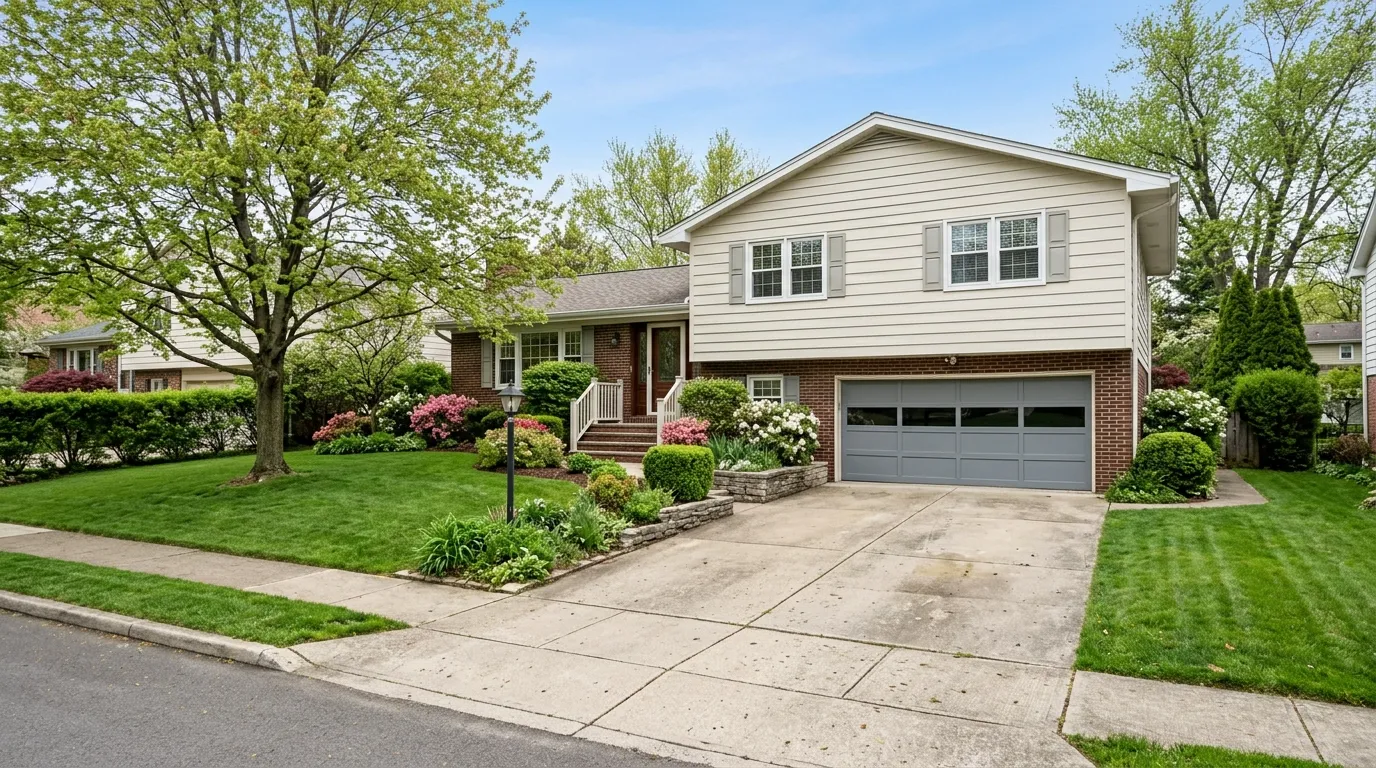
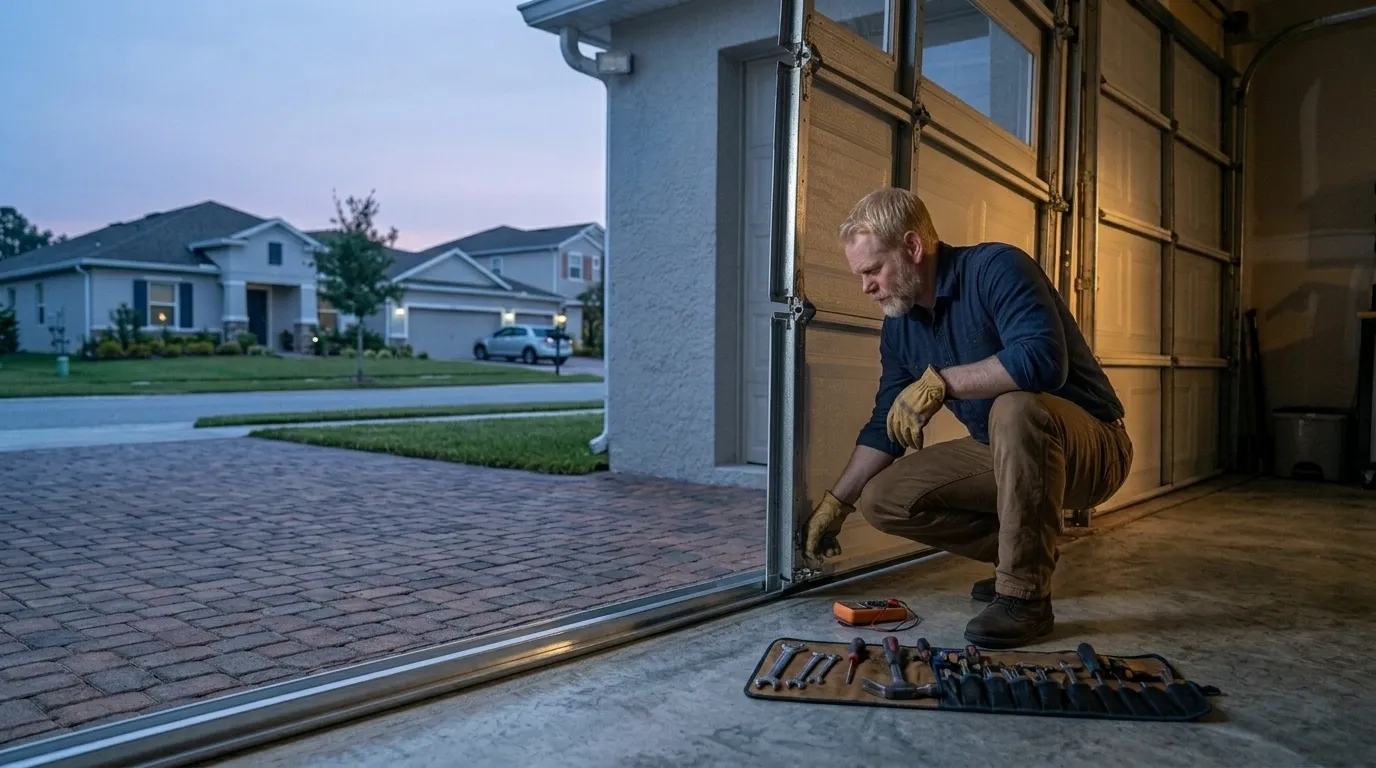
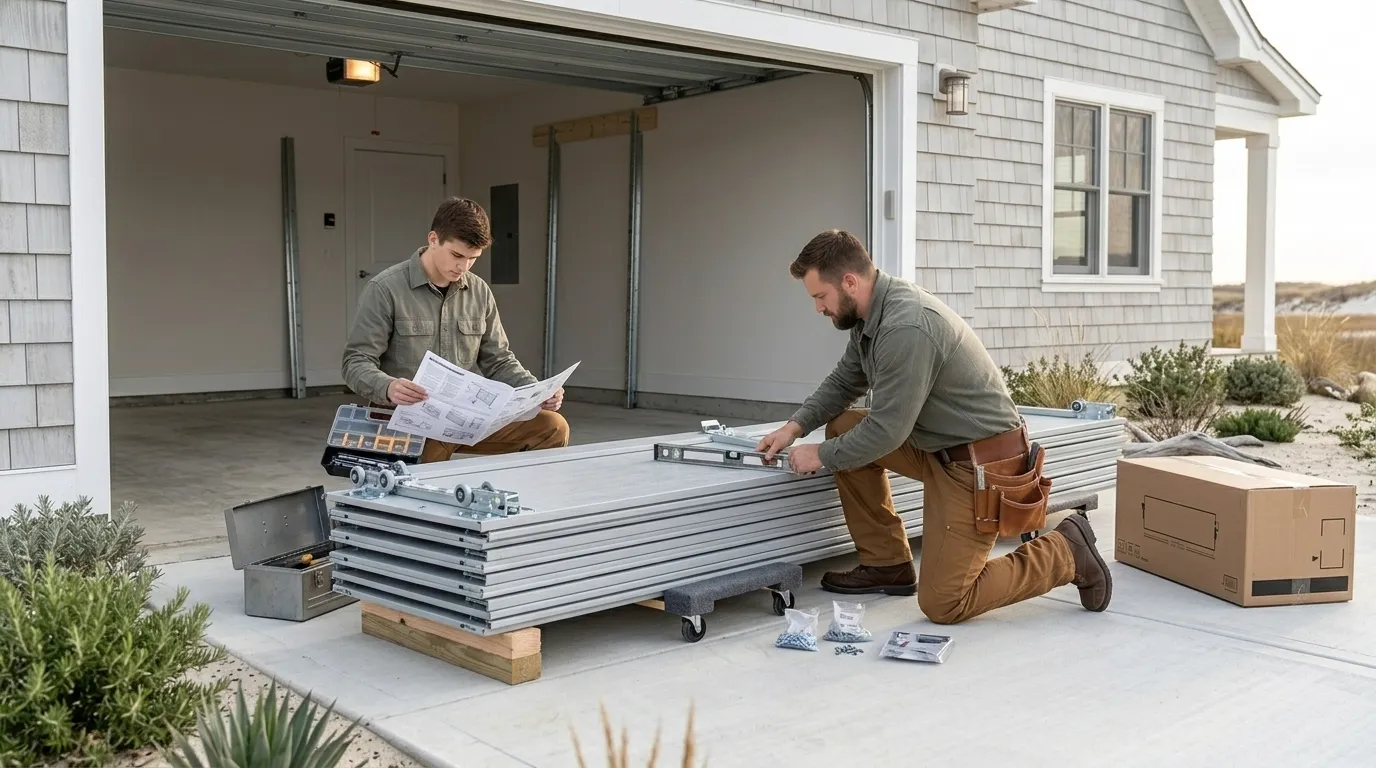
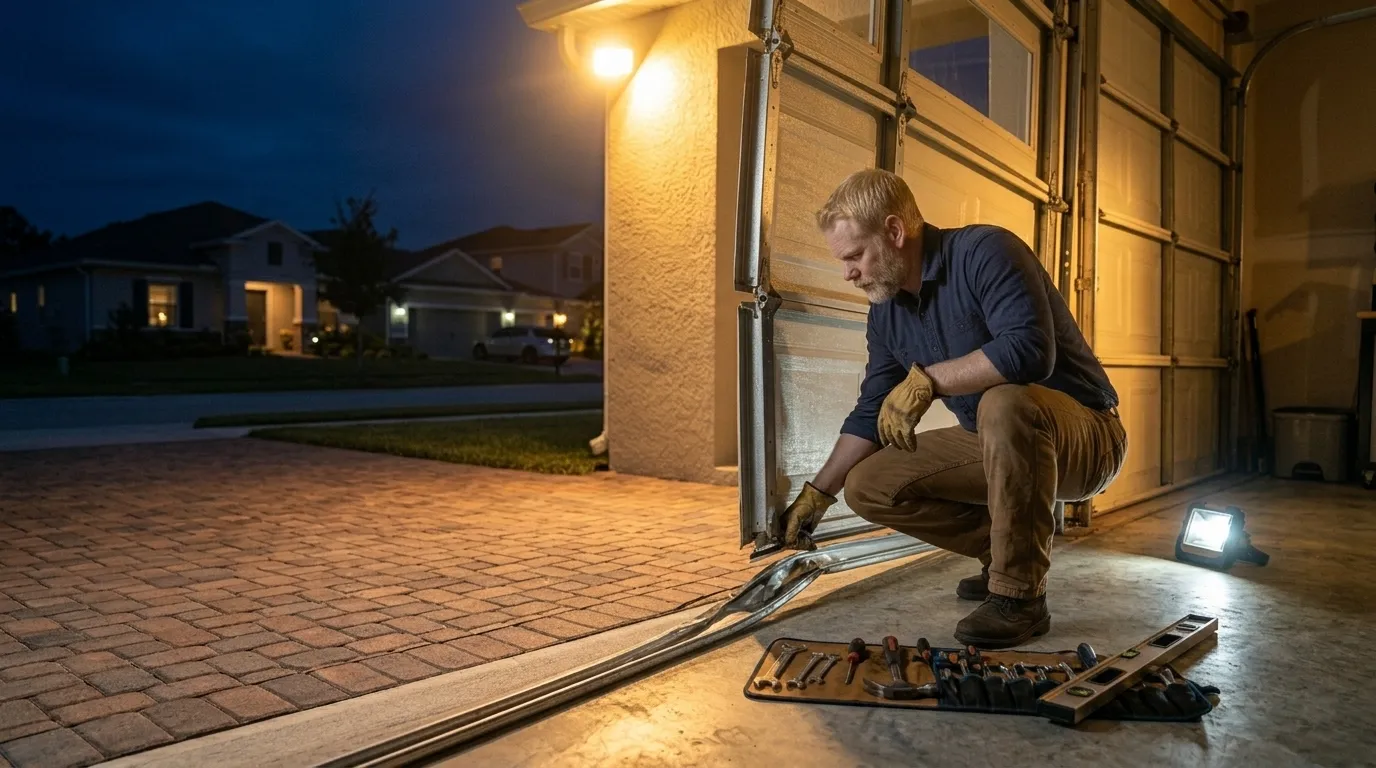
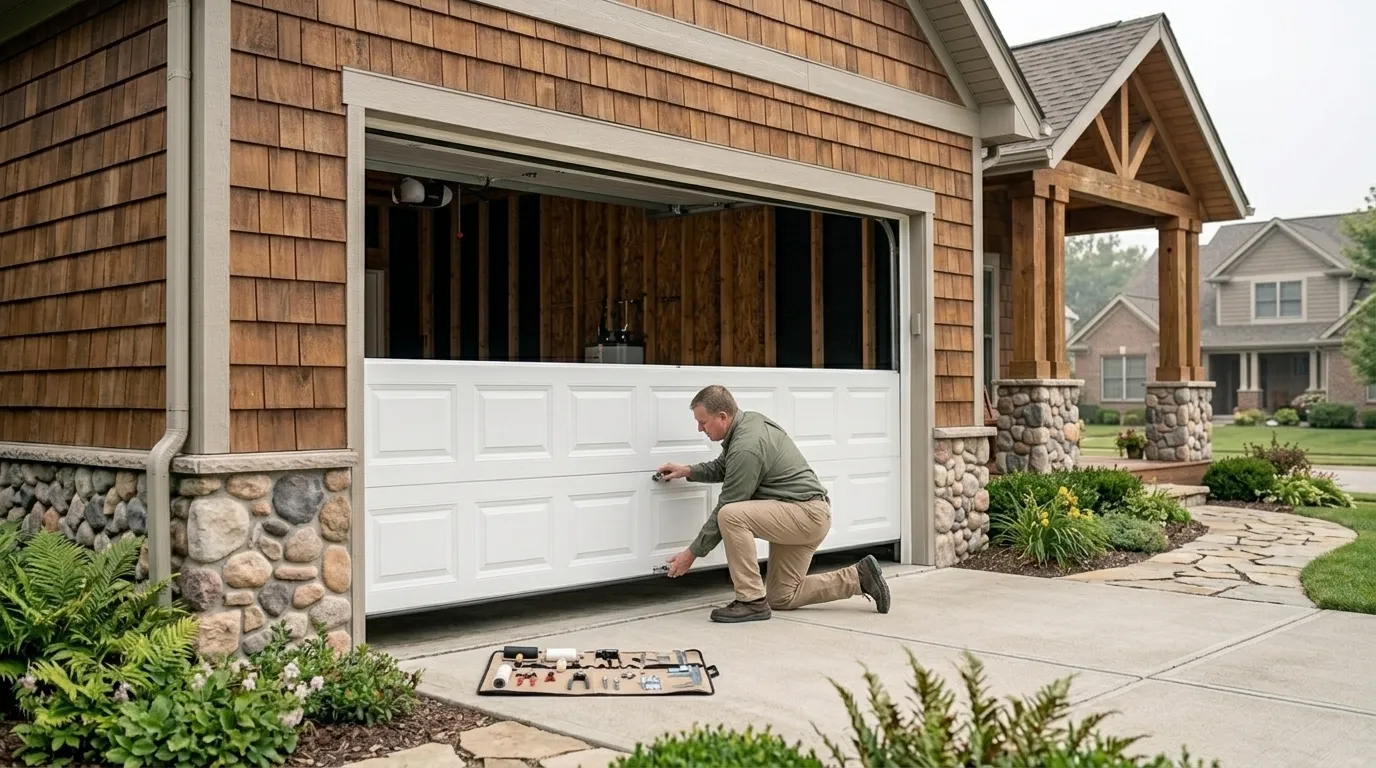
Bell's housing centers on 1956, close to a decade earlier than the 1963 median across the rest of the service area we cover. That gap matters more than it sounds. A garage built in the mid-1950s usually got a single-car opening, a lightweight steel or wood-panel door, and hardware sized for a much lighter door than what's sold today. If a previous owner ever swapped in a heavier insulated door without upgrading the spring and track to match, the opener has been fighting that door ever since - straining the drive gear, wearing the rollers fast, and eventually burning out. When we get a call from this side of the coverage area, we're usually looking at one of two things: original hardware that's simply outlived itself, or a mismatch between an old frame and a newer door that was never sized to fit it. Both are common on houses from this era, and neither is something you find much in the 1963-and-later stock elsewhere in the service area.
The Houses Here
Bell has roughly 8,824 households, and a large share of them sit in that same post-war build window. That concentration means a lot of garages built in the same short stretch of years, using the same handful of door and hardware styles a builder would have specified across a whole block at once. It also means when one door on a street fails, the door two houses down, put up by the same builder around the same year, often isn't far behind. Median household income here runs $60,641, noticeably under the $83,538 median for the wider service area. That's not a comment on the houses - it's a reason we'd rather tell you a repair is the better call than push a full replacement when the original hardware still has life in it. Torsion springs, rollers, and track on a 1956-era single door are generally straightforward to service without touching the whole system.
Where We Stop
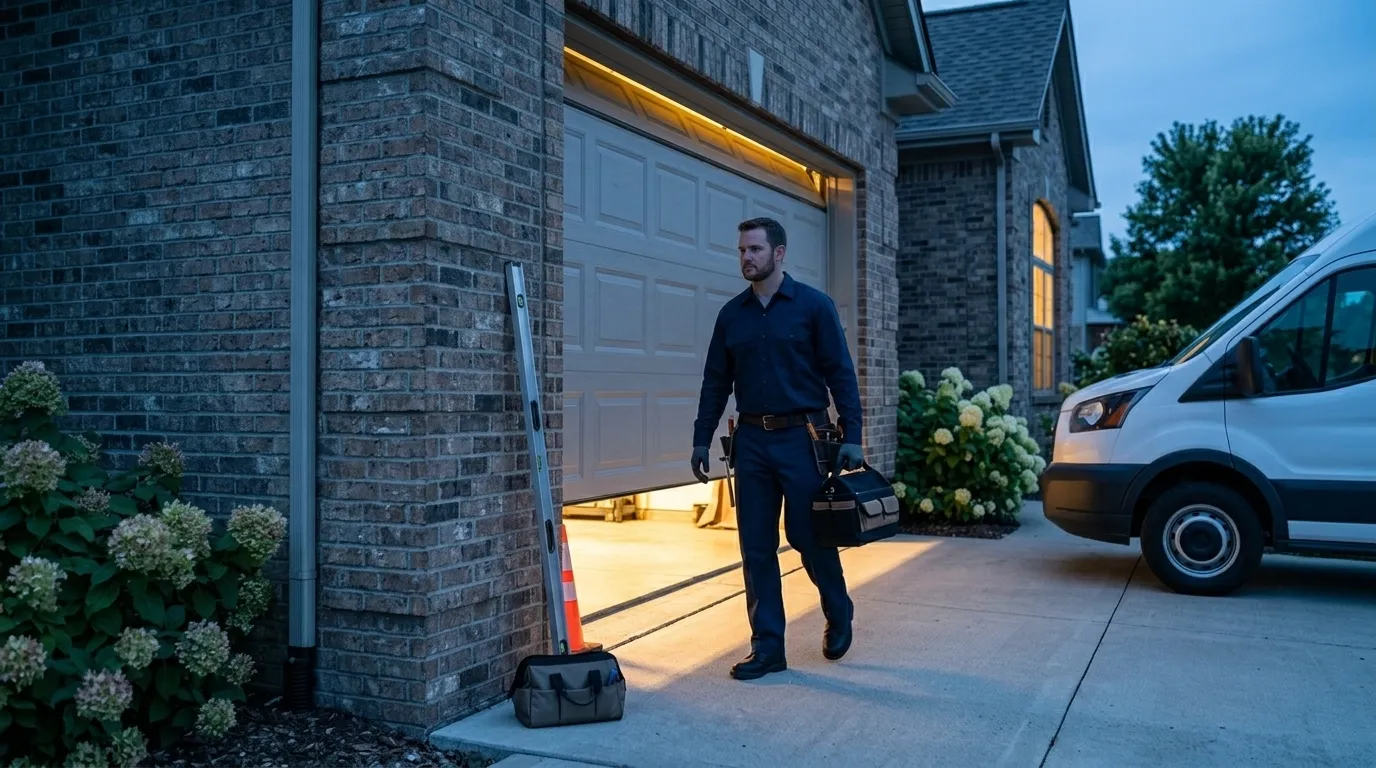
Bell sits about 18 miles out from our base in Santa Monica, on the far side of the coverage area we run. We don't keep a truck or a depot in Bell - every job here means a drive in, so we schedule these calls with that distance in mind rather than promising a same-hour arrival we can't back up. If you're mid-driveway with a door that won't budge, tell us that when you call so we can plan the trip properly. We serve Bell as part of the same route that reaches Lynwood, South Gate, Cudahy, and the other communities out toward this edge of Los Angeles County, and we're upfront that jobs out here get worked into the day's run rather than squeezed in on short notice.
The Split Between Old and New
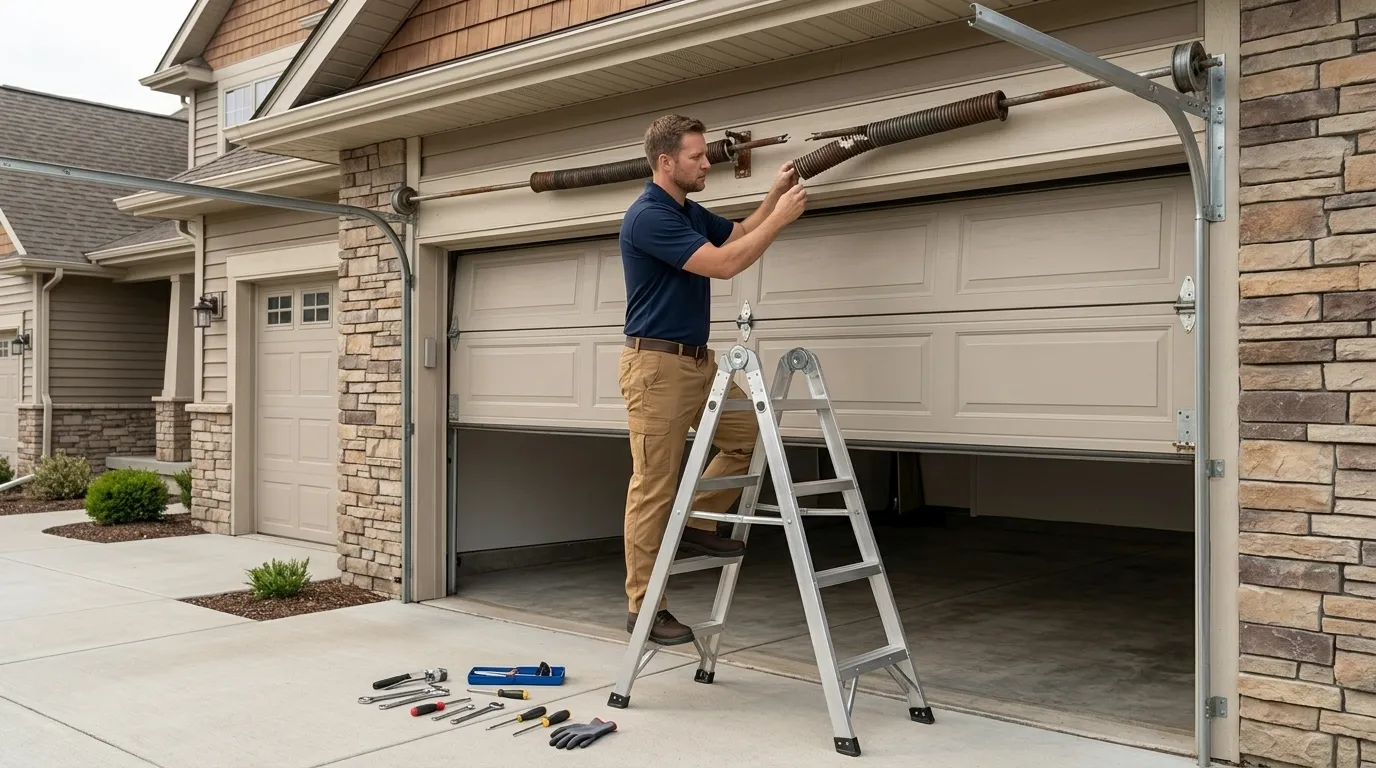
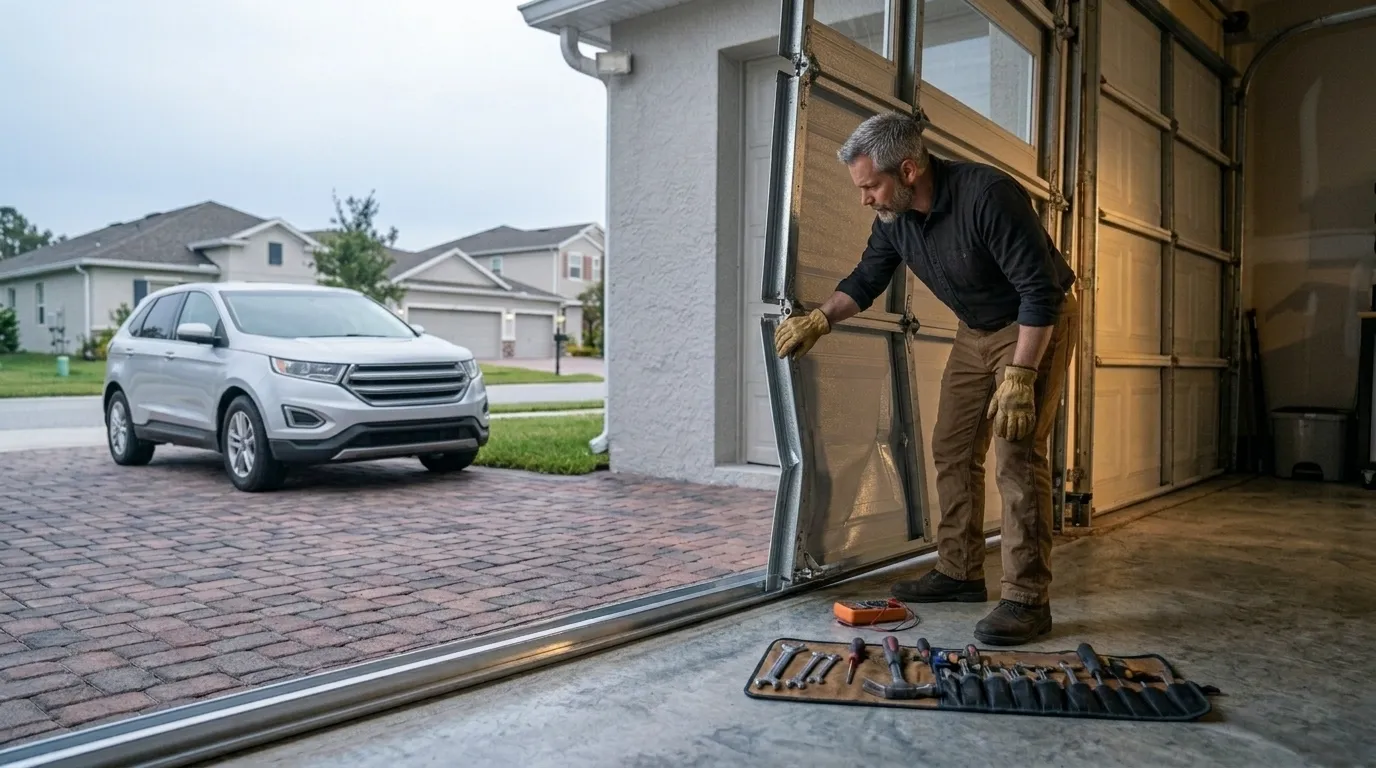
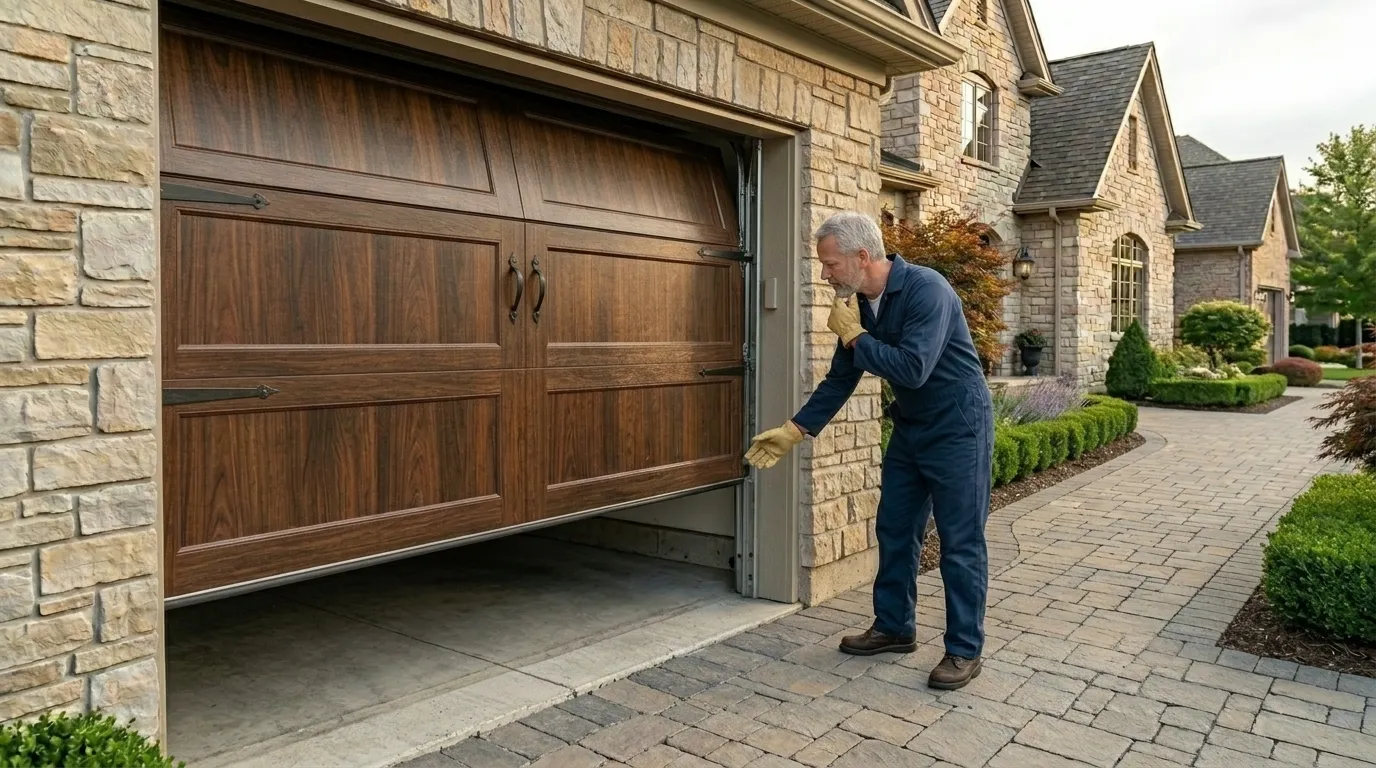
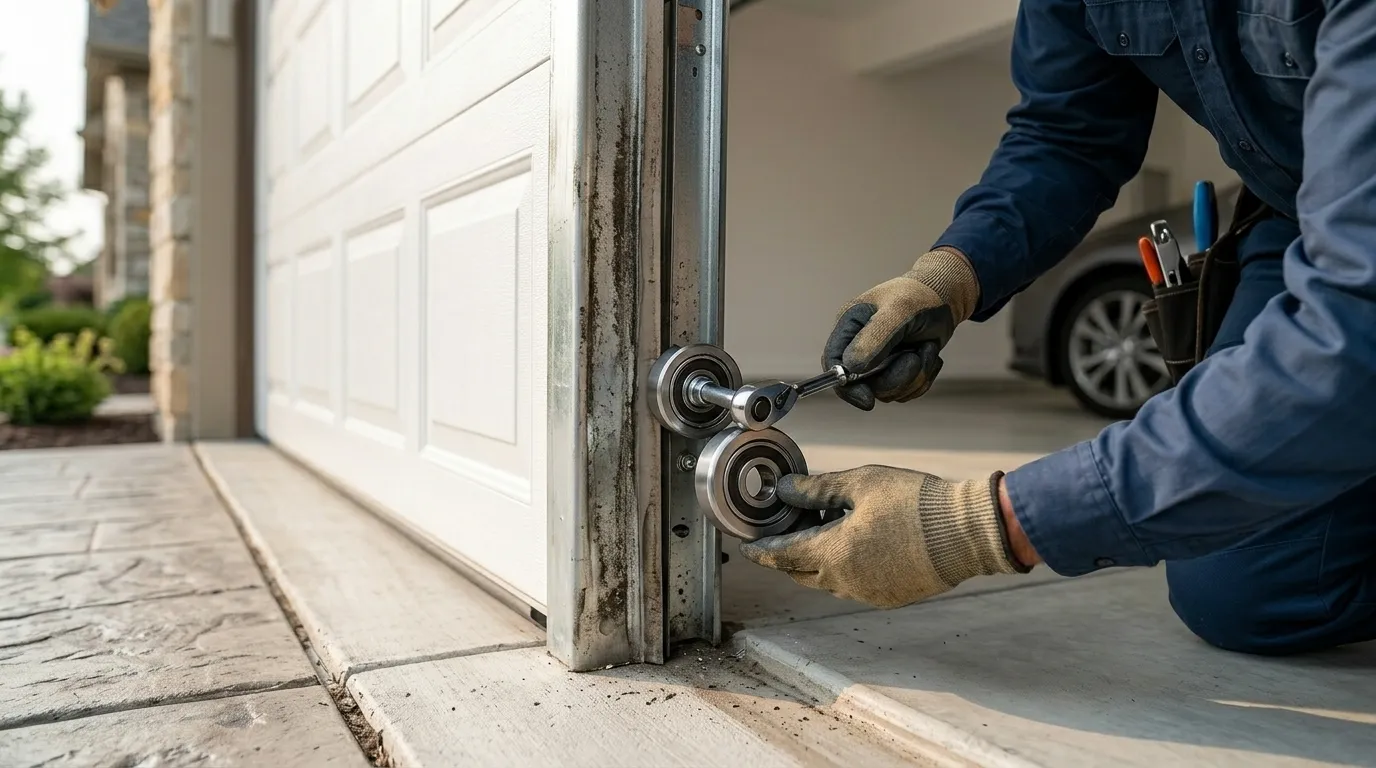
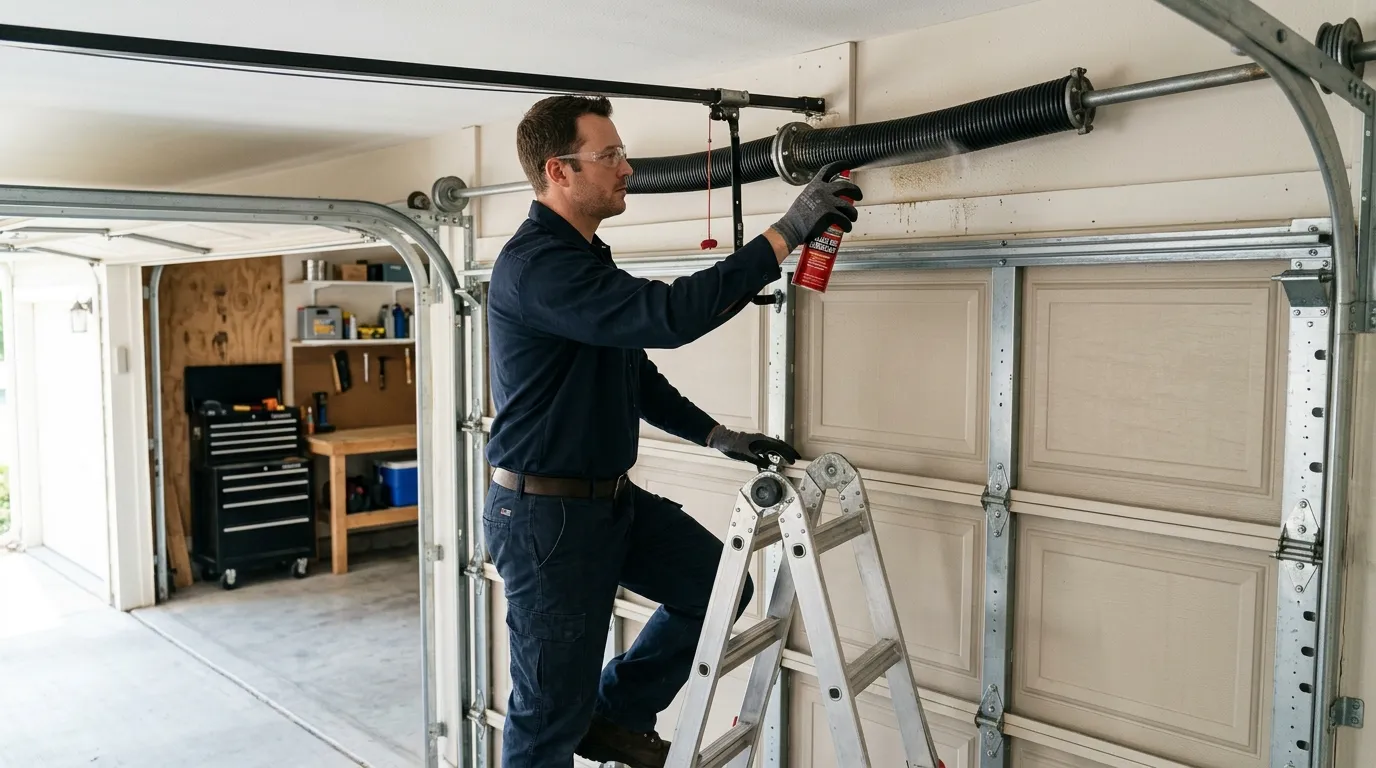
Across the service area as a whole, the housing spans 1947 to 2012, with the newer end of that range concentrated closer to Santa Monica and the older end out toward areas like Bell. That split shows up directly in the kind of calls we get. Newer doors bring opener boards, sensor alignment, and circuit issues. Older doors, the kind that dominate Bell, bring worn torsion springs, bent track from decades of use, and cable fray on hardware that was never designed with today's heavier insulated panels in mind. The mild coastal climate across the region keeps rust and weather-driven failure less of a factor than it would be somewhere with real winters, so most of what fails here fails from age and use, not from the elements. One limit worth saying plainly: if a door's track and framing were never sized for a heavier replacement panel someone installed later, sometimes the honest fix is correcting that mismatch rather than patching around it again.
How it works
From “it’s stuck” to “it’s fixed”
01
Tell us what’s wrong
Describe the symptom - won’t open, loud bang, opener runs but the door won’t move.
02
On-site diagnosis
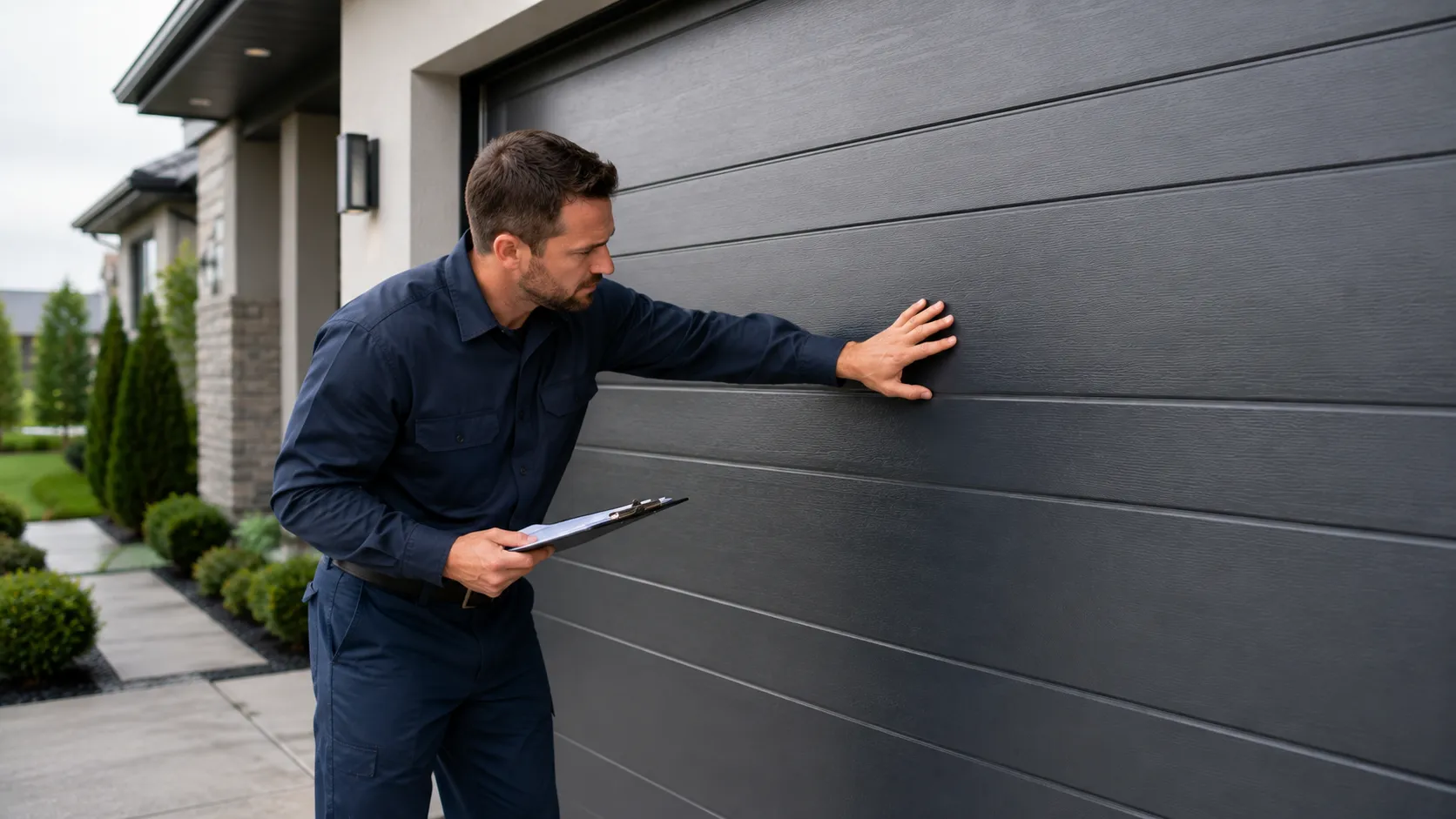
A technician tests the door under power and by hand and finds what actually failed.
03
Clear, up-front plan
You get the fix that’s needed and what drives the cost - before any work starts.
04
Repaired & tested
The repair is done, the door is set true and tested, and the work area left clean.
Serving Santa Monica, CA - tell us what your door’s doing and we’ll take it from there.
Straight answers about garage door repair in Santa Monica. Still unsure? Ask us directly.
Why does my garage door in Bell feel heavier or stiffer than a newer one?
A lot of Bell's garages date to around 1956, when single-car doors and lighter hardware were standard. If a heavier insulated door was ever swapped in without upgrading the spring and track, the opener and hardware end up working harder than they were built for, which shows up as stiffness or strain over time.
Do you have a location in Bell?
No. We're based in Santa Monica and drive out to Bell, about 18 miles away, as part of our regular coverage route. We don't keep a depot or crew stationed in Bell, so trips here are scheduled into the day rather than dispatched instantly.
Is it worth repairing an old torsion spring instead of replacing the whole door?
Often yes, especially on the 1950s-era single-car doors common in Bell. If the frame and track are original and sound, replacing a worn spring or roller is usually a cleaner and cheaper fix than a full door swap, as long as the hardware wasn't already mismatched to a heavier door.
Does the coastal climate cause garage door problems in Bell?
Less than you'd think. The mild temperate climate across this service area means rust and weather-driven failure are less common than in regions with real winters. Most failures we see out this way come from age and use on original hardware, not from weather.