Getting Booked In
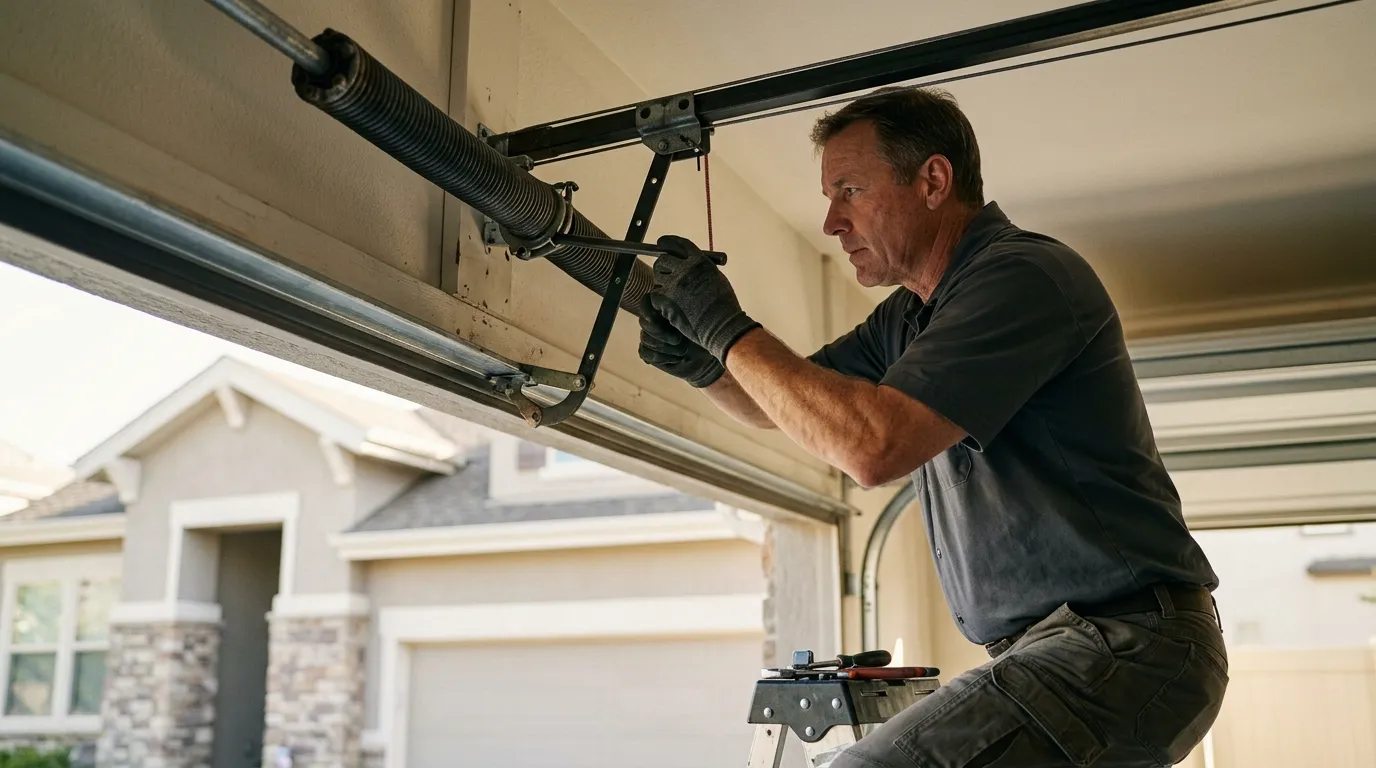
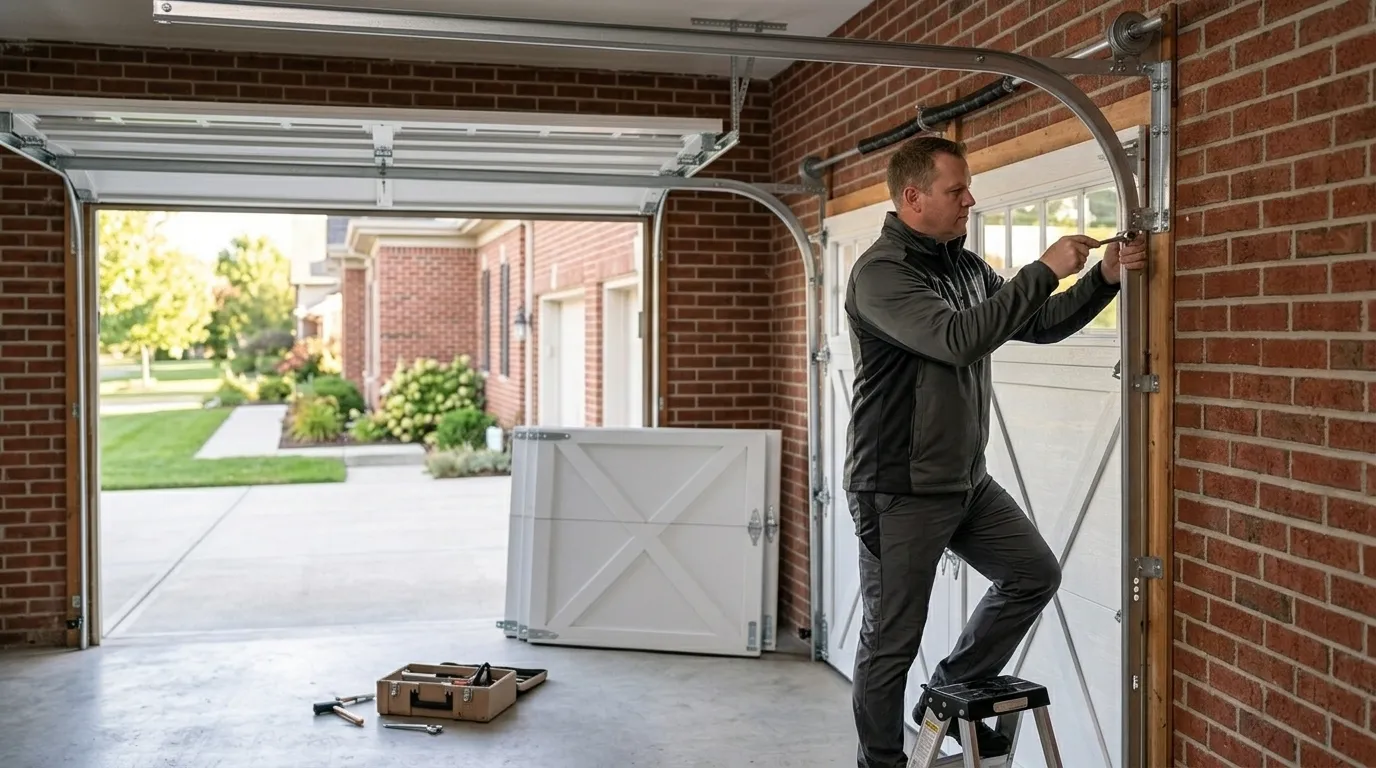
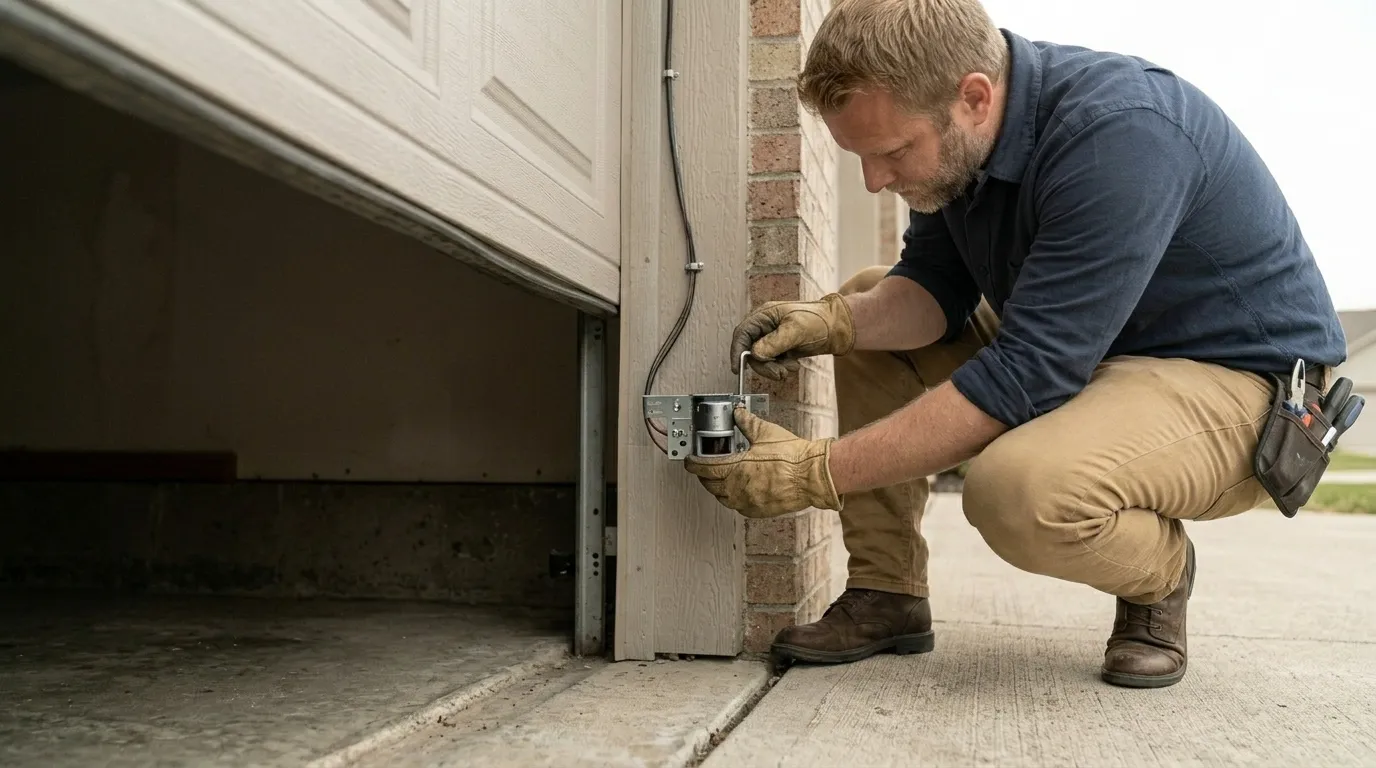
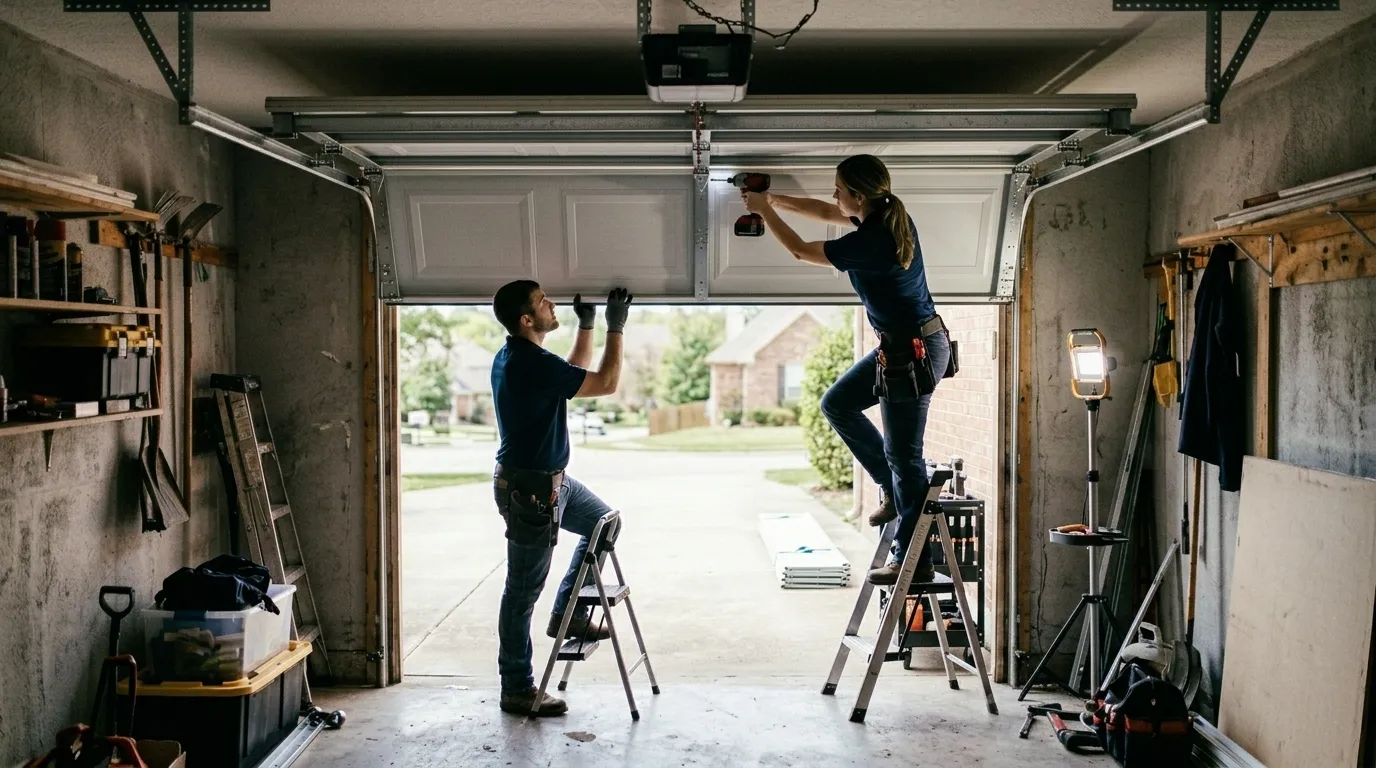
Because Mid-City falls inside the same service radius as Downtown, North of Montana, and the Westside, a booking here doesn't need special routing - it's a normal stop on a normal day. We ask a few questions up front: whether the door is a single or double, whether it's the spring or the opener acting up, and roughly how old the house is, since a 1960s build and a 2005 build call for different parts on the shelf.
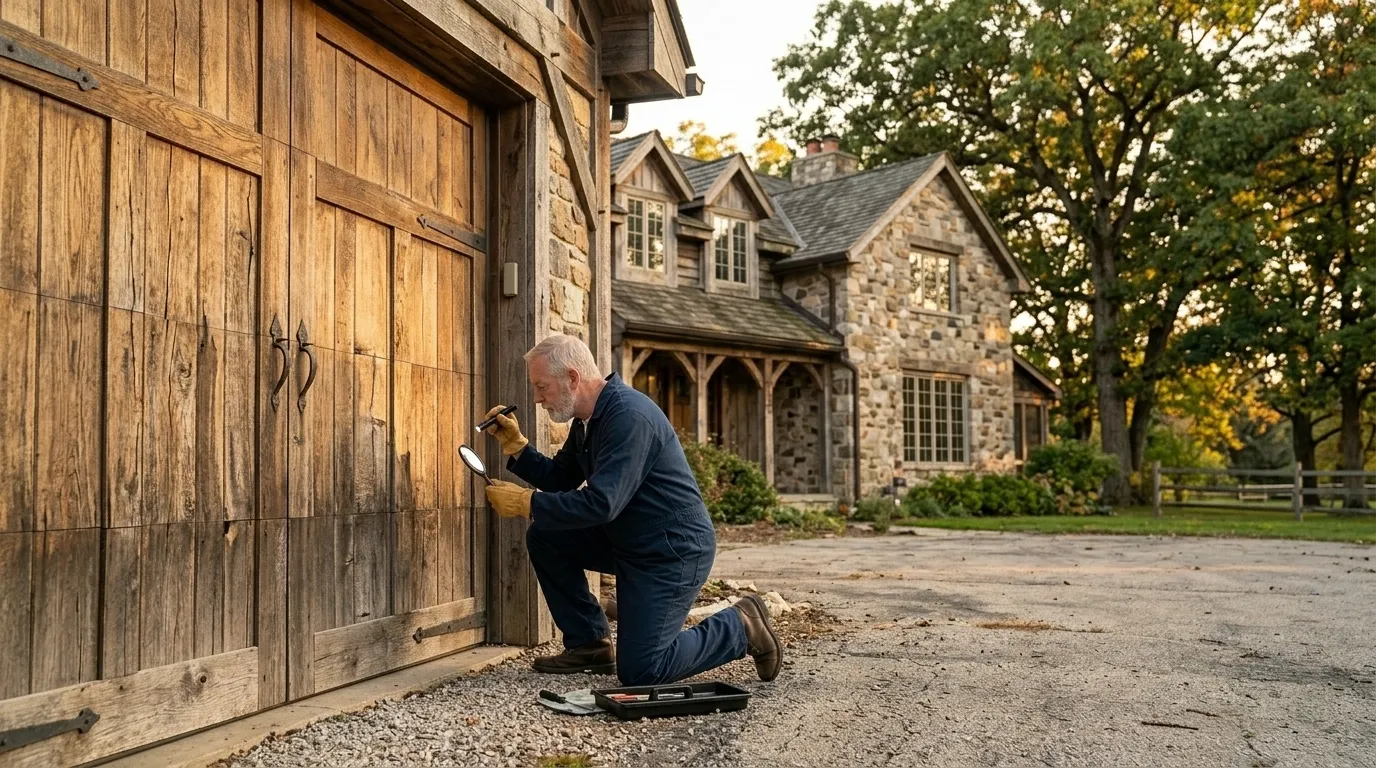
One honest limit: if your door takes a part that's been discontinued - which happens more often on original 1960s-era track hardware than people expect - we may need to order it rather than carry it on the truck. We'll tell you that on the phone, not after we've shown up.
Household income in this broader area runs a median of $83,538, and most of the housing stock is owner-occupied rather than rented, which shapes the kind of job we see most: owners replacing a 40-year-old door rather than patching it twice a year. If your door was here before you bought the house, that's worth mentioning when you call.
Plain Answers
Is my garage door original to the house? If your house dates from the 1960s or 70s, which covers most of the stock in this part of the service area, there's a real chance the door or at least the track and springs are original or close to it. That's not automatically a problem, but original torsion springs rated for decades of cycling are usually well past due.
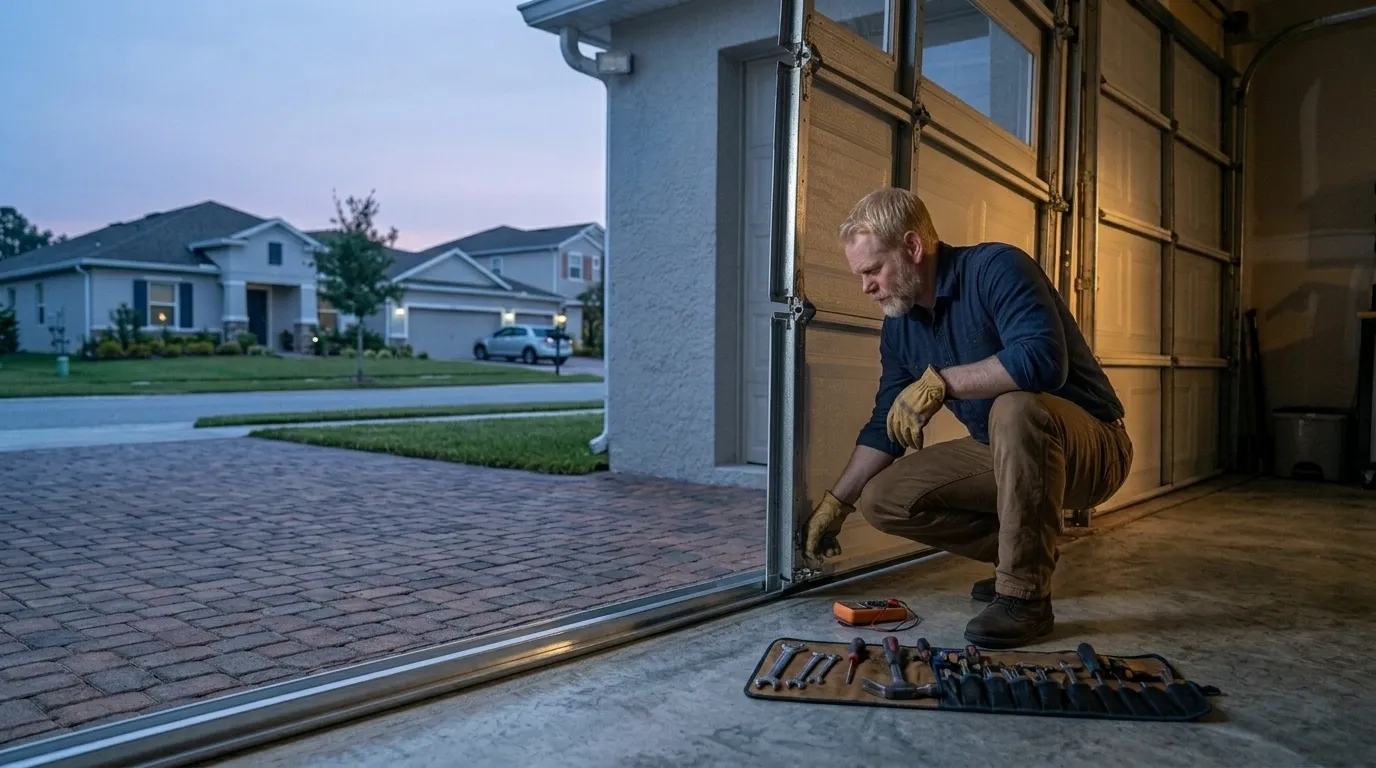
Does the mild climate here mean less wear on my door? Less than a place with real winters, yes - no ice buildup, no wood swelling from freeze-thaw. But mild and dry still means UV breakdown on panels and lubricant drying out faster than owners expect, especially on doors that haven't been serviced in years.
Do you know Mid-City's streets specifically? We don't have named landmarks or cross-streets for this neighborhood listed anywhere we'll claim as fact, and we're not going to invent them. What we go on is the housing era data for the area and the actual door in front of us when we get there.