What Local Conditions Do
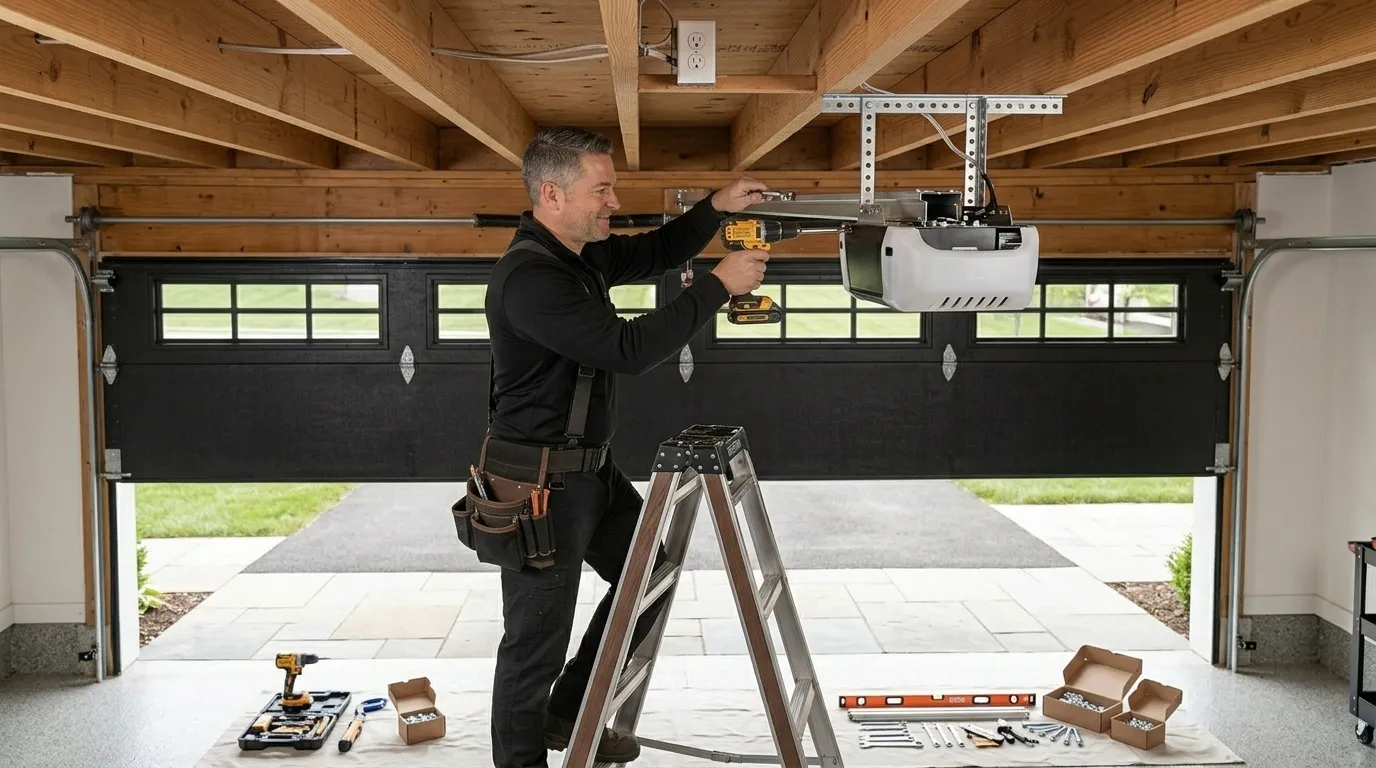
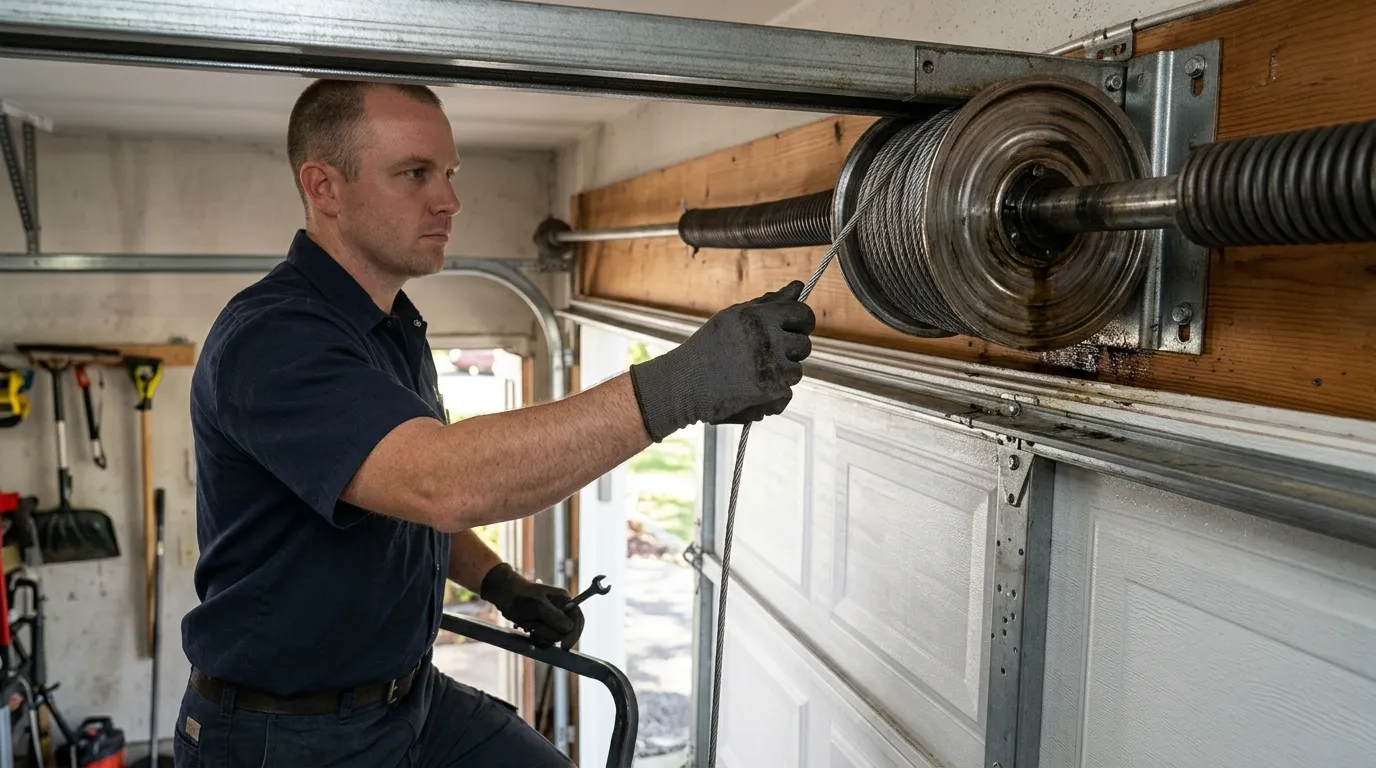
This area sits in a mild temperate band, without the deep freezes or triple-digit stretches that crack steel panels or gum up lubricant in other parts of the country. That's a genuine advantage - it means most of the failures a technician finds here trace back to age and cycle count rather than weather-driven stress. A spring rated for a certain number of cycles wears out on schedule whether it's baking or mild outside, and in a climate this even, that schedule is close to the manufacturer's number rather than something shortened by seasonal extremes. What this means in practice: when a door is failing early, the mild climate is rarely the reason, which pushes the check toward the hardware itself - rollers, hinges, the torsion bar - and toward how the door was maintained by whoever owned the house before. It also means a technician isn't chasing rust-through on tracks the way they might somewhere with harsh winters; here it's wear, misalignment, and old parts reaching the end of a long, steady life.
The Situation
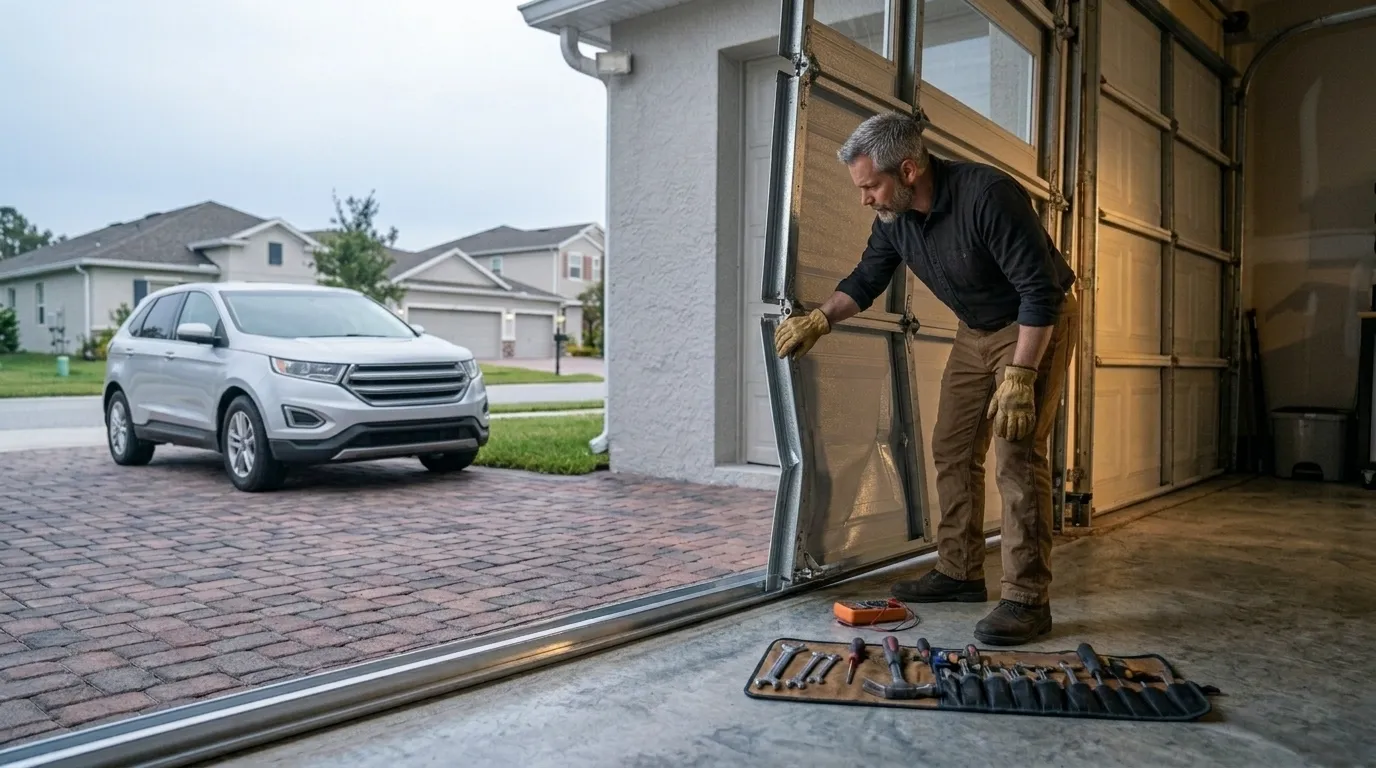
Across the roughly 394,216 households in this service area, about 104,855 are owner-occupied houses, and the housing stock leans heavily 1960s and 70s across the named neighborhoods that make up the area, from the Downtown core a mile out to Riviera and North of Montana a couple miles north. A median build year of 1963 means a lot of garages were framed for doors and openers that don't exist as products anymore - narrower tracks, lighter panels, single-point latching instead of modern safety cables. With a median household income of $83,538, most owners here are in a position to fix things properly rather than patch them, which is the conversation a technician should be having on-site: whether a 60-year-old door is worth another repair or whether the hardware has reached the point where replacement parts simply aren't made. That decision depends on what's actually on the door, which is why the first five minutes of any call is spent looking, not talking.