Why This Fails Locally
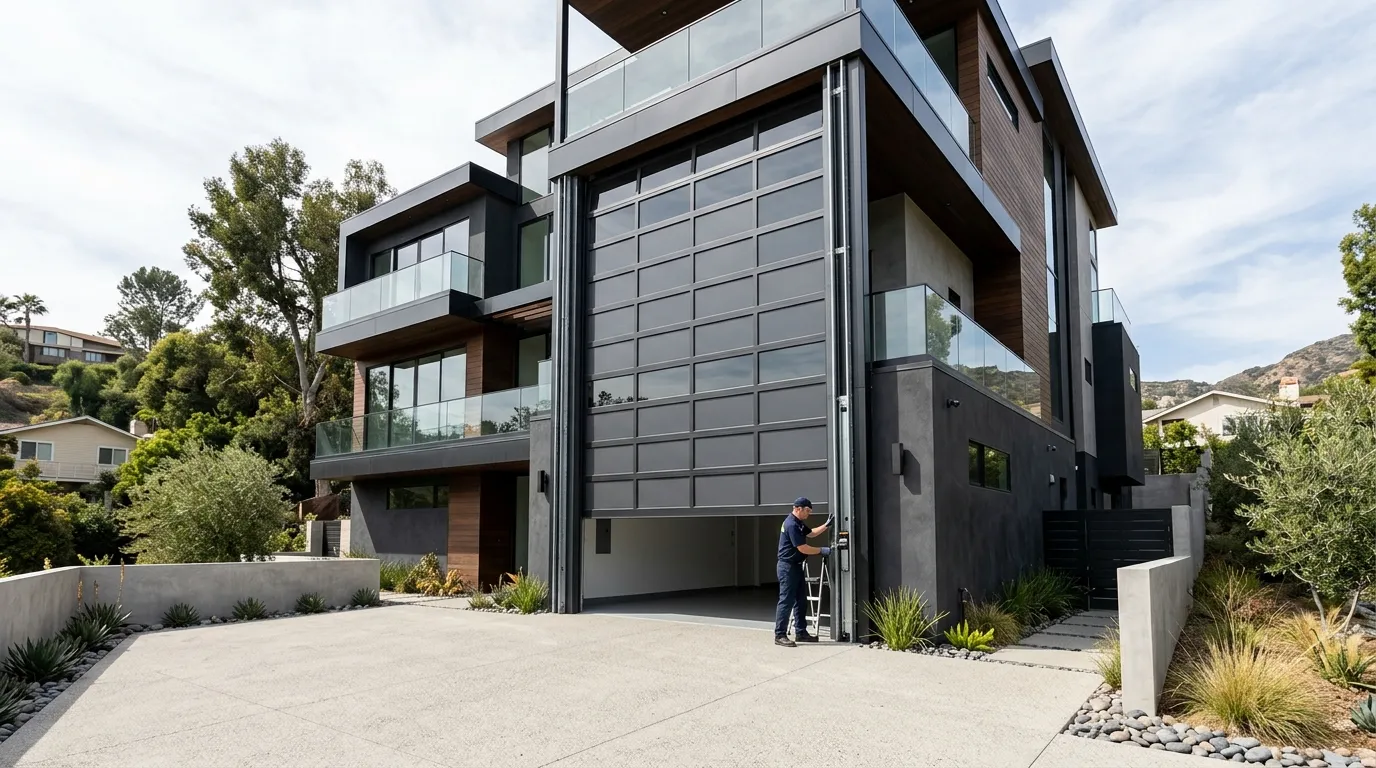
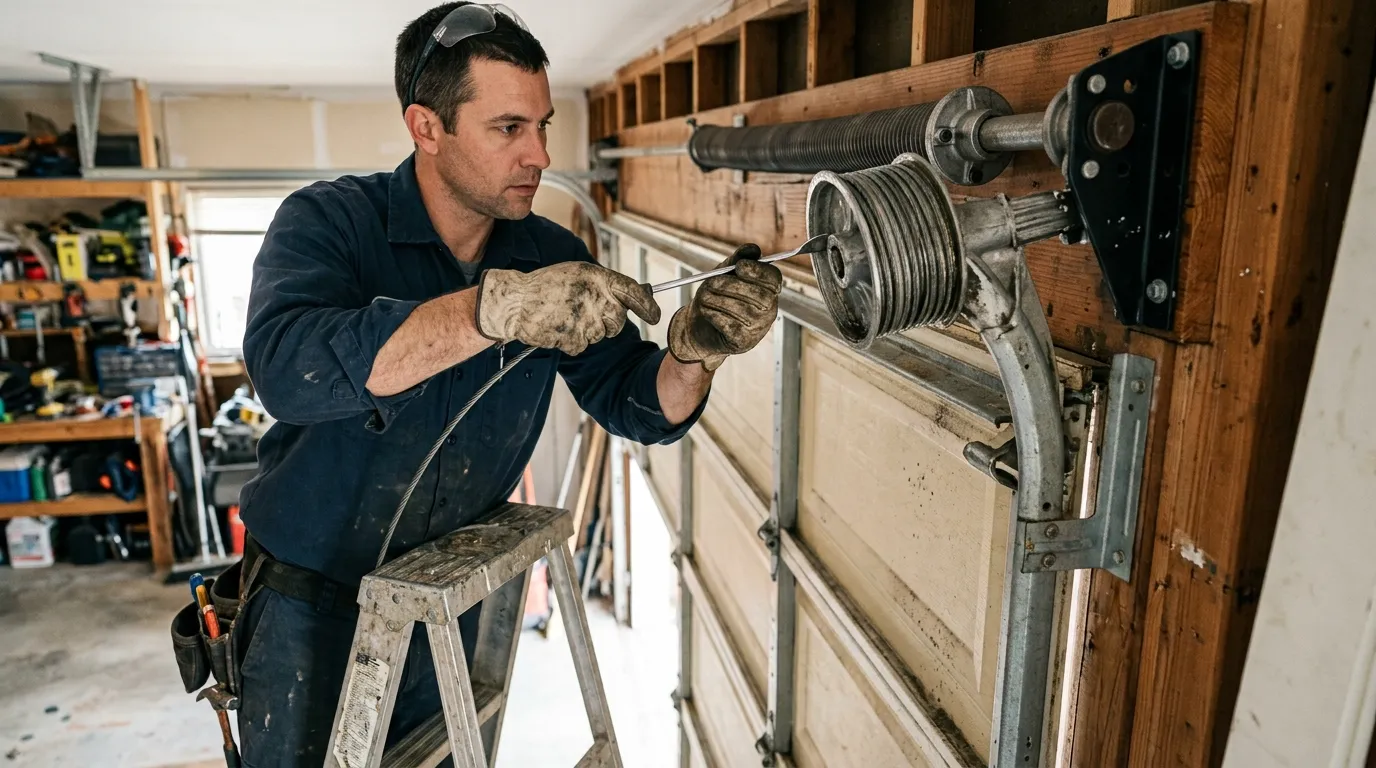
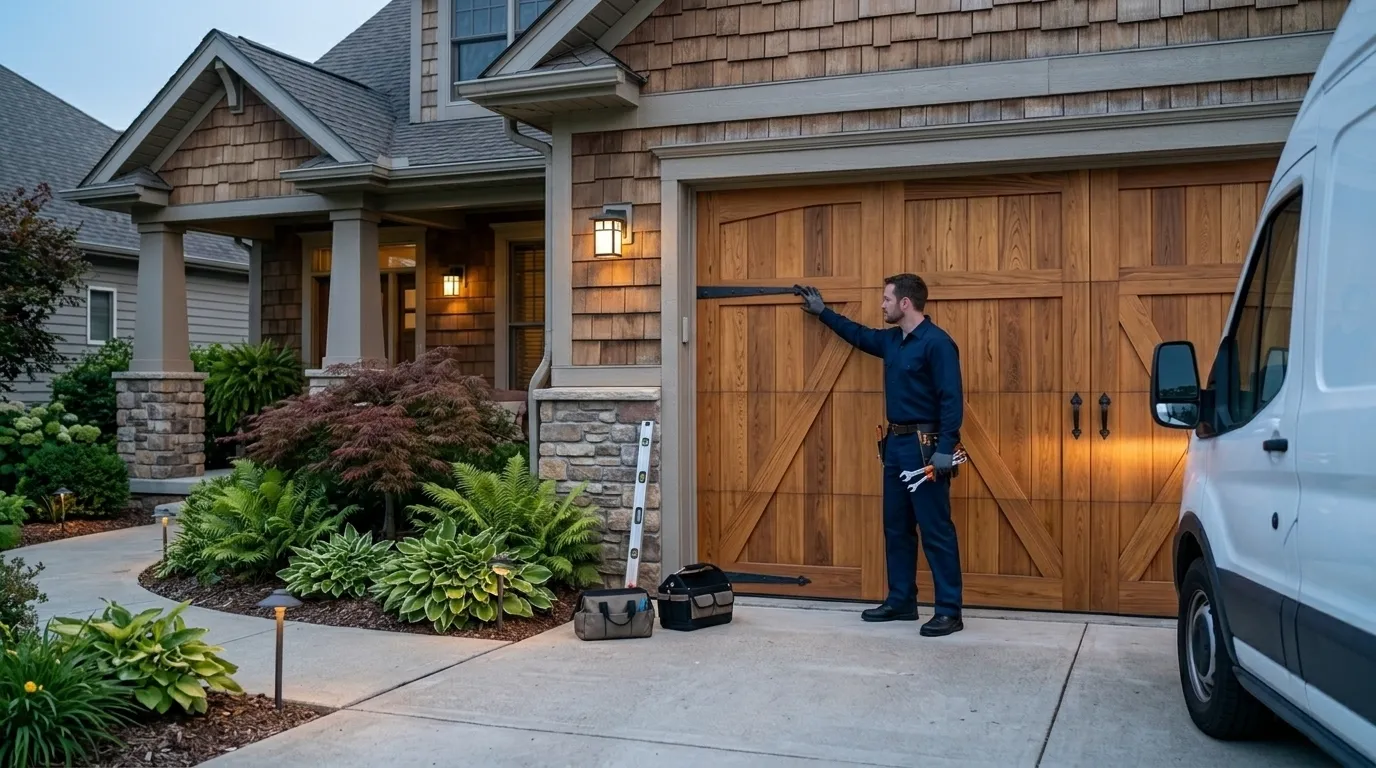
With most of the local stock going up in the 1960s and 70s across the 39 named areas we work in, a large share of doors are running original or first-replacement torsion hardware that predates current door weights. Santa Monica sits in a mild temperate band, so the failures here aren't the freeze-cracked panels or ice-jammed tracks you'd see inland or up in colder climates - they're fatigue failures. A spring wound for a 1963-era slab door, decades into its cycle count, snaps under a heavier insulated replacement door that someone bolted onto the old hardware to save money. The mild climate means the door itself often looks fine for years, which is exactly why owners are surprised when the spring or cable finally goes: there was no storm damage, no visible wear, just a torsion spring that outlived its rated cycles on hardware nobody upgraded when the door changed.
How We Fix It
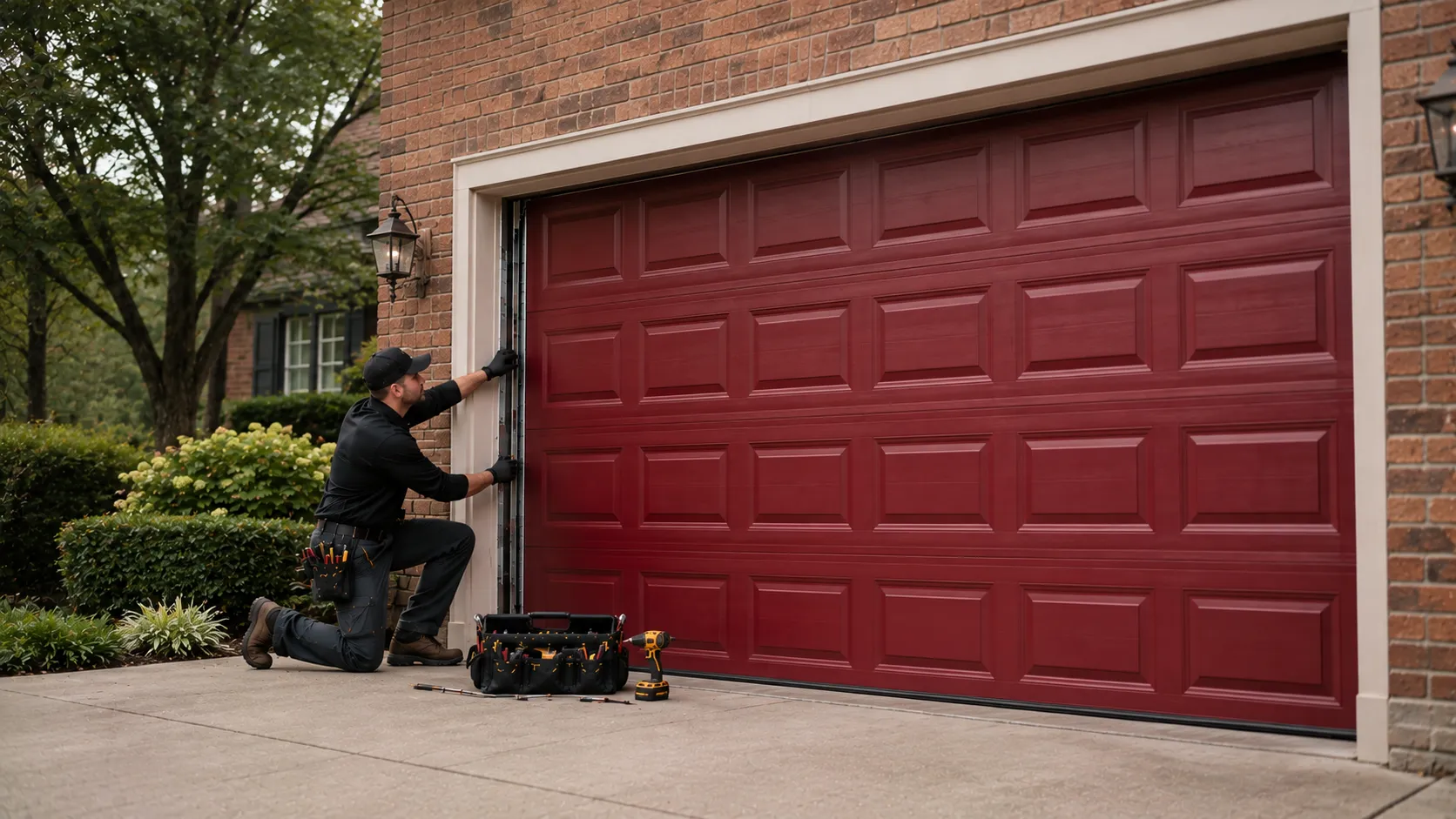
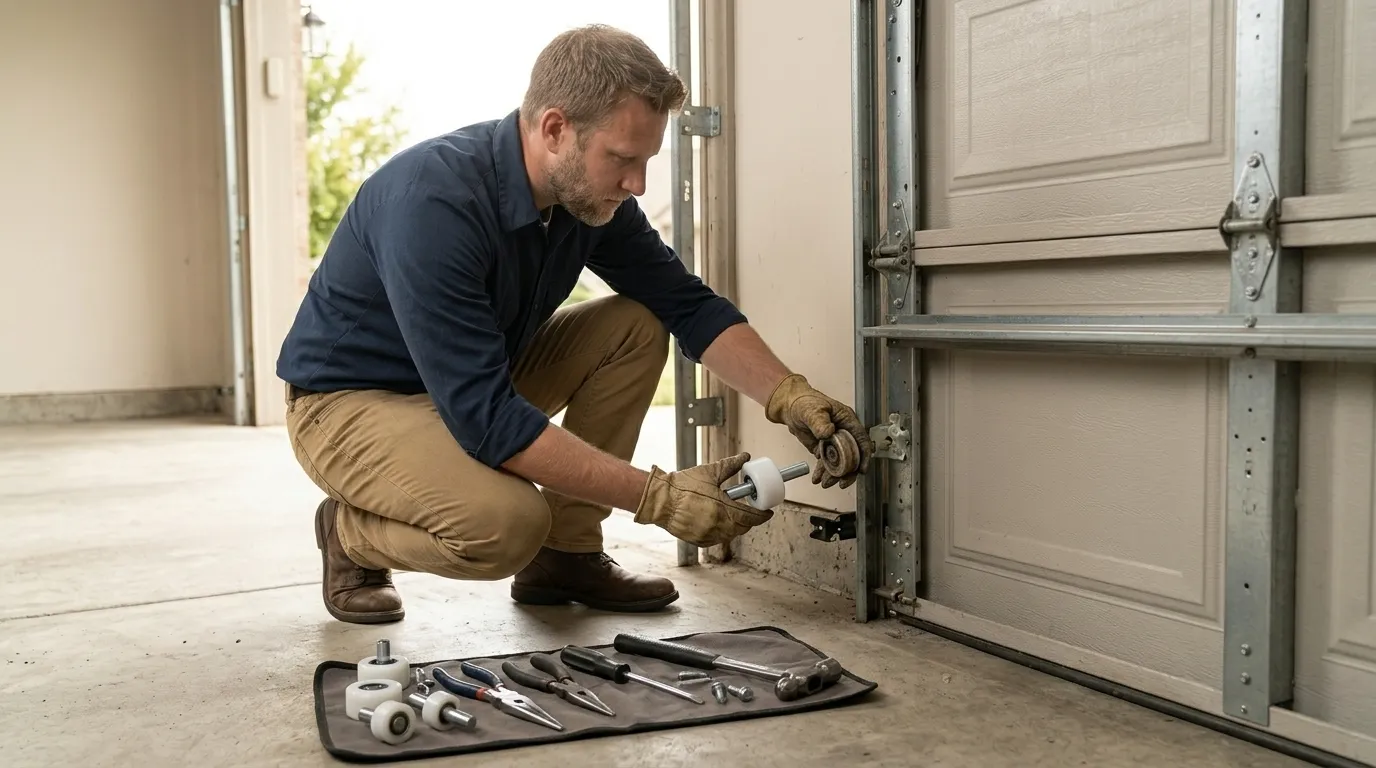
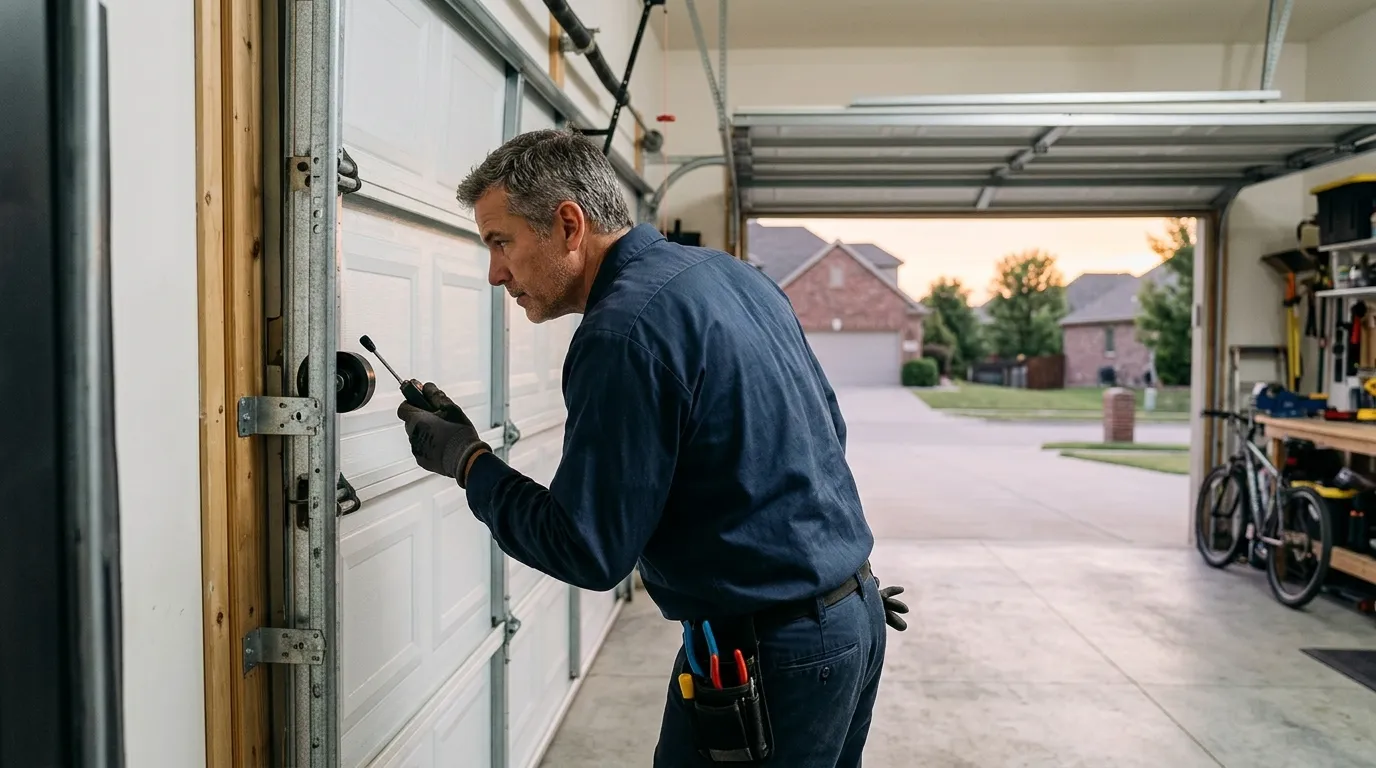
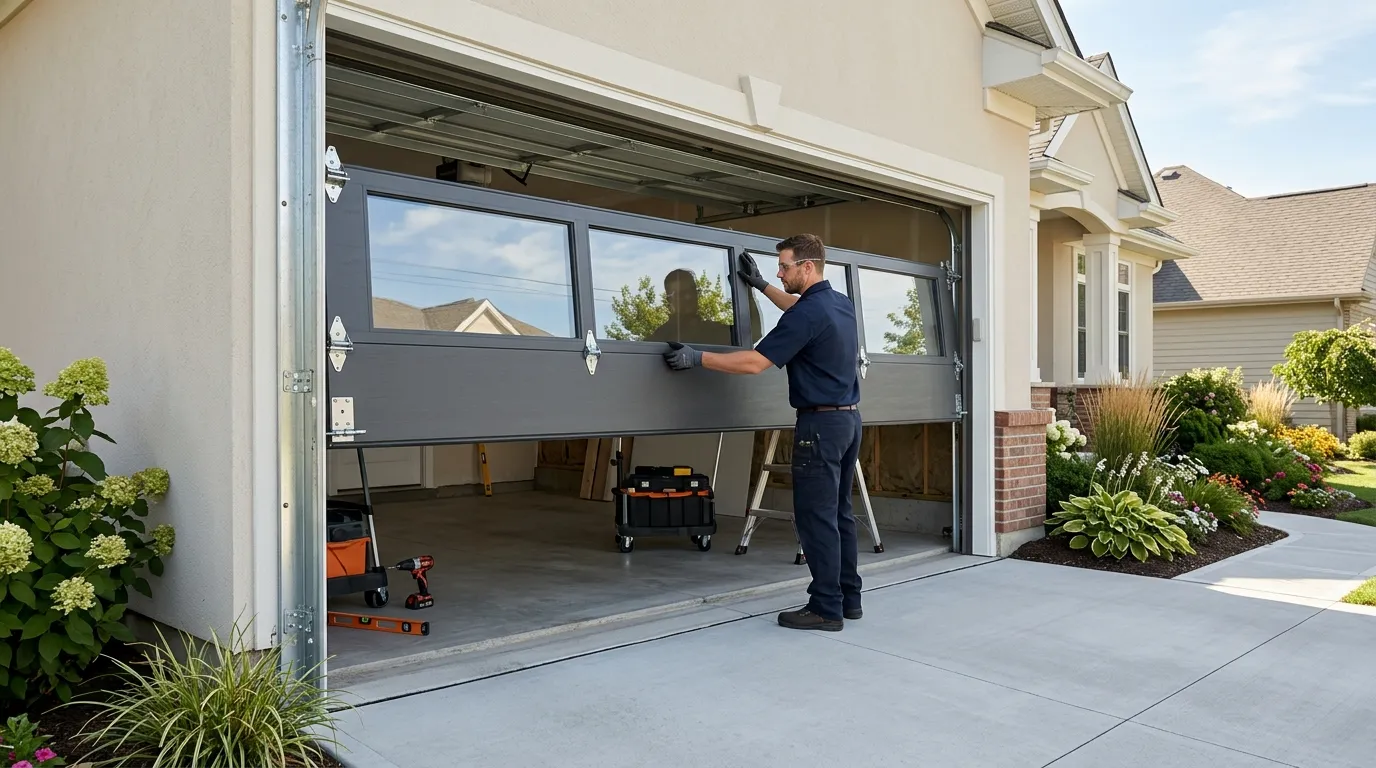
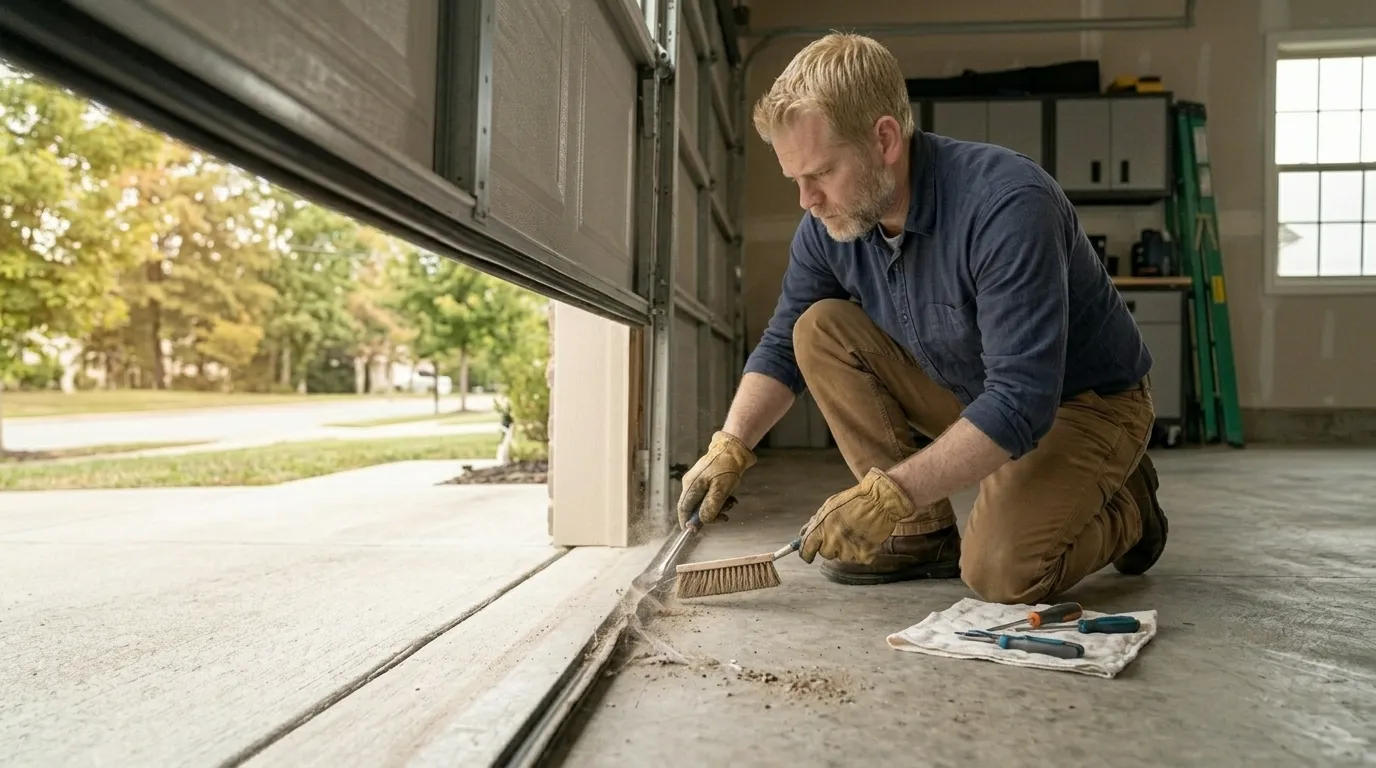
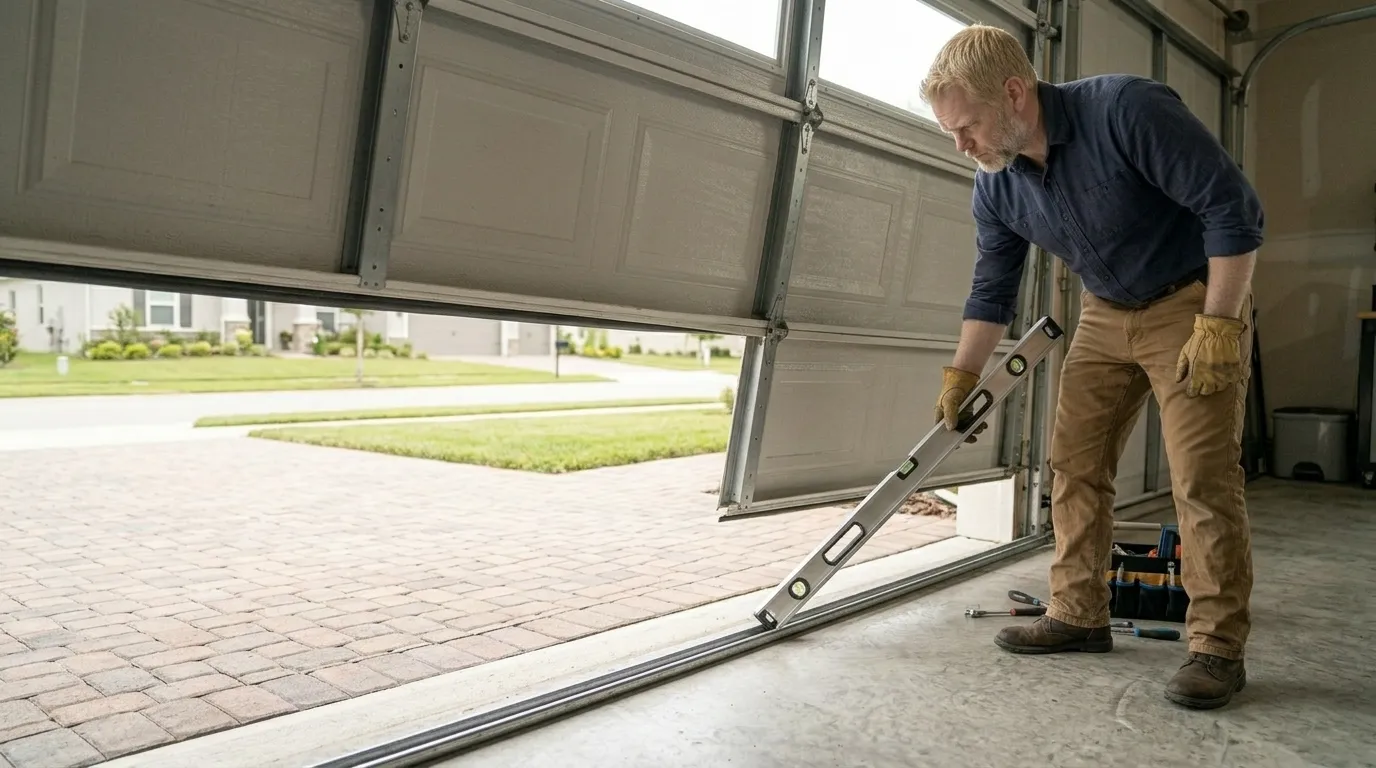
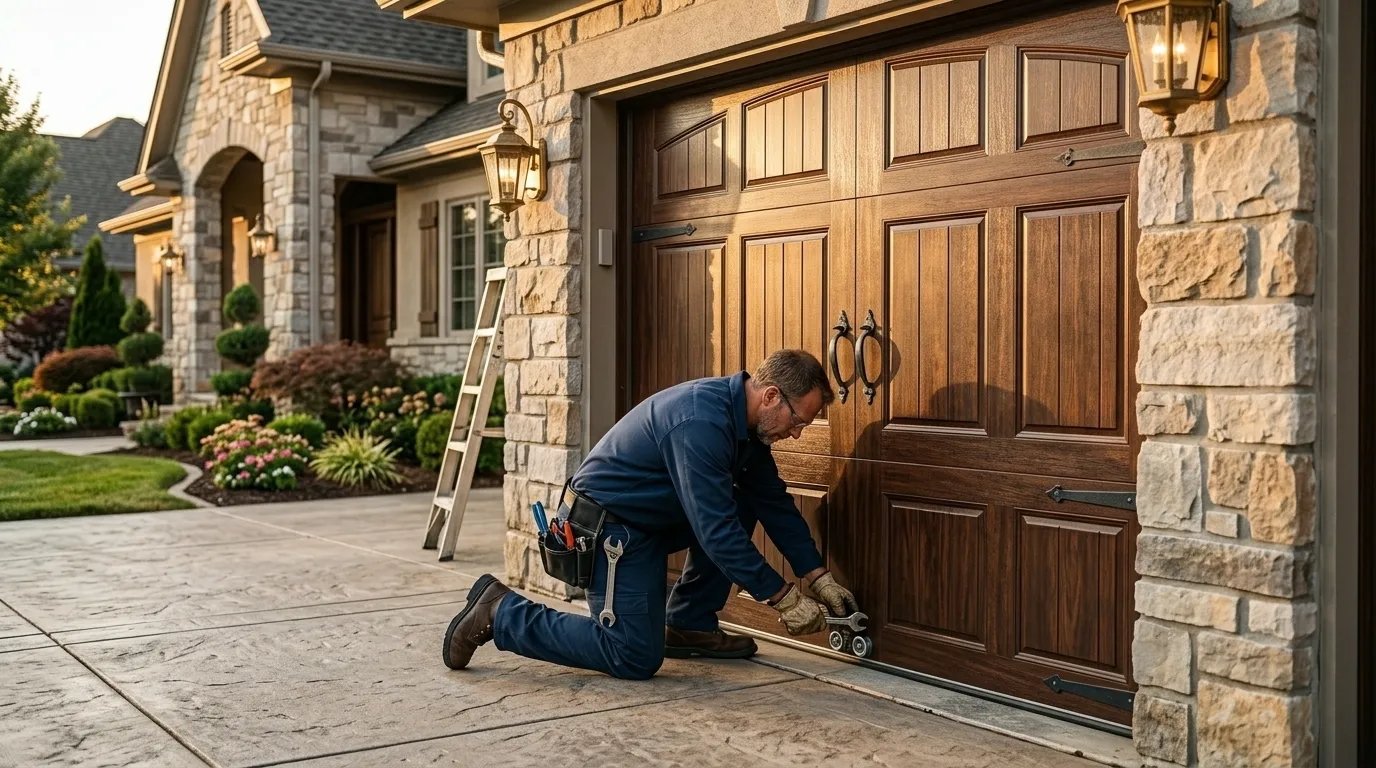
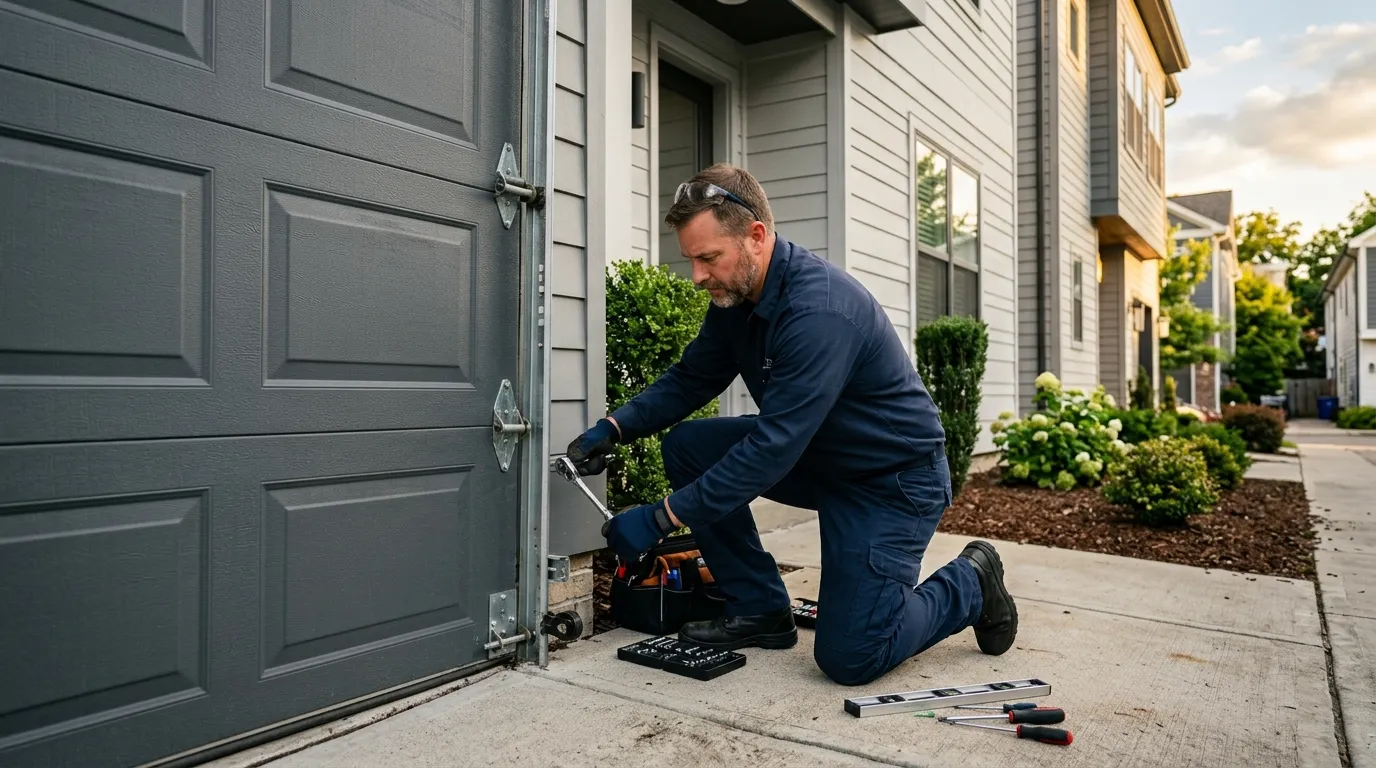
We match the spring and drum to the door that's actually hanging, not the door the house was built with. If a 1960s-era track and jamb hardware are still structurally sound, we replace the spring and cable set to the correct wind and wire gauge for the current door weight rather than reusing whatever was on there. Where the opener is an old chain-drive unit from that same build era, we swap it for a belt or screw-drive unit sized to the door and set the travel limits and force settings so the safety reversal actually works - a step that's easy to skip on an older bracket setup. For doors where the track has been bent or the jamb hardware is undersized for a heavier replacement door, we say so and price the full track-and-hardware job instead of patching around it. A patched job on mismatched hardware just moves the failure point somewhere else on the door.