Garage Doors Built for Hawthorne's 1970s Housing Stock
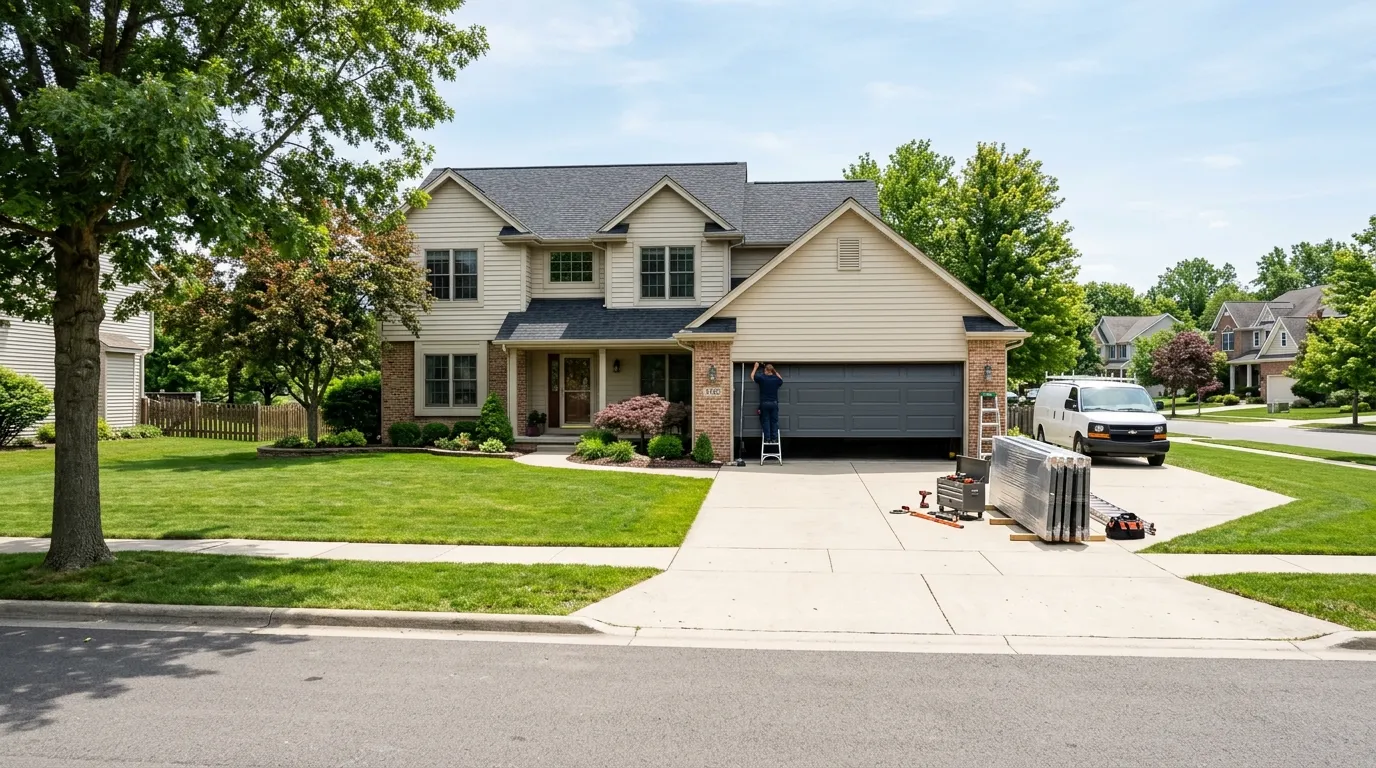
Santa Monica Garage Door Pros drives 11 miles to Hawthorne for garage door repair, matched to the city's 1972-era housing stock and its steel sectional doors.
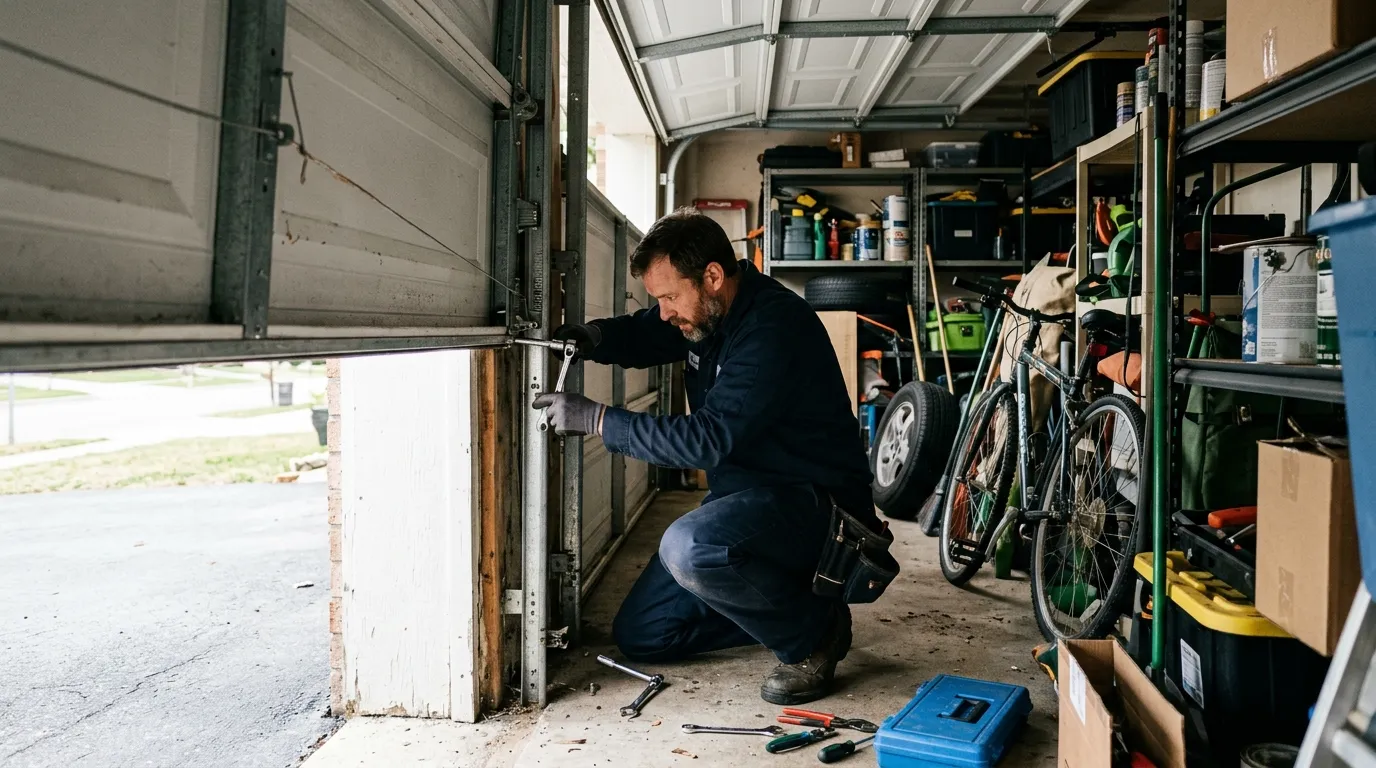
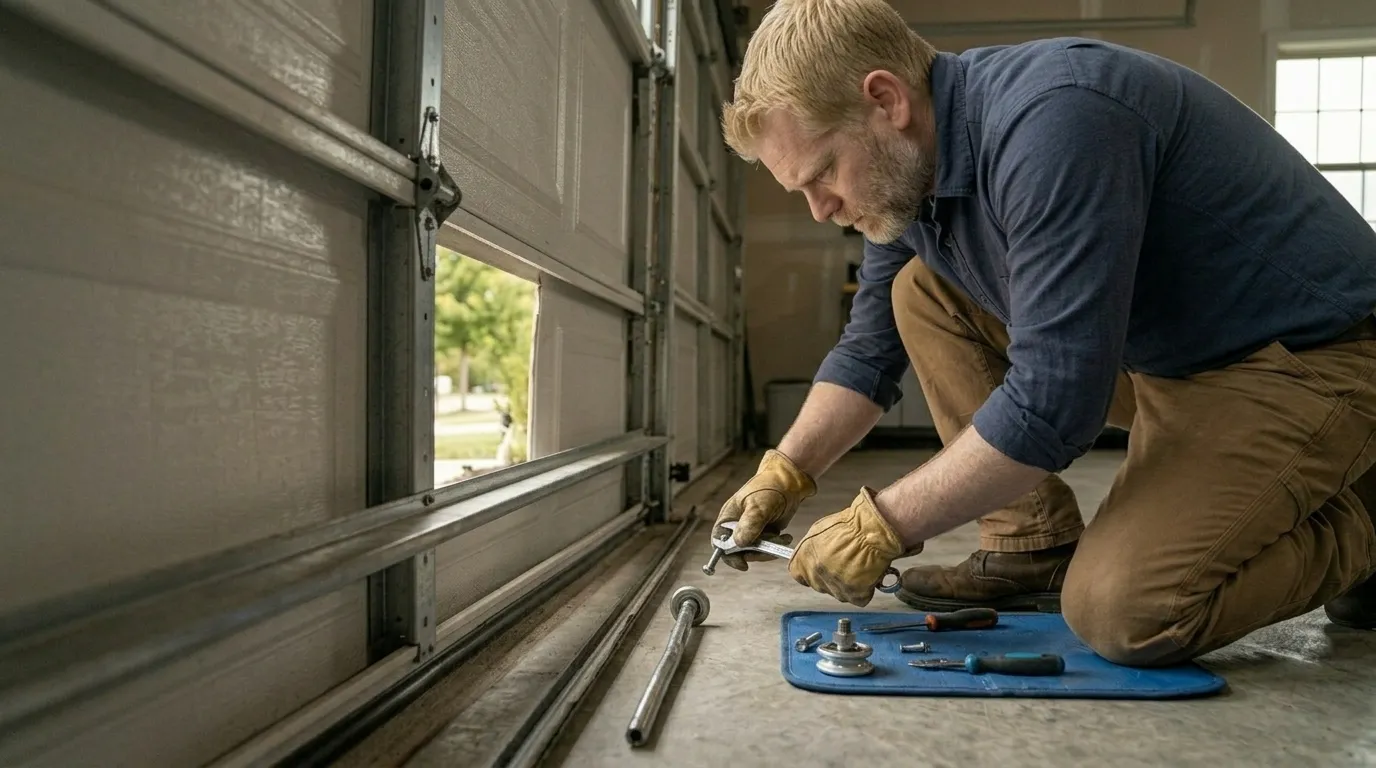
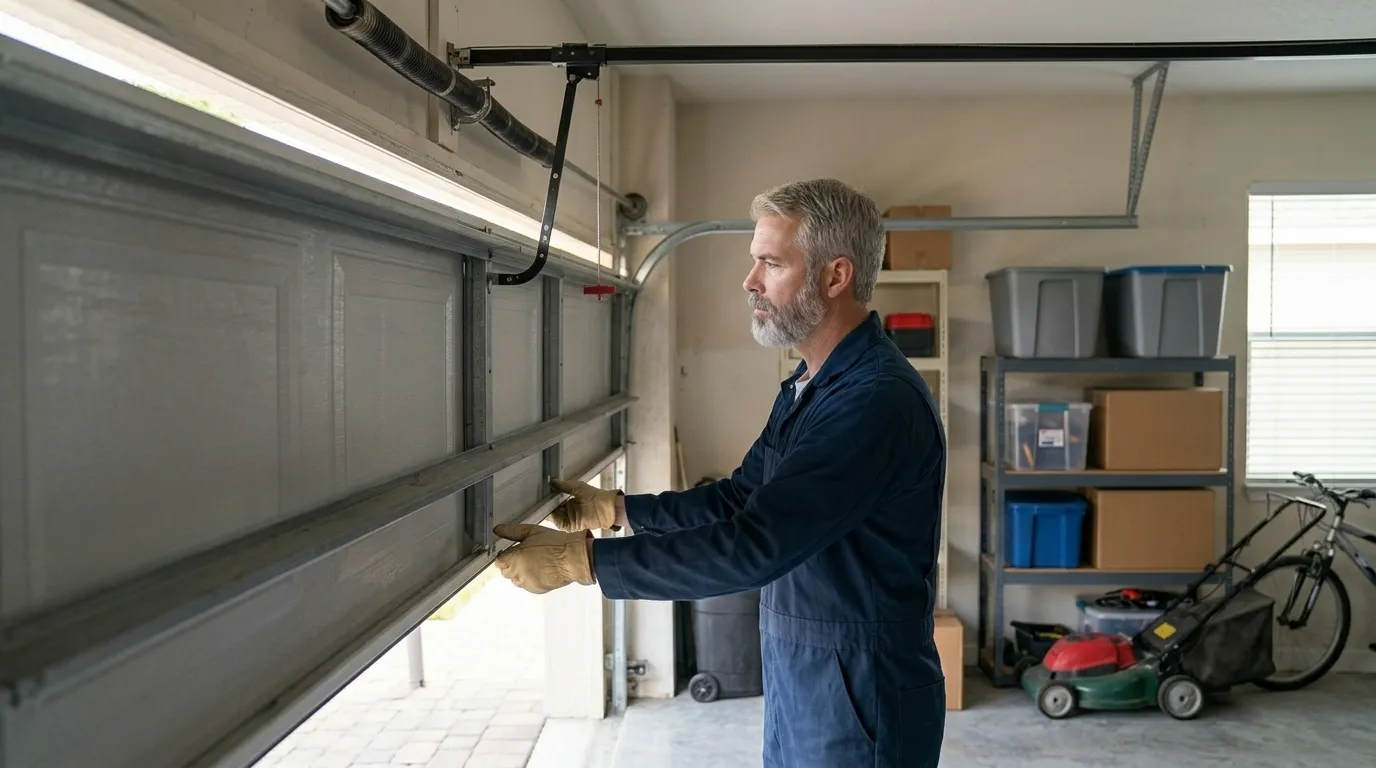
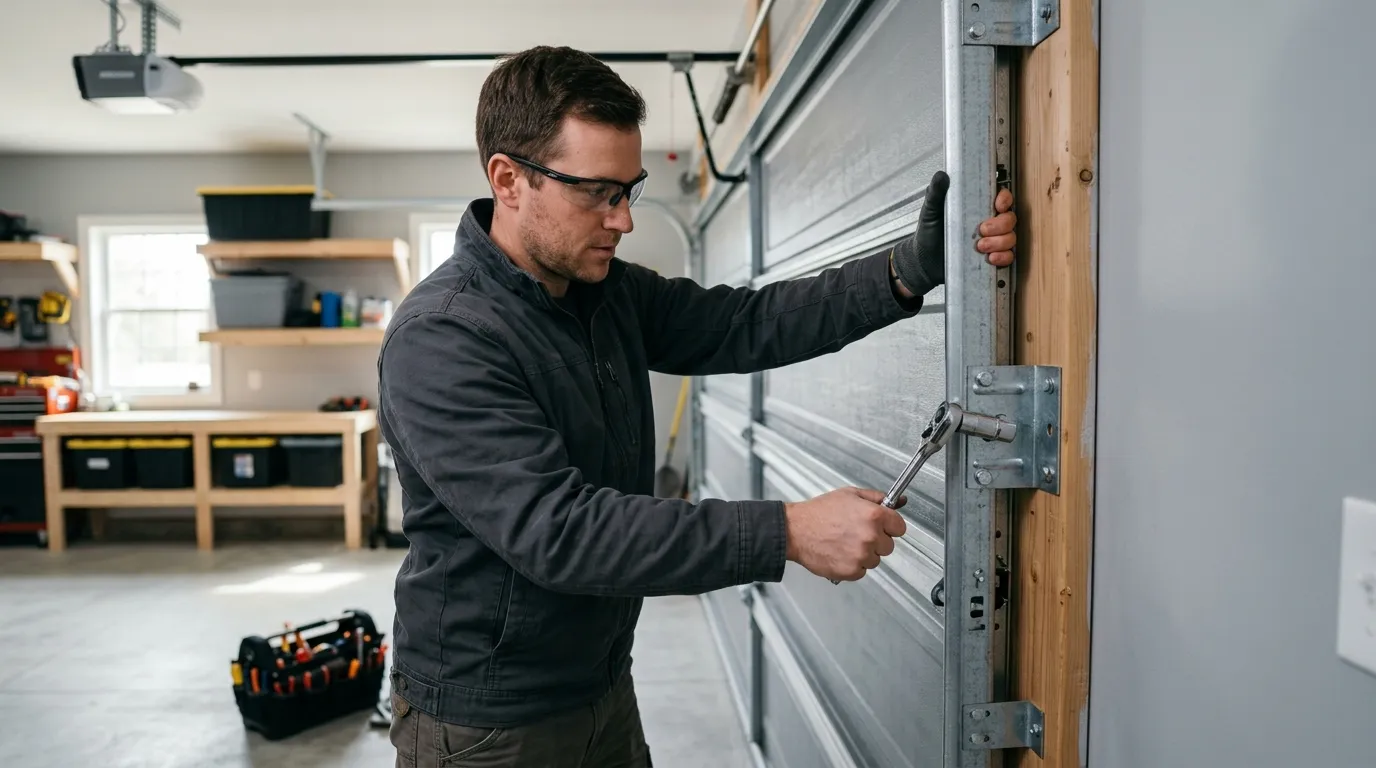
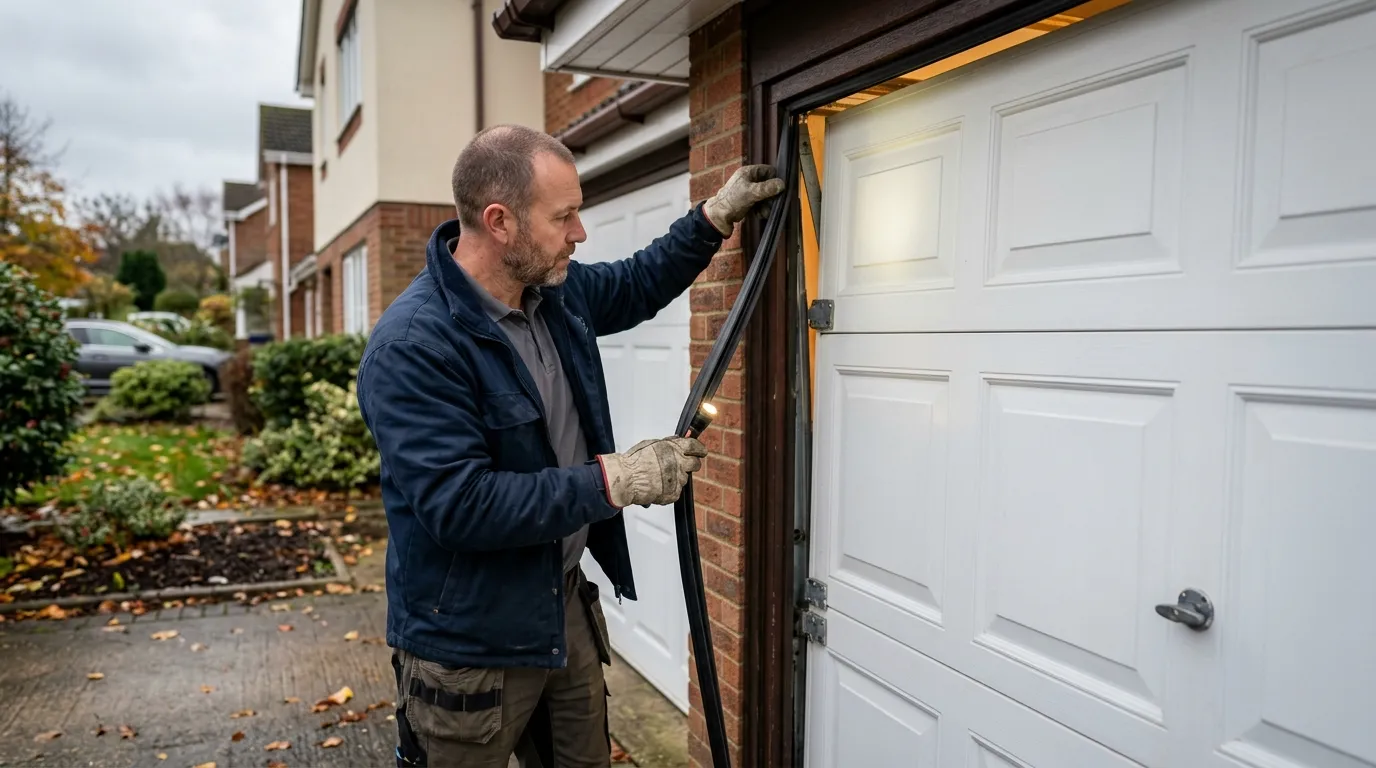
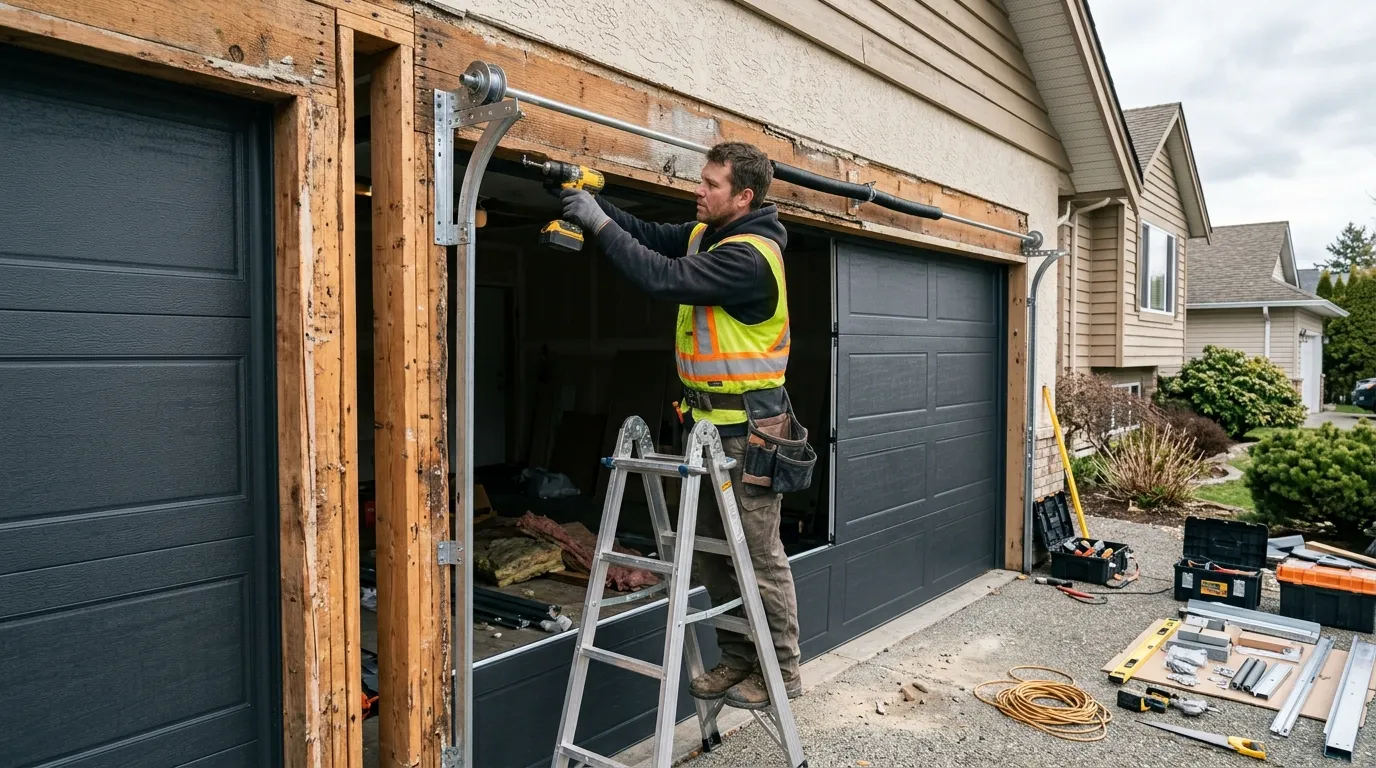
Hawthorne's median home dates to 1972, close to a decade newer than the 1963 median across our wider service area. That gap matters more than it sounds. Houses built in the early 1960s closer to Santa Monica often still carry one-piece wood doors on side-mounted torsion hardware, the kind almost nobody stocks parts for anymore. Hawthorne's 1972 stock skipped that generation. Most garages here shipped with steel sectional doors and extension spring systems mounted along the horizontal tracks, not torsion tubes over the header. The failure points are different too: extension springs stretch and fatigue rather than twist, and the safety cables that should run through them get skipped or corroded more often than owners expect. When a spring lets go on this type of setup, the door can drop unevenly instead of staying level, which is the detail we check first on a service call out here. It's a straightforward system to work on once you know which decade built it, but treating a 1972 door like a 1963 door means bringing the wrong spring and making a second trip.
The Houses Here
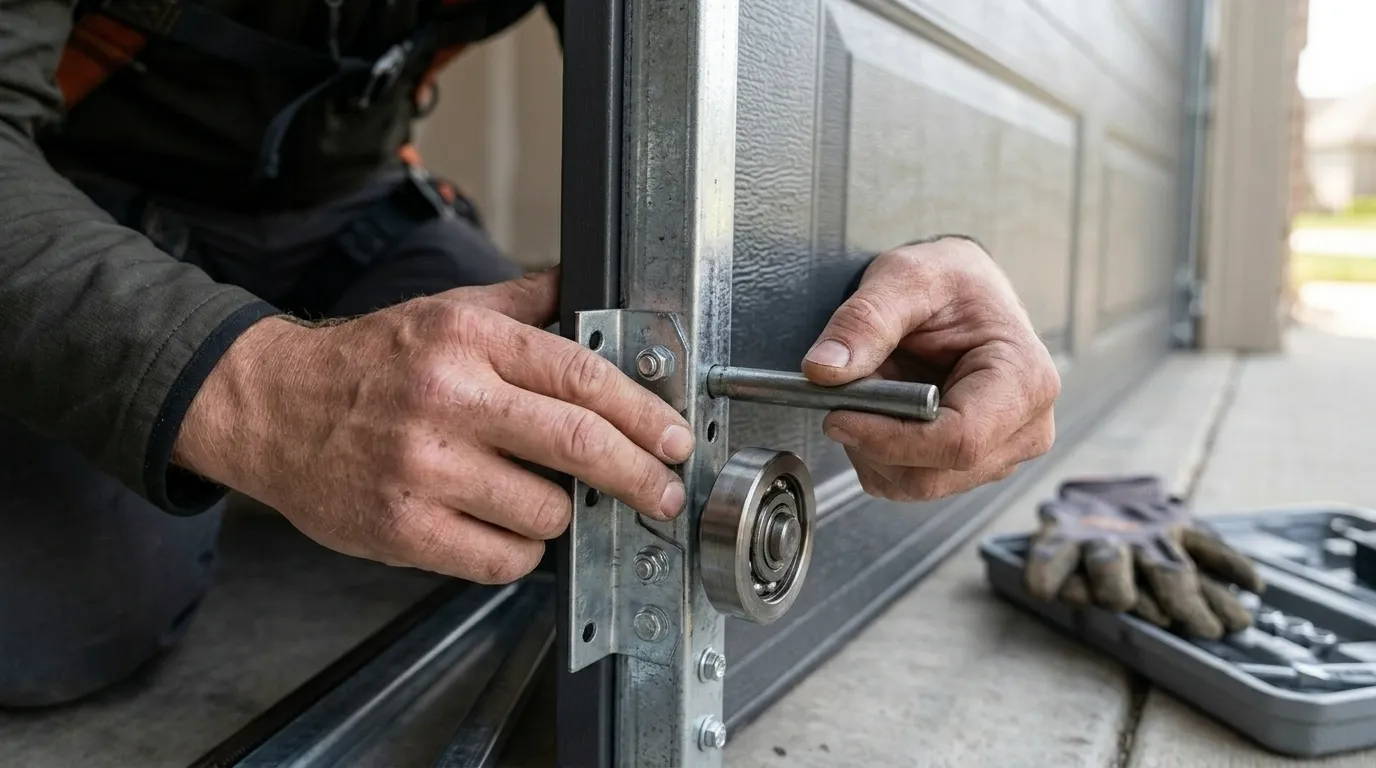
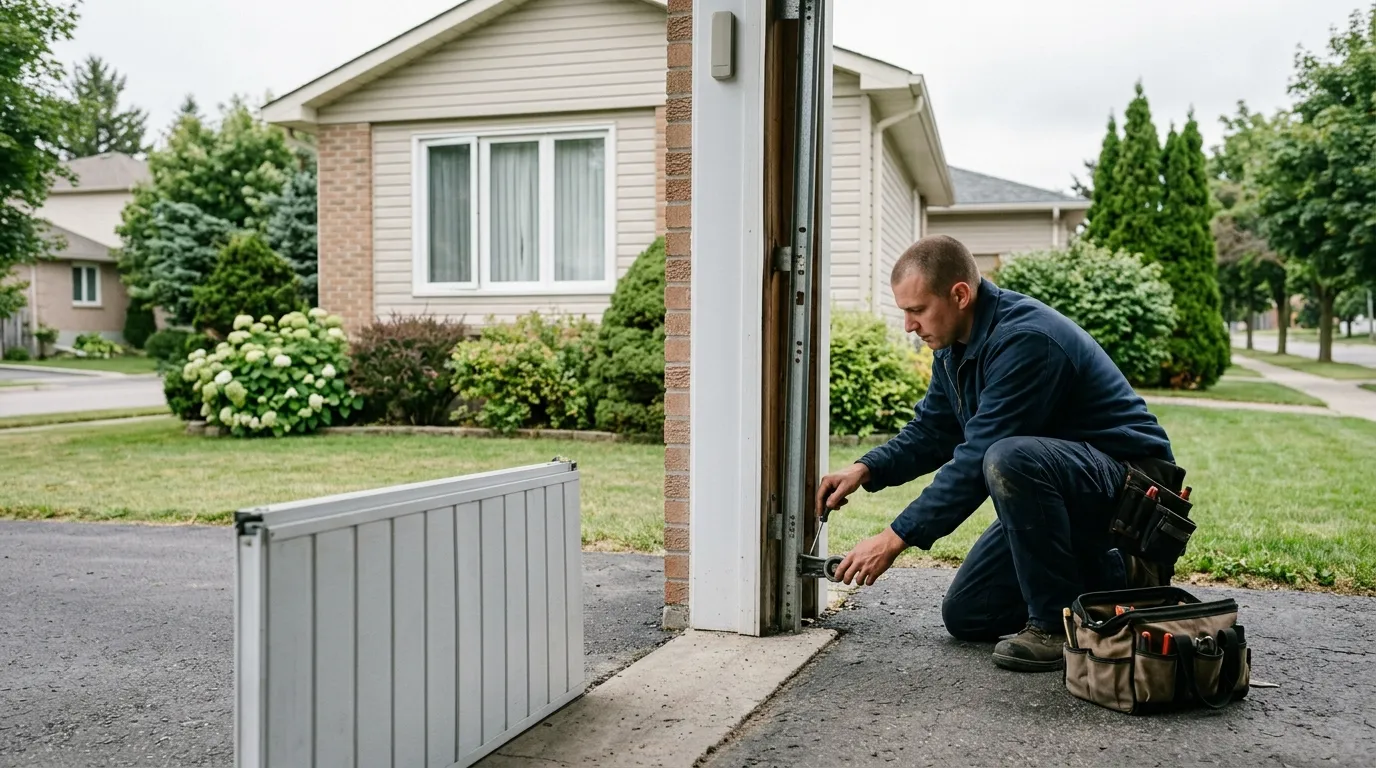
Hawthorne carries roughly 29,849 households, a small slice of the 394,216 households across the whole area we cover from Santa Monica. Median household income here runs $72,719, about $11,000 below the $83,538 median for the service area as a whole. That difference shows up less in the doors themselves and more in what gets replaced versus repaired: a stretched extension spring or a bent bottom panel gets fixed here, where a full door swap might happen sooner in a higher-income pocket closer to the coast. The climate is the same mild temperate band that covers the rest of the region, so we aren't dealing with the freeze-thaw cycles that crack wood jambs or the humidity swings that warp panels in other parts of the country. Doors here fail from age and use, not weather. Most of what we see is the ordinary wear of a system that's been opening and closing for fifty years: a roller worn oval, a cable frayed at the drum, an opener gear stripped from one too many manual overrides.
Where We Stop
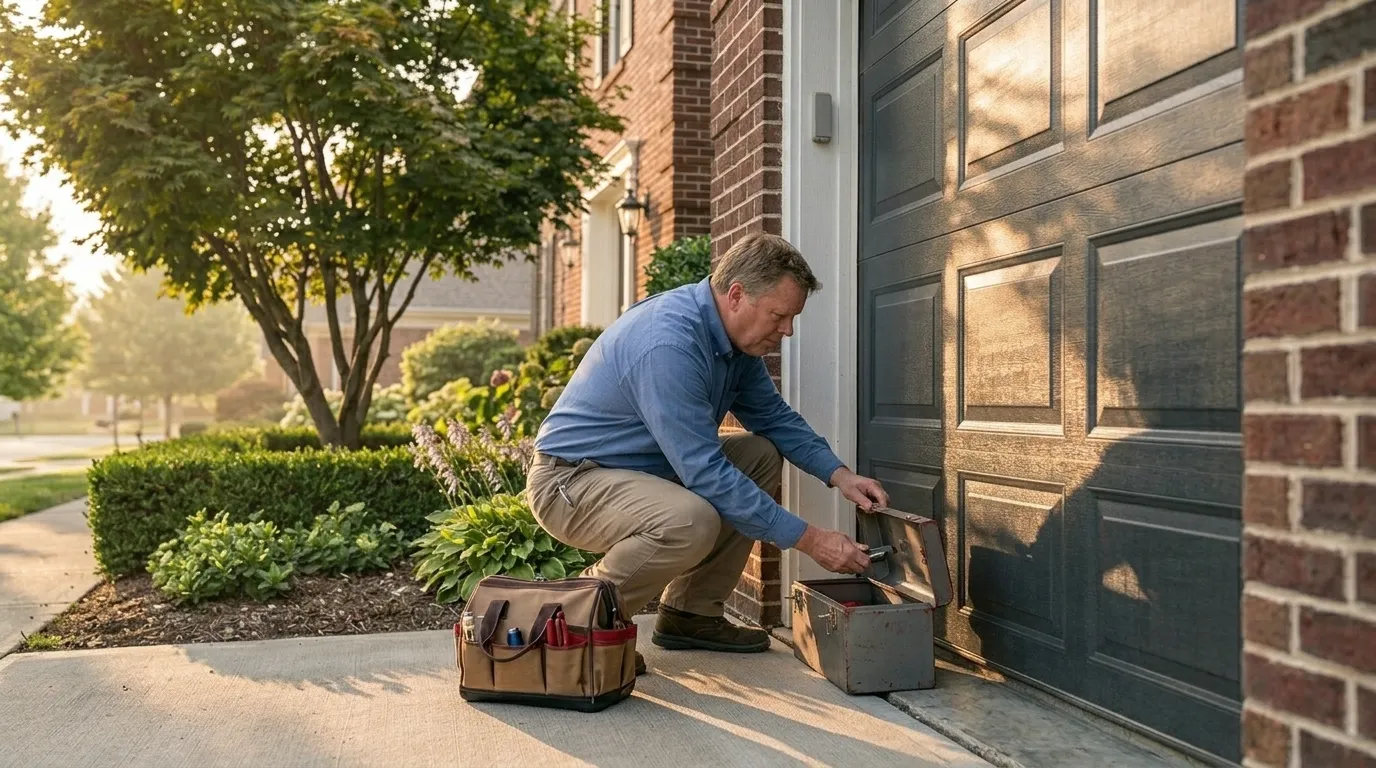
We run this call from Santa Monica, 11 miles out, and Hawthorne sits toward the edge of the area we're willing to drive for a same-day job. We don't keep a truck or a depot in Hawthorne itself, so anything time-sensitive gets scheduled around the drive. For a job that needs a part we don't carry standard on the truck, an extension spring in an unusual length or a specialty opener board, that means a lead time while we source it rather than a fix on the first visit. We'll tell you straight if that's the case rather than promise a same-day turnaround we can't back. If a door is bent badly enough that a full replacement makes more sense than a repair, we'll say that too. There's no upside in patching a track that's going to fail again in six months when the frame underneath is already racked.
The Split Between Old and New
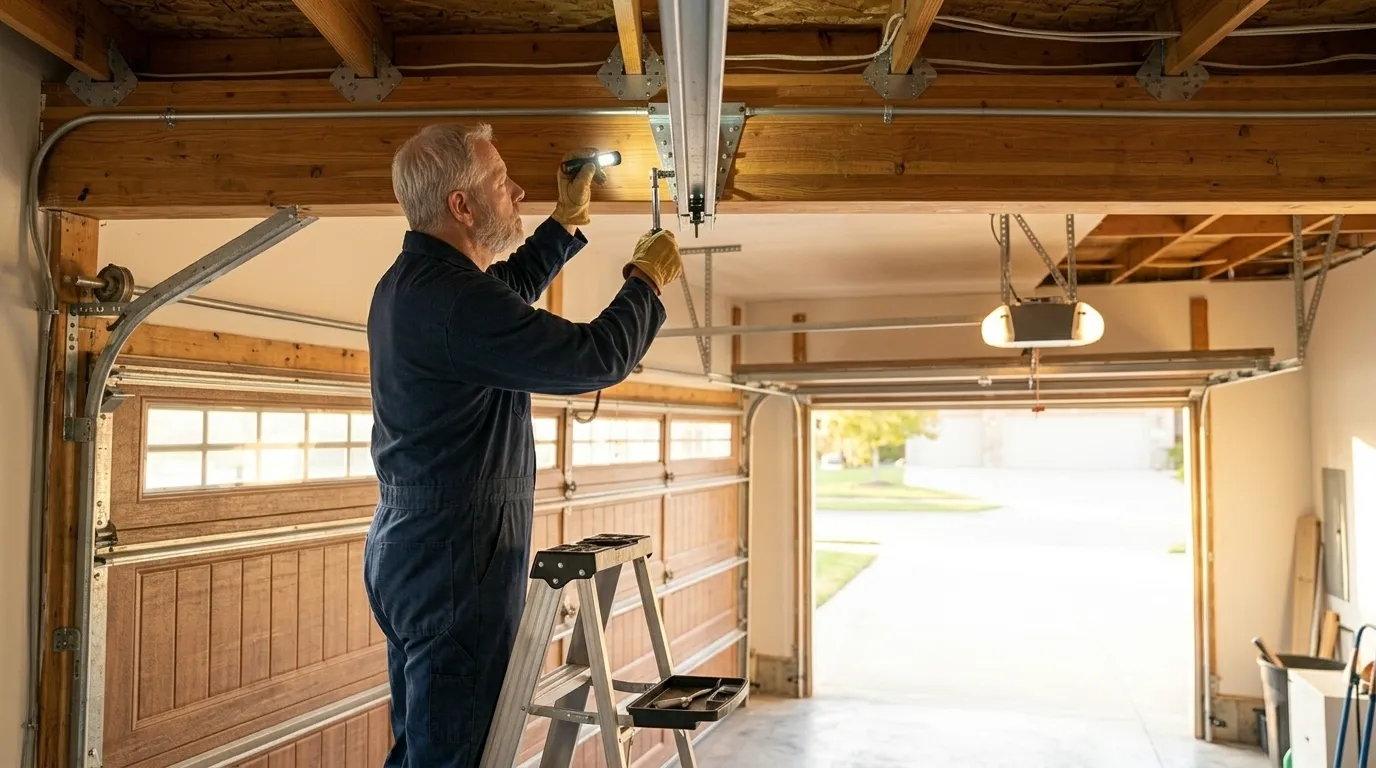
Across the areas we serve, housing spans 1947 to 2012, with most of it concentrated in that 1960s and 1970s window that Hawthorne itself sits squarely inside. What that means practically: the door and opener technology from Hawthorne's construction era, steel panels, extension springs, chain-drive openers built to run on that hardware, is now old enough that some parts are getting harder to source, but not so old that it's rare. It's a well-known system. A handful of Hawthorne's homes were built later, into the 1980s and beyond, and those tend to have torsion springs and better-sealed panels, closer to what you'd find in newer construction elsewhere in the region. When we get a call, the first thing we ask is roughly how old the house is, because that answer tells us more about what's likely broken than the symptom the owner describes on the phone.
How it works
From “it’s stuck” to “it’s fixed”
01
Tell us what’s wrong
Describe the symptom - won’t open, loud bang, opener runs but the door won’t move.
02
On-site diagnosis
A technician tests the door under power and by hand and finds what actually failed.
03
Clear, up-front plan
You get the fix that’s needed and what drives the cost - before any work starts.
04
Repaired & tested
The repair is done, the door is set true and tested, and the work area left clean.
Serving Santa Monica, CA - tell us what your door’s doing and we’ll take it from there.
Straight answers about garage door repair in Santa Monica. Still unsure? Ask us directly.
Do you have a location in Hawthorne?
No. We run out of Santa Monica, about 11 miles from Hawthorne, and drive out for scheduled jobs. We don't keep a depot or stock inventory in Hawthorne itself, so unusual parts may mean a short wait while we source them.
Why does my opener still use a chain drive?
Chain-drive openers were standard on the steel sectional doors common when Hawthorne's housing went up in the early 1970s. They're durable but louder than newer belt-drive units, and the gear inside does wear out after decades of use.
My spring is stretched, not broken, does it need replacing?
An extension spring that's visibly stretched or sagging has already lost tension and is close to failing. We'd rather replace it on a scheduled visit than have it snap and drop the door unevenly, which is the more common failure mode on this hardware.