Serving Ladera Heights from Santa Monica, 7 miles out. We know the 1962-era doors and hardware common on this side of the hill and what actually fails on them.
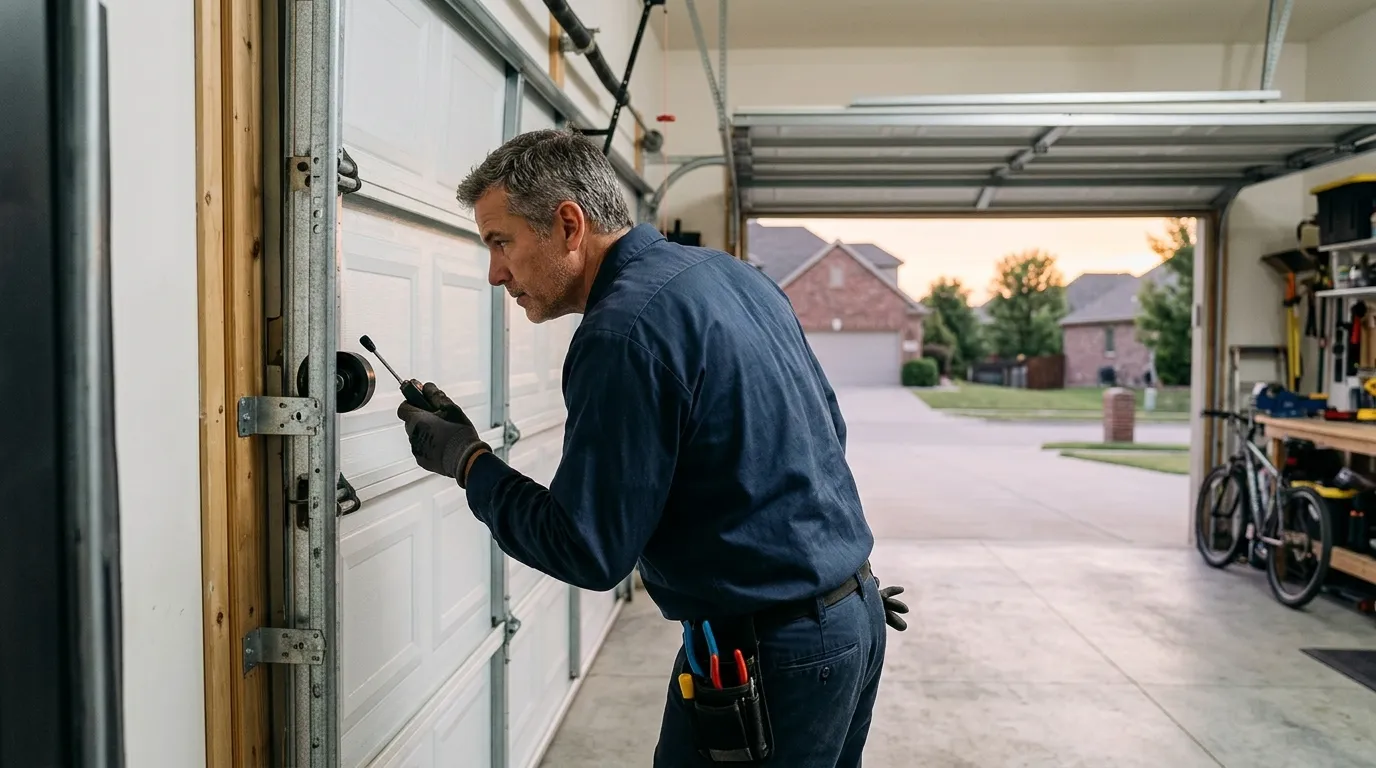
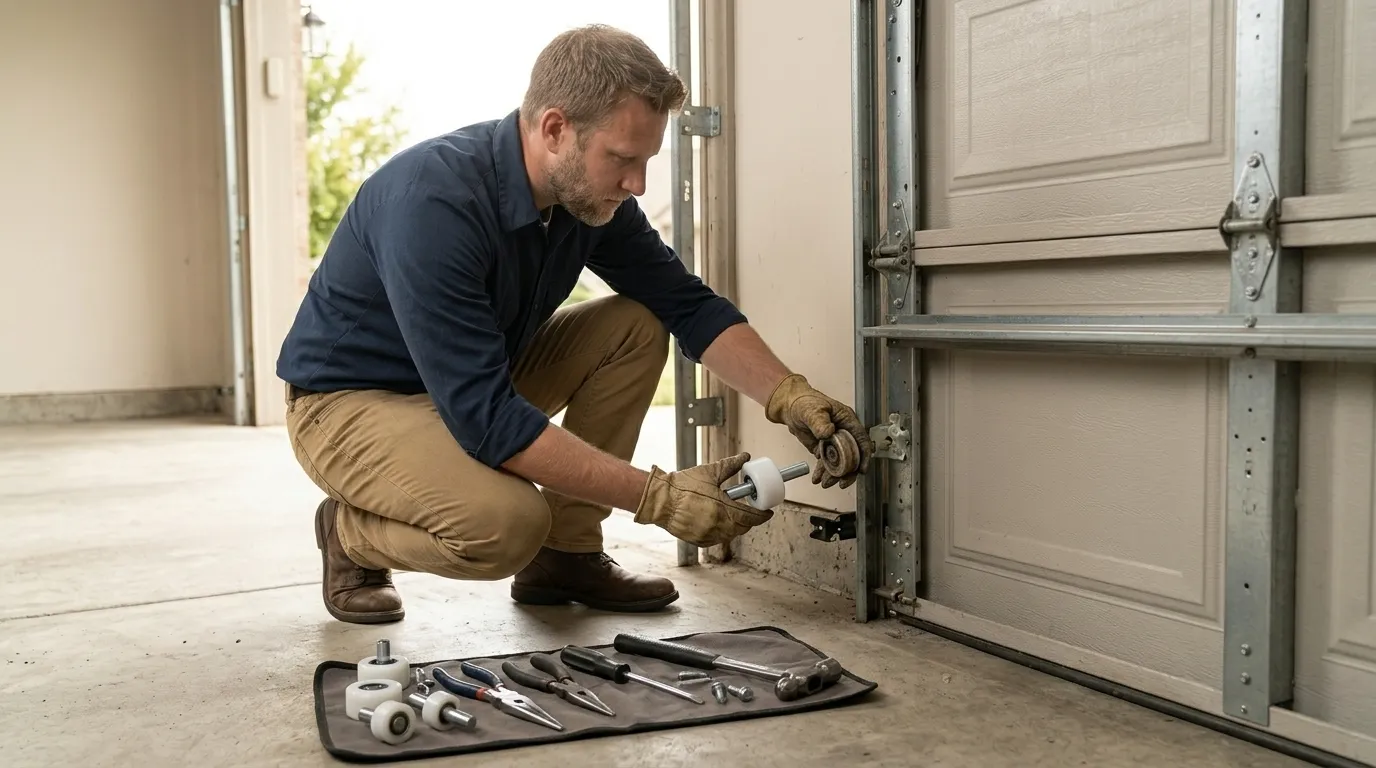
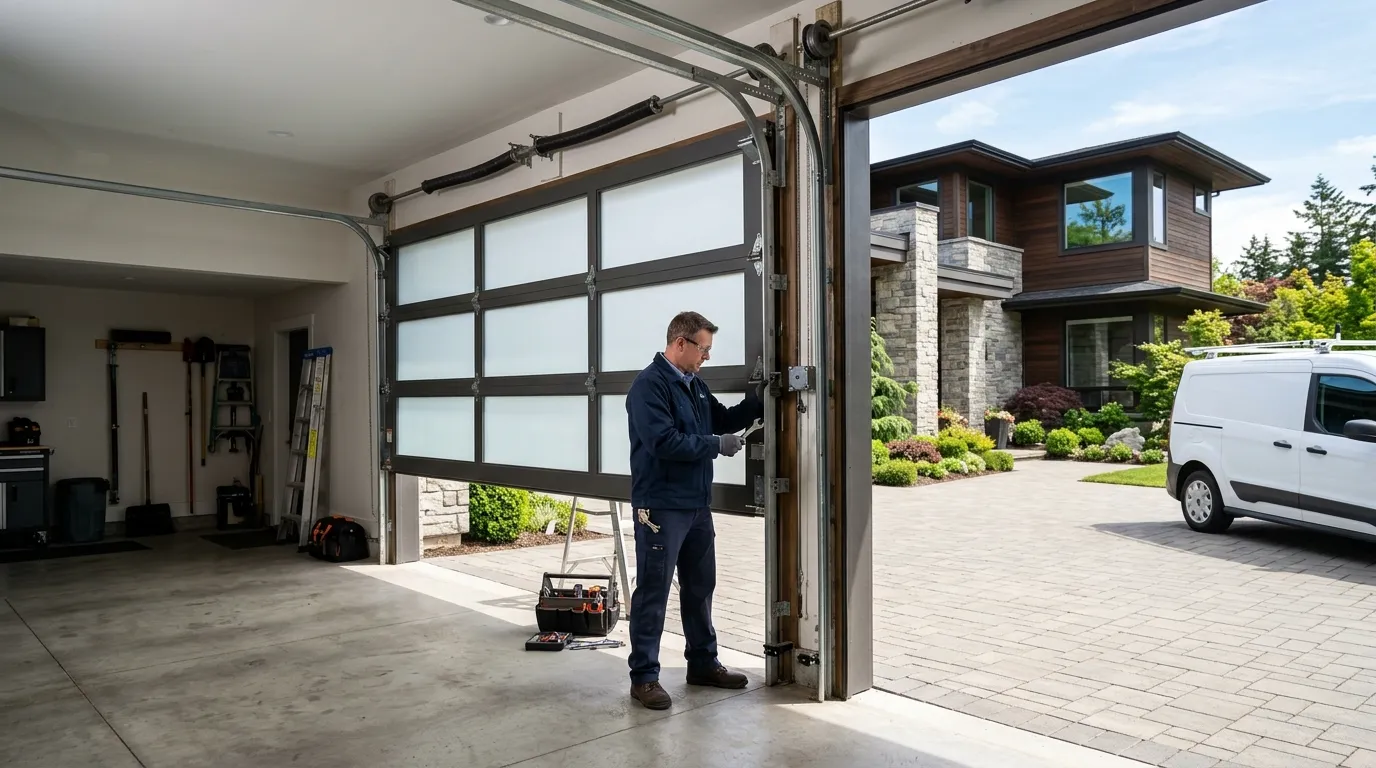
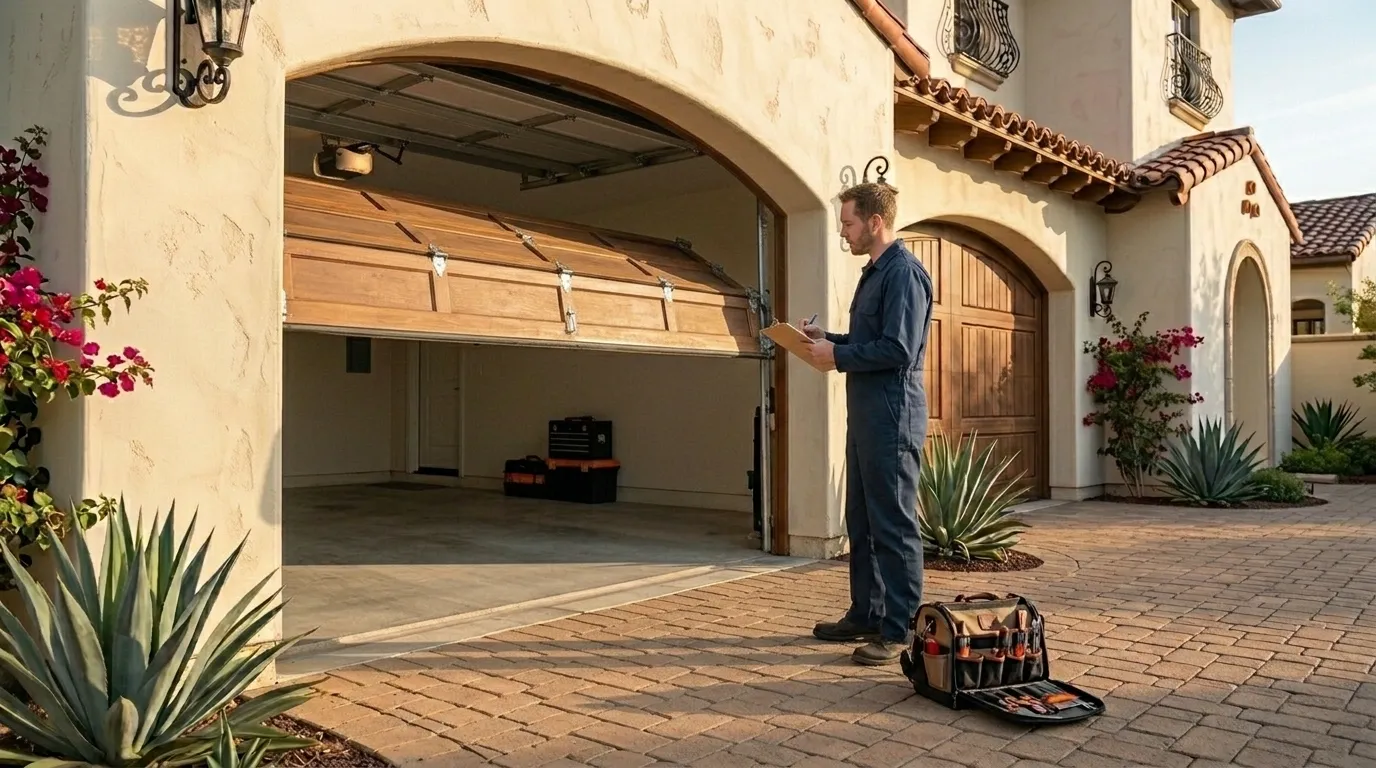
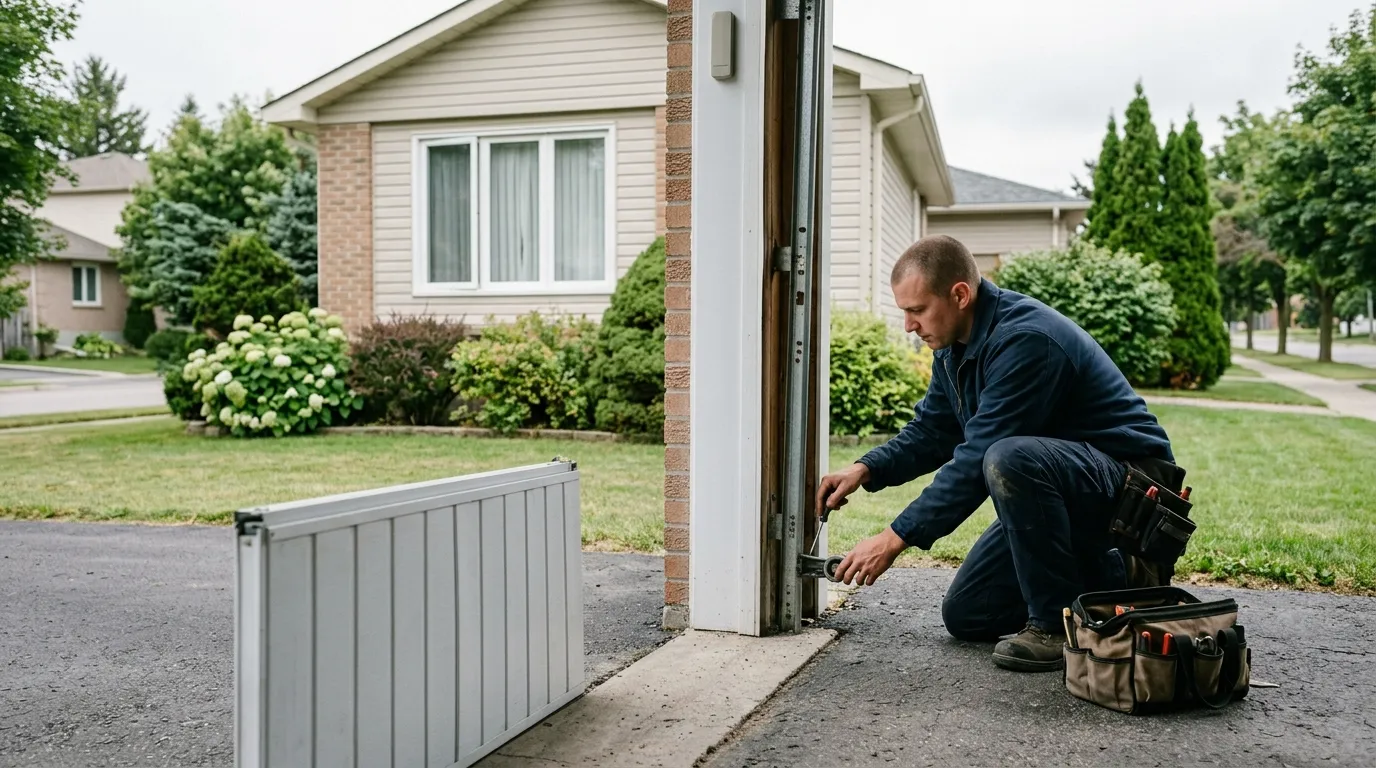
Most houses in Ladera Heights went up around 1962, which puts the neighborhood right in the middle of that first wave of postwar construction across the wider area. A door built for a 1962 opening is not the same animal as what gets installed today. Back then, single-panel doors on side-mounted torsion springs were the standard, and a lot of those original jambs and tracks are still bolted to the same studs. If your opener has been swapped out over the years but the door and track are original, you've got a mismatch that shows up as grinding, uneven travel, or a door that reverses for no clear reason. We see this pattern often enough on 1960s-stock homes that it's usually our first guess before we even open the panel. The mild coastal climate here has been kind to the wood and steel, so corrosion isn't the usual culprit - it's age on the moving parts and hardware nobody machines anymore in the original spec.
The Houses Here
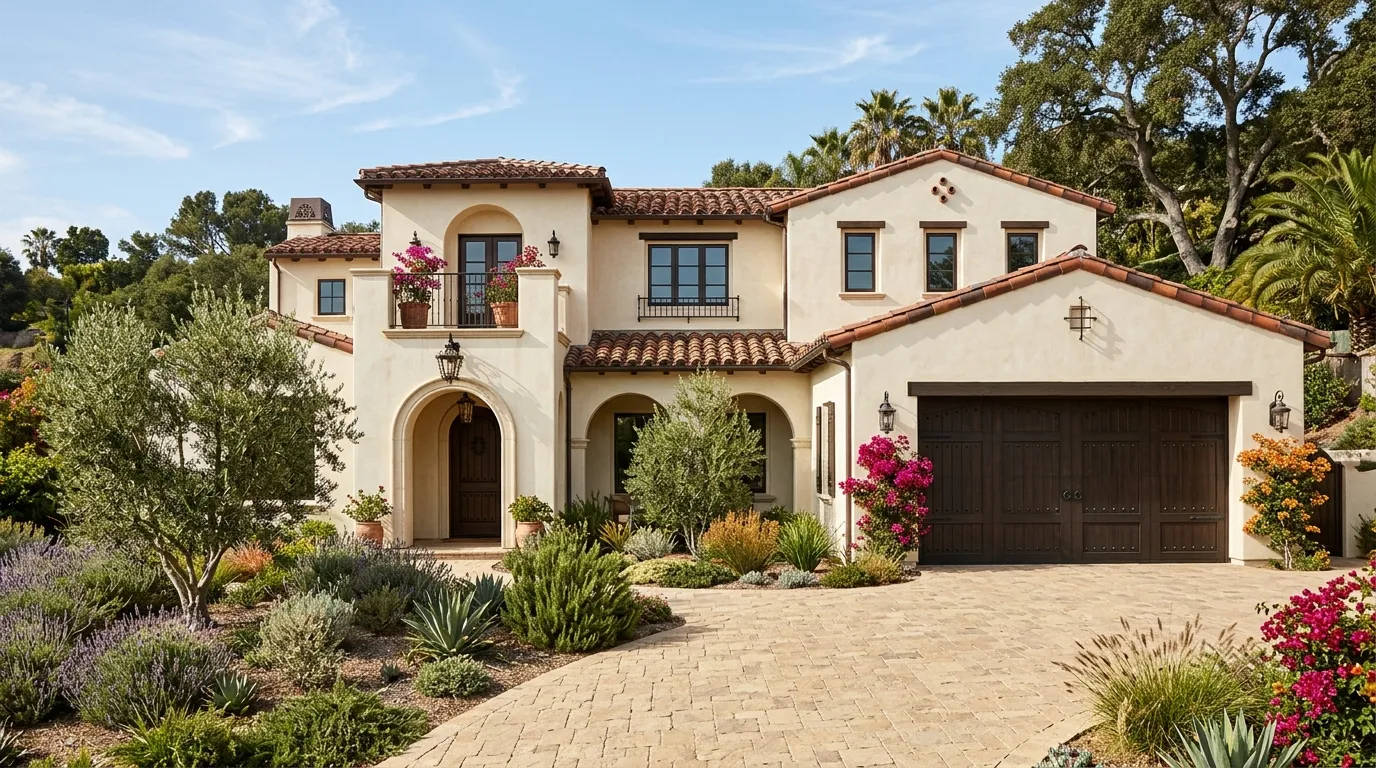
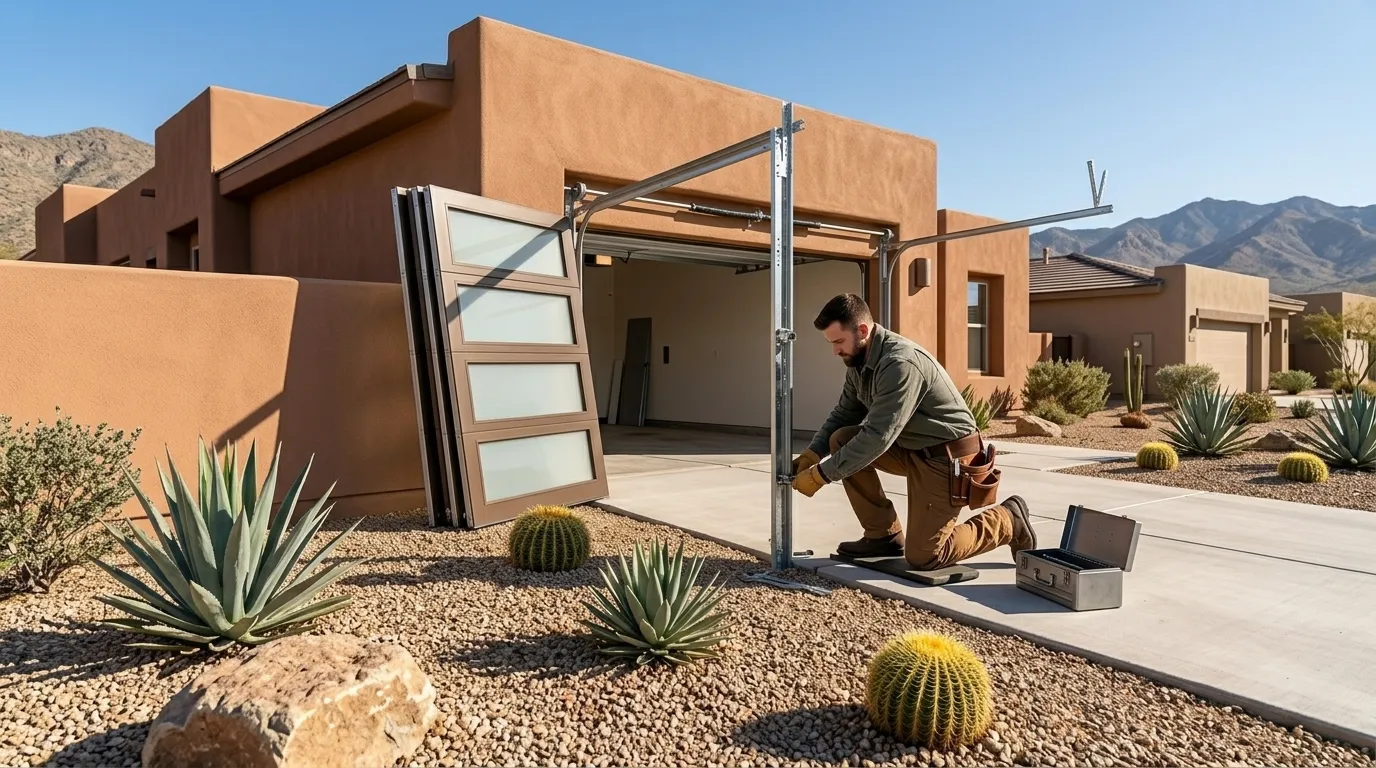
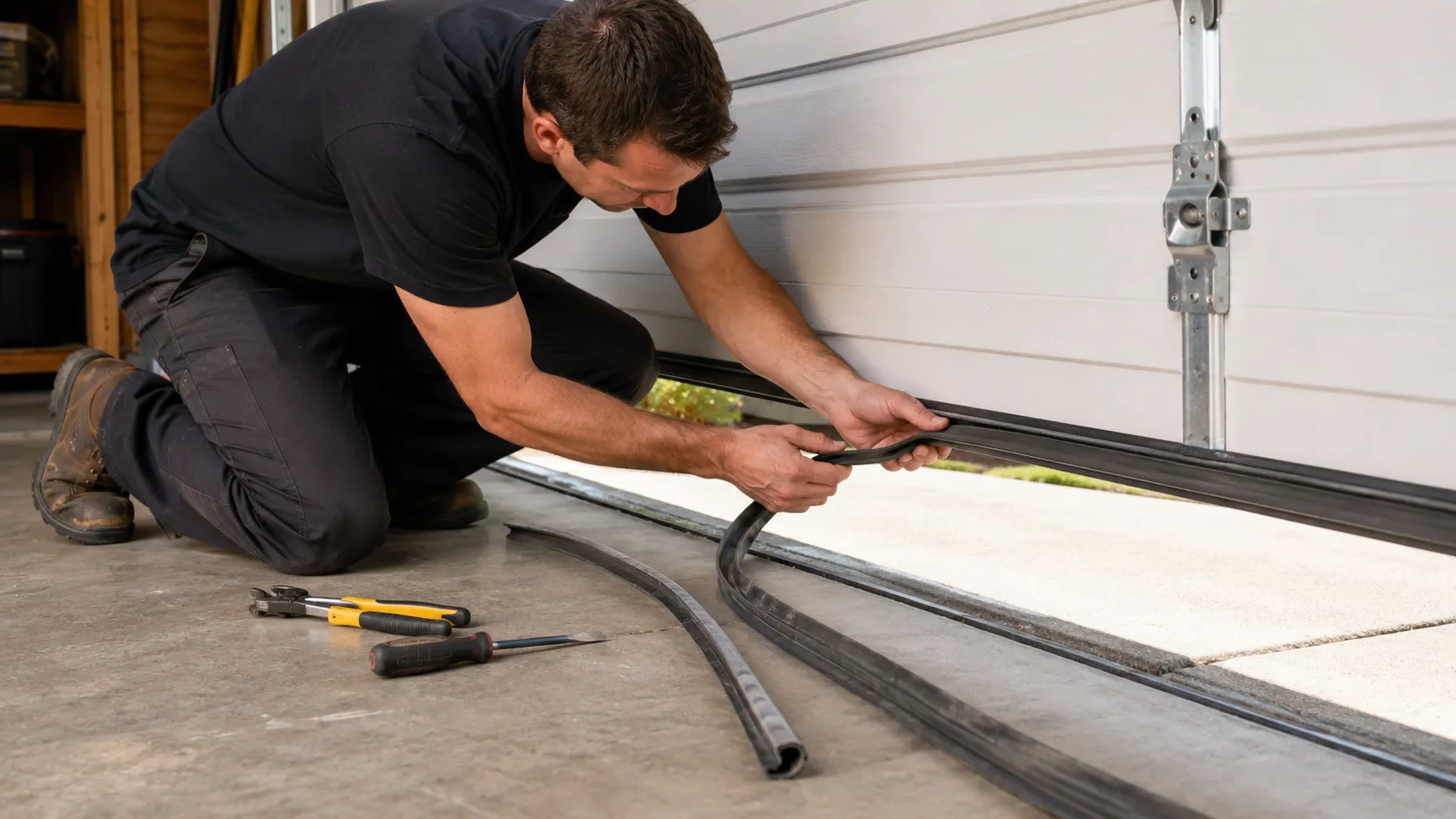
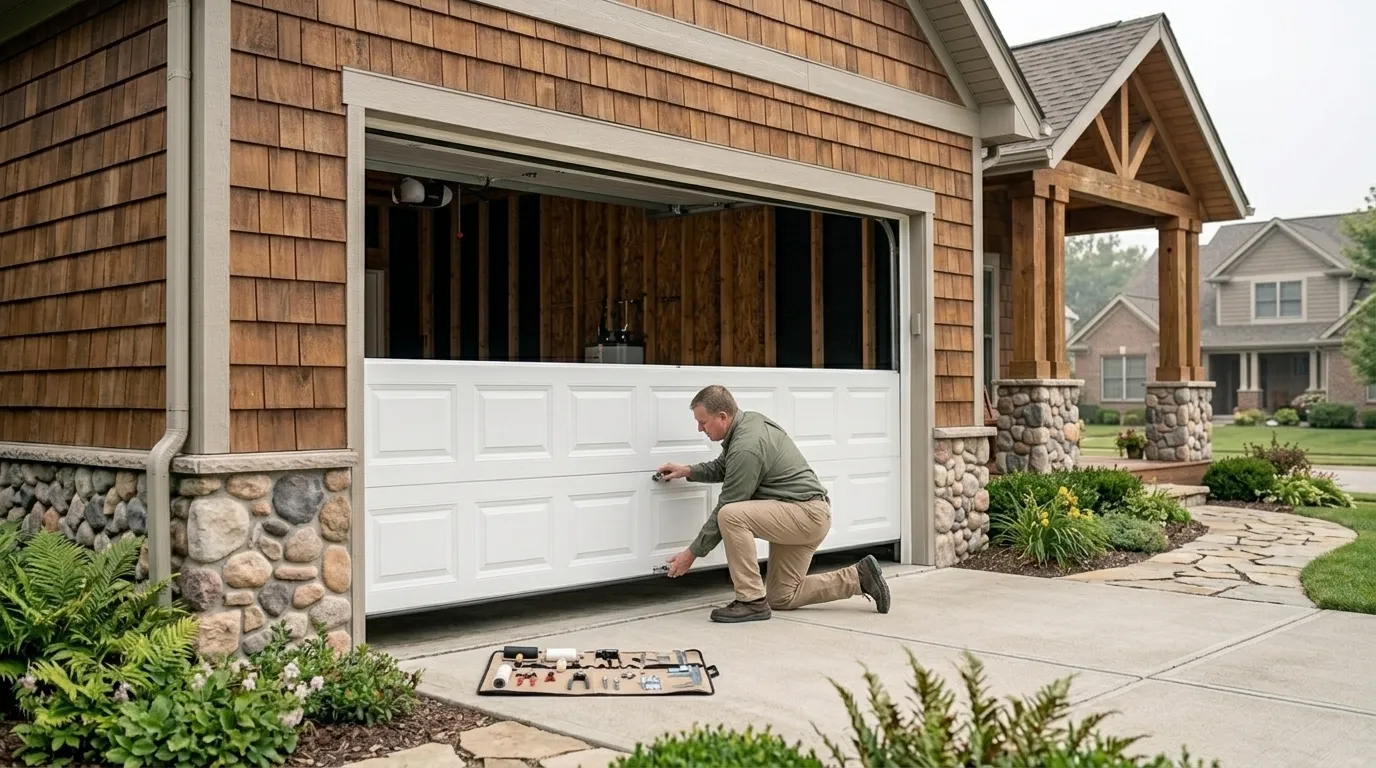
Ladera Heights is a small area - about 2,735 households - and it runs noticeably higher in income than the median across the broader service area, which tends to mean owners who've kept up with paint and landscaping while the garage door itself was left alone for decades. We find original doors in good cosmetic shape hiding torsion springs that are well past due, or openers from three product generations back still doing the job. The mild temperate climate means we're not fighting rust or warped panels the way a colder market would, so when a door fails here it's almost always wear on the springs, cables, or rollers rather than weather damage. That's a small mercy, but it doesn't mean the hardware lasts forever - a torsion spring rated for a certain cycle count doesn't care what the weather did to it, only how many times it wound and unwound.
Where We Stop
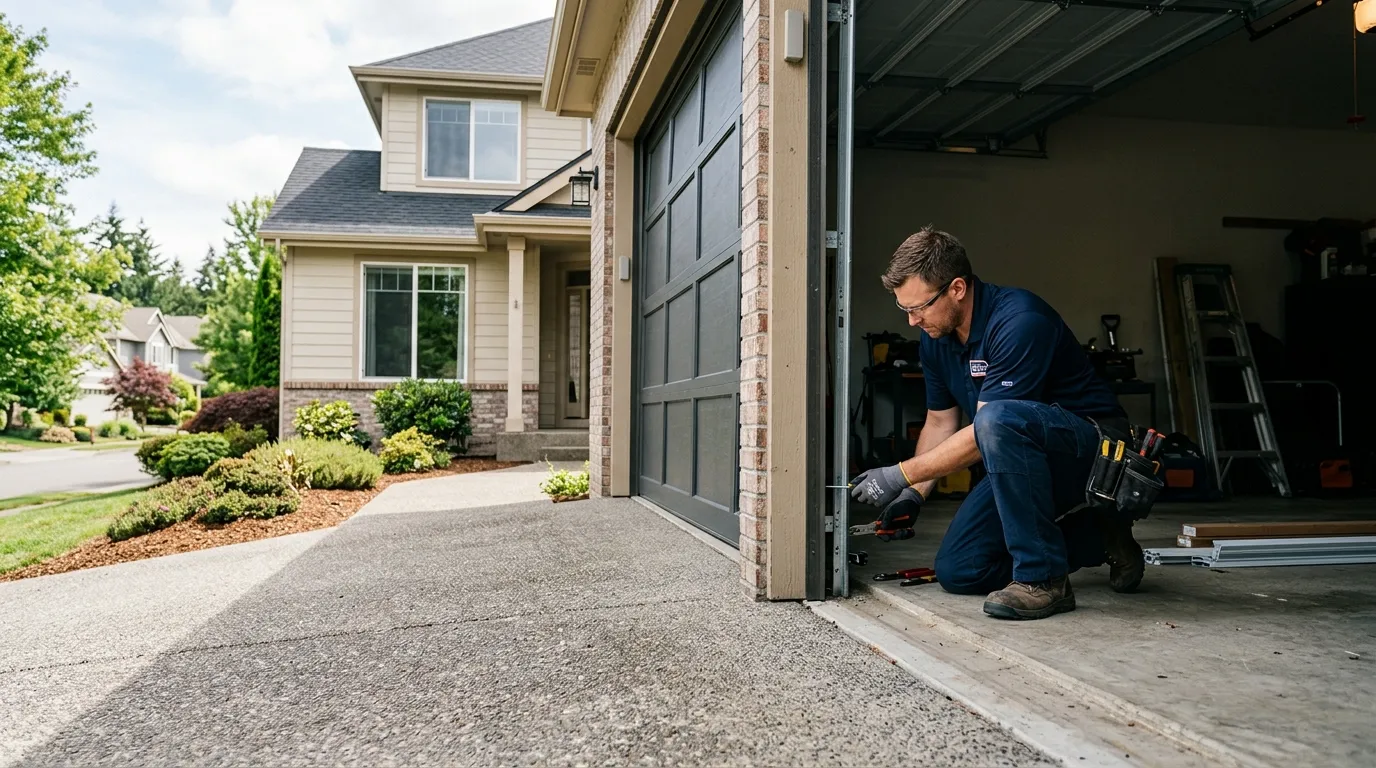
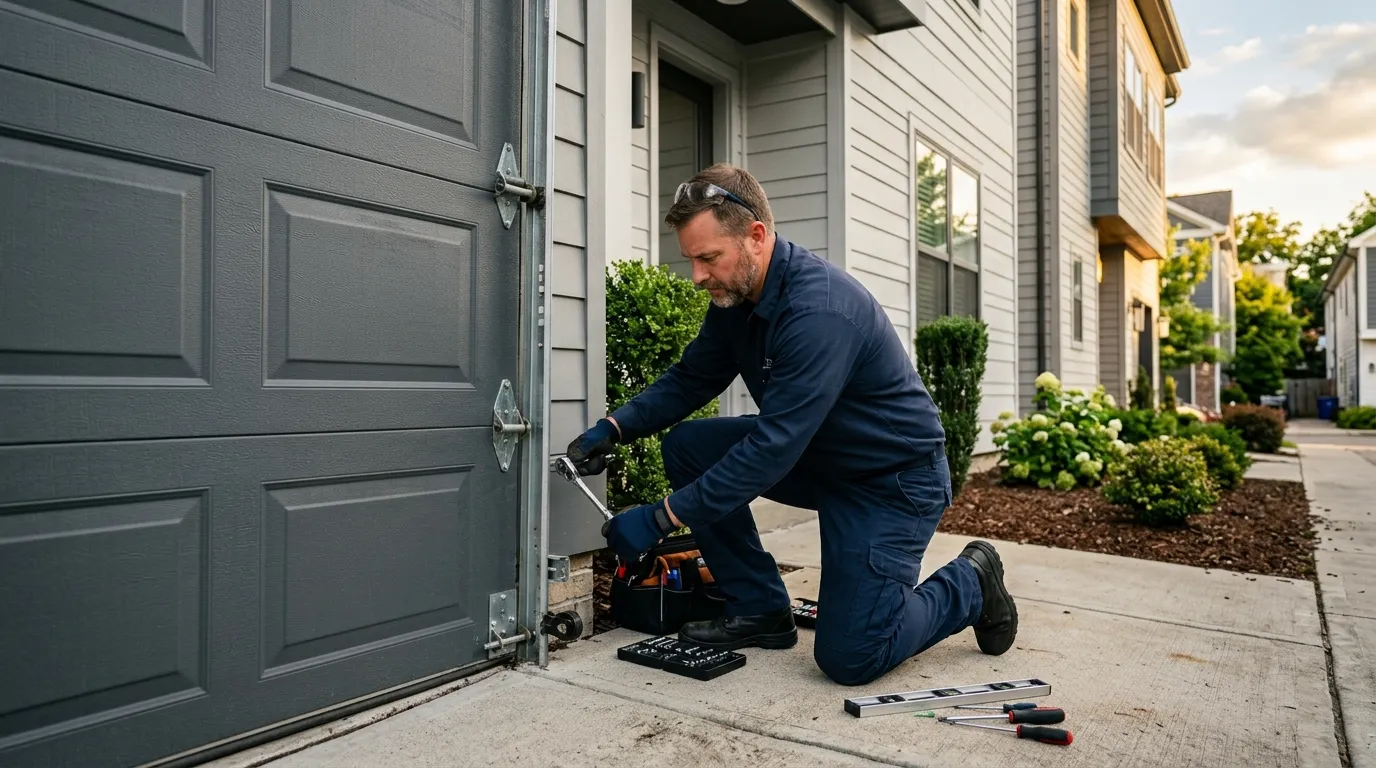
We run this call from Santa Monica, about 7 miles out, so we're not a shop sitting on a Ladera Heights street corner - we're a truck that comes to you. That distance is short enough that we treat it like any other stop on the route, not a special trip. Where we do draw a line is on same-day promises: if a part isn't something we carry on the truck, we tell you that up front rather than quoting a time we can't hit. Original 1960s hardware, in particular, sometimes means ordering a part that isn't a shelf item anymore, and we'd rather say that plainly than have you wait on a truck that shows up empty-handed.
The Split Between Old and New
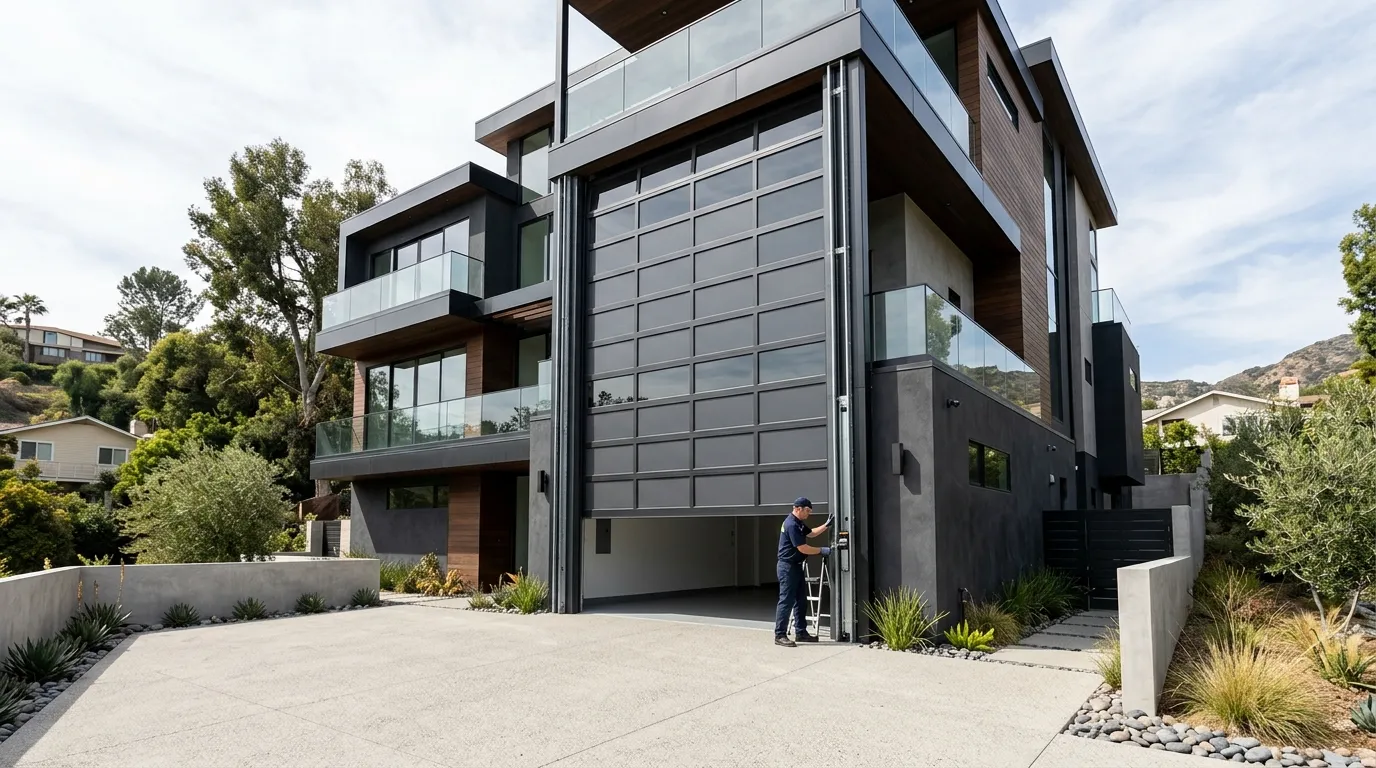
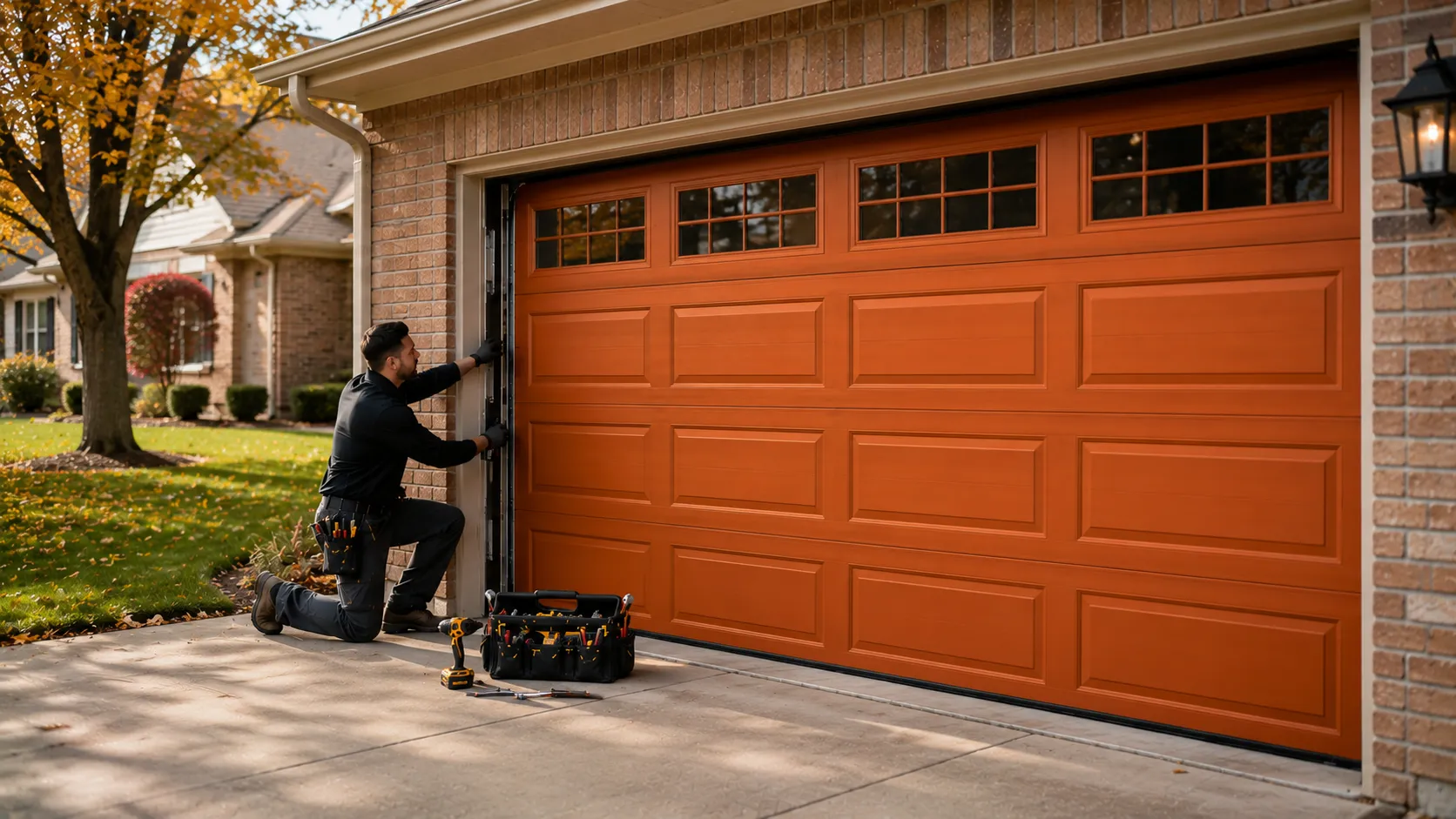
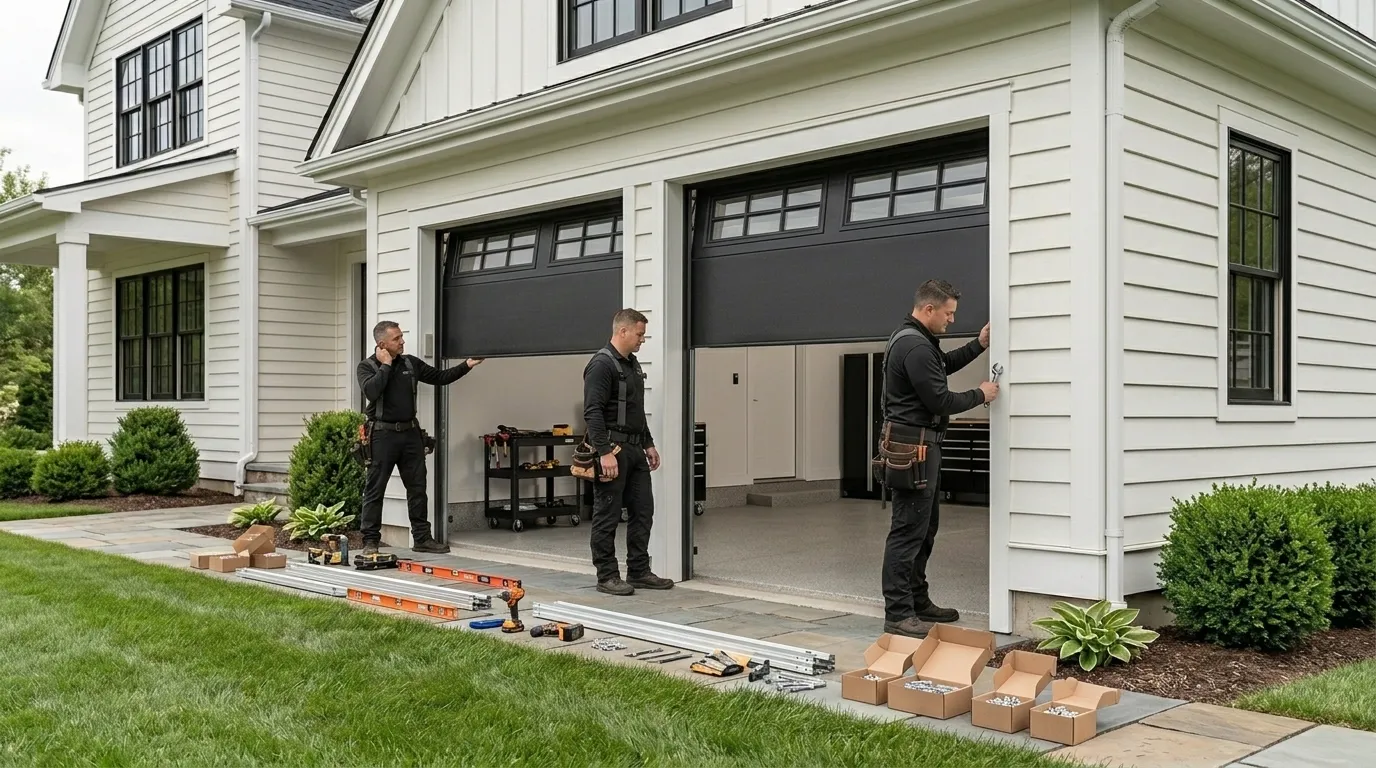
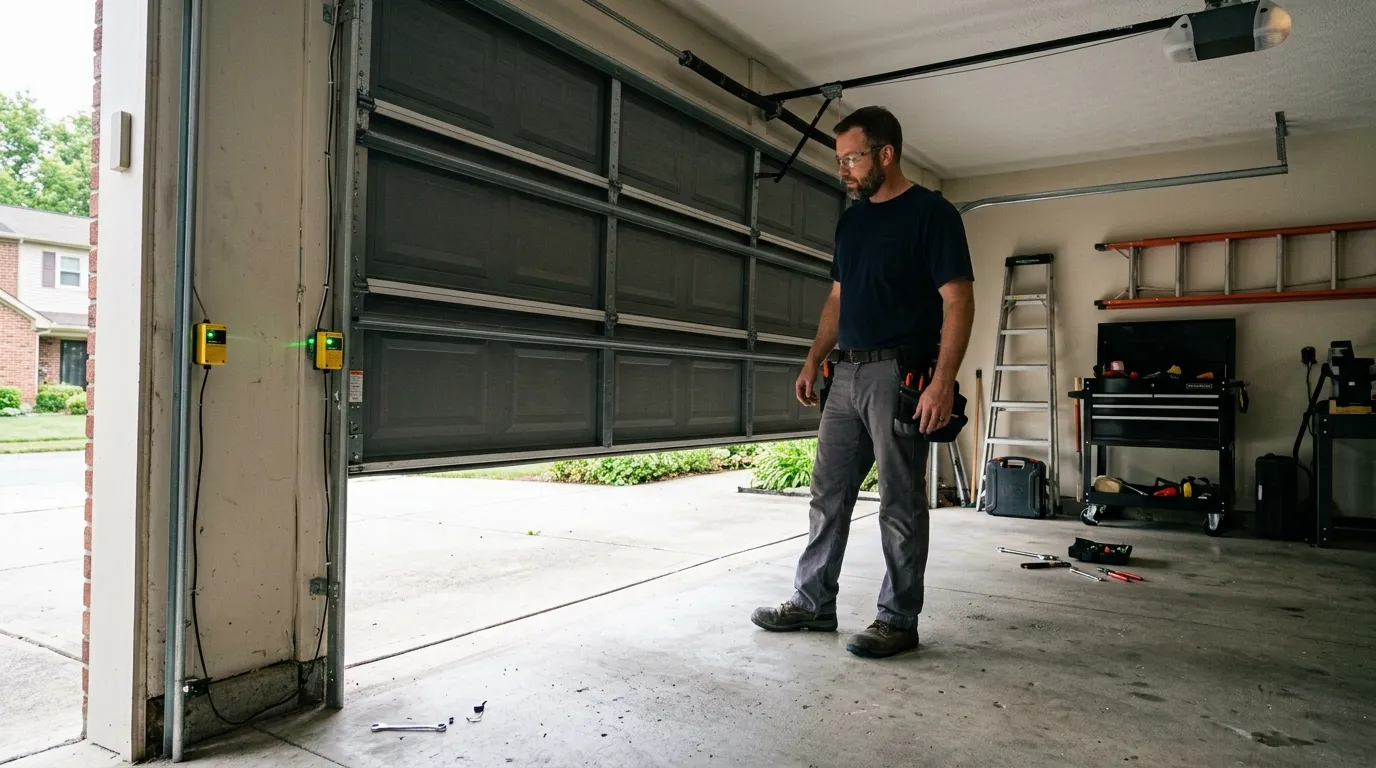
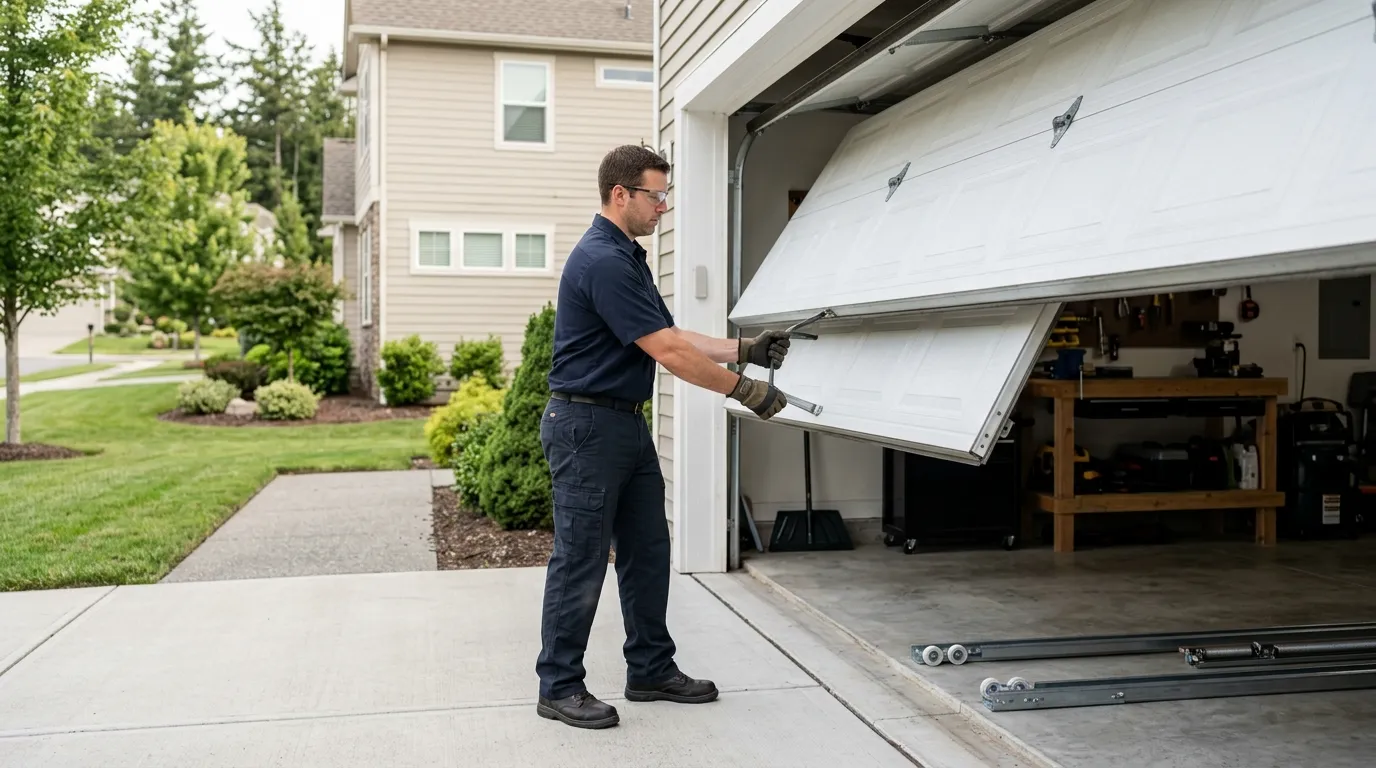
Not every door in Ladera Heights dates to 1962. Some homes have been through a full teardown-and-rebuild, and those garages run modern steel doors with insulated cores, belt-drive openers, and safety sensors that meet current code. The two eras need almost opposite approaches. On an original door, our job is often keeping old hardware alive as long as it's safe to run, because replacing a torsion spring is a fraction of the cost of replacing the whole assembly. On a newer install, failures usually trace to the opener electronics or a sensor knocked out of alignment, not the door itself. When we look at a job here, the build year tells us which conversation we're going to have before we even touch a tool.
How it works
From “it’s stuck” to “it’s fixed”
01
Tell us what’s wrong
Describe the symptom - won’t open, loud bang, opener runs but the door won’t move.
02
On-site diagnosis
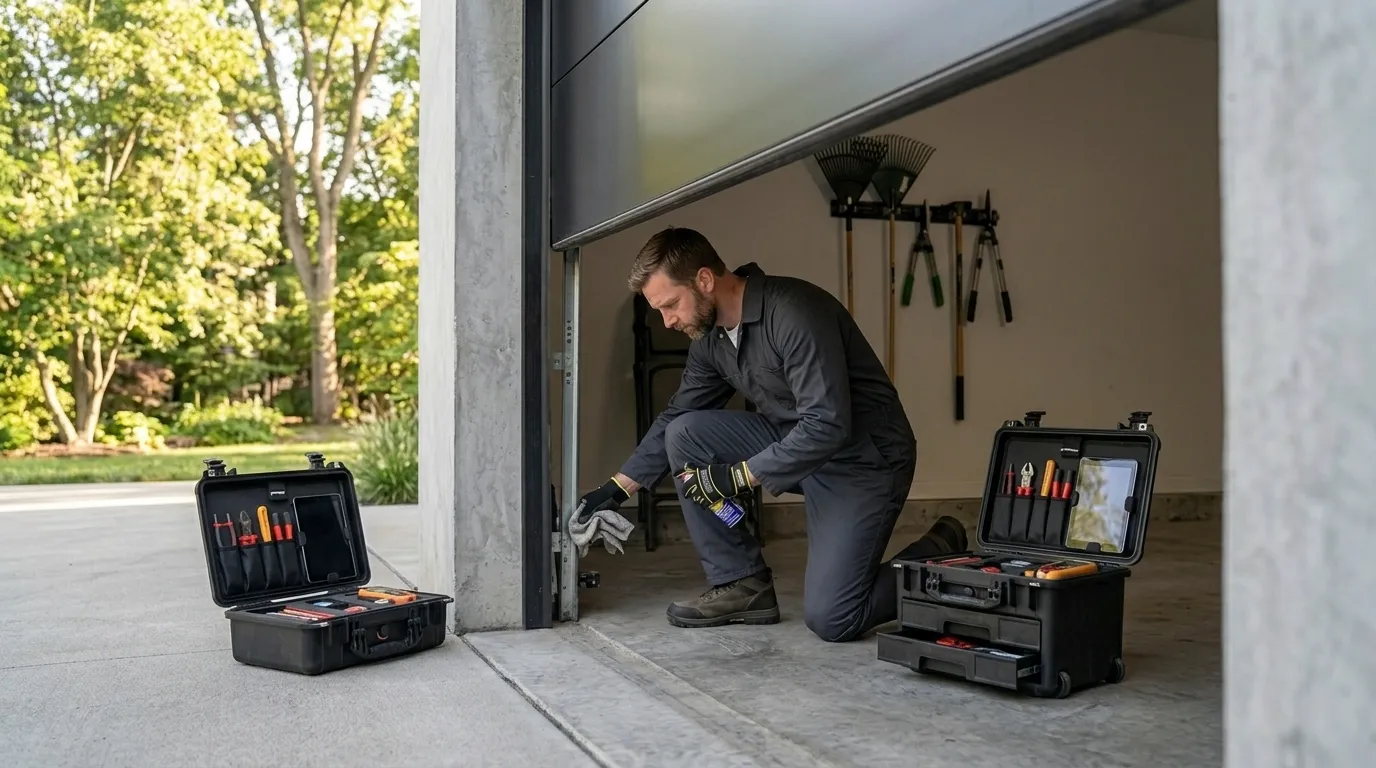
A technician tests the door under power and by hand and finds what actually failed.
03
Clear, up-front plan
You get the fix that’s needed and what drives the cost - before any work starts.
04
Repaired & tested
The repair is done, the door is set true and tested, and the work area left clean.
Serving Santa Monica, CA - tell us what your door’s doing and we’ll take it from there.
Straight answers about garage door repair in Santa Monica. Still unsure? Ask us directly.
Why does my garage door from the 1960s make so much noise now?
Original hardware from that era used side-mounted torsion springs and steel rollers that weren't designed to run forever. After decades of cycles, the springs lose tension unevenly and the rollers wear oval, which shows up as grinding or shuddering. It's rarely the door itself - it's the original moving parts finally giving out.
Do you have a shop in Ladera Heights?
No. We run this area from Santa Monica, about 7 miles away. We come to you for every job rather than working out of a local storefront, so there's no walk-in counter here - just a truck on the schedule.
Is it worth repairing an original 1962 door instead of replacing it?
Often yes. A torsion spring or roller replacement costs a fraction of a full door swap, and the mild climate here has kept most original panels from warping or rusting out. If the track and jamb are still square, repair usually makes more sense than replacement.
Does the coastal climate affect garage doors here?
Less than in harsher climates. The mild temperate conditions mean we're not fighting rust or wood rot the way a colder or wetter market would. Most failures we see are mechanical wear on springs and cables, not weather damage to the door itself.