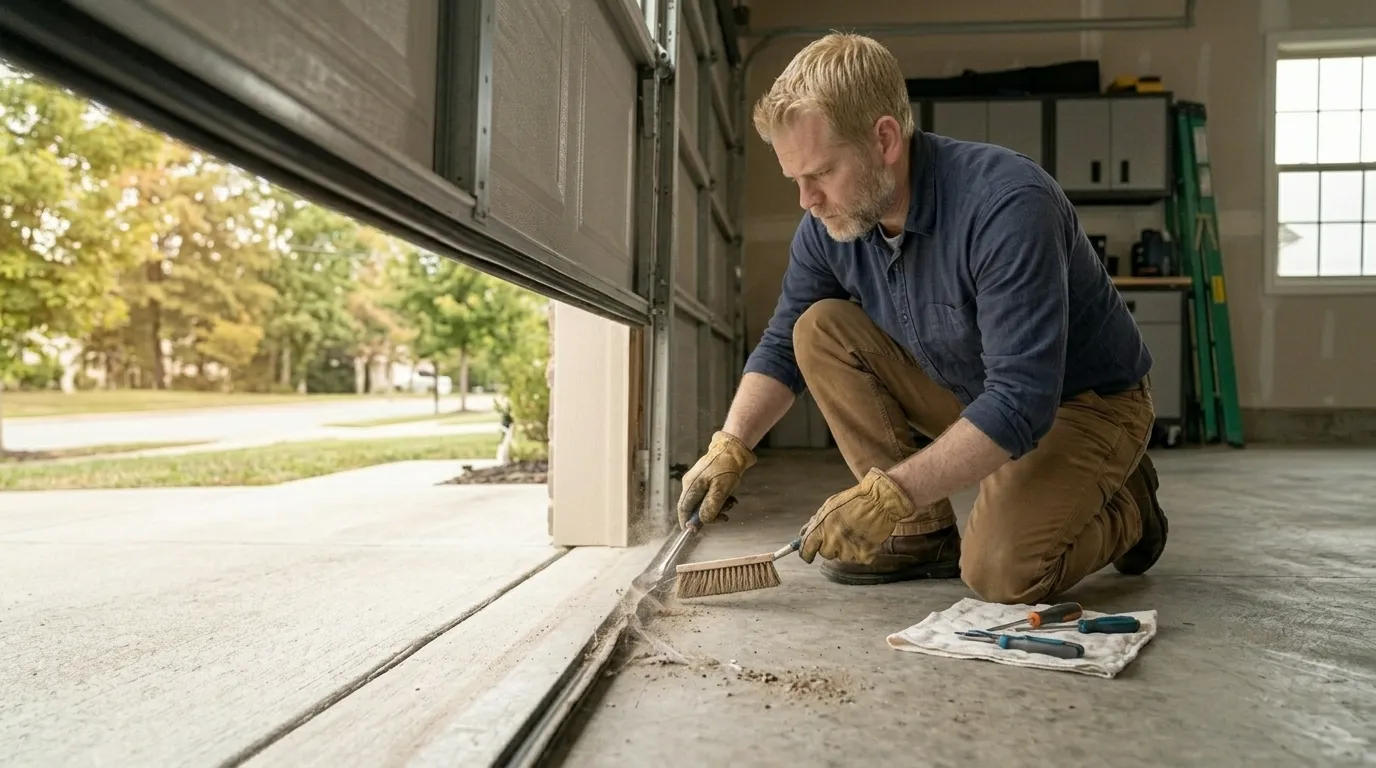
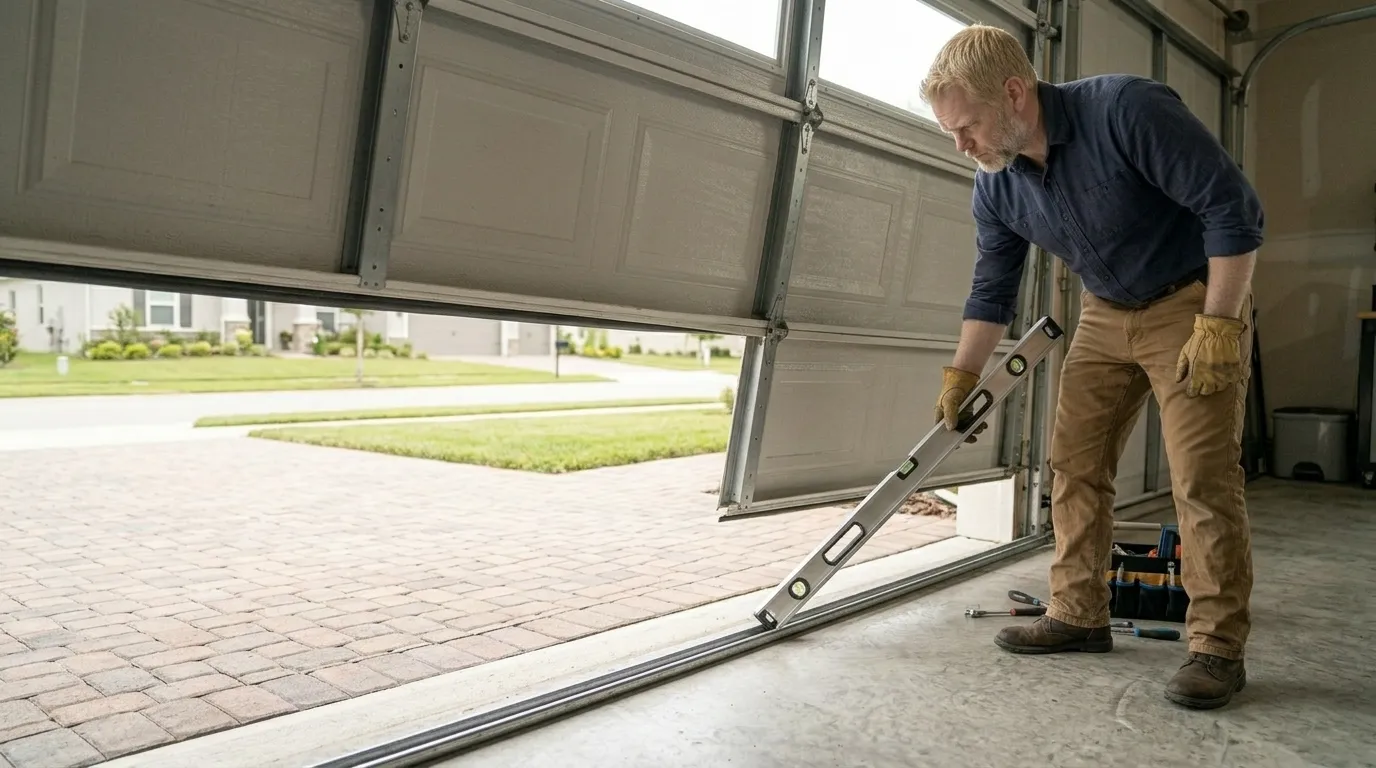
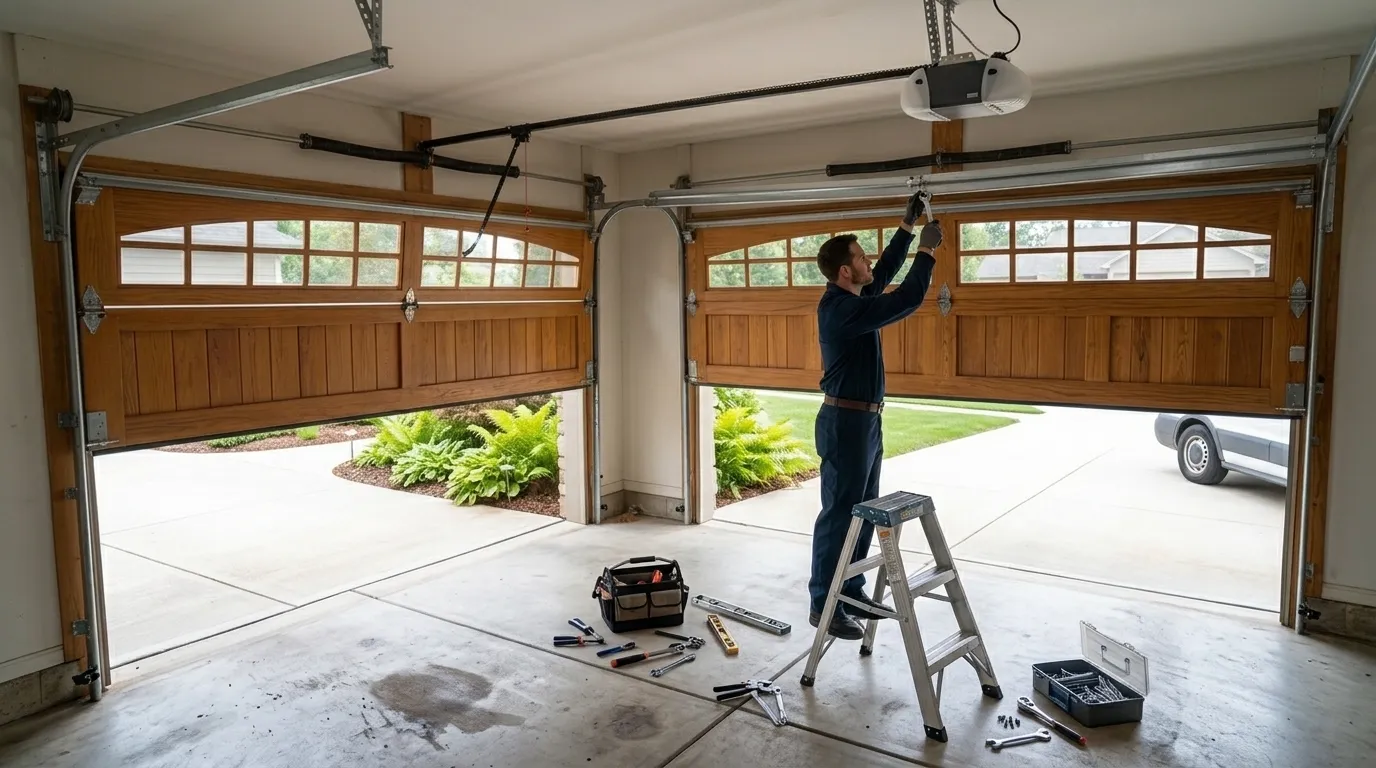
Serving Lomita's 1960s ranch-style stock 18 miles from our Santa Monica base - torsion springs, worn rollers, and openers matched to houses built around 1964.
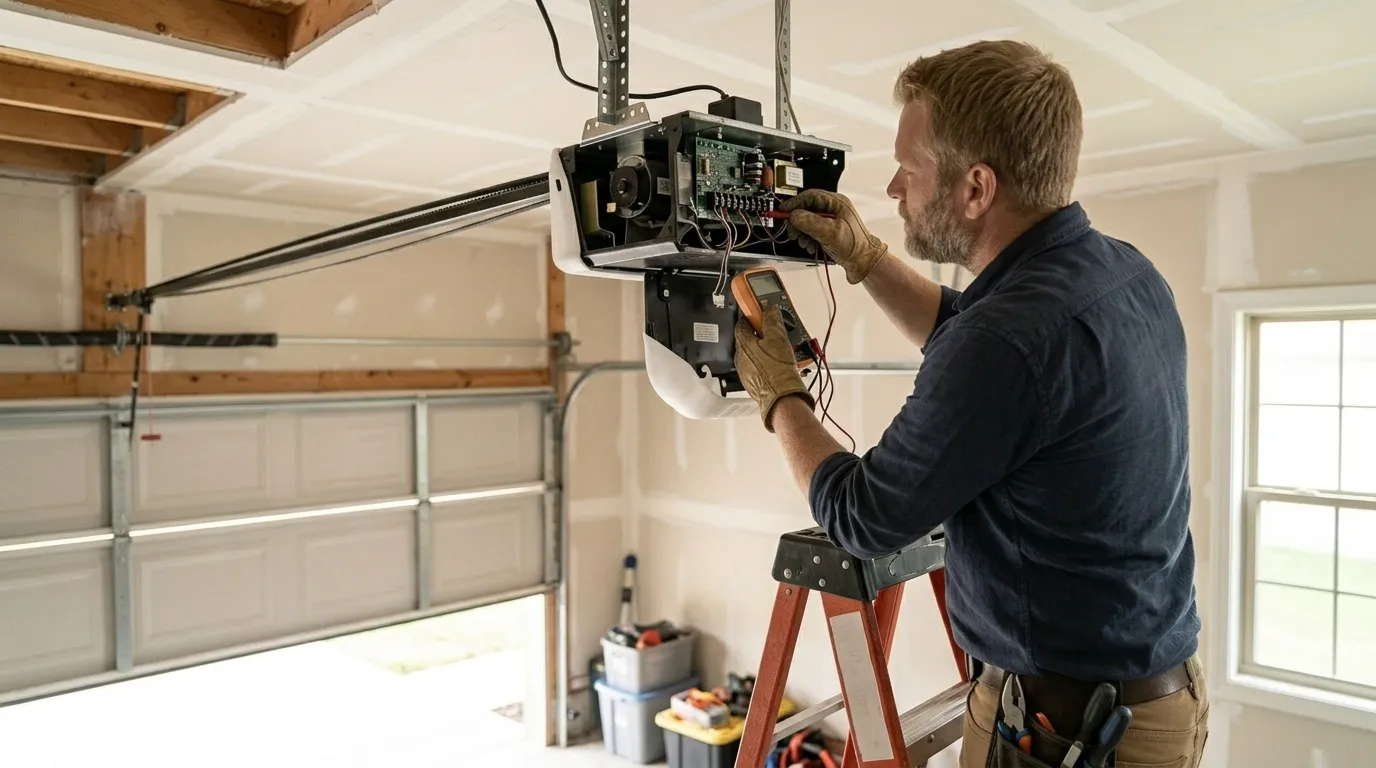
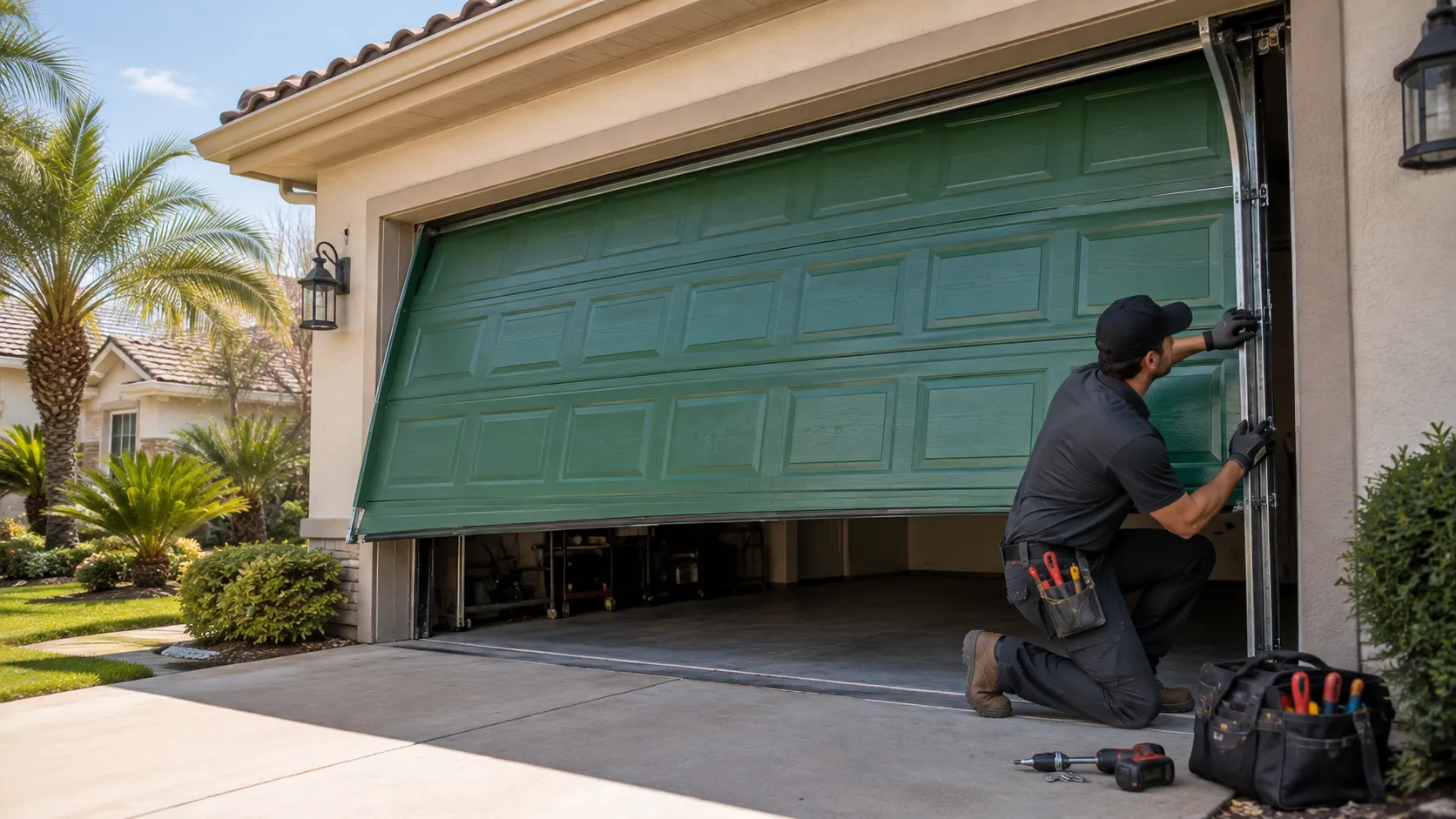
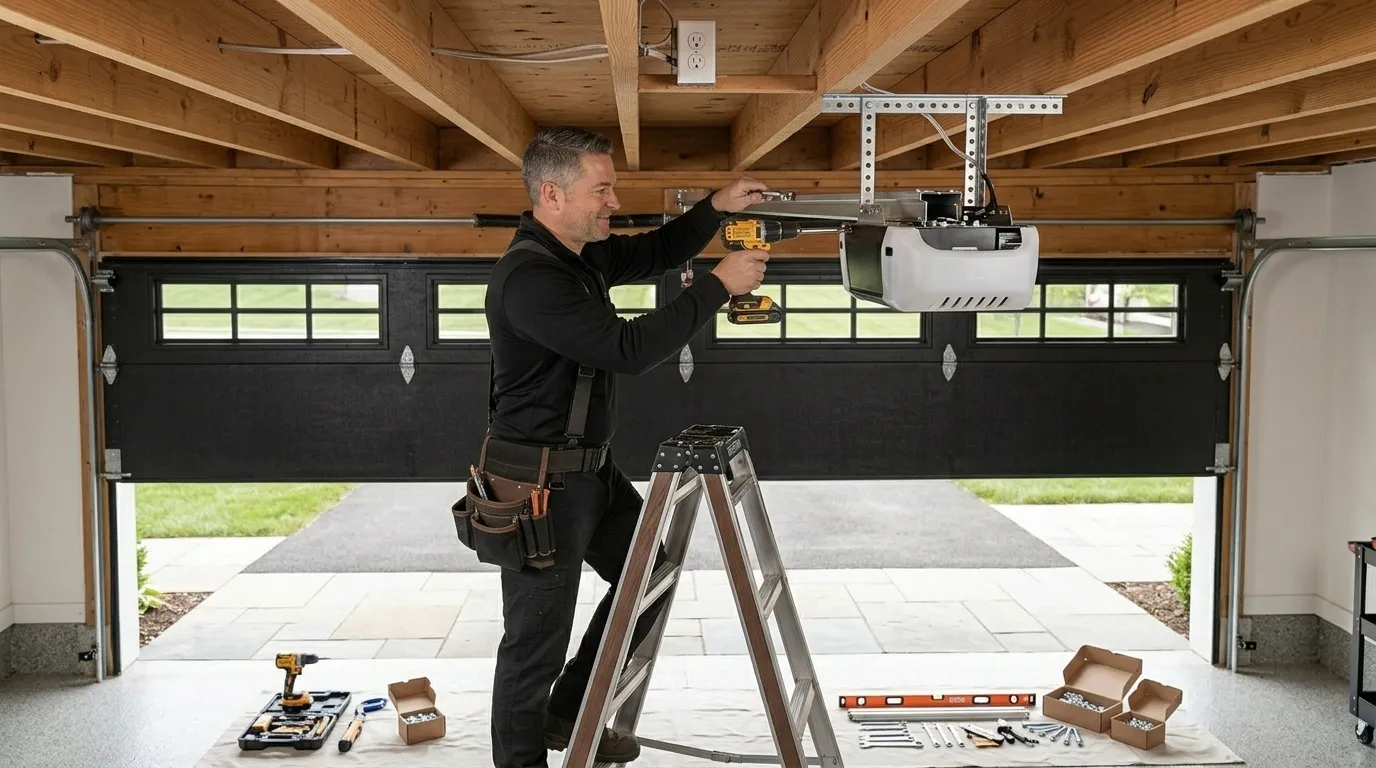
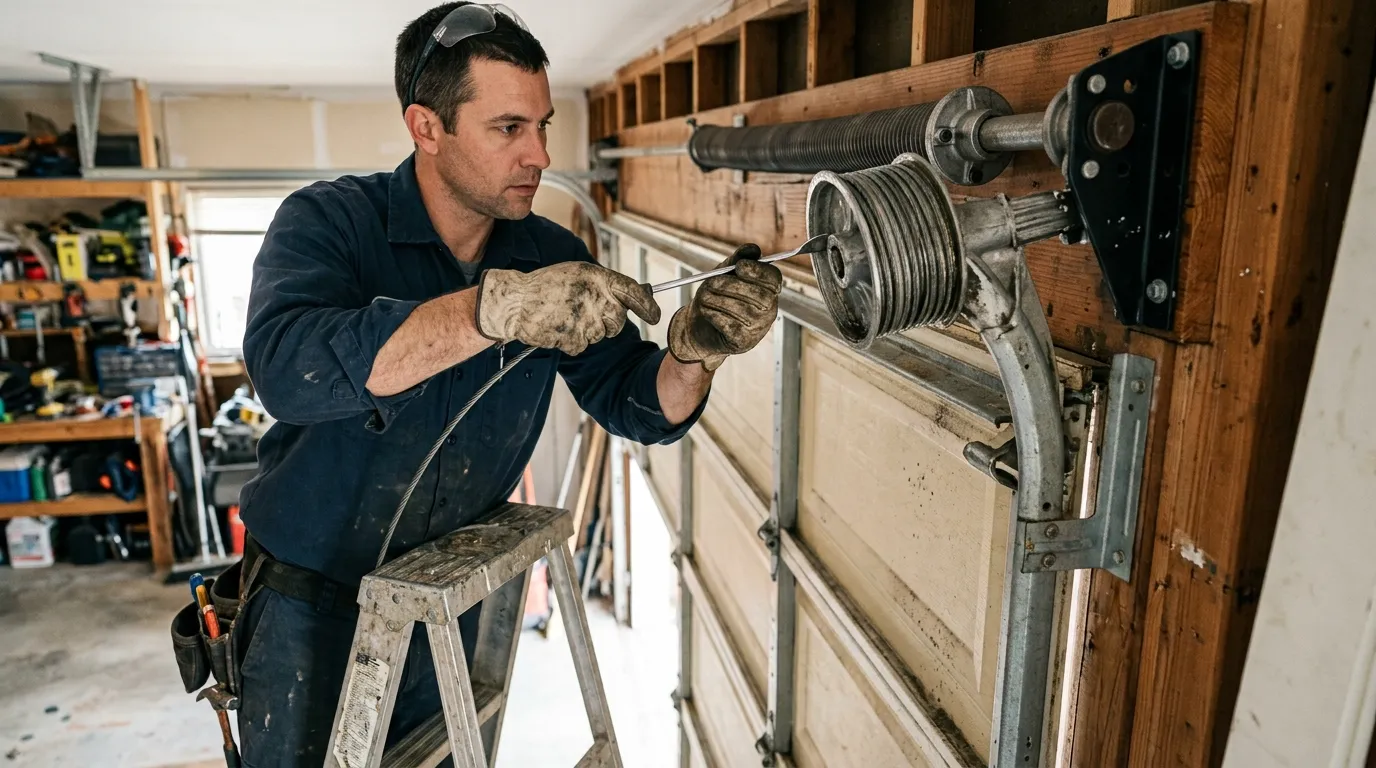
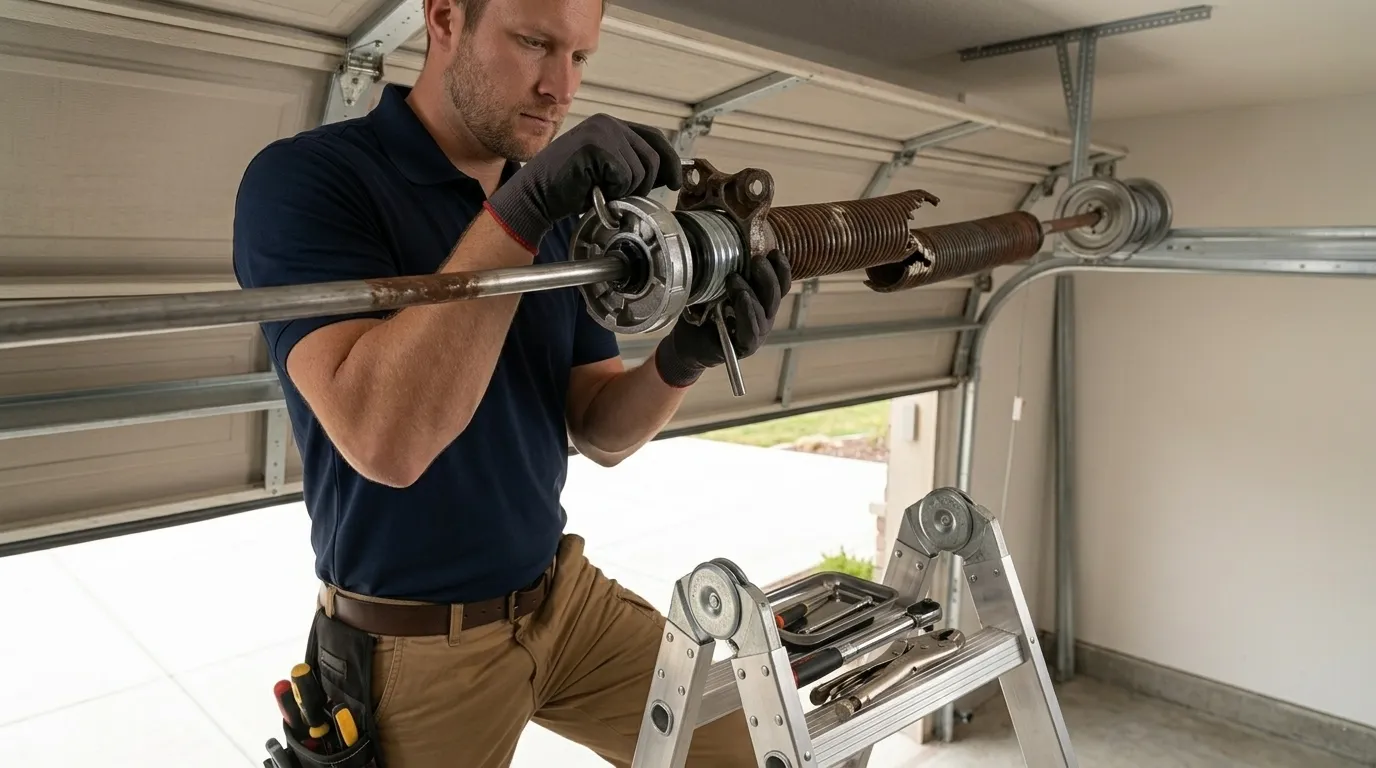
Lomita's median year built is 1964, close to the wider service area's 1963 median, but that single number hides what actually shows up on our service calls. Houses from this stretch of the mid-1960s were built with steel torsion springs rated for a lighter door than what's often hanging on them now - owners swap in insulated steel doors over the years and the original spring never gets upsized to match. That's the single most common failure we see on this vintage: a spring that lasted fine on the original door and then snaps within a year or two of a heavier replacement going up. Openers from any renovation since then are usually chain-drive units bolted to the same ceiling brackets as the original, which means the bracket wood has thirty or forty years more strain on it than the opener itself. We check that bracket before we touch anything else. None of this is a Lomita-specific defect - it's what happens when a housing stock built in a tight ten-year window ages together, with the same parts wearing out on the same rough timeline across the whole neighborhood.
The Houses Here
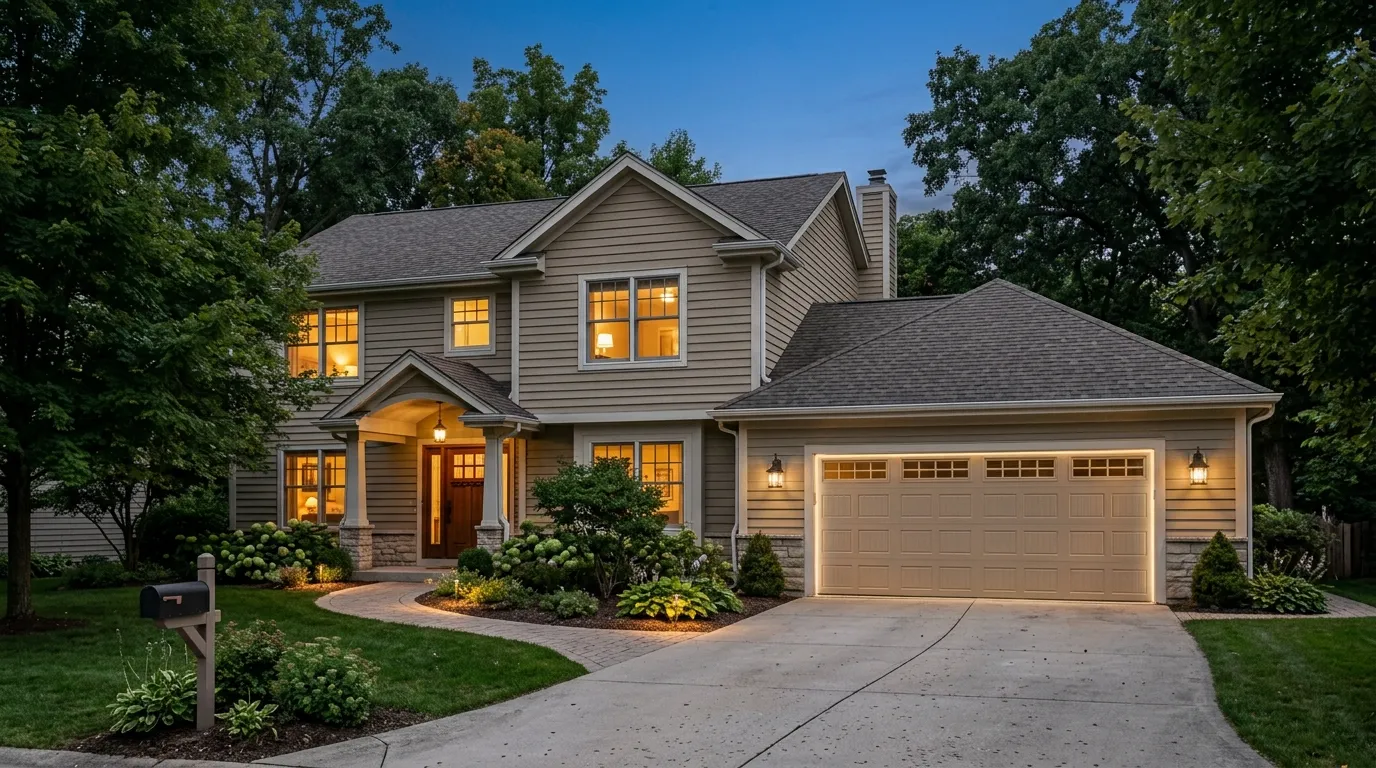
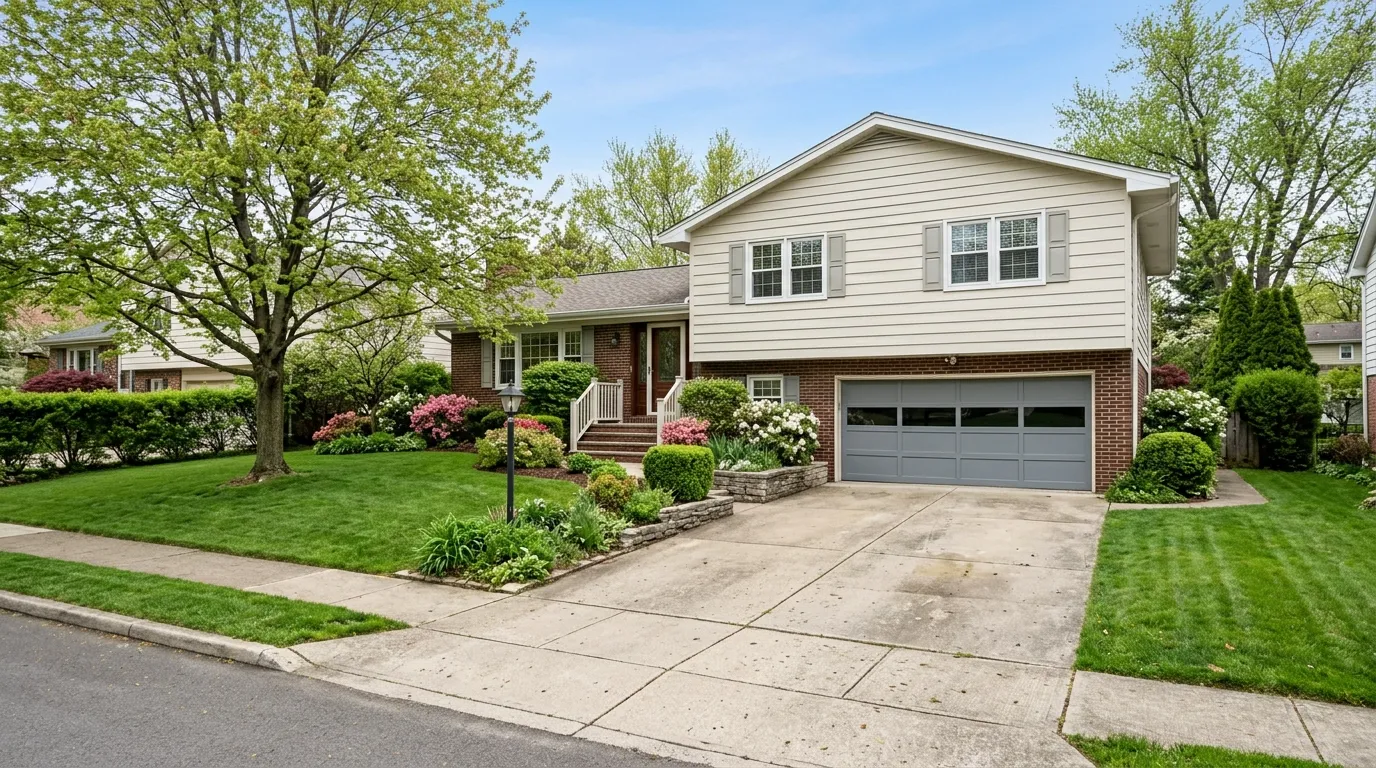
With roughly 7,506 households in Lomita, you're looking at a mostly single-family footprint, and the ranch and low-slope layouts common to 1960s Southern California tract building keep garage placement fairly predictable - attached single or double bays, low headroom, torsion springs mounted on a center bracket rather than side-mounted jackshaft setups. Median household income here runs $92,920, higher than the wider service area's $83,538, and that shows up less in what people ask for and more in when they ask for it - a fair number of calls are for full opener or door replacement rather than a patched repair, because folks would rather do it once than fix a $40-year-old panel for the third time. The mild coastal-influenced climate this area shares with the rest of the service region means we're not fighting frozen tracks or ice-jammed cables like a crew in a harsher climate would; the wear here is steady and mechanical, not weather-driven. Rollers and cables just age out on schedule. It's a stock that's honest about its problems if you know where to look.
Where We Stop
We run out of Santa Monica, and Lomita sits about 18 miles south of our base - it's one of the farther points we cover, not the closest. We don't keep a depot in Lomita and won't claim a local response time we can't back up; a same-day slot depends on the truck's route that day, same as it would for any job this far out. We're honest that a spring snap at 7am on a day we're routed toward the Westside end of things - Brentwood, North of Montana, Pacific Palisades - means a longer wait than a call from somewhere closer to home base. If the job's a full opener swap or a multi-panel replacement, that's worth the trip regardless of distance. If it's a five-minute adjustment, tell us on the phone; sometimes the honest answer is a smaller local outfit gets there faster than we can.
The Split Between Old and New
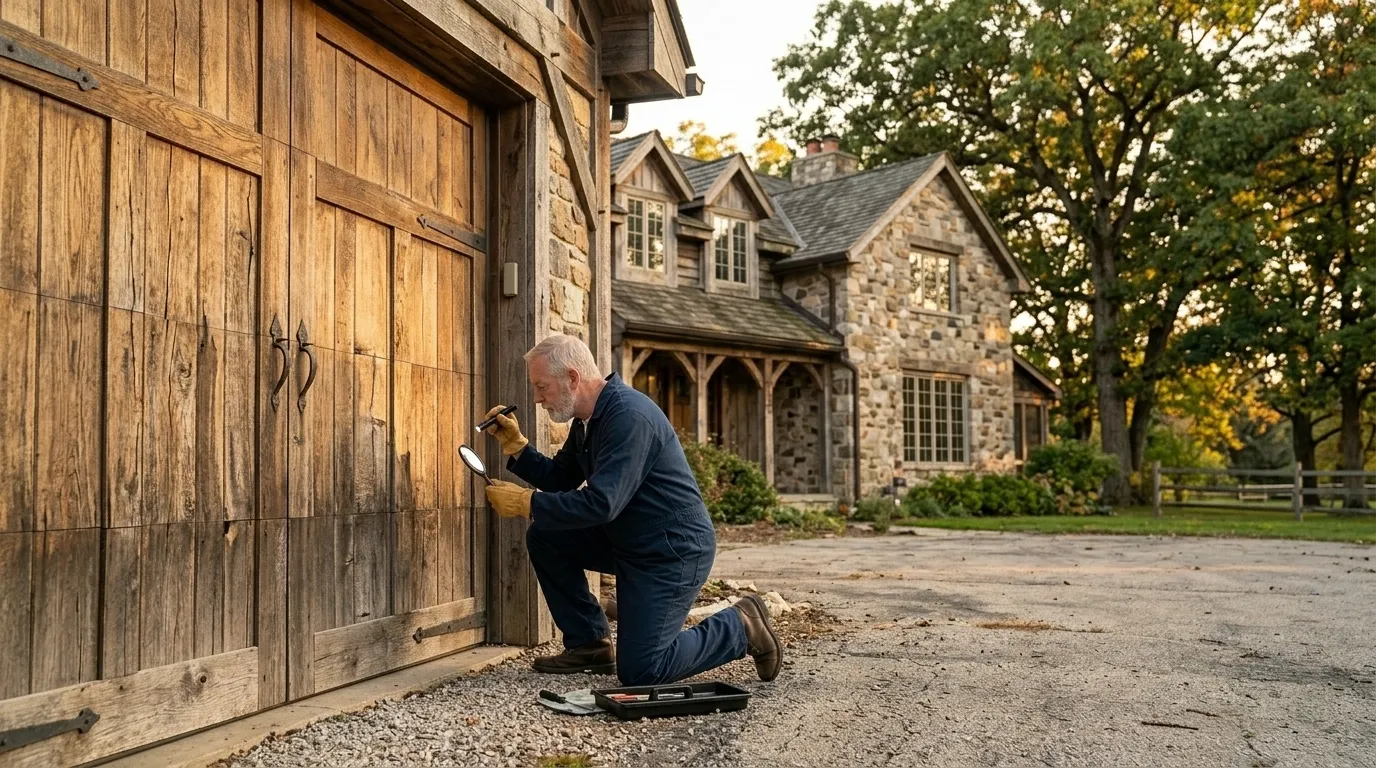
Across the broader service area, houses run from 1947 up through 2012, but Lomita itself sits tight on the older end of that range, clustered close to its 1964 median rather than spread across the newer decades. That matters for parts. A door original to a 1964 build, if it's somehow still in service, uses hardware sizes and spring winding cones that current stock doors don't match - we carry the common torsion sizes on the truck, but a genuine original-era panel sometimes means a special order, and we'll say so upfront rather than promise a same-visit fix we can't deliver. Most of what we actually replace, though, isn't the 1964 original - it's a door and opener combo installed sometime in the following decades, which is a much easier match. The practical upshot for a Lomita homeowner: know roughly when your door and opener were last replaced, not just when the house was built, because that second date tells us more about what's in your garage than the first one does.
How it works
From “it’s stuck” to “it’s fixed”
01
Tell us what’s wrong
Describe the symptom - won’t open, loud bang, opener runs but the door won’t move.
02
On-site diagnosis
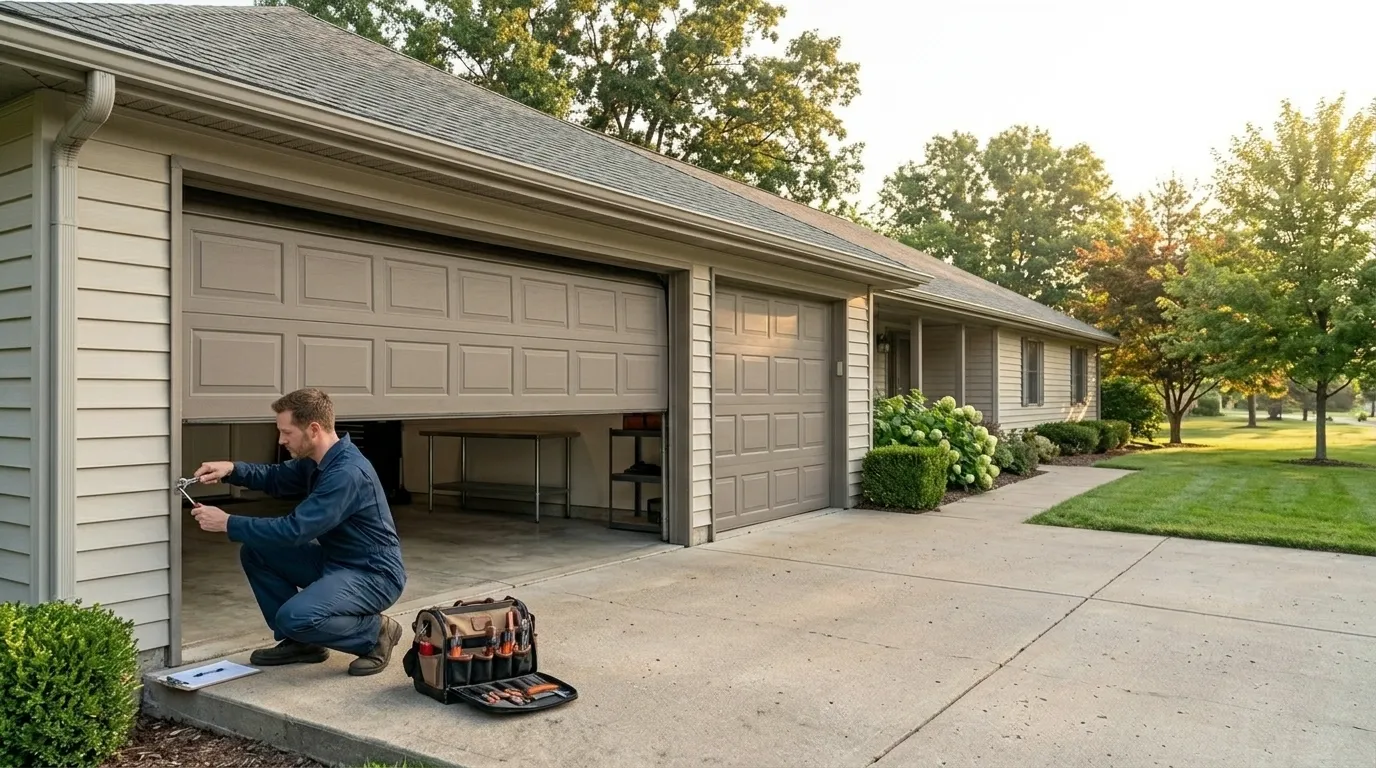
A technician tests the door under power and by hand and finds what actually failed.
03
Clear, up-front plan
You get the fix that’s needed and what drives the cost - before any work starts.
04
Repaired & tested
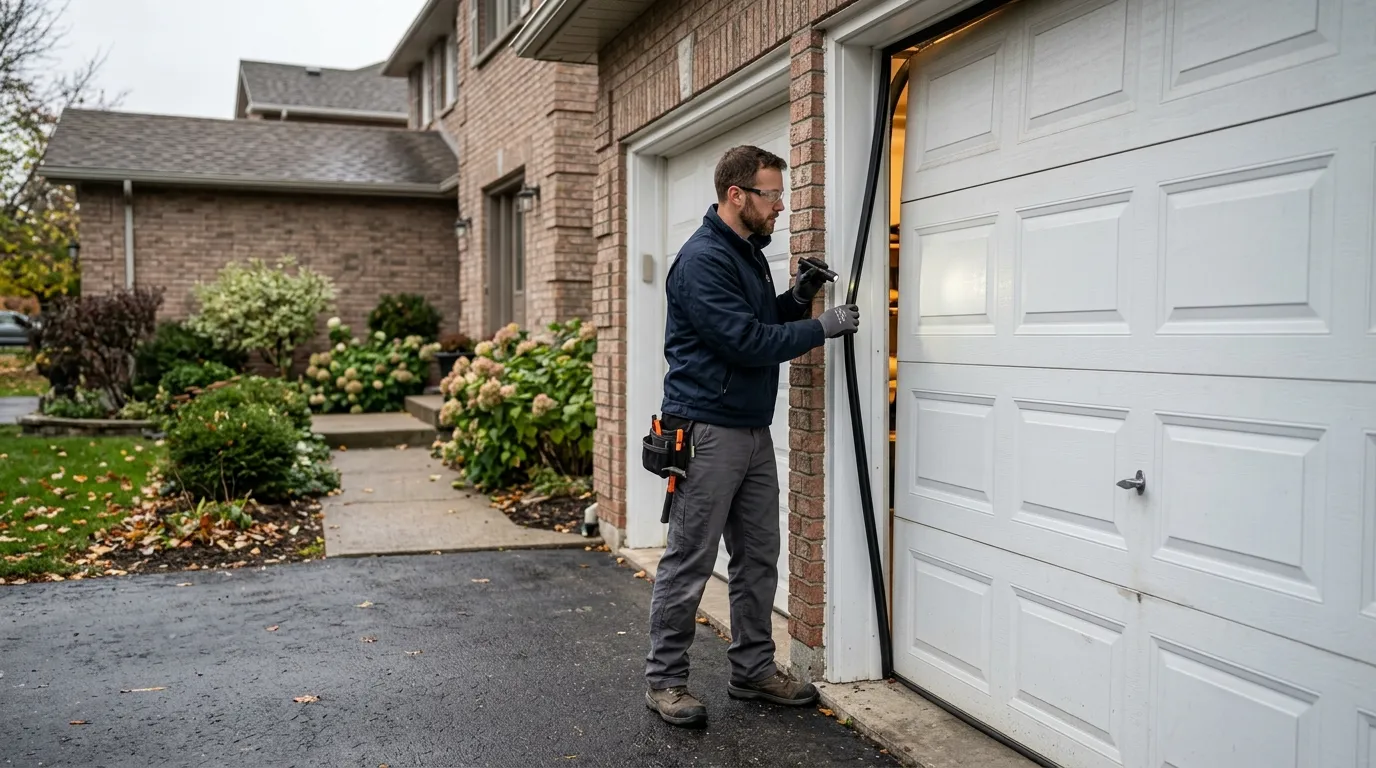
The repair is done, the door is set true and tested, and the work area left clean.
Serving Santa Monica, CA - tell us what your door’s doing and we’ll take it from there.
Straight answers about garage door repair in Santa Monica. Still unsure? Ask us directly.
Do you have a location in Lomita?
No. We run out of Santa Monica, about 18 miles north, and travel to Lomita as part of our service area. We don't operate a local depot here, so scheduling depends on the day's route rather than a guaranteed local response window.
Why did my spring snap when the door itself seems fine?
Houses in Lomita cluster around a 1964 build year, and torsion springs from that era were often sized for the original door weight. When an insulated steel door replaces a lighter original one later, the spring can be undersized and fail years sooner than expected.
Is my garage door old enough to need special parts?
If it's original to a house built near 1964, possibly - cone sizes and hardware from that period aren't always what current stock doors use. Most doors we replace in Lomita were themselves replacements from a later decade, which is a more straightforward match.