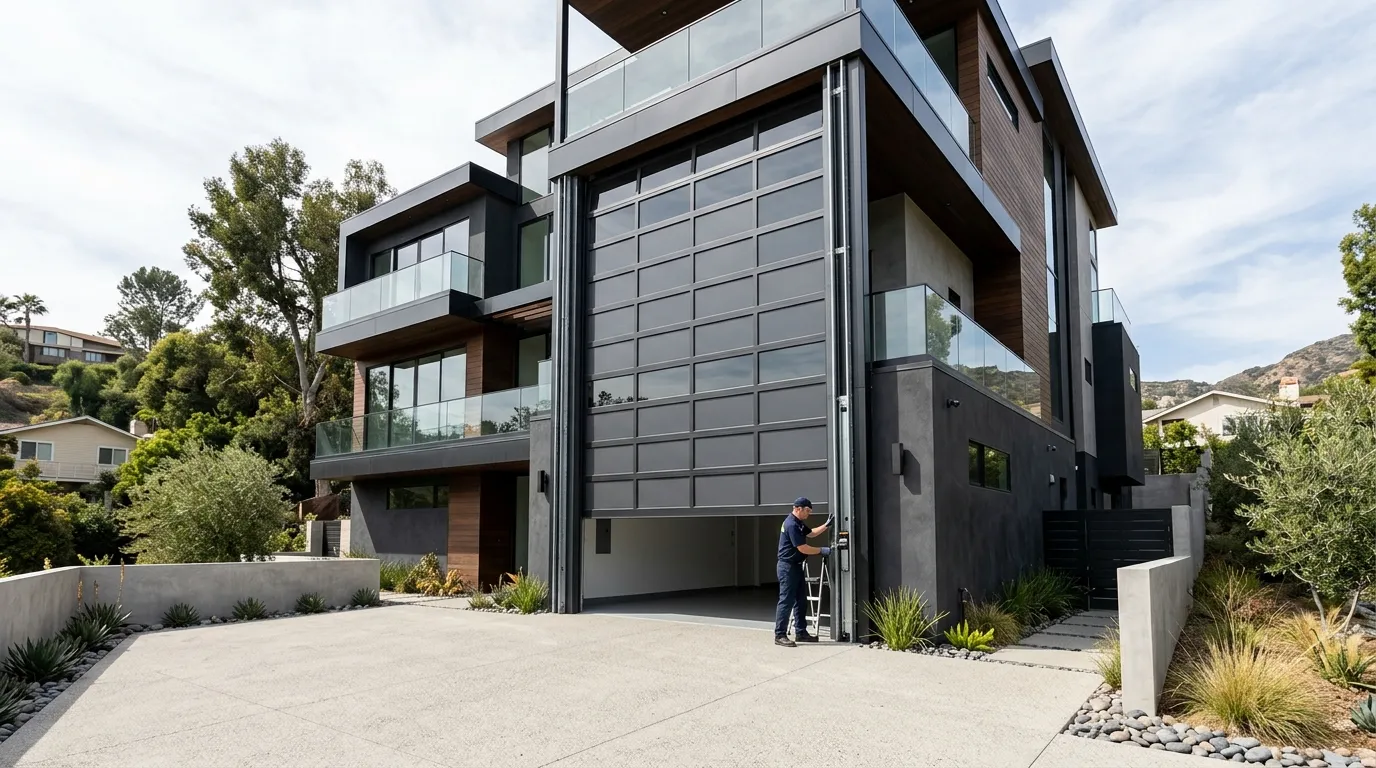
Garage Doors for Rolling Hills Homes, Built Around 1962
Garage door repair and installation for Rolling Hills, CA homes built near 1962, served by Santa Monica Garage Door Pros traveling in from 19 miles away.
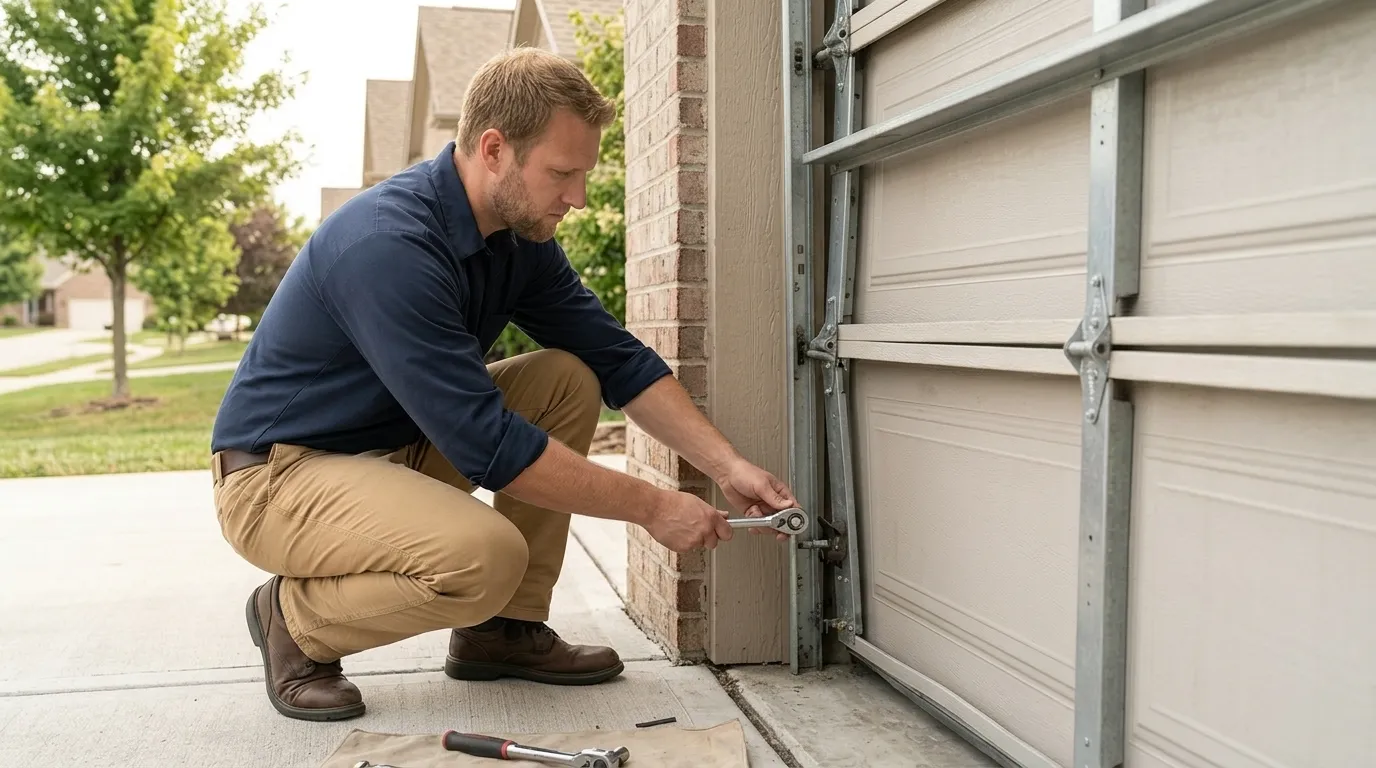
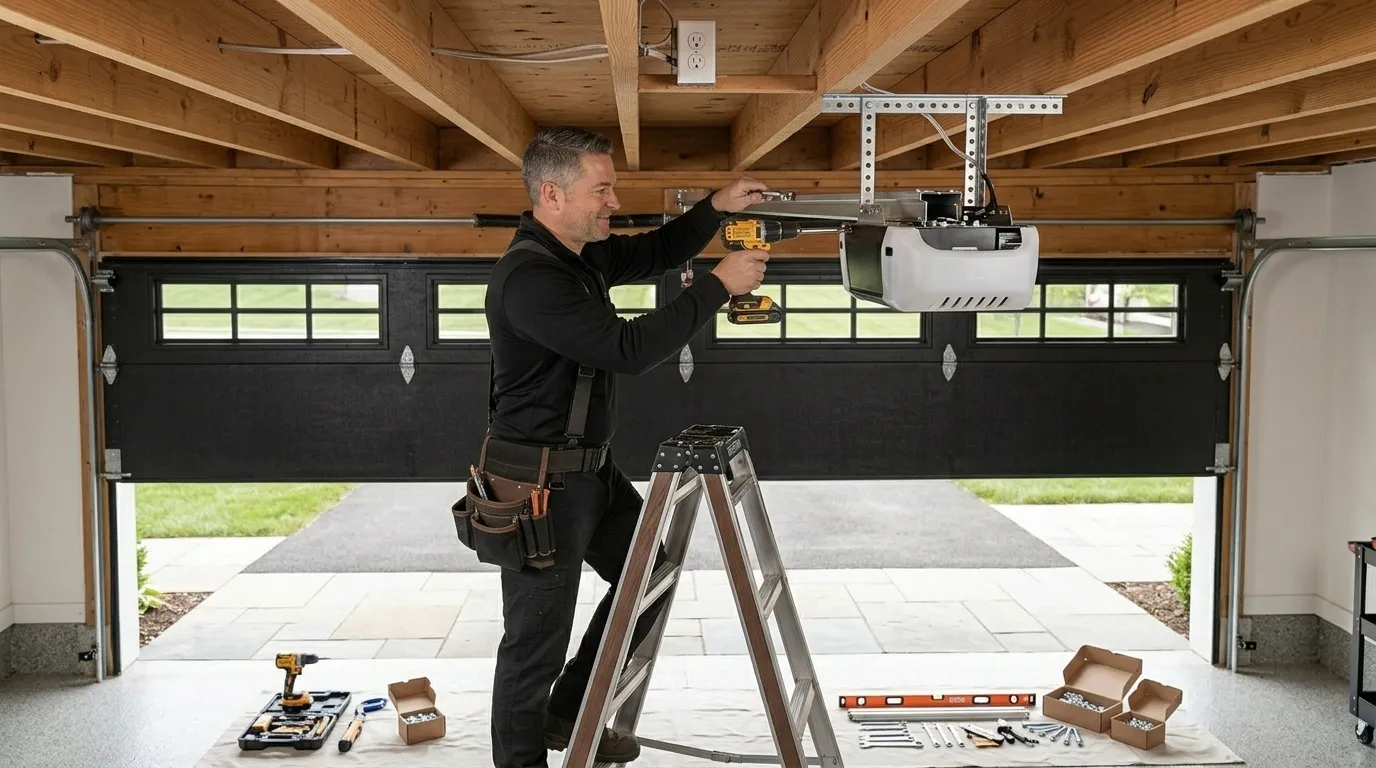
The median home in Rolling Hills went up around 1962, which puts it right at the front edge of the wider service area's 1947-2012 build window and its 1963 median. That single year matters more than it sounds like it should. A door hung in 1962 was almost certainly steel or wood sectional, running on extension springs bolted to the horizontal track rather than the torsion bar setups that became standard later. Openers on these original units, where they haven't been swapped out, tend to be chain-drive units from well before today's belt-drive standard.
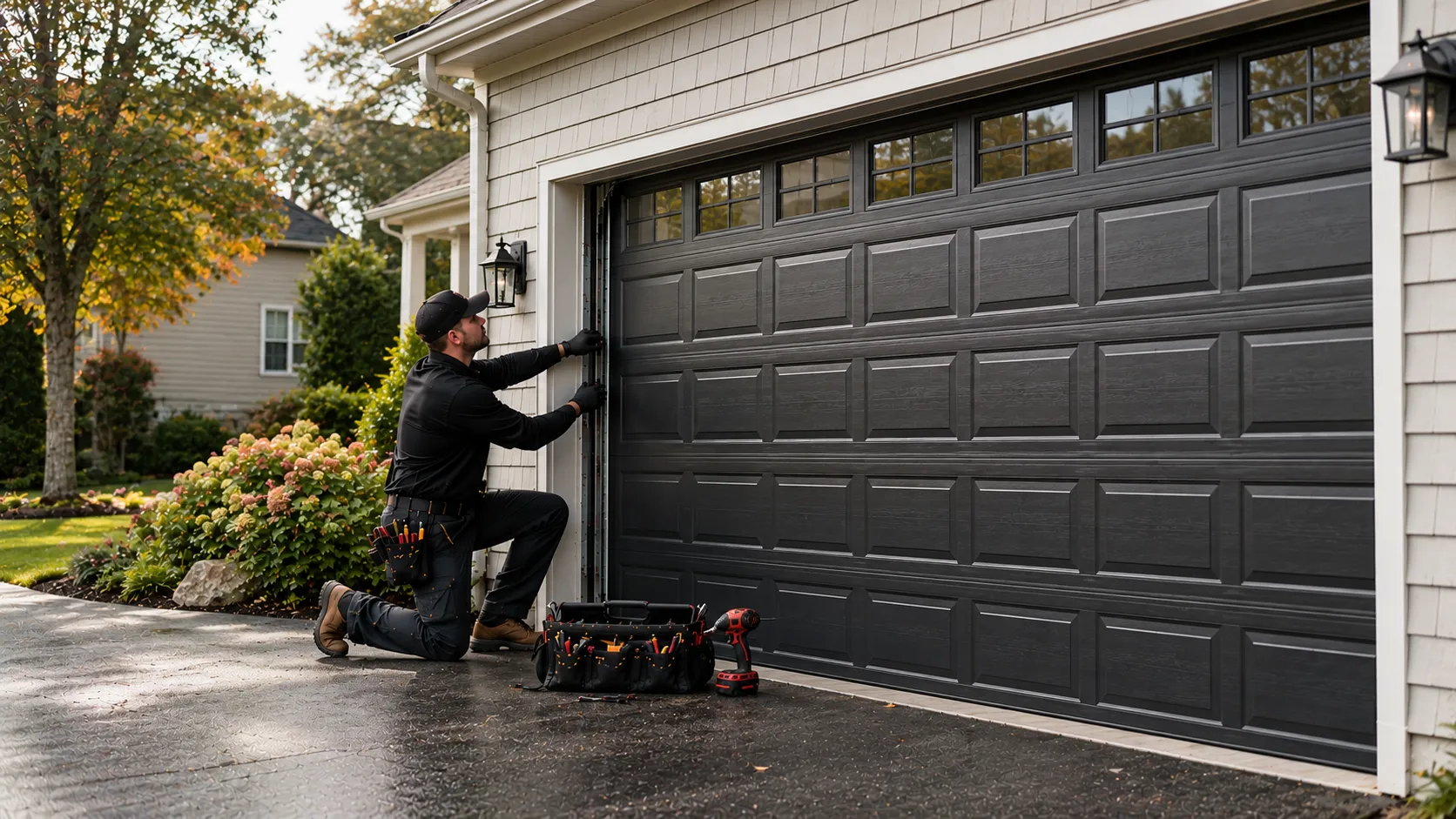
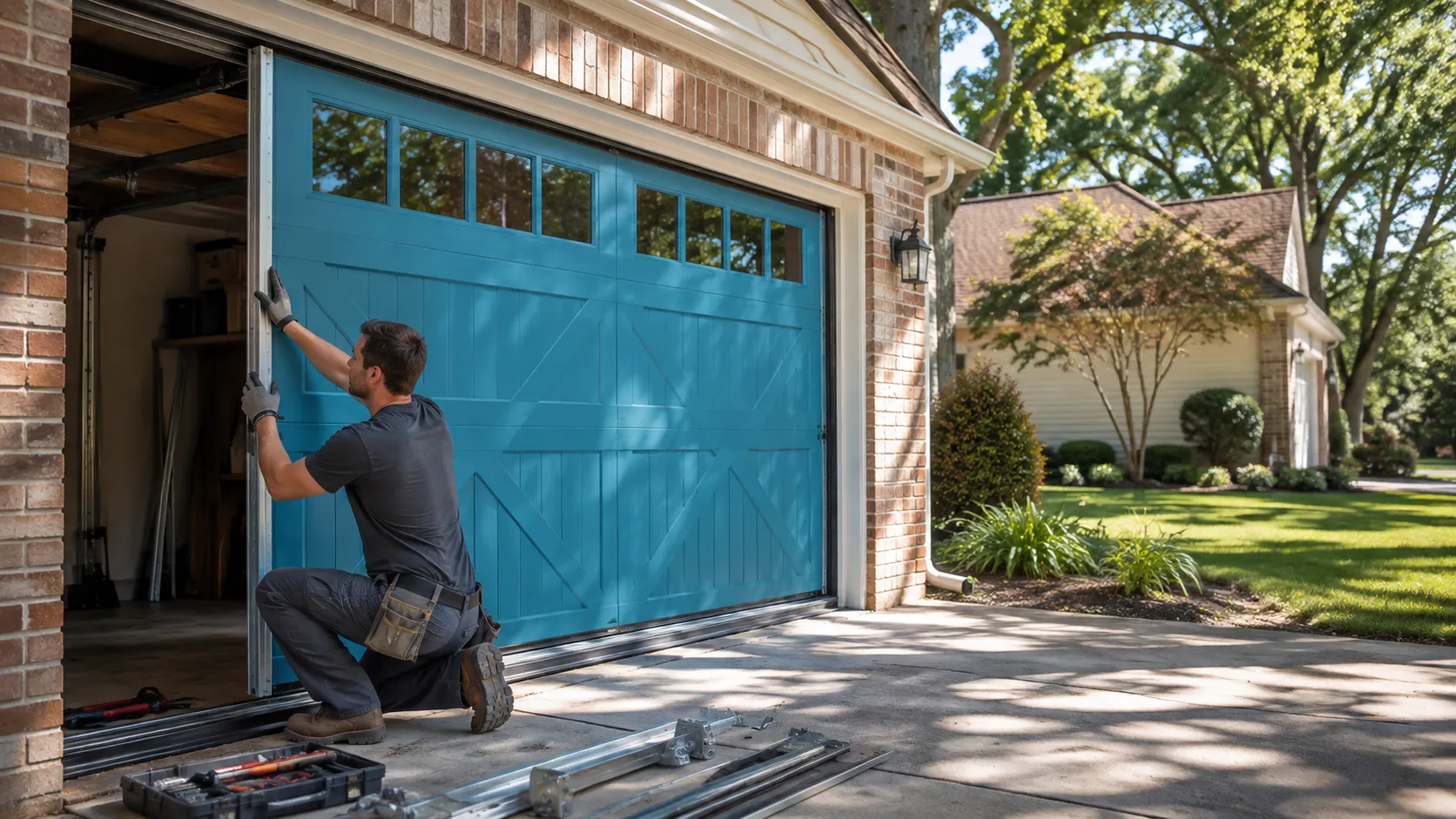
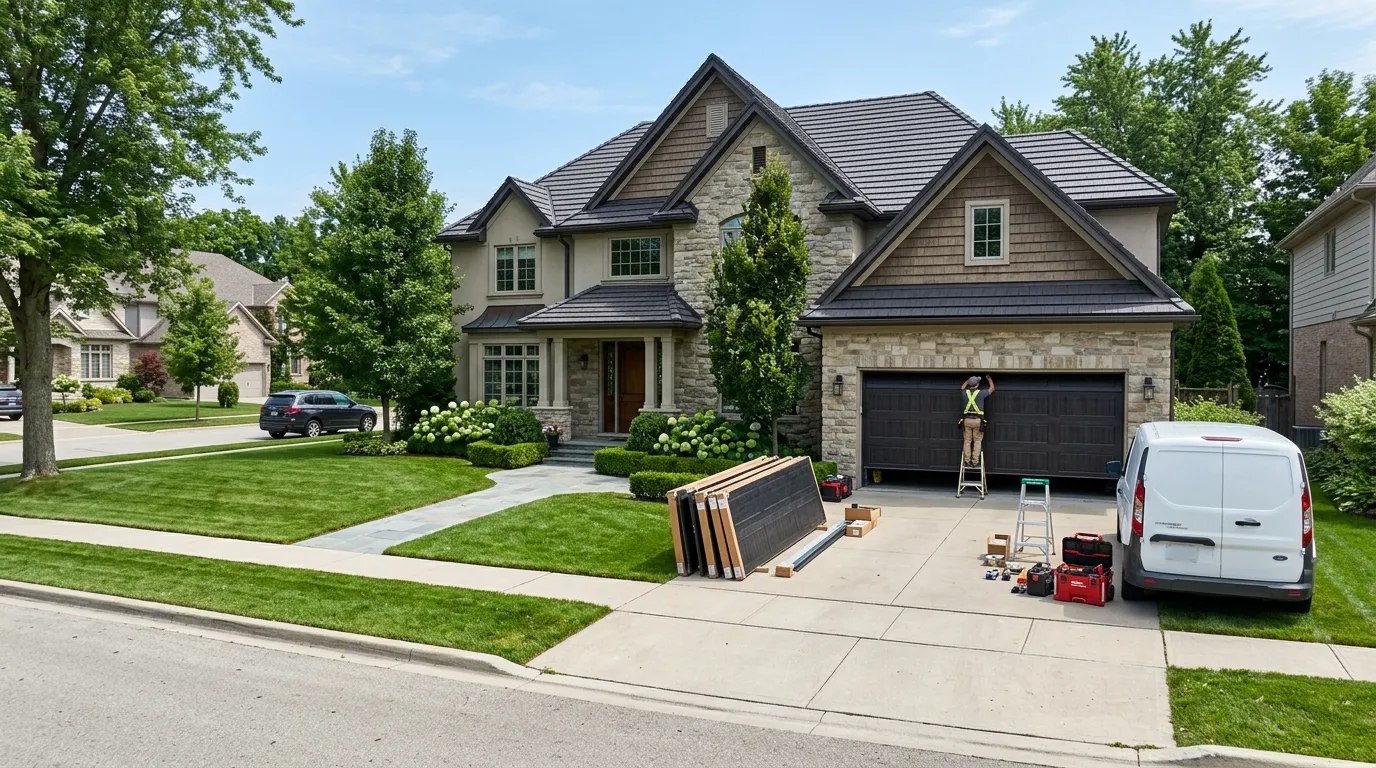
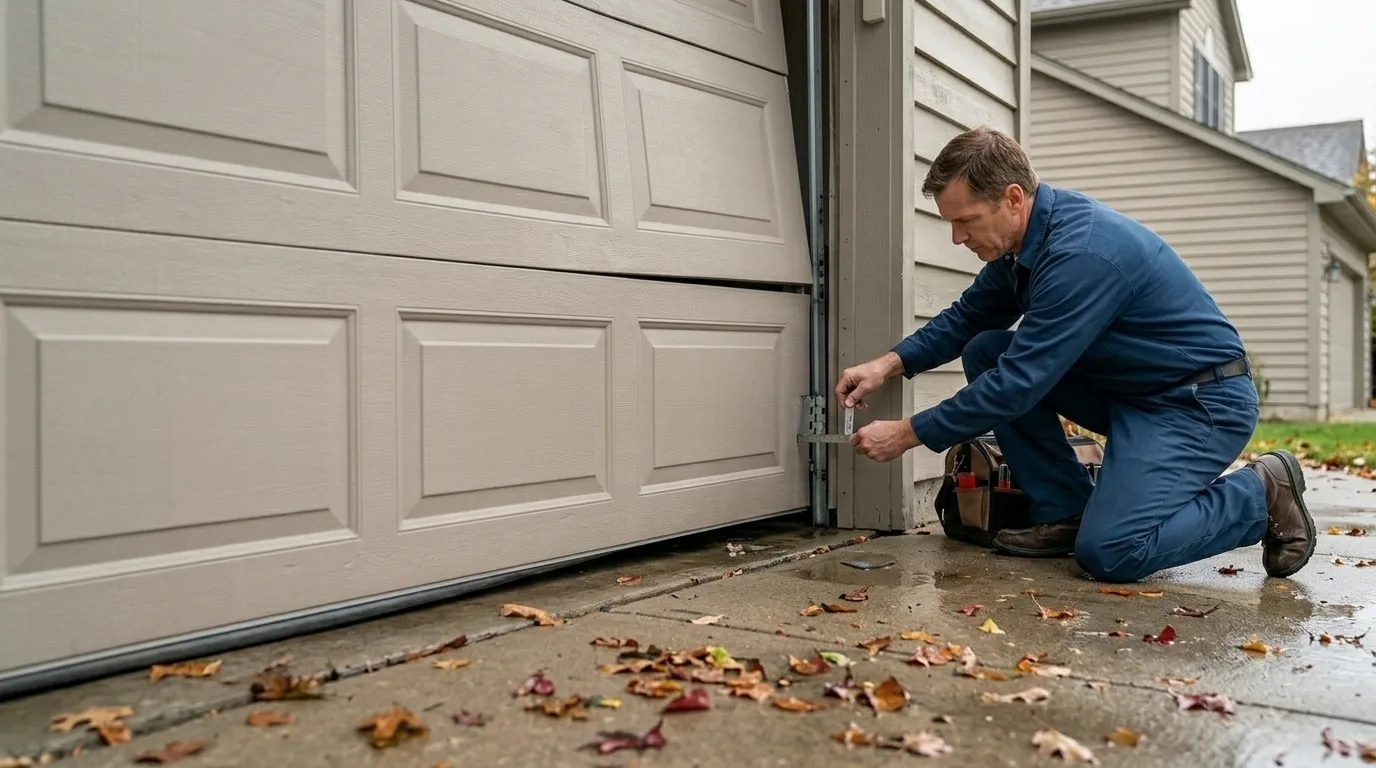
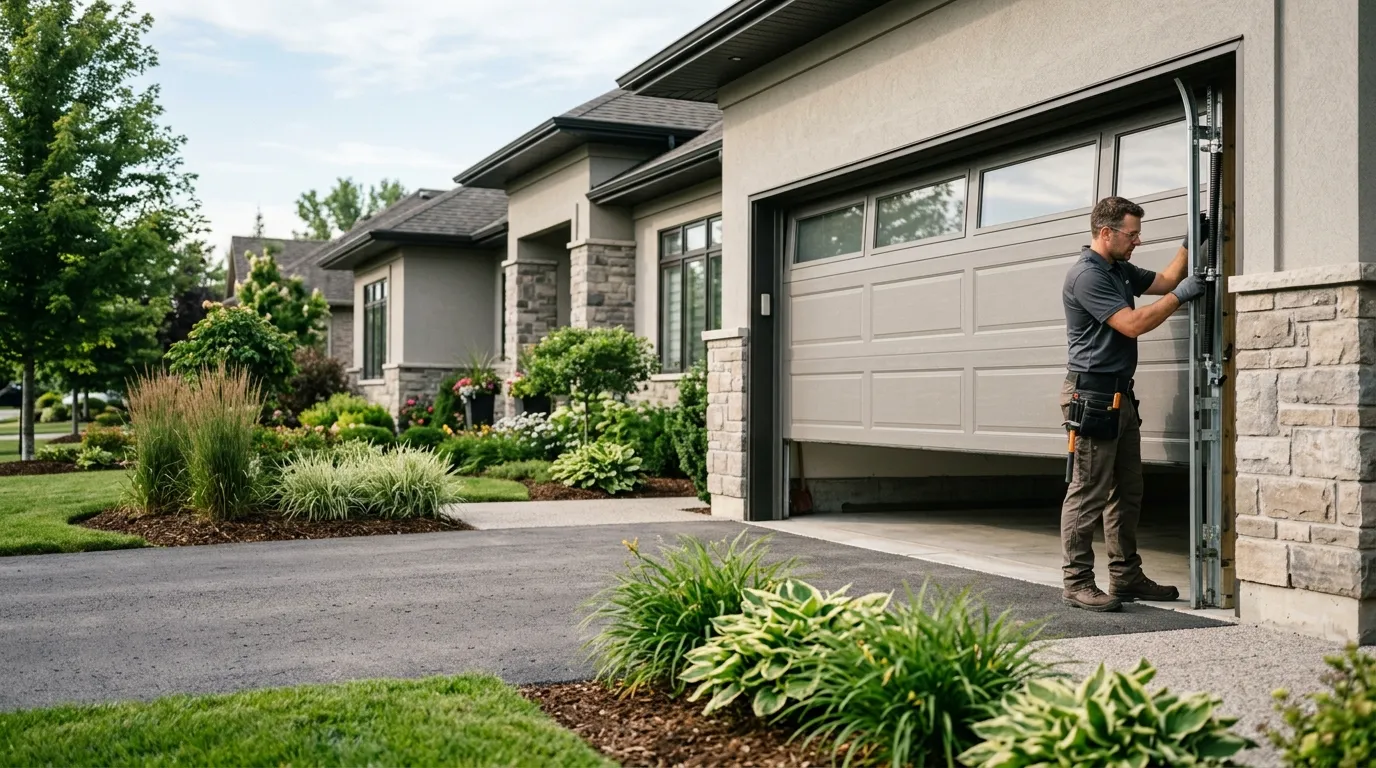
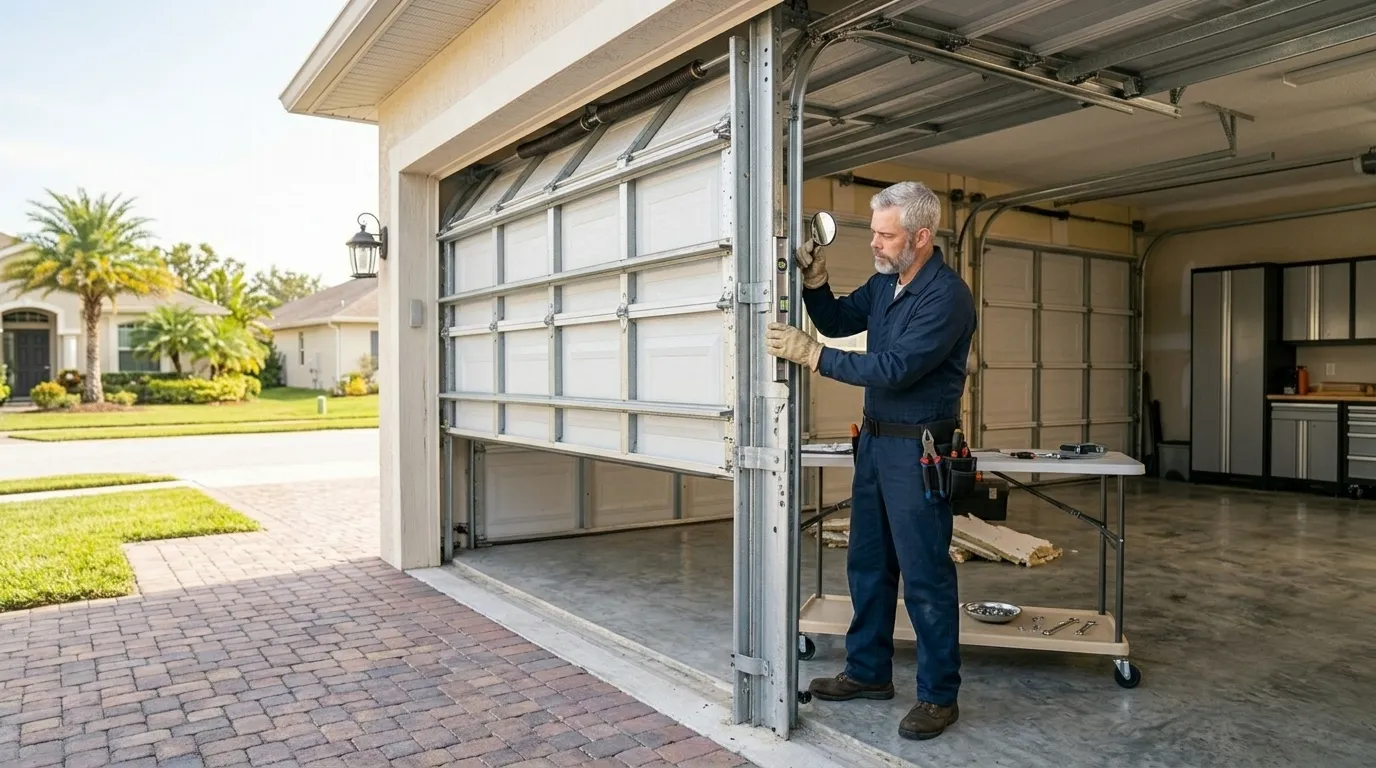
What we see on calls out this way is a split: some doors are untouched originals with hardware that's fifty-plus years old, and some have been fully replaced with custom insulated panels sized for wide estate driveways. Given the income level in this area, a fair number of owners went the replacement route rather than patch old hardware. But when it's original gear - a worn extension spring, a bent horizontal track, a chain-drive opener grinding on its gears - the parts and the approach are different from a 1990s tract door. We bring what a 1962-era steel or wood door actually needs, not a generic kit.
The Houses Here
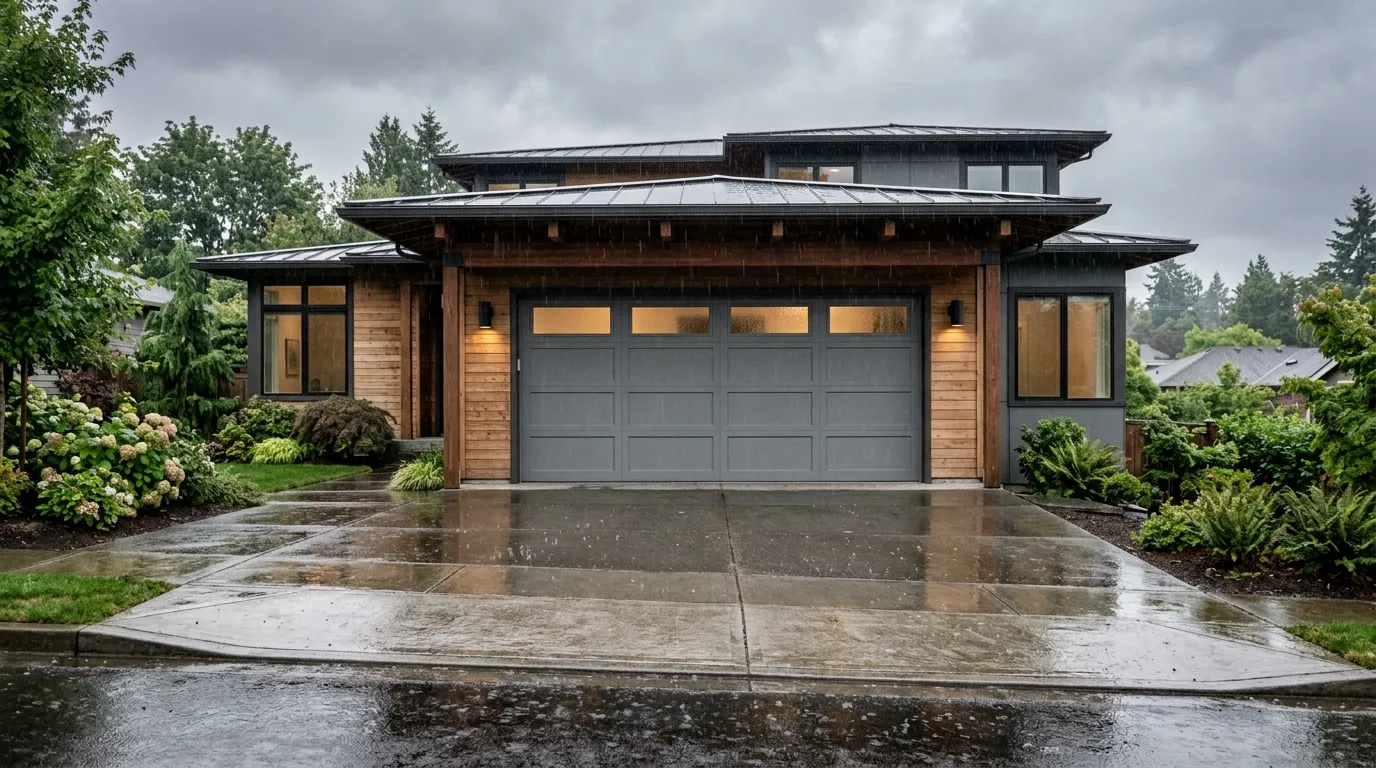
Rolling Hills has only 583 households, which is a small number next to the roughly 104,855 owner-occupied houses across the whole service area. That's not a complaint, it's just context for how we plan a job here: it's low-density, spread out, and every property tends to be custom rather than one of a run of identical builds. Doors are often wider or taller than a standard single or double, sized to fit an estate driveway rather than a subdivision garage.
The median household income here is $250,001, well above the $83,538 median for the broader service area. In practice that means more owners here have already put in solid, insulated, well-specced doors rather than living with a builder-grade original. It also means when something does break - a cable frays, a roller seizes, a panel takes a hit - the replacement part usually has to match a custom size or finish rather than pull off a shelf. That's worth knowing before you call: a repair quote on an estate-width door can run longer than a repair on a standard one, simply because the part isn't a stock size.
Where We Stop
We're honest about this one: Rolling Hills is a 19-mile drive from our base in Santa Monica, the longest run we make on a regular basis. We don't have a depot or a truck stationed anywhere near here - every job means loading up in Santa Monica and driving out, the same way we'd reach Palos Verdes Estates, which sits closer at 17 miles.
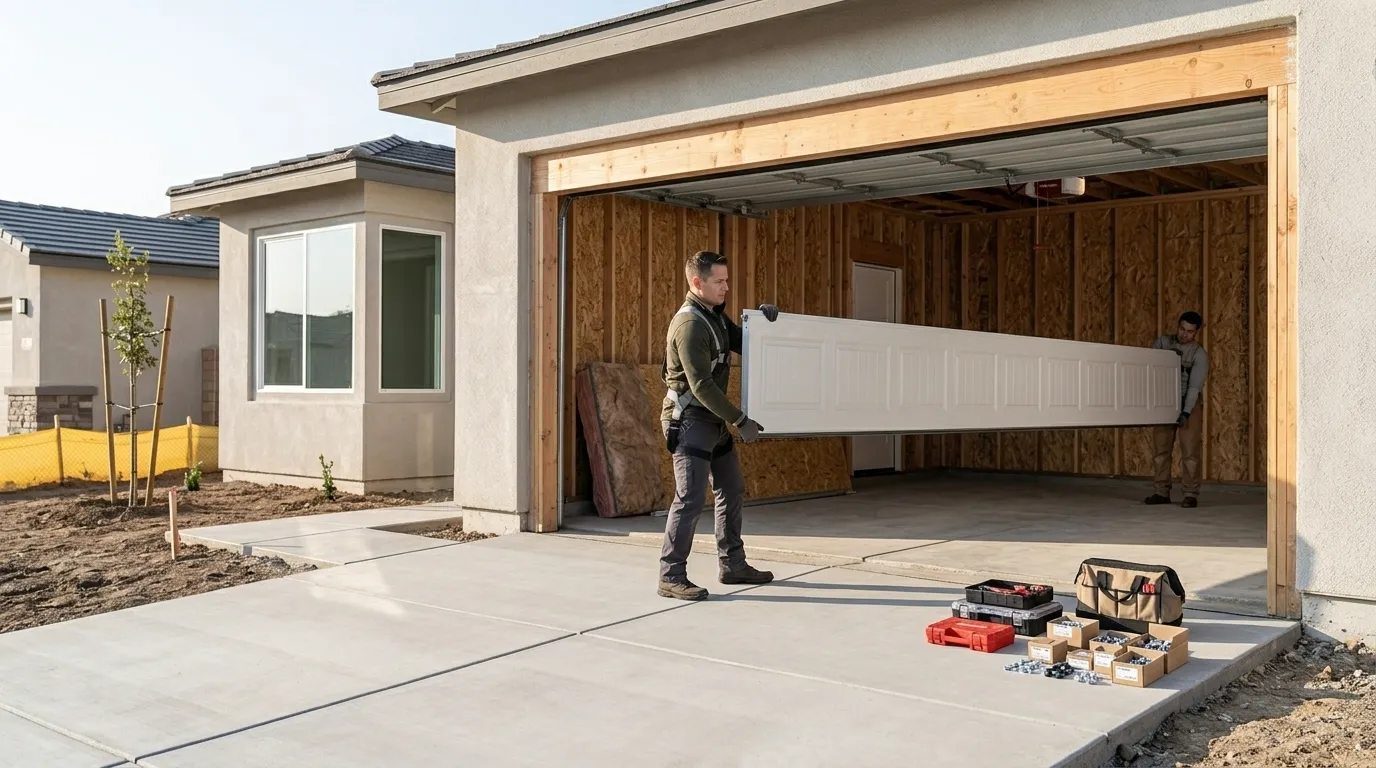
That distance affects scheduling more than it affects the work itself. We can still fix a broken spring or replace a full door out here, but same-day slots fill faster on days we're already routed through the west side, and a custom estate-width panel that isn't on the truck means a special order rather than a same-visit swap. If your door needs a non-standard size - which is common on the larger properties here - expect us to quote a lead time on the part rather than promise it same day. We'd rather tell you that up front than have you wait on a truck that isn't coming.
The Split Between Old and New
Across the wider service area the housing stock runs from 1947 clear through 2012, with most of it landing in the 1960s and 70s. Rolling Hills sits almost exactly on that median, at 1962, which means it's neither the oldest nor the newest corner we work. What that gives you here is a genuine mix: original 1960s hardware standing next to fully modern insulated doors on properties that were rebuilt or upgraded later.
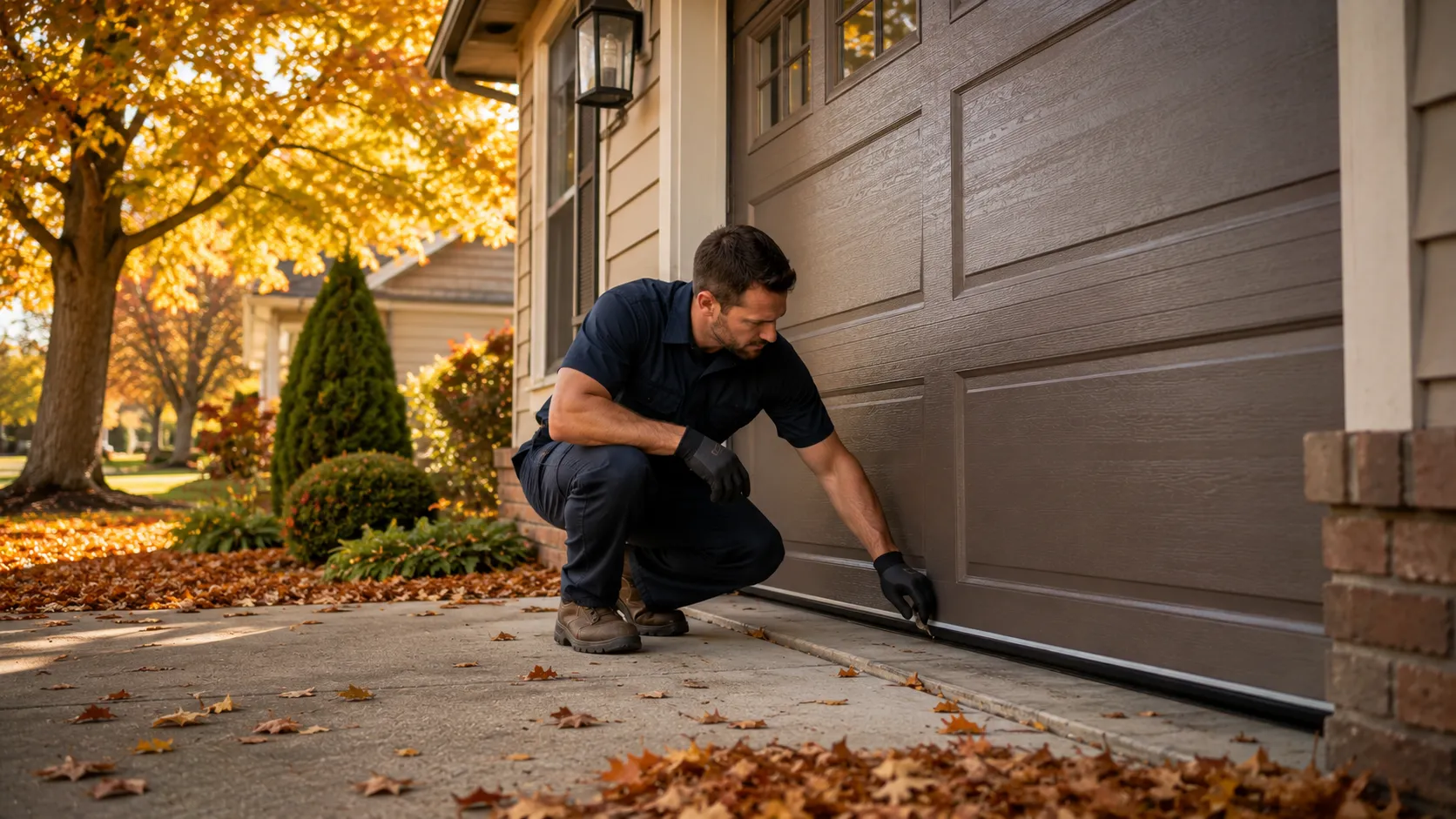
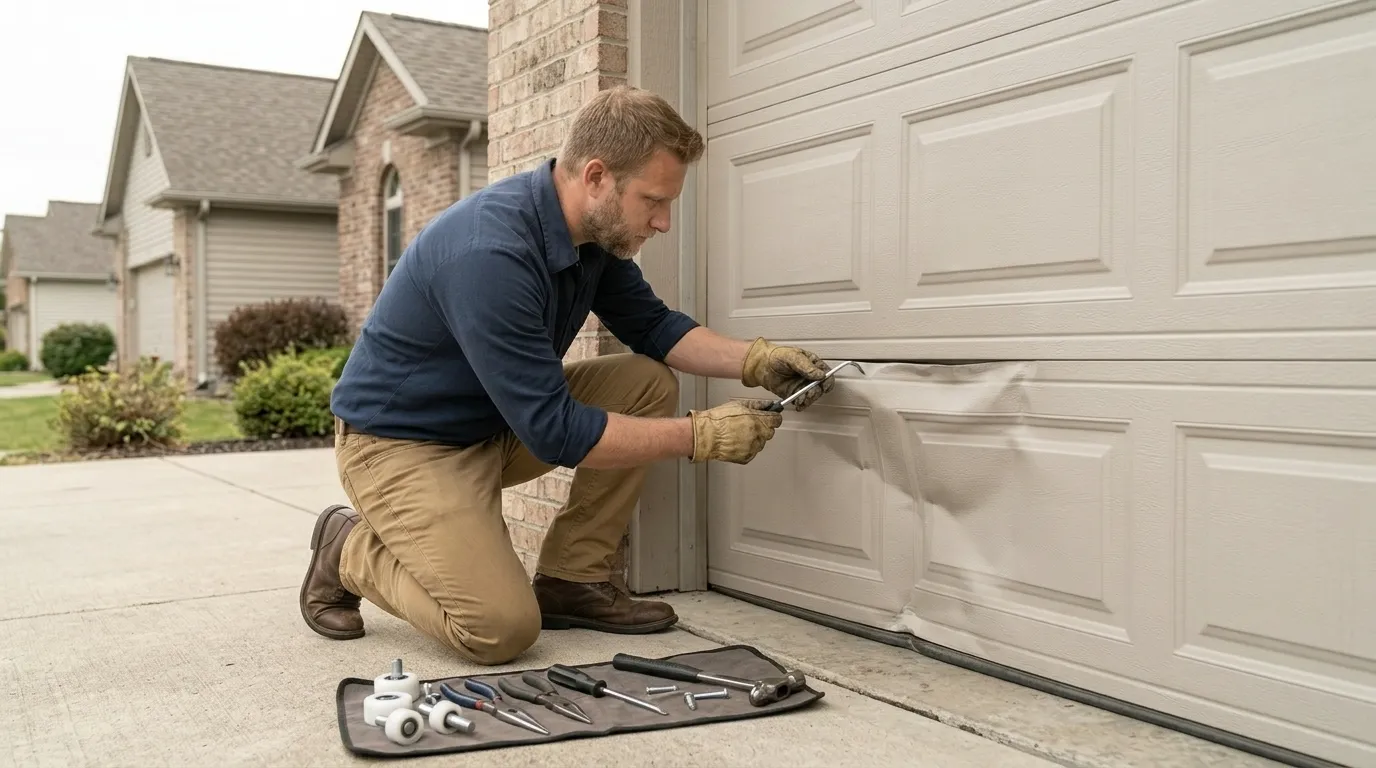
The mild coastal climate that covers this stretch helps the old stuff hold up. Steel track and hardware from 1962 rarely rust through the way it might somewhere with hard winters, so a lot of what fails here fails from age and wear, not corrosion - a spring that's simply cycled too many times, a roller that's worn its bearing out, weatherstripping baked stiff by sun rather than cracked by frost. It's a different failure pattern than we'd plan for in a newer subdivision, and it's why we ask the build year before we guess at the fix.
How it works
From “it’s stuck” to “it’s fixed”
01
Tell us what’s wrong
Describe the symptom - won’t open, loud bang, opener runs but the door won’t move.
02
On-site diagnosis
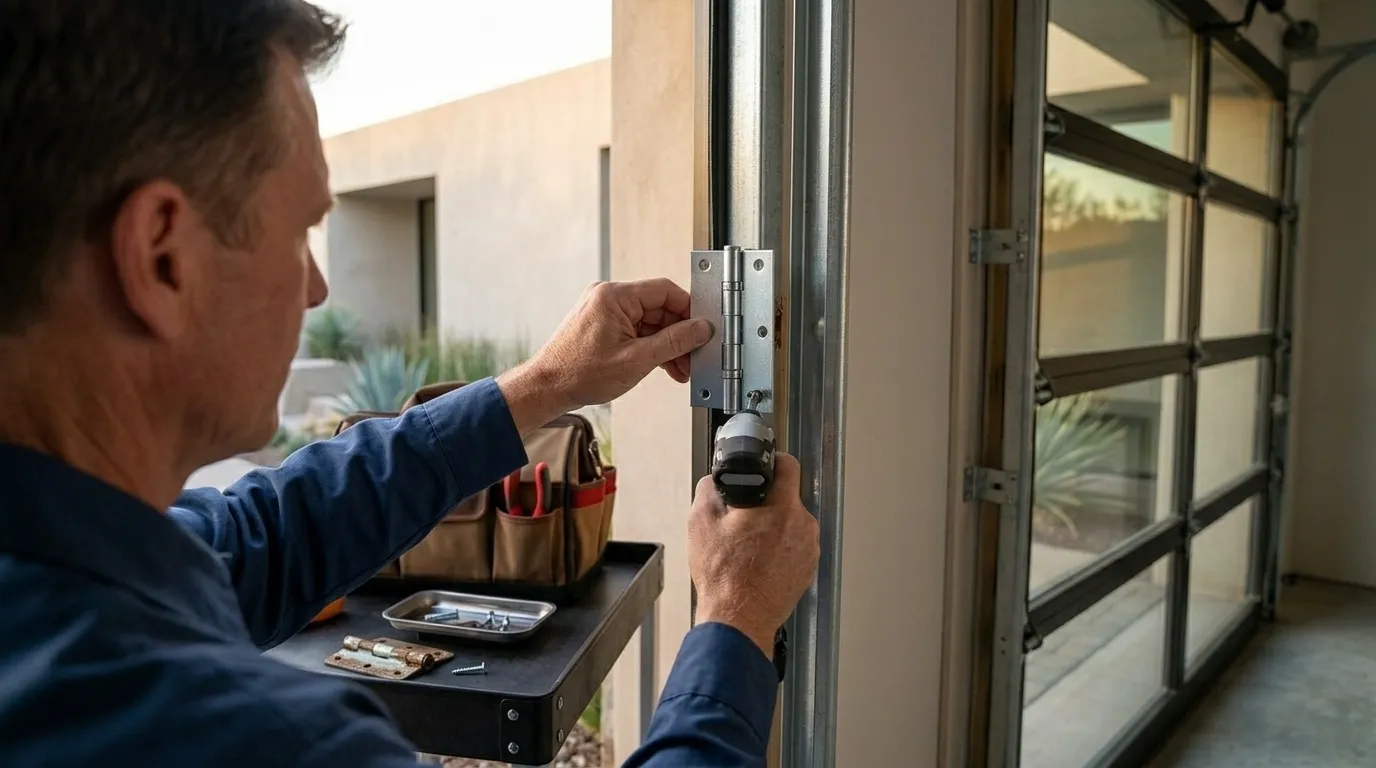
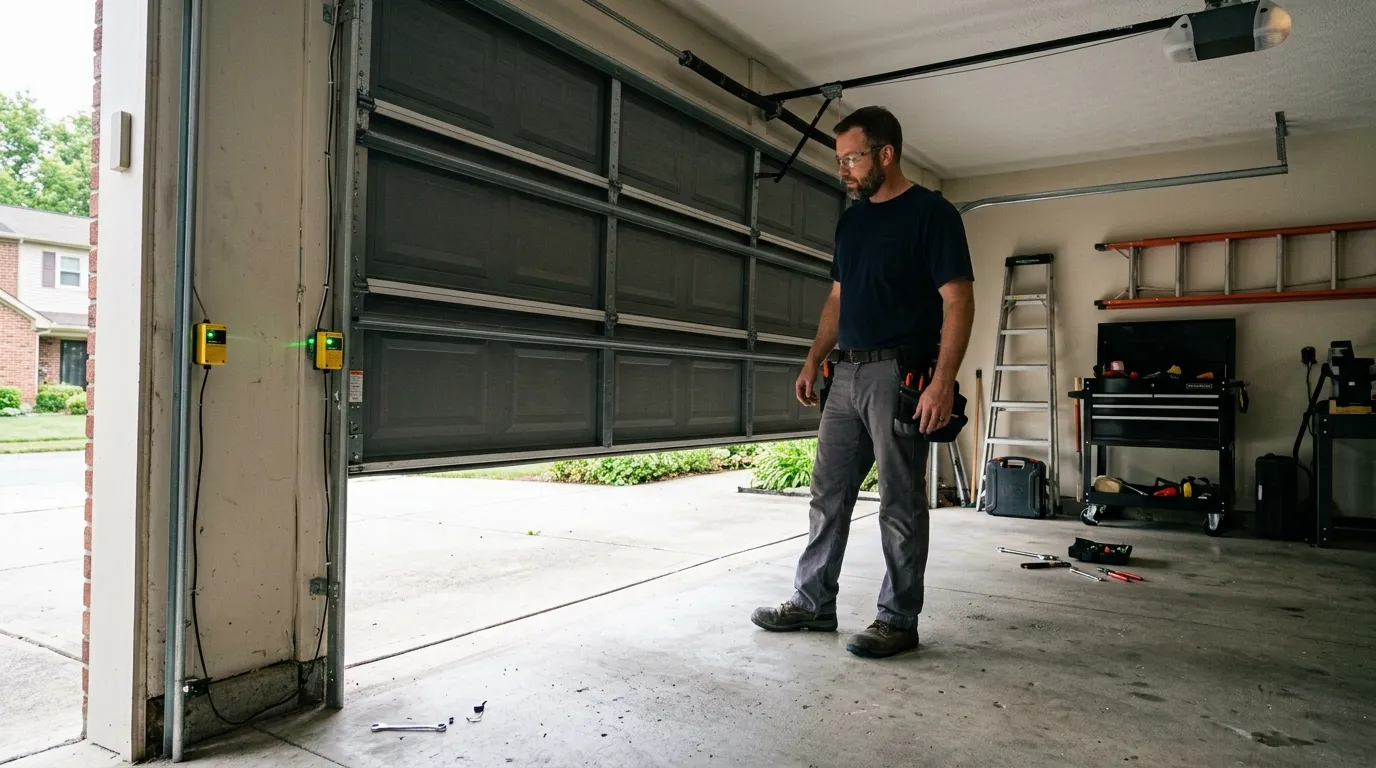
A technician tests the door under power and by hand and finds what actually failed.
03
Clear, up-front plan
You get the fix that’s needed and what drives the cost - before any work starts.
04
Repaired & tested
The repair is done, the door is set true and tested, and the work area left clean.
Serving Santa Monica, CA - tell us what your door’s doing and we’ll take it from there.
Straight answers about garage door repair in Santa Monica. Still unsure? Ask us directly.
Do you have a location in Rolling Hills?
No. We run out of Santa Monica and drive the 19 miles out for every call. There's no local depot here, so scheduling works best when we can route your job alongside other calls on the west side that day.
My garage door still has its original hardware from the 1960s - can you work on it?
Yes, and it's common here given the median build year of 1962. Original extension-spring setups and chain-drive openers from that era need different parts than newer torsion systems, and we carry stock for both, though a true original part sometimes needs to be special ordered.
Why would a repair quote be higher for a house in Rolling Hills than a standard tract home?
A lot of doors here are custom-sized for wider estate driveways rather than a standard single or double garage opening. When a part has to match a non-standard width or height, it's usually a special order instead of a stock item, and that adds to both cost and lead time.
Does the coastal climate here cause different problems than inland?
The mild temperate climate across this whole area means less rust damage on steel hardware than you'd see somewhere with real winters. What we see instead is sun-dried weatherstripping and springs worn out from age and cycling rather than corrosion.