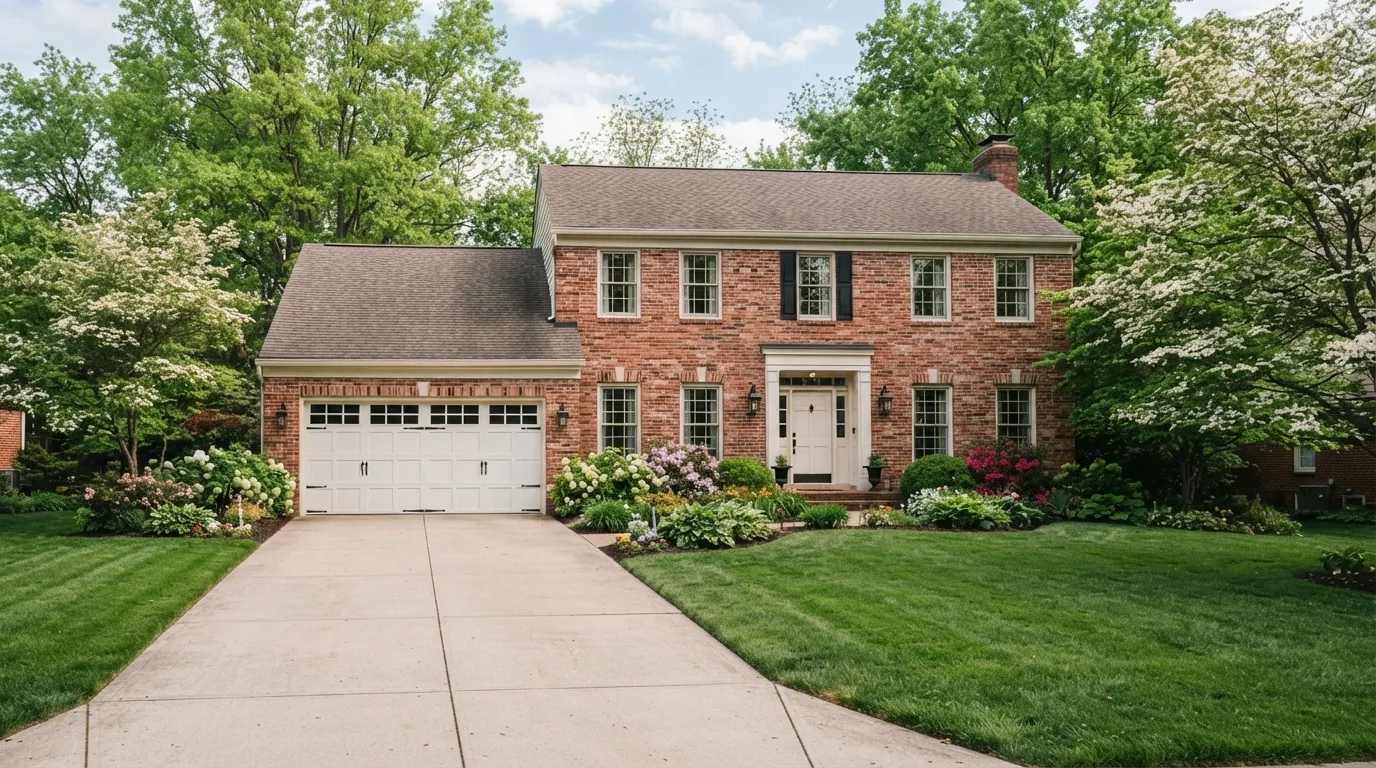
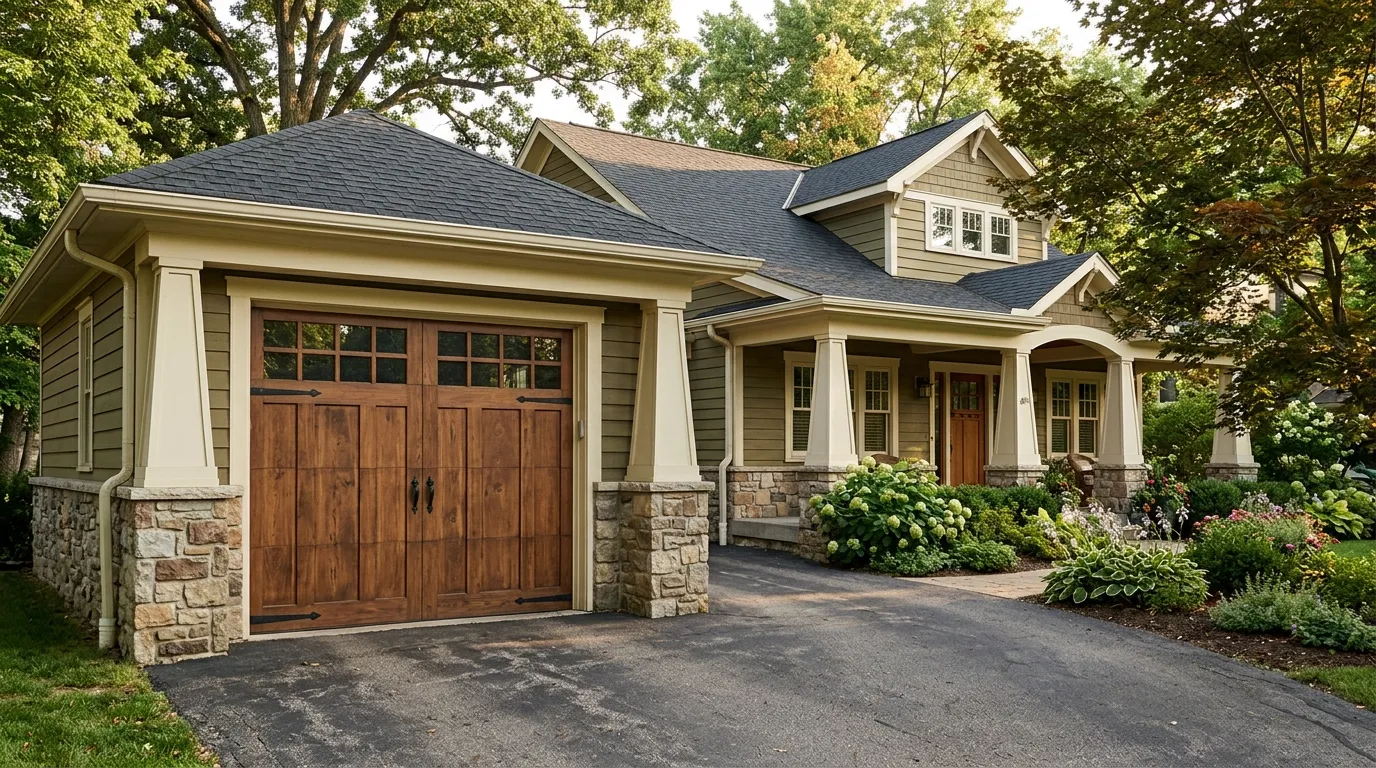
Willowbrook homes run newer than the region's 1963 median, built mostly in the late 1960s. We travel from Santa Monica for torsion-spring and opener work here.
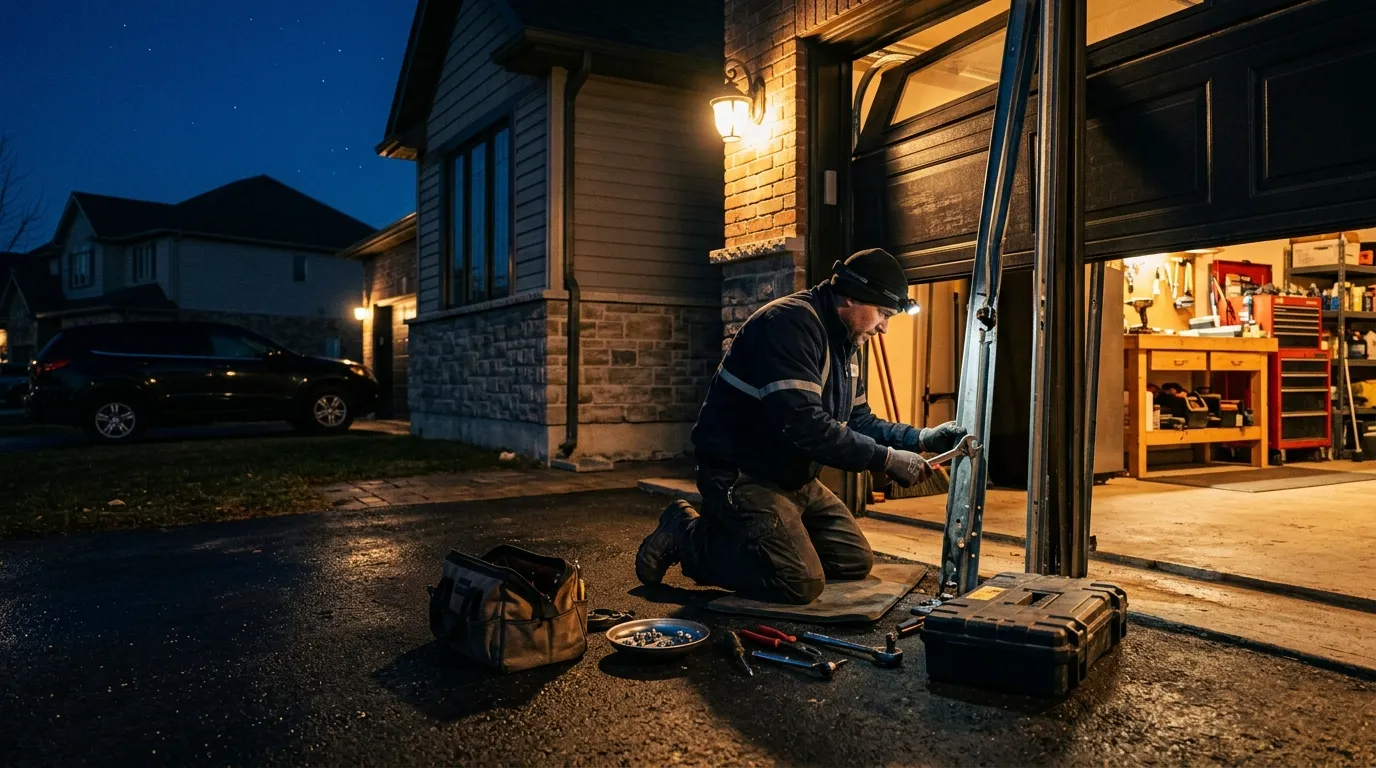
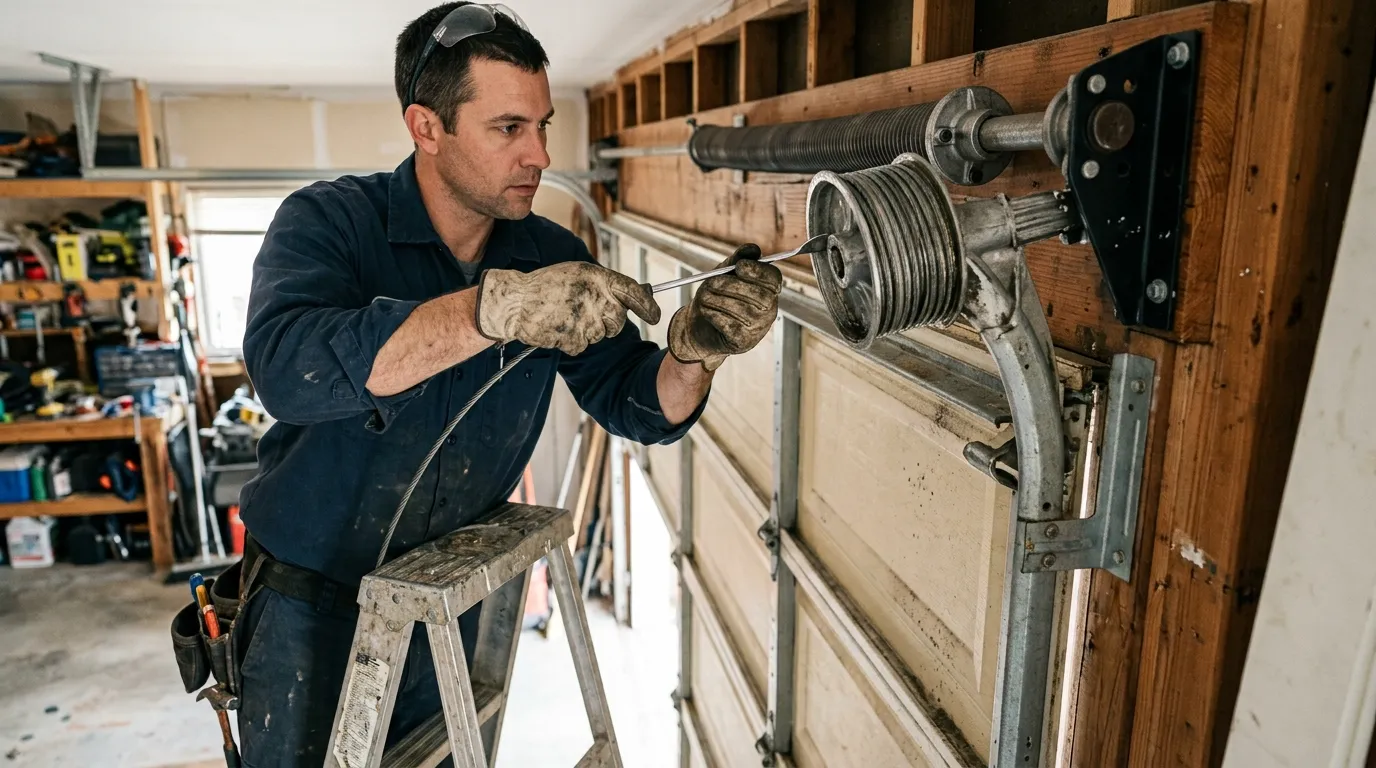
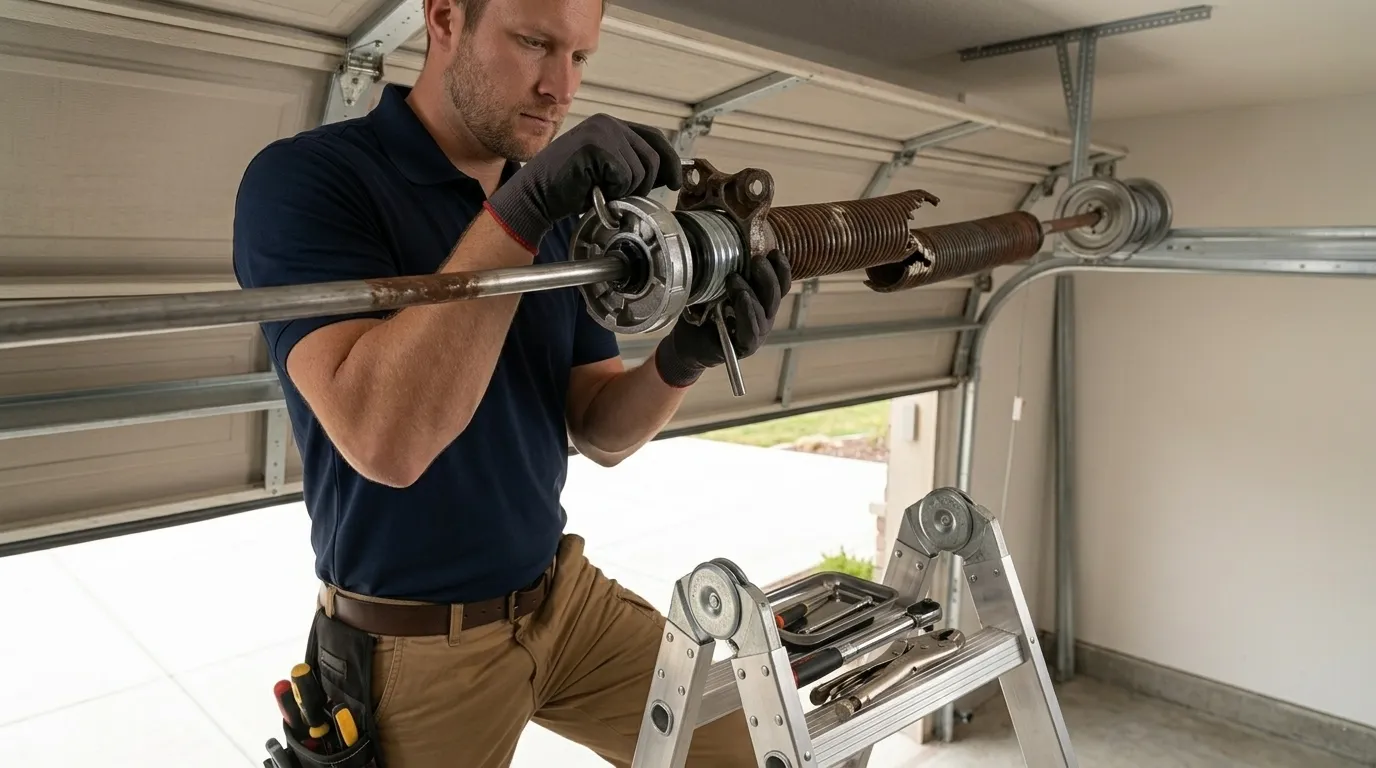
Willowbrook's houses carry a median build year of 1969, which puts most of the neighborhood a few years past the wider service area's 1963 median. That gap matters more than it sounds. By the late 1960s, torsion-spring setups mounted above the door had mostly replaced the older extension-spring designs that hang along the horizontal track. If your house here still has the original hardware, you're likely looking at a torsion system on steel track, not the older side-mounted spring rigs you'd find in an earlier-built block.
That doesn't mean every door is original. Fifty-plus years is long enough for at least one opener swap and, in a lot of cases, a full door replacement somewhere along the way. What it does mean is that when a spring finally lets go on a house built in this window, it's almost always a torsion spring on a standard-width track, and that changes what part we bring off the truck before we ever ring the bell.
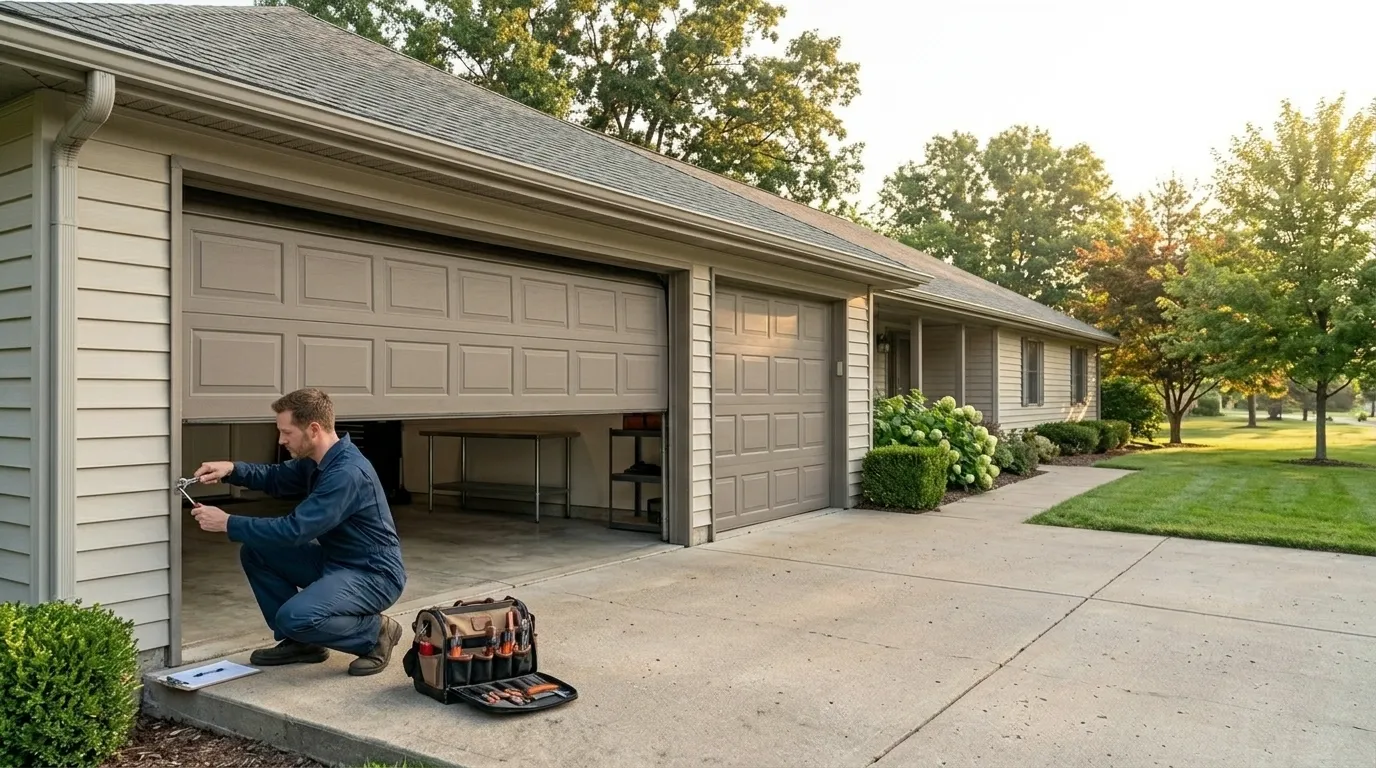
We don't guess at what's behind a wall or under insulation we haven't seen. We look at the track, the drum, and the winding cones on site before we quote anything.
The Houses Here
Willowbrook has 5,919 households, a smaller pocket compared to some of the 39 named areas in the wider service territory. Median household income here is $60,386, well under the $83,538 median across the full area we cover. That gap tends to show up in what people ask for: more single-spring replacements and roller swaps, fewer full-door tear-outs done just for looks.
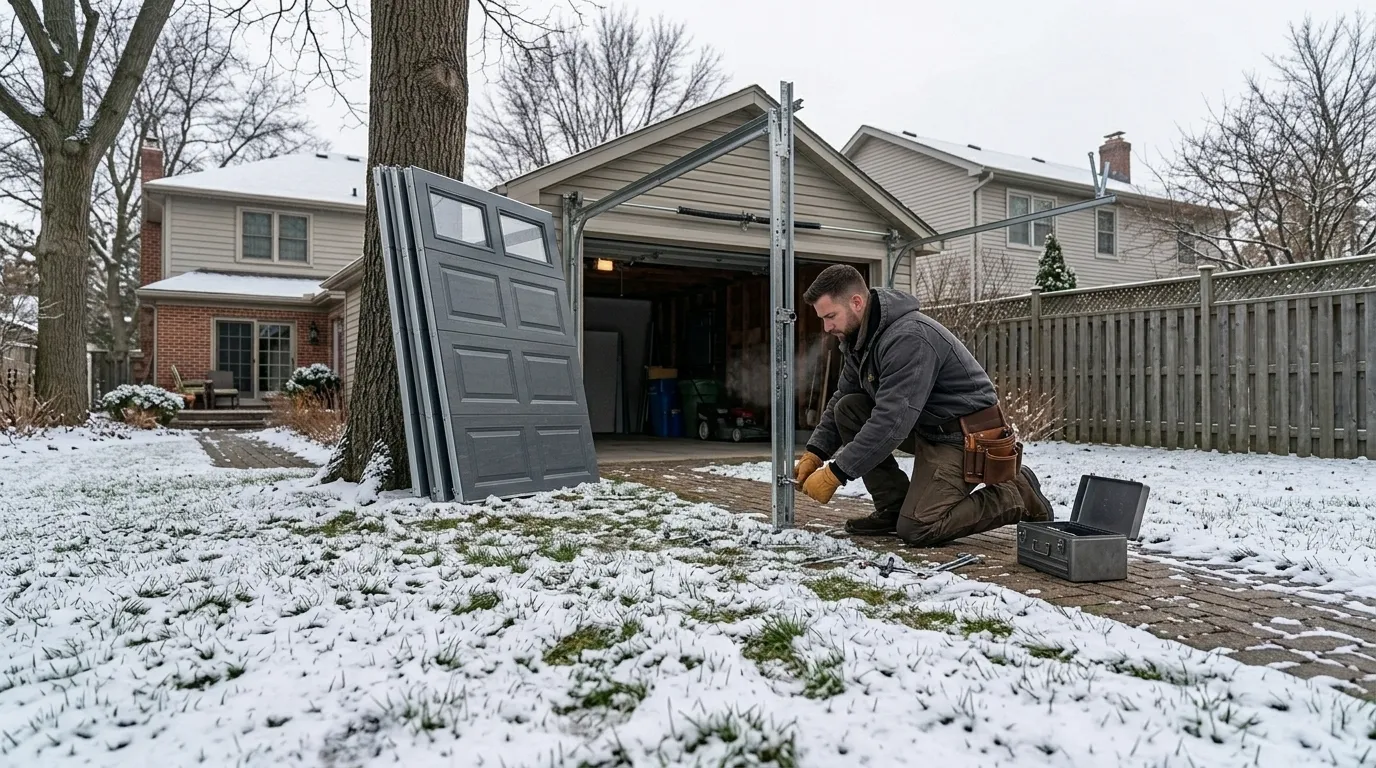
The climate band across this region is mild temperate, so we're not dealing with the freeze-thaw cycles that crack old wood jambs or swell steel panels the way colder regions do. Wear here comes from age and use, not weather. A cable frays because it's twenty years old and has gone up and down ten thousand times, not because it iced over.
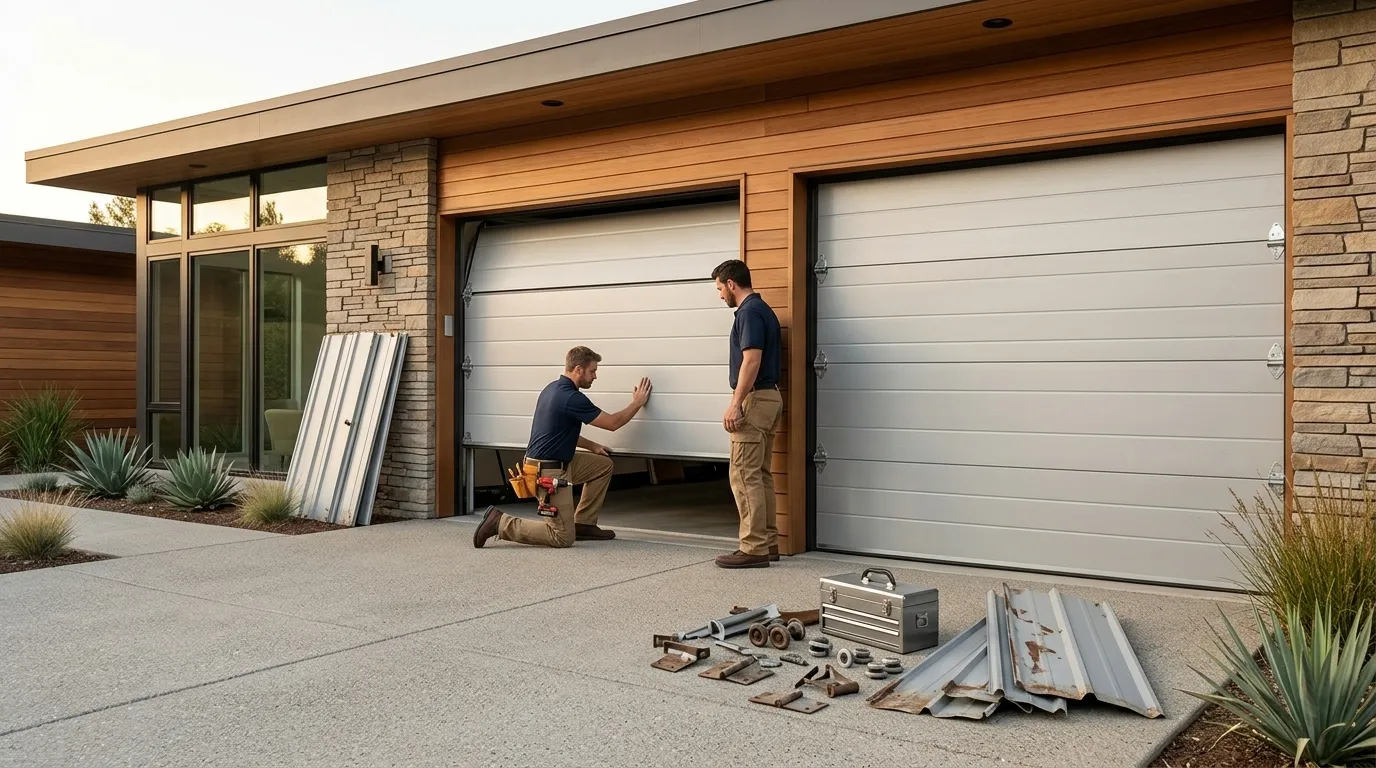
We won't tell you a door needs replacing when a spring and a service call will get another decade out of it. We also won't tell you a forty-year-old single-panel door with rusted-through bottom brackets is worth patching. Some jobs are a repair. Some aren't. We say which on site, before any work starts.
Where We Stop
We run out of Santa Monica, and Willowbrook sits about 16 miles out - toward the outer edge of where the truck goes. We don't keep a depot or drop-in office in Willowbrook itself, so there's no walk-in counter and no same-day guarantee we can put in writing here. What we can tell you is that the trip is a known one; it's on the list of areas we serve, not a special-case run.
Distance is also why we're straight about scheduling. A call from 16 miles out doesn't get the same slot flexibility as one from five minutes down the road, and we'd rather say that up front than have you wait on a truck that's still working a job closer to home.
The Split Between Old and New
Across the wider service area, housing spans 1947 to 2012 with a median around 1963, and most of the stock clusters in the 1960s and 70s across the named areas we cover. Willowbrook's own median of 1969 sits a bit later in that curve, which tilts the neighborhood toward torsion-spring doors rather than the earlier extension-spring jobs you'd find in a block built closer to 1950.
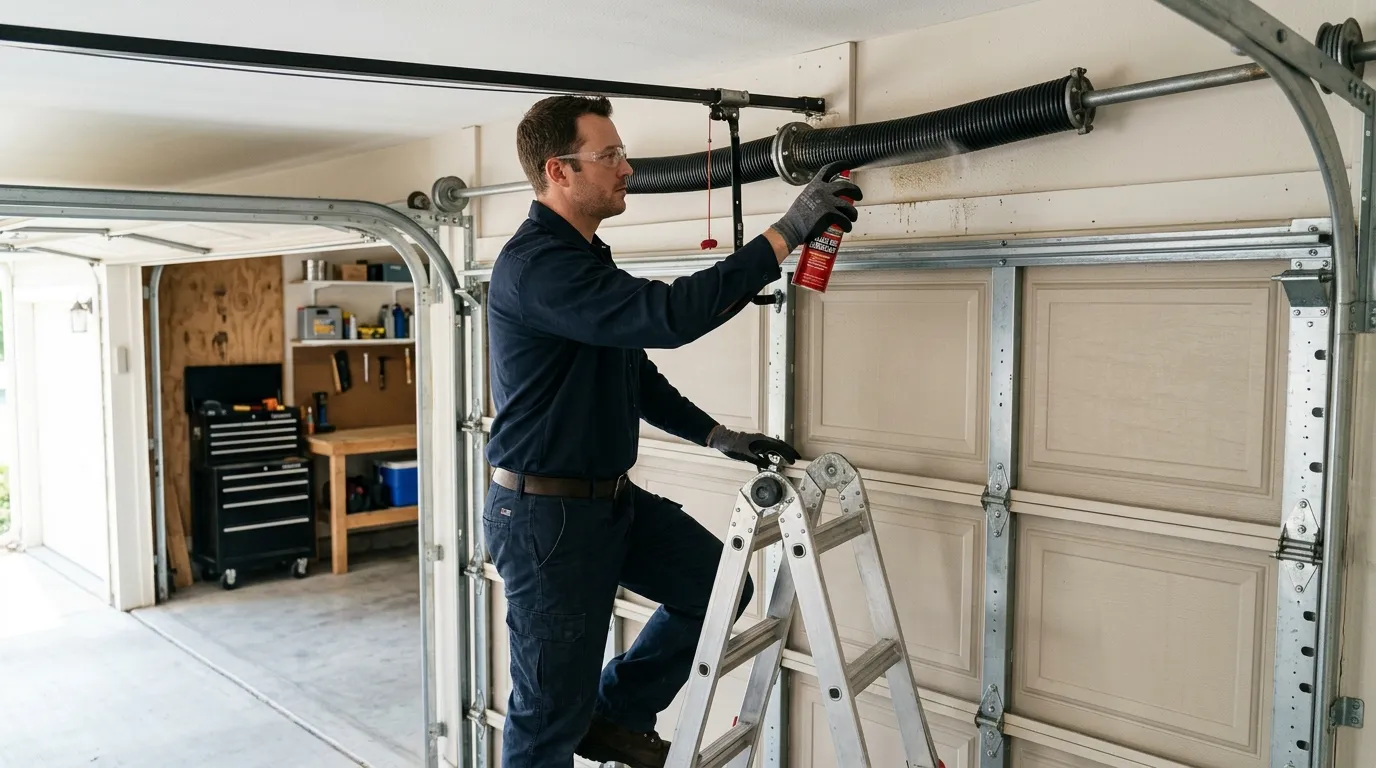
What that means in practice: fewer of the very oldest wood-panel doors with hand-wound extension springs, and more standard steel or aluminum sectional doors on torsion hardware that's now past its rated cycle count on plenty of houses. Springs are usually rated for a set number of open-close cycles, and a door installed new in 1969 has had five decades to burn through that count several times over, even accounting for an opener replacement or two along the way.
We're not going to pretend we know your exact door without seeing it - a 1969 build date tells us the likely category of hardware, not the specific brand, gauge, or install history sitting in your garage.
How it works
From “it’s stuck” to “it’s fixed”
01
Tell us what’s wrong
Describe the symptom - won’t open, loud bang, opener runs but the door won’t move.
02
On-site diagnosis
A technician tests the door under power and by hand and finds what actually failed.
03
Clear, up-front plan
You get the fix that’s needed and what drives the cost - before any work starts.
04
Repaired & tested
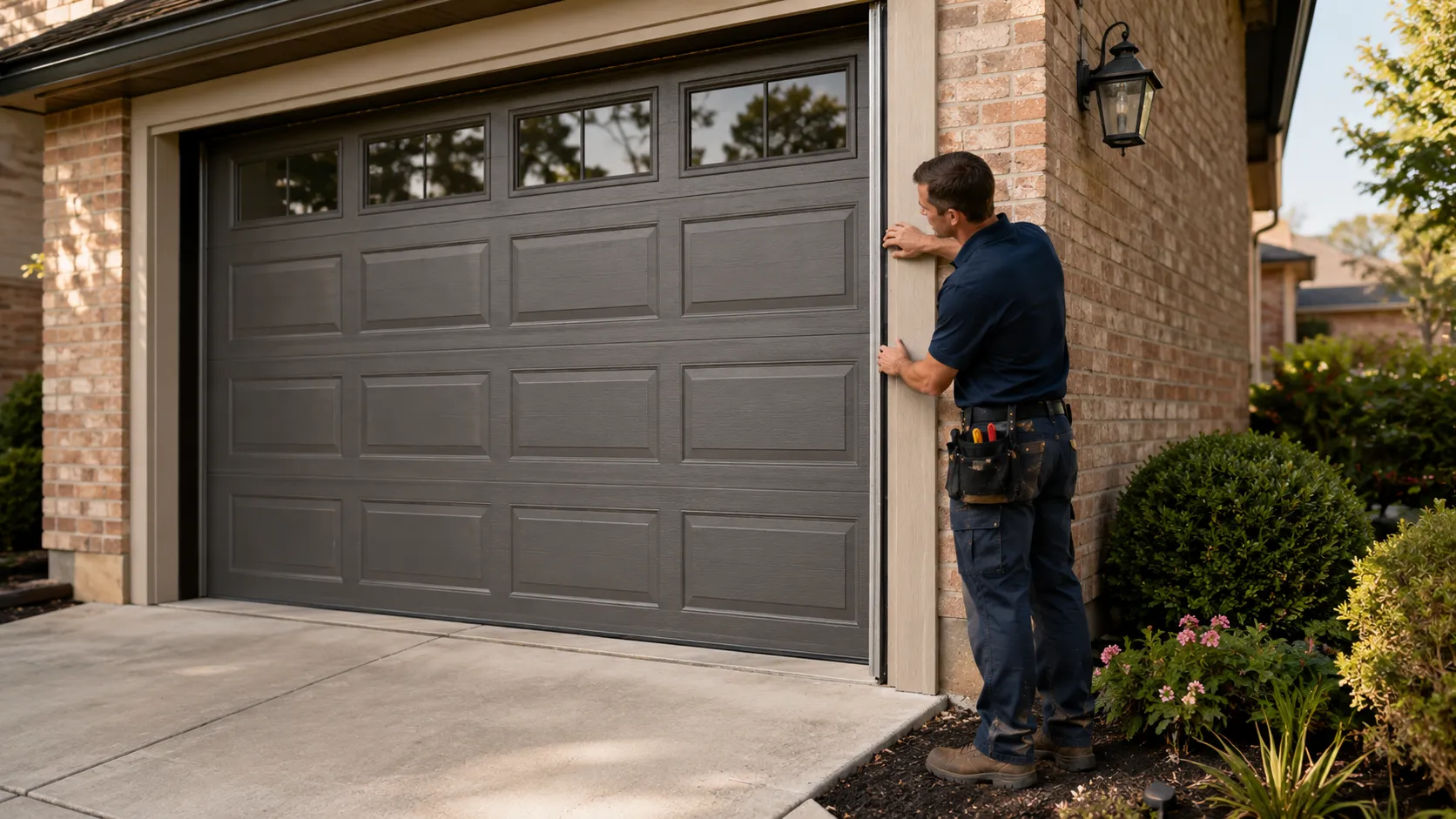
The repair is done, the door is set true and tested, and the work area left clean.
Serving Santa Monica, CA - tell us what your door’s doing and we’ll take it from there.
Straight answers about garage door repair in Santa Monica. Still unsure? Ask us directly.
Do you have an office in Willowbrook?
No. We run out of Santa Monica and travel to Willowbrook and the other areas we cover; there's no local counter or depot here, so scheduling depends on the truck's route that day.
Are Willowbrook garage doors mostly original?
Some are, some aren't. The median build year here is 1969, which tells us the likely hardware era - torsion spring on steel track - but plenty of houses have had an opener or full door swap since then. We check on site before quoting.
Why do you keep mentioning the build year?
Because it points to the hardware category. Houses from the late 1960s were built as torsion-spring setups became standard, so that's the repair we're usually loading for before we even see the door.
Is the climate here rough on garage doors?
Not especially. The region sits in a mild temperate band, so most wear we see comes from age and cycle count on springs and rollers, not weather damage like rust-through or wood swelling from freeze-thaw.